
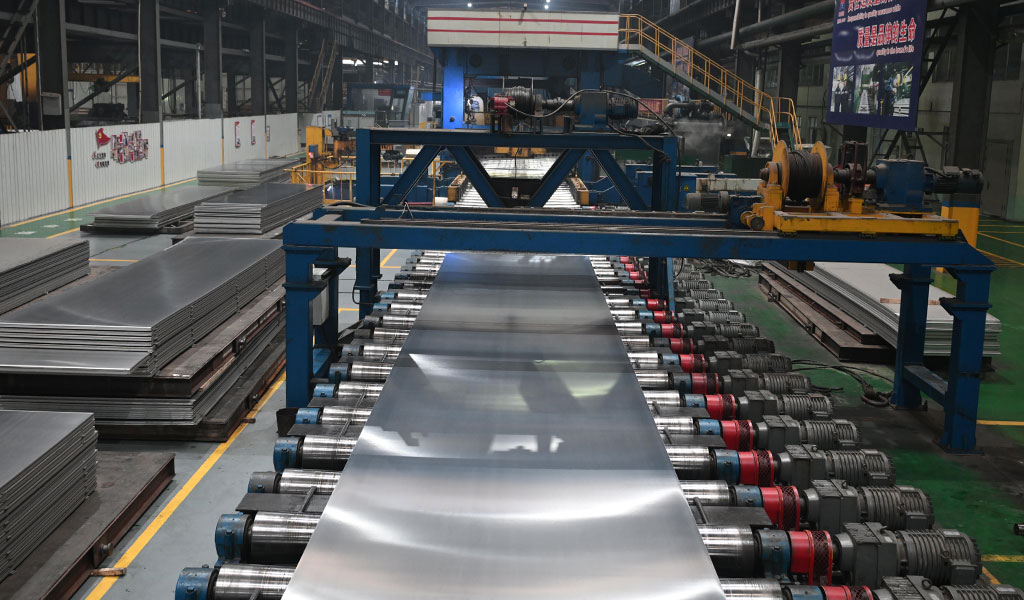
Aluminum alloys are widely utilized across various industries due to their favorable properties, including lightweight characteristics, corrosion resistance, and versatility in fabrication. Among the numerous aluminum alloys available, 3003 aluminum and 6061 aluminum stand out as two of the most commonly employed materials, each offering distinct mechanical, chemical, and physical attributes that make them suitable for specific applications. This article provides an exhaustive comparison of 3003 aluminum and 6061 aluminum, delving into their composition, properties, processing techniques, applications, and performance characteristics, supported by detailed scientific analysis and comparative tables.
Composition and Alloying Elements
Aluminum alloys are classified into wrought and cast categories, with both 3003 and 6061 belonging to the wrought aluminum alloy series. These alloys are designated by the Aluminum Association using a four-digit numbering system, where the first digit indicates the primary alloying element or series. The 3000 series, which includes 3003 aluminum, is primarily alloyed with manganese (Mn), while the 6000 series, encompassing 6061 aluminum, is alloyed with magnesium (Mg) and silicon (Si).
3003 Aluminum Composition
3003 aluminum is a non-heat-treatable alloy primarily composed of aluminum (Al) with manganese as the principal alloying element, typically ranging from 1.0% to 1.5% by weight. It also contains minor amounts of iron (Fe), usually up to 0.7%, and silicon (Si), up to 0.6%. Trace elements such as copper (Cu), zinc (Zn), and others are present in negligible quantities (less than 0.15% each). The addition of manganese enhances the alloy’s strength beyond that of pure aluminum while maintaining excellent workability and corrosion resistance. The nominal chemical composition of 3003 aluminum, as per Aluminum Association standards, is detailed in the table below.
6061 Aluminum Composition
In contrast, 6061 aluminum is a heat-treatable alloy from the 6000 series, with magnesium (0.8%–1.2%) and silicon (0.4%–0.8%) as its primary alloying elements. It also contains iron (up to 0.7%), copper (0.15%–0.4%), chromium (Cr, 0.04%–0.35%), and trace amounts of manganese, zinc, and titanium (Ti). The combination of magnesium and silicon allows 6061 aluminum to form magnesium silicide (Mg₂Si), a strengthening precipitate that can be enhanced through heat treatment, significantly increasing its mechanical strength. Its composition is also standardized by the Aluminum Association and is provided in the comparison table.
Comparative Table: Chemical Composition
| Element | 3003 Aluminum (% by weight) | 6061 Aluminum (% by weight) |
|---|---|---|
| Aluminum (Al) | 96.8–99.0 | 95.8–98.6 |
| Manganese (Mn) | 1.0–1.5 | 0.15 max |
| Magnesium (Mg) | 0.05 max | 0.8–1.2 |
| Silicon (Si) | 0.6 max | 0.4–0.8 |
| Iron (Fe) | 0.7 max | 0.7 max |
| Copper (Cu) | 0.05–0.20 | 0.15–0.4 |
| Zinc (Zn) | 0.1 max | 0.25 max |
| Chromium (Cr) | 0.05 max | 0.04–0.35 |
| Titanium (Ti) | 0.05 max | 0.15 max |
| Others (each) | 0.05 max | 0.05 max |
| Others (total) | 0.15 max | 0.15 max |
The compositional differences between 3003 and 6061 aluminum fundamentally dictate their mechanical behavior and suitability for various applications. Manganese in 3003 provides moderate strength and excellent ductility, while the magnesium-silicon combination in 6061 enables precipitation hardening, resulting in superior strength and toughness.
Physical Properties
The physical properties of aluminum alloys, such as density, melting point, and thermal conductivity, influence their performance in engineering applications. Both 3003 and 6061 aluminum share some characteristics typical of aluminum alloys but differ in specific attributes due to their alloying elements.
Density
The density of 3003 aluminum is approximately 2.73 g/cm³, slightly higher than that of pure aluminum (2.70 g/cm³) due to the addition of manganese and trace elements. Similarly, 6061 aluminum has a density of about 2.70 g/cm³, reflecting its balanced composition with magnesium and silicon. The minimal difference in density between the two alloys makes them both lightweight options compared to other metals like steel or copper, a critical factor in industries such as aerospace and automotive manufacturing.
Melting Point
The melting point of 3003 aluminum ranges from approximately 643°C to 654°C (1,189°F to 1,209°F), influenced by its manganese content and impurities. For 6061 aluminum, the melting range is slightly broader, typically between 582°C and 652°C (1,080°F to 1,206°F), due to the presence of magnesium and silicon, which lower the melting point relative to pure aluminum. These melting ranges are crucial for processing techniques like casting, welding, and heat treatment.
Thermal Conductivity
Thermal conductivity is a vital property for applications involving heat dissipation, such as heat exchangers or electronic enclosures. 3003 aluminum exhibits a thermal conductivity of approximately 190 W/m·K at 25°C, benefiting from its relatively simple alloy structure. In contrast, 6061 aluminum, in its T6 temper (solution heat-treated and artificially aged), has a slightly lower thermal conductivity of about 167 W/m·K, owing to the presence of magnesium silicide precipitates that impede heat transfer. However, in its annealed (O temper) state, 6061’s thermal conductivity increases to around 180 W/m·K, closer to that of 3003.
Electrical Conductivity
Both alloys are good electrical conductors, a property inherited from aluminum’s high conductivity. 3003 aluminum has an electrical conductivity of approximately 48% IACS (International Annealed Copper Standard), making it suitable for electrical applications like bus bars. 6061 aluminum, in its T6 temper, has a slightly lower conductivity of about 43% IACS due to the scattering effects of precipitates, though this can improve in the O temper to around 47% IACS.
Comparative Table: Physical Properties
| Property | 3003 Aluminum | 6061 Aluminum (T6 Temper) | 6061 Aluminum (O Temper) |
|---|---|---|---|
| Density (g/cm³) | 2.73 | 2.70 | 2.70 |
| Melting Range (°C) | 643–654 | 582–652 | 582–652 |
| Thermal Conductivity (W/m·K) | 190 | 167 | 180 |
| Electrical Conductivity (% IACS) | 48 | 43 | 47 |
| Specific Heat Capacity (J/kg·K) | 893 | 896 | 896 |
These physical properties highlight 3003 aluminum’s advantage in thermal and electrical conductivity, while 6061’s variability with tempering offers flexibility depending on application needs.
Mechanical Properties
The mechanical properties of 3003 and 6061 aluminum, including tensile strength, yield strength, elongation, and hardness, are pivotal in determining their structural performance. These properties vary significantly due to differences in alloying and heat treatment capabilities.
3003 Aluminum Mechanical Properties
As a non-heat-treatable alloy, 3003 aluminum relies on cold working (e.g., rolling or drawing) to increase its strength. In its annealed (O temper) state, 3003 has a tensile strength of approximately 110–130 MPa (16–19 ksi), a yield strength of 40–55 MPa (6–8 ksi), and an elongation of 30–40%, reflecting its excellent ductility. In the H14 temper (strain-hardened to half-hard), its tensile strength rises to 150–180 MPa (22–26 ksi), yield strength to 130–150 MPa (19–22 ksi), and elongation decreases to 8–15%. The Brinell hardness of 3003 ranges from 28 HB in the O temper to 55 HB in the H18 temper (fully hard).
6061 Aluminum Mechanical Properties
6061 aluminum’s heat-treatable nature allows for significant strength enhancement through processes like T6 tempering. In the T6 condition, 6061 exhibits a tensile strength of 290–310 MPa (42–45 ksi), a yield strength of 240–275 MPa (35–40 ksi), and an elongation of 12–17%, balancing strength and ductility. In the annealed (O temper) state, its tensile strength drops to 124–150 MPa (18–22 ksi), yield strength to 55–83 MPa (8–12 ksi), and elongation increases to 25–30%. Hardness also varies, with 6061-T6 reaching 95–100 HB, compared to 30–40 HB in the O temper.
Comparative Table: Mechanical Properties
| Property | 3003-O | 3003-H14 | 6061-O | 6061-T6 |
|---|---|---|---|---|
| Tensile Strength (MPa) | 110–130 | 150–180 | 124–150 | 290–310 |
| Yield Strength (MPa) | 40–55 | 130–150 | 55–83 | 240–275 |
| Elongation (%) | 30–40 | 8–15 | 25–30 | 12–17 |
| Brinell Hardness (HB) | 28 | 40–55 | 30–40 | 95–100 |
| Modulus of Elasticity (GPa) | 69 | 69 | 68.9 | 68.9 |
6061-T6 clearly outperforms 3003 in strength and hardness, making it ideal for structural applications, while 3003 excels in formability and ductility, suited for shaping and bending processes.
Processing and Fabrication
Forming and Workability
3003 aluminum is renowned for its excellent workability, particularly in forming operations like deep drawing, spinning, and bending. Its high ductility and moderate strength in the annealed state make it a preferred choice for sheet metal applications, such as roofing, siding, and cookware. Cold working further enhances its strength without compromising formability significantly, though it remains softer than most heat-treated alloys.
6061 aluminum, while less ductile than 3003, offers good formability in its annealed state, suitable for extrusion and forging. After heat treatment (e.g., T6), its increased strength reduces its formability, making it more challenging to shape but ideal for machined or welded components. The alloy’s versatility in processing is a key advantage in industries requiring complex geometries.
Weldability
Both alloys are weldable, but their responses differ. 3003 aluminum is highly weldable using techniques like TIG (tungsten inert gas) and MIG (metal inert gas) welding, with minimal risk of cracking due to its low alloy content. It typically uses 1100 or 4043 filler alloys, maintaining its corrosion resistance post-welding.
6061 aluminum is also weldable, commonly with 4043 or 5356 filler alloys, but its heat-treatable nature means welding can reduce strength in the heat-affected zone (HAZ) unless post-weld heat treatment is applied. This makes 6061 more complex to weld but manageable with proper controls, especially for structural assemblies.
Machinability
Machinability is another differentiator. 3003 aluminum has fair machinability due to its softness, often producing long, stringy chips that require careful tool management. Conversely, 6061-T6 offers excellent machinability, with its harder, more brittle structure producing shorter chips, making it a favorite for CNC machining of parts like brackets and fittings.
Heat Treatment
3003 aluminum cannot be heat-treated to increase strength, relying solely on strain hardening. In contrast, 6061 aluminum’s ability to undergo solution heat treatment and aging (e.g., T6 temper) allows for tailored mechanical properties, a significant advantage in high-performance applications.
Corrosion Resistance
Corrosion resistance is a hallmark of aluminum alloys, enhanced by the natural formation of a protective oxide layer. 3003 aluminum exhibits excellent resistance to atmospheric corrosion, chemicals, and moisture, attributed to its manganese content and lack of copper, which can promote galvanic corrosion. It is widely used in environments like food processing and marine applications (non-seawater).
6061 aluminum also offers good corrosion resistance, though slightly less than 3003 due to its copper content (0.15%–0.4%). In the T6 temper, its resistance remains robust for general use, but it may require protective coatings (e.g., anodizing) in harsh environments like seawater exposure. Anodizing enhances both alloys’ durability, with 6061 often anodized for aesthetic and protective purposes in architectural applications.
Applications
3003 Aluminum Applications
The combination of formability, corrosion resistance, and moderate strength makes 3003 aluminum ideal for:
- Sheet Metal Products: Roofing, siding, gutters, and cladding.
- Heat Exchangers: Automotive radiators and HVAC systems.
- Food and Chemical Handling: Cookware, storage tanks, and piping.
- Packaging: Foil containers and beverage cans.
6061 Aluminum Applications
6061’s superior strength and versatility suit it for:
- Structural Components: Aircraft frames, bridges, and towers.
- Automotive Parts: Wheels, chassis, and engine components.
- Marine Applications: Boat fittings and hulls (with coatings).
- Machined Parts: Fittings, valves, and precision components.
Cost and Availability
3003 aluminum is typically less expensive than 6061 due to its simpler composition and lack of heat treatment requirements, making it a cost-effective choice for large-scale, non-structural applications. It is widely available in sheet and coil forms. 6061 aluminum, with its enhanced properties and processing needs, commands a higher price but is equally accessible in various forms (sheets, plates, extrusions), especially in tempered conditions like T6.
Scientific Analysis and Performance Metrics
To further elucidate the differences, consider their performance under specific conditions:
Fatigue Resistance
6061-T6 exhibits superior fatigue resistance (up to 96–110 MPa at 10⁷ cycles) compared to 3003-H14 (approximately 60–70 MPa), making it preferable for cyclic loading applications like aircraft wings.
Thermal Expansion
Both alloys have similar coefficients of thermal expansion (~23.6 × 10⁻⁶/K for 3003 and 23.4 × 10⁻⁶/K for 6061), ensuring dimensional stability across temperature ranges.
Wear Resistance
6061-T6’s higher hardness provides better wear resistance than 3003, critical for moving parts or abrasive environments.
Conclusion
In summary, 3003 aluminum and 6061 aluminum cater to distinct niches within the aluminum alloy spectrum. 3003 excels in formability, corrosion resistance, and cost-effectiveness, making it ideal for sheet metal and non-structural uses. 6061, with its heat-treatable strength and versatility, dominates in structural and high-performance applications. The choice between them hinges on specific requirements—ductility and economy favor 3003, while strength and durability favor 6061. These alloys exemplify the adaptability of aluminum in modern engineering, each contributing uniquely to technological advancement.

The Detail Of BE-CU Cnc Machining Shop
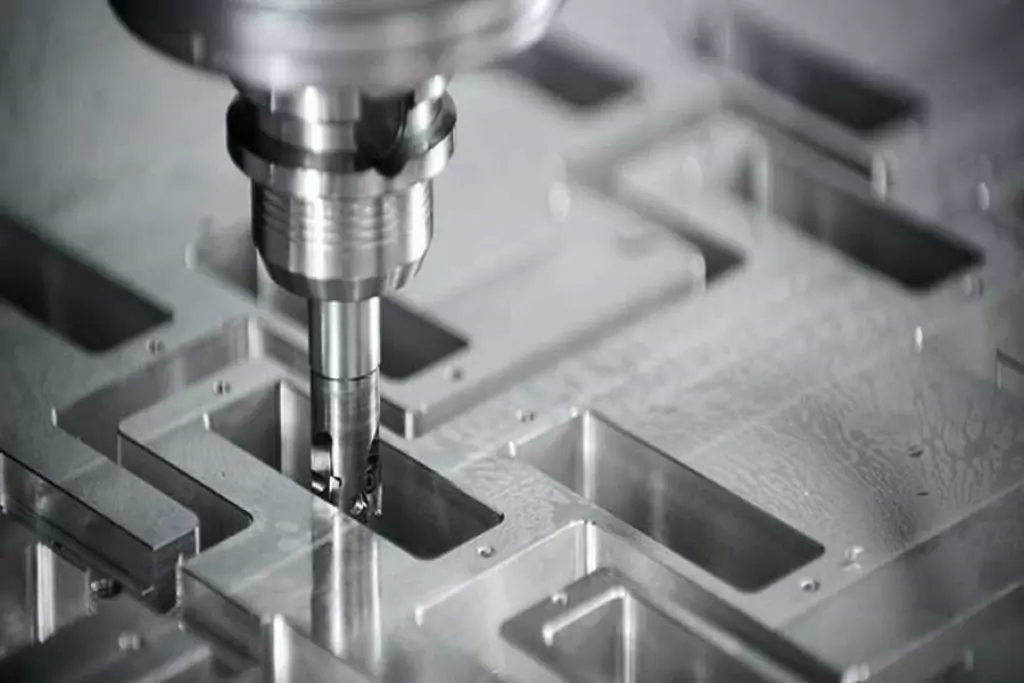
BE-CU.COM – As an accomplished CNC machining Service Manufacturer and CNC shop, BE-CU Prototype has been specialized in OEM CNC lathing, custom CNC machining parts production and rapid CNC machining services China for over 35 years and always maintaining the highest standard in delivery speed and reliable quality of precision CNC manufacturing components. With the help of high-level technology and efficient equipment, as well as rigorous attitude, BE-CU passed the ISO9001:2015 quality certification, which supports the long-term development of CNC milling services, CNC turning services, CNC milling-turning, CNC drilling services, 3/4/5 axis machining, gear machining services, CNC machining China custom parts and service, small parts machining, etc.Our CNC machining products can be utilized in a broad range of industries. Contact us for email: [email protected]
-
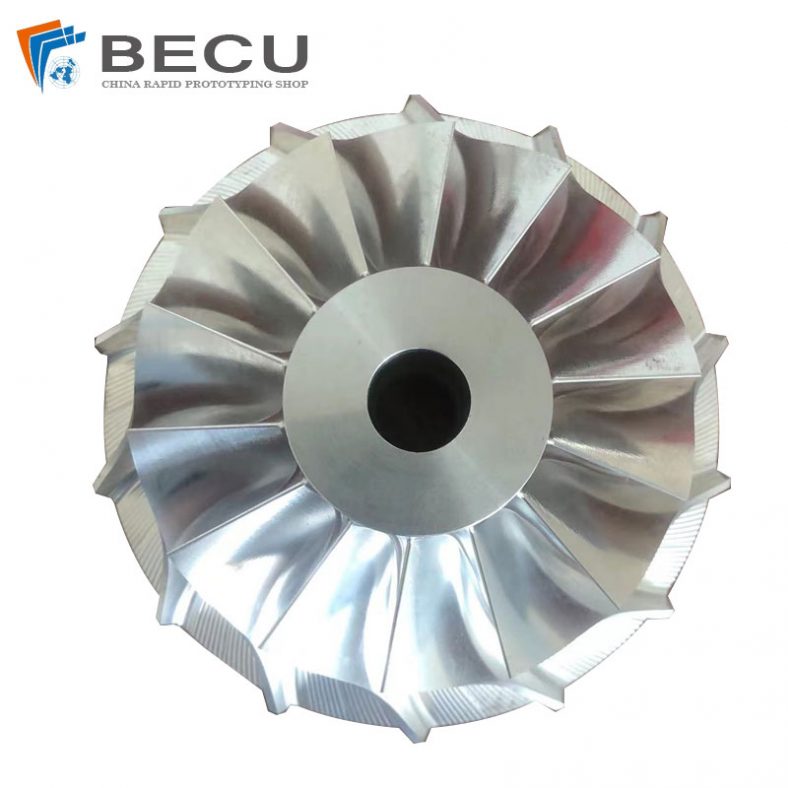
3-Way Centrifugal Compressor Closed Impeller By 5 Axis Machining
-
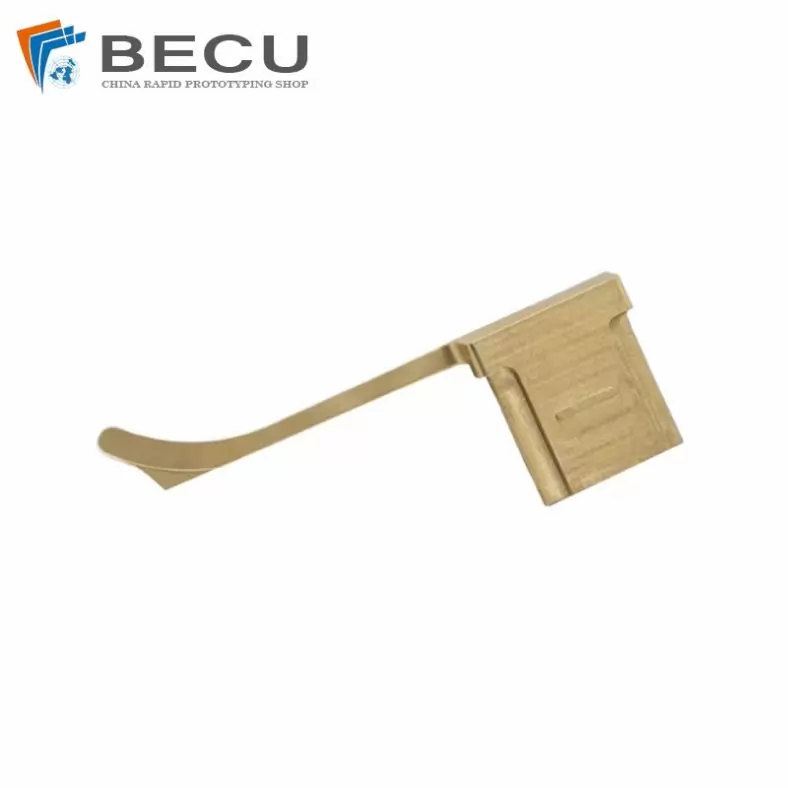
3/4/5 Axis Precision Milling Custom Vehicle Parts
-
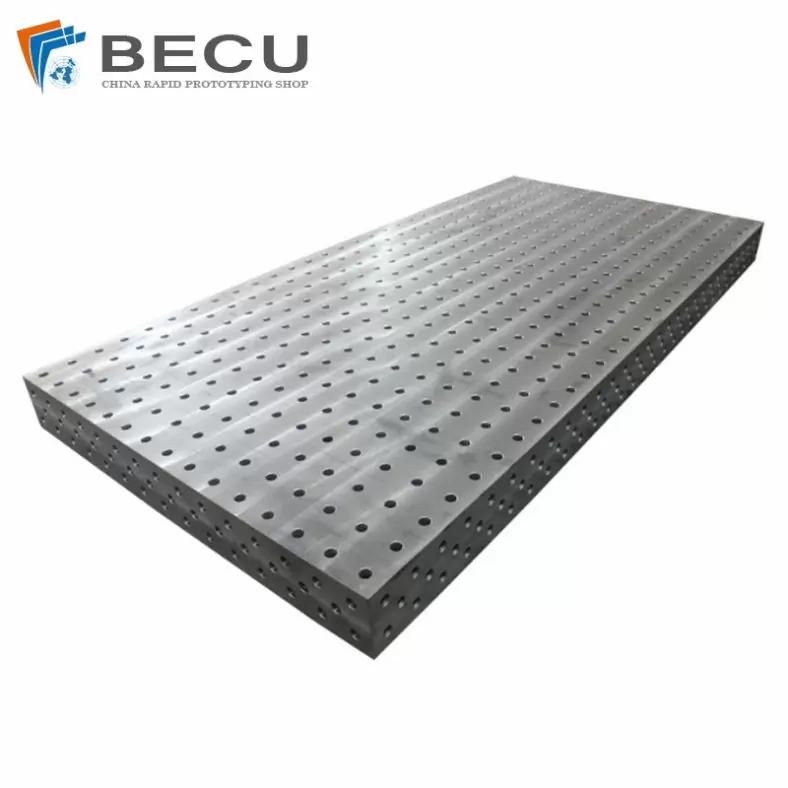
3D Flexible Welding Platform By Large Machining
-
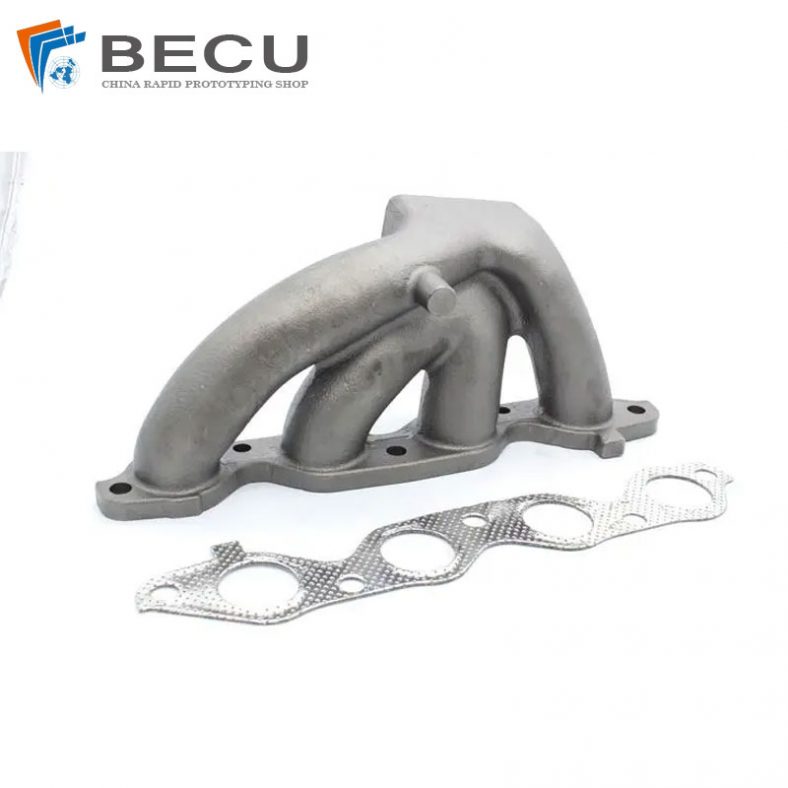
3D Printed Inconel Exhaust Manifold
-
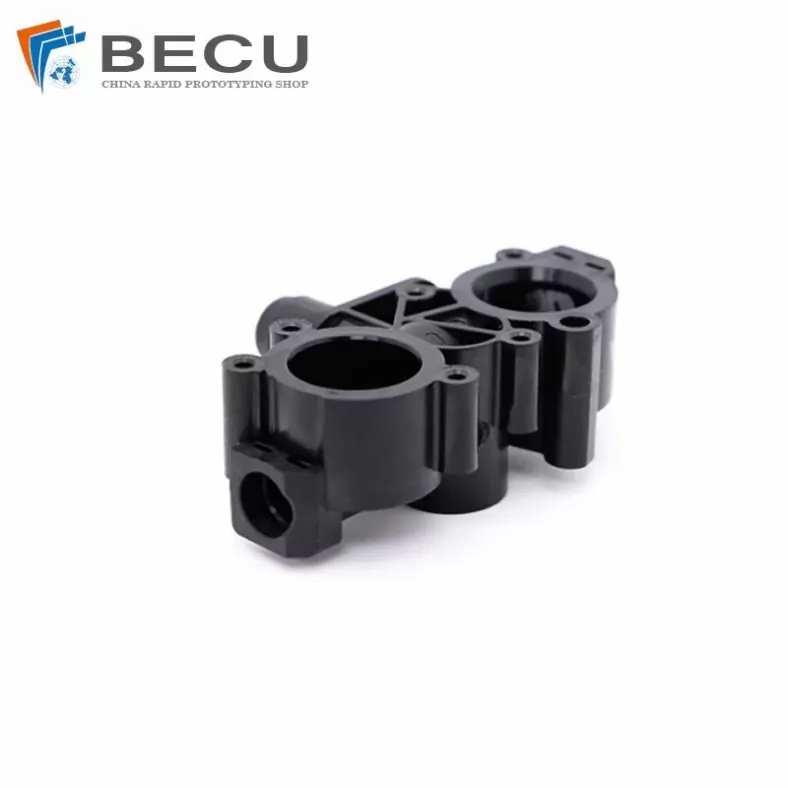
3D Printing And CNC Machining Custom Black PPS Valve
-
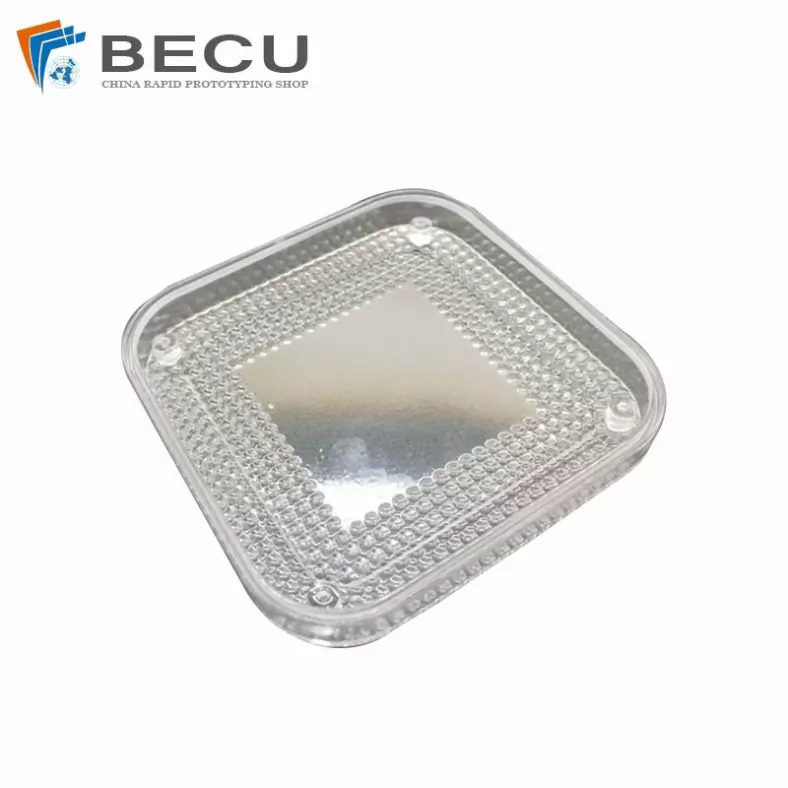
3D Printing Full Transparent Acrylic Lampshade Model
-
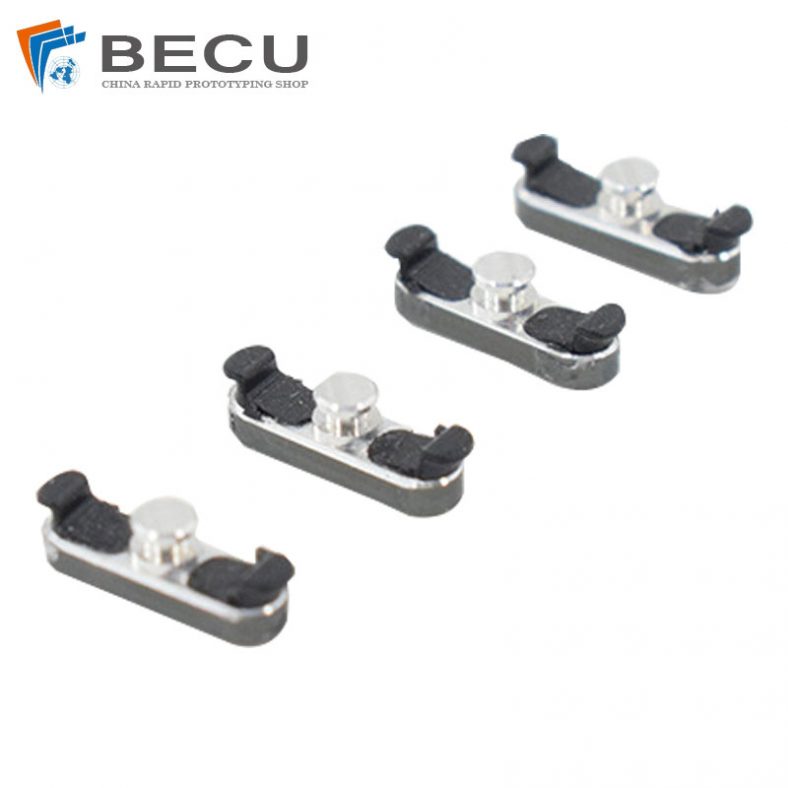
4 Axis CNC Machining Titanium Grade 5 Mobile Phone Buttons
-
4 Axis Machining Highly Transparent Acrylic LED Tunnel Light Lens