
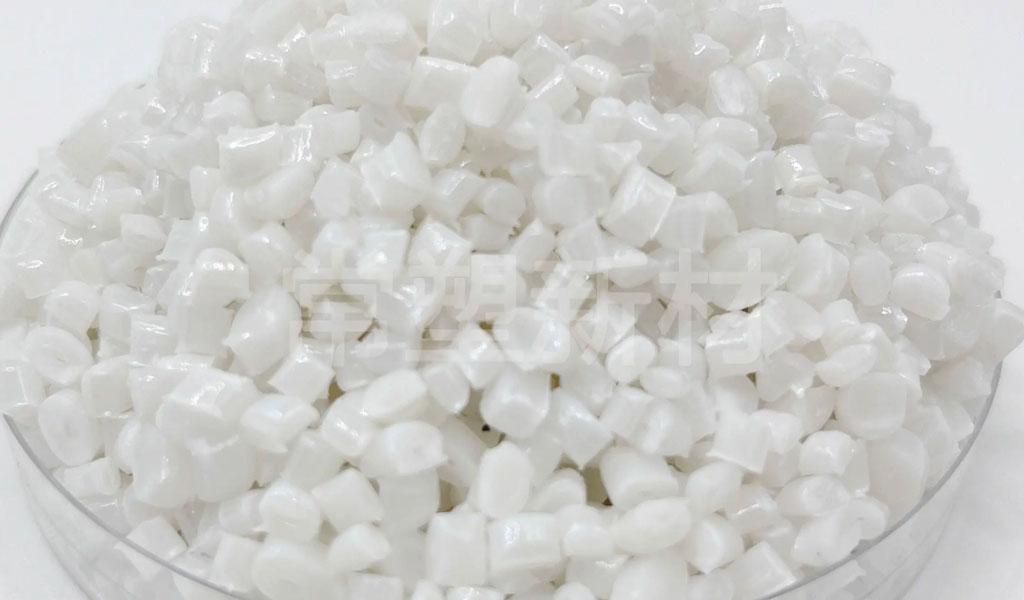
Flame-retardant thermoplastics are a critical class of materials in modern engineering, designed to enhance safety by reducing the flammability of plastic components used in various applications, from consumer electronics to aerospace. These materials are engineered to resist ignition, slow the spread of flames, and minimize the release of toxic gases during combustion.
The Underwriters Laboratories (UL) 94 standard is a globally recognized benchmark for assessing the flammability of plastics, providing a systematic classification system that guides material selection for specific applications.
This article comprehensively explores flame-retardant thermoplastics, their properties, mechanisms, types, and the UL 94 classification system, offering detailed insights into their scientific principles, testing methodologies, and practical applications. The discussion is structured to provide a rigorous, scientific perspective, incorporating comparative tables to elucidate key concepts.
Thermoplastics: Fundamentals and Flammability
Definition and Characteristics of Thermoplastics
Thermoplastics are a category of polymers that become pliable or moldable when heated and solidify upon cooling, allowing them to be reshaped multiple times without significant degradation. This reversibility distinguishes thermoplastics from thermosets, which form irreversible chemical bonds during curing. Common thermoplastics include polyethylene (PE), polypropylene (PP), polyvinyl chloride (PVC), polystyrene (PS), acrylonitrile butadiene styrene (ABS), polyamide (nylon), and thermoplastic polyurethane (TPU). These materials are valued for their lightweight nature, versatility, and ease of processing, making them ubiquitous in industries such as automotive, electronics, construction, and medical device manufacturing.
Thermoplastics are composed of long polymer chains held together by weak intermolecular forces, such as van der Waals forces or hydrogen bonds. When heated, these chains gain mobility, enabling the material to flow and be molded. Upon cooling, the chains realign, restoring the material’s solid structure. This molecular architecture contributes to their recyclability but also renders them susceptible to thermal degradation and combustion under high temperatures.
Flammability of Thermoplastics
The flammability of thermoplastics stems from their organic composition, primarily carbon and hydrogen, which makes them prone to pyrolysis—a thermochemical decomposition process that occurs when polymers are exposed to heat. During pyrolysis, polymer chains break down into volatile hydrocarbons and flammable gases, which combine with oxygen in the air to sustain combustion. This process is exothermic, releasing heat that further accelerates degradation and flame spread.
The combustion of thermoplastics typically involves three stages: ignition, flame propagation, and afterburning. Ignition occurs when the material reaches a critical temperature, releasing sufficient volatile gases to form a combustible mixture with air. Flame propagation depends on the material’s ability to sustain combustion, influenced by factors such as its chemical structure, thermal stability, and oxygen availability. Afterburning refers to the continued combustion of residual char or molten material, which may produce smoke and toxic byproducts.
The inherent flammability of thermoplastics poses significant safety risks, particularly in applications involving electrical devices, transportation, or confined spaces. To mitigate these risks, flame-retardant additives or inherently flame-resistant polymers are employed to alter the combustion behavior of thermoplastics, reducing their propensity to ignite and limiting flame spread.
Flame-Retardant Thermoplastics: Principles and Mechanisms
Definition and Importance
Flame-retardant thermoplastics are engineered materials that incorporate additives or structural modifications to enhance their resistance to ignition and combustion. These materials are critical in applications where fire safety is paramount, such as in electrical enclosures, automotive interiors, and aircraft components. By reducing the risk of fire-related incidents, flame-retardant thermoplastics contribute to compliance with stringent safety regulations and protect human lives and property.
The primary goal of flame retardancy is to disrupt the combustion cycle, which involves heat, fuel, and oxygen. Flame-retardant thermoplastics achieve this by interfering with one or more stages of combustion, such as preventing ignition, slowing flame propagation, or promoting self-extinguishment. These properties are achieved through chemical and physical mechanisms that alter the material’s response to heat and flames.
Mechanisms of Flame Retardancy
Flame retardancy in thermoplastics is achieved through several mechanisms, which can be broadly categorized into gas-phase, condensed-phase, and physical mechanisms. Each mechanism targets a specific aspect of the combustion process, and many flame-retardant systems combine multiple approaches for enhanced efficacy.
Gas-Phase Mechanisms
In the gas phase, flame retardants inhibit combustion by interfering with the chemical reactions that sustain flames. This is typically achieved by releasing radical scavengers or non-combustible gases that dilute the flammable gas mixture. For example, halogenated flame retardants, such as brominated or chlorinated compounds, release halogen radicals (e.g., Br• or Cl•) during thermal decomposition. These radicals react with highly reactive species, such as hydrogen or hydroxyl radicals, in the flame, disrupting the chain reactions necessary for sustained combustion.
Another gas-phase mechanism involves the release of inert gases, such as nitrogen or carbon dioxide, which dilute the oxygen concentration in the combustion zone. This reduces the flammability of the gas mixture and lowers the flame temperature, making it harder for combustion to continue. Phosphorus-based flame retardants, such as phosphates, may also act in the gas phase by forming phosphorus-containing radicals that inhibit flame propagation.
Condensed-Phase Mechanisms
Condensed-phase mechanisms focus on altering the polymer’s decomposition behavior in the solid or liquid state. One common approach is char formation, where the flame retardant promotes the creation of a carbonaceous char layer on the material’s surface during combustion. This char acts as a thermal and oxygen barrier, insulating the underlying polymer from heat and preventing the release of additional volatile gases. Phosphorus-based flame retardants, such as ammonium polyphosphate (APP), are particularly effective in promoting char formation by catalyzing dehydration reactions that cross-link the polymer matrix.
Another condensed-phase mechanism is endothermic decomposition, where flame retardants absorb heat during thermal breakdown, cooling the material and slowing pyrolysis. Metal hydroxides, such as aluminum hydroxide (ATH) or magnesium hydroxide (Mg(OH)₂), decompose endothermically, releasing water vapor that further dilutes the flammable gases and cools the system.
Physical Mechanisms
Physical mechanisms involve the use of additives that alter the thermal or mechanical properties of the thermoplastic without directly participating in chemical reactions. For instance, fillers such as glass fibers or mineral particles increase the material’s thermal mass, making it harder to reach ignition temperatures. Intumescent flame retardants form a foamed char layer upon heating, which expands to create a thick, insulating barrier that protects the underlying material. These systems often combine phosphorus and nitrogen compounds, such as piperazine pyrophosphate (PAPP) and melamine, to achieve synergistic effects.
Types of Flame Retardants
Flame retardants used in thermoplastics can be classified based on their chemical composition and mode of incorporation. The main categories include halogenated, phosphorus-based, nitrogen-based, mineral-based, and inherently flame-retardant polymers.
Halogenated Flame Retardants
Halogenated flame retardants, such as brominated or chlorinated compounds, are highly effective in the gas phase due to their ability to release halogen radicals. Common examples include decabromodiphenyl ether (DBDPE) and tetrabromobisphenol A (TBBPA). These compounds are widely used in electronics and automotive applications due to their low cost and compatibility with various polymers. However, their use has declined in recent years due to environmental and health concerns, as some halogenated compounds are persistent organic pollutants (POPs) and may release toxic gases, such as dioxins, during combustion.
Phosphorus-Based Flame Retardants
Phosphorus-based flame retardants, including phosphates, phosphonates, and phosphinates, are versatile additives that operate in both gas and condensed phases. They promote char formation and inhibit radical reactions, making them suitable for a wide range of thermoplastics, such as polyamides and polyesters. Examples include ammonium polyphosphate (APP), aluminum diethylphosphinate (AlPi), and piperazine pyrophosphate (PAPP). Phosphorus-based flame retardants are often preferred for their low toxicity and compliance with environmental regulations, such as the Restriction of Hazardous Substances (RoHS) directive.
Nitrogen-Based Flame Retardants
Nitrogen-based flame retardants, such as melamine and its derivatives, release non-combustible gases (e.g., nitrogen) during decomposition, diluting the flammable gas mixture. They are often used in intumescent systems, where they act as blowing agents to expand the char layer. Nitrogen-based flame retardants are environmentally friendly and commonly used in combination with phosphorus compounds for synergistic effects.
Mineral-Based Flame Retardants
Mineral-based flame retardants, such as aluminum hydroxide (ATH) and magnesium hydroxide (Mg(OH)₂), rely on endothermic decomposition to achieve flame retardancy. These additives are non-toxic and cost-effective, making them suitable for applications requiring high filler loadings, such as wire and cable insulation. However, their high loading levels can negatively impact the mechanical properties of the thermoplastic.
Inherently Flame-Retardant Polymers
Inherently flame-retardant polymers, such as polyetherimide (PEI), polyphenylsulfone (PPSU), and fluoropolymers (e.g., PTFE), possess intrinsic resistance to combustion due to their chemical structure. These materials have high thermal stability and low heat release rates, eliminating the need for external flame-retardant additives. They are ideal for high-performance applications but are often more expensive than conventional thermoplastics.
Incorporation of Flame Retardants
Flame retardants can be incorporated into thermoplastics through additive or reactive methods. Additive flame retardants are physically blended into the polymer matrix during processing, offering flexibility and ease of use. However, they may migrate to the surface over time, reducing their effectiveness and potentially affecting the material’s appearance. Reactive flame retardants are chemically bonded to the polymer backbone, providing permanent flame retardancy and improved stability. This approach is less common due to its complexity and higher cost but is advantageous for applications requiring long-term performance.
UL 94 Classification System
Overview of UL 94
The UL 94 standard, developed by Underwriters Laboratories (UL), is a widely recognized method for evaluating the flammability of plastic materials used in devices and appliances. It classifies plastics based on their burning behavior in controlled laboratory conditions, focusing on their ability to extinguish flames, resist flame spread, and prevent flaming drips. The standard is harmonized with international standards, such as IEC 60695-11-10 and ISO 9772, ensuring global applicability.
UL 94 testing involves subjecting plastic specimens to a standardized flame source and observing their combustion characteristics, including burning time, afterglow, and dripping behavior. The standard defines 12 flame classifications, grouped into three categories: horizontal burning (HB), vertical burning (V-0, V-1, V-2), and high-intensity vertical burning (5VA, 5VB). Additional classifications address low-density foams (HF-1, HF-2, HBF) and thin films (VTM-0, VTM-1, VTM-2).
UL 94 Test Methods
Horizontal Burning (HB) Test
The HB test evaluates the burning rate of a horizontally oriented specimen. A specimen, typically 127 mm × 12.7 mm with a thickness of less than 3 mm, is ignited at one end with a small flame for 30 seconds. The burning rate is calculated based on the time taken for the flame to travel a specified distance (usually 100 mm). To achieve an HB rating, the burning rate must be less than 76 mm/min for thicknesses below 3 mm, or the specimen must self-extinguish before reaching the 100 mm mark. The HB rating represents the lowest level of flame retardancy and is suitable for applications with minimal fire safety requirements.
Vertical Burning (V-0, V-1, V-2) Test
The vertical burning test assesses the self-extinguishing properties of a vertically oriented specimen. A specimen, typically 127 mm × 12.7 mm with a thickness ranging from 0.8 mm to 3.2 mm, is subjected to a 20 mm flame applied for two 10-second intervals. The test records the burning time after each flame application, the presence of afterglow, and whether flaming drips ignite cotton placed below the specimen. The classifications are:
- V-0: Burning stops within 10 seconds after each flame application, with no flaming drips.
- V-1: Burning stops within 30 seconds after each flame application, with no flaming drips.
- V-2: Burning stops within 30 seconds after each flame application, with flaming drips allowed.
The V-0 rating is the most stringent, followed by V-1 and V-2, which are suitable for applications requiring moderate flame resistance, such as consumer electronics.
High-Intensity Vertical Burning (5VA, 5VB) Test
The 5VA and 5VB tests are designed for materials subjected to more severe fire conditions. Specimens, typically 150 mm × 150 mm plaques or bars, are exposed to a 125 mm flame applied for five 5-second intervals. The test evaluates burning time, the presence of burn-through holes, and flaming drips. The classifications are:
- 5VA: Burning stops within 60 seconds, with no burn-through holes or flaming drips.
- 5VB: Burning stops within 60 seconds, with burn-through holes allowed but no flaming drips.
The 5VA rating is the highest level of flame retardancy in UL 94, suitable for critical applications like aerospace and industrial equipment.
Foam and Thin Film Classifications
Low-density foam materials are tested using the HF-1, HF-2, and HBF classifications, which assess burning time and dripping behavior. Thin films, which cannot support themselves horizontally, are evaluated using the VTM-0, VTM-1, and VTM-2 classifications, similar to the V-0, V-1, and V-2 tests but with modified specimen preparation.
UL Yellow Card Certification
Materials that pass UL 94 testing are issued a “Yellow Card” by UL, which documents their flammability rating, thickness, and other performance metrics. The Yellow Card serves as a recognized certification for manufacturers, ensuring compliance with safety standards. Testing must be conducted by UL or under UL’s Client Test Data Program, which allows certified laboratories to perform tests that UL accepts.
Comparative Analysis of Flame-Retardant Thermoplastics
Table 1: UL 94 Flammability Classifications
| Classification | Test Orientation | Burning Time | Flaming Drips | Burn-Through | Typical Applications |
|---|---|---|---|---|---|
| HB | Horizontal | < 76 mm/min or self-extinguishes before 100 mm | Allowed | N/A | Low-risk components |
| V-2 | Vertical | ≤ 30 s | Allowed | N/A | Consumer electronics |
| V-1 | Vertical | ≤ 30 s | Not allowed | N/A | Electrical enclosures |
| V-0 | Vertical | ≤ 10 s | Not allowed | N/A | High-safety electronics |
| 5VB | Vertical | ≤ 60 s | Not allowed | Allowed | Industrial equipment |
| 5VA | Vertical | ≤ 60 s | Not allowed | Not allowed | Aerospace, medical |
| HF-1 | Foam | ≤ 2 s | Limited | N/A | Speaker grills |
| HF-2 | Foam | ≤ 2 s | Allowed | N/A | Sound-damping materials |
| HBF | Foam | ≤ 2 s | Allowed | N/A | Insulation foams |
| VTM-0 | Thin Film | ≤ 10 s | Not allowed | N/A | Flexible wiring boards |
| VTM-1 | Thin Film | ≤ 30 s | Not allowed | N/A | Thin insulators |
| VTM-2 | Thin Film | ≤ 30 s | Allowed | N/A | Flexible films |
Table 2: Common Flame-Retardant Thermoplastics and Their Properties
| Material | Flame Retardant Type | UL 94 Rating | Key Properties | Applications | Limitations |
|---|---|---|---|---|---|
| PVC | Halogenated (inherent) | V-0, V-1 | Flexible, durable | Cable insulation | Toxic gas emission |
| TPU | Phosphorus, Halogenated | V-0, V-1 | Abrasion-resistant | Cable sheathing | High additive loading |
| PE | Phosphorus, Mineral | V-0, HB | Insulating | Telecom cables | Low thermal stability |
| PTFE | Inherent | V-0 | High thermal stability | High-temp cables | High cost |
| PP | Phosphorus, Halogenated | V-0, V-2 | Chemical resistance | Automotive parts | Brittleness with additives |
| ABS | Halogenated, Phosphorus | V-0, V-1 | Impact resistance | Electronics | UV sensitivity |
| Nylon (PA) | Phosphorus, Inherent | V-0, V-1 | Toughness | Connectors | Moisture absorption |
| PEI | Inherent | V-0 | High strength | Aerospace | High cost |
Table 3: Flame Retardant Additives and Their Mechanisms
| Additive Type | Examples | Primary Mechanism | Advantages | Disadvantages |
|---|---|---|---|---|
| Halogenated | DBDPE, TBBPA | Gas-phase inhibition | High efficacy | Environmental concerns |
| Phosphorus-Based | APP, AlPi, PAPP | Char formation, Gas-phase | Low toxicity | High loading required |
| Nitrogen-Based | Melamine, Melamine Cyanurate | Gas dilution, Intumescence | Eco-friendly | Limited efficacy alone |
| Mineral-Based | ATH, Mg(OH)₂ | Endothermic decomposition | Non-toxic | Reduced mechanical properties |
| Inherent Polymers | PEI, PPSU, PTFE | Intrinsic resistance | No additives needed | Expensive |
Applications of Flame-Retardant Thermoplastics
Electronics and Electrical Devices
Flame-retardant thermoplastics are extensively used in electronics, where they serve as enclosures, connectors, and insulators. Materials like ABS, PC, and nylon with V-0 or V-1 ratings are common in laptops, smartphones, and household appliances. These materials prevent short circuits from escalating into fires and ensure compliance with safety standards like UL 758 for appliance wiring materials.
Automotive Industry
In automotive applications, flame-retardant thermoplastics are used for interior components, under-hood parts, and battery housings. Polypropylene and TPU with V-0 or FMVSS 302 ratings are employed to reduce fire risks in vehicles, particularly electric vehicles with high-voltage systems. The Federal Motor Vehicle Safety Standard (FMVSS) 302 specifies a maximum burn rate of 100 mm/min for interior materials.
Aerospace and Transportation
Aerospace applications demand materials with 5VA or FAR 25.853 ratings due to the critical need for fire safety in confined spaces. Inherently flame-retardant polymers like PEI and fluoropolymers are used in cabin interiors, wiring, and structural components. The Federal Aviation Administration’s FAR 25.853 standard requires materials to self-extinguish within 15 seconds after a 60-second flame exposure.
Construction and Building Materials
In construction, flame-retardant thermoplastics like PVC and PE are used for wiring, piping, and insulation. These materials must comply with building codes that mandate low flame spread and smoke generation, often assessed using standards like ASTM E84.
Medical Devices
Medical devices, such as imaging equipment and surgical tools, utilize flame-retardant thermoplastics to ensure patient safety. Materials like PPSU and PC with V-0 ratings are chosen for their biocompatibility and resistance to sterilization processes.
Environmental and Regulatory Considerations
Environmental Impact of Flame Retardants
The environmental impact of flame retardants, particularly halogenated compounds, has been a subject of intense scrutiny. Brominated flame retardants, such as polybrominated diphenyl ethers (PBDEs), are persistent in the environment and can bioaccumulate in living organisms, posing risks to human health and ecosystems. In response, regulations like the European Union’s RoHS and REACH have restricted the use of certain halogenated flame retardants, prompting a shift toward non-halogenated alternatives like phosphorus and nitrogen-based compounds.
Phosphorus-based flame retardants are generally considered less toxic, but their production and disposal still require careful management to minimize environmental impact. Mineral-based flame retardants, such as ATH, are environmentally benign but may contribute to resource depletion due to high loading requirements.
Recycling Challenges
The presence of flame retardants complicates the recycling of thermoplastics. Halogenated flame retardants can release toxic gases during thermal recycling processes, necessitating specialized sorting and treatment methods. Phosphorus and nitrogen-based flame retardants are more recyclable but may degrade the mechanical properties of recycled materials. Research is ongoing to develop flame-retardant thermoplastics with improved recyclability, such as covalent adaptable networks (CANs) that allow for reversible bonding.
Regulatory Landscape
Global regulations govern the use of flame-retardant thermoplastics to ensure safety and environmental compliance. In the United States, UL 94 is a key standard, while Europe relies on standards like EN 13501-1 for fire classification of construction products. The International Electrotechnical Commission (IEC) and International Organization for Standardization (ISO) provide additional guidelines for flammability testing. Compliance with these standards is mandatory for market access in regulated industries.
Advanced Flammability Testing Beyond UL 94
Limiting Oxygen Index (LOI) Test
The LOI test measures the minimum oxygen concentration required to sustain combustion, expressed as a percentage. Materials with higher LOI values are more flame-resistant. For example, PTFE has an LOI of approximately 95%, while untreated PE has an LOI of around 17%. The LOI test complements UL 94 by providing a quantitative measure of flammability under varying oxygen conditions.
Cone Calorimetry
Cone calorimetry assesses a material’s fire behavior by measuring parameters like heat release rate (HRR), total heat release (THR), and smoke production. It provides a more comprehensive evaluation of flammability than UL 94, as it simulates real-world fire scenarios. Flame-retardant thermoplastics with low HRR and THR are preferred for high-risk applications.
Glow Wire and Needle Flame Tests
Glow wire and needle flame tests, common in Europe, simulate ignition from overheated electrical components. The glow wire flammability index (GWFI) measures the temperature at which a material ignites, while the needle flame test evaluates self-extinguishment after exposure to a small flame. These tests are critical for electronics and appliance applications.
Conclusion
Flame-retardant thermoplastics play a vital role in enhancing fire safety across diverse industries, from electronics to aerospace. By incorporating additives or inherently resistant polymers, these materials mitigate the risks associated with the flammability of plastics. The UL 94 standard provides a robust framework for classifying their performance, ensuring compliance with safety regulations. Advances in flame-retardant technologies, including non-halogenated additives, nanomaterials, and sustainable solutions, are shaping the future of these materials, balancing safety, performance, and environmental considerations. Through rigorous testing and innovation, flame-retardant thermoplastics continue to evolve, meeting the demands of modern engineering and safeguarding lives and property.
Development of Eco-Friendly Flame Retardants
The demand for sustainable flame retardants is driving research into bio-based and non-toxic additives. For example, lignin-derived flame retardants and natural char-forming agents are being explored as alternatives to synthetic compounds. These materials aim to balance fire safety with environmental sustainability.
Nanotechnology and Flame Retardancy
Nanomaterials, such as graphene, carbon nanotubes, and layered double hydroxides (LDHs), are emerging as highly efficient flame retardants. These additives enhance char formation and thermal stability at low loading levels, minimizing impacts on mechanical properties. For instance, incorporating 1 wt% LDH into TPU can achieve a V-0 rating with improved tensile strength.
Smart Flame-Retardant Systems
Smart flame-retardant systems that respond dynamically to heat or flames are under development. These systems may incorporate shape-memory polymers or self-healing mechanisms to restore flame-retardant properties after thermal exposure, extending the lifespan of components.
Integration with Additive Manufacturing
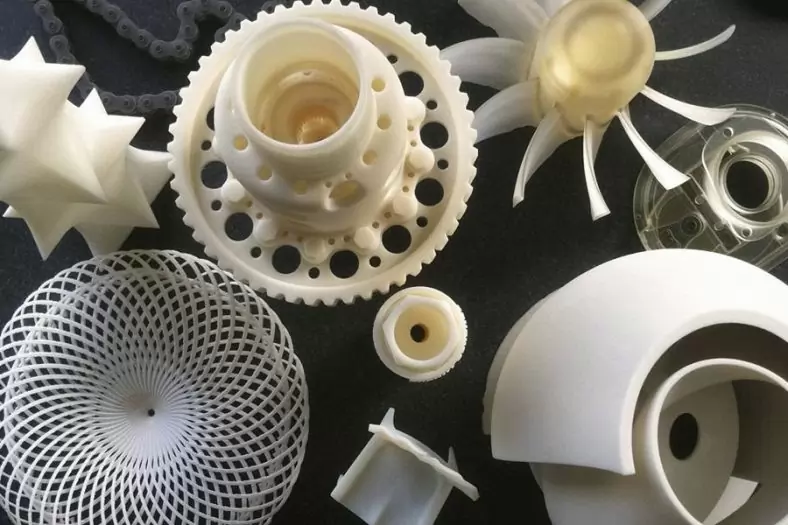
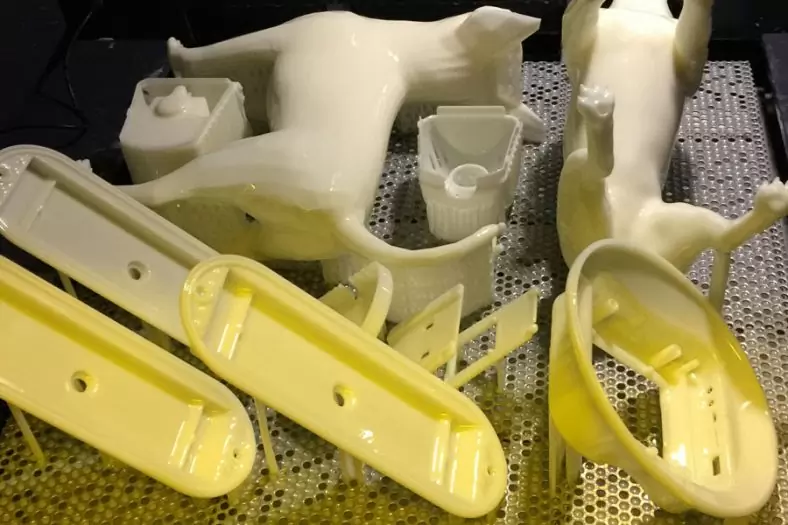
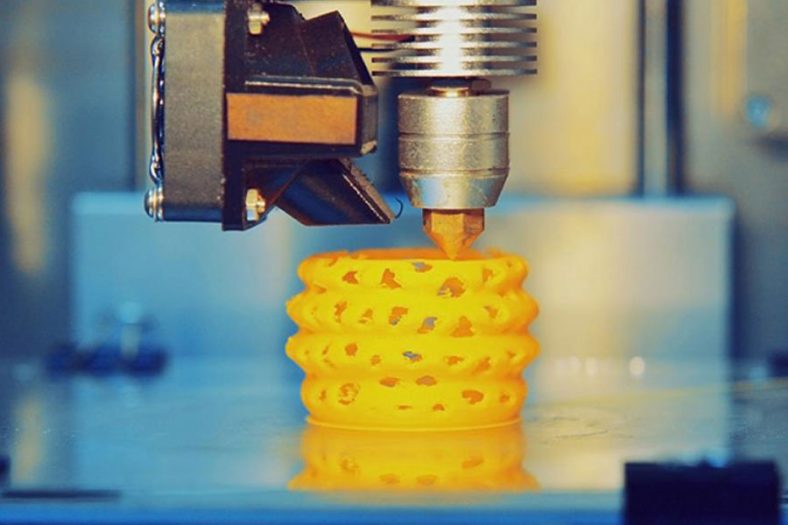
The rise of additive manufacturing (3D printing) has spurred the development of flame-retardant thermoplastics tailored for these processes. Materials like flame-retardant nylon (PA 2210 FR) and ULTEM 9085 meet UL 94 V-0 requirements and are used in prototyping and end-use parts for aerospace and automotive applications.
The Detail Of BE-CU 3D Printing Company
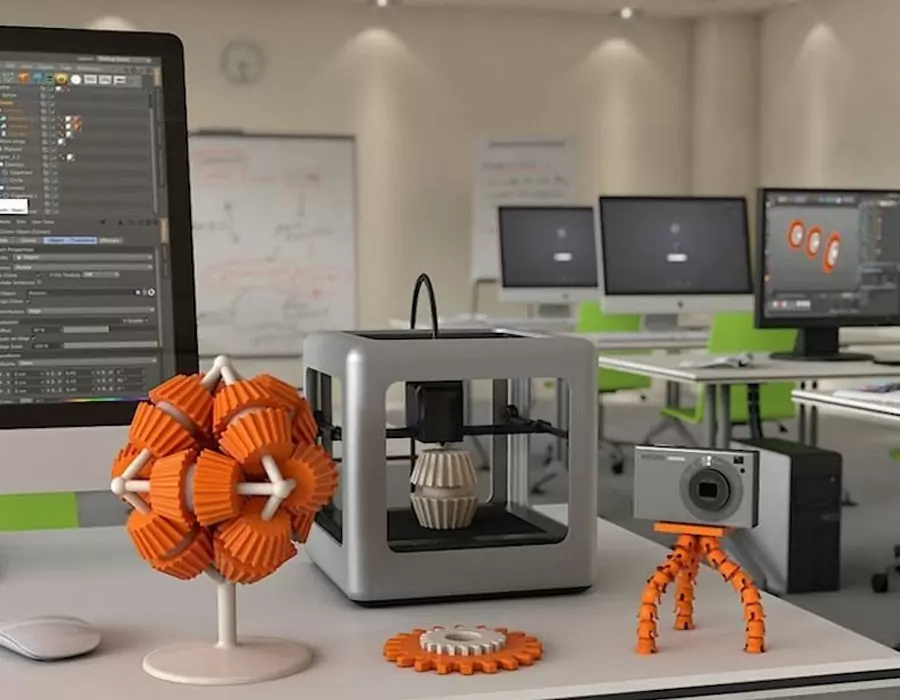
BE-CU.COM offers online 3D printing services for rapid prototyping and production in volume. Our clients are across a wide variety of industries and companies, including automotive, construction, aerospace, defense, electronics, machinery, industrial automation, medical, healthcare, consumer production, oil & gas, etc. Accelerate your product development and manufacturing process with our industry-leading metal & plastic 3D printing service and 3D printed parts. We’ll find the best 3D printing solution for your projects, to lower your cost and shorten the lead time based on your needs, while maintaining the quality. From 3D prototyping to end-use parts production, multiple materials are available for custom 3D printing parts. Need an alternative to the traditional solution? Submit your 3D CAD file to get an online quotation quickly. Our 3D printing service ensures accuracy and speed. We can help you choose the most appropriate technology and material to match your applications or request.
-
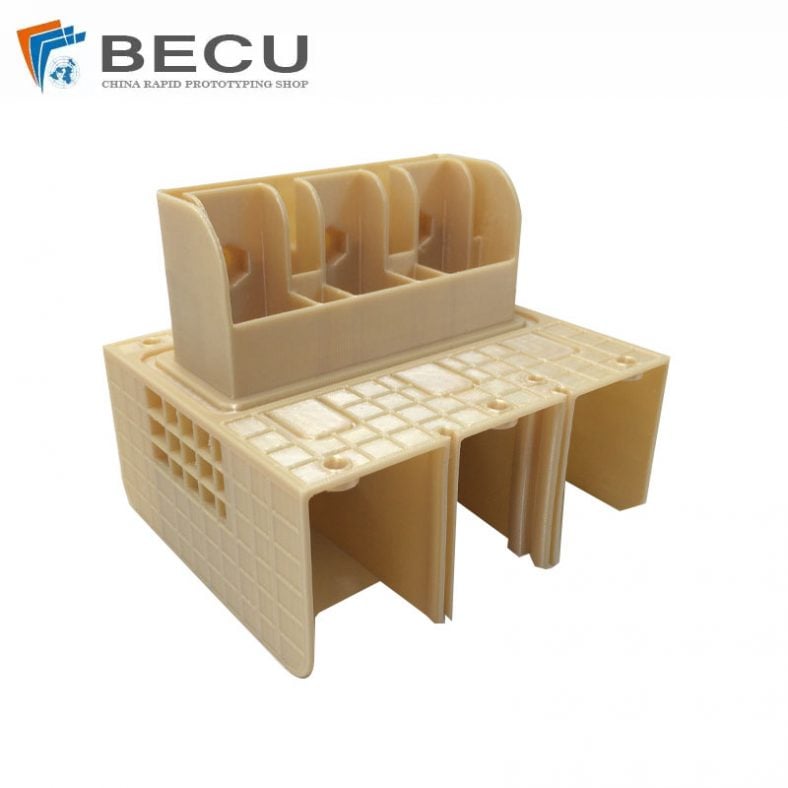
FDM 3D Printing Ultra-High Voltage Strong Electrical Connector
-
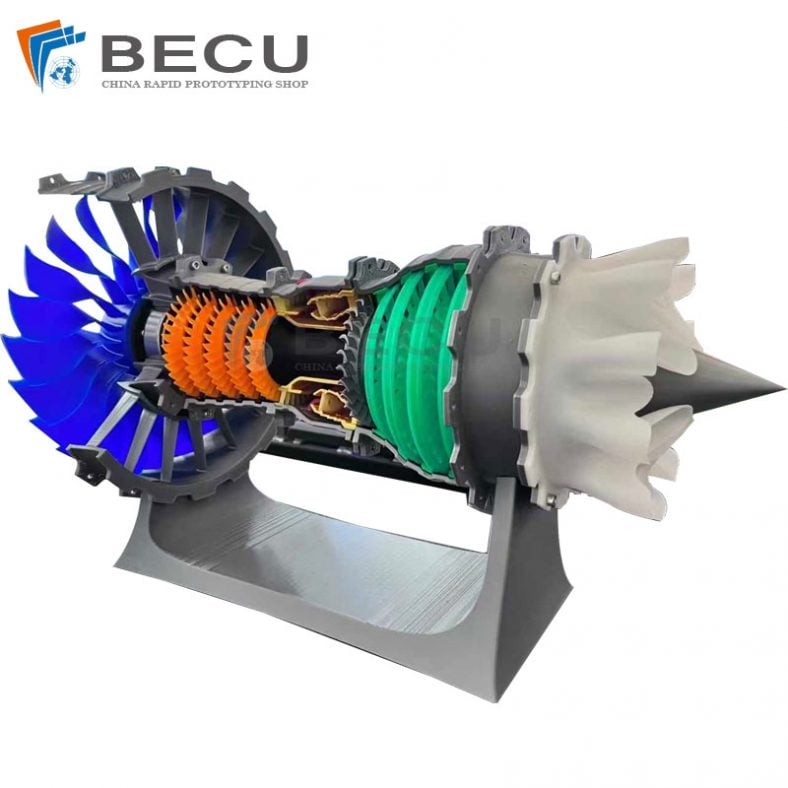
3D Printed Jet Engine Model
-
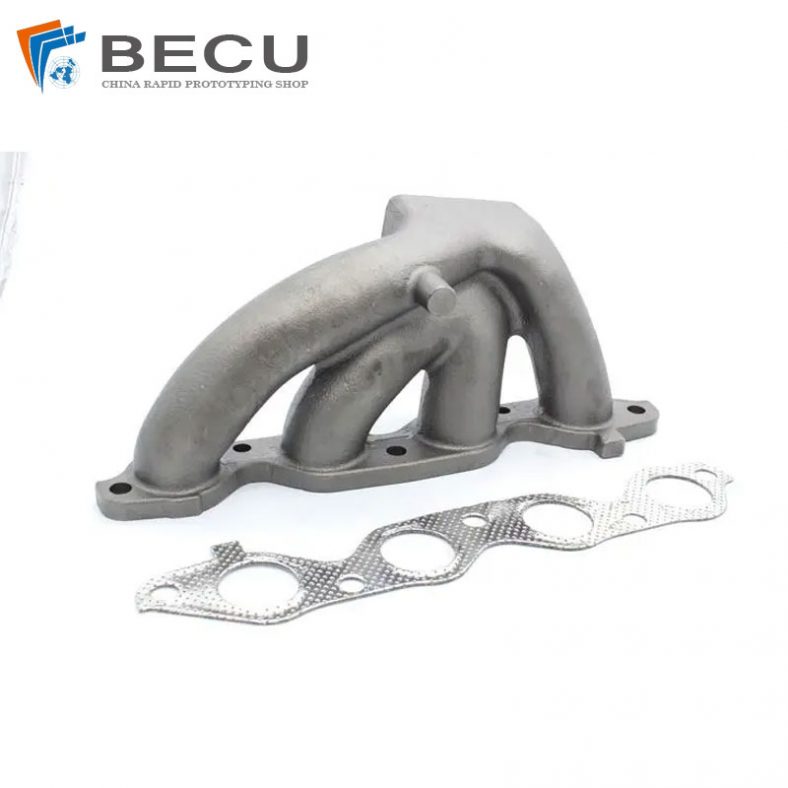
3D Printed Inconel Exhaust Manifold
-
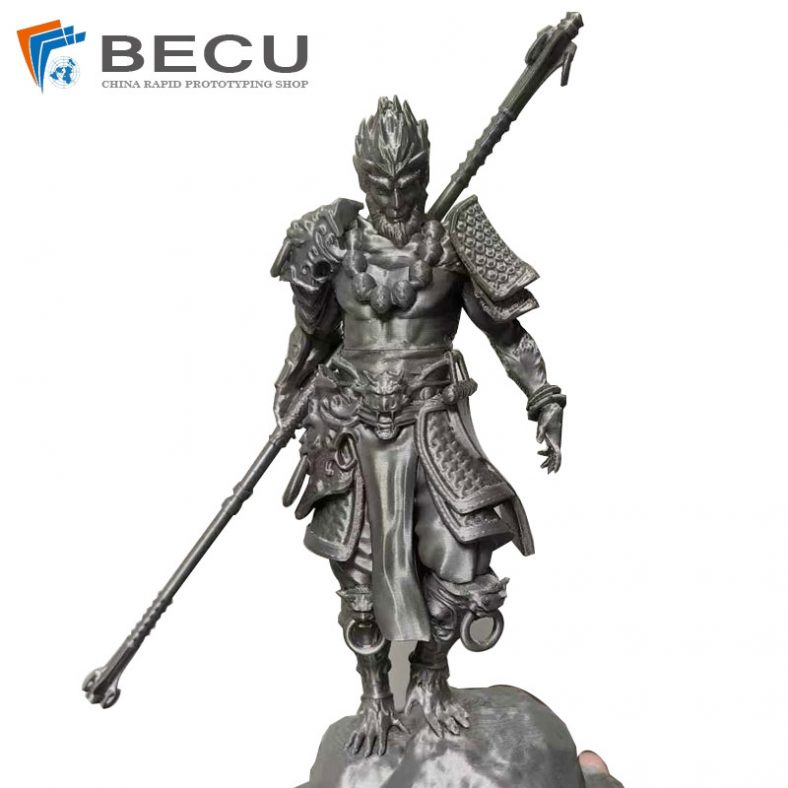
3D Printed Black Myth: Wukong Model
-
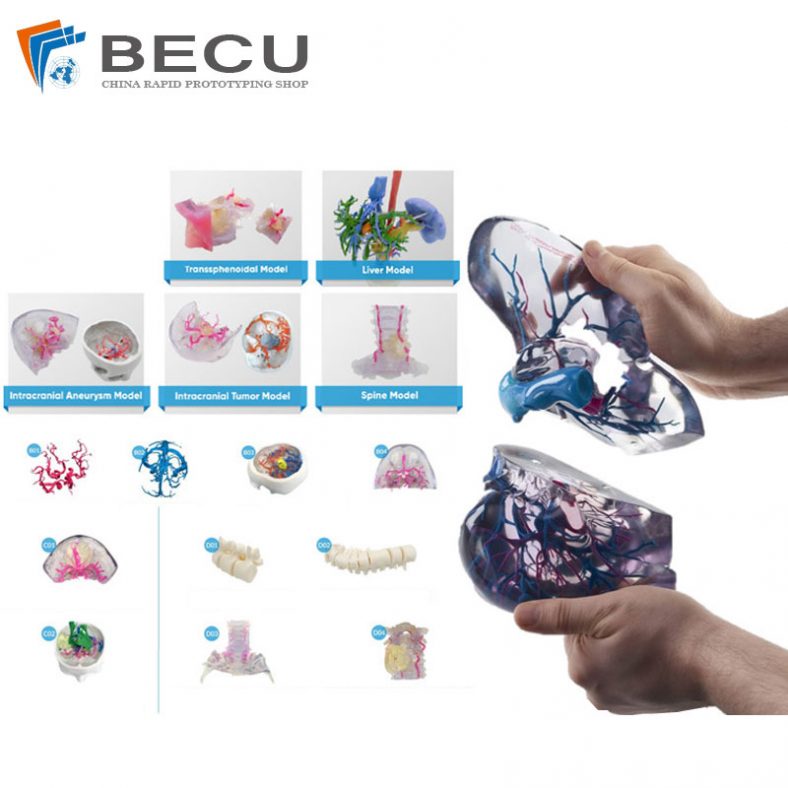
Omni-Directional Surgical Planning Medical Models
-
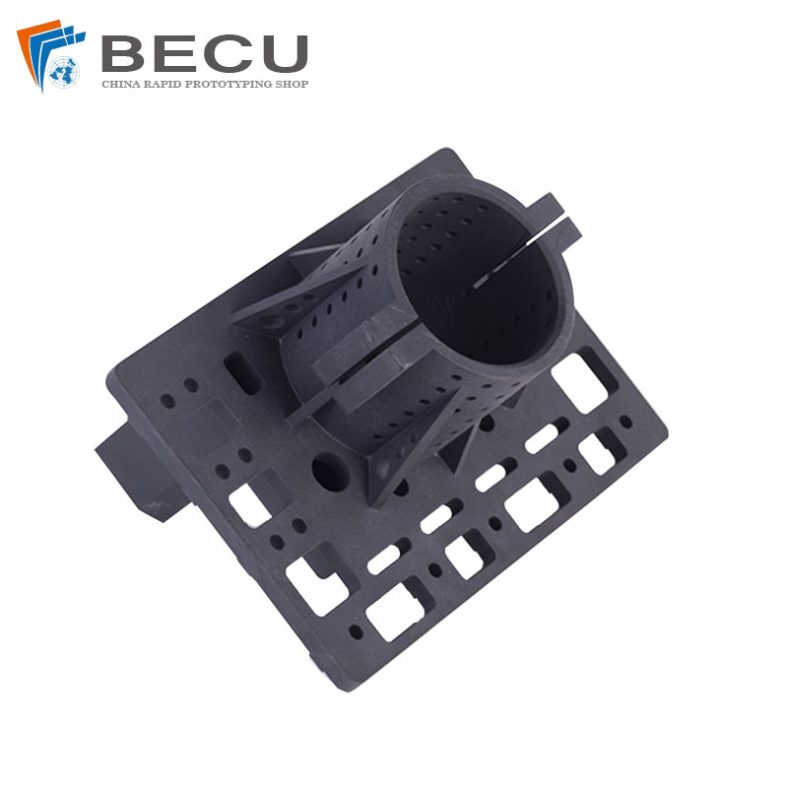
3D Printing Pool Pressure Cleaner Parts and Accessories
-
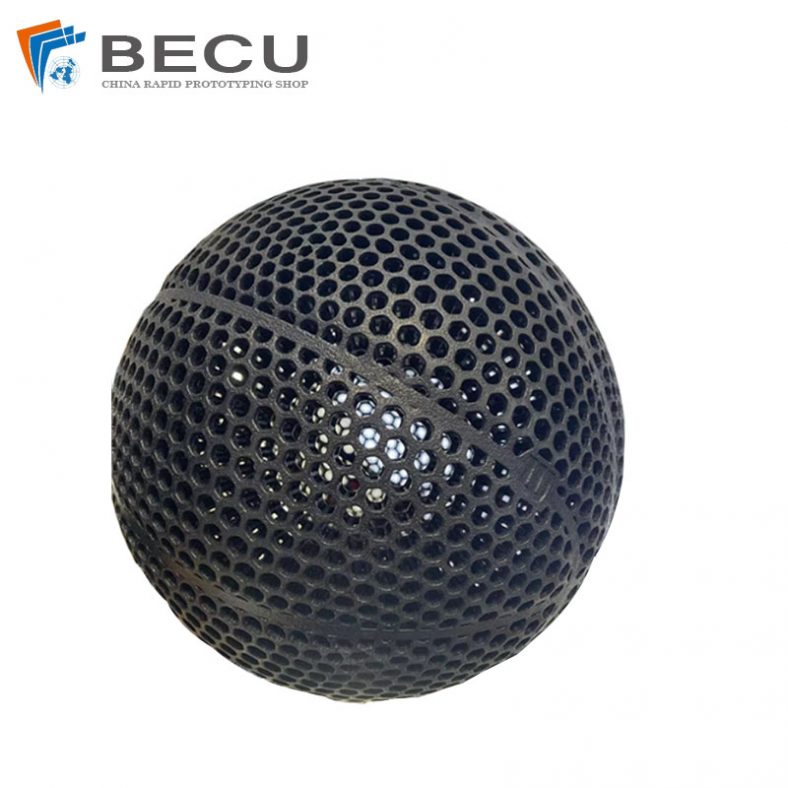
Nylon 3D Printed Size 5 Basketball
-
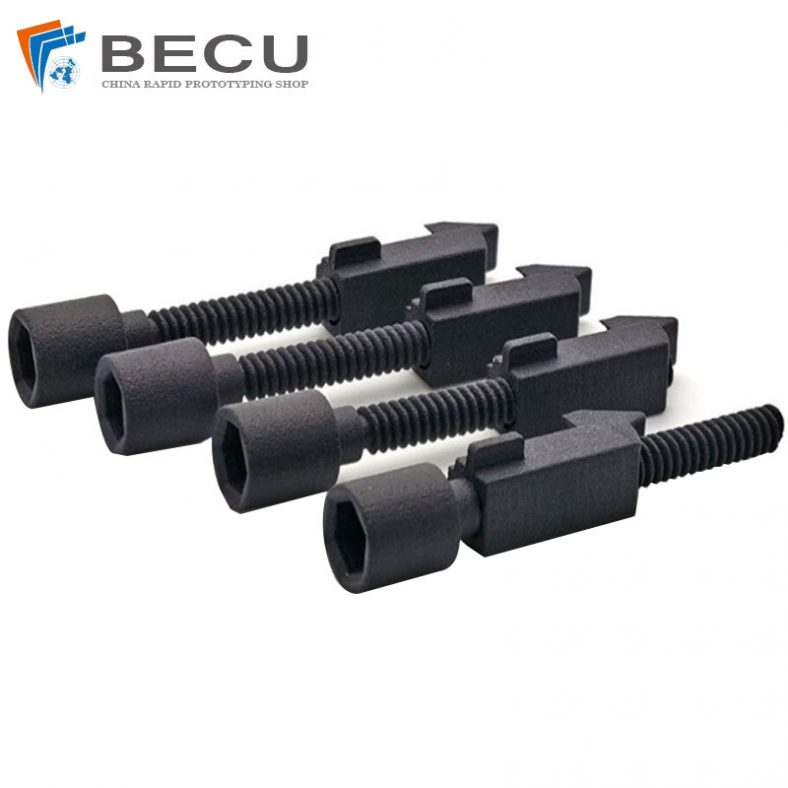
Black Nylon Medical Threaded Screw By MJF 3D Printing