
CNC (Computer Numerical Control) machining is a manufacturing process that uses computer programming to control the movement of tools and machinery. Widely used across a variety of industries, CNC machining provides precision and repeatability, allowing manufacturers to produce parts with exact specifications. In particular, the medical industry has increasingly turned to CNC machining due to the need for highly precise, reliable, and biocompatible components. This differs significantly from the CNC machining requirements of other industries such as aerospace, automotive, or consumer electronics, where tolerances and materials are often dictated by different performance standards and usage scenarios.

Precision and Tolerances
The primary distinction between CNC machining for medical purposes and other industries is the level of precision required. Medical devices, especially those used in implantable applications such as joint replacements, pacemakers, or dental implants, must adhere to extremely tight tolerances. These tolerances are typically measured in microns, with some medical parts requiring tolerances as tight as 5 microns (0.005mm). The necessity for such high precision stems from the critical nature of these parts, which must fit seamlessly within the human body or interface precisely with other medical systems.
In contrast, while precision is also important in other industries, the tolerances required for non-medical applications are often less stringent. Aerospace components, for example, may need to meet very high performance standards for strength and durability, but the tolerance ranges, though tight, are often less demanding than those for medical parts. Similarly, automotive parts, while needing to meet safety standards, are typically designed with slightly looser tolerances due to the robustness of the materials and the different function requirements of the parts.
Materials Used in CNC Machining for Medical Devices
Another key difference in CNC machining for medical purposes is the selection of materials. The medical industry requires materials that meet strict biocompatibility standards. Materials such as titanium, stainless steel, cobalt-chromium alloys, and medical-grade plastics are commonly used in medical device manufacturing. These materials must not only be compatible with human tissue but also exhibit durability, corrosion resistance, and wear resistance in harsh biological environments.

In other industries, while material selection is still critical, the considerations often differ. For instance, aerospace and automotive industries prioritize strength-to-weight ratios, heat resistance, and fatigue resistance. Titanium, for example, is used in both aerospace and medical applications, but in aerospace, it is often selected for its lightweight properties and ability to withstand high temperatures, while in medical applications, its primary appeal is its biocompatibility and strength.
Furthermore, many medical components require the use of highly specialized materials that are not commonly used in other industries, such as bioresorbable polymers used in surgical implants or ceramic materials used for joint replacements. These materials require careful handling during machining to maintain their integrity, making the CNC process for medical purposes more complex than in other fields where standard alloys and metals are used.
Regulatory Requirements and Standards
The medical industry is subject to stringent regulatory requirements that govern the design, production, and testing of medical devices. In many countries, including the United States and European Union, medical devices must adhere to strict regulations set forth by agencies such as the U.S. Food and Drug Administration (FDA) and the European Medicines Agency (EMA). These regulations include the ISO 13485 standard, which specifically addresses the quality management systems (QMS) for medical device manufacturers.
CNC machining for medical devices must comply with these regulatory standards, which often necessitate extensive documentation, traceability, and testing throughout the manufacturing process. For example, a manufacturer of orthopedic implants might be required to keep detailed records of every machining step, including machine settings, tooling, material batch numbers, and the final inspection results. This level of traceability ensures that any potential issues with the product can be traced back to the source, which is critical in the event of a recall or adverse reaction.
In contrast, other industries may not face such rigorous regulatory scrutiny. While automotive parts and aerospace components also need to meet industry-specific standards (e.g., ASTM, AS9100), the requirements are generally less intensive compared to those for medical devices. For instance, in the aerospace industry, while safety is paramount, the focus is primarily on ensuring structural integrity and performance in extreme conditions, not necessarily on the biocompatibility or sterility of the materials.
Sterilization and Cleanliness
Sterilization is a critical consideration for CNC machining in the medical field. Medical devices, particularly those that come into direct contact with internal body tissues or fluids, must be manufactured in a controlled, sterile environment. CNC machining for medical devices often requires the use of cleanrooms, which are environments with carefully controlled levels of contamination, including particulate matter, microbes, and other contaminants that could affect the functionality of the device or its compatibility with human tissues.
The cleanliness of medical components is another factor that sets medical CNC machining apart from other industries. In medical device manufacturing, components must undergo rigorous cleaning processes before being packaged and sent to customers. This might include ultrasonic cleaning, passivation, or other techniques designed to remove any traces of oils, residues, or contaminants from the machining process.
In contrast, while cleanliness is important in other industries (especially for aerospace and automotive parts that require precise functioning), the same level of sterilization is generally not required. Automotive parts, for instance, may be subjected to washing or coating to remove excess debris or lubricants, but they are not subject to the same stringent sterilization procedures that medical parts undergo.
Customization and Prototyping
Another significant difference between CNC machining for medical purposes and other industries is the need for customization and rapid prototyping. Medical devices often need to be customized to fit the specific needs of individual patients. For instance, implantable devices like knee or hip replacements are often designed to match the anatomy of a specific patient, requiring highly individualized CNC machining. In such cases, the ability to quickly iterate and produce prototype parts is essential to the success of the final product.
The demand for customization is particularly high in the field of dental devices, where individual teeth replacements or orthodontic appliances are frequently created using CNC machining. In contrast, many non-medical industries, while they may also require prototypes or customized parts, do not typically operate on such a high level of personalization. For instance, in the automotive industry, while car manufacturers may produce custom parts for high-end models, most parts are made in larger batches with standardized designs.
Testing and Quality Assurance
The testing and quality assurance (QA) processes for CNC machining in the medical field are more rigorous compared to other industries. Because medical devices have a direct impact on human health and safety, every part produced must undergo extensive testing to ensure it meets all regulatory standards and performs as intended. This can include mechanical testing (e.g., tensile, fatigue, and impact testing), biocompatibility testing (such as cytotoxicity tests), and imaging tests (e.g., X-ray or MRI compatibility testing).
The quality assurance processes for other industries, while still critical, are often less demanding in terms of testing. In the aerospace industry, for example, the focus is typically on ensuring the durability and strength of parts under extreme conditions, while in the automotive industry, crash testing and long-term durability testing are prioritized.
Additionally, medical device manufacturers often use advanced techniques like laser marking for part identification and traceability, which helps to meet regulatory requirements. This level of traceability is less common in other industries where product identification is usually less complex.
Conclusion
CNC machining for medical purposes requires a higher degree of precision, stricter material standards, and greater regulatory oversight than in most other industries. The stringent requirements for biocompatibility, cleanliness, and customization, as well as the intense focus on patient safety and quality assurance, set medical machining apart from fields such as aerospace, automotive, and consumer electronics. As the demand for more complex, personalized, and precise medical devices continues to rise, CNC machining will play an increasingly critical role in shaping the future of healthcare innovation.
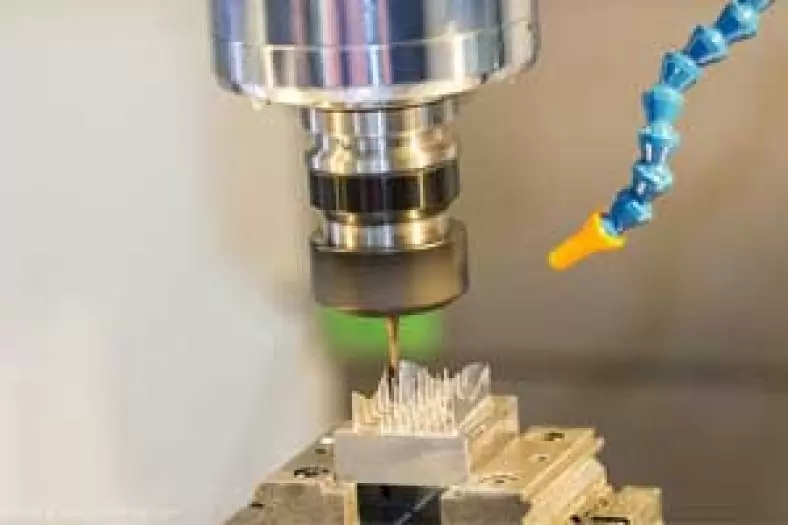
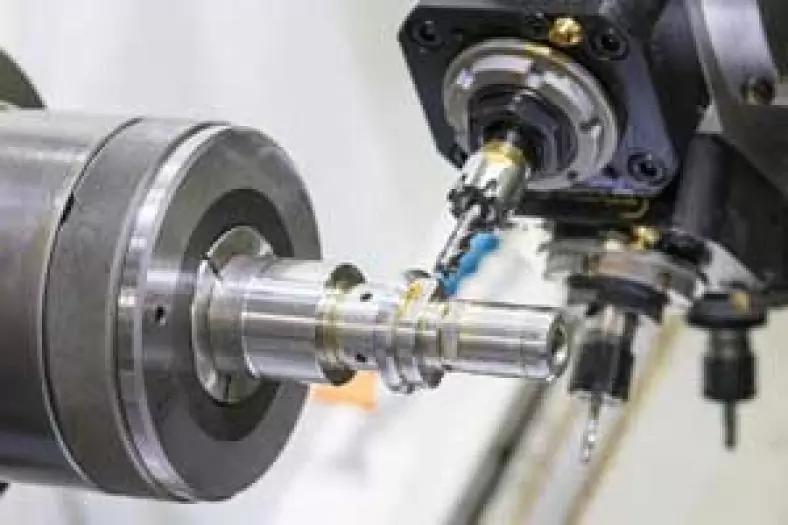
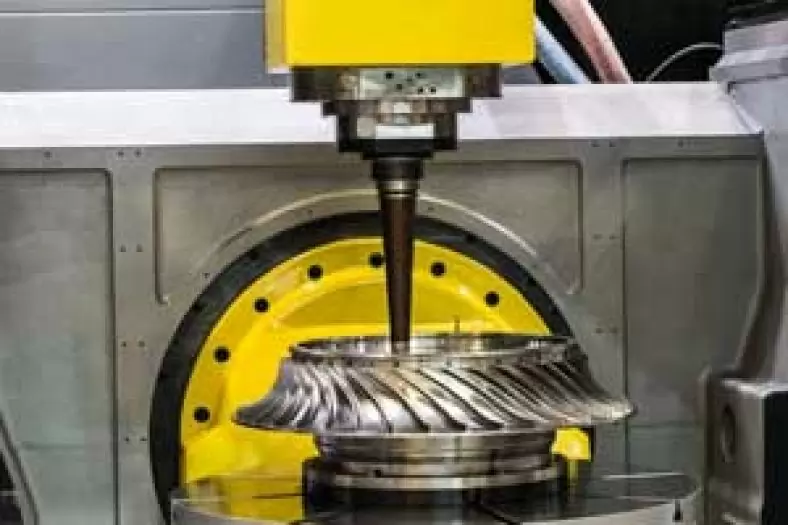
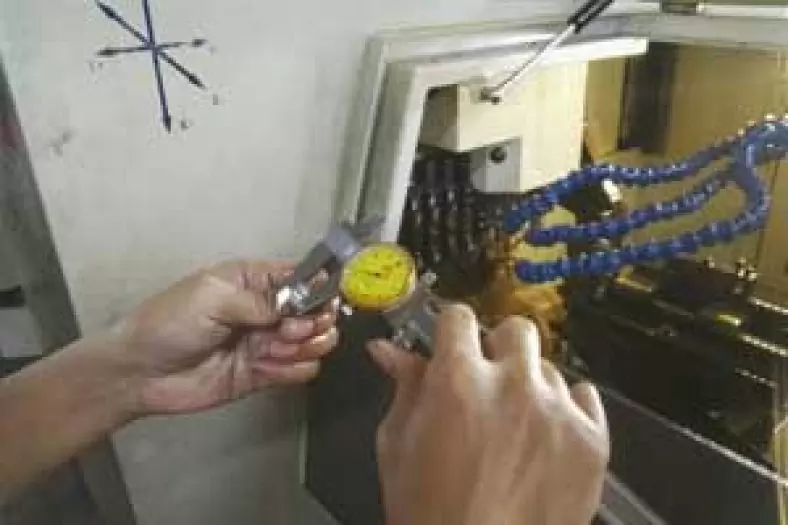
The Detail Of BE-CU Cnc Machining Shop
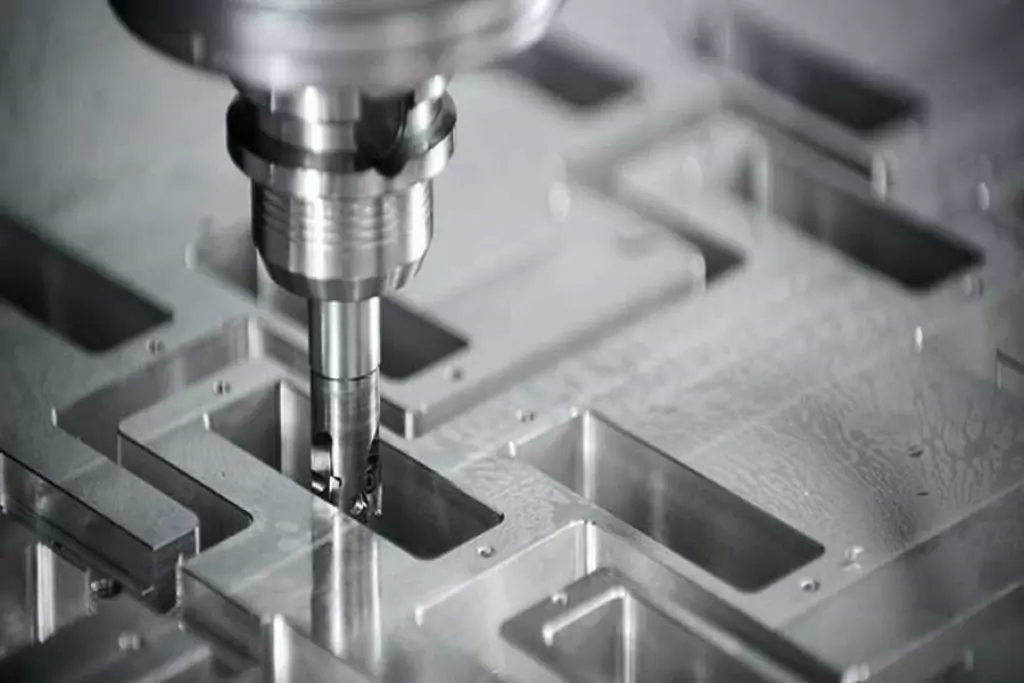
BE-CU.COM – As an accomplished CNC machining Service Manufacturer and CNC shop, BE-CU Prototype has been specialized in OEM CNC lathing, custom CNC machining parts production and rapid CNC machining services China for over 35 years and always maintaining the highest standard in delivery speed and reliable quality of precision CNC manufacturing components. With the help of high-level technology and efficient equipment, as well as rigorous attitude, BE-CU passed the ISO9001:2015 quality certification, which supports the long-term development of CNC milling services, CNC turning services, CNC milling-turning, CNC drilling services, 3/4/5 axis machining, gear machining services, CNC machining China custom parts and service, small parts machining, etc.Our CNC machining products can be utilized in a broad range of industries. Contact us for email: [email protected]
-
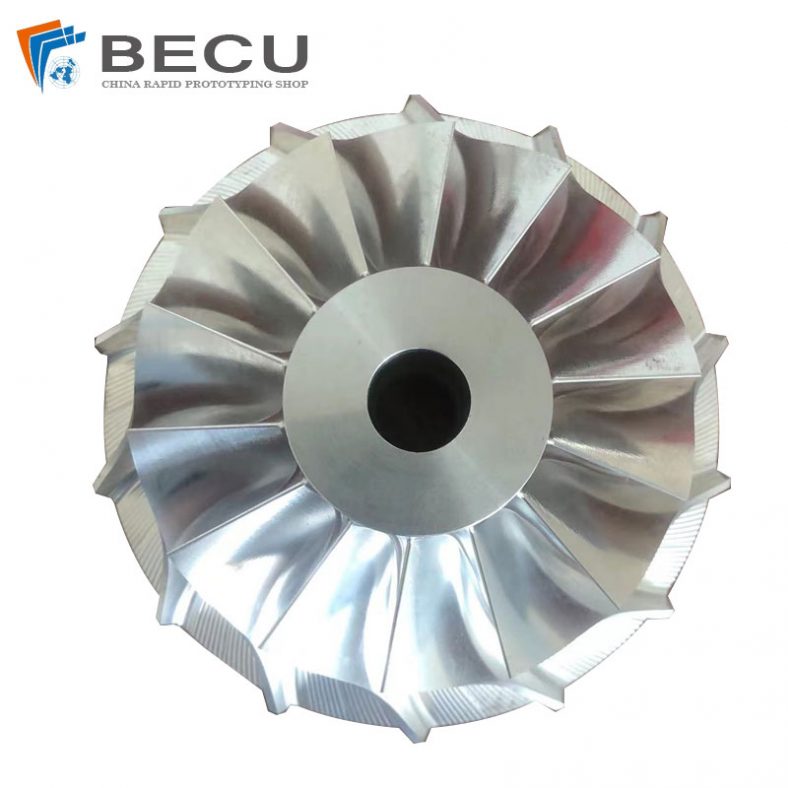
3-Way Centrifugal Compressor Closed Impeller By 5 Axis Machining
-

3/4/5 Axis Precision Milling Custom Vehicle Parts
-
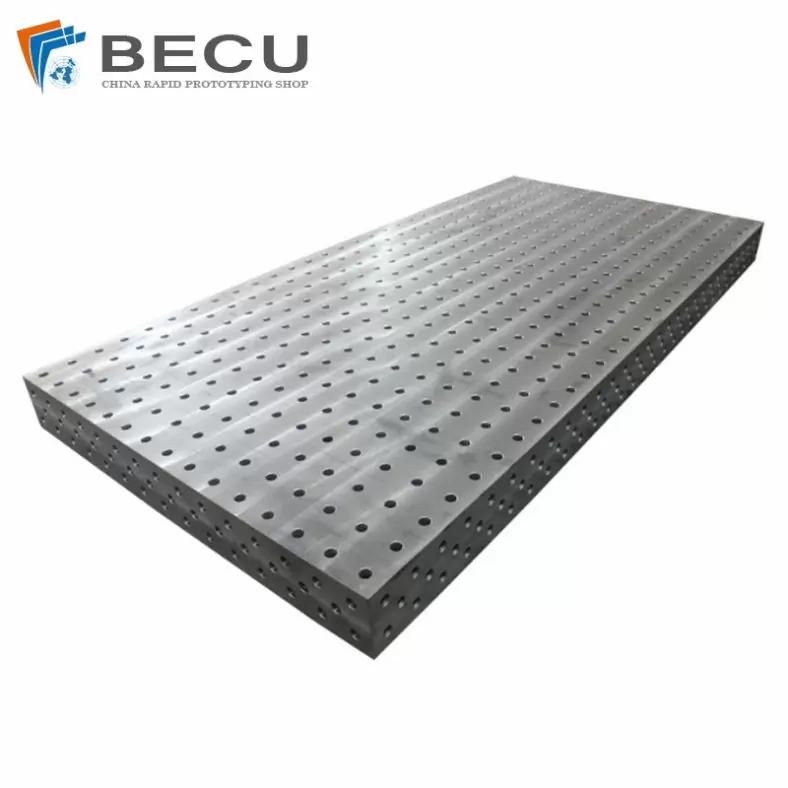
3D Flexible Welding Platform By Large Machining
-
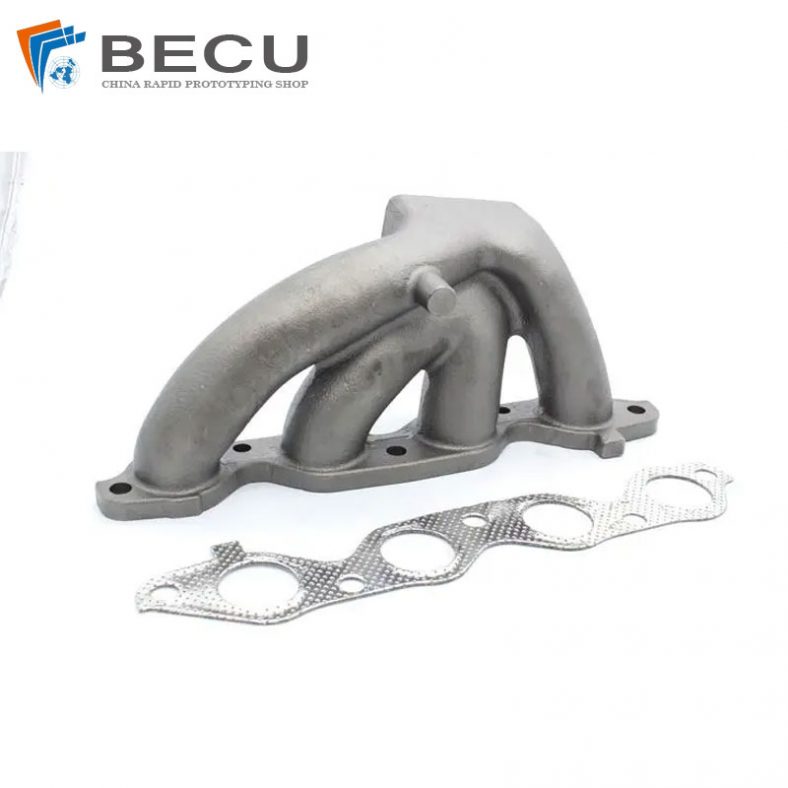
3D Printed Inconel Exhaust Manifold
-
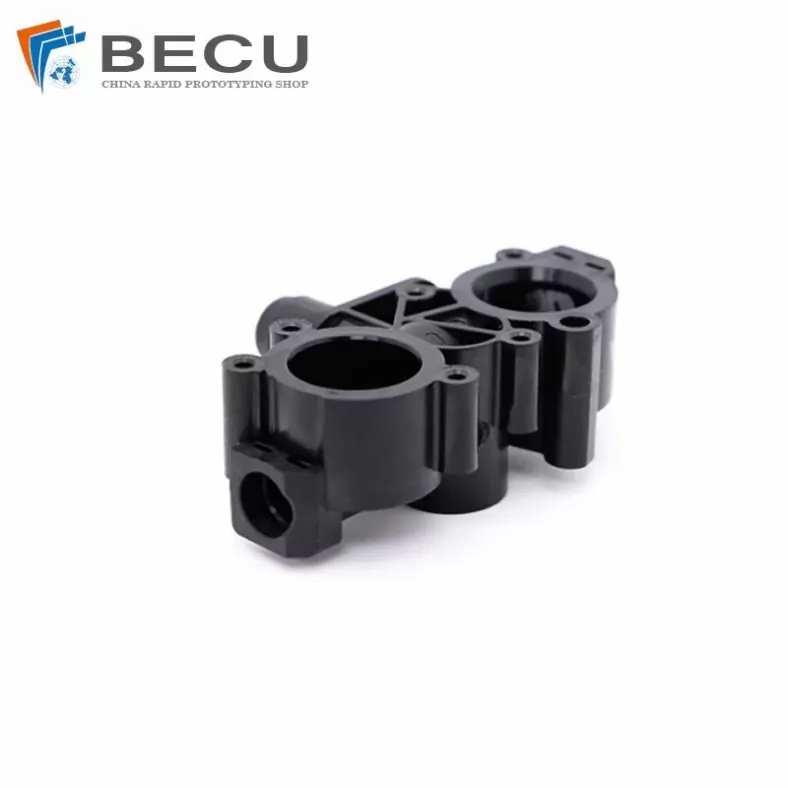
3D Printing And CNC Machining Custom Black PPS Valve
-
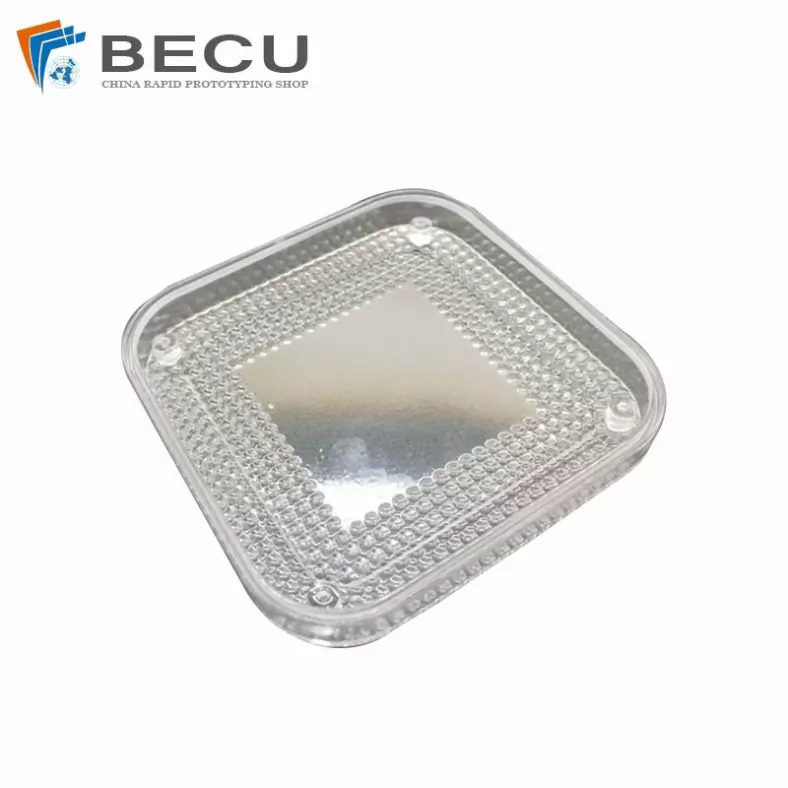
3D Printing Full Transparent Acrylic Lampshade Model
-
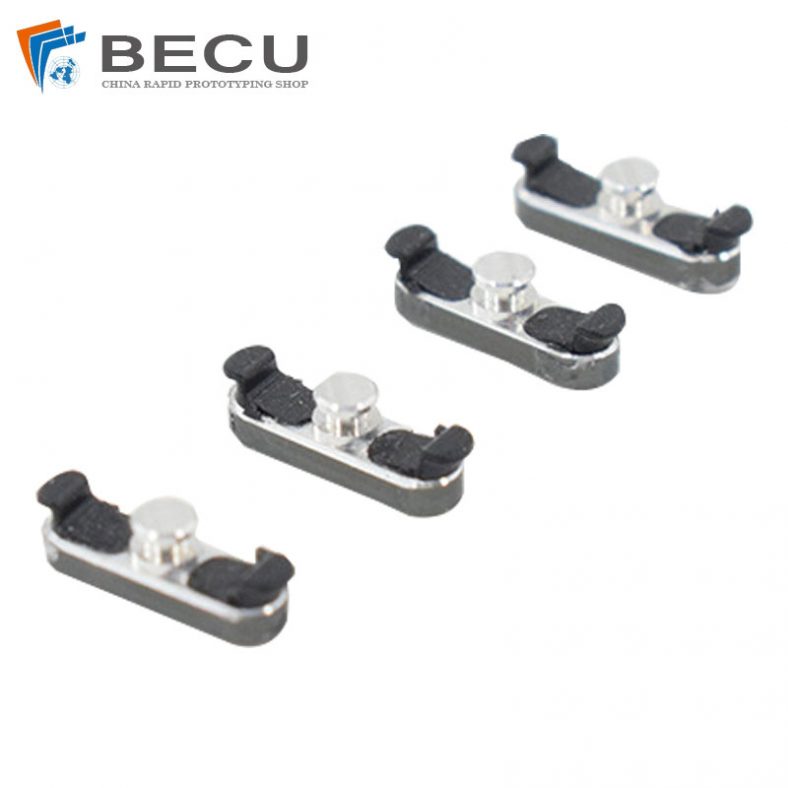
4 Axis CNC Machining Titanium Grade 5 Mobile Phone Buttons
-
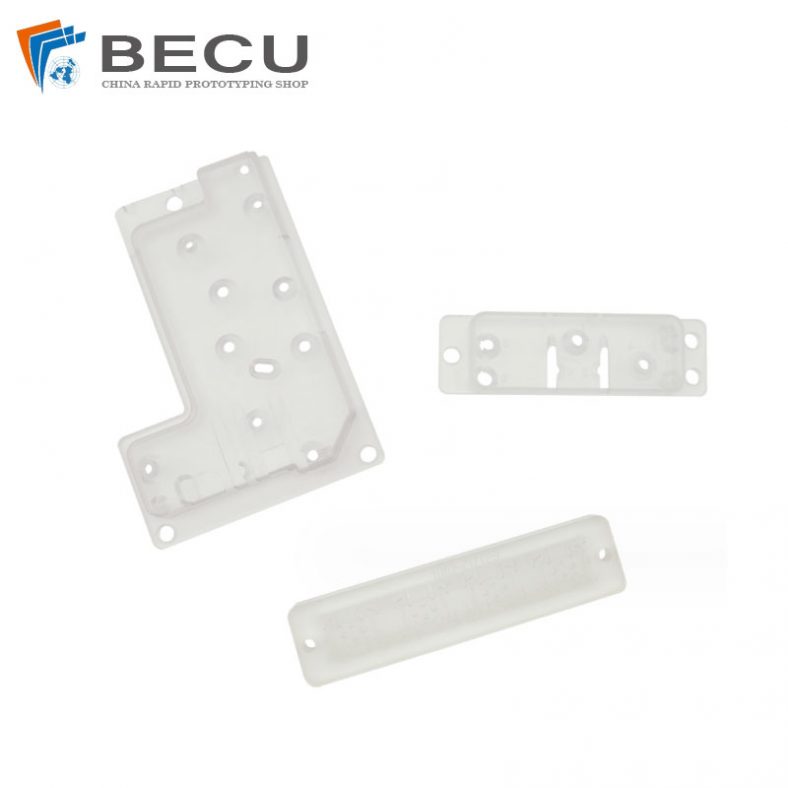
4 Axis Machining Highly Transparent Acrylic LED Tunnel Light Lens