
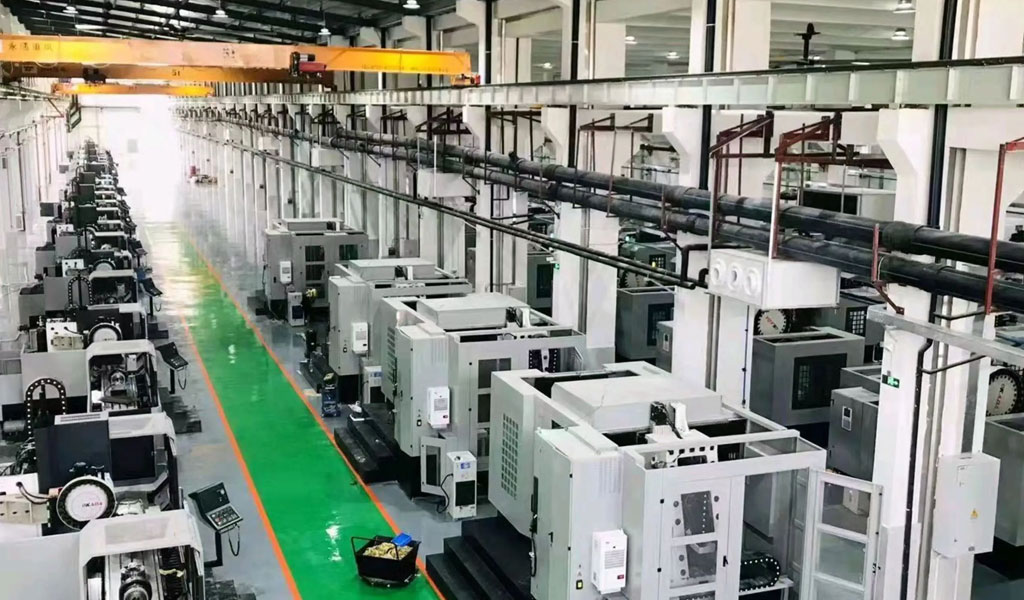
Metrology, the science of measurement, plays an indispensable role in modern manufacturing. It encompasses the principles, techniques, and tools used to ensure that products meet specified standards of quality, precision, and reliability. In manufacturing, metrology is employed to verify the dimensions, tolerances, and performance characteristics of components and assemblies, ensuring they conform to design specifications. This field bridges the gap between theoretical design and practical production, enabling industries to produce goods that are consistent, safe, and efficient. From automotive parts to aerospace components, metrology underpins the ability of manufacturers to achieve high levels of accuracy and repeatability, which are critical in a competitive global market.
The origins of metrology date back to ancient civilizations, where standardized units of length, weight, and volume were developed to facilitate trade and construction. However, its application in manufacturing became prominent during the Industrial Revolution, when mass production necessitated precise measurement to ensure interchangeability of parts. Today, metrology has evolved into a sophisticated discipline, integrating advanced technologies such as lasers, coordinate measuring machines (CMMs), and computer-aided inspection systems. In the context of manufacturing, metrology is not merely a quality control step but a foundational process that influences design, production, and even post-production stages.
This article explores how metrology is used in manufacturing, delving into its principles, methodologies, tools, and applications. It examines the role of metrology in ensuring precision, its integration with modern manufacturing processes, and its impact on industries ranging from electronics to heavy machinery. Detailed tables are provided to compare various metrology tools, techniques, and their specifications, offering a comprehensive resource for understanding this critical field.
Fundamental Principles of Metrology in Manufacturing
At its core, metrology in manufacturing revolves around three key principles: accuracy, precision, and traceability. Accuracy refers to how closely a measurement aligns with the true value of a quantity, while precision indicates the consistency of repeated measurements. Traceability ensures that measurements can be linked to internationally recognized standards, such as those maintained by the International System of Units (SI). These principles form the backbone of metrological practices, ensuring that manufactured components meet exacting standards.
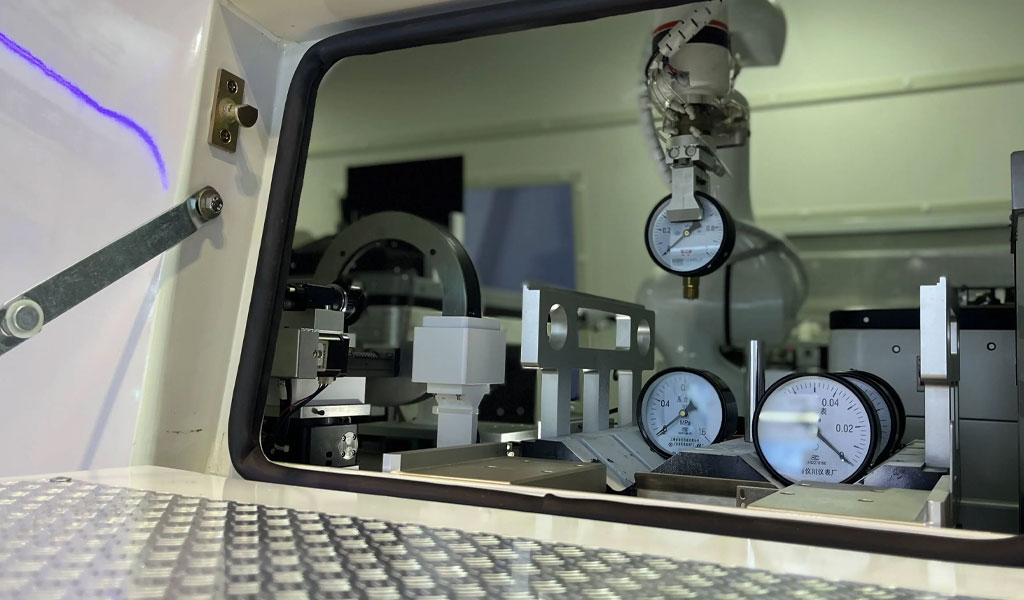
In manufacturing, metrology is applied at multiple stages, including design verification, process control, and final inspection. During design verification, engineers use metrology to confirm that prototypes match the intended specifications. In process control, measurements are taken during production to monitor machinery performance and detect deviations. Final inspection involves a comprehensive evaluation of finished products to ensure they meet quality and regulatory requirements. Each stage relies on a combination of direct and indirect measurement techniques, tailored to the specific needs of the manufacturing process.
Metrology also involves the concept of uncertainty, which quantifies the doubt associated with a measurement. In manufacturing, minimizing measurement uncertainty is critical, as even small errors can lead to defective products or costly rework. Techniques such as statistical process control (SPC) are often employed to analyze measurement data, identify trends, and maintain consistency across production runs.
Historical Context of Metrology in Manufacturing
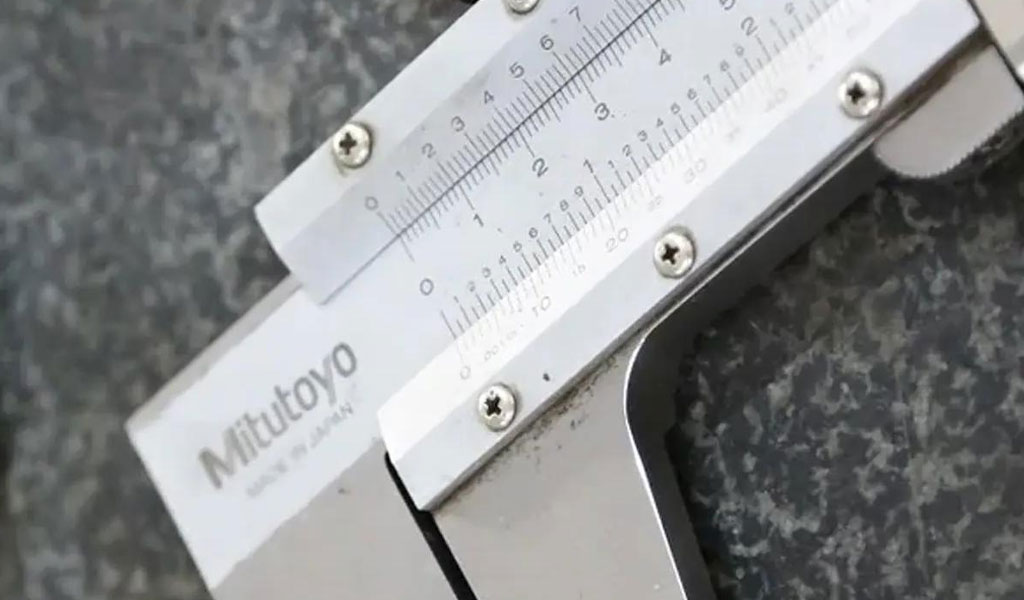
The use of metrology in manufacturing can be traced back to the early 19th century, when the advent of interchangeable parts revolutionized industrial production. Pioneered by figures like Eli Whitney and Henry Maudslay, the concept of interchangeability required precise measurements to ensure that components produced in different locations could fit together seamlessly. This marked the beginning of standardized metrology practices in manufacturing, with tools like calipers, micrometers, and gauges becoming essential.
The 20th century saw significant advancements in metrology, driven by the demands of emerging industries such as automotive and aerospace. The development of the coordinate measuring machine (CMM) in the 1950s, for instance, introduced a new level of precision by allowing three-dimensional measurements of complex geometries. The integration of computers in the late 20th century further transformed metrology, enabling automated inspection and real-time data analysis. Today, Industry 4.0—the fourth industrial revolution—has ushered in smart metrology systems that leverage artificial intelligence, the Internet of Things (IoT), and big data to enhance manufacturing processes.
Types of Metrology in Manufacturing
Metrology in manufacturing can be broadly categorized into three types: dimensional metrology, surface metrology, and form metrology. Each type addresses specific aspects of a manufactured component and employs distinct tools and techniques.
Dimensional Metrology
Dimensional metrology focuses on measuring the physical dimensions of an object, such as length, width, height, and diameter. It is the most widely used type in manufacturing, as it ensures that parts conform to tolerances specified in engineering drawings. Common tools include calipers, micrometers, and CMMs, which provide high accuracy for both simple and complex geometries.
Surface Metrology
Surface metrology examines the texture, roughness, and finish of a component’s surface. These characteristics affect the performance, durability, and aesthetics of a product. Techniques such as profilometry and interferometry are used to measure surface parameters, ensuring that they meet functional requirements, such as friction reduction or wear resistance.
Form Metrology
Form metrology assesses the shape and geometric accuracy of a part, including features like roundness, flatness, and cylindricity. This is particularly important for components that must fit precisely with others, such as gears or bearings. Tools like roundness testers and laser scanners are commonly employed in form metrology.
Tools and Instruments in Manufacturing Metrology
The tools used in manufacturing metrology range from simple handheld devices to advanced automated systems. Below is an overview of key instruments, followed by a detailed comparison table.
Handheld Tools
- Calipers: Used for measuring internal and external dimensions, available in vernier, dial, and digital variants.
- Micrometers: Provide high-precision measurements of small distances, typically in the micrometer range.
- Dial Indicators: Measure small deviations in flatness or alignment, often used in machining setups.
Benchtop Instruments
- Height Gauges: Measure vertical distances with high accuracy, often used in conjunction with surface plates.
- Optical Comparators: Project magnified images of parts onto a screen for visual inspection and measurement.
Advanced Systems
- Coordinate Measuring Machines (CMMs): Use probes or lasers to measure three-dimensional coordinates of complex parts.
- Laser Scanners: Capture detailed surface data for reverse engineering or quality control.
- X-ray Computed Tomography (CT): Non-destructive method for inspecting internal structures of components.
| Tool | Measurement Type | Accuracy (µm) | Resolution (µm) | Applications | Cost (USD) |
|---|---|---|---|---|---|
| Vernier Caliper | Linear Dimensions | ±20 | 10 | General-purpose measurement | 20–100 |
| Digital Micrometer | Linear Dimensions | ±1 | 0.1 | Precision small parts | 100–500 |
| Dial Indicator | Deviation | ±5 | 1 | Alignment, flatness | 50–200 |
| Height Gauge | Vertical Dimensions | ±10 | 1 | Surface plate measurements | 200–1,000 |
| Optical Comparator | 2D Profiles | ±50 | 10 | Shadow-based inspection | 5,000–20,000 |
| CMM (Contact) | 3D Coordinates | ±2 | 0.5 | Complex geometries | 20,000–100,000 |
| Laser Scanner | Surface/3D Shape | ±10 | 1 | Reverse engineering | 10,000–50,000 |
| X-ray CT | Internal Structures | ±20 | 5 | Non-destructive testing | 100,000+ |
Metrology in Manufacturing Processes
Metrology is integrated into various stages of manufacturing, ensuring quality and efficiency. This section explores its application in specific processes.
Machining
In machining processes like milling, turning, and grinding, metrology ensures that tools and workpieces maintain specified tolerances. In-process measurement systems, such as touch probes, monitor dimensions during production, reducing scrap and rework.
Assembly
During assembly, metrology verifies the fit and alignment of components. For example, in automotive manufacturing, laser trackers measure the alignment of chassis components to ensure structural integrity.
Additive Manufacturing
In additive manufacturing (3D printing), metrology is used to validate the accuracy of printed parts. Techniques like laser scanning and CT imaging detect defects such as porosity or dimensional inaccuracies.
Quality Control
Quality control relies heavily on metrology to inspect finished products. Statistical methods, such as control charts, analyze measurement data to ensure consistency across batches.
Applications of Metrology Across Industries
Metrology’s versatility makes it essential across diverse manufacturing sectors. Below are examples of its applications.
Automotive Industry
In automotive manufacturing, metrology ensures the precision of engine components, body panels, and suspension systems. CMMs and laser scanners are used to verify tolerances as tight as ±0.01 mm.
Aerospace Industry
Aerospace demands extreme precision due to safety requirements. Metrology verifies the dimensions of turbine blades, fuselage sections, and fasteners, often using non-contact methods like laser interferometry.
Electronics Industry
In electronics, metrology measures the microscopic features of circuit boards and semiconductor chips. Tools like atomic force microscopes (AFMs) achieve nanometer-level accuracy.
Medical Device Manufacturing
Metrology ensures the accuracy of implants, prosthetics, and surgical instruments. X-ray CT is widely used to inspect internal features without damaging delicate components.
Advancements in Metrology Technology
Recent innovations have expanded the capabilities of metrology in manufacturing. The integration of Industry 4.0 technologies, such as IoT and AI, has led to the development of smart metrology systems. These systems collect and analyze data in real time, enabling predictive maintenance and adaptive process control. For example, a smart CMM can adjust its measurement parameters based on environmental conditions like temperature or humidity.
Another advancement is the use of non-contact measurement techniques, such as laser triangulation and white-light interferometry. These methods offer faster data acquisition and are ideal for delicate or complex surfaces. Additionally, portable metrology devices, like handheld laser scanners, have increased flexibility, allowing measurements to be taken directly on the shop floor.
Conclusion
Despite its importance, metrology faces several challenges. High-precision equipment can be expensive, posing a barrier for small manufacturers. Environmental factors, such as temperature fluctuations or vibrations, can also affect measurement accuracy, requiring controlled conditions or compensation techniques. Furthermore, the complexity of modern parts, such as those with freeform surfaces, demands advanced tools and skilled operators, increasing training costs.
The future of metrology in manufacturing is shaped by automation, digitalization, and sustainability. Automated metrology systems, integrated with robotic arms, are reducing human intervention and improving throughput. Digital twins—virtual replicas of physical objects—rely on metrology data to simulate and optimize manufacturing processes. Additionally, eco-friendly metrology solutions, such as energy-efficient CMMs, align with the industry’s push toward sustainable production.
Metrology is a cornerstone of modern manufacturing, ensuring that products meet the demands of quality, precision, and reliability. From handheld calipers to sophisticated X-ray CT systems, the tools and techniques of metrology enable manufacturers to achieve unparalleled accuracy. As technology advances, metrology continues to evolve, integrating with smart systems and addressing the challenges of complex, high-volume production. Its applications span industries, making it a vital discipline for innovation and competitiveness in the global economy.
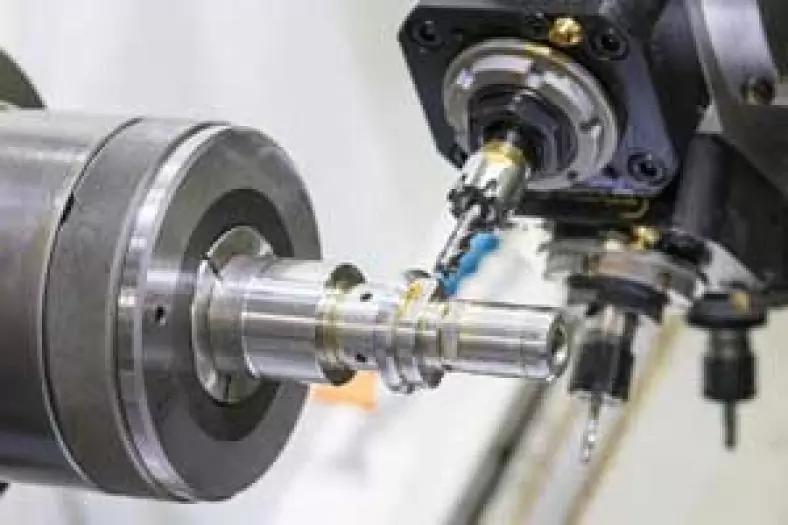
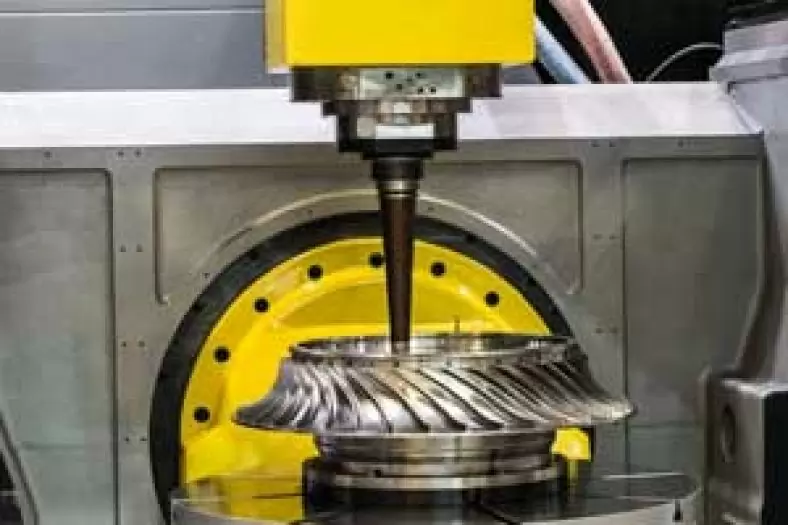
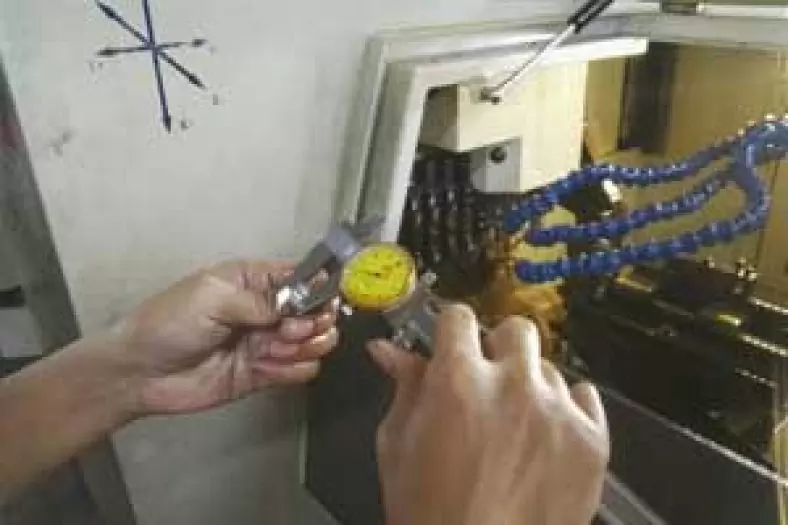
The Detail Of BE-CU Cnc Machining Shop
BE-CU.COM – As an accomplished CNC machining Service Manufacturer and CNC shop, BE-CU Prototype has been specialized in OEM CNC lathing, custom CNC machining parts production and rapid CNC machining services China for over 35 years and always maintaining the highest standard in delivery speed and reliable quality of precision CNC manufacturing components. With the help of high-level technology and efficient equipment, as well as rigorous attitude, BE-CU passed the ISO9001:2015 quality certification, which supports the long-term development of CNC milling services, CNC turning services, CNC milling-turning, CNC drilling services, 3/4/5 axis machining, gear machining services, CNC machining China custom parts and service, small parts machining, etc.Our CNC machining products can be utilized in a broad range of industries. Contact us for email: [email protected]
-
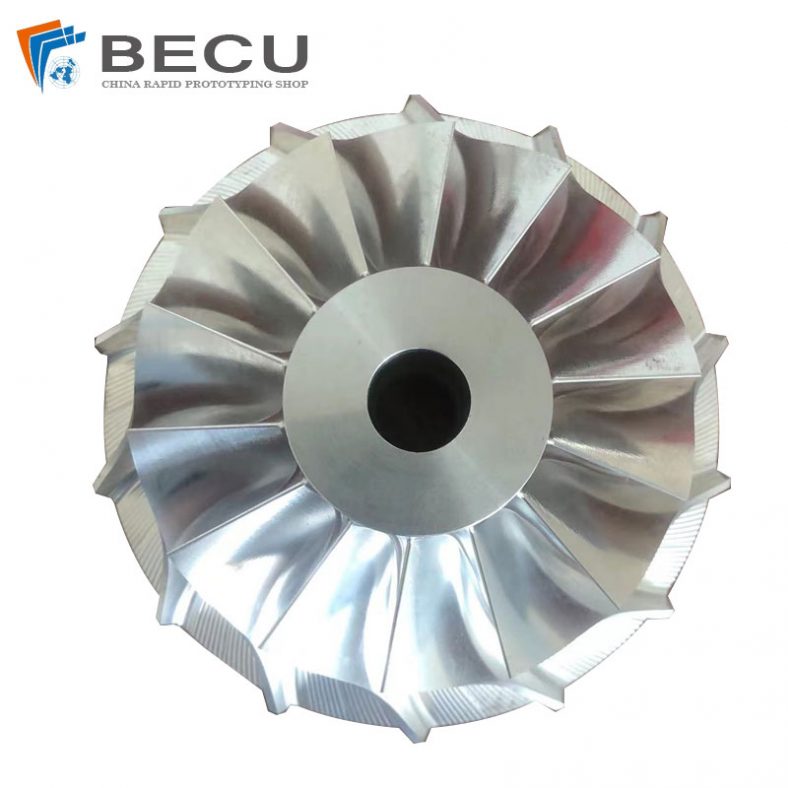
3-Way Centrifugal Compressor Closed Impeller By 5 Axis Machining
-

3/4/5 Axis Precision Milling Custom Vehicle Parts
-
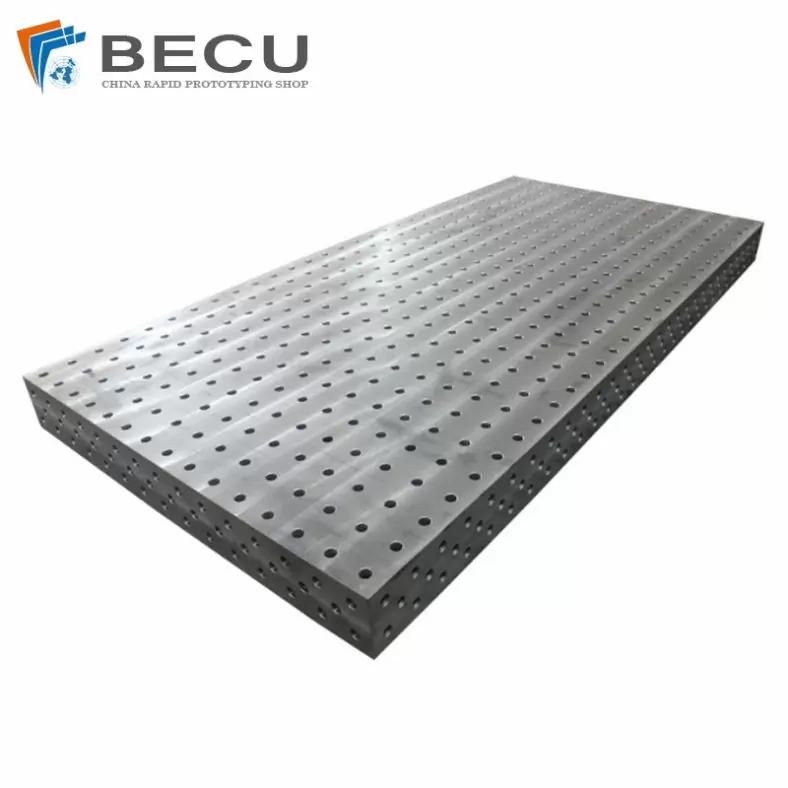
3D Flexible Welding Platform By Large Machining
-
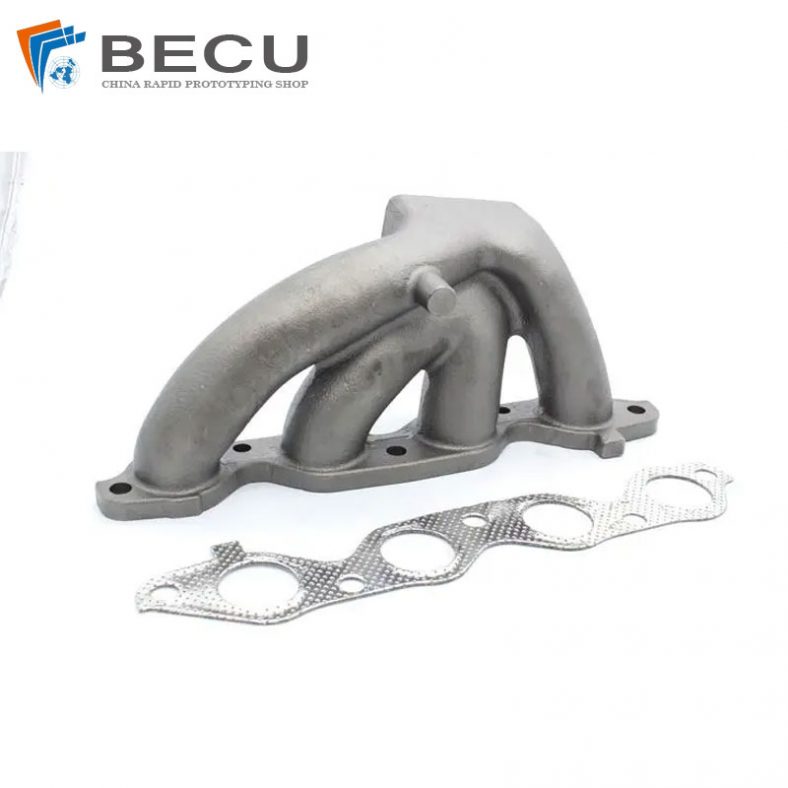
3D Printed Inconel Exhaust Manifold
-
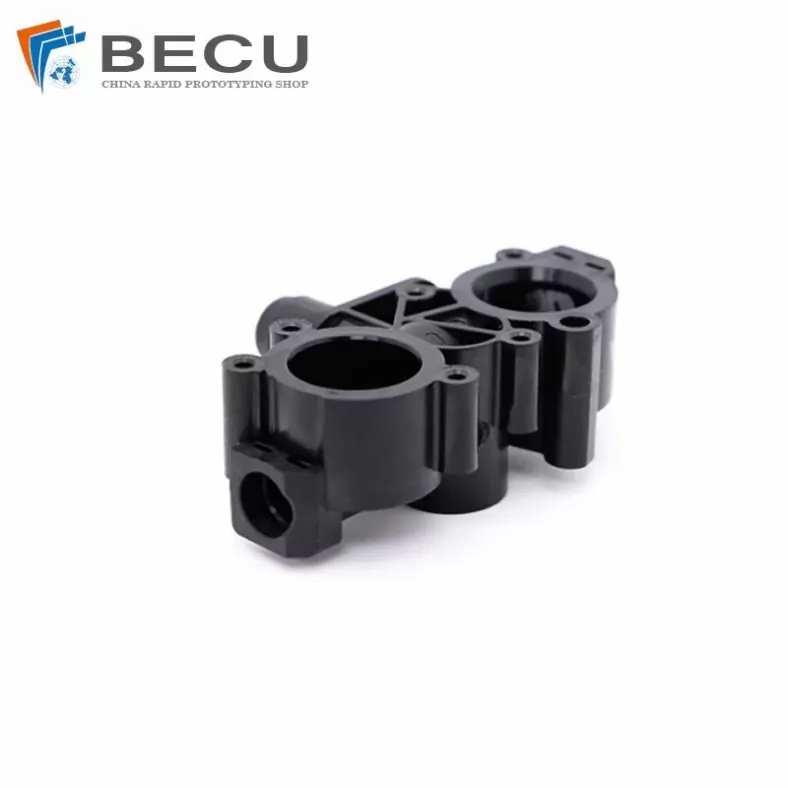
3D Printing And CNC Machining Custom Black PPS Valve
-
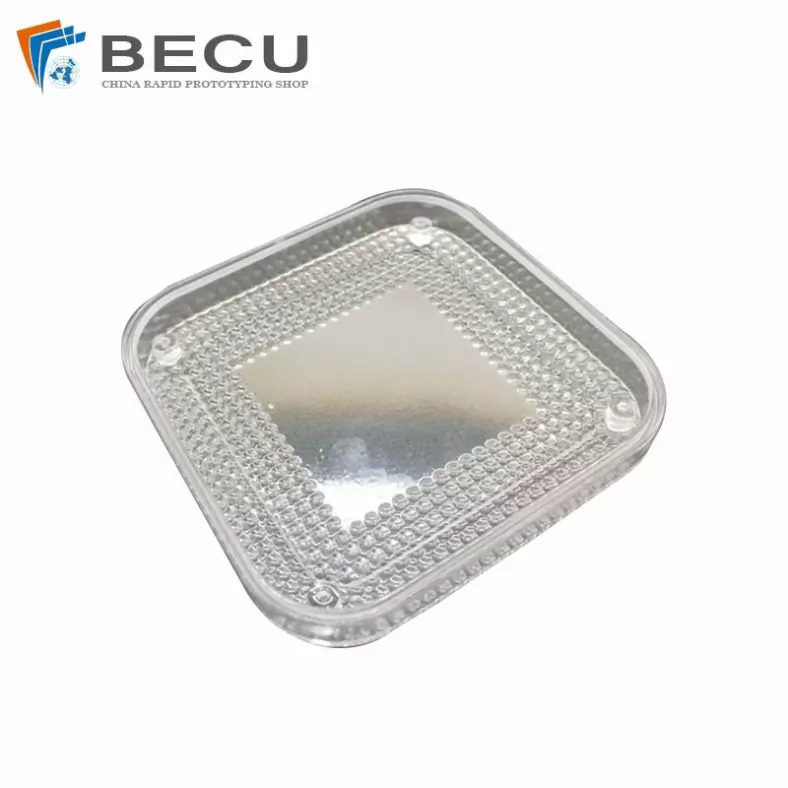
3D Printing Full Transparent Acrylic Lampshade Model
-
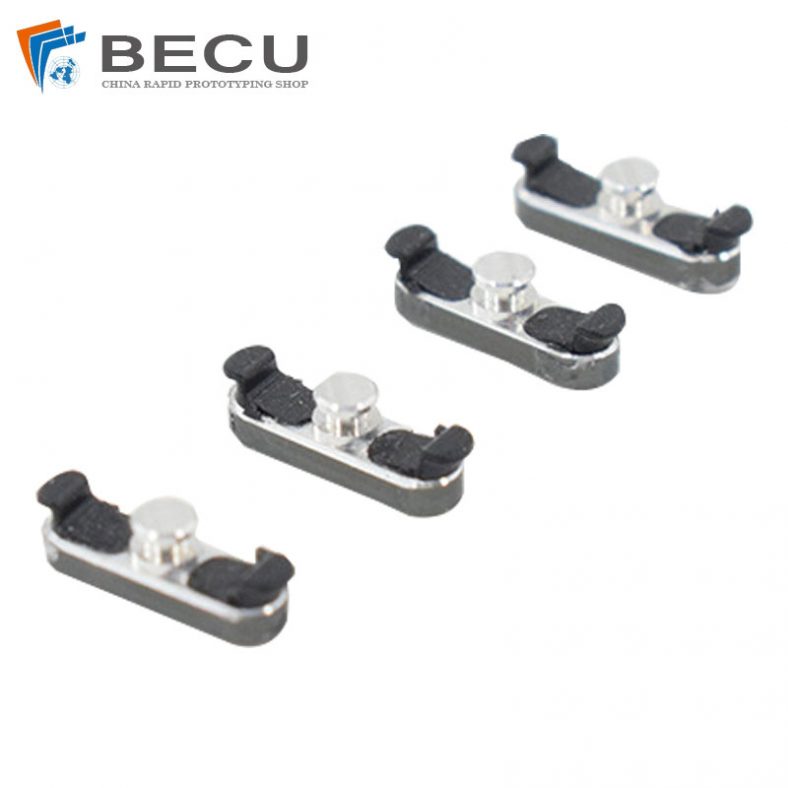
4 Axis CNC Machining Titanium Grade 5 Mobile Phone Buttons
-
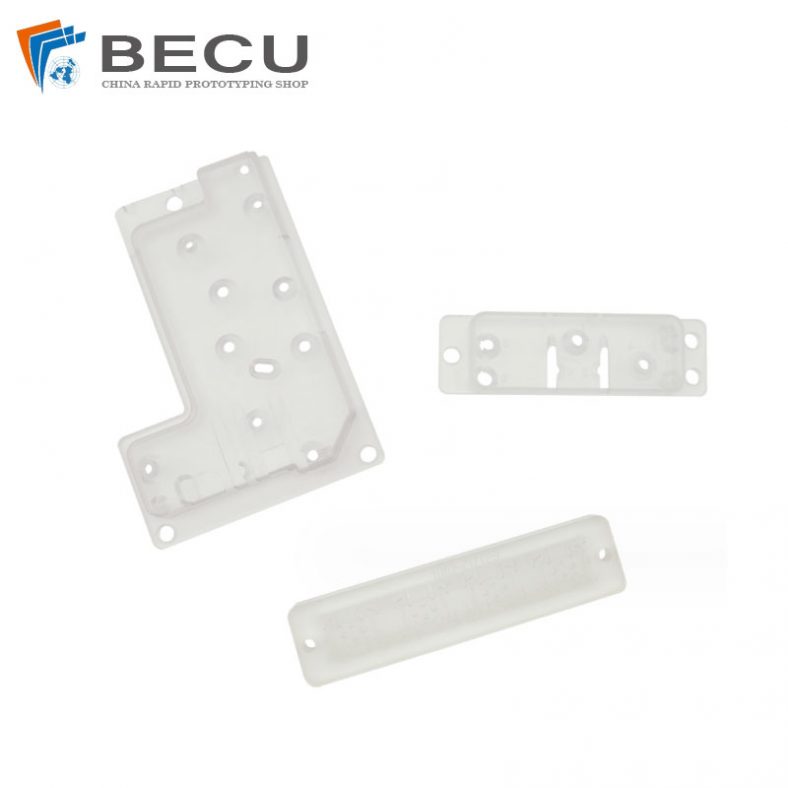
4 Axis Machining Highly Transparent Acrylic LED Tunnel Light Lens