
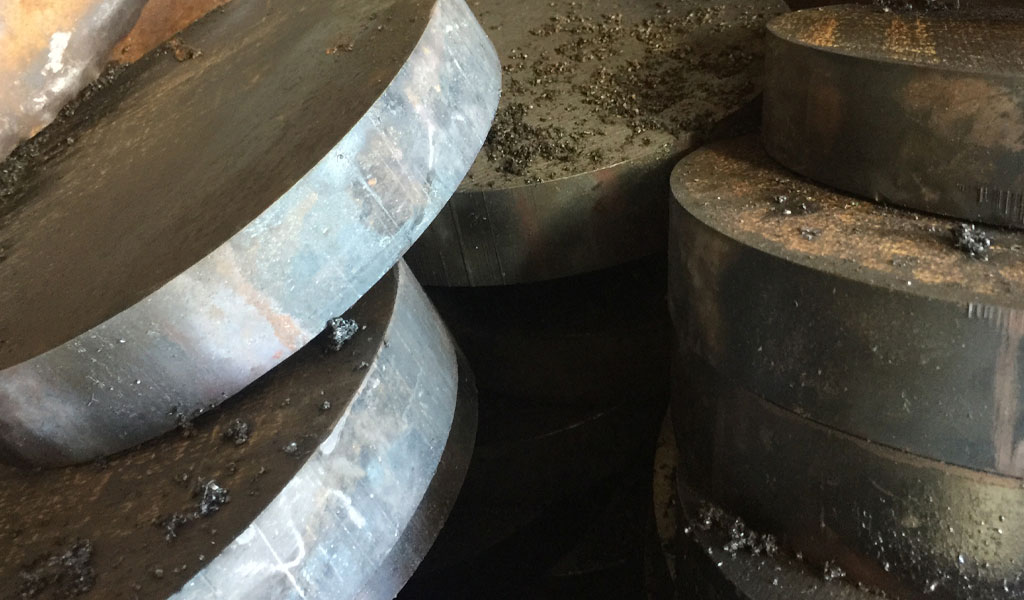
Cast iron is a group of iron-carbon alloys with a carbon content greater than 2%, which makes it a versatile and widely used material in various industries. It is valued for its high castability, strength, wear resistance, and the ability to be produced in complex shapes and designs.
Over the centuries, cast iron has evolved into several distinct types, each offering unique properties tailored to meet specific requirements in manufacturing and construction. In this article, we explore the various types of cast iron, the representation of their grades, and the diverse applications of this material.
Types of Cast Iron
Cast iron can be classified into several types based on its composition and microstructure. These classifications help determine the mechanical properties, casting behavior, and application suitability of each type. The primary types of cast iron include gray cast iron, white cast iron, ductile cast iron, malleable cast iron, and others, each of which has its own characteristics.
1. Gray Cast Iron
Gray cast iron is one of the most commonly used forms of cast iron, known for its excellent castability and machinability. The high carbon content in gray cast iron causes graphite flakes to form within the material’s microstructure, which imparts the characteristic gray color to the fractured surface.
Properties of Gray Cast Iron:
- High Wear Resistance: The graphite in gray cast iron serves as a lubricant, reducing wear and improving the material’s resistance to abrasion.
- Good Castability: Due to its fluidity, gray cast iron is easy to cast into complex shapes, making it ideal for producing large components like engine blocks, pipes, and machinery parts.
- Machinability: The graphite inclusions act as internal lubricants during machining, reducing tool wear and enabling precision cutting.
- Damping Capacity: Gray cast iron is known for its excellent vibration damping properties, making it ideal for use in heavy machinery and equipment that require noise and vibration reduction.
Applications:
- Engine blocks
- Machinery parts
- Pipes and fittings
- Heavy equipment bases
- Brake rotors
2. White Cast Iron
White cast iron is characterized by its hard, brittle nature and a light-colored fracture surface. It is produced by cooling molten iron rapidly, which prevents the formation of graphite and leads to the formation of cementite (iron carbide) in the microstructure.
Properties of White Cast Iron:
- Hardness: White cast iron is much harder than gray cast iron, making it ideal for applications where wear resistance is crucial.
- Brittleness: Unlike gray cast iron, white cast iron is very brittle and has low ductility, which limits its applications in structural components that need to withstand impact.
- Resistance to Abrasion: The cementite phase in white cast iron gives it excellent wear resistance, making it suitable for abrasive environments.
Applications:
- Crushing machines
- Grinding mills
- High-wear components in mining and cement industries
- Certain types of valve seats
3. Ductile Cast Iron (Nodular Cast Iron)
Ductile cast iron, also known as nodular cast iron or spheroidal graphite cast iron, is a type of cast iron that contains small amounts of magnesium, which changes the structure of the graphite from flakes to spherical nodules. This alteration significantly improves the mechanical properties of the material, especially its ductility and tensile strength.
Properties of Ductile Cast Iron:
- High Strength: Ductile cast iron exhibits tensile strength and toughness comparable to that of steel, making it suitable for more demanding applications.
- Improved Ductility: The spherical graphite nodules distribute stresses more evenly, resulting in a material that is much more ductile and less brittle than gray or white cast iron.
- Excellent Fatigue Resistance: The improved microstructure of ductile cast iron allows it to perform well under cyclic loading conditions, making it ideal for automotive and structural applications.
Applications:
- Automotive engine components (e.g., crankshafts, connecting rods)
- Suspension components
- Pipe fittings and valves
- Agricultural machinery
- Wind turbine components
4. Malleable Cast Iron
Malleable cast iron is produced by heat-treating white cast iron in a process known as annealing, which transforms the cementite into a more ductile form called temper carbon. This treatment allows the material to be more workable and less brittle.
Properties of Malleable Cast Iron:
- Ductility: Malleable cast iron has improved ductility compared to white cast iron, though not as much as ductile cast iron.
- Tensile Strength: While its strength is lower than that of ductile cast iron, malleable cast iron offers a balance of strength and ductility.
- Good Wear Resistance: Malleable cast iron can be used in applications where wear resistance is important, though it does not outperform gray or white cast iron in extreme conditions.
Applications:
- Automotive parts (e.g., housings, brackets)
- Agricultural equipment
- General industrial machinery
- Electrical fittings
5. Compacted Graphite Iron (CGI)
Compacted graphite iron is a relatively newer form of cast iron that is a hybrid between gray cast iron and ductile cast iron. It features a microstructure where the graphite forms compacted (worm-like) shapes rather than the typical flakes of gray cast iron.
Properties of Compacted Graphite Iron:
- Higher Strength and Stiffness: Compared to gray cast iron, CGI offers higher strength and stiffness, making it more suitable for structural applications.
- Improved Fatigue Resistance: CGI has superior fatigue resistance compared to gray cast iron, making it suitable for high-stress applications.
- Excellent Castability: Like gray cast iron, CGI can be easily cast into complex shapes.
Applications:
- Engine blocks (particularly in heavy-duty applications)
- Cylinder heads
- Exhaust manifolds
6. High-Alloy Cast Iron
High-alloy cast irons are cast irons alloyed with significant amounts of other elements like chromium, nickel, and molybdenum. These elements are added to improve specific properties such as corrosion resistance, heat resistance, and wear resistance.
Properties of High-Alloy Cast Iron:
- Corrosion Resistance: When alloyed with chromium or nickel, high-alloy cast iron exhibits better resistance to corrosion, making it ideal for chemical processing and marine environments.
- High-Temperature Resistance: Some high-alloy cast irons, such as those with molybdenum, can withstand higher temperatures and are used in applications that involve extreme thermal stress.
- Wear Resistance: Alloying elements like chromium can improve the wear resistance of cast iron, making it suitable for high-stress applications in industries like mining, cement, and steel manufacturing.
Applications:
- Chemical processing equipment
- Marine engines and parts
- High-temperature furnace parts
- Heavy industrial machinery
Grades of Cast Iron
The grading of cast iron is typically based on its tensile strength, which is often measured in megapascals (MPa).
For certain types of cast iron, especially gray cast iron and ductile cast iron, grades are determined by the amount of carbon and graphite content in the material, as well as other alloying elements that can affect its mechanical properties. Common grading systems include the following:
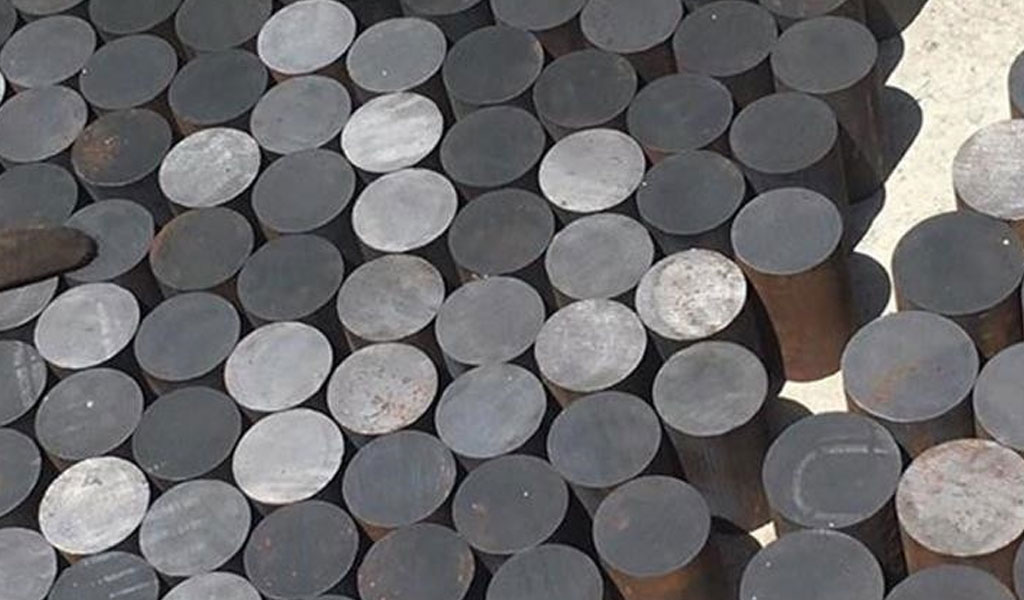
1. Gray Cast Iron Grades
Gray cast iron is graded based on its tensile strength, which generally ranges from 150 MPa to 400 MPa. The most commonly used grading system for gray cast iron is the ASTM (American Society for Testing and Materials) system, which includes:
- ASTM A48 Class 30, 40, 50, 60, 70, 80 (tensile strength from 200 MPa to 500 MPa)
- EN 1561 GJL-150, GJL-200, GJL-250, GJL-300 (tensile strength from 150 MPa to 300 MPa)
2. Ductile Cast Iron Grades
Ductile cast iron is graded based on its tensile strength and elongation properties. The ASTM system for ductile cast iron grades includes:
- ASTM A536 60-40-18, 65-45-12, 80-55-06 (tensile strength ranging from 415 MPa to 550 MPa)
- ISO 1083: 400-18, 500-7, 600-3 (tensile strength ranging from 400 MPa to 600 MPa)
3. White Cast Iron Grades
White cast iron is typically not graded as commonly as gray or ductile cast iron due to its specialized use in high-wear applications. However, it is sometimes classified by its hardness and the amount of cementite present in the alloy.
4. High-Alloy Cast Iron Grades
High-alloy cast iron grades are defined by the amount of alloying elements used, such as chromium, nickel, and molybdenum. Common grades include:
- ASTM A532 (high-chromium white cast iron for abrasion resistance)
- ASTM A217 (alloyed steels for high-temperature applications)
Uses of Cast Iron
Cast iron is widely used across various industries due to its excellent casting properties, strength, and versatility. Some of the most common applications include:
1. Automotive Industry
Cast iron is extensively used in the automotive sector for engine blocks, crankshafts, brake rotors, and other structural components. Its excellent machinability, wear resistance, and ability to absorb vibrations make it ideal for these applications.
2. Construction Industry
Cast iron is used in construction for components such as pipes, manhole covers, and structural elements in bridges and buildings. Its durability and ability to be cast into complex shapes make it a suitable material for infrastructure applications.
3. Machinery and Equipment
Cast iron is commonly used to manufacture machine frames, bases, and structural parts in industries such as manufacturing, mining, and cement production. Its damping properties reduce vibrations and noise in heavy machinery.
4. Agriculture
In agricultural machinery, cast iron is used for components that require high strength and resistance to wear, such as plows, cultivators, and various tractor parts.
5. Heavy Industry
Cast iron is used in heavy industrial equipment, such as pumps, valves, and conveyor systems, where its wear resistance, strength, and ability to handle high-stress environments are essential.
6. Art and Decorative Uses
Cast iron has also been used in decorative applications, such as in ornate gates, fences, and sculptures. Its ability to be molded into intricate shapes makes it a popular choice for art casting.
7. Pipe Systems
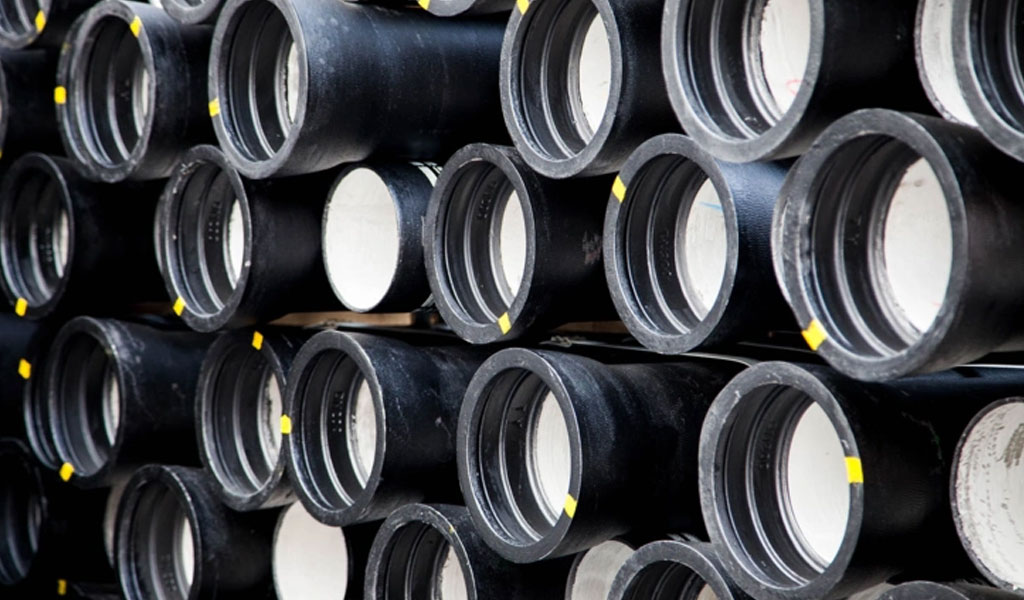
One of the most significant uses of cast iron has been in the production of pipes. The material’s strength, resistance to corrosion, and ability to handle high-pressure fluids make it ideal for sewage systems, water lines, and industrial piping.
Conclusion
Cast iron is a versatile and essential material used in a wide variety of applications. Its various types, including gray cast iron, white cast iron, ductile cast iron, malleable cast iron, and compacted graphite iron, offer different benefits based on their unique microstructures and properties. The grading of cast iron allows manufacturers to select the right material for specific applications, ensuring optimal performance and longevity. From the automotive and construction industries to heavy machinery and art, cast iron continues to play a vital role in modern manufacturing and infrastructure development.
The Detail Of BE-CU Cnc Machining Shop
BE-CU.COM – As an accomplished CNC machining Service Manufacturer and CNC shop, BE-CU Prototype has been specialized in OEM CNC lathing, custom CNC machining parts production and rapid CNC machining services China for over 35 years and always maintaining the highest standard in delivery speed and reliable quality of precision CNC manufacturing components. With the help of high-level technology and efficient equipment, as well as rigorous attitude, BE-CU passed the ISO9001:2015 quality certification, which supports the long-term development of CNC milling services, CNC turning services, CNC milling-turning, CNC drilling services, 3/4/5 axis machining, gear machining services, CNC machining China custom parts and service, small parts machining, etc.Our CNC machining products can be utilized in a broad range of industries. Contact us for email: [email protected]
-
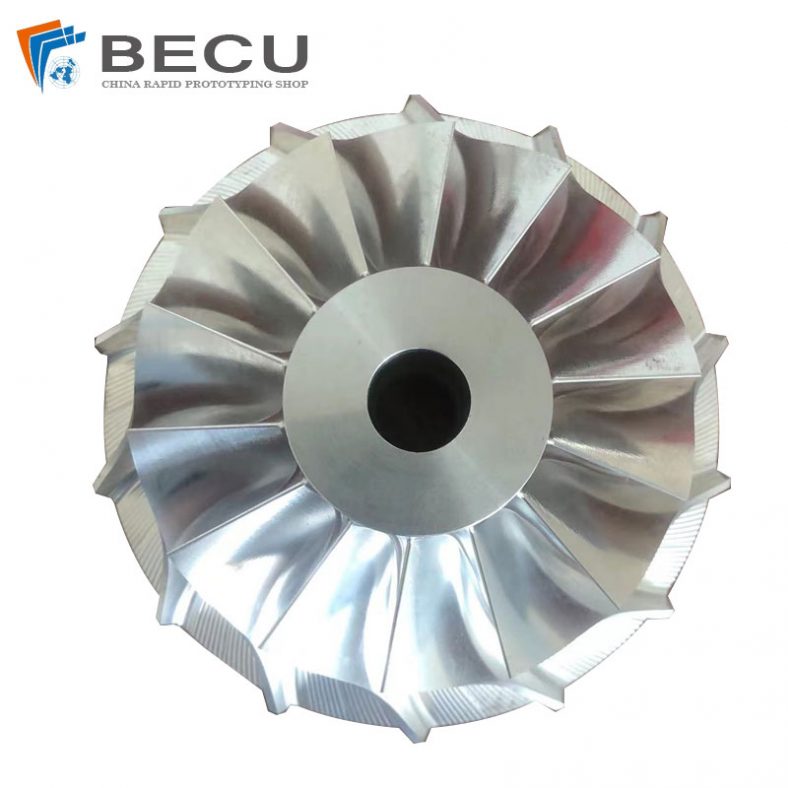
3-Way Centrifugal Compressor Closed Impeller By 5 Axis Machining
-
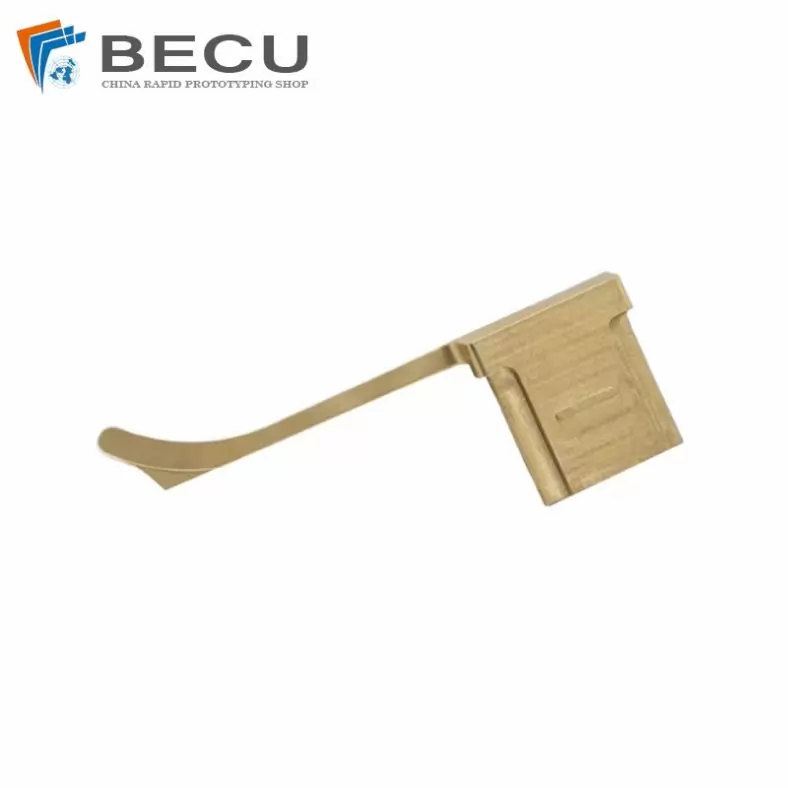
3/4/5 Axis Precision Milling Custom Vehicle Parts
-
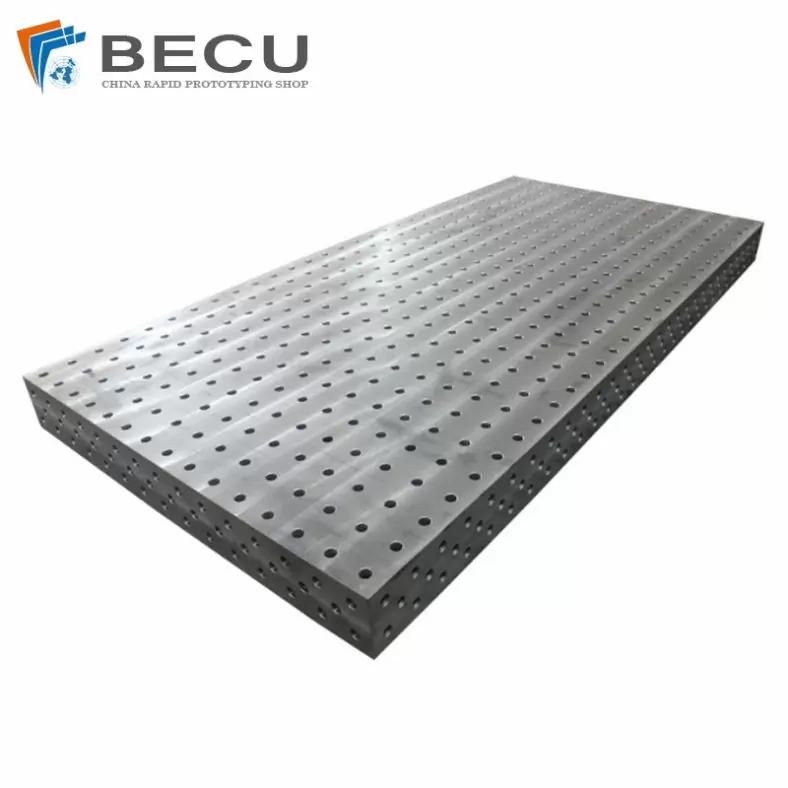
3D Flexible Welding Platform By Large Machining
-
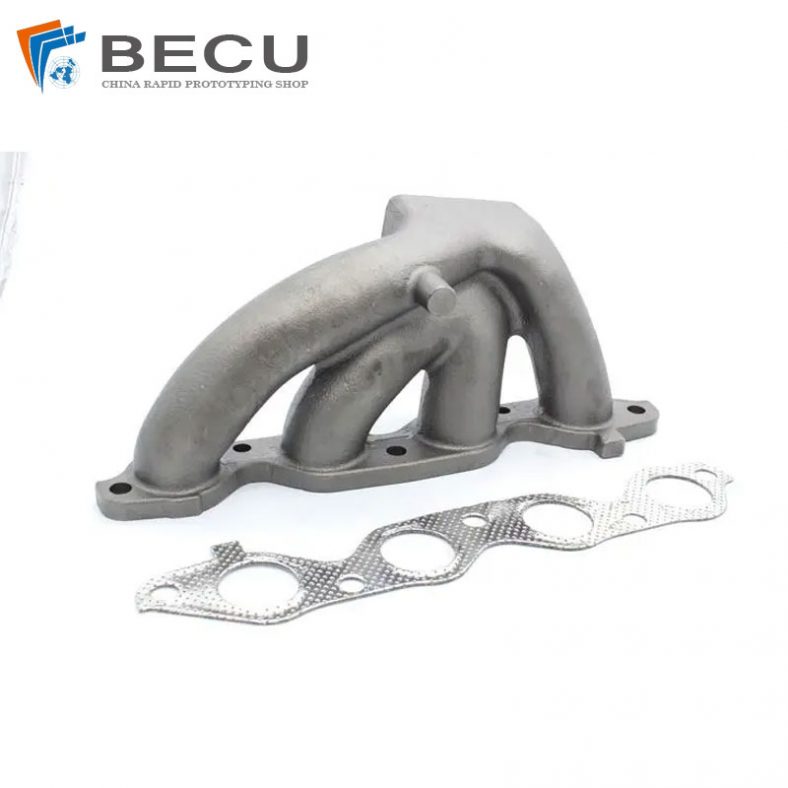
3D Printed Inconel Exhaust Manifold
-
3D Printing And CNC Machining Custom Black PPS Valve
-
3D Printing Full Transparent Acrylic Lampshade Model
-
4 Axis CNC Machining Titanium Grade 5 Mobile Phone Buttons
-
4 Axis Machining Highly Transparent Acrylic LED Tunnel Light Lens