
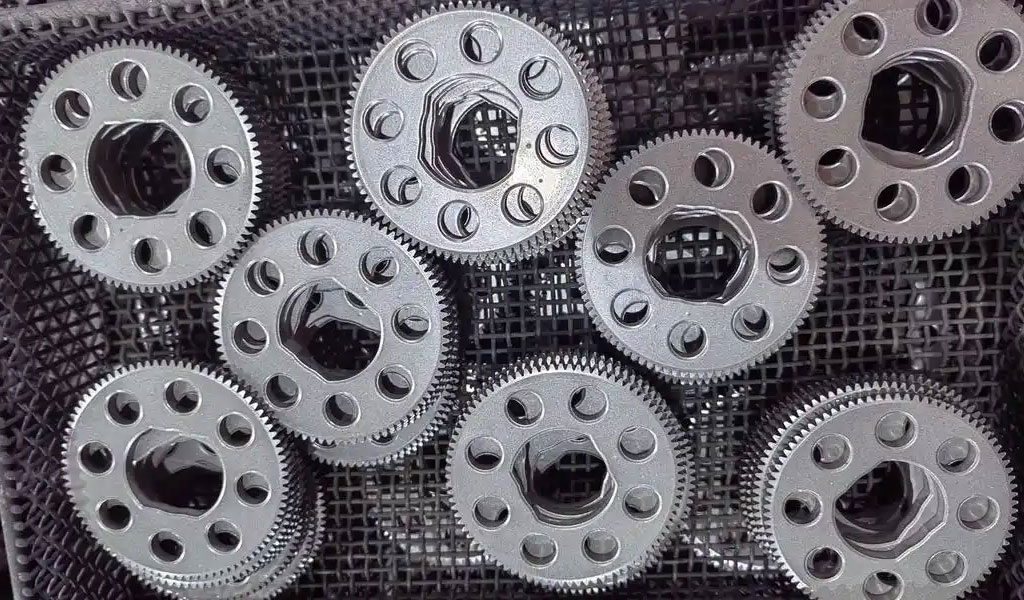
Powder metallurgy (PM) is a manufacturing process used to create metal parts by compacting metal powders into a mold and then sintering them at high temperatures to form a solid structure.
This process is widely used for producing parts in industries such as automotive, aerospace, medical, and electronics. The calculation of powder metallurgy pricing and mold costs is complex and involves numerous factors, including material costs, energy consumption, labor, tooling, and overhead. This article aims to explain the factors that influence the cost of powder metallurgy, how to calculate the price, and a professional calculation model for PM mold costs.
Factors Affecting Powder Metallurgy Price
The cost of powder metallurgy products depends on various elements, which include raw material prices, process costs, tooling costs, overhead, and labor. These factors can vary significantly depending on the material, complexity of the part, and the scale of production.
1. Material Costs
Material costs are one of the most significant contributors to the total price of powder metallurgy parts. The price of the metal powder itself is largely determined by the type of metal used, the alloying elements, and the particle size distribution. Common materials used in powder metallurgy include iron, copper, bronze, and high-performance alloys like stainless steel, titanium, and tungsten.The cost of the metal powder is typically calculated based on weight or volume. Special materials with high-performance requirements, such as high-speed steels or tungsten carbide, are often more expensive due to the complexity of their production.

For instance, iron powder typically costs around $2 to $6 per kilogram, while more expensive powders, such as titanium or high-alloyed steels, can cost upwards of $30 per kilogram. Additionally, the price can fluctuate based on market conditions, such as demand and availability.
2. Tooling and Mold Costs
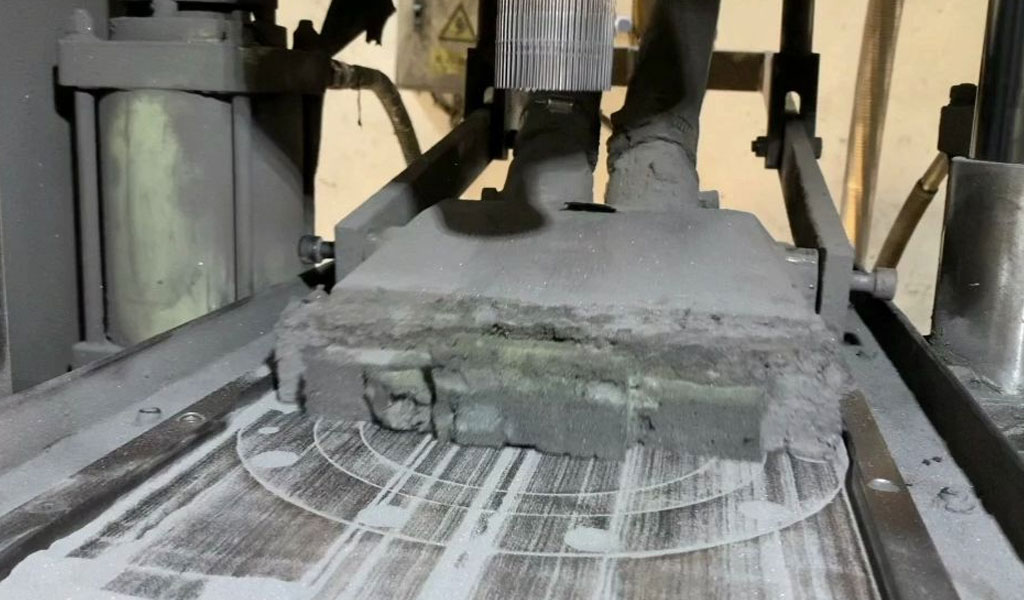
Tooling and mold costs are another essential component of the powder metallurgy pricing structure. Mold costs are associated with the design and production of the molds or dies used to compact the powder into its desired shape. These costs depend on the complexity of the part, the number of cavities in the mold, and the material used for mold production.The mold material itself is usually made of high-strength steels capable of withstanding the high pressures and temperatures involved in the compaction and sintering processes. In the initial stages of production, mold costs are amortized over the number of parts produced. The more parts produced, the lower the per-unit cost of the mold.
Mold costs are also affected by the design of the part. Complex geometries, thin walls, or deep pockets may require more intricate and expensive molds. The design and manufacturing of molds also require specialized expertise and equipment, which can add significant costs.The total tooling cost can be calculated using the following formula:
Total Tooling Cost=Design Cost+Material Cost+Manufacturing Cost+Maintenance Cost
3. Labor Costs
Labor costs include the wages and benefits of workers who operate the equipment, monitor the production process, perform quality control, and handle logistics. In powder metallurgy, labor costs are generally lower than traditional machining processes because the process is highly automated.
However, skilled technicians and engineers are required to maintain the equipment and ensure product quality. These labor costs must be factored into the total price.
Labor costs also vary based on the geographical location of the manufacturing facility. For example, labor costs in countries with high wage rates, such as the United States or Germany, will be higher than in regions with lower wage rates, such as Southeast Asia.
4. Energy Consumption
Energy consumption is another critical cost factor in the powder metallurgy process. The process involves heating the powder to high temperatures during sintering, which requires a significant amount of energy. The cost of energy can vary depending on the energy source (electricity, natural gas, etc.), the efficiency of the equipment, and the energy prices in the region.
The sintering process, which typically occurs in a furnace, is the most energy-intensive step in powder metallurgy. Depending on the size and temperature requirements of the furnace, energy consumption can add significantly to the cost of production.
5. Overhead and Miscellaneous Costs
Overhead includes all indirect costs associated with running a powder metallurgy production facility, such as rent, utilities, administrative expenses, insurance, and taxes. These costs need to be spread across all products produced and added to the final price.
Miscellaneous costs, such as transportation, packaging, and material handling, should also be considered when calculating the overall price. These costs can be particularly significant in large-scale production or when parts need to be shipped globally.
Professional Calculation Model for Powder Metallurgy Price and Production Volume
Production volume significantly impacts the per-unit cost of powder metallurgy parts. Higher production volumes allow for economies of scale, reducing the per-unit cost. The relationship between production volume and cost can be modeled using a learning curve or experience curve. The learning curve assumes that as production volume increases, the cost per unit decreases due to improved efficiency and reduced waste.The learning curve can be expressed mathematically as:
Cn=C1×n−b
Where:
- Cn is the cost of the nth unit.
- C1 is the cost of the first unit.
- n is the cumulative production volume.
- b is the learning curve exponent, which represents the rate of cost reduction with increased production volume.
Part Complexity
Part complexity affects the design and manufacturing of tooling, as well as the compaction and sintering processes. More complex parts require more intricate tooling designs and may necessitate additional secondary operations. The complexity of a part can be quantified using various metrics, such as the number of features, the complexity of the geometry, and the required tolerances.
A complexity index can be developed to quantify the complexity of a part. This index can be used to adjust the tooling and manufacturing costs accordingly. For example, a complexity index (CI) can be calculated as:
CI=∑(Feature Complexity×Weighting Factor)
Where:
- Feature Complexity is a measure of the complexity of each feature (e.g., holes, slots, threads).
- Weighting Factor is a factor that reflects the relative importance of each feature.
Secondary Operations
Secondary operations, such as machining, heat treatment, and finishing, add to the overall cost of powder metallurgy parts. The cost of secondary operations can be calculated based on the time and resources required to perform each operation. The cost of secondary operations can be expressed as:
Secondary Operation Cost=∑(Time per Operation×Labor Rate+Material Cost)
Where:
- Time per Operation is the time required to perform each secondary operation.
- Labor Rate is the cost of labor per unit time.
- Material Cost is the cost of any additional materials required for the secondary operations.
Mold Cost Calculation
The cost of molds, or tooling, is a critical component of the overall cost of powder metallurgy parts. Mold costs include the design, material, manufacturing, and maintenance costs. The design cost encompasses the engineering and drafting required to create the mold. Material costs include the cost of the mold material, such as tool steel or carbide. Manufacturing costs encompass the machining, finishing, and assembly of the mold. Maintenance costs include the ongoing maintenance and replacement of the mold over its lifespan.
Design Costs
Design costs are influenced by the complexity of the part and the required tolerances. More complex parts with tighter tolerances require more detailed and precise designs, increasing the design cost. The design cost can be estimated based on the complexity index (CI) and the required tolerances. For example:
Design Cost=Base Design Cost×(1+CI×Tolerance Factor)
Where:
- Base Design Cost is the baseline cost for designing a simple part.
- Tolerance Factor is a factor that reflects the impact of tolerances on design cost.
Material Costs
Material costs are determined by the type and quantity of material used to manufacture the mold. Common mold materials include tool steel, carbide, and ceramics. The material cost can be calculated using the following formula:
Material Cost=Volume of Mold Material×Density of Material×Cost per Unit Weight
Where:
- Volume of Mold Material is the volume of the material required to manufacture the mold.
- Density of Material is the density of the mold material.
- Cost per Unit Weight is the cost of the mold material per unit weight.
Manufacturing Costs
Manufacturing costs encompass the machining, finishing, and assembly of the mold. The manufacturing cost can be calculated based on the time and resources required to perform each operation. For example:
Manufacturing Cost=∑(Time per Operation×Labor Rate+Material Cost)
Where:
- Time per Operation is the time required to perform each manufacturing operation.
- Labor Rate is the cost of labor per unit time.
- Material Cost is the cost of any additional materials required for the manufacturing operations.
Maintenance Costs
Maintenance costs include the ongoing maintenance and replacement of the mold over its lifespan. The maintenance cost can be estimated based on the expected lifespan of the mold and the frequency of maintenance and replacement. For example:
Maintenance Cost=Annual Maintenance Cost×Expected Lifespan
Where:
- Annual Maintenance Cost is the cost of maintaining the mold annually.
- Expected Lifespan is the expected lifespan of the mold in years.
Total Mold Cost
The total mold cost can be calculated by summing the design, material, manufacturing, and maintenance costs:
Total Mold Cost=Design Cost+Material Cost+Manufacturing Cost+Maintenance Cost
Professional Calculation Model
To provide a more scientific and comprehensive approach to calculating powder metallurgy prices and mold costs, a professional calculation model can be developed. This model incorporates the various factors and costs discussed above. The model can be expressed as:
Total Part Cost=Material Cost+Tooling Cost+Secondary Operation Cost
Where:
- Material Cost is calculated as described earlier.
- Tooling Cost is the total mold cost, as calculated above.
- Secondary Operation Cost is the cost of any secondary operations, as calculated earlier.
Example Calculation
To illustrate the application of the professional calculation model, consider the following example:
A manufacturer wants to produce a powder metallurgy part with the following specifications:
- Material: Iron powder
- Volume of Part: 100 cm³
- Density of Material: 7.87 g/cm³
- Cost per Unit Weight: $0.50/kg
- Complexity Index: 0.5
- Tolerance Factor: 0.2
- Base Design Cost: $500
- Volume of Mold Material: 500 cm³
- Density of Mold Material: 7.87 g/cm³
- Cost per Unit Weight of Mold Material: $10/kg
- Time per Operation (Design): 10 hours
- Labor Rate (Design): $50/hour
- Time per Operation (Manufacturing): 20 hours
- Labor Rate (Manufacturing): $50/hour
- Annual Maintenance Cost: $100
- Expected Lifespan: 5 years
- Time per Operation (Secondary Operations): 5 hours
- Labor Rate (Secondary Operations): $50/hour
- Material Cost (Secondary Operations): $20
Conclusion
The calculation of powder metallurgy price and mold costs is a complex process influenced by a wide variety of factors, including raw material costs, tooling, labor, energy consumption, and overhead. By using a structured formula, manufacturers can accurately estimate the cost of producing powder metallurgy parts and molds. Furthermore, understanding these costs is crucial for businesses looking to optimize their pricing strategy, remain competitive, and ensure profitability in the powder metallurgy industry.
While this article provides a broad overview of the factors and calculations involved in powder metallurgy pricing, it is important to note that each production scenario is unique. The specific requirements of the part, the material used, and the production scale will all influence the final cost. By carefully considering all these factors and applying the appropriate calculation model, manufacturers can make informed decisions about pricing and mold cost estimation in powder metallurgy production.
The Detail Of BE-CU Powder Metallurgy Company
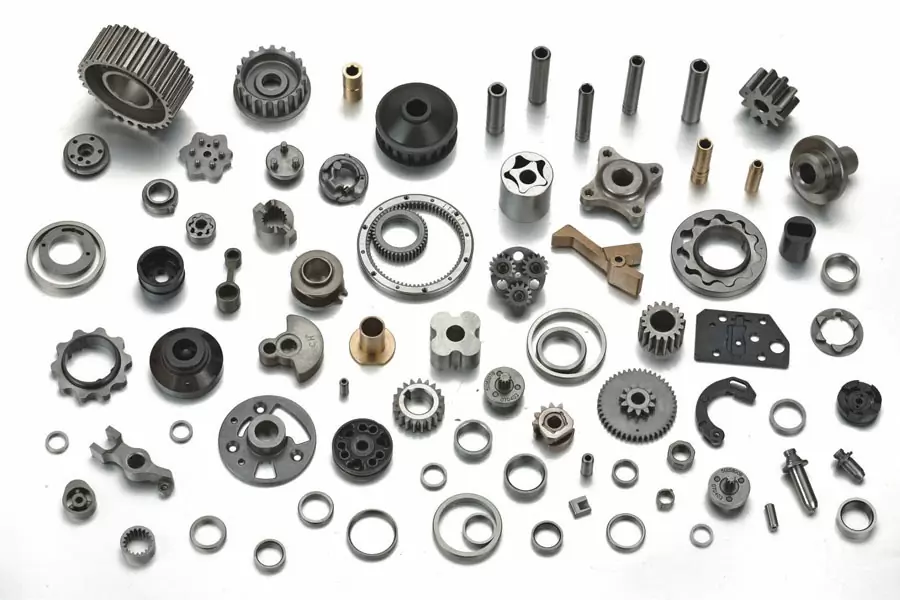
With years of experience in powder injection molding and powder injection molding, BE-CU has the expertise to produce custom PM with various powder metallurgy processes and techniques. From designs to production to shipping, we can meet your requirements at each stage. Capable of sintering parts less than 1/8 in. to 10 in. sq. surface area. Press capacity ranges from 2 to 300 tons. Secondary services such as turning, milling, tapping, honing, deburring and ball burnishing provided.
Whether you want to find the manufacturers of MIM powder metallurgy parts, CIM powder metallurgy parts, powder metallurgy mold, or other types of powder metallurgy, we’ll deliver top-quality products with a fast turnaround. From ceramic to hard metals, a wide selection of materials with excellent properties are provided. We can also help you in the design and review of almost all types of PM parts to enhance their functionality and manufacturability.
-
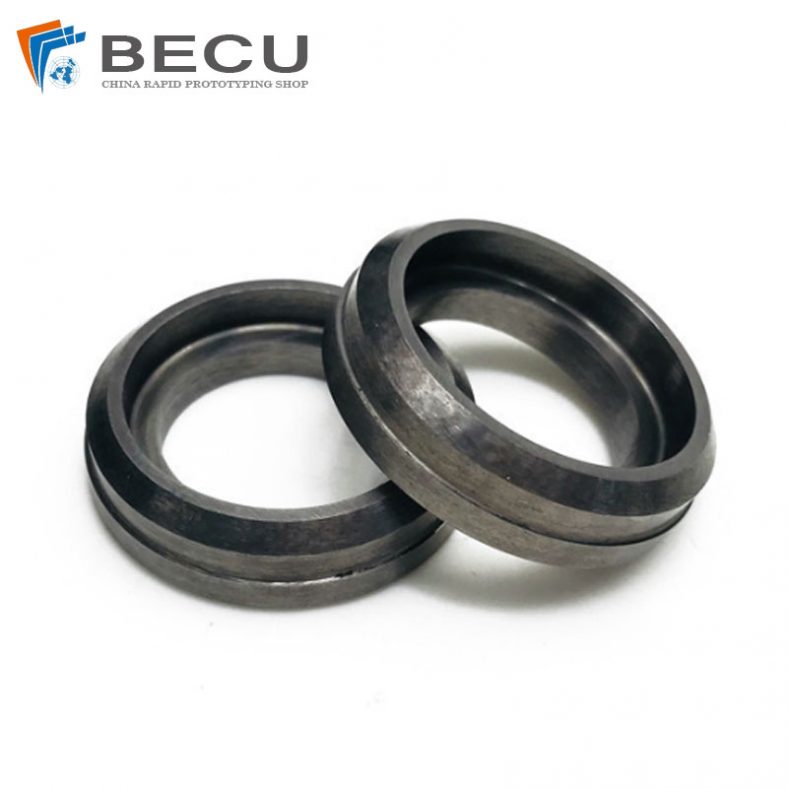
Carbide Tungsten Valve Seat For Oil And Gas Industry
-
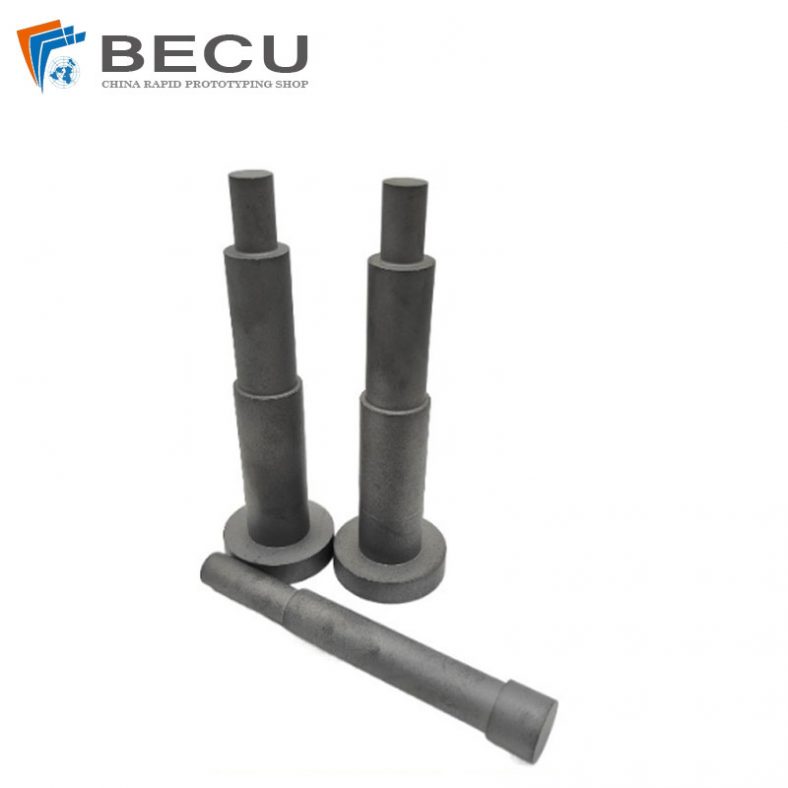
CNC Machining Tungsten Cobalt Carbide Punch
-

Custom Hexahedron Tungsten Dnd Dice
-
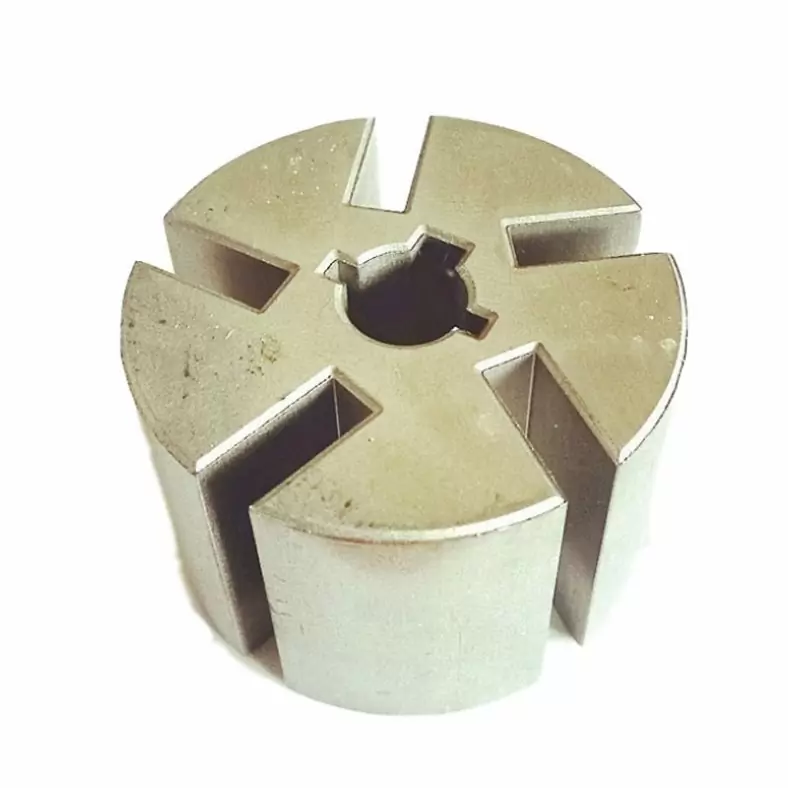
High-Precision Hydraulic Vane Oil Pump Rotor
-
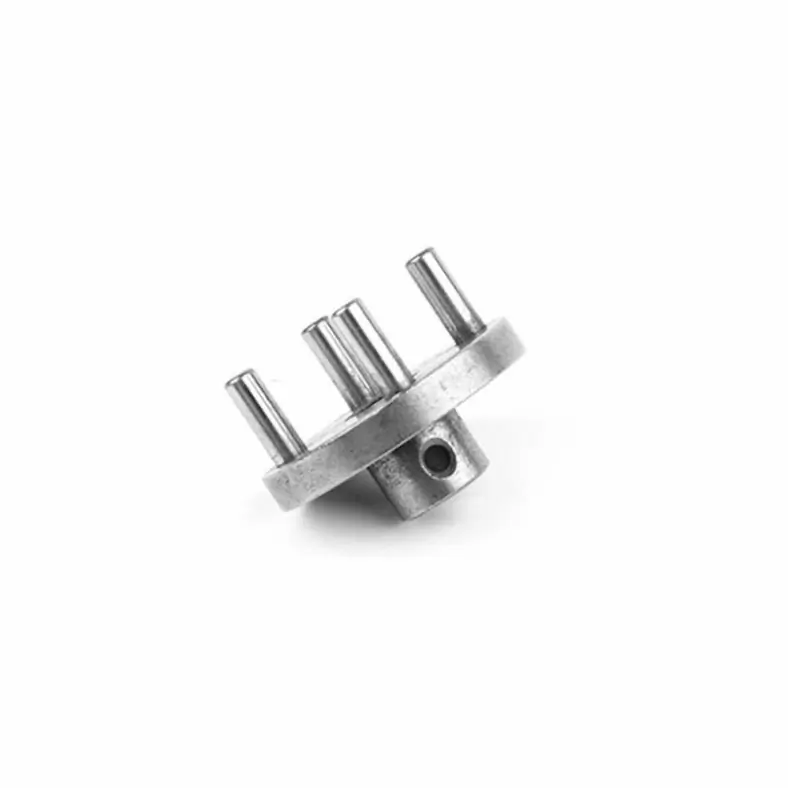
High-Strength Small Powder Metallurgy Gears
-

Mask Machine Parts Cam Bevel Shaft And Gear
-
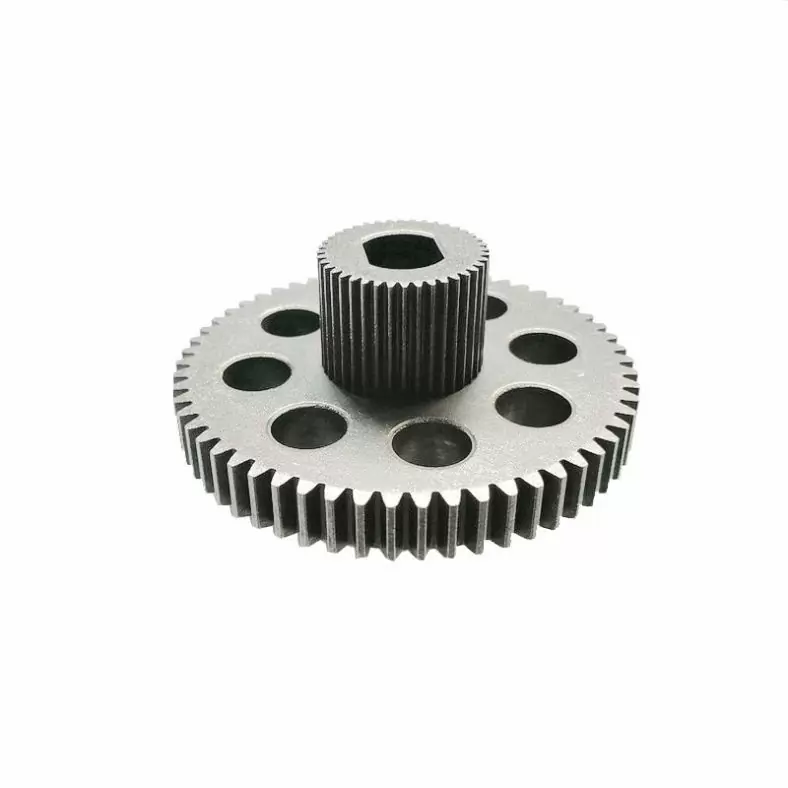
MIM Powder Metallurgy Alloy Steel Gear
-
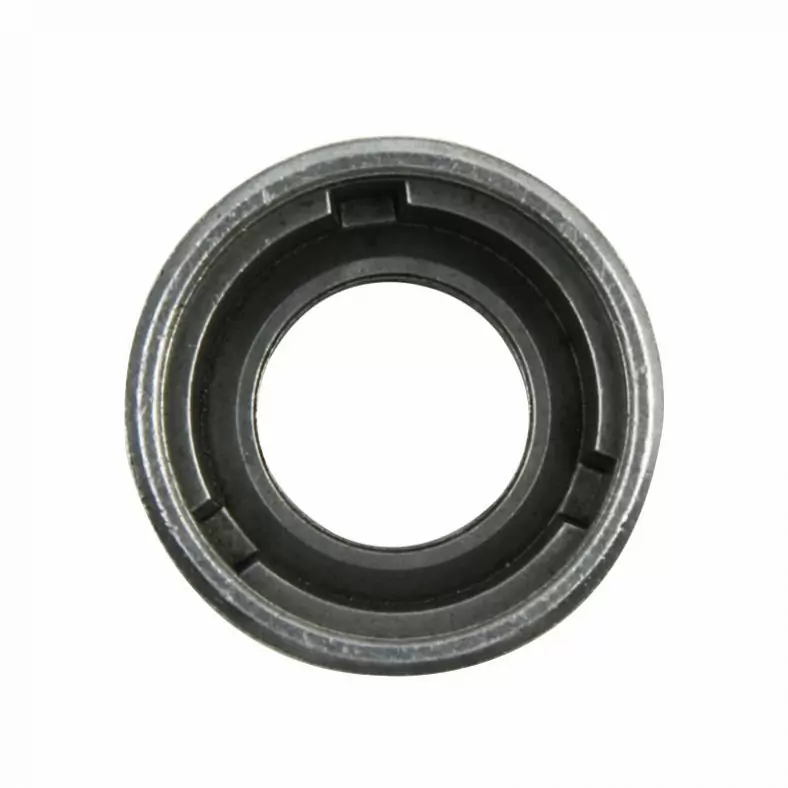
Powder Metallurgy Automotive Shock Absorber Guide Parts