
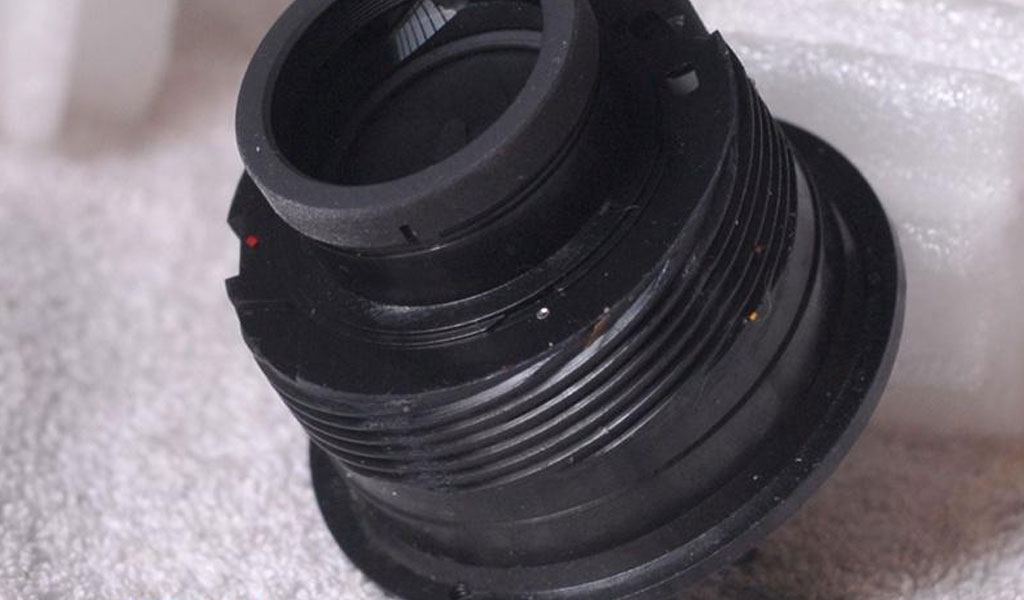
Screw bosses are an integral feature of plastic injection molding, designed to facilitate the secure attachment of screws or fasteners to molded parts. In the world of injection molding, proper screw boss design is critical for the integrity, functionality, and manufacturability of the molded components. This article delves into the various aspects of screw boss design, from its importance in the molding process to advanced techniques that can be employed to improve performance, reduce costs, and ensure product quality. With a focus on both practical design considerations and technical details, this guide aims to provide comprehensive knowledge for manufacturers, engineers, and designers involved in injection molding.
What is a Screw Boss?
In the context of injection molding, a screw boss is a feature added to a molded part that enables the insertion of a screw. It typically consists of a cylindrical or conical protrusion with internal threading or a flat surface to support the fastener. Screw bosses are essential in parts where screws are needed for assembly, particularly in applications involving mechanical enclosures, electrical components, or automotive parts. The screw boss ensures the integrity of the assembly, providing a means of securing the screw without compromising the strength of the molded material.
Screw bosses serve two primary functions in injection molded parts:
- Attachment: They allow screws or fasteners to be securely attached to a part, often providing a method of assembly that is efficient and durable.
- Load Bearing: When screws are inserted into the boss, it serves as a load-bearing component, distributing stresses and preventing part deformation or failure during use.
Importance of Screw Boss Design
Proper screw boss design is crucial for a variety of reasons. Inadequate design can result in a multitude of issues that affect the overall quality and performance of the part, including:
- Part Warping: Poorly designed bosses can lead to uneven material flow during the injection process, causing warping or uneven shrinkage after cooling.
- Weak Points in the Part: An improperly designed screw boss can create stress concentrations that weaken the part and reduce its mechanical strength.
- Molding Defects: Improper placement or size of the screw boss can result in defects such as sink marks, voids, or flashing, which impact both aesthetic quality and function.
- Assembly Difficulties: If the screw boss is not designed correctly, it may not provide sufficient threading or support for the screw, leading to difficulties during assembly or failure during use.
Therefore, understanding the best practices and design guidelines for screw bosses is critical in producing functional, durable, and high-quality molded parts.
Design Considerations for Screw Bosses
Several key factors must be considered when designing screw bosses for injection molding. These factors influence the structural integrity, manufacturability, and cost-effectiveness of the molded part. Below are some of the most important considerations:
1. Material Selection
The material used for the screw boss, as well as the overall part material, plays a significant role in determining the design parameters. Different materials have varying flow characteristics, shrinkage rates, and mechanical properties. Common materials used for screw bosses include:
- ABS (Acrylonitrile Butadiene Styrene): Known for its toughness and impact resistance, ABS is often used in automotive and electrical components.
- Polycarbonate (PC): Offers high strength and is used in applications requiring clear or durable parts.
- Polypropylene (PP): Lightweight and chemically resistant, PP is frequently used for household items and packaging.
- Nylon (PA): With excellent wear resistance and strength, nylon is commonly used in engineering applications, particularly for high-stress components.
- Acetal (POM): Known for its low friction and high strength, acetal is used in precision parts and mechanisms.
The material’s flow characteristics during molding must be taken into account when designing screw bosses. Materials that flow easily tend to create smoother, more uniform bosses, while materials with lower flow rates may require careful design to avoid issues such as incomplete filling.
2. Boss Size and Shape
The size and shape of the screw boss directly impact the part’s performance and manufacturability. Common guidelines for designing screw bosses include:
- Diameter: The diameter of the screw boss should be large enough to allow the screw to be inserted securely without weakening the surrounding material. A typical recommendation is that the diameter of the screw boss should be at least 1.5 times the diameter of the screw.
- Height: The height of the boss should be sufficient to allow the screw to be inserted and tightened fully. However, an excessively tall boss can increase material costs and lead to molding defects.
- Wall Thickness: The wall thickness of the boss must be designed to provide the necessary strength without making the overall part too thick. It is essential to balance the wall thickness of the boss with the surrounding material, avoiding excessive material build-up or uneven cooling.
- Shape: A cylindrical or tapered shape is commonly used, but the exact form will depend on the type of screw and the desired strength of the attachment. In some cases, ribs or flanges are added to the base of the boss to increase support and prevent deformation during screw insertion.
3. Thread Design
While some screw bosses are designed with internal threads to accept screws directly, others may require the use of inserts. The choice between molded threads and inserts depends on the application, material properties, and desired performance:
- Molded Threads: In molded parts, threads can be formed during the injection process using a screw or tap. Molded threads are typically cost-effective but may not offer the same durability as metal inserts, particularly in high-stress applications.
- Thread Inserts: Metal inserts are often used for applications requiring higher thread strength. These inserts can be inserted into the mold before injection or added later during the post-processing stage. Insert molding can add cost to the part, but it provides better performance for certain applications.
Thread design must consider factors such as the pitch, depth, and tolerance of the threads, which impact both the strength of the screw attachment and the ease of screw insertion.
4. Location and Spacing
The placement of screw bosses on the molded part must be strategically chosen to optimize both the manufacturing process and part performance. Screw bosses should not be located near critical features or thin walls that could lead to deformation or weak spots. Additionally, they must be spaced far enough apart to prevent crowding, which can cause molding issues or difficulties during assembly.
Optimal placement of screw bosses also requires an understanding of the mold’s cooling system. Proper spacing allows the mold to cool uniformly, avoiding issues such as uneven shrinkage or warping.
5. Draft Angle
A draft angle is the angle between the wall of the screw boss and the vertical axis of the molded part. The draft angle facilitates the easy removal of the part from the mold and prevents damage to the screw boss during ejection. The recommended draft angle for screw bosses typically ranges from 1 to 3 degrees, depending on the part material and the complexity of the mold.
The use of a draft angle also helps to reduce stress concentrations at the base of the screw boss, improving its strength and resistance to cracking under load.
6. Ribs and Gussets
In some cases, additional support structures such as ribs or gussets are added around the screw boss to enhance its strength and reduce material usage. Ribs are thin, elongated sections that add structural support to a part without significantly increasing its overall weight. Gussets are triangular reinforcements that provide additional stability to the boss, helping to distribute forces more evenly.
When designing ribs or gussets, it is essential to ensure that they do not interfere with the proper flow of molten plastic during injection molding. Ribs should be designed to a thickness of approximately 50% of the wall thickness to avoid issues such as sink marks or incomplete filling.
7. Sink Marks and Voids
Sink marks and voids are common issues that can arise from improper screw boss design. Sink marks occur when the material around the screw boss shrinks more than the surrounding areas, creating visible depressions on the surface of the part. Voids, on the other hand, occur when air or gas becomes trapped inside the mold, resulting in hollow spaces within the part.
To minimize sink marks and voids, it is crucial to design screw bosses with proper wall thickness, rib placement, and cooling parameters. Additionally, the size of the boss should be optimized to ensure that material flows evenly into the cavity during injection.
Advanced Techniques in Screw Boss Design
With advancements in injection molding technology, new techniques are continuously emerging to improve the design and performance of screw bosses. Below are some advanced methods that can be employed to optimize screw boss design further:
1. Multi-Material Molding
Multi-material or overmolding is a process where two or more materials are injected into a single mold cavity. This technique allows for the creation of parts with different material properties, such as rigid and flexible components in the same part. Multi-material molding can be used to create screw bosses with different materials, such as a soft, flexible layer on the outside for easier screw insertion or a rigid core for added strength.
2. Gas-Assisted Injection Molding
Gas-assisted injection molding uses gas (usually nitrogen) to create internal cavities or channels within the part. This process reduces material usage and allows for more complex geometries to be molded. In the case of screw bosses, gas-assisted molding can help reduce the overall thickness of the boss and surrounding areas, reducing sink marks and improving part strength.
3. 3D Printed Inserts for Molding
Additive manufacturing (3D printing) has made it possible to create custom inserts for injection molding that can be used to improve the design of screw bosses. These inserts can be printed with highly precise geometries, ensuring that the screw boss is tailored to the specific needs of the part. 3D printed inserts can also be used to create complex internal thread structures that would be difficult or expensive to manufacture using traditional methods.
Conclusion
Mastering screw boss design in injection molding is essential for ensuring the quality, strength, and manufacturability of molded parts. The design of screw bosses requires a deep understanding of material properties, molding techniques, and part functionality. By adhering to best practices and considering factors such as material selection, boss size and shape, thread design, and mold cooling, manufacturers can optimize the performance and cost-effectiveness of their molded components. Additionally, advancements in molding technologies offer new opportunities for improving screw boss design and achieving even greater precision, strength, and efficiency in injection molding.
With the right combination of design expertise, technical knowledge, and innovative techniques, engineers and designers can master the art of screw boss design and produce high-quality molded parts that meet the demands of various industries, from automotive to electronics, and beyond.
The Detail Of BE-CU Plastic Injection Company
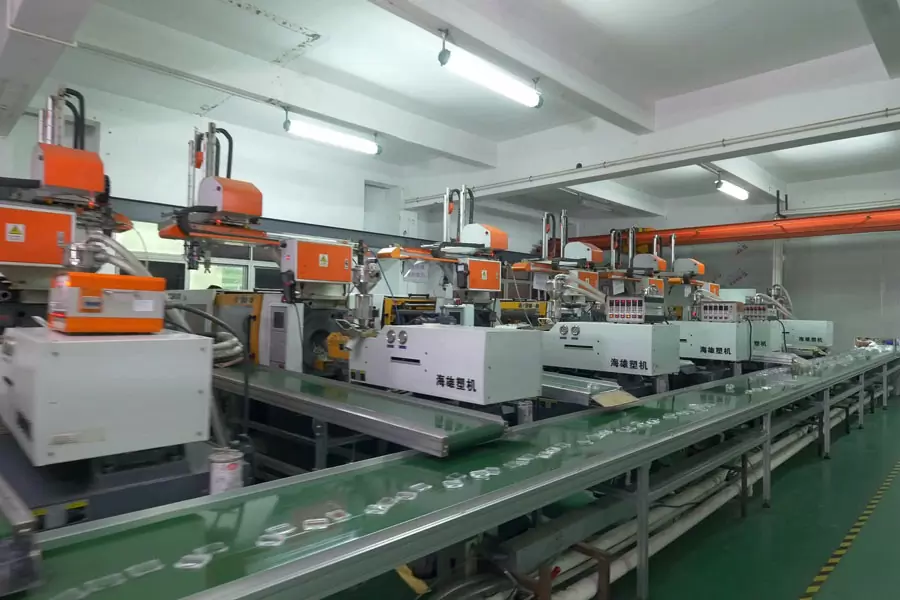
The core cooperative injection molding supplier has twelve 50T-200T injection molding machines, all of which are equipped with manipulators, mold temperature controllers, automatic assembly lines, and dust-free purification workshops. There are 4 automatic production lines in the oil spraying department: one 10,000-level automatic spraying production line (two sprays and two baking), 1 production line (one spray and one baking); 1 manual spraying production line, with a daily output of 150,000 pieces above. With brand-new professional technology, with an environmentally friendly anti-static, fully air-conditioned, dust-free workshop, the working environment is superior, the production equipment is complete, and the product testing equipment is perfect. Need mold making supplies for large quantities of production parts? Looking for a more cost effective and time efficient way of manufacturing parts? Don’t miss our injection molding services! At be-cu.com, we provide high quality and affordable injection molding for prototypes and production parts with quick turnaround times.
-

5 Axis CNC Machining Spiral Bevel Gear Mold
-
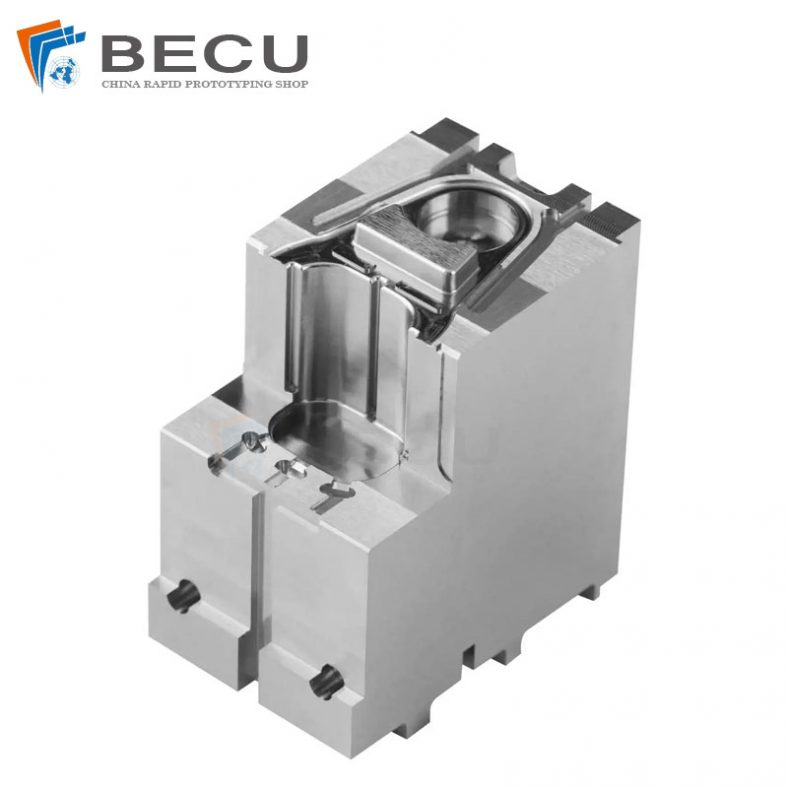
Small Precision Injection Molding Inserts
-
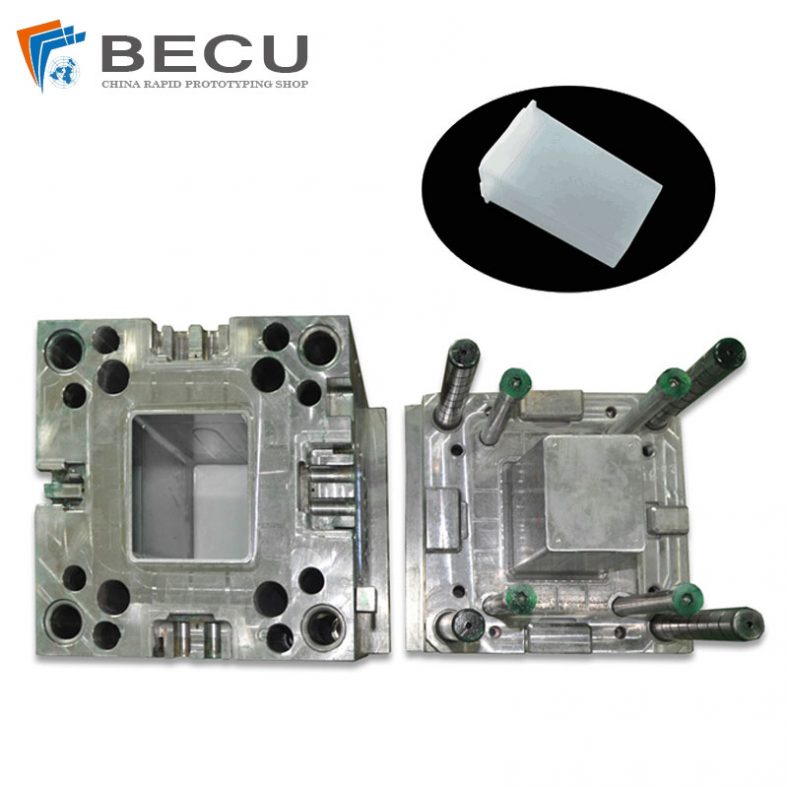
Plastic Storage Box Plastic Injection Mold
-
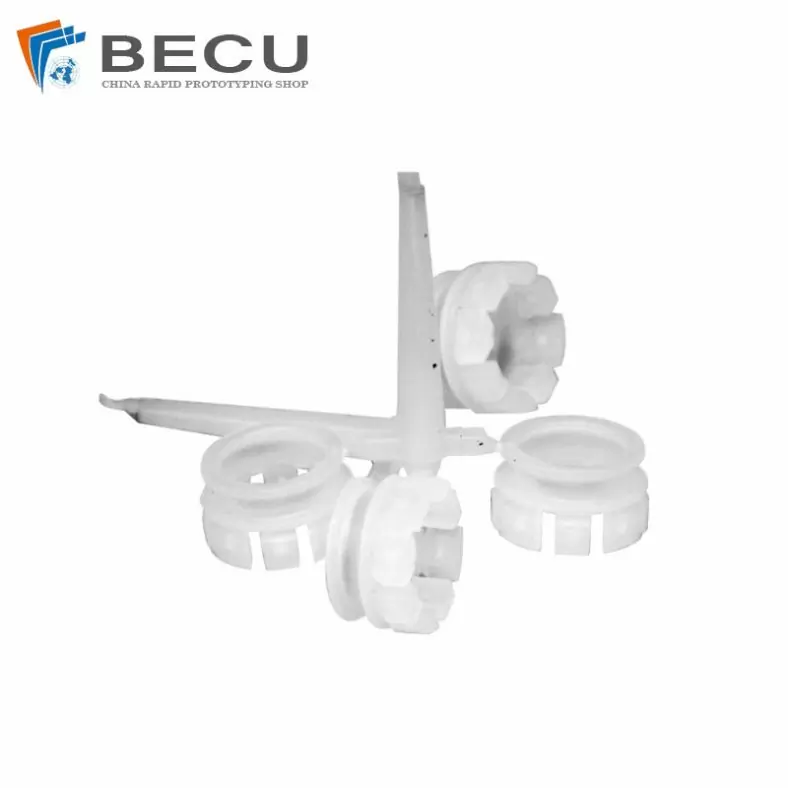
Injection Molding PE-UHMW Retaining Buckle And Ring
-
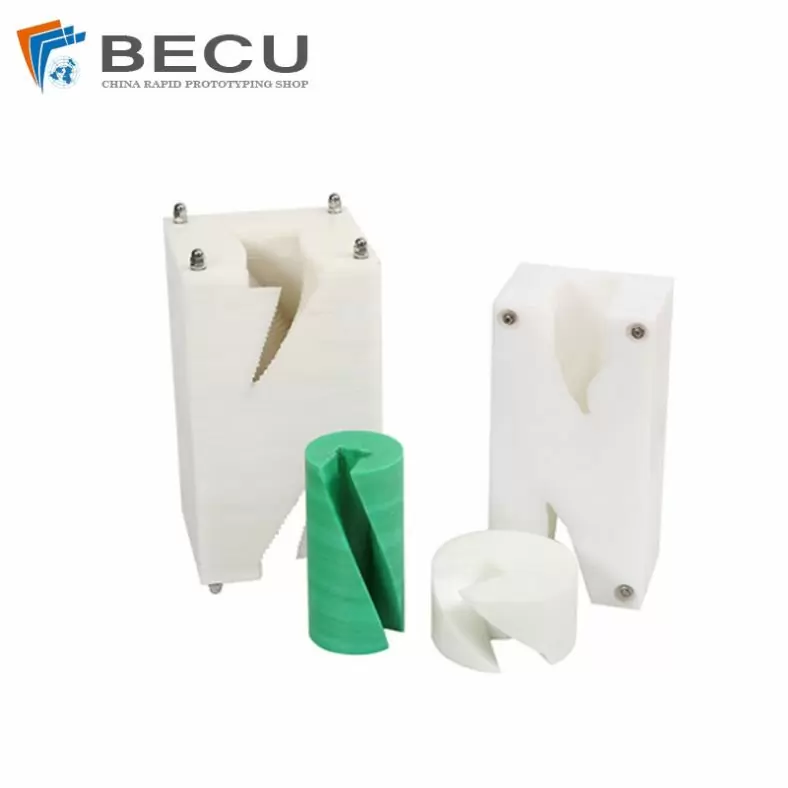
Cnc Machined UHMW-PE Bottle Turner
-
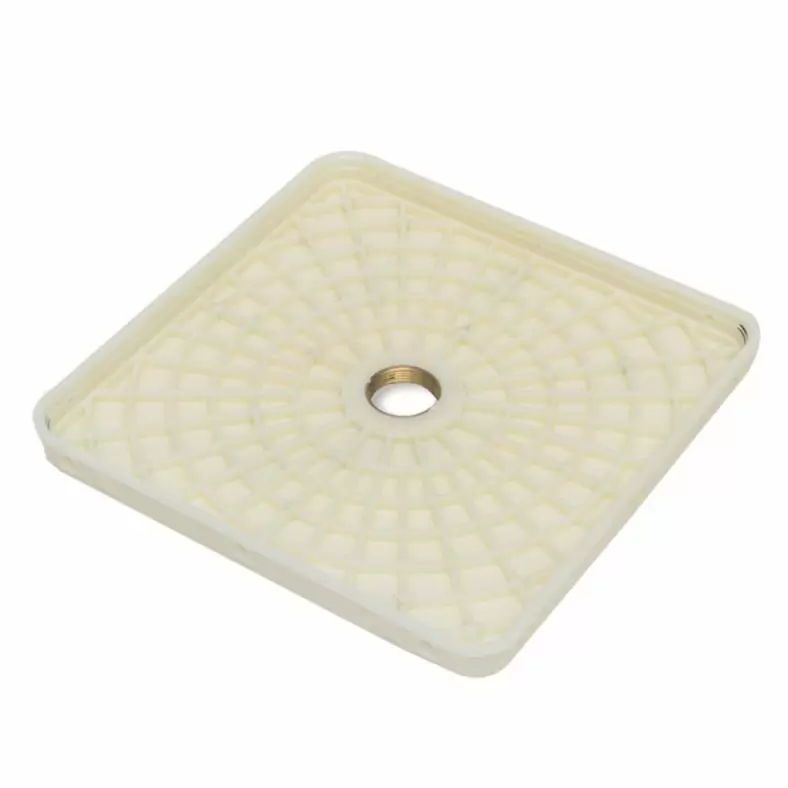
Shower Inclosure Sleeve By Plastic Injection
-
Injection Secret Security Machine Control Shell
-
Sewing Machine Industrial Control Shell By Plastic Injection