
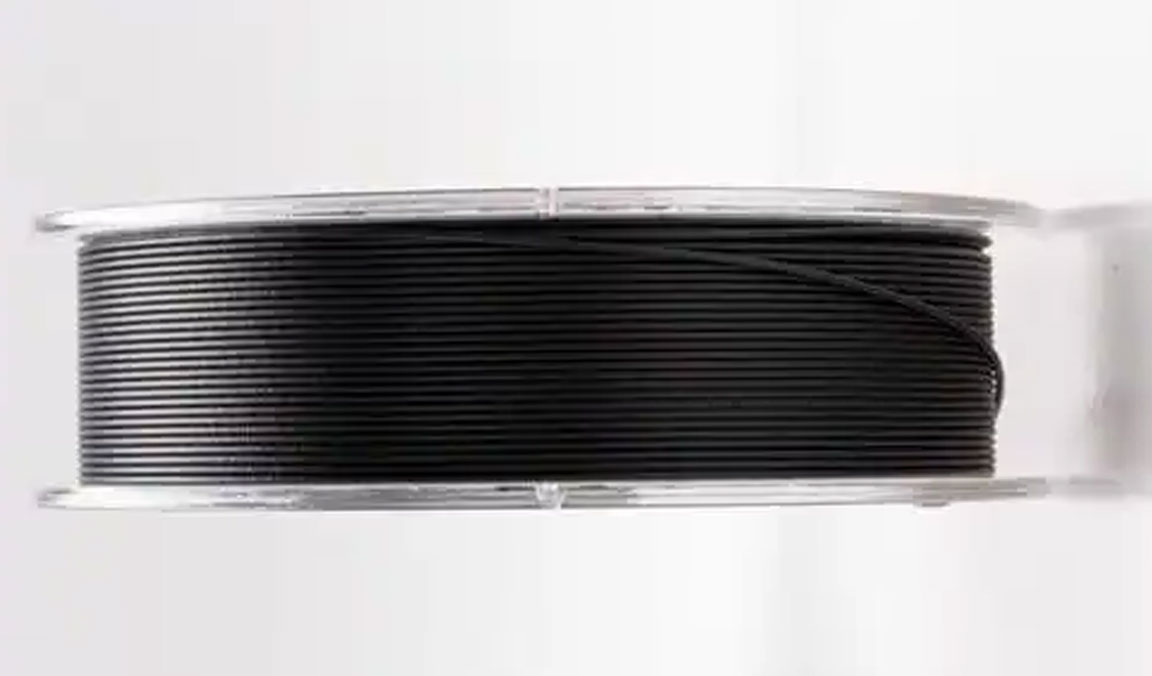
Nylon filament refers to a type of synthetic polymer material that is produced in the form of a continuous thread or strand. The term “nylon” is used to describe a variety of polyamides that can be made into fibers, filaments, and other forms of usable material for a wide range of applications. Nylon filaments, in particular, are important in fields such as textiles, 3D printing, industrial manufacturing, and more. This article provides an in-depth exploration of nylon filament, including its chemical structure, production methods, properties, applications, and significance in various industries.
The Chemistry of Nylon
Nylon is a generic name for a family of synthetic polymers known as polyamides. The term “nylon” is often followed by a number that specifies the number of carbon atoms in the polymer’s chemical structure.
For example, Nylon 6,6 (one of the most commonly used types of nylon) consists of two monomers: hexamethylenediamine (which has six carbon atoms) and adipic acid (which also has six carbon atoms). The polymerization of these monomers through a condensation reaction forms the repeating units of the nylon polymer.
The chemical structure of nylon consists of amide linkages, where the nitrogen atom of one monomer is bonded to the carbonyl carbon of another. These amide groups form the backbone of the polymer chain, giving nylon its characteristic strength and durability. The strength and flexibility of the resulting nylon filament are dependent on factors such as the length of the polymer chains, the degree of crystallinity, and the type of additional chemical treatments used during production.
Types of Nylon Filament
There are various types of nylon filaments, each suited to different applications based on its specific characteristics. Some of the most common types include:
- Nylon 6: Made from a single monomer, caprolactam, which undergoes polymerization to form the nylon 6 polymer. It is widely used for producing fibers, ropes, and in industrial applications such as automotive and mechanical components.
- Nylon 6,6: Made from two monomers, hexamethylenediamine and adipic acid, nylon 6,6 is stronger and more heat-resistant than nylon 6. It is often used in high-strength applications like automotive parts, industrial textiles, and electrical insulation.
- Nylon 12: This type of nylon is produced using dodecalactam as the monomer and is known for its excellent chemical resistance, low moisture absorption, and better flexibility compared to other nylons. It is often used in applications requiring high chemical stability.
- Nylon 11: Similar to nylon 12, but with an even longer carbon chain in the polymer backbone. Nylon 11 is highly resistant to chemicals and oils, and it is often used in the production of pipes, tubing, and other components for the chemical industry.
- Nylon 46: A high-performance nylon that is made using a combination of adipic acid, hexamethylenediamine, and an additional monomer. It has exceptional heat resistance and is used in the automotive and electrical industries, particularly for components that will be exposed to high temperatures.
Production of Nylon Filament
The production of nylon filament typically involves several key steps: polymerization, spinning, and drawing.
1. Polymerization
The first step in producing nylon filament is the polymerization of the nylon monomers to form a polymer chain. In the case of nylon 6,6, the monomers hexamethylenediamine and adipic acid are combined under heat and pressure in a process known as condensation polymerization. This reaction results in the formation of nylon polymer chains, which can then be processed further.
For nylon 6, the monomer caprolactam is polymerized using a similar process. The caprolactam is heated to form a molten mass, and under controlled conditions, it undergoes a ring-opening polymerization reaction, which forms the long polymer chains.
2. Spinning
Once the polymer has been synthesized, it is extruded through a spinneret, which is a device that contains numerous tiny holes. This step is known as “spinning,” and it results in the formation of continuous fibers or filaments. The extruded filaments are cooled as they pass through the air or water, and they solidify into the nylon fiber.
At this stage, the nylon filament is usually in its most basic form, and it can be used for a variety of applications directly, or it may undergo further processing.
3. Drawing and Stretching
The nylon filaments are then drawn or stretched to align the polymer chains, which enhances the filament’s strength and elasticity. Drawing the filament also reduces its diameter, creating a finer, more flexible filament. This step is essential for achieving the desired mechanical properties of the nylon filament, such as tensile strength and elongation at break.
The degree of stretching is closely monitored, as it can significantly affect the physical properties of the filament. For example, over-drawing the filament can result in brittleness, while under-drawing can lead to reduced strength.
Properties of Nylon Filament
Nylon filaments possess a wide range of desirable properties that make them suitable for various industrial, commercial, and consumer applications. These properties include:
- Strength and Durability: Nylon filaments are known for their high tensile strength, which makes them ideal for applications where durability is critical. The polymer chains in nylon filaments provide strong molecular bonds, enabling the filament to withstand significant mechanical stress without breaking.
- Flexibility: Nylon filaments are relatively flexible compared to other materials, which allows them to be bent or stretched without breaking. This flexibility is particularly important for applications in textiles and 3D printing, where the filament must navigate intricate designs.
- Heat Resistance: Depending on the type of nylon, nylon filaments exhibit a significant level of heat resistance. Nylon 6,6, for example, can withstand temperatures of up to 250°C, making it suitable for automotive and electrical applications where high heat is a concern.
- Chemical Resistance: Nylon filaments exhibit excellent resistance to many chemicals, including oils, solvents, and acids. This resistance makes them suitable for use in chemical processing industries, as well as in the production of components that will be exposed to harsh environments.
- Moisture Absorption: One notable characteristic of nylon is its ability to absorb moisture. This can affect its dimensional stability and mechanical properties, particularly in high-humidity environments. However, various grades of nylon are engineered to reduce this effect, such as the use of nylon 12, which has a lower moisture absorption rate than nylon 6 or 6,6.
- Abrasion Resistance: Nylon filaments have excellent abrasion resistance, which makes them ideal for use in applications where the material will be subject to constant wear and tear. This property is crucial in the textile industry, where nylon is used for everything from clothing to industrial fabrics.
- Electrostatic Properties: Nylon is inherently an insulator, making it suitable for applications where electrical insulation is required. Additionally, nylon’s ability to resist the buildup of static charge can be beneficial in many industries.
Applications of Nylon Filament
Nylon filament has a vast array of applications across different industries, from textiles and consumer goods to advanced manufacturing and 3D printing. The following are some of the key sectors in which nylon filament is commonly used:
1. Textiles and Apparel
One of the primary uses of nylon filament is in the textile industry, where it is used to manufacture fabrics, ropes, threads, and other products. Nylon is favored for its strength, durability, and resistance to wear, making it ideal for products that need to withstand prolonged use. Nylon filaments are used in:
- Clothing: Nylon is commonly used to make garments such as hosiery, swimwear, outerwear, and activewear due to its stretchability and resistance to shrinkage.
- Industrial Textiles: Nylon fibers are used in the production of industrial textiles such as carpets, seat belts, and parachutes.
- Ropes and Cords: Due to its strength and flexibility, nylon is a popular material for making ropes and cords used in both commercial and military applications.
2. 3D Printing
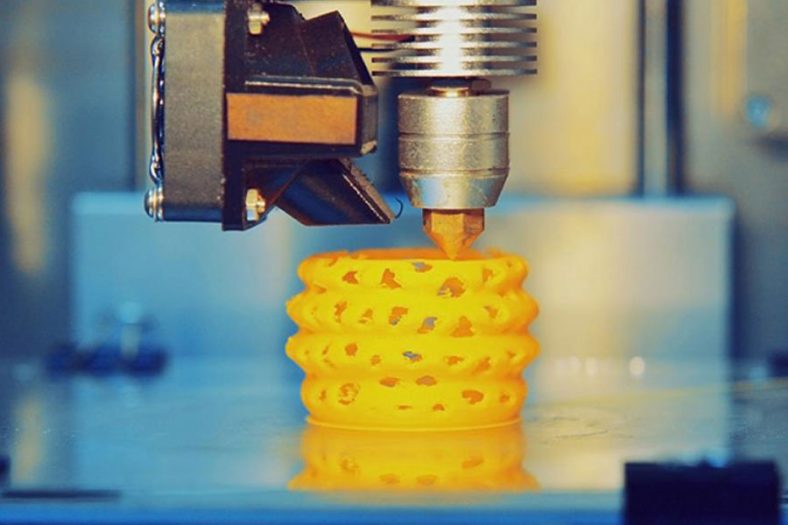
In recent years, nylon filament has gained popularity as a material for 3D printing, particularly for creating functional and durable parts. Nylon filaments are favored in 3D printing due to their excellent mechanical properties, including strength, flexibility, and resistance to wear. These properties make nylon ideal for the production of prototypes, industrial parts, and even final products in sectors such as automotive, aerospace, and consumer goods.
Several types of nylon filament are available for 3D printing, including nylon 6, nylon 6,6, and more specialized formulations that offer enhanced strength or flexibility. The ability to modify the properties of nylon filament through additives, such as carbon fiber, glass fibers, or elastomers, further broadens the material’s range of applications.
3. Automotive Industry
The automotive industry relies heavily on nylon filament for the production of lightweight, high-strength components. Nylon is used in a variety of automotive applications, including fuel lines, air intake manifolds, and under-the-hood components. Its heat resistance, chemical stability, and ability to withstand mechanical stress make it a preferred material for these applications.
4. Aerospace Industry
Nylon filaments are also employed in the aerospace industry for the production of lightweight, durable components. The material’s excellent strength-to-weight ratio, along with its resistance to chemicals and high temperatures, makes it suitable for aerospace parts such as interior components, seals, and housings.
5. Electronics and Electrical Insulation
Nylon filament’s insulating properties make it an excellent material for use in the electronics industry. It is commonly used for manufacturing components such as wire insulation, connectors, and electrical housings. Nylon provides an effective barrier against electrical currents while also offering resistance to wear and environmental factors.
6. Packaging Industry
Nylon filaments are used in the packaging industry for making strong and flexible packaging materials, including films, bags, and stretch wraps. The material’s durability and resistance to tearing make it ideal for packaging products that need to be transported and stored safely.
Conclusion
Nylon filament is a versatile and important material that has found applications across a broad spectrum of industries. Its combination of strength, durability, flexibility, and chemical resistance makes it suitable for everything from textiles and clothing to advanced manufacturing and 3D printing. As new processing techniques and formulations continue to emerge, the range of applications for nylon filament is expected to expand, further solidifying its role as a critical material in both everyday and industrial uses. Whether it is in the form of a textile fiber, 3D printing filament, or a high-performance automotive component, nylon filament remains one of the most essential materials in modern manufacturing.
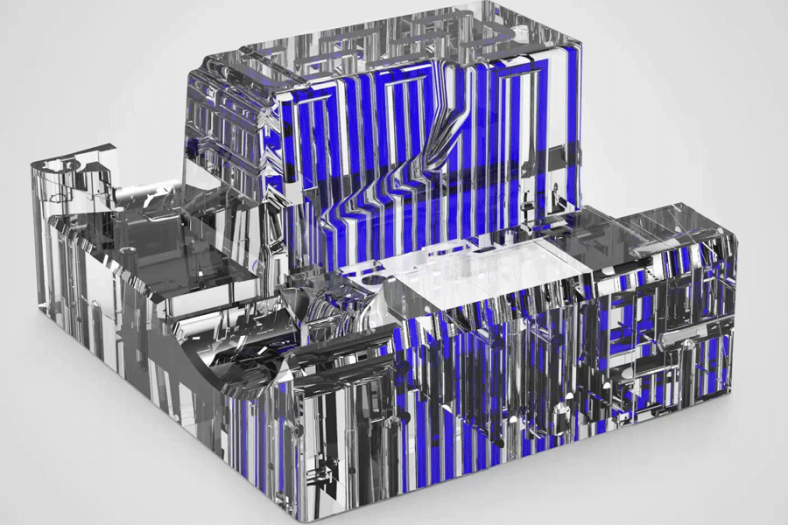
The Detail Of BE-CU 3D Printing Company
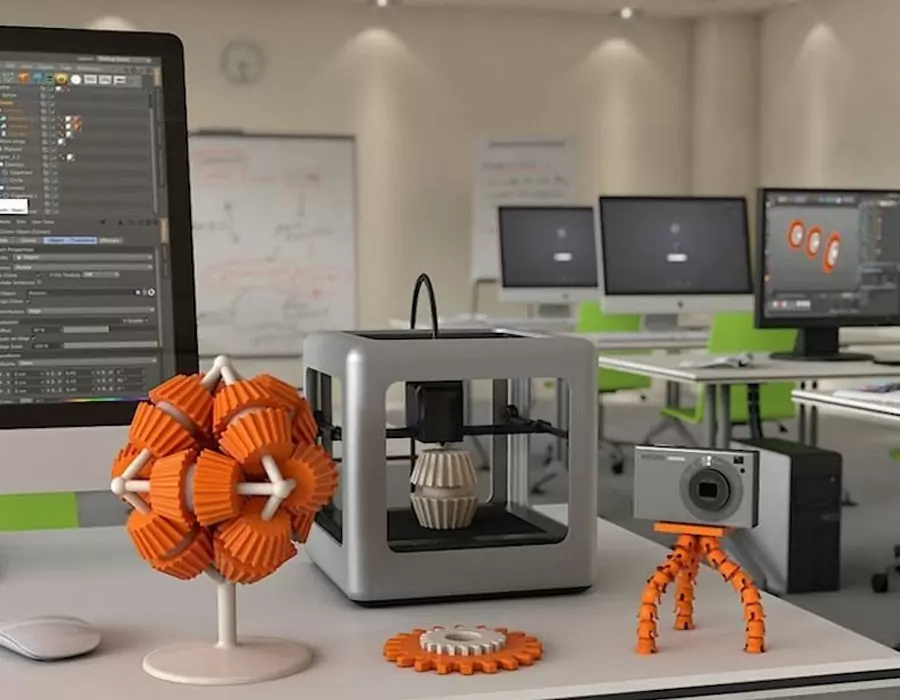
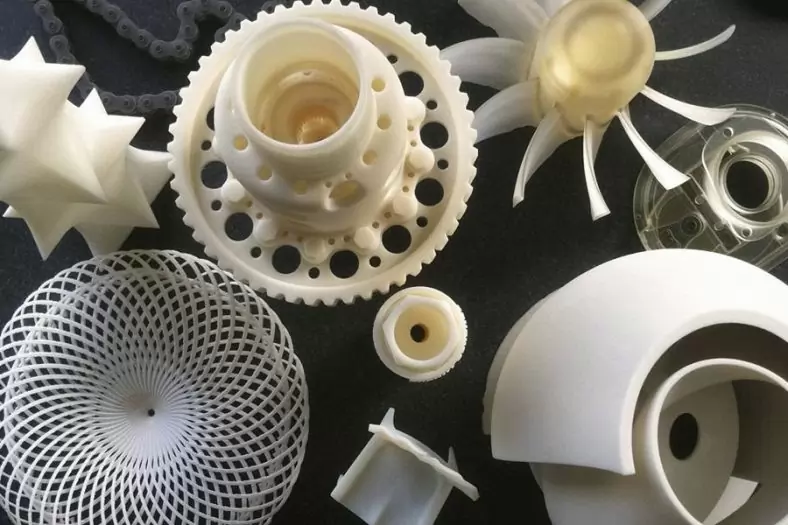
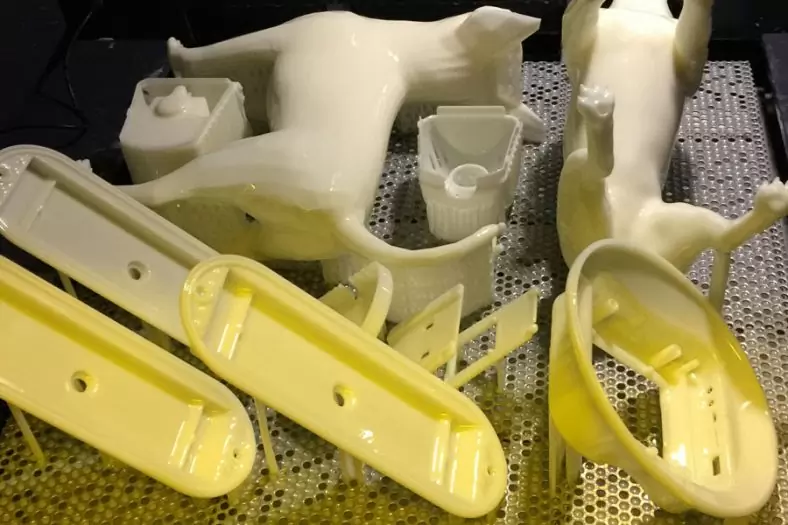
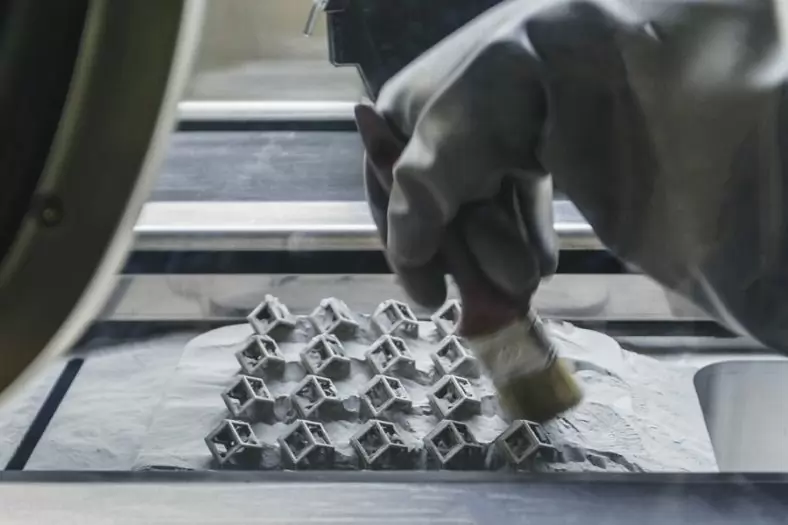
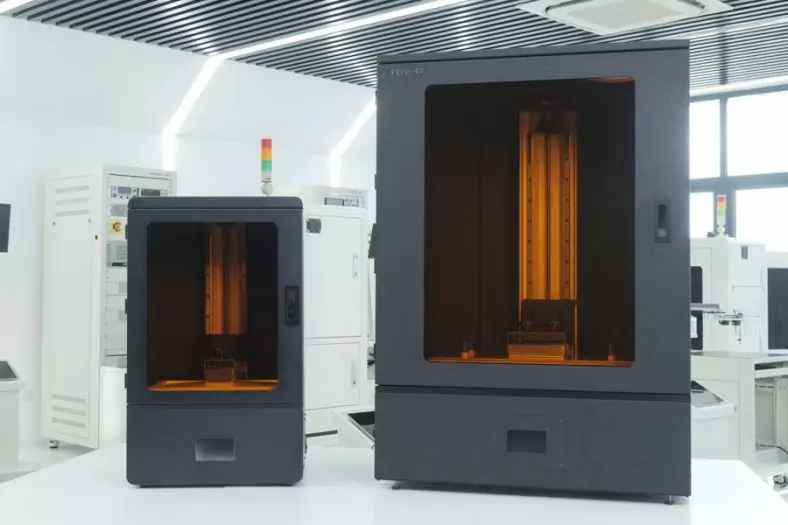
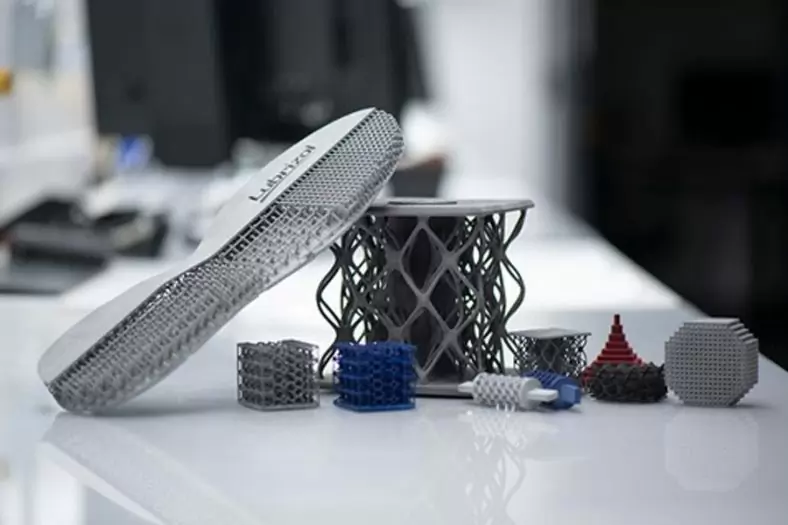
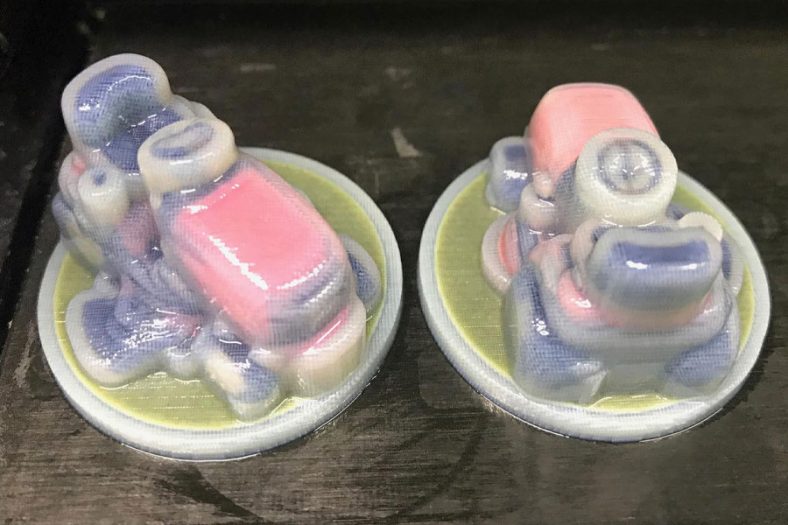
BE-CU.COM offers online 3D printing services for rapid prototyping and production in volume. Our clients are across a wide variety of industries and companies, including automotive, construction, aerospace, defense, electronics, machinery, industrial automation, medical, healthcare, consumer production, oil & gas, etc. Accelerate your product development and manufacturing process with our industry-leading metal & plastic 3D printing service and 3D printed parts. We’ll find the best 3D printing solution for your projects, to lower your cost and shorten the lead time based on your needs, while maintaining the quality. From 3D prototyping to end-use parts production, multiple materials are available for custom 3D printing parts. Need an alternative to the traditional solution? Submit your 3D CAD file to get an online quotation quickly. Our 3D printing service ensures accuracy and speed. We can help you choose the most appropriate technology and material to match your applications or request.
-
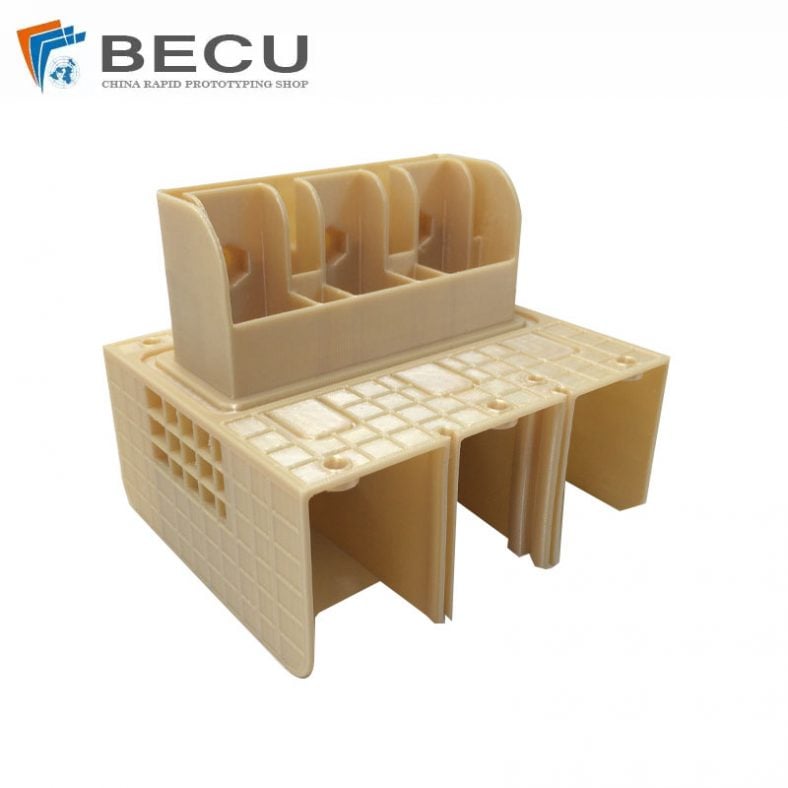
FDM 3D Printing Ultra-High Voltage Strong Electrical Connector
-
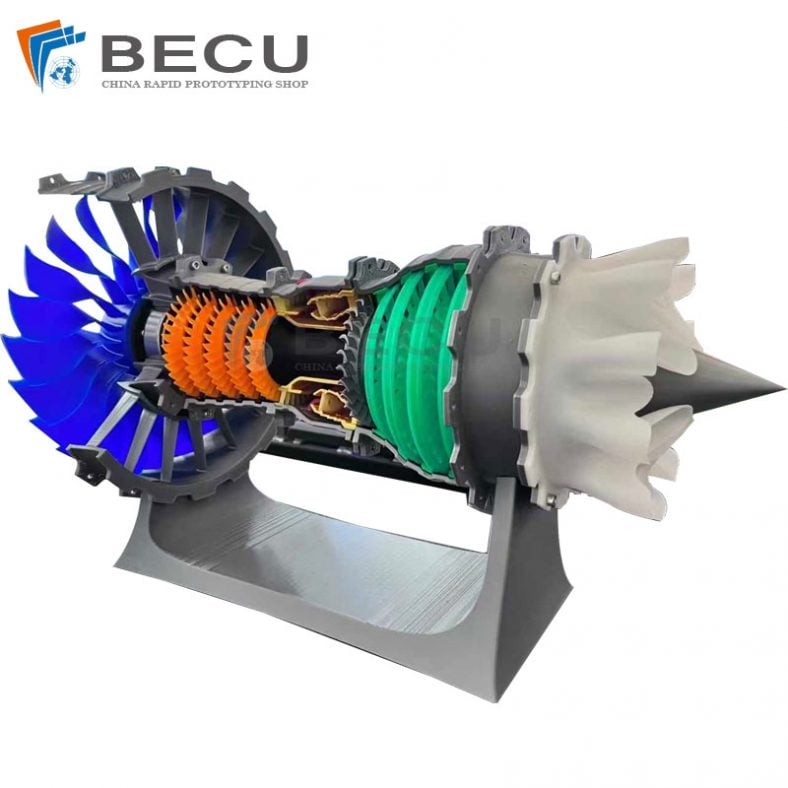
3D Printed Jet Engine Model
-
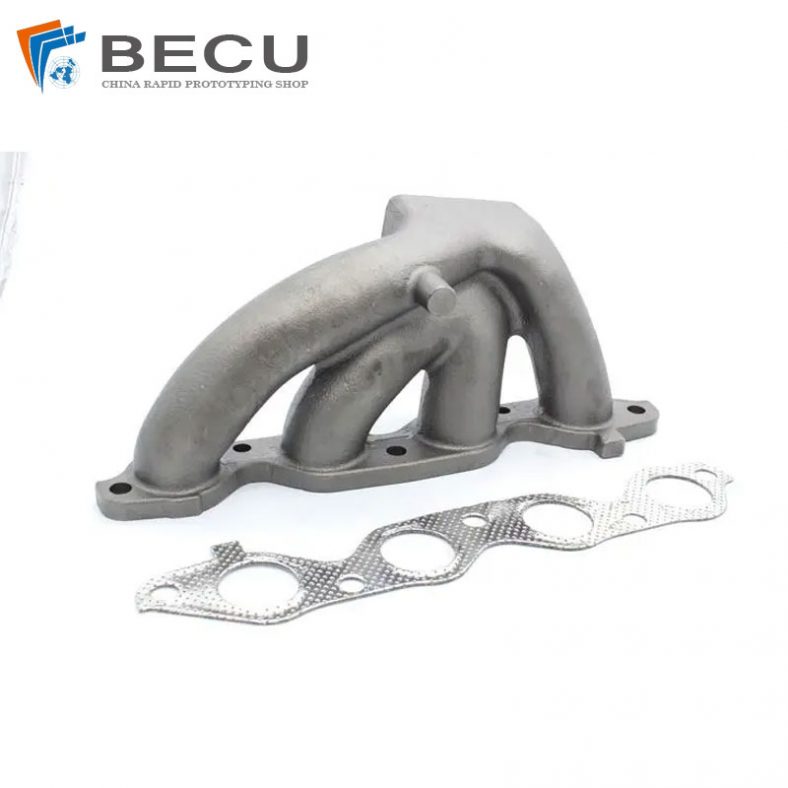
3D Printed Inconel Exhaust Manifold
-
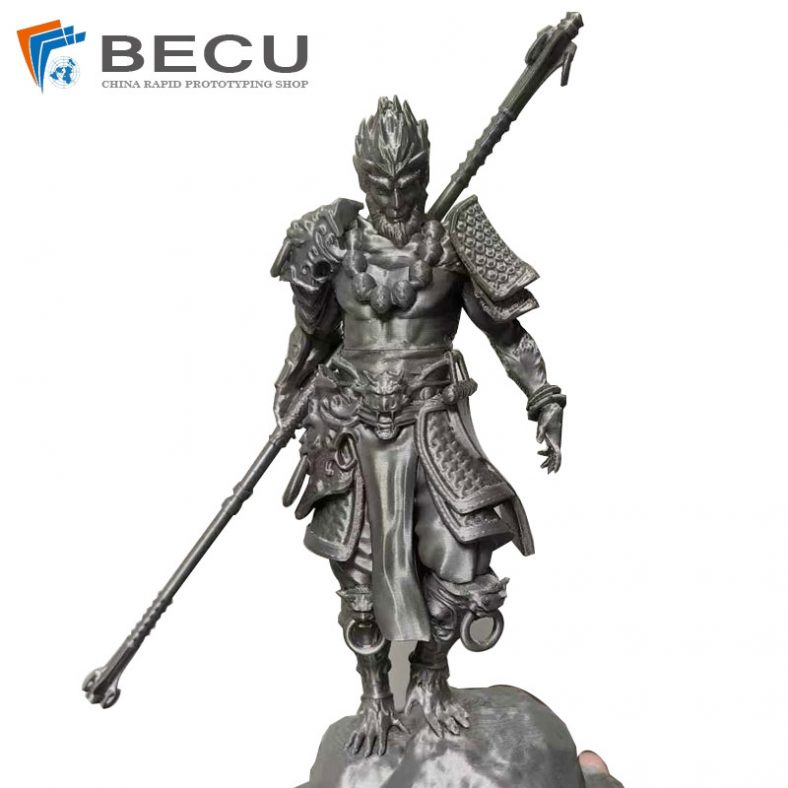
3D Printed Black Myth: Wukong Model
-
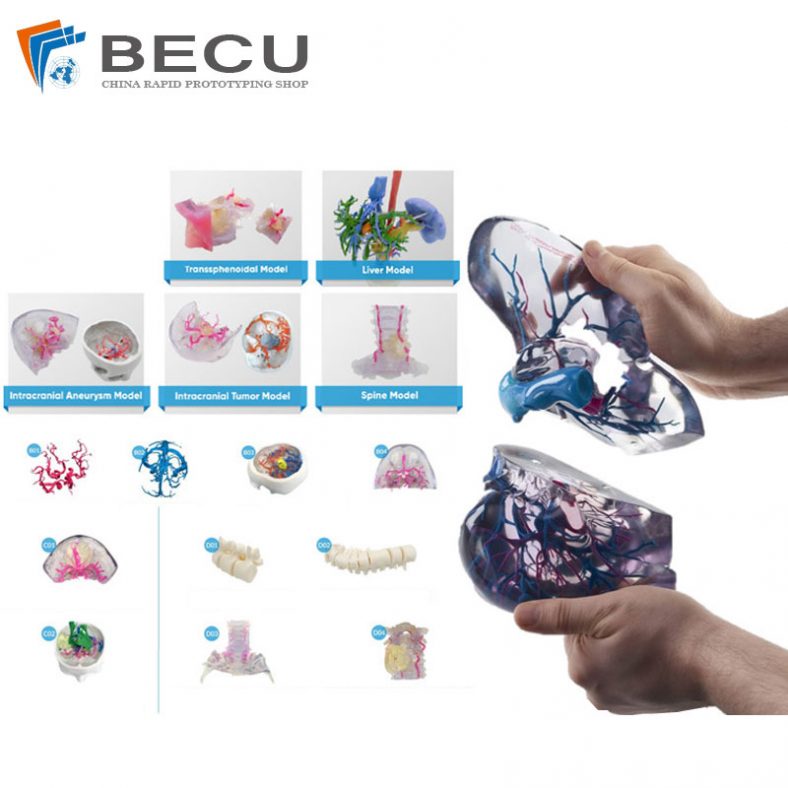
Omni-Directional Surgical Planning Medical Models
-
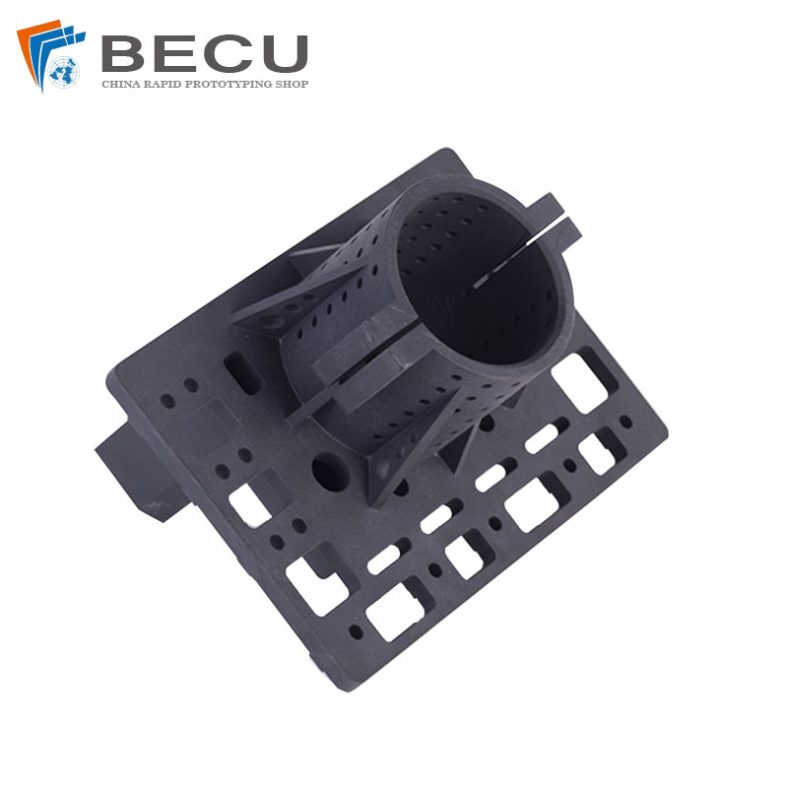
3D Printing Pool Pressure Cleaner Parts and Accessories
-
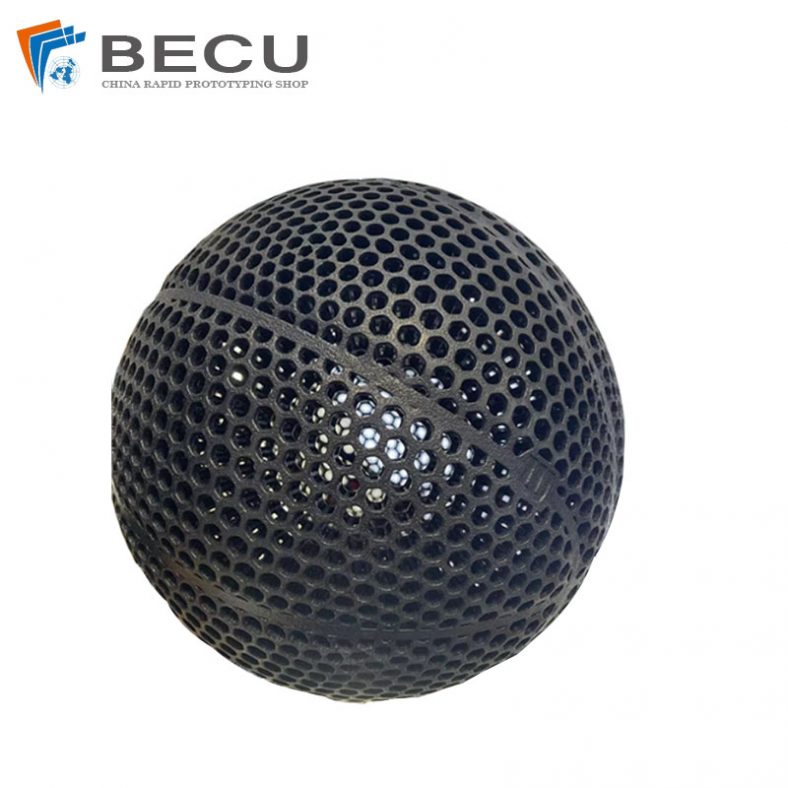
Nylon 3D Printed Size 5 Basketball
-
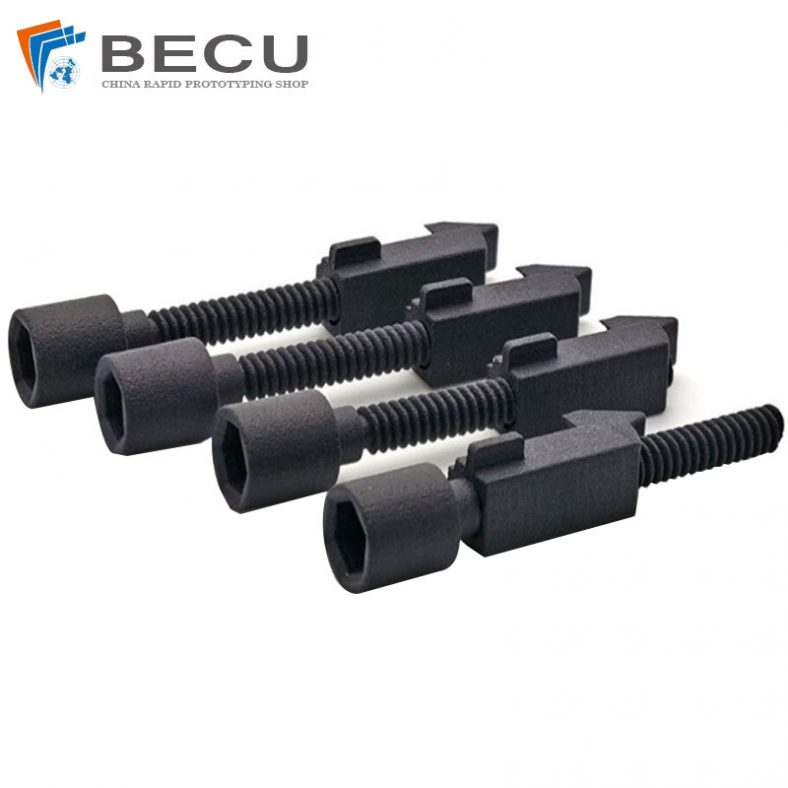
Black Nylon Medical Threaded Screw By MJF 3D Printing