
Iron, one of the most fundamental materials in human history, has been utilized in various forms to construct tools, buildings, and machinery. Among the myriad forms of iron, pig iron, cast iron, and wrought iron stand out due to their distinct compositions, properties, and applications. This article provides an exhaustive comparison of these three types of iron, delving into their chemical compositions, physical and mechanical properties, uses across industries, pricing dynamics, and recyclability. By exploring these aspects in detail, this article aims to serve as a definitive resource for understanding the differences and similarities among pig iron, cast iron, and wrought iron.
1. Introduction to Iron and Its Variants
Iron, a chemical element with the symbol Fe and atomic number 26, is a cornerstone of industrial and technological development. Its versatility stems from its ability to be alloyed and processed into various forms, each tailored to specific applications. Pig iron, cast iron, and wrought iron represent three critical stages or forms in the iron production and utilization spectrum. These materials differ significantly in their production processes, chemical compositions, and resultant properties, which dictate their suitability for various applications.
Pig iron is the crude, high-carbon product of the blast furnace, serving as a precursor to other iron-based materials. Cast iron, derived from pig iron, is known for its castability and brittleness, making it ideal for specific structural and decorative purposes. Wrought iron, characterized by its low carbon content and fibrous structure, is prized for its malleability and corrosion resistance. Understanding these materials requires a detailed examination of their production, composition, properties, uses, economic considerations, and environmental impact.
2. Production Processes
2.1 Pig Iron Production
Pig iron is produced in a blast furnace through the reduction of iron ore (primarily hematite, Fe₂O₃, or magnetite, Fe₃O₄) with coke (a form of carbon) and limestone (CaCO₃) as a flux. The process involves heating the raw materials to temperatures exceeding 1,500°C, where the iron ore is reduced to molten iron. The coke serves as both a fuel and a reducing agent, while limestone removes impurities such as silica, forming a slag that is separated from the molten iron.
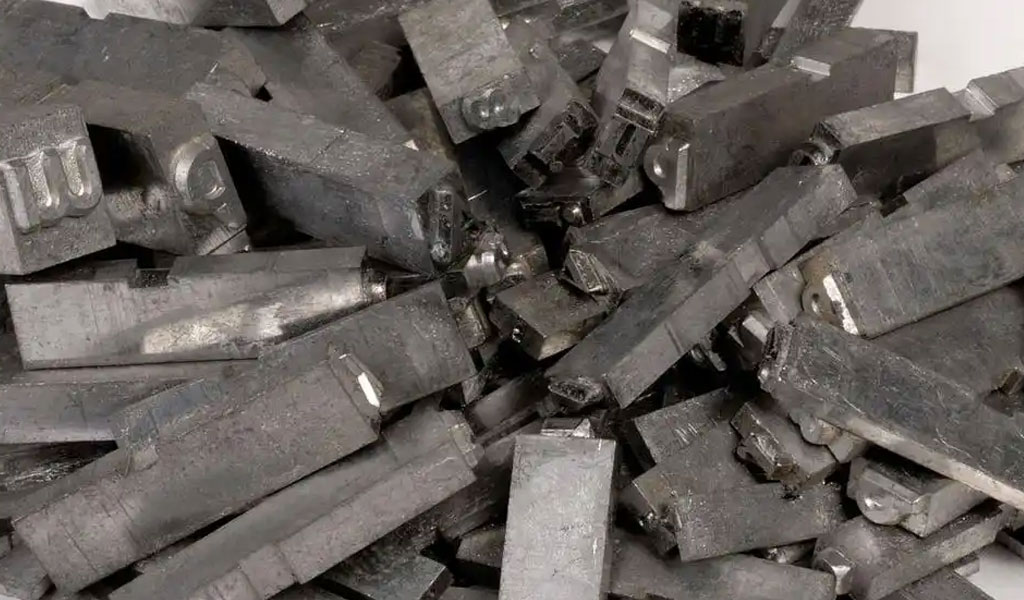
The molten iron, now containing 3.5–4.5% carbon and various impurities (e.g., silicon, manganese, phosphorus, and sulfur), is tapped from the furnace and cast into molds, forming “pigs” of iron—hence the name. Pig iron is brittle and unsuitable for direct use in most applications but serves as a raw material for producing steel, cast iron, or wrought iron. The production process is energy-intensive and generates significant byproducts, including slag and greenhouse gases.
2.2 Cast Iron Production
Cast iron is typically produced by remelting pig iron in a cupola furnace or electric furnace, often with the addition of scrap iron or steel to adjust the composition. The molten iron is then poured into molds to create castings. The high carbon content (2.0–4.0%) of cast iron is retained during this process, contributing to its characteristic properties. Depending on the desired type of cast iron (e.g., gray, white, ductile, or malleable), specific alloying elements or cooling rates are employed.
For example, gray cast iron is produced with a high silicon content (1–3%) and slow cooling, resulting in graphite flakes within the microstructure. White cast iron, with lower silicon and faster cooling, forms cementite (Fe₃C), making it harder but more brittle. Ductile cast iron involves adding magnesium or cerium to promote spherical graphite nodules, enhancing strength and ductility. The versatility of cast iron production allows for tailored properties suited to specific applications.
2.3 Wrought Iron Production
Wrought iron is produced through a labor-intensive process that historically involved the puddling furnace, though modern methods may use alternative techniques. In the puddling process, pig iron is melted in a reverberatory furnace, and the carbon content is reduced by oxidation through stirring and exposure to air. The resulting iron, with less than 0.1% carbon, is mixed with slag to create a fibrous microstructure.
The molten iron is worked (or “wrought”) by hammering or rolling to remove excess slag and refine the material. This process imparts wrought iron’s characteristic malleability and toughness. Modern wrought iron is often produced as a byproduct of steelmaking or through specialized processes that replicate the traditional microstructure. Due to its high labor costs, wrought iron production has largely been supplanted by steel in many applications.
3. Chemical Composition
3.1 Pig Iron Composition
Pig iron is characterized by its high carbon content, typically ranging from 3.5% to 4.5%, which renders it brittle. It also contains significant impurities, including:
- Silicon: 0.5–3.0%, influencing fluidity and castability.
- Manganese: 0.1–1.0%, affecting hardness and strength.
- Phosphorus: 0.05–2.0%, increasing brittleness but improving fluidity.
- Sulfur: 0.05–0.1%, contributing to brittleness and reducing weldability.
These impurities make pig iron unsuitable for direct structural use but ideal as a raw material for further refining.
3.2 Cast Iron Composition
Cast iron’s composition varies depending on its type but generally includes 2.0–4.0% carbon. The key types and their compositions are:
- Gray Cast Iron: 2.5–4.0% carbon, 1.0–3.0% silicon, 0.2–1.0% manganese. The high silicon promotes graphite flake formation.
- White Cast Iron: 1.8–3.6% carbon, 0.5–1.9% silicon, 0.25–0.8% manganese. Low silicon and rapid cooling favor cementite formation.
- Ductile Cast Iron: 3.0–4.0% carbon, 1.8–2.8% silicon, 0.1–1.0% manganese, with small amounts of magnesium (0.03–0.06%) for nodule formation.
- Malleable Cast Iron: 2.0–2.6% carbon, 1.1–1.6% silicon, 0.3–0.6% manganese, annealed to form graphite clusters.
Trace elements like phosphorus and sulfur are kept low to improve mechanical properties.
3.3 Wrought Iron Composition
Wrought iron has a very low carbon content, typically less than 0.1%, making it nearly pure iron. It contains:
- Carbon: <0.1%, ensuring malleability.
- Silicon: 0.1–0.2%, present in the slag inclusions.
- Manganese: <0.1%, minimal impact.
- Phosphorus: 0.05–0.2%, improving corrosion resistance.
- Sulfur: <0.02%, kept low to enhance weldability.
The slag inclusions (1–3% by weight) give wrought iron its fibrous structure, enhancing its toughness and corrosion resistance.
3.4 Composition Comparison Table
| Material | Carbon (%) | Silicon (%) | Manganese (%) | Phosphorus (%) | Sulfur (%) | Other Elements |
|---|---|---|---|---|---|---|
| Pig Iron | 3.5–4.5 | 0.5–3.0 | 0.1–1.0 | 0.05–2.0 | 0.05–0.1 | Trace impurities |
| Gray Cast Iron | 2.5–4.0 | 1.0–3.0 | 0.2–1.0 | <0.2 | <0.1 | Trace elements |
| White Cast Iron | 1.8–3.6 | 0.5–1.9 | 0.25–0.8 | <0.2 | <0.1 | Trace elements |
| Ductile Cast Iron | 3.0–4.0 | 1.8–2.8 | 0.1–1.0 | <0.1 | <0.03 | Mg (0.03–0.06%) |
| Wrought Iron | <0.1 | 0.1–0.2 | <0.1 | 0.05–0.2 | <0.02 | Slag (1–3%) |
4. Physical and Mechanical Properties
4.1 Pig Iron Properties
Pig iron is brittle due to its high carbon content and impurity levels. Its key properties include:
- Density: ~7.2 g/cm³, slightly lower than pure iron due to impurities.
- Melting Point: ~1,150–1,200°C, lower than pure iron due to high carbon.
- Hardness: High (Brinell hardness ~200–300 HB), but brittle.
- Tensile Strength: Low (~100–200 MPa), unsuitable for structural applications.
- Ductility: Negligible, fractures under stress.
- Corrosion Resistance: Poor, rusts readily due to impurities.
Pig iron’s properties make it a raw material rather than a finished product.
4.2 Cast Iron Properties
Cast iron’s properties vary by type, but common characteristics include:
- Density: 6.8–7.8 g/cm³, depending on graphite content.
- Melting Point: ~1,150–1,300°C, influenced by carbon and silicon.
- Hardness:
- Gray: 150–250 HB, moderate due to graphite flakes.
- White: 400–600 HB, very hard due to cementite.
- Ductile: 170–300 HB, balanced hardness.
- Tensile Strength:
- Gray: 150–400 MPa, low due to graphite flakes.
- White: 200–400 MPa, but brittle.
- Ductile: 400–800 MPa, significantly stronger.
- Ductility:
- Gray and White: Negligible, brittle fracture.
- Ductile: Moderate (5–20% elongation).
- Compressive Strength: High (600–1,200 MPa), excellent for load-bearing.
- Corrosion Resistance: Moderate, better than pig iron but inferior to wrought iron.
Cast iron’s castability and compressive strength make it ideal for specific applications, though its brittleness limits its use in tension.
4.3 Wrought Iron Properties
Wrought iron is known for its malleability and toughness, with properties including:
- Density: ~7.7 g/cm³, close to pure iron.
- Melting Point: ~1,500–1,540°C, higher due to low carbon.
- Hardness: Low (80–120 HB), soft and workable.
- Tensile Strength: 300–500 MPa, moderate but tough.
- Ductility: High (20–40% elongation), easily forged and welded.
- Corrosion Resistance: Excellent, due to low carbon and slag inclusions.
Wrought iron’s fibrous structure enhances its fatigue resistance and suitability for decorative and structural applications.
4.4 Properties Comparison Table
| Property | Pig Iron | Gray Cast Iron | White Cast Iron | Ductile Cast Iron | Wrought Iron |
|---|---|---|---|---|---|
| Density (g/cm³) | ~7.2 | 6.8–7.2 | 7.4–7.8 | 7.0–7.4 | ~7.7 |
| Melting Point (°C) | 1,150–1,200 | 1,150–1,250 | 1,150–1,300 | 1,150–1,250 | 1,500–1,540 |
| Hardness (HB) | 200–300 | 150–250 | 400–600 | 170–300 | 80–120 |
| Tensile Strength (MPa) | 100–200 | 150–400 | 200–400 | 400–800 | 300–500 |
| Ductility (% elongation) | Negligible | Negligible | Negligible | 5–20 | 20–40 |
| Corrosion Resistance | Poor | Moderate | Moderate | Moderate | Excellent |
5. Uses and Applications
5.1 Pig Iron Uses
Pig iron is primarily a raw material for producing other iron-based materials. Its uses include:
- Steelmaking: The majority of pig iron is refined in basic oxygen furnaces or electric arc furnaces to produce steel.
- Cast Iron Production: Pig iron is remelted and alloyed to produce various types of cast iron.
- Alloying: Used in foundries to adjust the composition of iron alloys.
- Limited Direct Use: In some developing regions, pig iron is used for basic castings (e.g., agricultural tools) due to its low cost.
Pig iron’s high impurity content limits its direct applications, but its role as a precursor is critical to the iron and steel industry.
5.2 Cast Iron Uses
Cast iron’s versatility makes it suitable for a wide range of applications, depending on its type:
- Gray Cast Iron:
- Automotive: Engine blocks, cylinder heads, brake drums.
- Machinery: Machine tool beds, pump housings.
- Pipes and Fittings: Water and sewage pipes due to corrosion resistance.
- White Cast Iron:
- Wear-Resistant Parts: Rollers, grinding balls, crusher jaws.
- Precursor: Converted to malleable cast iron through annealing.
- Ductile Cast Iron:
- Automotive: Crankshafts, gears, suspension components.
- Infrastructure: Manhole covers, pipe fittings.
- Malleable Cast Iron:
- Hardware: Pipe fittings, hand tools.
- Railway: Components requiring toughness.
Cast iron’s castability and compressive strength make it ideal for complex shapes and heavy-duty applications.
5.3 Wrought Iron Uses
Wrought iron is valued for its aesthetic and functional properties, with applications including:
- Decorative Ironwork: Gates, railings, fences, and furniture.
- Structural Components: Historically used in bridges (e.g., Iron Bridge in Shropshire, UK) and buildings.
- Blacksmithing: Tools, horseshoes, and custom hardware.
- Restoration: Used in heritage projects to replicate historical ironwork.
Wrought iron’s malleability and corrosion resistance make it a preferred material for ornamental and exposed applications.
5.4 Uses Comparison Table
| Material | Primary Uses | Industries |
|---|---|---|
| Pig Iron | Steelmaking, cast iron production | Steel, foundry |
| Gray Cast Iron | Engine blocks, pipes, machine bases | Automotive, infrastructure |
| White Cast Iron | Wear-resistant parts, precursor material | Mining, foundry |
| Ductile Cast Iron | Crankshafts, manhole covers, gears | Automotive, infrastructure |
| Wrought Iron | Decorative ironwork, restoration projects | Architecture, heritage |
6. Pricing Dynamics
6.1 Pig Iron Pricing
Pig iron prices are heavily influenced by global steel demand, raw material costs (iron ore, coke), and energy prices. As of April 2025, pig iron prices typically range from $300 to $500 per metric ton, depending on quality and market conditions. Factors affecting pricing include:
- Supply and Demand: High steel production in countries like China drives demand.
- Raw Material Costs: Fluctuations in iron ore and coke prices directly impact pig iron costs.
- Geopolitical Factors: Trade tariffs and supply chain disruptions can cause price volatility.
Pig iron’s relatively low price reflects its status as a raw material rather than a finished product.
6.2 Cast Iron Pricing
Cast iron prices vary by type and application, ranging from $500 to $1,500 per metric ton. Key factors include:
- Type of Cast Iron: Ductile cast iron is more expensive due to alloying elements (e.g., magnesium) and processing costs.
- Production Costs: Energy-intensive melting and casting processes contribute to higher prices.
- Market Demand: Automotive and infrastructure sectors drive demand for specific cast iron types.
Cast iron’s higher price compared to pig iron reflects its refined composition and suitability for finished products.
6.3 Wrought Iron Pricing
Wrought iron is significantly more expensive, with prices ranging from $2,000 to $5,000 per metric ton. Factors include:
- Labor-Intensive Production: Traditional or specialized processes increase costs.
- Limited Supply: Declining production due to competition from steel reduces availability.
- Niche Applications: High demand for decorative and restoration projects supports premium pricing.
Wrought iron’s high cost limits its use to specialized applications where its unique properties are essential.
6.4 Pricing Comparison Table
| Material | Price Range ($/metric ton) | Key Pricing Factors |
|---|---|---|
| Pig Iron | 300–500 | Steel demand, raw material costs |
| Cast Iron | 500–1,500 | Type, production costs, demand |
| Wrought Iron | 2,000–5,000 | Labor costs, limited supply, niche uses |
7. Recyclability and Environmental Impact
7.1 Pig Iron Recyclability
Pig iron is not typically recycled directly due to its high impurity content. However, it is produced with some recycled scrap iron in blast furnaces. The environmental impact of pig iron production is significant, with key concerns including:
- Energy Consumption: Blast furnaces require substantial energy, primarily from coke.
- Emissions: Produces CO₂, SO₂, and particulate matter.
- Byproducts: Slag generation, though often reused in construction.
Efforts to improve sustainability include using alternative fuels (e.g., hydrogen) and carbon capture technologies.
7.2 Cast Iron Recyclability
Cast iron is highly recyclable, with scrap cast iron frequently remelted in foundries. The recycling process is energy-efficient compared to primary production, and cast iron’s durability ensures long service life, reducing waste. Environmental considerations include:
- Energy Use: Remelting requires energy, though less than pig iron production.
- Emissions: Foundries emit CO₂ and volatile organic compounds, though modern controls mitigate this.
- Waste: Minimal, as defective castings are recycled.
Cast iron’s recyclability supports its use in sustainable manufacturing.
7.3 Wrought Iron Recyclability
Wrought iron is also recyclable, with scrap often reused in steelmaking or specialized wrought iron production. Its long lifespan (e.g., in heritage structures) reduces the need for frequent replacement. Environmental impacts include:
- Production: Traditional puddling is energy-intensive, though modern methods are less so.
- Emissions: Lower than pig or cast iron due to smaller production scale.
- Sustainability: High durability and recyclability enhance its environmental profile.
Wrought iron’s niche status limits its overall environmental footprint.
7.4 Recyclability Comparison Table
| Material | Recyclability | Environmental Impact |
|---|---|---|
| Pig Iron | Limited, used in steelmaking | High (emissions, energy use, slag) |
| Cast Iron | High, remelted in foundries | Moderate (energy use, emissions) |
| Wrought Iron | High, reused in steelmaking | Low (limited production, high durability) |
8. Historical Context and Evolution
8.1 Pig Iron in History
Pig iron has been produced since antiquity, with early blast furnaces appearing in China by the 1st century BCE and in Europe by the 12th century CE. Its role as a raw material fueled the Industrial Revolution, enabling mass production of steel and cast iron. Advances in blast furnace technology, such as hot blast and coke use, improved efficiency and output.
8.2 Cast Iron in History
Cast iron emerged as a significant material in China by the 5th century BCE, used for tools and weapons. In Europe, its use expanded during the Middle Ages for cannons and bells. The 19th century saw cast iron’s prominence in bridges, machinery, and architecture, with innovations like ductile cast iron in the 20th century enhancing its versatility.
8.3 Wrought Iron in History
Wrought iron was the primary form of iron in ancient and medieval times, used for tools, weapons, and armor. The puddling process, developed in the 18th century, enabled large-scale production, making wrought iron a key material in early railways and buildings. By the 20th century, steel largely replaced wrought iron, relegating it to decorative and restoration uses.
9. Modern Trends and Innovations
9.1 Pig Iron Trends
Modern pig iron production focuses on sustainability, with research into hydrogen-based reduction and carbon capture to reduce emissions. Recycling scrap in blast furnaces and optimizing raw material use are also key trends.
9.2 Cast Iron Trends
Cast iron remains vital in automotive and infrastructure sectors, with advancements in alloying and casting techniques improving performance. Lightweight ductile cast iron and eco-friendly foundry practices are gaining traction.
9.3 Wrought Iron Trends
Wrought iron is experiencing a revival in heritage restoration and artisanal ironwork. Modern production methods aim to replicate traditional properties while reducing costs, though steel remains dominant.
10. Conclusion
Pig iron, cast iron, and wrought iron each play distinct roles in the iron and steel industry, shaped by their unique compositions, properties, and applications. Pig iron serves as the foundation for refined products, cast iron excels in castability and compressive strength, and wrought iron offers unmatched malleability and corrosion resistance. Their pricing reflects production complexity and market demand, while their recyclability supports sustainable practices. By understanding these materials in depth, industries and researchers can make informed decisions about their use in modern and future applications.
This comprehensive comparison highlights the enduring relevance of these iron variants, from their historical roots to their modern innovations, ensuring their continued significance in a rapidly evolving industrial landscape.
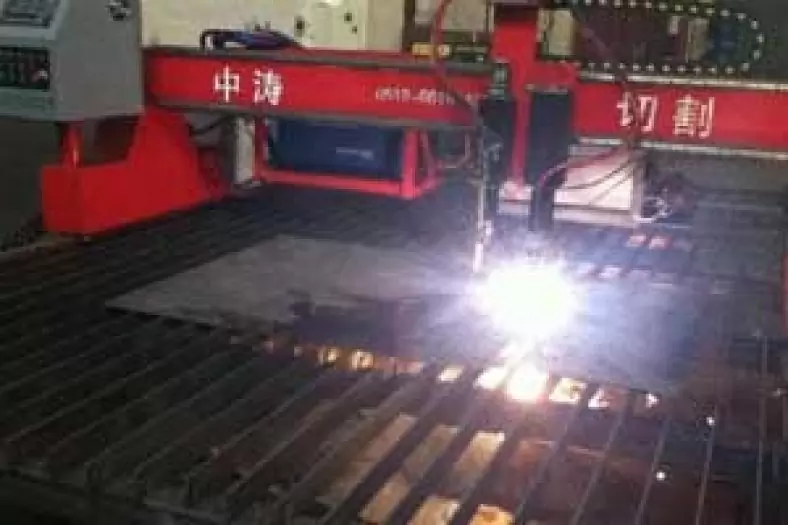
The Detail Of BE-CU Cnc Machining Shop
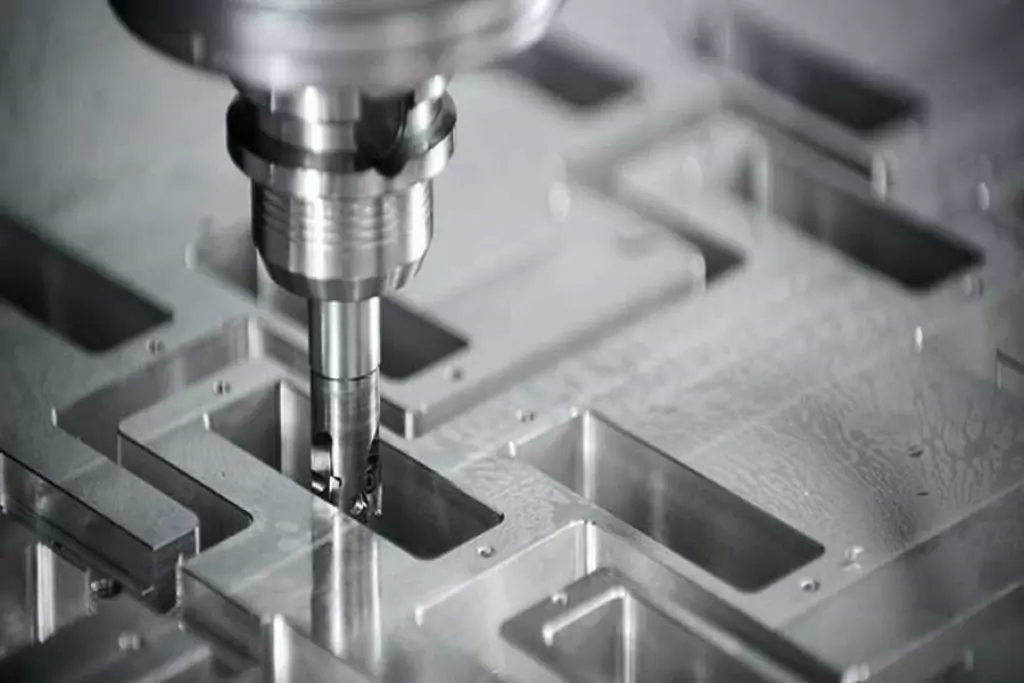
BE-CU.COM – As an accomplished CNC machining Service Manufacturer and CNC shop, BE-CU Prototype has been specialized in OEM CNC lathing, custom CNC machining parts production and rapid CNC machining services China for over 35 years and always maintaining the highest standard in delivery speed and reliable quality of precision CNC manufacturing components. With the help of high-level technology and efficient equipment, as well as rigorous attitude, BE-CU passed the ISO9001:2015 quality certification, which supports the long-term development of CNC milling services, CNC turning services, CNC milling-turning, CNC drilling services, 3/4/5 axis machining, gear machining services, CNC machining China custom parts and service, small parts machining, etc.Our CNC machining products can be utilized in a broad range of industries. Contact us for email: [email protected]
-
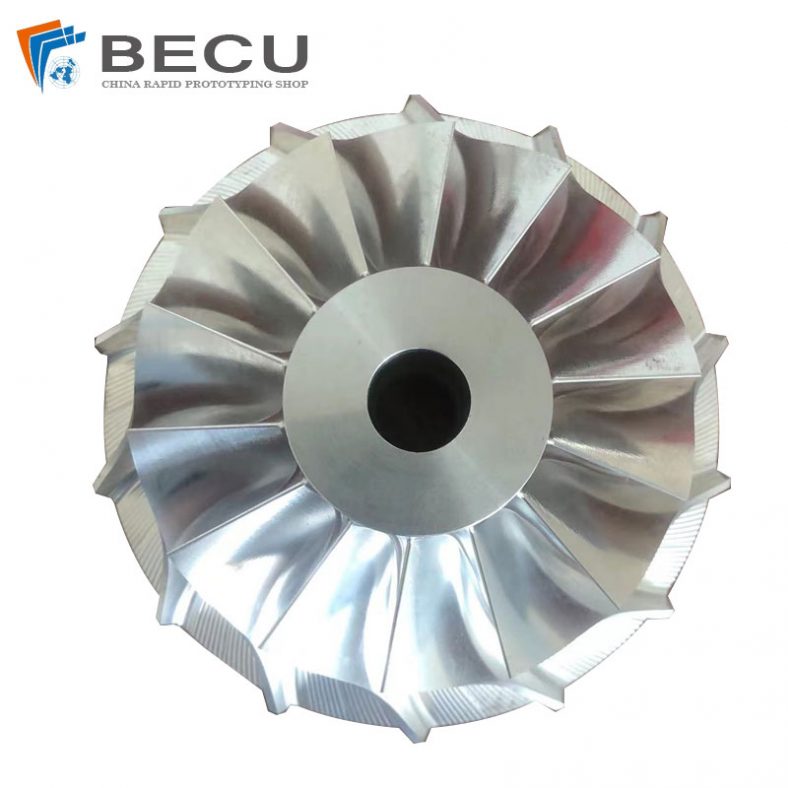
3-Way Centrifugal Compressor Closed Impeller By 5 Axis Machining
-

3/4/5 Axis Precision Milling Custom Vehicle Parts
-
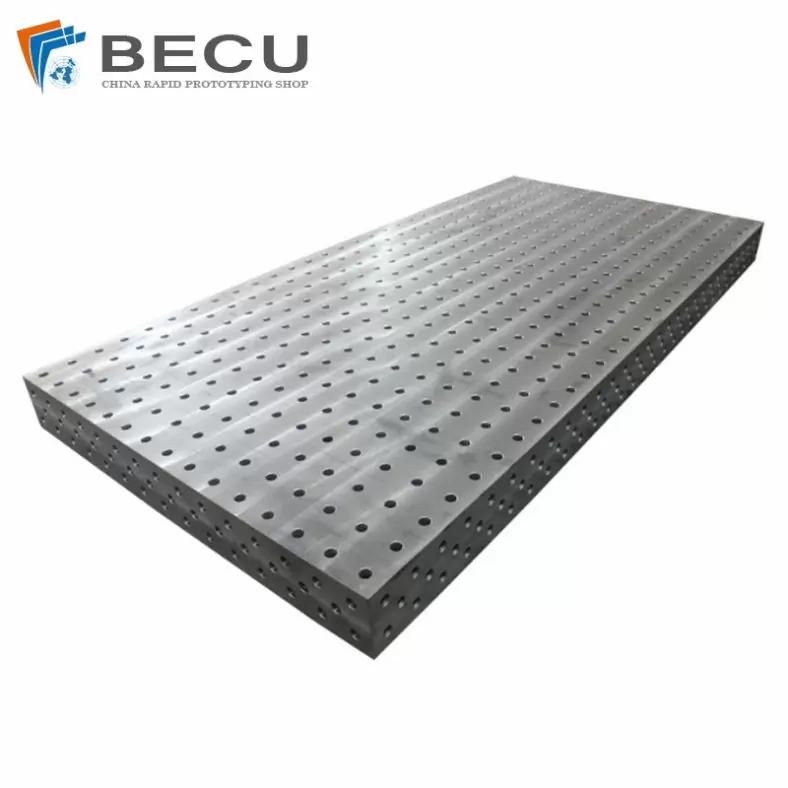
3D Flexible Welding Platform By Large Machining
-
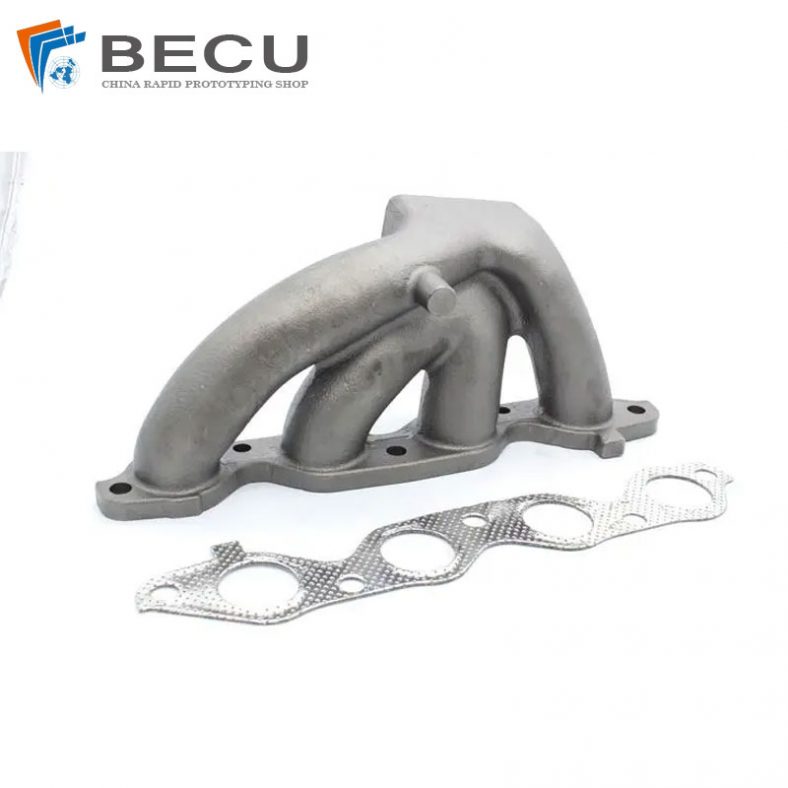
3D Printed Inconel Exhaust Manifold
-
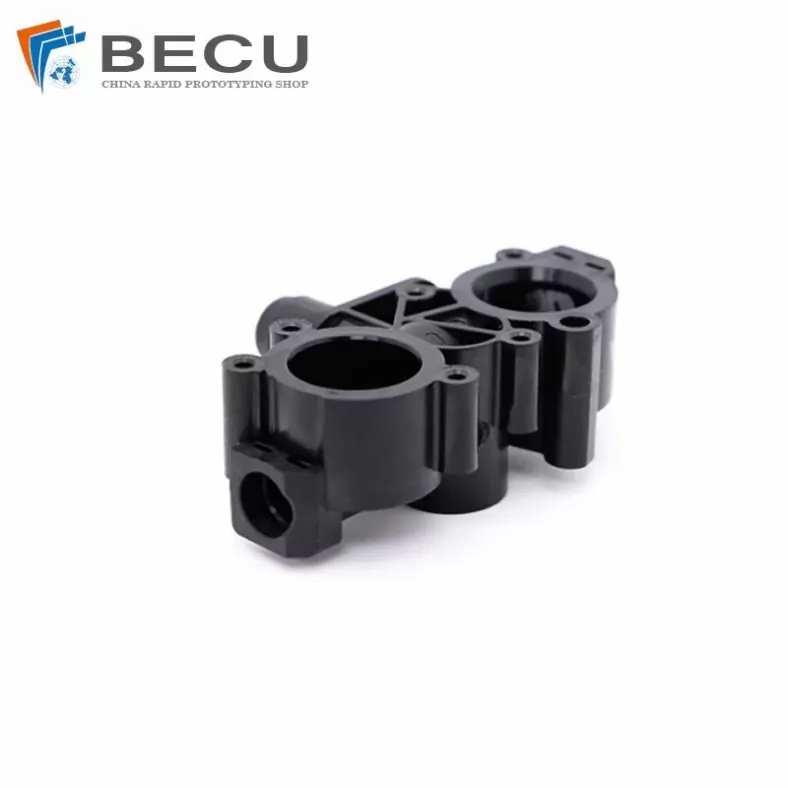
3D Printing And CNC Machining Custom Black PPS Valve
-
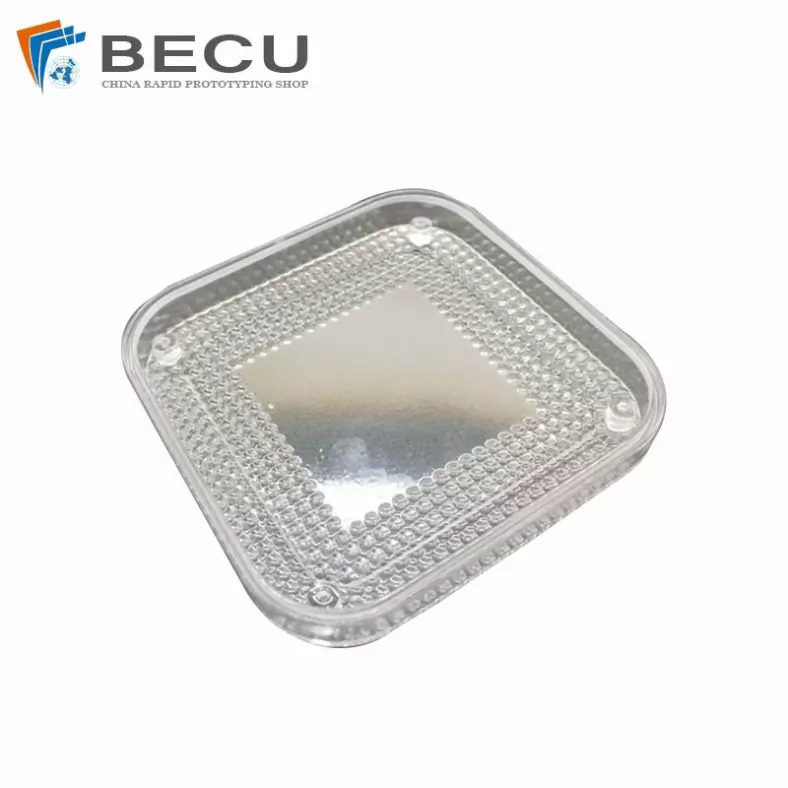
3D Printing Full Transparent Acrylic Lampshade Model
-
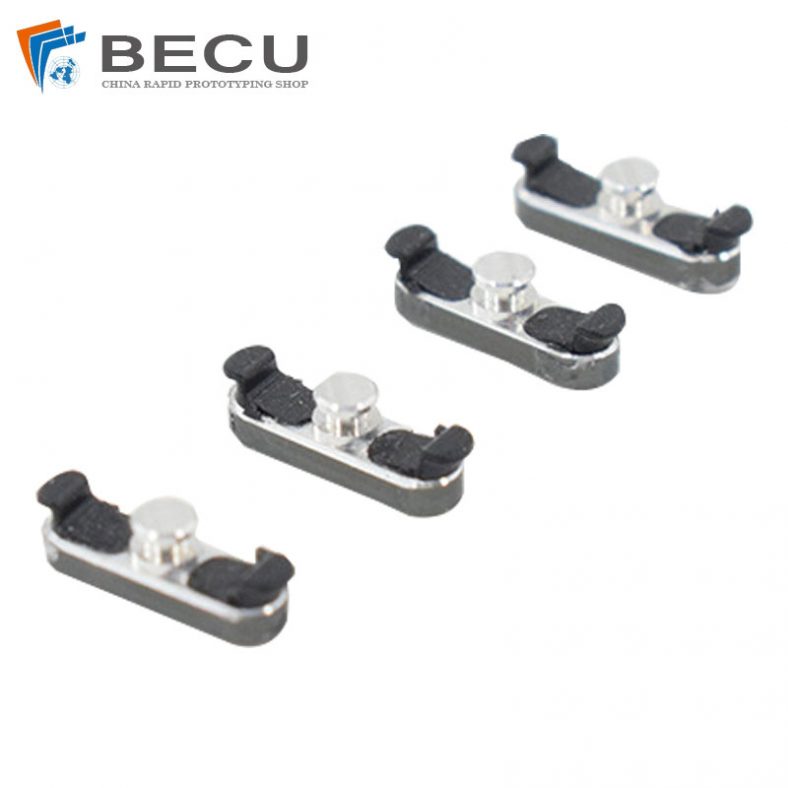
4 Axis CNC Machining Titanium Grade 5 Mobile Phone Buttons
-
4 Axis Machining Highly Transparent Acrylic LED Tunnel Light Lens