

Plaster casting is a versatile and widely utilized manufacturing and artistic process that involves the creation of solid objects by pouring a liquid material, typically plaster, into a mold and allowing it to harden.
This technique has been employed for centuries across various disciplines, including sculpture, architecture, medicine, and industrial production. Known for its simplicity, affordability, and ability to capture fine details, plaster casting remains a cornerstone in both traditional craftsmanship and modern technological applications.
This article provides an exhaustive exploration of plaster casting, delving into its definition, operational mechanisms, practical applications, detailed processes, and inherent advantages, while incorporating scientific rigor and expansive detail to elucidate its significance.
Plaster, the primary material in this process, is a powdery substance derived from gypsum (calcium sulfate dihydrate, CaSO₄·2H₂O), which, when mixed with water, undergoes a chemical reaction known as hydration. This reaction transforms the plaster into a solid form, calcium sulfate hemihydrate (CaSO₄·½H₂O), releasing heat as a byproduct. The ability of plaster to transition from a fluid to a solid state within a mold makes it an ideal medium for replicating intricate shapes and textures. Historically, plaster casting can trace its origins to ancient civilizations, such as the Egyptians, who used it to create decorative elements, and the Greeks, who employed it in sculptural works. Today, its utility spans artistic endeavors, medical orthotics, and even industrial prototyping, showcasing its adaptability across contexts.
The fundamental principle of plaster casting hinges on the mold—a hollow form or cavity into which the liquid plaster is poured. Molds can be constructed from a variety of materials, including rubber, silicone, metal, or even plaster itself, depending on the desired outcome and the complexity of the object being cast. The mold serves as a negative impression of the final product, meaning that every detail etched into the mold’s interior will be faithfully reproduced in the solidified plaster. This precision is one of the defining characteristics of plaster casting, distinguishing it from other forming techniques such as carving or additive manufacturing.
To understand how plaster casting works, it is essential to examine the chemical and physical processes at play. When gypsum is heated to approximately 120–180°C (248–356°F), it loses part of its water content, converting into calcium sulfate hemihydrate, commonly referred to as plaster of Paris. This dehydrated form is stable in powder form but reacts exothermically when reintroduced to water. The reaction can be represented as follows:
CaSO4⋅1/2H2O+3/2H2O→CaSO4⋅2H2O+heat
This hydration process initiates a crystalline restructuring, wherein the plaster sets into a rigid, interconnected lattice of gypsum crystals. The setting time typically ranges from 10 to 45 minutes, depending on factors such as water-to-plaster ratio, ambient temperature, and the presence of additives like accelerators (e.g., potassium sulfate) or retarders (e.g., citric acid). The exothermic nature of the reaction causes the mixture to warm slightly, a phenomenon that artisans and technicians can use as an indicator of the curing progress.
The uses of plaster casting are remarkably diverse, reflecting its adaptability to different scales and purposes. In the realm of art, sculptors employ plaster casting to produce detailed replicas of original models, often as an intermediary step before casting in more durable materials like bronze or resin. Architectural restoration also benefits from plaster casting, as it allows for the recreation of ornate moldings, cornices, and decorative motifs found in historic buildings. In medicine, plaster casting has long been a standard technique for immobilizing fractured bones, with orthopedic casts made from plaster bandages providing rigid support during the healing process. Industrially, plaster casting is used in the production of prototypes, tools, and components, particularly in fields like automotive and aerospace engineering, where precision and cost-efficiency are paramount.
The process of plaster casting can be broken down into several meticulous stages, each requiring careful consideration to ensure optimal results. The first step involves the creation of the mold, which begins with the preparation of a master model or pattern. This model, often crafted from clay, wood, or plastic, represents the final object in positive form. To create a mold, the model is coated with a release agent—such as petroleum jelly or silicone spray—to prevent the plaster from adhering to it. A mold material, typically a flexible substance like silicone rubber or a rigid one like plaster, is then applied over the model. For complex shapes, the mold may be constructed in multiple parts (a multi-piece mold) to facilitate the removal of the cast object later.
Once the mold is complete and cured, the casting process begins. Plaster powder is measured and mixed with water in precise proportions, typically a ratio of 70 parts plaster to 30 parts water by weight, though this can vary depending on the desired consistency and strength. The mixture must be stirred thoroughly to eliminate air bubbles, which could otherwise create imperfections in the final cast. A common technique to reduce bubbles involves vibrating the mold or tapping it gently after pouring. The liquid plaster is then poured into the mold, ensuring it fills all cavities and crevices. For large or intricate molds, the plaster may be poured in stages or brushed onto the mold’s surface to capture fine details before filling the remainder.
After pouring, the plaster is left to set, a phase during which the hydration reaction occurs. The setting time can be adjusted with additives: accelerators hasten the process for rapid production, while retarders extend it for larger casts requiring more working time. Once fully set, the cast is removed from the mold—a step known as demolding. Flexible molds can be peeled away easily, whereas rigid molds may require careful disassembly or even destruction to extract the cast. The resulting plaster object is then allowed to dry completely, a process that can take several hours to days depending on its size and environmental humidity. Post-processing, such as sanding, painting, or sealing, may be applied to enhance the cast’s appearance or durability.
The advantages of plaster casting are numerous, contributing to its enduring popularity. One of the most significant benefits is its cost-effectiveness. Plaster is an inexpensive material, and the tools required for casting—molds, mixing containers, and basic implements—are relatively affordable compared to those needed for metal casting or 3D printing. This accessibility makes plaster casting an attractive option for hobbyists, educators, and small-scale manufacturers alike. Additionally, plaster’s ability to replicate fine details with high fidelity is unmatched among low-cost materials, making it ideal for applications where precision is critical, such as in dental modeling or artistic reproduction.
Another advantage lies in the simplicity of the process. Unlike techniques requiring high temperatures (e.g., metal forging) or sophisticated machinery (e.g., injection molding), plaster casting can be performed with minimal equipment and in a variety of settings, from studios to classrooms. Its non-toxic nature further enhances its appeal, particularly in educational and medical contexts, where safety is a priority. Plaster casts are also lightweight yet sufficiently strong for many purposes, striking a balance between practicality and ease of handling. Moreover, plaster’s versatility allows it to be combined with other materials—such as wire armatures for reinforcement or pigments for coloration—expanding its creative and functional potential.
To provide a comprehensive comparison of plaster casting with other casting methods, the following tables detail key parameters, including materials, costs, and applications.
| Material | Base Composition | Cost (per kg, USD) | Setting Time | Detail Reproduction | Durability |
|---|---|---|---|---|---|
| Plaster | CaSO₄·½H₂O | $0.50–$1.00 | 10–45 min | High | Moderate |
| Concrete | Cement, sand, aggregate | $0.10–$0.50 | 24–48 hrs | Moderate | High |
| Resin | Polymer + hardener | $10–$30 | 20 min–24 hrs | Very High | High |
| Bronze | Copper + tin | $10–$20 | Hours (cooling) | High | Very High |
| Method | Mold Material | Equipment Needed | Temperature Requirement | Skill Level |
|---|---|---|---|---|
| Plaster Casting | Silicone, plaster | Mixing bowl, mold, water | Ambient | Beginner–Intermediate |
| Concrete Casting | Wood, metal | Mixer, formwork | Ambient | Intermediate |
| Resin Casting | Silicone | Resin kit, vacuum chamber | Ambient | Intermediate–Advanced |
| Metal Casting | Sand, ceramic | Furnace, crucible, tongs | 1,000–1,500°C | Advanced |
These tables illustrate plaster casting’s competitive edge in terms of cost, ease of use, and detail capture, though it may lag behind in durability compared to materials like bronze or concrete. Its ambient temperature requirement also eliminates the need for energy-intensive heating, aligning with sustainable practices—a consideration increasingly relevant in modern manufacturing.
Beyond its practical attributes, plaster casting holds cultural and scientific significance. In archaeology, plaster casts of fossils and artifacts preserve delicate remains for study, as seen in the famous casts of Pompeii victims, where plaster filled voids left by decomposed bodies. In materials science, researchers explore plaster’s properties to develop improved formulations, such as lightweight composites or fire-resistant variants for construction. The interplay of art and science in plaster casting underscores its role as a bridge between creative expression and technical innovation.
The process is not without challenges, however. Plaster’s brittleness can lead to cracking under stress, necessitating reinforcement for structural applications. Its porosity also makes it susceptible to moisture damage unless sealed, limiting outdoor use. Nevertheless, these limitations are often mitigated through technique refinements or hybrid approaches, such as embedding plaster casts within stronger frameworks.
In conclusion, plaster casting exemplifies a harmonious blend of accessibility, precision, and versatility. Its widespread adoption across art, medicine, industry, and beyond attests to its enduring value. By understanding its chemical underpinnings, meticulous process, and comparative advantages, one gains a deeper appreciation for this time-honored technique, which continues to evolve with advancements in materials and methods.
The Detail Of BE-CU Investment Casting Company
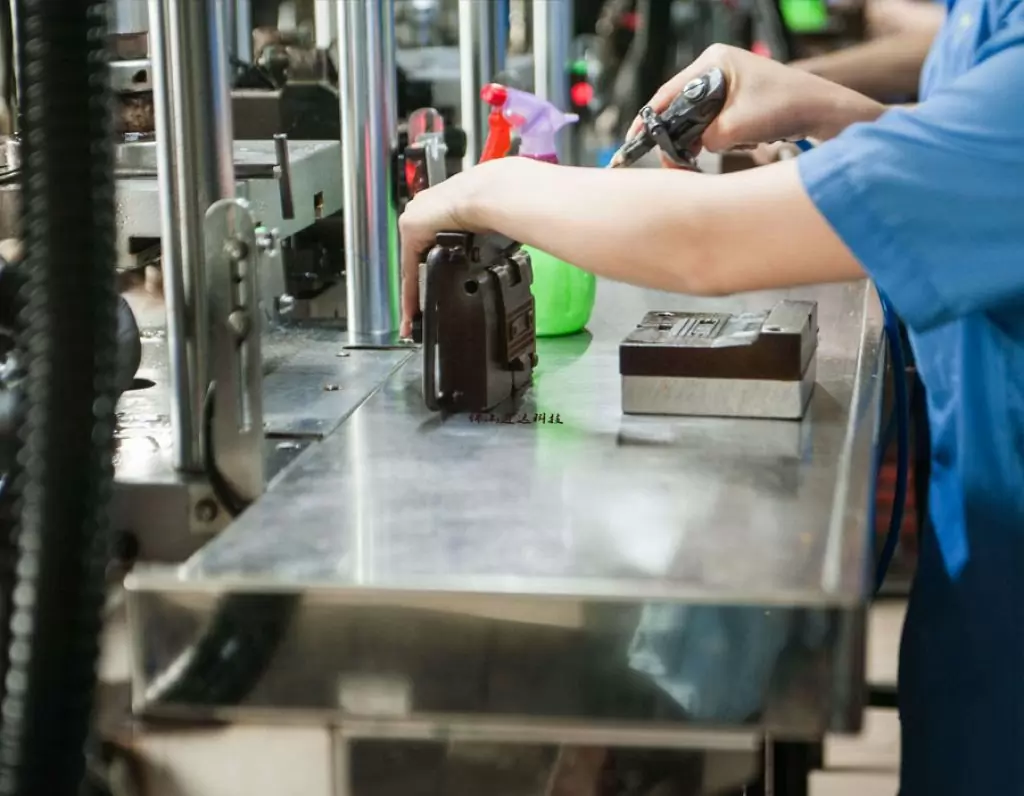
In order to meet the mass production requirements of some customers and reduce the cost, we work with our suppliers to assist your project. BE-CU investment casting service can reduce the custom parts time and cost of CNC machining parts, as we can manufacture a large number of prototypes in batch quickly and modify the appearance with CNC techniques to deliver the final desired parts. Whether you want to look for an lost wax castings manufacturer casting stainless steel, carbon steel, aluminum, or brass, professional technicians will perform investing casting process with a wide variety of metals, and be able to offer complex detail, smooth surface finish, and high definition in an economic way for clients.BE-CU.COM investment casting parts are used across broad fields, such as energy, automotive, gas, and oil, food, etc. ISO 9001 certification and multiple-stage quality inspection implementation will ensure the quality and performance of the lost wax casting products to be delivered.
-

Large CNC Turning Inconel 625 Automobile Engine Camshafts
-
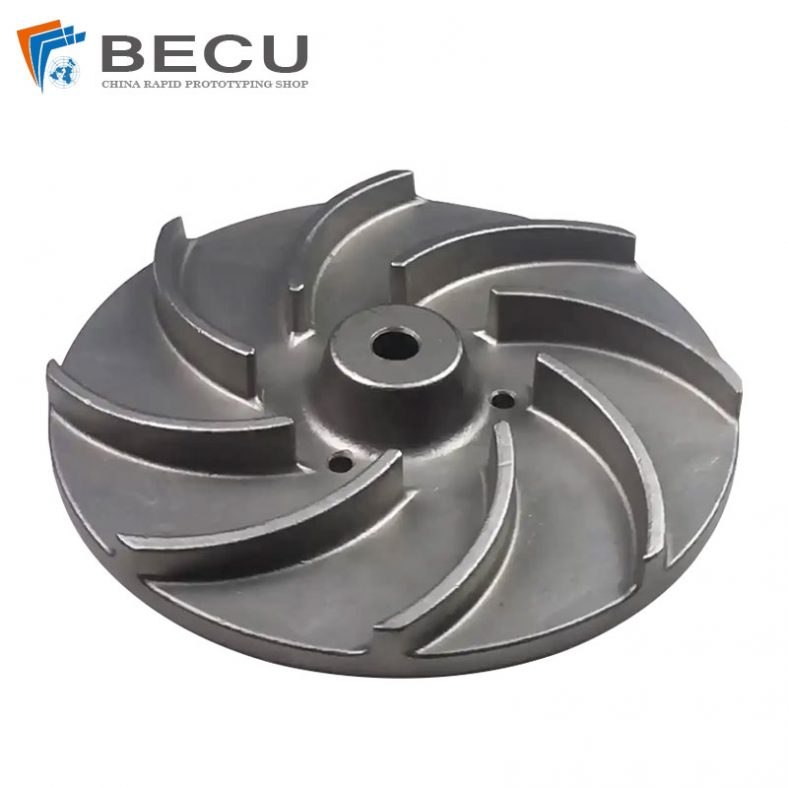
Precision CNC Machining Inconel 718 Cast Impeller
-
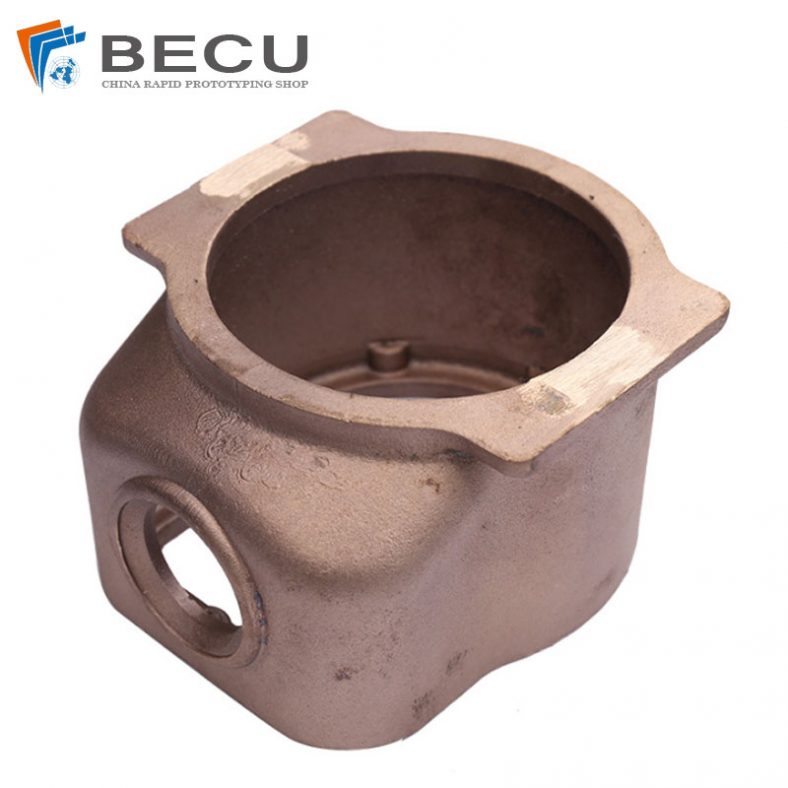
Tin Bronze Cast Valve Body And Bonnet
-
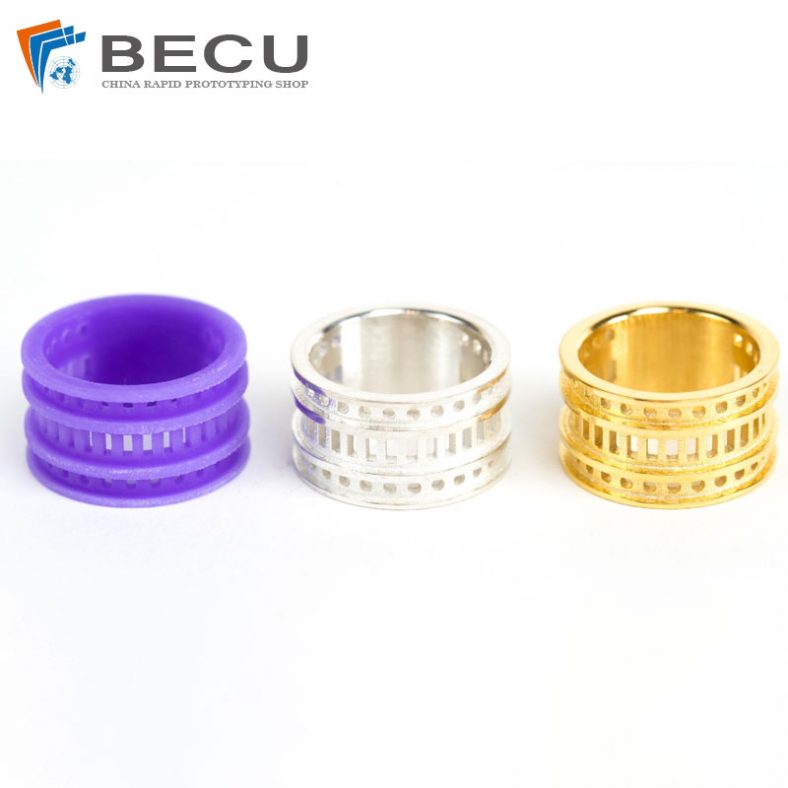
Casting Silver Rings