

Plastic extrusion is one of the most widely employed manufacturing processes in the production of plastic materials and components. This versatile process involves the continuous shaping of plastic materials by forcing them through a mold or die to form shapes of uniform cross-section.
As one of the primary methods used in plastics manufacturing, extrusion is essential for a wide array of industries, including construction, automotive, packaging, medical, and consumer goods. It has significant advantages that make it ideal for high-volume production and enables the creation of products with varying complexities in shape, size, and design.
This article delves into plastic extrusion in detail, examining the processes, types, materials, and advantages of the method, as well as its applications in various industries and business sectors.
What is Plastic Extrusion
Plastic extrusion is a manufacturing process that transforms raw plastic materials into finished products in the form of continuous shapes. The process typically involves the melting of plastic pellets or granules and forcing the material through a die that shapes it into a uniform cross-sectional profile.Extrusion is widely used to produce a broad spectrum of products, including pipes, sheets, films, profiles, and custom components for various industries.The versatility and efficiency of plastic extrusion make it a dominant method for manufacturing high-volume plastic products.
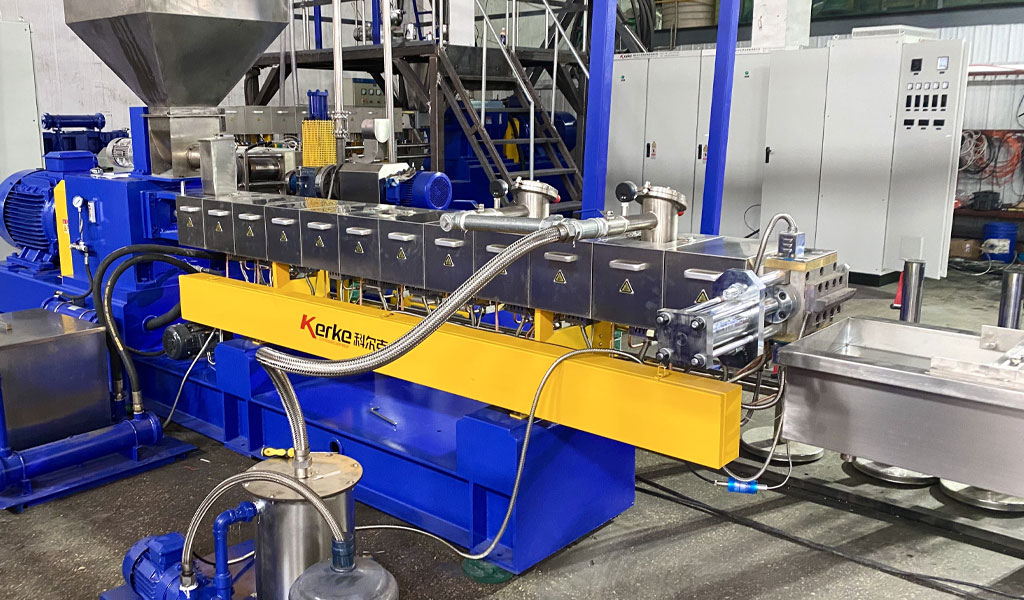
It is a cost-effective process, especially for products with simple, repetitive shapes, and allows for easy integration into automated production systems, further reducing labor costs. The wide range of materials that can be processed via extrusion, as well as its ability to produce complex profiles, contribute to its extensive use in a variety of industries.
The Plastic Extrusion Process
The plastic extrusion process involves several stages, each of which plays a critical role in shaping the final product. These stages can be broken down into the following key steps:
- Feeding: The extrusion process begins with the feeding of raw plastic material, typically in the form of pellets, granules, or powder, into the hopper of the extruder. The material is carefully measured and fed into the barrel of the extruder, where it will undergo melting and processing.
- Melting and Homogenizing: As the plastic material moves through the barrel, it is subjected to heat and mechanical shear forces generated by the rotating screw inside the extruder. The screw rotates at high speed, mixing and breaking down the plastic resin to ensure uniform melting. This step is crucial to ensure that the material flows smoothly and consistently, free from clumps or inconsistencies.
- Extrusion through the Die: Once the plastic has melted and reached the proper consistency, it is forced through a die that gives the material its shape. The die may have a simple or complex design depending on the desired profile of the extruded product. In this step, the material takes on the final shape, which can vary widely, from basic geometric profiles like pipes and tubes to more intricate designs like decorative trim or multi-layered components.
- Cooling: As the extruded material exits the die, it is typically cooled to solidify the plastic. Cooling is an essential part of the process, as it helps maintain the shape of the extruded material and ensures that it retains its structural integrity. Cooling can be achieved through various methods, such as air cooling, water baths, or chilled rollers.
- Cutting and Finishing: Once the material has cooled, it is cut to the required length or wound into rolls. Depending on the type of product being produced, additional finishing steps may be necessary. For example, extrusion can be followed by printing, coating, or additional surface treatments to enhance the appearance or functionality of the product.
Types of Plastic Extrusion
There are several different types of plastic extrusion processes, each tailored to specific applications and product requirements. Below are the primary types of extrusion techniques used in the plastics industry:
- Profile Extrusion: Profile extrusion is one of the most common and widely used extrusion processes. It is primarily employed to create continuous shapes with a uniform cross-section. These shapes, or profiles, can range from simple geometries like pipes and tubes to more complex designs, such as window and door frames, weatherstripping, and custom components for a variety of industries. Profile extrusion is particularly useful when high volumes of products with the same cross-sectional shape need to be produced efficiently.
- Sheet and Film Extrusion: In sheet and film extrusion, the extruded plastic is formed into thin, flat sheets or films. This process is commonly used for producing materials such as packaging films, protective sheets, and films for agricultural applications. The thinness of the material produced allows for a wide range of applications, including flexible packaging, shrink wrap, and protective coatings. The sheets can also be further processed, such as through thermoforming or printing, for use in consumer goods and industrial applications.
- Blown Film Extrusion: A specialized type of sheet and film extrusion, blown film extrusion involves inflating a tube of molten plastic to produce thin films. The extrusion process begins with the extrusion of a tube of plastic, which is then inflated using air to create a thin, uniform film. This method is commonly used in the production of plastic bags, shrink wraps, and other flexible films. The ability to vary the inflation rate, wall thickness, and diameter of the tube enables manufacturers to produce films with different characteristics to suit various applications.
- Co-extrusion: Co-extrusion is a process in which two or more different materials are extruded simultaneously through separate extruders and combined into a single product. The material layers are bonded together during extrusion, resulting in a multi-layered product with unique properties. Co-extrusion is particularly useful in producing films or sheets with specific attributes, such as barrier layers for food packaging, or products with both rigid and flexible components, such as medical devices or automotive components. The ability to combine materials with different characteristics in a single process allows manufacturers to create more complex, high-performance products.
- Injection Molding vs. Extrusion: Injection molding and extrusion are both processes used to create plastic parts, but they serve different purposes. Injection molding is used to produce three-dimensional parts with complex geometries, while extrusion is primarily used for producing continuous shapes with a uniform cross-section. In injection molding, the plastic is injected into a mold to form a part, whereas in extrusion, the plastic is forced through a die to form a continuous profile. Both methods have their respective advantages, with extrusion being preferred for products that require high-volume production with uniformity, and injection molding being ideal for parts with intricate shapes or precise tolerances.
Materials Used in Plastic Extrusion
Plastic extrusion is compatible with a wide range of thermoplastic materials. The choice of material used in extrusion depends on the desired properties of the final product, including mechanical strength, durability, flexibility, and chemical resistance. Some of the most commonly used materials in plastic extrusion include:
- Polyethylene (PE): Polyethylene is one of the most commonly extruded plastics. It is widely used in the production of pipes, films, sheets, and packaging materials. Polyethylene comes in various grades, including low-density polyethylene (LDPE) and high-density polyethylene (HDPE). HDPE, in particular, is known for its strength, stiffness, and resistance to impact and chemicals, making it ideal for products such as pipes, containers, and tanks.
- Polypropylene (PP): Polypropylene is another widely used material in plastic extrusion. It is known for its excellent chemical resistance, high melting point, and durability. Polypropylene is used to produce a wide range of products, from packaging and automotive parts to medical devices and consumer goods. It is also used in the production of fibers for textiles and carpeting.
- Polyvinyl Chloride (PVC): PVC is a versatile thermoplastic that is commonly used in extrusion to create pipes, tubing, and profiles. It is highly durable and resistant to weathering, making it an ideal material for outdoor applications such as construction and plumbing. PVC can be made rigid or flexible, depending on the formulation, and is often used in the production of window frames, flooring, and wire insulation.
- Polystyrene (PS): Polystyrene is a relatively inexpensive thermoplastic that is easy to process. It is used in the extrusion of sheets and films, commonly for packaging applications. Expanded polystyrene (EPS) is also used in the production of foam products such as insulation and packaging materials.
- Polycarbonate (PC): Polycarbonate is a high-performance thermoplastic known for its optical clarity, impact resistance, and heat resistance. It is used in the extrusion of products such as optical lenses, safety glasses, and automotive parts. Polycarbonate is often chosen for applications where transparency, durability, and resistance to high temperatures are critical.
- Acrylonitrile Butadiene Styrene (ABS): ABS is a tough, rigid plastic often used in the extrusion of automotive parts, appliances, and consumer electronics. It is known for its impact resistance, dimensional stability, and ease of processing, making it a popular choice for a wide range of products.
- Other Materials: Other thermoplastics used in extrusion include nylon (polyamide), polyester, and polyethylene terephthalate (PET). Each of these materials offers unique properties, such as strength, elasticity, or heat resistance, making them suitable for specific applications.
Advantages of Plastic Extrusion
Plastic extrusion offers several advantages that make it a popular choice for manufacturers across various industries. These advantages include:
- High Efficiency: Plastic extrusion is a continuous process, meaning that once the system is set up, production can proceed with minimal interruptions. The ability to produce large quantities of product with consistent quality makes extrusion a highly efficient process, especially for mass production. The combination of high-speed production and minimal waste contributes to lower costs per unit.
- Cost-Effectiveness: The process is inherently cost-effective due to its simplicity, minimal material waste, and the ability to run at high speeds. Because extrusion involves a continuous flow of material, manufacturers can produce large quantities of uniform products at relatively low cost. This is particularly advantageous for industries that require high-volume production of standardized products, such as packaging, construction, and automotive.
- Versatility: Plastic extrusion can be used to create a wide range of products, from simple to complex shapes. The process allows for the production of profiles with intricate geometries and multiple layers, which can be tailored to meet specific customer requirements. Co-extrusion further increases the versatility of the process by enabling the use of multiple materials with different properties in a single product.
- Design Flexibility: The extrusion process allows for a high degree of design flexibility. Manufacturers can create custom profiles, shapes, and cross-sections to meet the specific needs of their customers. This is especially important for industries such as construction, automotive, and medical, where products may need to meet unique specifications.
- Consistency and Uniformity: The extrusion process produces products with consistent dimensions and smooth surfaces. The continuous nature of the process ensures that each product is uniform, reducing the risk of defects and variations. This makes extrusion ideal for applications where high precision and consistency are critical, such as in the production of pipes, medical tubing, and automotive components.
- Material and Color Customization: Plastic extrusion allows for easy integration of additives and colorants into the material during the extrusion process. This enables manufacturers to create products with specific properties or colors to match customer specifications. For example, UV stabilizers can be added to materials intended for outdoor use, while flame retardants can be included in products used in electrical applications.
- Minimal Waste: The extrusion process generates minimal waste because the material is continuously fed into the system, and any excess material is usually recycled back into the process. This reduces the overall environmental impact of production and helps manufacturers maintain cost efficiency.
- Environmental Benefits: Plastic extrusion can contribute to more sustainable production practices. Many plastics used in extrusion are recyclable, and the process itself can be optimized to reduce energy consumption. Furthermore, co-extrusion enables the creation of multi-layer products that can improve material efficiency by combining different properties in a single product.
Applications of Plastic Extrusion
Plastic extrusion is employed across a wide range of industries, each benefiting from the unique advantages of the process. Some of the most common applications of plastic extrusion include:
- Construction: Extruded plastic materials are widely used in the construction industry for products such as window profiles, trim pieces, weatherstripping, insulation, and piping systems. The versatility and durability of extruded plastics make them ideal for use in both residential and commercial construction.
- Automotive: The automotive industry uses plastic extrusion to produce a variety of components, including bumpers, trim pieces, and seals. Extrusion allows for the efficient production of lightweight, durable parts that help improve fuel efficiency and reduce the overall weight of vehicles.
- Packaging: Extrusion is heavily utilized in the packaging industry, particularly for the production of plastic films, sheets, and containers. The ability to produce large volumes of packaging material with uniform thickness and high clarity is essential for the efficient and cost-effective packaging of consumer goods.
- Medical: The medical industry relies on plastic extrusion to create products such as medical tubing, IV lines, and catheters. The ability to produce sterile, biocompatible, and high-precision components makes extrusion an essential process in the manufacture of medical devices and equipment.
- Consumer Goods: A wide range of consumer products, from toys to household items, are made using plastic extrusion. The ability to create high-quality, cost-effective products in large volumes makes extrusion ideal for mass production.
- Electrical and Electronics: Extrusion is used to create various components in the electrical and electronics industries, such as wire insulation, connectors, and enclosures. The process allows for the production of products with specific electrical, thermal, or mechanical properties tailored to the needs of the industry.
- Agriculture: The agricultural sector also benefits from plastic extrusion, particularly in the production of irrigation tubing, greenhouse films, and mulch films. The durability, flexibility, and resistance to UV degradation make extruded plastic products essential for agricultural applications.
Conclusion
Plastic extrusion is an essential and versatile manufacturing process that continues to evolve, driven by technological advancements and market demands. Its ability to produce large volumes of high-quality, uniform products with minimal waste has cemented its position as a key process in industries ranging from construction to automotive, medical, packaging, and consumer goods. As manufacturers increasingly prioritize efficiency, cost-effectiveness, and sustainability, plastic extrusion remains a valuable tool for meeting these needs.
The future of plastic extrusion looks promising, with ongoing developments in material science, process optimization, and environmental responsibility paving the way for even more innovative applications. For businesses, understanding the intricacies of plastic extrusion can lead to significant competitive advantages, from reducing production costs to enhancing product performance. By staying informed about the latest advancements in extrusion technology, companies can continue to leverage this process to meet the evolving needs of global markets and improve their bottom line.
The Detail Of BE-CU Plastic Injection Company
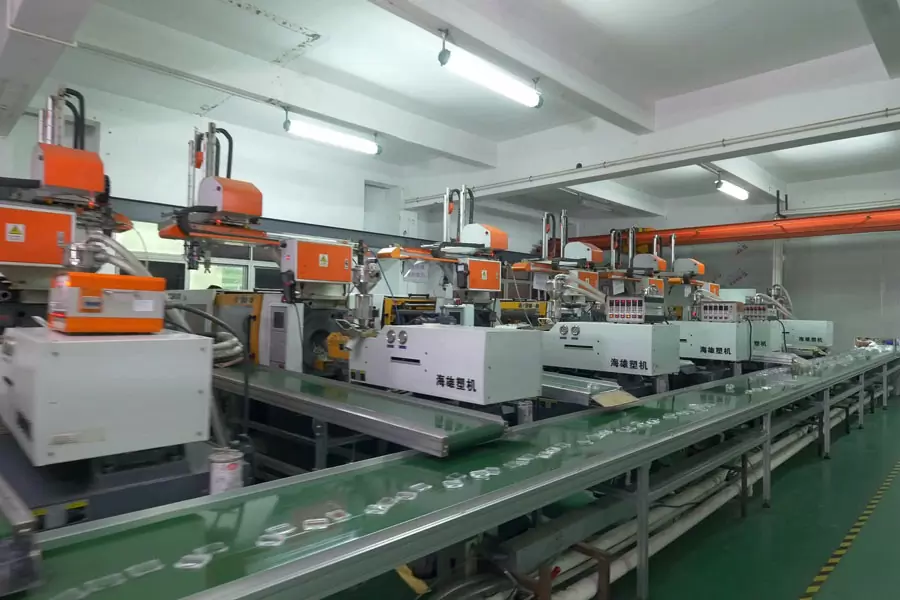
The core cooperative injection molding supplier has twelve 50T-200T injection molding machines, all of which are equipped with manipulators, mold temperature controllers, automatic assembly lines, and dust-free purification workshops. There are 4 automatic production lines in the oil spraying department: one 10,000-level automatic spraying production line (two sprays and two baking), 1 production line (one spray and one baking); 1 manual spraying production line, with a daily output of 150,000 pieces above. With brand-new professional technology, with an environmentally friendly anti-static, fully air-conditioned, dust-free workshop, the working environment is superior, the production equipment is complete, and the product testing equipment is perfect. Need mold making supplies for large quantities of production parts? Looking for a more cost effective and time efficient way of manufacturing parts? Don’t miss our injection molding services! At be-cu.com, we provide high quality and affordable injection molding for prototypes and production parts with quick turnaround times.
-

5 Axis CNC Machining Spiral Bevel Gear Mold
-
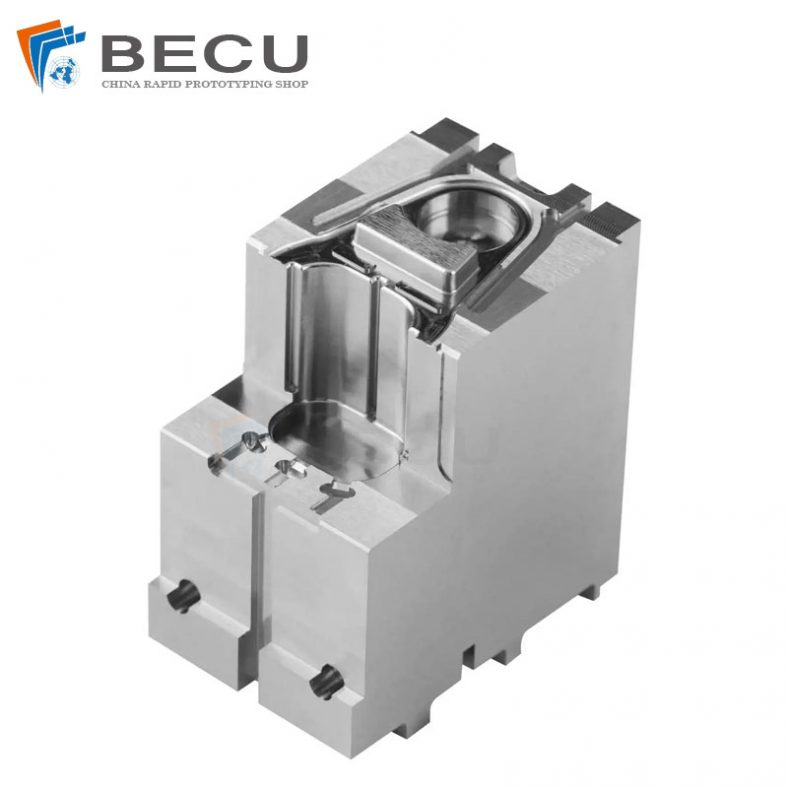
Small Precision Injection Molding Inserts
-
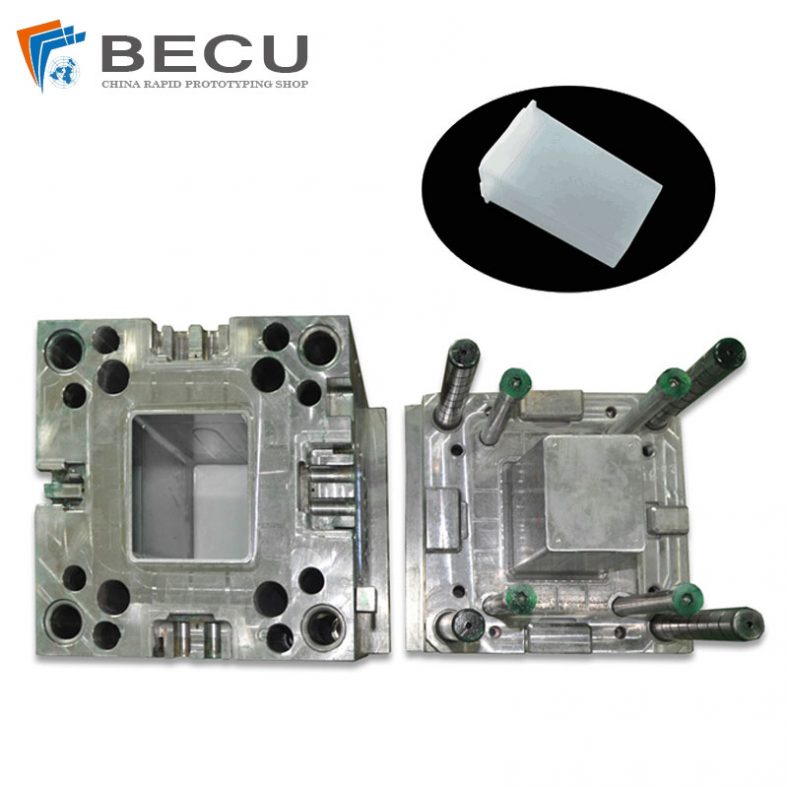
Plastic Storage Box Plastic Injection Mold
-
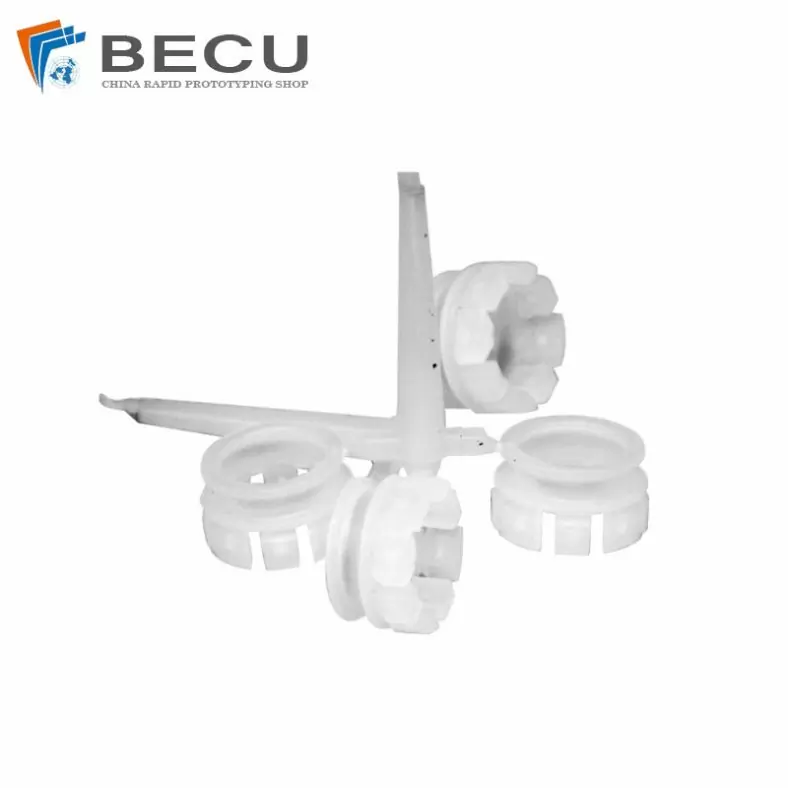
Injection Molding PE-UHMW Retaining Buckle And Ring
-
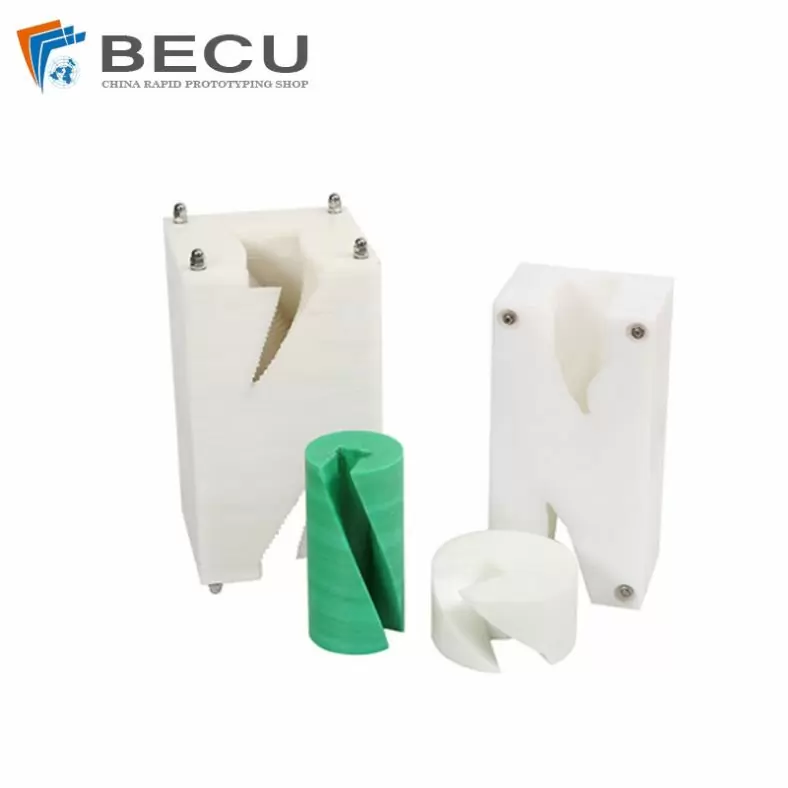
Cnc Machined UHMW-PE Bottle Turner
-
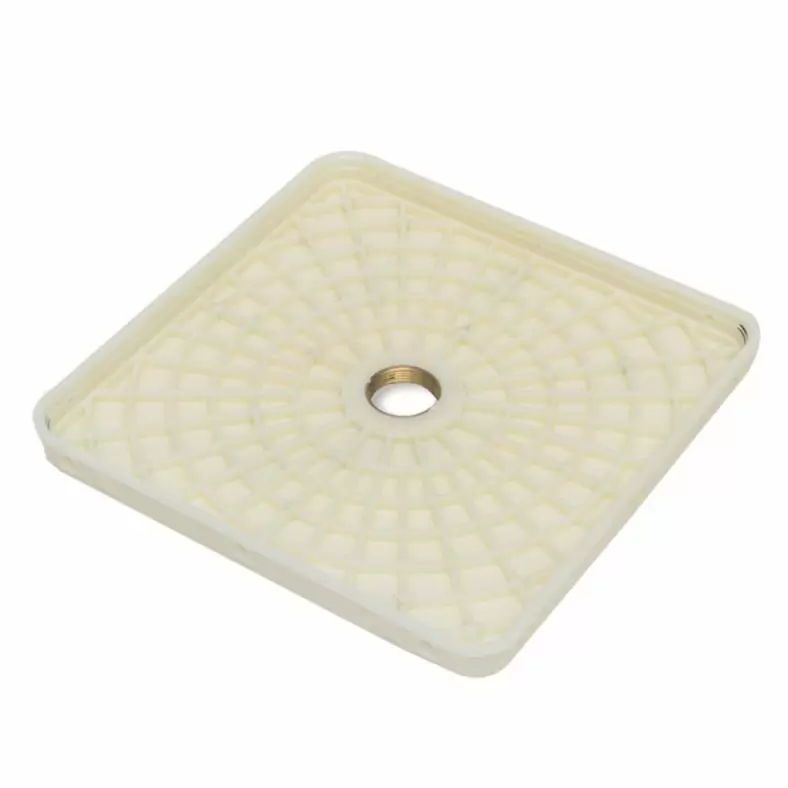
Shower Inclosure Sleeve By Plastic Injection
-
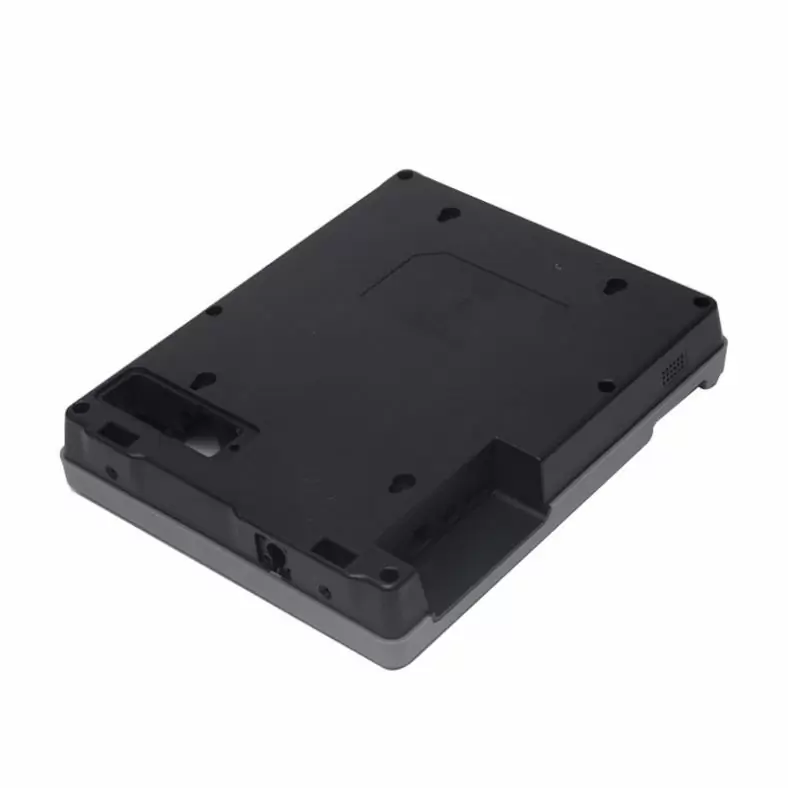
Injection Secret Security Machine Control Shell
-
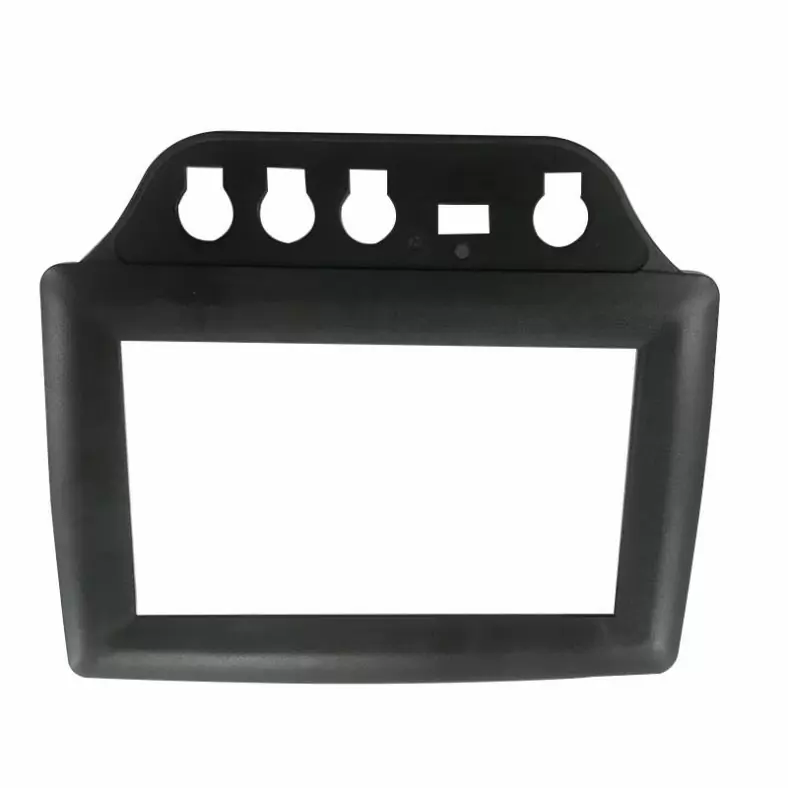
Sewing Machine Industrial Control Shell By Plastic Injection