
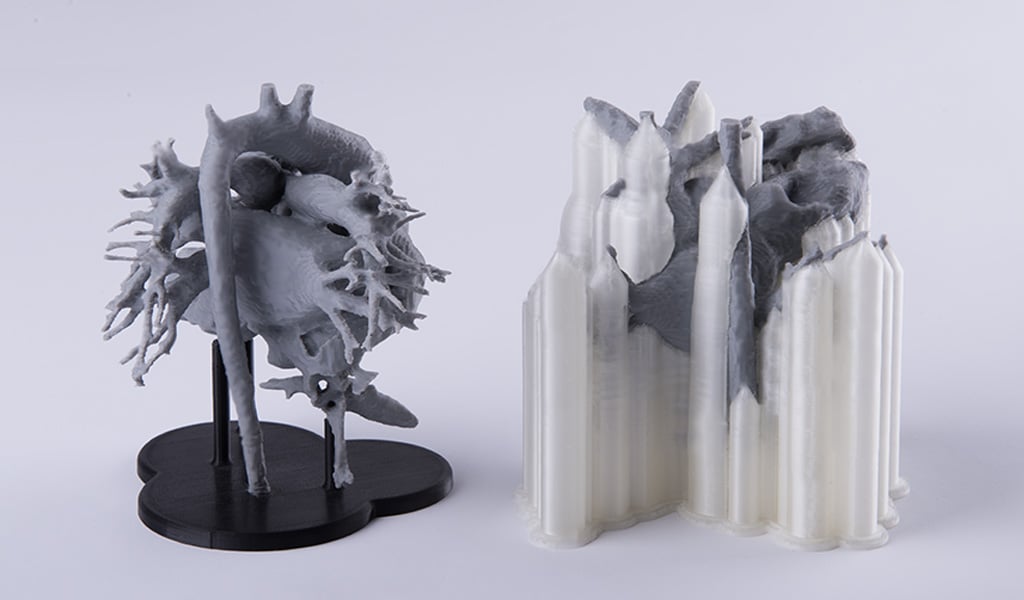
Polyvinyl alcohol (PVA) 3D printing filament is a specialized material widely recognized in the field of additive manufacturing, particularly within fused deposition modeling (FDM) technology. Known for its unique water-soluble properties, PVA has become a cornerstone in the production of complex 3D-printed structures, serving primarily as a support material. This article delves into the composition, properties, applications, and scientific underpinnings of PVA filament, offering a comprehensive exploration of its role in modern 3D printing. By examining its chemical structure, physical characteristics, mechanical behavior, and practical utility, alongside comparative analyses with other filaments, this discussion aims to provide an exhaustive resource for researchers, engineers, and enthusiasts alike.
PVA, chemically identified as [CH₂CHOH]ₙ, is a synthetic polymer derived from the hydrolysis of polyvinyl acetate (PVAc). Unlike PVAc, which is not water-soluble, PVA’s hydroxyl (-OH) groups confer its characteristic solubility in aqueous environments, a trait that distinguishes it from most thermoplastic filaments used in 3D printing. This solubility, combined with its compatibility with common build materials such as polylactic acid (PLA) and polyethylene terephthalate glycol (PETG), positions PVA as an indispensable tool for dual-extrusion 3D printing systems. Its development traces back to the early 20th century, with German chemist Fritz Klatte patenting the process in 1912, though its commercial application in 3D printing emerged much later with advancements in FDM technology.
The production of PVA filament begins with the polymerization of vinyl acetate, followed by hydrolysis to replace acetate groups with hydroxyl groups. This process yields a polymer with varying degrees of hydrolysis—typically between 80% and 99%—which influences its solubility and mechanical properties. In filament form, PVA is extruded into standard diameters of 1.75 mm or 2.85 mm, matching the specifications of most FDM printers. The filament is typically packaged in moisture-resistant containers, as PVA’s hygroscopic nature renders it susceptible to degradation when exposed to atmospheric humidity. Manufacturers often include desiccants to maintain filament integrity during storage, a critical consideration given its sensitivity to water absorption.
PVA’s primary role in 3D printing is as a dissolvable support material. In dual-extrusion setups, one extruder deposits the primary build material (e.g., PLA, PETG, or nylon), while the second extruder lays down PVA to support overhanging features or intricate geometries. Once printing is complete, the object is submerged in water—often warm (30-50°C) to accelerate dissolution—leaving the primary structure intact. This process eliminates the need for mechanical removal of supports, reducing post-processing time and minimizing surface damage compared to traditional breakaway supports made from the same material as the build.
The chemical structure of PVA underpins its solubility. The hydroxyl groups along its polymer chain form hydrogen bonds with water molecules, facilitating the breakdown of intermolecular forces within the solid filament. The degree of hydrolysis affects this interaction: fully hydrolyzed PVA (98-99%) dissolves more readily than partially hydrolyzed variants (e.g., 88%), though the latter may exhibit greater flexibility and adhesion to certain substrates. The molecular weight of PVA, typically ranging from 20,000 to 150,000 g/mol, also influences its behavior, with higher molecular weights correlating to increased viscosity and mechanical strength but slower dissolution rates.
Physically, PVA filament exhibits a melting temperature between 180°C and 210°C, making it compatible with the extrusion temperatures of PLA (190-220°C) and PETG (230-250°C). Its glass transition temperature (Tg) ranges from 60°C to 85°C, depending on moisture content and hydrolysis level, which affects its rigidity during printing. PVA’s density is approximately 1.19-1.31 g/cm³, slightly higher than PLA (1.24 g/cm³) but lower than acrylonitrile butadiene styrene (ABS) (1.04-1.07 g/cm³). Its tensile strength, typically 20-40 MPa, is modest compared to structural filaments like ABS (40-50 MPa) or nylon (50-80 MPa), reflecting its purpose as a temporary support rather than a load-bearing material.
Mechanically, PVA demonstrates moderate flexibility and adhesion properties, which are critical for its role as a support. Its Young’s modulus, a measure of stiffness, ranges from 1.5 to 3 GPa, lower than PLA (3.5 GPa) or PETG (2.1 GPa), indicating greater elasticity. This flexibility aids in conforming to the contours of the primary material during printing, ensuring stable support without excessive brittleness. However, PVA’s hygroscopicity poses challenges: absorbed moisture can lower its Tg and cause bubbling or oozing during extrusion, necessitating careful storage and drying (e.g., 45°C for 10+ hours) before use.
The environmental profile of PVA is noteworthy. As a biodegradable polymer, it breaks down into carbon dioxide and water under microbial action, typically within months in composting conditions. This contrasts with petroleum-based filaments like ABS, which persist in the environment for decades. However, PVA’s biodegradability is context-dependent: in water, it dissolves into a dilute solution rather than fully degrading unless specific enzymes are present, raising considerations for waste management in 3D printing workflows.
In practice, PVA’s applications extend beyond simple supports. Artists leverage its solubility to create sacrificial molds for casting, while engineers use it for prototyping complex assemblies with internal cavities. Its compatibility with multi-material printing also enables hybrid structures, such as water-soluble cores within composite parts. However, PVA is not without limitations. Its cost—often $50-80 per kilogram—exceeds that of PLA ($20-30/kg) or ABS ($25-40/kg), reflecting its specialized role and production complexity. Additionally, its sensitivity to moisture and limited thermal stability restrict its use with high-temperature materials like polycarbonate (PC) or polyetherimide (PEI), which require extrusion temperatures above 250°C.
To contextualize PVA’s properties, a comparative analysis with other support materials is instructive. High-impact polystyrene (HIPS), another dissolvable support, is used with ABS and dissolves in limonene rather than water. HIPS offers greater strength (tensile strength ~25-35 MPa) but requires chemical post-processing, unlike PVA’s water-based approach. Breakaway supports, such as those made from PLA or PETG, are mechanically removed and cost less but often leave surface imperfections. Table 1 below summarizes these differences:
Table 1: Comparison of Support Materials in 3D Printing
| Material | Solubility | Dissolution Medium | Tensile Strength (MPa) | Cost ($/kg) | Primary Compatibility | Thermal Stability (°C) |
|---|---|---|---|---|---|---|
| PVA | Yes | Water | 20-40 | 50-80 | PLA, PETG, Nylon | 180-210 |
| HIPS | Yes | Limonene | 25-35 | 25-40 | ABS | 220-240 |
| PLA (Breakaway) | No | N/A (Mechanical) | 50-60 | 20-30 | PLA | 190-220 |
| PETG (Breakaway) | No | N/A (Mechanical) | 45-55 | 25-35 | PETG | 230-250 |
PVA’s printing parameters further define its utility. Optimal extrusion temperatures range from 190°C to 210°C, with a heated bed temperature of 45-60°C recommended to enhance adhesion. Unlike ABS, PVA does not require an enclosed print chamber, though a controlled environment minimizes moisture uptake. Cooling fans should be minimized or disabled for the first few layers to prevent warping, and support structures benefit from dense infill (e.g., 20-30%) to ensure stability. In dual-extrusion setups, an ooze shield or purge tower mitigates cross-contamination between PVA and the primary material, a common issue given PVA’s tendency to drip when idle.
Scientific studies have explored PVA’s optimization in 3D printing. Research published in Materials Science and Engineering (2023) investigated the effect of hydrolysis degree on dissolution kinetics, finding that 98% hydrolyzed PVA dissolved 30% faster than 88% variants in 40°C water, though the latter exhibited 15% higher adhesion to PLA. Another study in Additive Manufacturing (2024) examined moisture-induced degradation, reporting a 25% reduction in tensile strength after 24 hours of exposure to 80% relative humidity, underscoring the need for desiccant storage.
PVA’s molecular interactions with water have been modeled using computational chemistry. Molecular dynamics simulations reveal that hydrogen bonding between PVA’s -OH groups and H₂O molecules disrupts polymer chain entanglement, initiating dissolution. The activation energy for this process, approximately 30-40 kJ/mol, is lower than that of HIPS in limonene (~50 kJ/mol), explaining PVA’s faster breakdown in practical settings. These insights inform filament design, with manufacturers tailoring hydrolysis and molecular weight to balance solubility and printability.
Beyond supports, PVA’s potential as a standalone material is limited but notable. Its biocompatibility—evidenced by use in medical applications like eye drops—suggests possibilities for temporary implants or drug delivery scaffolds, though its mechanical weakness precludes long-term use. In education, PVA enables hands-on exploration of complex geometries, dissolving to reveal internal structures without tools. Such applications, while niche, highlight its versatility.
Comparatively, PVA’s properties align it with a broader class of water-soluble polymers, such as polyethylene glycol (PEG) or hydroxypropyl methylcellulose (HPMC), though these are less common in 3D printing due to higher costs or processing challenges. Table 2 contrasts PVA with common build materials:
Table 2: Properties of PVA vs. Common 3D Printing Filaments
| Material | Density (g/cm³) | Tensile Strength (MPa) | Young’s Modulus (GPa) | Melting Temp (°C) | Water Soluble | Biodegradable |
|---|---|---|---|---|---|---|
| PVA | 1.19-1.31 | 20-40 | 1.5-3 | 180-210 | Yes | Yes |
| PLA | 1.24 | 50-60 | 3.5 | 190-220 | No | Yes |
| PETG | 1.27 | 45-55 | 2.1 | 230-250 | No | No |
| ABS | 1.04-1.07 | 40-50 | 2.2 | 220-240 | No | No |
| Nylon | 1.14 | 50-80 | 1.8-2.5 | 240-265 | No | No |
PVA’s historical development reflects broader trends in polymer science. After Klatte’s 1912 patent, Japan’s Kuraray Co. commercialized PVA in the 1930s for textiles (e.g., Vinylon fibers), leveraging its solubility for industrial processes. Its adaptation to 3D printing emerged in the 2010s as dual-extrusion printers became accessible, paralleling the rise of desktop FDM systems. Today, brands like Ultimaker, eSun, and MatterHackers offer PVA filaments optimized for reliability, with formulations balancing dissolution speed and print quality.
Challenges in PVA use include nozzle clogging, particularly if the extruder idles at high temperatures, and inconsistent dissolution in large, dense supports. Mitigation strategies involve cooling the PVA hotend during idle periods and designing supports with sparse infill or thin interfaces. Advanced slicer software, such as Simplify3D or Cura, offers features like “dense supports,” reducing PVA use by 90% while maintaining efficacy, a boon for cost-conscious users.
Looking forward, PVA’s role in 3D printing may expand with innovations in material science. Blends with PLA or nanoparticles could enhance its strength or thermal resistance, broadening its standalone applications. Research into enzyme-catalyzed degradation could also improve its environmental footprint, addressing concerns over dissolved PVA in wastewater. As additive manufacturing evolves, PVA’s unique properties ensure its continued relevance, bridging the gap between design complexity and practical fabrication.
In conclusion, PVA 3D printing filament exemplifies the synergy of polymer chemistry and engineering in modern manufacturing. Its water solubility, moderate mechanical properties, and compatibility with diverse materials make it a linchpin for complex FDM projects. While limitations like cost and moisture sensitivity persist, its advantages—ease of removal, environmental friendliness, and design flexibility—cement its status as a vital tool in the additive manufacturing toolkit. Through ongoing research and application, PVA continues to shape the possibilities of 3D printing, offering a window into the intersection of science and creativity.
The Detail Of BE-CU 3D Printing Company
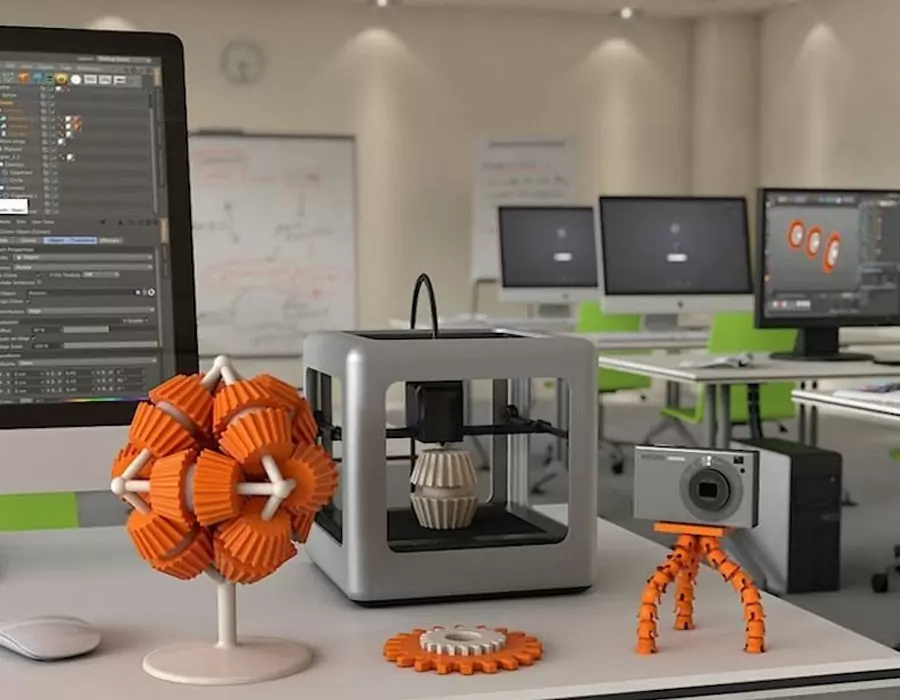
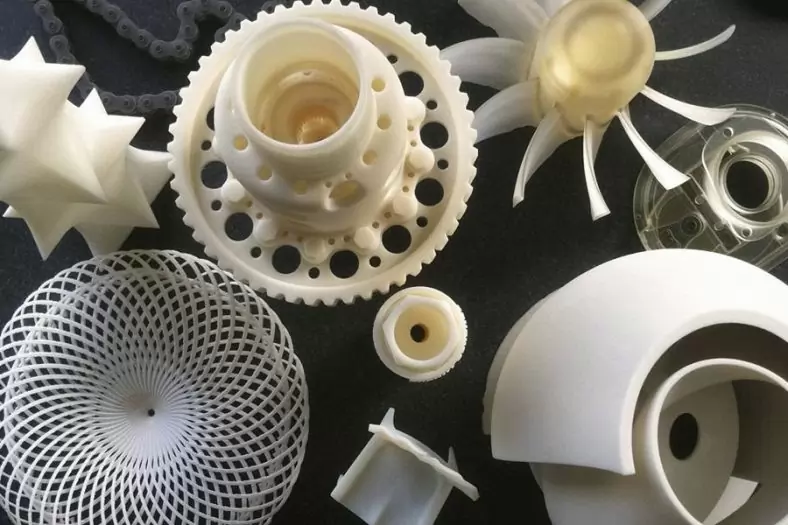
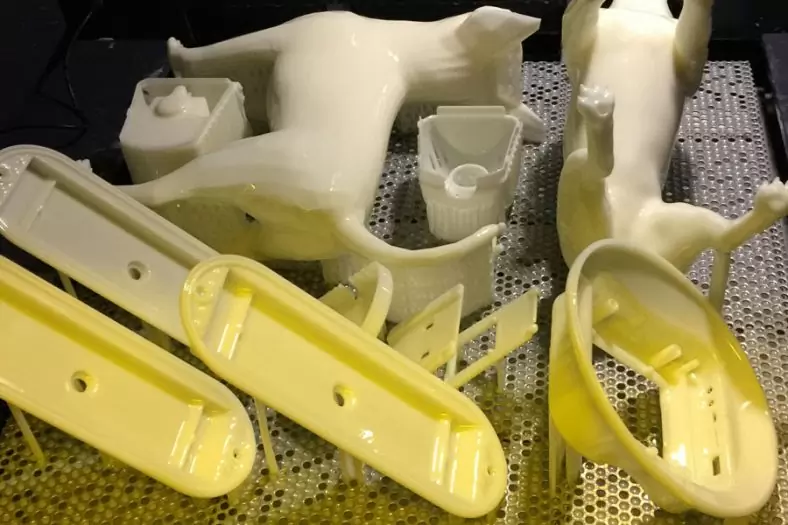
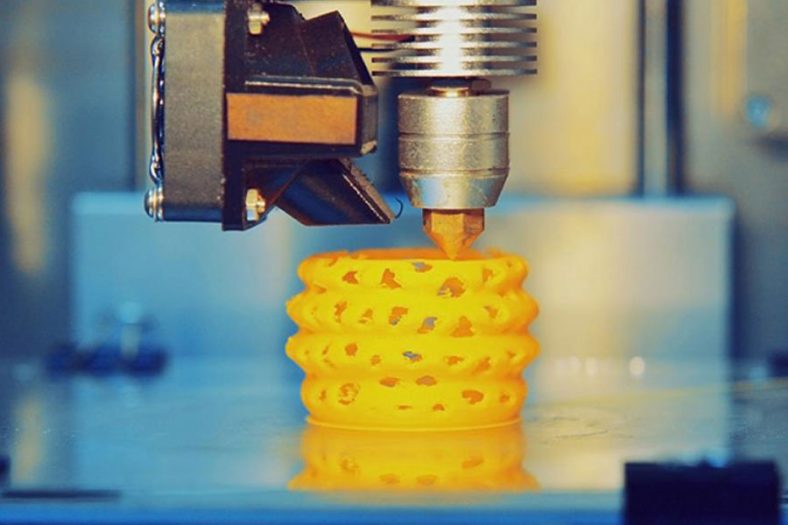
BE-CU.COM offers online 3D printing services for rapid prototyping and production in volume. Our clients are across a wide variety of industries and companies, including automotive, construction, aerospace, defense, electronics, machinery, industrial automation, medical, healthcare, consumer production, oil & gas, etc. Accelerate your product development and manufacturing process with our industry-leading metal & plastic 3D printing service and 3D printed parts. We’ll find the best 3D printing solution for your projects, to lower your cost and shorten the lead time based on your needs, while maintaining the quality. From 3D prototyping to end-use parts production, multiple materials are available for custom 3D printing parts. Need an alternative to the traditional solution? Submit your 3D CAD file to get an online quotation quickly. Our 3D printing service ensures accuracy and speed. We can help you choose the most appropriate technology and material to match your applications or request.
-
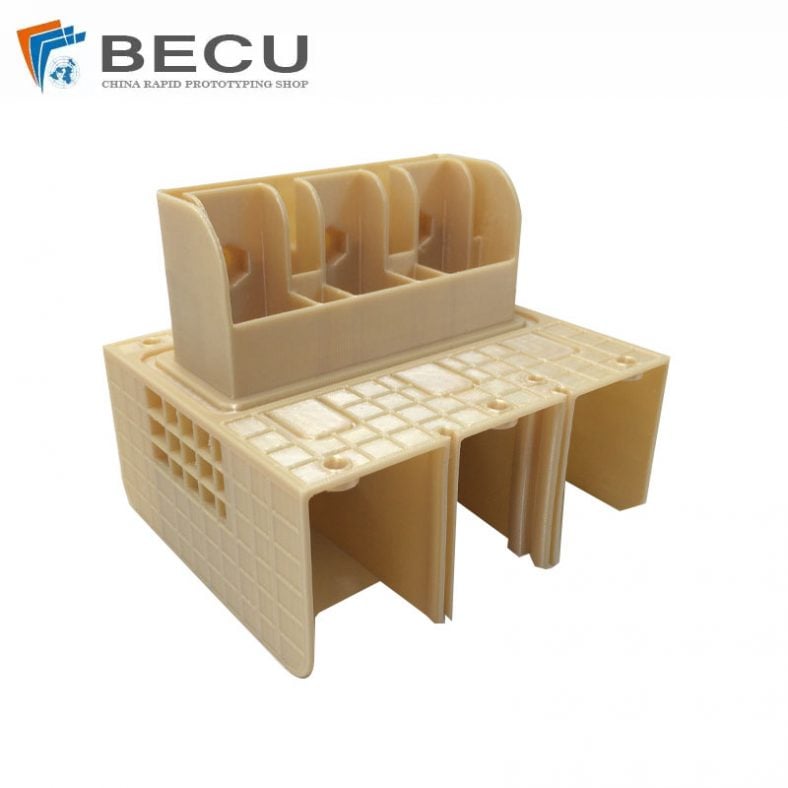
FDM 3D Printing Ultra-High Voltage Strong Electrical Connector
-
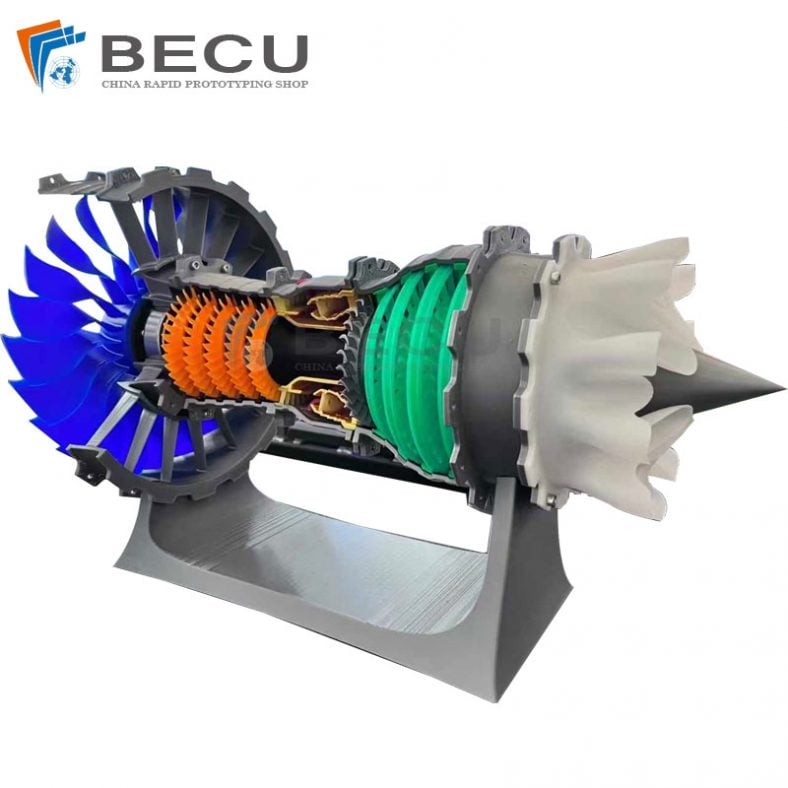
3D Printed Jet Engine Model
-
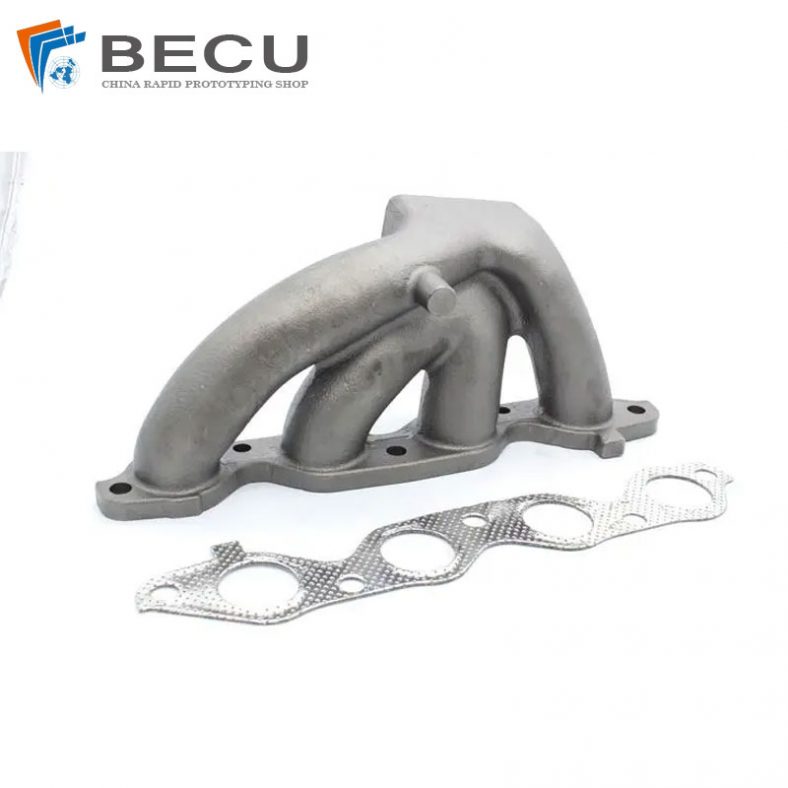
3D Printed Inconel Exhaust Manifold
-
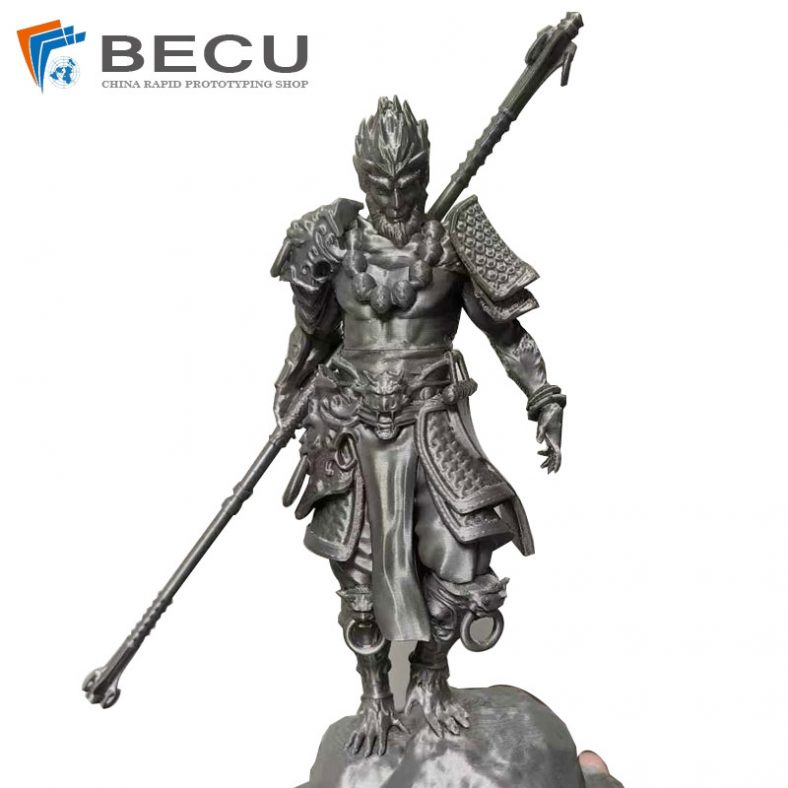
3D Printed Black Myth: Wukong Model
-
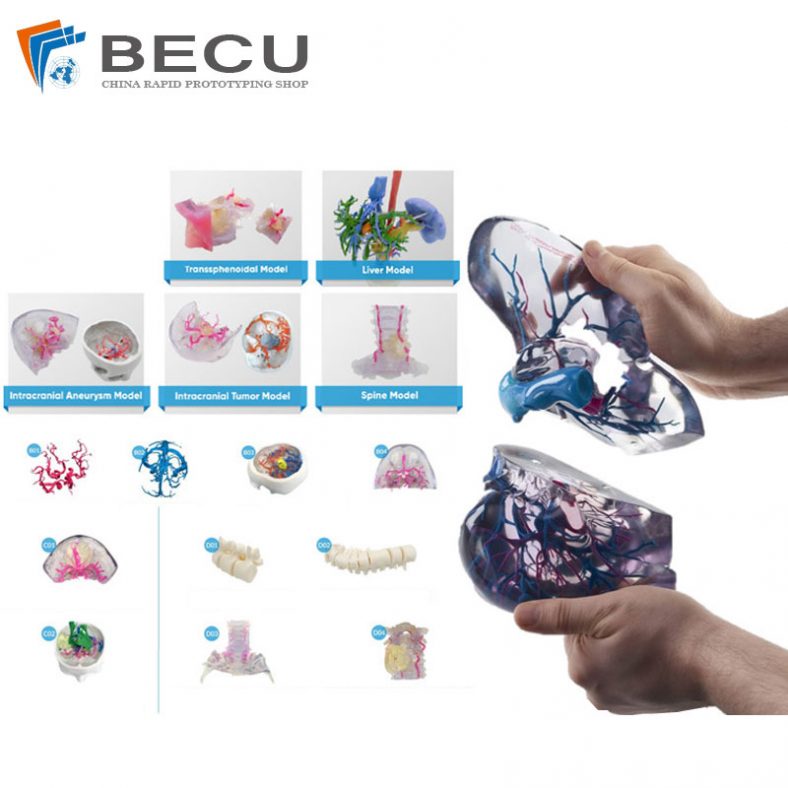
Omni-Directional Surgical Planning Medical Models
-
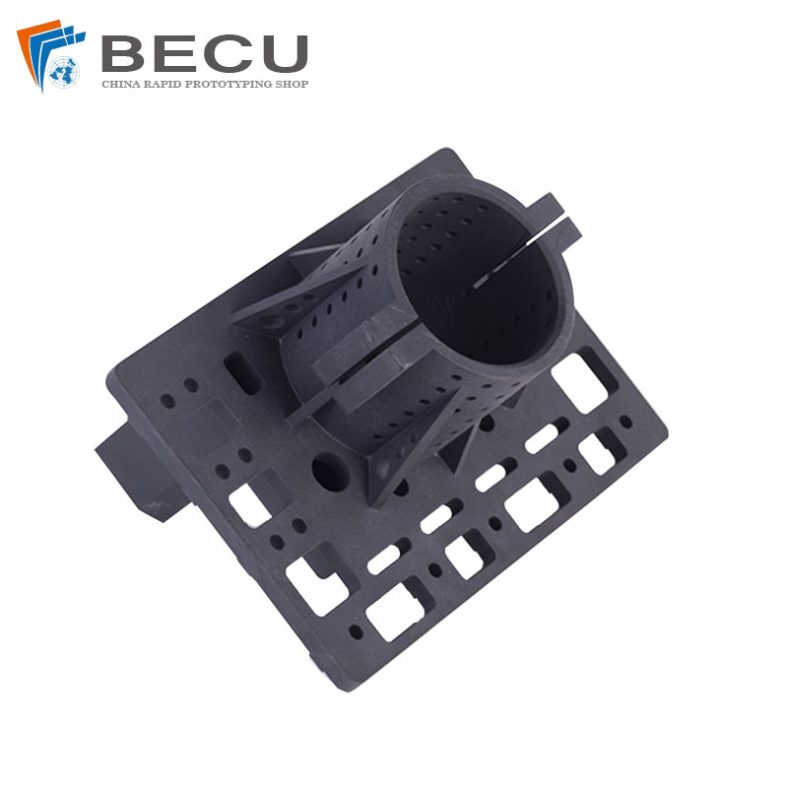
3D Printing Pool Pressure Cleaner Parts and Accessories
-
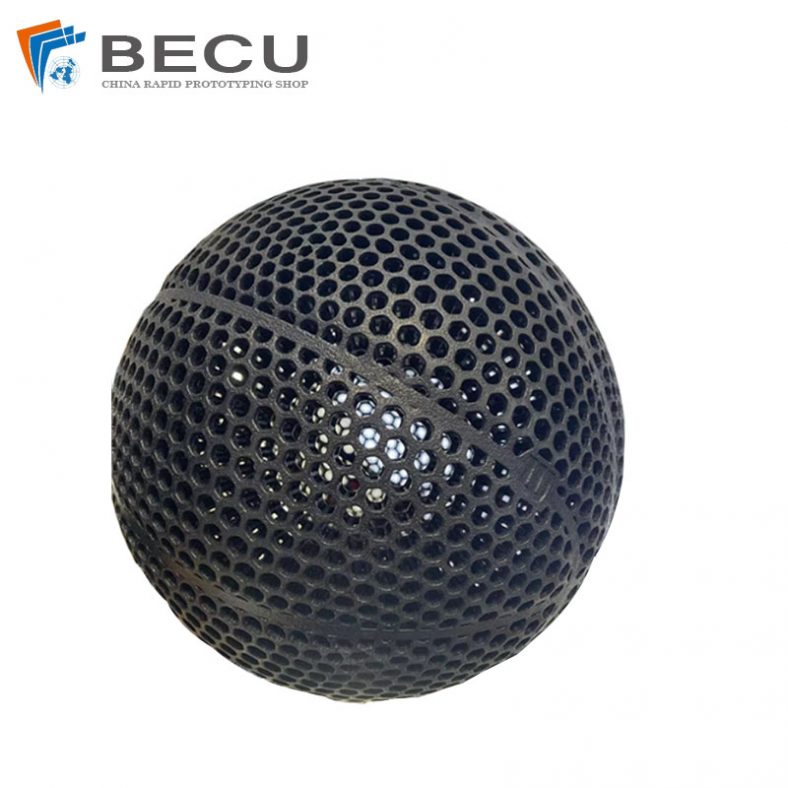
Nylon 3D Printed Size 5 Basketball
-
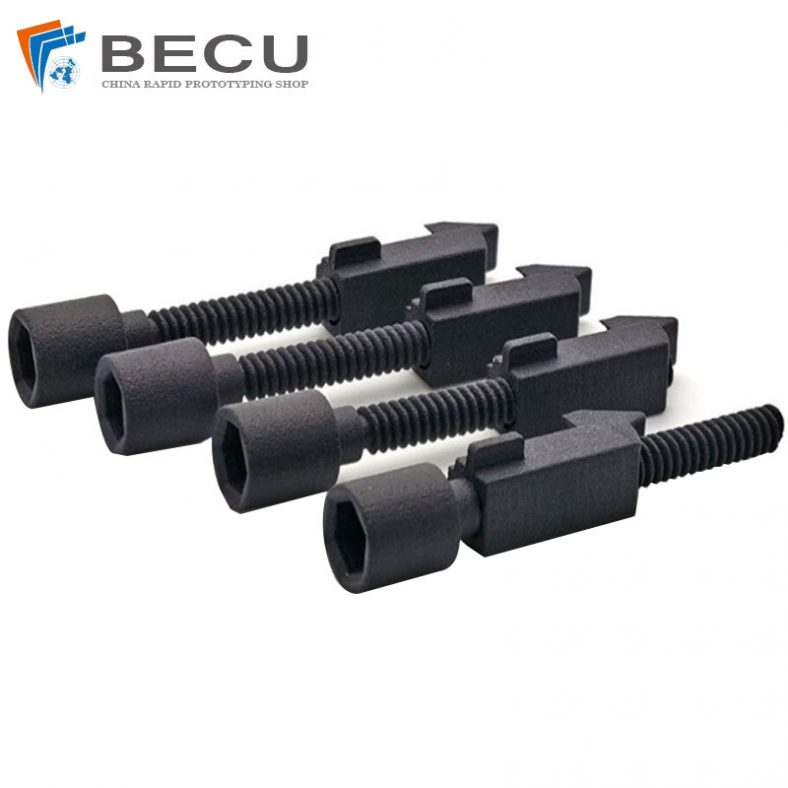
Black Nylon Medical Threaded Screw By MJF 3D Printing