
Heat treatment processes play a crucial role in enhancing the mechanical properties of various steel grades, particularly high-strength steels, dual-phase (DP) steels, and martensitic steels. This article reviews current research trends, methodologies, and applications of heat treatment techniques to optimize the performance of these materials across diverse industries.
1. Introduction
The introduction of high-strength steels has revolutionized many sectors, particularly automotive and aerospace, by offering improved strength-to-weight ratios. Heat treatment, which includes processes such as annealing, quenching, and tempering, is essential in achieving the desired mechanical properties of these materials. This article focuses on three critical categories of steel: high-strength steel, DP steel, and martensitic steel, exploring recent advancements in heat treatment methodologies.
2. High-Strength Steel
The matrix structure is martensite, and the TRIP martensitic steel (TM steel) that effectively utilizes the martensite-austenite mixed phase (MA phase) is expected to become 1.5MPa for cold stamping and hot stamping of car parts Grade ultra-high-strength steel plate. Previous research reports pointed out that the retained austenite (R) characteristics of TM steel will vary greatly due to the difference in cooling rate after austenitization. There are research reports on the influence of the cooling rate after austenitization on the tensile properties and impact toughness of TM steel.
2.1 Definition and Composition
High-strength steel refers to steel grades that offer enhanced yield strength and tensile strength. Common compositions include carbon, manganese, and microalloying elements that contribute to their mechanical properties.
2.2 Heat Treatment Techniques
Various heat treatment techniques are employed to improve the properties of high-strength steels:
- Quenching and Tempering: This process increases toughness while maintaining strength.
- Austempering: Used to produce a bainitic microstructure, enhancing strength and ductility.
- Normalizing: Helps refine grain structure and improve uniformity.
2.3 Recent Research Trends
- Nano-structuring: Investigating the effects of nano-scale precipitates on strength and toughness.
- Thermal Cycling: Studying the impact of cyclic heating and cooling on fatigue resistance.
- Additive Manufacturing: Exploring the heat treatment of high-strength steels produced via additive methods.
3. Dual-Phase (DP) Steel
3.1 Definition and Composition
DP steel is characterized by its microstructure, consisting of a soft ferrite matrix with hard martensitic islands. This combination provides a unique balance of strength and ductility.
3.2 Heat Treatment Techniques
The heat treatment of DP steels aims to control phase transformation:
- Intercritical Annealing: Achieving a specific balance between phases to optimize mechanical properties.
- Stress Relief Annealing: Reducing residual stresses without significantly altering the microstructure.
3.3 Recent Research Trends
- Microstructural Optimization: Focus on adjusting the heat treatment to refine the distribution of martensite and ferrite.
- Effects of Alloying Elements: Studying the influence of alloying additions on the heat treatment response and mechanical properties.
- Thermomechanical Processing: Investigating the integration of heat treatment with mechanical deformation processes.
4. Martensitic Steel
The tensile properties of DP steel are greatly affected by the hardness and volume ratio of martensite (hereinafter referred to as “M”) as a strengthened structure. Moreover, it is well known that the ductile fracture behavior of DP steel is closely related to M. However, with regard to changes in the composition of the steel sheet and heat treatment conditions, not only the hardness of M will change, but also the volume fraction and shape of M will also change at the same time. Therefore, it is difficult to simply evaluate the effect of M hardness on ductile fracture behavior. Evaluation. A research report investigated the influence of M hardness on the tensile properties and hollow formation of DP steel with tempering control hardness.
4.1 Definition and Composition
Martensitic steel is characterized by its high hardness and strength due to the formation of a martensitic microstructure during rapid cooling from the austenitizing temperature.
4.2 Heat Treatment Techniques
Key heat treatment processes include:
- Austenitizing: Heating steel to transform its structure into austenite before quenching.
- Tempering: Reheating martensitic steel to reduce brittleness and improve toughness.
4.3 Recent Research Trends
- Phase Transformation Kinetics: Exploring the mechanisms behind phase transformations during heat treatment.
- Simulation and Modeling: Utilizing computational techniques to predict heat treatment outcomes and optimize processes.
- Surface Hardening Techniques: Investigating methods such as carburizing and nitriding to enhance surface properties.
5. Applications
The ongoing research into the heat treatment of high-strength steel, DP steel, and martensitic steel continues to evolve, driven by the need for enhanced performance in various applications. Innovations in heat treatment techniques, coupled with advances in material science, are paving the way for new possibilities in the use of these advanced steels.
5.1 Automotive Industry
High-strength steels and DP steels are extensively used in automotive applications for their lightweight and high-performance characteristics.
5.2 Aerospace Sector
Martensitic steels are crucial in aerospace applications where high strength and fatigue resistance are required.
5.3 Structural Applications
These steels are used in construction and heavy machinery, where durability and performance under load are critical.
6. Conclusion
Ultra-high-strength TRIP-type martensitic steel (TM steel) with a matrix of lath martensite structure has ultra-high strength and good stretch flangeability, so it is expected to become a new generation of high-strength steel plates for automobiles. The TM steel is produced by performing isothermal transformation treatment (IT treatment) below the martensitic transformation end temperature (Mf), but there are few research reports on the influence of IT treatment temperature on formability. The research report investigated the influence of IT treatment temperature on the tensile properties and formability of TM steel sheets. In addition, there are research reports on the relationship between the formability of the TM steel sheet, the fine structure and the metallic structure such as the characteristics of retained austenite (R).
With the increase in strength of steel materials, martensite is used in various steels. However, because the martensite structure is fine and complex, and the strengthening mechanism is not simple, it is very complicated to find out the mechanism to increase the strength. In addition, there are original austenite grains, flaky structure and lath structure in martensite, and there are still many unclear points about their influence on the mechanical properties of steel. Therefore, some research reports have used the nano-molding method to measure the hardness in the martensite, and studied the influence of the martensite structure on the hardness of the steel.
The Detail Of BE-CU Die Casting Company
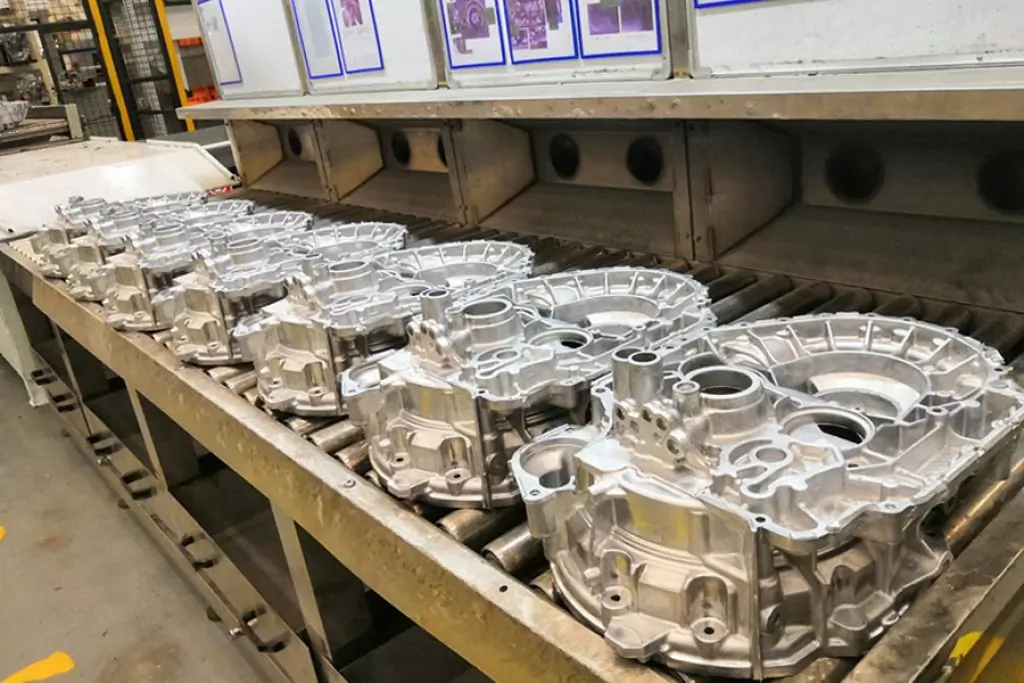
If you are looking for dependable volume manufacturing metal parts supplier with High pressure die casting service who offers you competitive price, good service and quality for aluminium die casting, zinc, or magnesium die casting, then BE-CU Prototype are surely a partner you are looking for to fulfill all your die casting needs. With quality service and state of art technology, BE-CU indeed claim in providing quality pressure die casting including aluminum/zamak/magnesium alloy castings to our customers all over the world.
To work with us,be-cu don’t just stop at taking your order and delivering your die casting products. be-cu are there for you at every step right from your preferred selection of aluminum die casting, Zamak die casting (Zamak 2, Zamak 3, Zamak 5, Zamak 8) or magnesium die casting products and services to post-order phase. In brief, once you become our customer, be-cu are with you every step on the way.
-
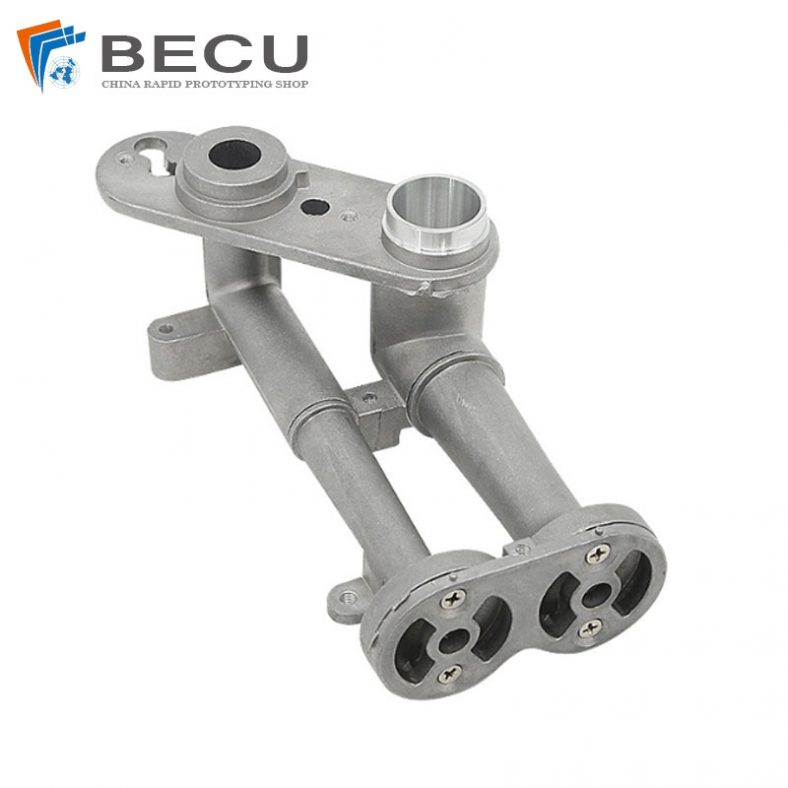
CNC Machining Gas Stove Bottom Joint
-
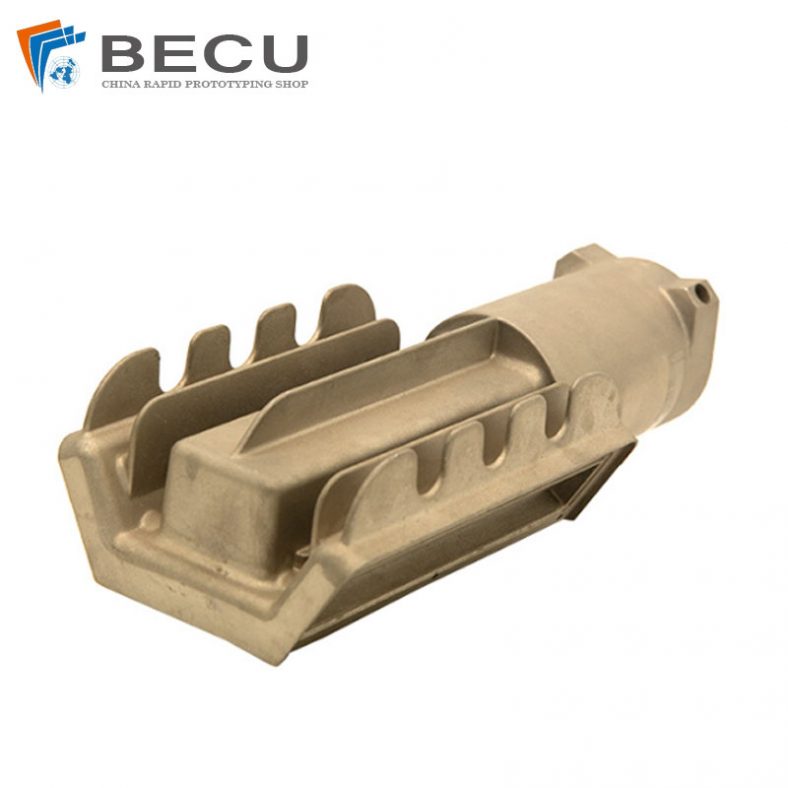
Gravity Die Casting Custom Street Light Heat Sink
-
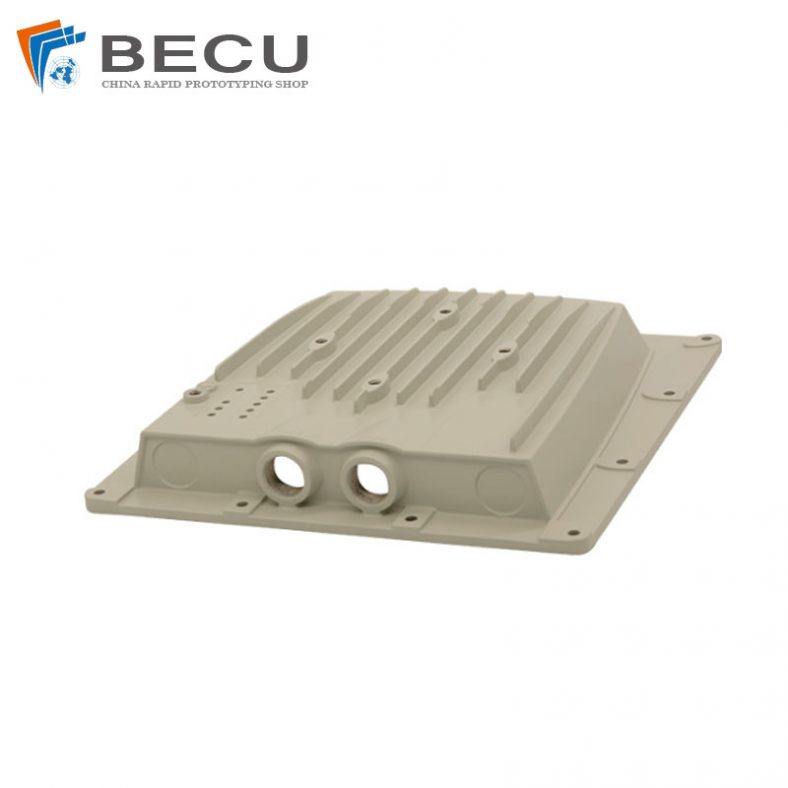
Die Casting LED Canopy Lights Heatsink For Gas Station
-
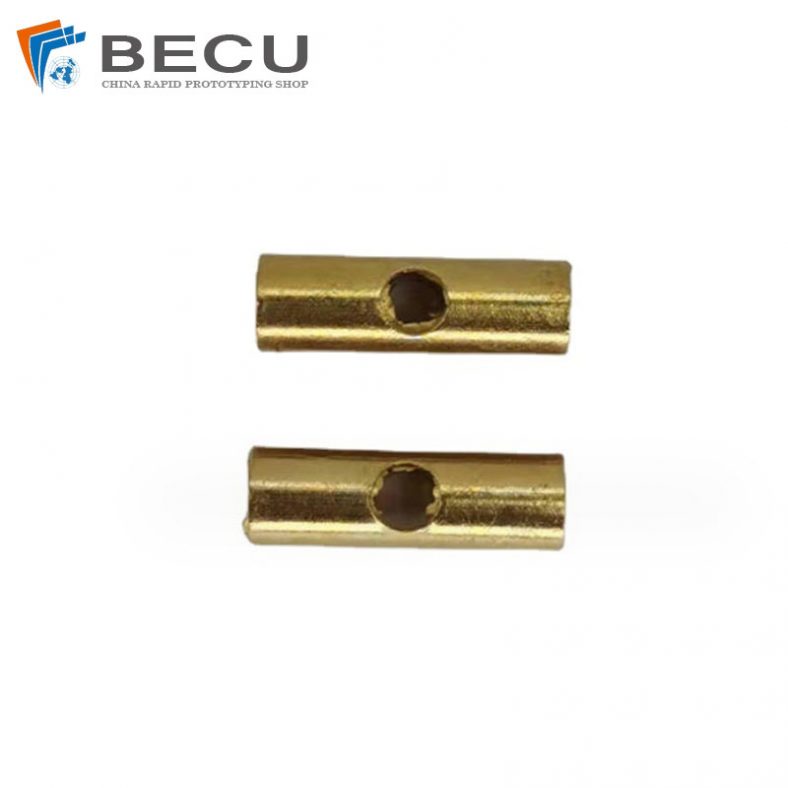
Zinc Die Casting PA10 Transformer Connector Terminal
-
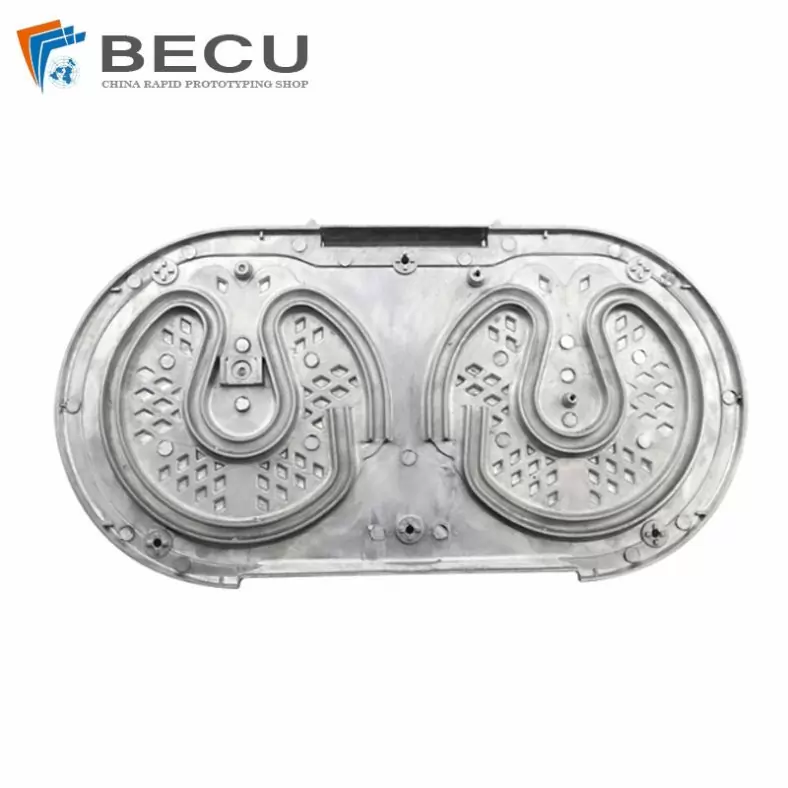
Die Casting Aluminium Cookware Chassis
-
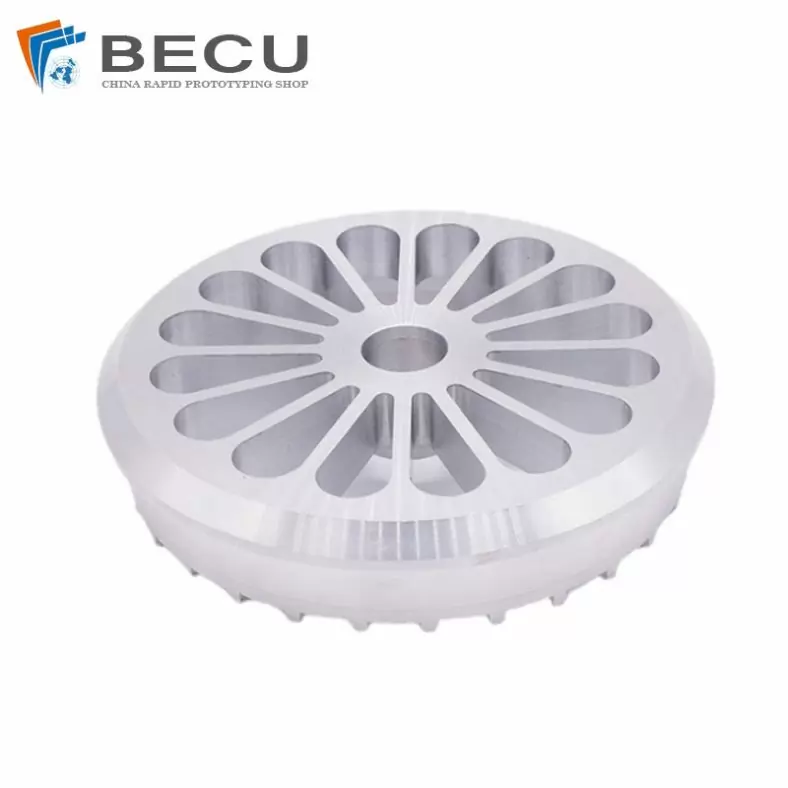
Die Casting Wheels With Aluminum Alloy 5 Axis CNC Machining
-
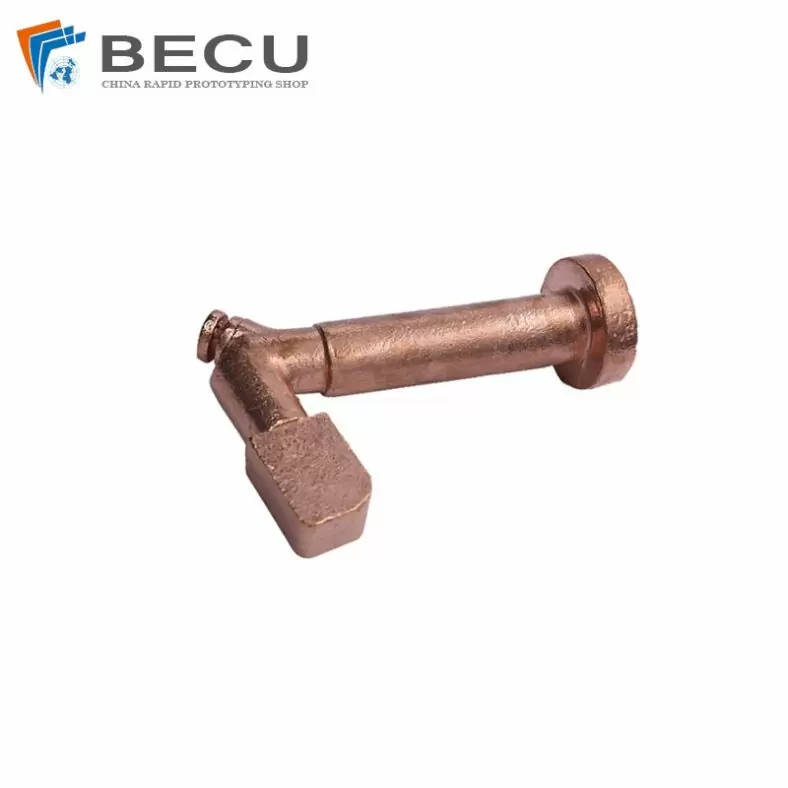
Precision Machined Copper Die Casting Parts
-
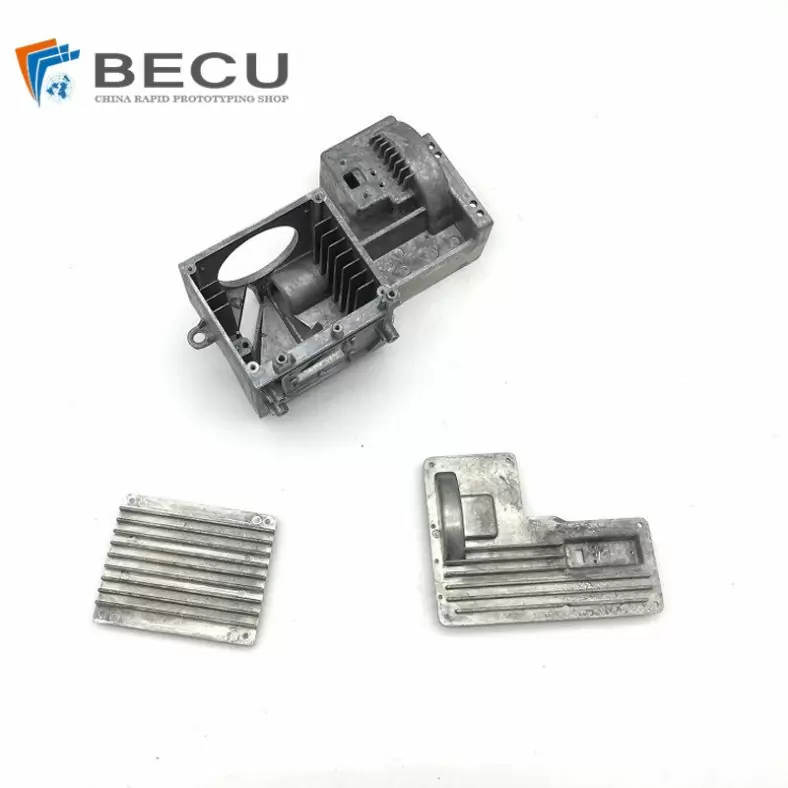
Professional Small Baler Aluminum Alloy Die-casting Mold Production
-
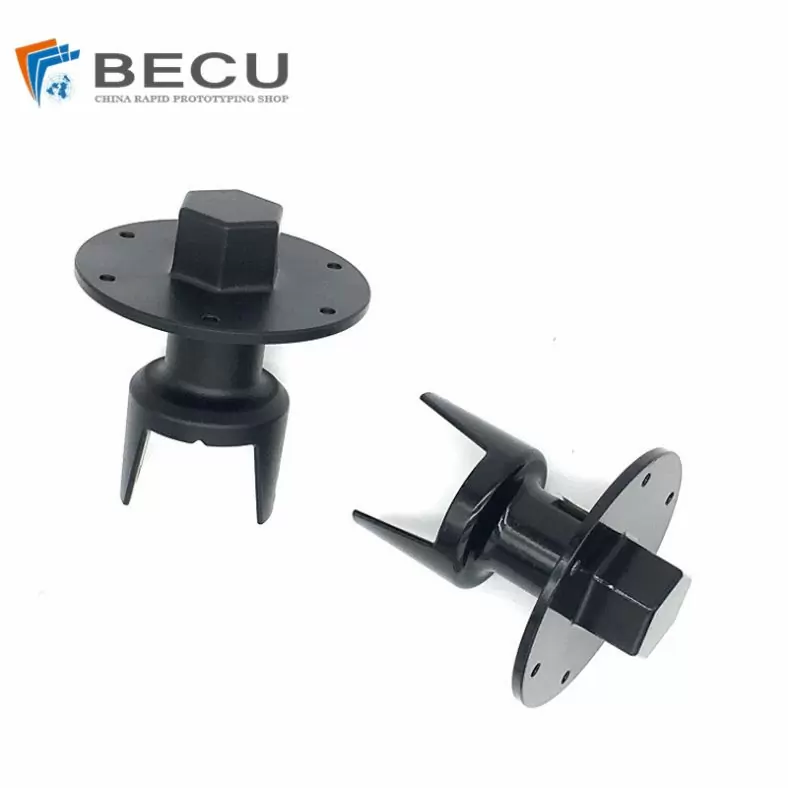
China Die Casting Factory Manufactures Surface Sprayed Aluminum Valve Body
-
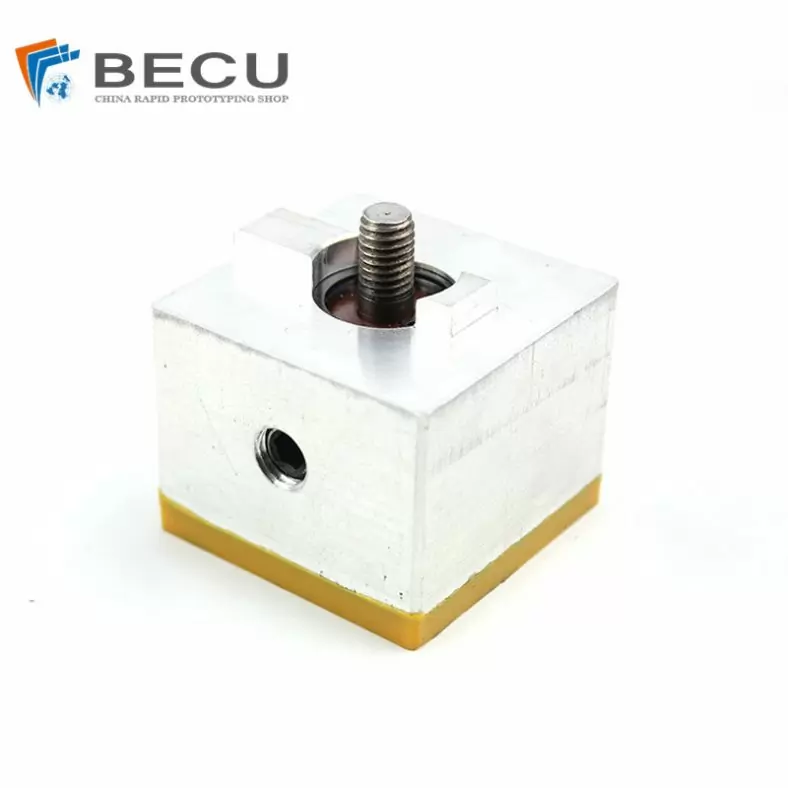
Extrusion Die-casting Polyurethane-Coated Aluminum Alloy Profiles
-
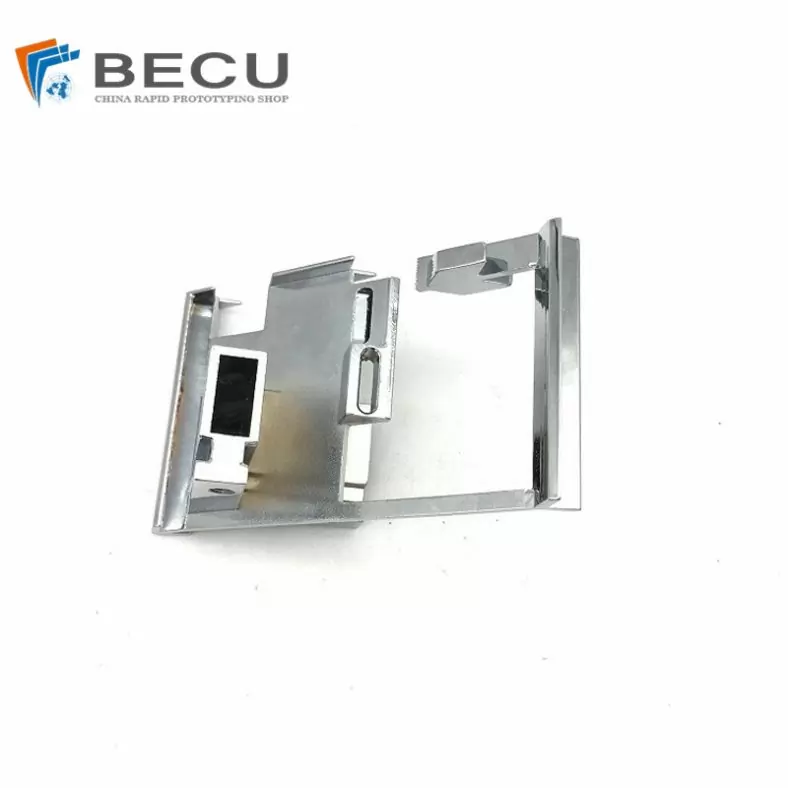
Custom Precision Aluminum Die Cast Brackets and Finishes
-
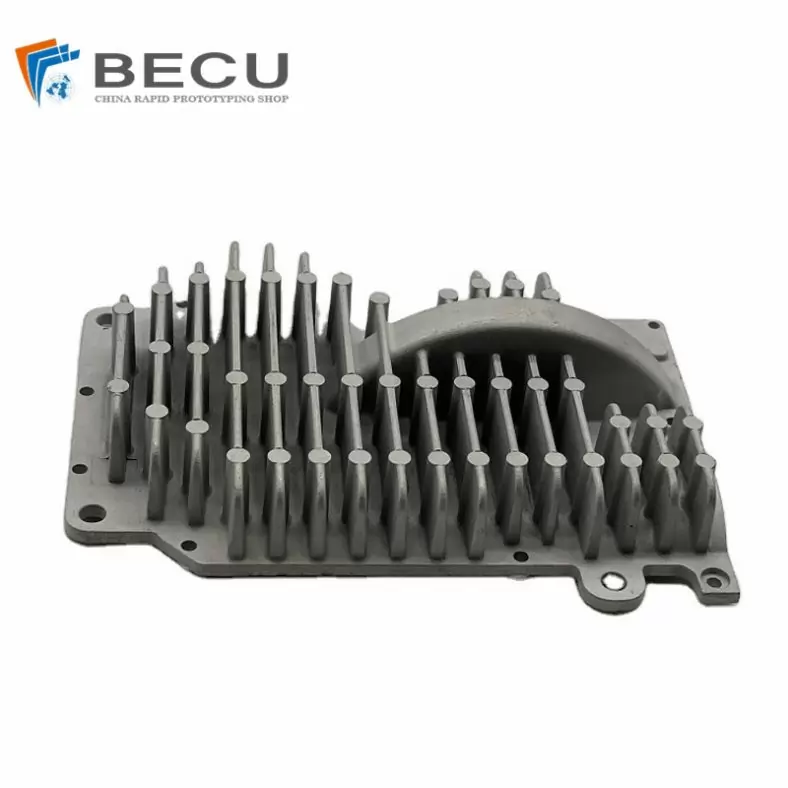
Extrusion Die-casting Magnesium Alloy Heat Sink Shell