
Set screws, also known as grub screws, are specialized fasteners designed to secure an object to another without the use of a protruding head, making them ideal for applications requiring a flush or recessed fastening solution. Unlike traditional screws, set screws are fully threaded and rely on frictional or mechanical resistance at their tip to hold components in place, such as gears, pulleys, or collars on shafts. Their versatility, compact design, and ability to deliver precise fastening make them indispensable in industries ranging from automotive and aerospace to electronics and furniture manufacturing.
This article provides a comprehensive exploration of set screw sizes, both in metric and inch-based standards, their types, torque specifications, and dimensional characteristics. It includes detailed size charts, explanations of thread profiles, material considerations, and torque recommendations, alongside comparisons of various point styles and drive types. The goal is to serve as a definitive resource for engineers, designers, and hobbyists seeking to understand and apply set screws effectively in their projects.
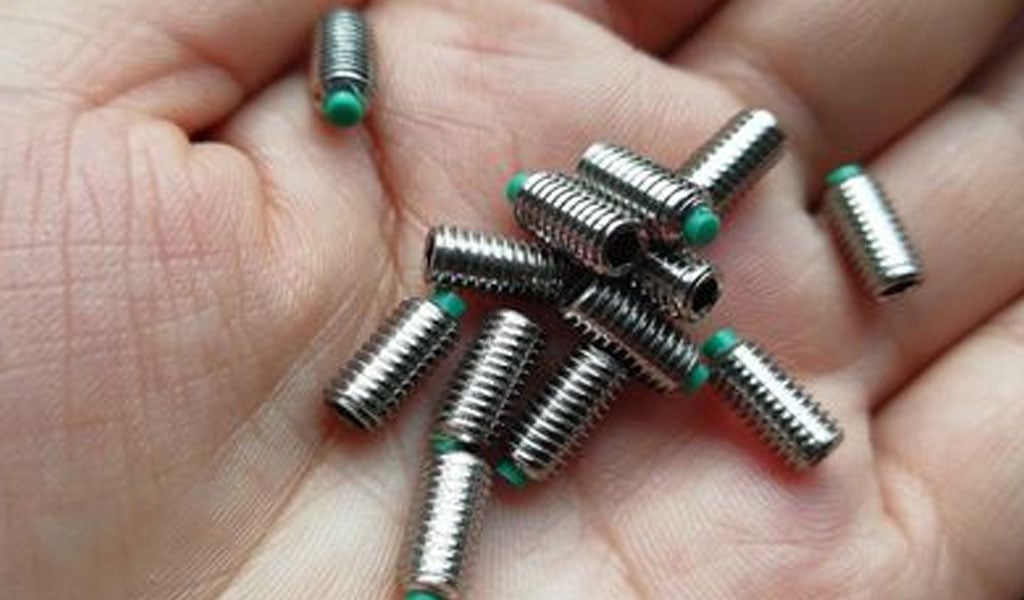
What Is Set Screws
Set screws are a category of threaded fasteners characterized by their lack of a head, allowing them to be driven entirely into a threaded hole for a flush or submerged fit. They are primarily used to secure one object within or against another, such as fixing a rotating component like a gear or pulley to a shaft. The fastening mechanism relies on the screw’s tip pressing against the mating surface, creating resistance to movement through friction or indentation. This makes set screws particularly valuable in applications where space constraints or aesthetic considerations preclude the use of protruding fasteners.
The design of a set screw includes several key features:
- Thread: The helical ridge that allows the screw to be driven into a threaded hole. Threads may follow metric or imperial standards, with coarse or fine pitches affecting strength and application suitability.
- Drive Type: The recess or feature used to apply torque, such as a hex socket, slotted, or Torx drive.
- Point Style: The shape of the screw’s tip, which determines how it interacts with the mating surface (e.g., cup, flat, cone, dog, or knurled cup points).
- Length: The total threaded portion, measured from the tip to the opposite end (excluding the drive recess).
- Material: Typically steel, stainless steel, brass, or nylon, chosen based on strength, corrosion resistance, or environmental factors.
Set screws are standardized under international systems such as the International Organization for Standardization (ISO) for metric sizes and the American National Standards Institute (ANSI) for inch-based sizes. These standards ensure compatibility and consistency across applications, with specifications like ISO 4026 (hexagon socket set screws with flat point) and ANSI B18.3 (socket set screws) providing detailed dimensional guidelines.
Historical Context of Set Screws
The development of set screws parallels the evolution of threaded fasteners, which began in earnest during the Industrial Revolution. Early fasteners were hand-crafted, with inconsistent threads that limited their reliability. The introduction of standardized thread systems in the 19th century, such as the Whitworth thread in Britain and the Sellers thread in the United States, paved the way for mass-produced screws, including set screws.
The invention of the socket drive, attributed to the Allen Manufacturing Company in the early 20th century, revolutionized set screw design by enabling higher torque application with reduced risk of stripping. This innovation led to the widespread adoption of hex socket set screws in industrial applications. Over time, advancements in materials science and manufacturing precision further refined set screw performance, with modern screws offering enhanced strength, corrosion resistance, and specialized coatings for demanding environments.
Today, set screws are integral to countless mechanical assemblies, from precision instruments to heavy machinery. Their standardization across metric and inch systems reflects the globalized nature of engineering, with manufacturers adhering to rigorous quality controls to meet diverse industry needs.
Set Screw Standards and Specifications
Set screws are governed by a range of standards that define their dimensions, tolerances, and performance characteristics. These standards ensure interchangeability and reliability across different manufacturers and applications. The primary standards for set screws include:
- Metric Standards:
- ISO 4026: Hexagon socket set screws with flat point.
- ISO 4027: Hexagon socket set screws with cone point.
- ISO 4028: Hexagon socket set screws with dog point.
- ISO 4029: Hexagon socket set screws with cup point.
- ISO 7434: Slotted set screws with cone point.
- ISO 7435: Slotted set screws with flat point.
- Inch Standards:
- ANSI/ASME B18.3: Socket set screws, covering hex and spline socket types.
- ANSI/ASME B18.6.2: Slotted set screws.
- SAE J429: Mechanical and material requirements for externally threaded fasteners, including set screws.
These standards specify critical parameters such as thread diameter, pitch, length, point style, and drive type. For example, a metric set screw designated as M6 x 1.0 x 16 indicates a nominal thread diameter of 6 mm, a thread pitch of 1.0 mm (distance between threads), and a length of 16 mm. Similarly, an inch-based set screw labeled 1/4-20 x 1 denotes a 1/4-inch nominal diameter, 20 threads per inch (TPI), and a 1-inch length.
Thread Profiles
Threads are a defining feature of set screws, determining their holding strength and ease of installation. The two primary thread systems are:
- Metric Threads: Based on the ISO metric screw thread system, metric threads are denoted by the letter “M” followed by the nominal diameter in millimeters and the pitch in millimeters (e.g., M8 x 1.25). Metric threads are available in coarse and fine pitches, with coarse threads being the default unless specified otherwise. Coarse threads have a larger pitch, making them easier to install and more resistant to thread damage, while fine threads offer greater strength and precision for high-vibration environments.
- Inch Threads: Based on the Unified Thread Standard (UTS), inch threads are identified by the nominal diameter (in fractions of an inch) and the number of threads per inch (TPI). For example, a 5/16-18 screw has a 5/16-inch diameter and 18 TPI. Inch threads are classified as Unified National Coarse (UNC) or Unified National Fine (UNF), with UNC being more common for general-purpose applications due to its robustness and ease of assembly.
The choice between metric and inch threads depends on regional standards, equipment compatibility, and application requirements. Metric threads dominate in Europe and Asia, while inch threads are prevalent in North America.
Types of Set Screws
Set screws are categorized by their point style and drive type, each tailored to specific applications. The following sections detail the primary types, their characteristics, and their uses.
Point Styles
The point style of a set screw refers to the shape of its tip, which affects how it engages with the mating surface. Common point styles include:
- Cup Point: The most widely used point style, featuring a concave, cup-shaped tip that digs into the mating surface to create strong holding power. Cup point set screws are ideal for permanent or semi-permanent installations, such as securing gears or pulleys to shafts. They provide excellent resistance to rotational and axial movement but may damage softer materials.
- Flat Point: A flat-tipped screw designed for applications where minimal surface damage is desired. Flat point set screws distribute pressure evenly across the contact area, making them suitable for securing soft materials like aluminum or plastic. They are also used in adjustable assemblies, as they allow repositioning without significant wear.
- Cone Point: A pointed tip that penetrates deeply into the mating surface, offering maximum holding strength. Cone point set screws are used in applications requiring precise alignment or high resistance to shear forces, such as positioning components on hardened shafts. However, their deep penetration can make removal difficult.
- Dog Point: A cylindrical tip with a flat end, designed to engage with a corresponding groove or flat on the mating surface. Dog point set screws are used for semi-permanent assemblies where precise location is critical, such as aligning components in machinery. The flat tip reduces surface damage compared to cup or cone points.
- Knurled Cup Point: A variation of the cup point with a knurled surface on the tip, providing enhanced grip and resistance to vibration. Knurled cup point set screws are used in high-vibration environments, such as automotive or aerospace applications, where loosening is a concern.
- Oval Point: A rounded tip that minimizes surface damage while providing moderate holding strength. Oval point set screws are used in applications requiring frequent adjustments or where the mating surface is curved, such as securing collars on tubing.
Each point style has unique advantages and limitations, influencing its suitability for specific tasks. For example, cup and knurled cup points excel in high-torque applications, while flat and oval points are better for delicate or adjustable assemblies.
Drive Types
The drive type determines how torque is applied to the set screw, affecting installation ease and resistance to stripping. Common drive types include:
- Hex Socket (Allen): The most common drive type, featuring an internal hexagonal recess that accepts an Allen wrench. Hex socket set screws allow high torque application with minimal risk of cam-out (slipping), making them ideal for industrial and mechanical applications. Their compact design suits confined spaces.
- Slotted: A single slot across the top of the screw, driven by a flathead screwdriver. Slotted set screws are simple and cost-effective but prone to cam-out, limiting their use to low-torque applications or where compatibility with existing tools is required.
- Phillips: A cross-shaped recess driven by a Phillips screwdriver. Phillips set screws offer better torque transfer than slotted drives but are less common in set screws due to their larger recess size, which can weaken smaller screws.
- Torx (Star): A six-pointed star-shaped recess that provides excellent torque transfer and resistance to cam-out. Torx set screws are used in high-precision or high-vibration applications, such as electronics or automotive assemblies, where reliability is critical.
- Square (Robertson): A square-shaped recess driven by a matching square driver. Square drive set screws are rare but offer good torque transfer and resistance to stripping, primarily used in North American applications.
- Spline Socket: A specialized drive with a multi-toothed recess, offering high torque capacity and security against unauthorized removal. Spline socket set screws are used in niche applications requiring tamper resistance.
The choice of drive type depends on factors such as torque requirements, tool availability, and the need for tamper resistance. Hex socket drives dominate due to their balance of strength, accessibility, and versatility.
Set Screw Size Charts
Set screw sizes are standardized to ensure compatibility across applications, with metric and inch systems providing a range of diameters, pitches, and lengths. The following sections present detailed size charts for both systems, organized by point style and drive type, followed by explanations of how to read and apply the data.
Metric Set Screw Size Chart
Metric set screws are specified by their nominal diameter (M), thread pitch, and length, all measured in millimeters. The charts below cover common sizes for hex socket and slotted set screws across various point styles, based on ISO standards (e.g., ISO 4026, ISO 4029).
Hex Socket Set Screws (Cup Point, ISO 4029)
| Nominal Size | Thread Pitch (mm) | Length Range (mm) | Drive Size (mm) | Torque (Nm, Steel, Class 12.9) |
|---|---|---|---|---|
| M1.6 | 0.35 | 2–12 | 0.7 | 0.09 |
| M2 | 0.4 | 2–16 | 0.9 | 0.18 |
| M2.5 | 0.45 | 3–20 | 1.3 | 0.37 |
| M3 | 0.5 | 3–25 | 1.5 | 0.66 |
| M4 | 0.7 | 4–30 | 2.0 | 1.5 |
| M5 | 0.8 | 5–40 | 2.5 | 3.0 |
| M6 | 1.0 | 6–50 | 3.0 | 5.2 |
| M8 | 1.25 | 8–60 | 4.0 | 12.5 |
| M10 | 1.5 | 10–80 | 5.0 | 25.0 |
| M12 | 1.75 | 12–100 | 6.0 | 43.0 |
| M16 | 2.0 | 16–120 | 8.0 | 105.0 |
| M20 | 2.5 | 20–150 | 10.0 | 205.0 |
| M24 | 3.0 | 25–200 | 12.0 | 360.0 |
Notes:
- Thread pitch is coarse unless specified otherwise (fine pitches available for some sizes, e.g., M8 x 1.0).
- Lengths are nominal and may vary by manufacturer; custom lengths are available.
- Torque values are for clean, dry threads in steel (Class 12.9); reduce by 25–30% for lubricated threads.
- Drive size refers to the width of the hex key required.
Hex Socket Set Screws (Flat Point, ISO 4026)
| Nominal Size | Thread Pitch (mm) | Length Range (mm) | Drive Size (mm) | Torque (Nm, Steel, Class 12.9) |
|---|---|---|---|---|
| M2 | 0.4 | 2–16 | 0.9 | 0.15 |
| M3 | 0.5 | 3–25 | 1.5 | 0.55 |
| M4 | 0.7 | 4–30 | 2.0 | 1.3 |
| M5 | 0.8 | 5–40 | 2.5 | 2.5 |
| M6 | 1.0 | 6–50 | 3.0 | 4.5 |
| M8 | 1.25 | 8–60 | 4.0 | 10.0 |
| M10 | 1.5 | 10–80 | 5.0 | 20.0 |
| M12 | 1.75 | 12–100 | 6.0 | 35.0 |
Notes:
- Flat point screws have lower torque values than cup point screws due to reduced surface penetration.
- Suitable for applications requiring minimal surface damage.
Slotted Set Screws (Cone Point, ISO 7434)
| Nominal Size | Thread Pitch (mm) | Length Range (mm) | Slot Width (mm) | Torque (Nm, Steel, Class 8.8) |
|---|---|---|---|---|
| M3 | 0.5 | 4–20 | 0.8 | 0.4 |
| M4 | 0.7 | 5–25 | 1.0 | 0.9 |
| M5 | 0.8 | 6–30 | 1.2 | 1.8 |
| M6 | 1.0 | 8–40 | 1.6 | 3.0 |
| M8 | 1.25 | 10–50 | 2.0 | 7.0 |
Notes:
- Slotted drives are prone to cam-out; torque values are conservative.
- Cone point screws are used for high holding strength but may damage the mating surface.
Inch Set Screw Size Chart
Inch-based set screws follow the Unified Thread Standard (UTS), with sizes specified by nominal diameter, threads per inch (TPI), and length in inches. The charts below cover hex socket and slotted set screws for common point styles, based on ANSI/ASME B18.3.
Hex Socket Set Screws (Cup Point, ANSI B18.3)
| Nominal Size | Threads per Inch (TPI) | Length Range (in) | Drive Size (in) | Torque (ft-lb, Steel, Grade 8) |
|---|---|---|---|---|
| #0 | 80 | 0.06–0.25 | 0.028 | 0.02 |
| #1 | 64 | 0.06–0.38 | 0.035 | 0.04 |
| #2 | 56 | 0.06–0.50 | 0.035 | 0.06 |
| #3 | 48 | 0.08–0.50 | 0.050 | 0.09 |
| #4 | 40 | 0.08–0.75 | 0.050 | 0.15 |
| #5 | 40 | 0.12–1.00 | 1/16 | 0.22 |
| #6 | 32 | 0.12–1.00 | 1/16 | 0.30 |
| #8 | 32 | 0.12–1.25 | 5/64 | 0.55 |
| #10 | 24 | 0.12–1.50 | 3/32 | 0.80 |
| 1/4 | 20 | 0.19–2.00 | 1/8 | 2.5 |
| 5/16 | 18 | 0.25–2.50 | 5/32 | 5.0 |
| 3/8 | 16 | 0.25–3.00 | 3/16 | 9.0 |
| 1/2 | 13 | 0.38–4.00 | 1/4 | 22.0 |
| 5/8 | 11 | 0.50–5.00 | 5/16 | 45.0 |
| 3/4 | 10 | 0.75–6.00 | 3/8 | 80.0 |
Notes:
- TPI is for UNC threads; UNF threads (e.g., 1/4-28) are available for finer applications.
- Torque values are for clean, dry threads; reduce by 25–30% for lubricated threads.
- Drive size is the width of the hex key in inches.
Hex Socket Set Screws (Dog Point, ANSI B18.3)
| Nominal Size | Threads per Inch (TPI) | Length Range (in) | Drive Size (in) | Torque (ft-lb, Steel, Grade 8) |
|---|---|---|---|---|
| #4 | 40 | 0.12–0.75 | 0.050 | 0.12 |
| #6 | 32 | 0.12–1.00 | 1/16 | 0.25 |
| #8 | 32 | 0.12–1.25 | 5/64 | 0.45 |
| #10 | 24 | 0.12–1.50 | 3/32 | 0.65 |
| 1/4 | 20 | 0.25–2.00 | 1/8 | 2.0 |
| 5/16 | 18 | 0.25–2.50 | 5/32 | 4.0 |
| 3/8 | 16 | 0.38–3.00 | 3/16 | 7.5 |
Notes:
- Dog point screws require a matching groove or flat on the mating surface.
- Torque values are slightly lower than cup point screws due to reduced penetration.
Slotted Set Screws (Flat Point, ANSI B18.6.2)
| Nominal Size | Threads per Inch (TPI) | Length Range (in) | Slot Width (in) | Torque (ft-lb, Steel, Grade 5) |
|---|---|---|---|---|
| #6 | 32 | 0.12–0.75 | 0.031 | 0.20 |
| #8 | 32 | 0.12–1.00 | 0.039 | 0.35 |
| #10 | 24 | 0.12–1.25 | 0.047 | 0.50 |
| 1/4 | 20 | 0.19–1.50 | 0.062 | 1.5 |
| 5/16 | 18 | 0.25–2.00 | 0.078 | 3.0 |
Notes:
- Slotted drives are less common in modern applications due to cam-out risks.
- Flat point screws are used for adjustable or soft-material applications.
How to Read Set Screw Sizes
Understanding set screw size designations is critical for selecting the correct fastener. Here’s how to interpret common notations:
- Metric Example: M6 x 1.0 x 16
- M6: Nominal thread diameter of 6 mm.
- 1.0: Thread pitch of 1.0 mm (coarse thread; fine pitch would be, e.g., 0.75 mm).
- 16: Length of 16 mm, measured from the tip to the flat end (excluding the drive recess).
- Inch Example: 1/4-20 x 1
- 1/4: Nominal thread diameter of 1/4 inch.
- 20: 20 threads per inch (UNC thread; UNF would be, e.g., 28 TPI).
- 1: Length of 1 inch.
These designations align with standardized charts, ensuring compatibility with threaded holes and mating components. Always verify the thread type (coarse vs. fine) and point style when selecting screws, as mismatches can lead to poor performance or damage.
Torque Specifications for Set Screws
Torque is the rotational force applied to tighten a set screw, ensuring it holds securely without damaging the screw or mating surface. Proper torque depends on factors such as screw size, material, point style, and lubrication. Excessive torque can strip threads or deform the screw, while insufficient torque may allow loosening under vibration or load.
Factors Affecting Torque
- Material Strength: Screws are classified by strength grades (e.g., Class 8.8, 12.9 for metric; Grade 5, 8 for inch). Higher grades allow greater torque but require precise control to avoid failure.
- Point Style: Cup and cone points typically allow higher torque due to deeper surface engagement, while flat and dog points require lower torque to prevent damage.
- Lubrication: Lubricated threads reduce friction, lowering the required torque by 25–30% compared to dry threads. Common lubricants include oil, wax, or anti-seize compounds.
- Mating Surface: Hardened surfaces (e.g., steel shafts) can withstand higher torque, while soft materials (e.g., aluminum) require reduced torque to avoid deformation.
- Drive Type: Hex and Torx drives support higher torque than slotted or Phillips drives, which are prone to cam-out.
Torque Recommendations
The following tables provide recommended torque values for common set screw sizes, based on steel screws with clean, dry threads. Values are approximate and should be adjusted based on specific conditions (e.g., lubrication, material hardness).
Metric Torque Chart (Hex Socket, Cup Point, Class 12.9)
| Nominal Size | Thread Pitch (mm) | Torque (Nm) | Notes |
|---|---|---|---|
| M3 | 0.5 | 0.66 | Suitable for light-duty assemblies |
| M4 | 0.7 | 1.5 | Common in electronics |
| M5 | 0.8 | 3.0 | General-purpose applications |
| M6 | 1.0 | 5.2 | Automotive and machinery |
| M8 | 1.25 | 12.5 | Heavy-duty assemblies |
| M10 | 1.5 | 25.0 | High-strength applications |
| M12 | 1.75 | 43.0 | Industrial machinery |
Notes:
- Class 12.9 represents high-strength steel; reduce torque for lower grades (e.g., Class 8.8).
- For flat or dog points, reduce torque by 10–20% to account for lower surface engagement.
- Verify torque with a calibrated torque wrench for critical applications.
Inch Torque Chart (Hex Socket, Cup Point, Grade 8)
| Nominal Size | Threads per Inch (TPI) | Torque (ft-lb) | Notes |
|---|---|---|---|
| #6 | 32 | 0.30 | Small electronics |
| #8 | 32 | 0.55 | Light machinery |
| #10 | 24 | 0.80 | General-purpose fastening |
| 1/4 | 20 | 2.5 | Automotive components |
| 5/16 | 18 | 5.0 | Medium-duty assemblies |
| 3/8 | 16 | 9.0 | Heavy machinery |
| 1/2 | 13 | 22.0 | Structural applications |
Notes:
- Grade 8 represents high-strength steel; reduce torque for Grade 5 or lower.
- Lubricated threads require 25–30% less torque.
- Use a torque wrench to ensure accuracy, especially for knurled cup points in high-vibration environments.
Torque Application Best Practices
To achieve optimal performance, follow these guidelines when applying torque:
- Clean Threads: Remove dirt, oil, or debris from the screw and threaded hole to ensure consistent friction.
- Use Proper Tools: Select the correct drive tool (e.g., hex key, Torx driver) to avoid stripping the recess.
- Apply Gradually: Increase torque smoothly to prevent sudden stress on the screw or mating surface.
- Verify Material Compatibility: Ensure the screw’s strength grade matches the application’s requirements.
- Test Under Load: For critical assemblies, test the joint under operating conditions to confirm holding strength.
- Consider Locking Mechanisms: In high-vibration environments, use thread-locking compounds (e.g., Loctite) or knurled cup points to prevent loosening.
Torque values are guidelines, and actual requirements may vary based on specific conditions. Always consult manufacturer specifications and conduct testing for critical applications.
Materials and Finishes
Set screws are manufactured from a variety of materials, each chosen for its mechanical properties, corrosion resistance, or cost-effectiveness. Common materials include:
- Steel: The most common material, available in various strength grades (e.g., Class 8.8, 12.9 for metric; Grade 5, 8 for inch). Steel set screws offer high strength and durability but may require coatings to prevent rust.
- Stainless Steel: Resistant to corrosion, making it ideal for outdoor or marine applications. Common grades include A2 (304) and A4 (316), with A4 offering superior resistance to saltwater.
- Brass: Non-magnetic and corrosion-resistant, used in electrical or decorative applications. Brass screws have lower strength than steel but are easier to machine.
- Nylon: Lightweight and non-conductive, used in electronics or low-strength applications. Nylon set screws resist corrosion but have limited torque capacity.
- Alloy Steel: Heat-treated for maximum strength, used in high-stress applications like aerospace or heavy machinery. Often paired with black oxide or zinc coatings.
- Titanium: Lightweight, strong, and highly corrosion-resistant, used in aerospace and medical devices. Titanium screws are expensive but excel in extreme environments.
Finishes and Coatings
To enhance performance, set screws are often treated with finishes or coatings:
- Black Oxide: A dark coating that provides mild corrosion resistance and reduces glare. Common on steel screws for indoor applications.
- Zinc Plating: A sacrificial coating that protects steel from rust. Available in clear or yellow variants, suitable for outdoor use.
- Nickel Plating: Offers corrosion resistance and a polished appearance, used in decorative or electronic applications.
- Passivation: A process for stainless steel that enhances its natural corrosion resistance by removing surface contaminants.
- Thread-Locking Compounds: Pre-applied coatings (e.g., nylon patches, anaerobic adhesives) that prevent loosening in high-vibration environments.
The choice of material and finish depends on the application’s environment, load requirements, and aesthetic preferences. For example, stainless steel with passivation is preferred for marine equipment, while black oxide steel suits indoor machinery.
Applications of Set Screws
Set screws are used across a wide range of industries and applications, leveraging their compact design and reliable holding power. Key applications include:
- Mechanical Assemblies: Securing gears, pulleys, couplings, and collars to shafts in motors, conveyors, and pumps. Cup and knurled cup points are common for high-torque needs.
- Electronics: Fastening components in circuit boards, enclosures, and connectors. Nylon or brass screws are used to avoid conductivity issues.
- Automotive: Holding timing gears, camshafts, and suspension components. Stainless steel or alloy steel screws resist corrosion and vibration.
- Aerospace: Positioning critical components in engines, actuators, and landing gear. Titanium or high-strength alloy screws meet stringent weight and durability requirements.
- Furniture: Securing knobs, hinges, and adjustable legs. Brass or nickel-plated screws provide both function and aesthetics.
- Precision Instruments: Aligning lenses, sensors, or stages in optical and scientific equipment. Flat or dog point screws allow fine adjustments without damage.
Each application demands specific point styles, materials, and torque settings to optimize performance. For example, knurled cup points are favored in automotive assemblies for their vibration resistance, while flat points are used in adjustable furniture to prevent surface marring.
Advantages and Limitations
Advantages
- Compact Design: No protruding head, allowing flush or recessed installation in tight spaces.
- Versatility: Available in various sizes, point styles, and materials to suit diverse applications.
- High Holding Power: Cup and cone points provide strong resistance to rotational and axial forces.
- Cost-Effective: Relatively inexpensive compared to other fasteners, with wide availability.
- Adjustability: Flat and dog points allow repositioning without significant wear, ideal for dynamic assemblies.
Limitations
- Surface Damage: Cup and cone points can deform or mar the mating surface, limiting their use on soft or finished materials.
- Limited Load Capacity: Not suitable for high-tensile loads, as they rely on friction or indentation rather than clamping force.
- Vibration Sensitivity: Without locking mechanisms, set screws may loosen in high-vibration environments unless knurled or thread-locked.
- Installation Precision: Requires accurately threaded holes and proper torque to avoid stripping or failure.
- Removal Difficulty: Cone points or deformed screws can be hard to remove, especially in permanent installations.
Understanding these trade-offs helps engineers select the appropriate set screw for their needs, balancing holding strength, adjustability, and durability.
Installation and Maintenance
Proper installation and maintenance are critical to ensuring set screw performance. Follow these steps for optimal results:
Installation
- Select the Correct Screw: Match the screw’s size, point style, and material to the application. Verify thread compatibility (metric vs. inch, coarse vs. fine).
- Prepare the Threaded Hole: Ensure the hole is clean, properly tapped, and sized to the screw’s specifications. Use a tap gauge to check thread quality.
- Align Components: Position the components (e.g., gear on shaft) accurately before inserting the screw to avoid misalignment stress.
- Insert the Screw: Hand-thread the screw initially to prevent cross-threading, then use the appropriate drive tool (e.g., hex key, torque wrench).
- Apply Torque: Tighten to the recommended torque value, using a calibrated torque wrench for precision. Avoid over-tightening, which can strip threads or damage the mating surface.
- Inspect the Assembly: Check for secure holding and proper alignment. Test under load if possible to confirm stability.
Maintenance
- Periodic Inspection: Check for signs of loosening, especially in high-vibration environments. Re-torque if necessary.
- Cleanliness: Remove dirt, corrosion, or debris from the screw and threaded hole to maintain performance.
- Replace Damaged Screws: If a screw shows signs of stripping, deformation, or corrosion, replace it to prevent failure.
- Lubrication: Apply thread-locking compounds or anti-seize agents as needed to enhance durability and ease future removal.
- Monitor Wear: In adjustable assemblies, inspect the mating surface for wear or indentation, which may indicate the need for a different point style.
Regular maintenance extends the lifespan of set screw assemblies, particularly in demanding applications like machinery or vehicles.
Comparison of Metric and Inch Set Screws
Metric and inch set screws serve similar functions but differ in their measurement systems, thread profiles, and regional prevalence. The table below compares key aspects:
| Feature | Metric Set Screws | Inch Set Screws |
|---|---|---|
| Standard | ISO (e.g., ISO 4026, 4029) | ANSI/ASME (e.g., B18.3, B18.6.2) |
| Diameter | Measured in mm (e.g., M6, M10) | Measured in inches (e.g., 1/4, 5/16) |
| Thread Pitch | Pitch in mm (e.g., 1.0, 1.25) | Threads per inch (TPI, e.g., 20, 24) |
| Thread Types | Coarse, Fine | UNC, UNF |
| Common Sizes | M1.6 to M24 | #0 to 3/4 |
| Torque Units | Newton-meters (Nm) | Foot-pounds (ft-lb) |
| Regional Use | Europe, Asia, global metric systems | North America, legacy imperial systems |
| Tool Compatibility | Metric hex keys, Torx drivers | Inch hex keys, standard screwdrivers |
| Availability | Widely available globally | Common in North America, less global |
Conversion Considerations
Converting between metric and inch sizes is not always straightforward, as exact equivalents may not exist. For example:
- An M6 screw (6 mm diameter) is close to a 1/4-inch screw (6.35 mm), but the thread pitch differs (1.0 mm vs. 20 TPI).
- A #10 screw (0.190 inches) approximates an M5 (5 mm), but TPI and pitch require careful matching.
Use conversion charts or digital calipers to select the closest equivalent, and verify compatibility with threaded holes and tools. Mixing metric and inch screws in the same assembly is generally discouraged to avoid thread mismatch.
Advanced Topics in Set Screw Design
For engineers and researchers, set screws present several advanced considerations, particularly in high-performance or specialized applications. These include:
Vibration Resistance
In high-vibration environments (e.g., engines, turbines), set screws are prone to loosening unless countermeasures are applied. Strategies include:
- Knurled Cup Points: Increase frictional grip to resist rotational forces.
- Thread-Locking Compounds: Anaerobic adhesives (e.g., Loctite) or nylon patches lock the screw in place.
- Double Set Screws: Using two screws in the same plane, offset by 90 degrees, distributes load and enhances stability.
- Preloaded Assemblies: Applying a secondary clamping force (e.g., a collar) reduces screw stress.
Fatigue and Failure Analysis
Set screws can fail under cyclic loading or improper installation. Common failure modes include:
- Thread Stripping: Caused by over-torquing or mismatched threads.
- Point Deformation: Cup or cone points may flatten under excessive force, reducing holding power.
- Fatigue Cracking: Repeated stress cycles can fracture the screw, especially in high-strength alloys.
- Surface Galling: Friction between stainless steel screws and mating threads can cause material transfer, locking the screw.
Finite element analysis (FEA) and torque-tension testing help predict and mitigate these failures, ensuring reliable performance.
Non-Metallic Set Screws
Non-metallic set screws, such as those made from nylon, PEEK, or ceramic, are used in specialized applications:
- Electronics: Non-conductive screws prevent electrical shorts in circuit boards.
- Medical Devices: Biocompatible materials like PEEK are used in implants or surgical tools.
- Chemical Processing: Ceramic screws resist corrosion in acidic or alkaline environments.
These materials have lower strength than metals, requiring careful torque control and larger sizes to achieve comparable holding power.
Micro Set Screws
In microelectronics and watchmaking, set screws as small as M0.6 or #000 are used for precision fastening. These screws require specialized tools (e.g., micro hex drivers) and pose unique challenges:
- Thread Forming: Tapping holes for micro screws demands high precision to avoid thread damage.
- Torque Control: Ultra-low torque values (e.g., 0.01 Nm) require sensitive torque wrenches or drivers.
- Material Selection: Stainless steel or titanium is common to balance strength and corrosion resistance.
Micro set screws are critical in applications like smartphone assemblies, where space and weight are at a premium.
Environmental and Safety Considerations
Set screws, like all fasteners, must be selected with environmental and safety factors in mind:
- Corrosion: In outdoor or humid environments, use stainless steel, zinc-plated, or coated screws to prevent rust, which can weaken the fastener and compromise the assembly.
- Temperature Extremes: High temperatures (e.g., in engines) require alloy steel or titanium screws to maintain strength, while low temperatures (e.g., cryogenics) demand materials resistant to brittleness.
- Toxicity: Avoid materials like lead-coated screws in food-processing or medical applications to prevent contamination.
- Safety Hazards: Ensure screws are fully seated to avoid protrusion, which can cause injury or interfere with moving parts.
Compliance with standards like RoHS (Restriction of Hazardous Substances) and REACH (Registration, Evaluation, Authorisation, and Restriction of Chemicals) is essential for global markets, particularly in electronics and consumer goods.
Conclusion:Future Trends in Set Screw Technology
As engineering demands evolve, set screw design and manufacturing are adapting to new challenges:
- Smart Fasteners: Integration of sensors to monitor torque, tension, or loosening in real-time, enhancing predictive maintenance in critical systems.
- Additive Manufacturing: 3D-printed set screws allow custom geometries or hybrid materials, tailored to specific applications.
- Sustainable Materials: Development of eco-friendly alloys or recycled materials to reduce environmental impact.
- Nanocoatings: Advanced coatings with self-healing properties or ultra-low friction to improve durability and ease of installation.
- Miniaturization: Continued demand for smaller, stronger screws in microelectronics and nanotechnology.
These innovations promise to expand the capabilities of set screws, maintaining their relevance in cutting-edge industries.
Set screws are a cornerstone of mechanical fastening, offering a compact, reliable solution for securing components in countless applications. Their standardized sizes, diverse point styles, and material options make them adaptable to both simple and complex engineering challenges. By understanding metric and inch size charts, torque specifications, and design considerations, users can select the optimal set screw for their needs, ensuring performance, safety, and longevity.
This article has provided a detailed exploration of set screws, from their historical roots to modern advancements, with comprehensive size charts and torque data to guide practical application. Whether in automotive, aerospace, electronics, or furniture, set screws remain an essential tool for engineers and designers worldwide, embodying the principles of precision and functionality in fastening technology.
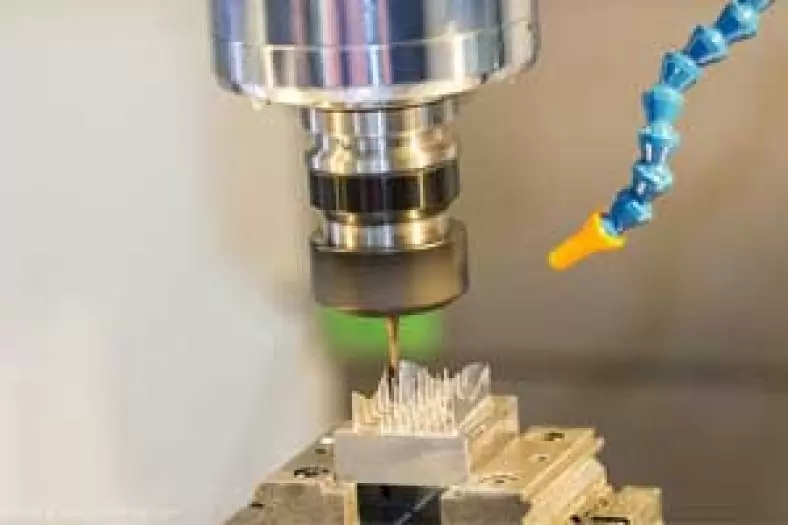
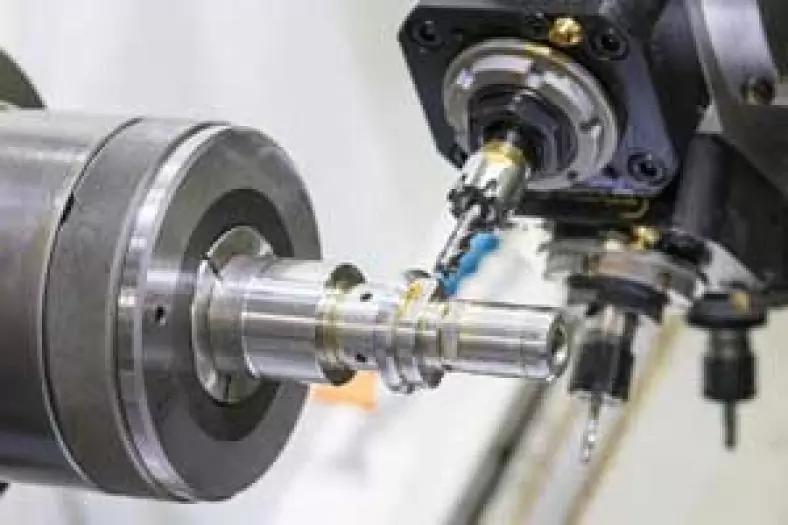
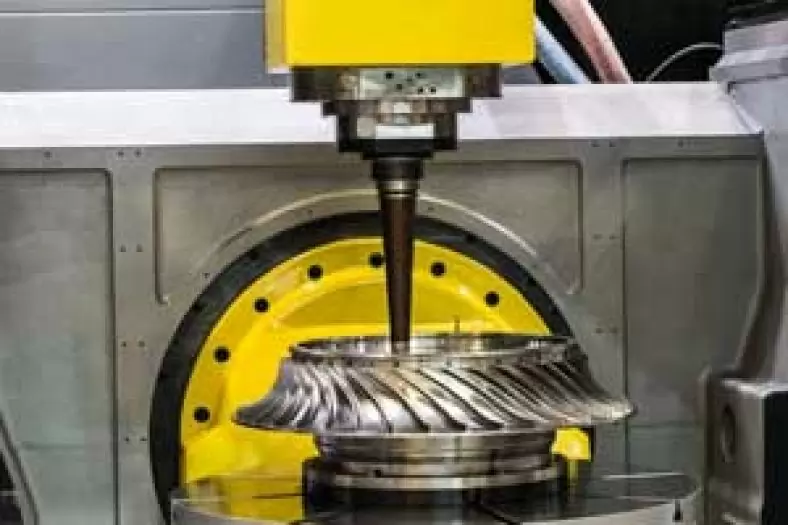
The Detail Of BE-CU Cnc Machining Shop
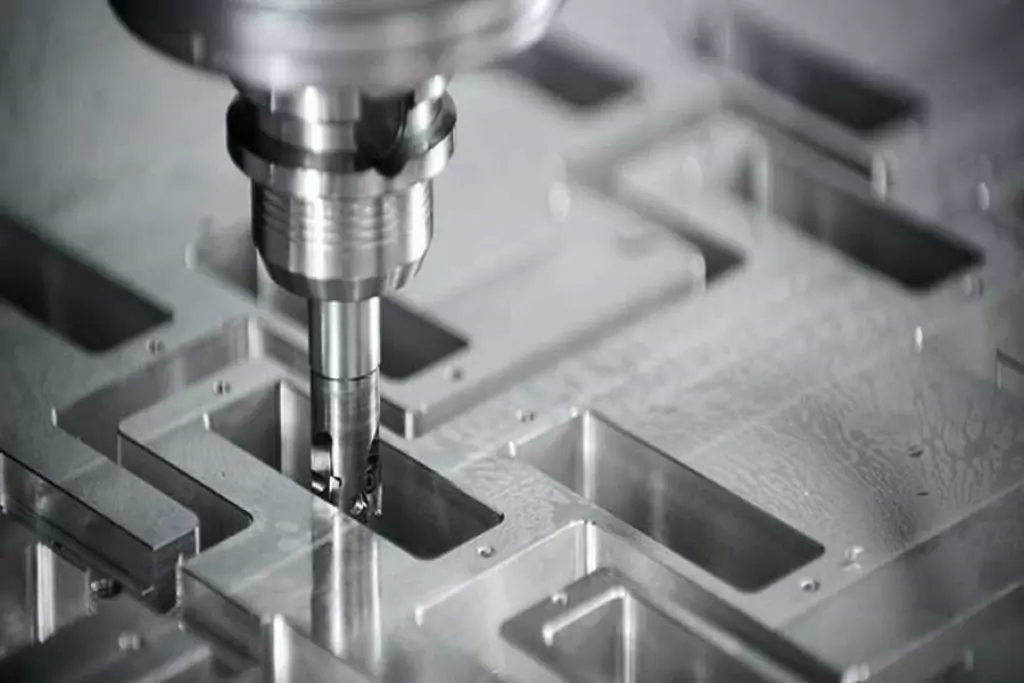
BE-CU.COM – As an accomplished CNC machining Service Manufacturer and CNC shop, BE-CU Prototype has been specialized in OEM CNC lathing, custom CNC machining parts production and rapid CNC machining services China for over 35 years and always maintaining the highest standard in delivery speed and reliable quality of precision CNC manufacturing components. With the help of high-level technology and efficient equipment, as well as rigorous attitude, BE-CU passed the ISO9001:2015 quality certification, which supports the long-term development of CNC milling services, CNC turning services, CNC milling-turning, CNC drilling services, 3/4/5 axis machining, gear machining services, CNC machining China custom parts and service, small parts machining, etc.Our CNC machining products can be utilized in a broad range of industries. Contact us for email: [email protected]
-
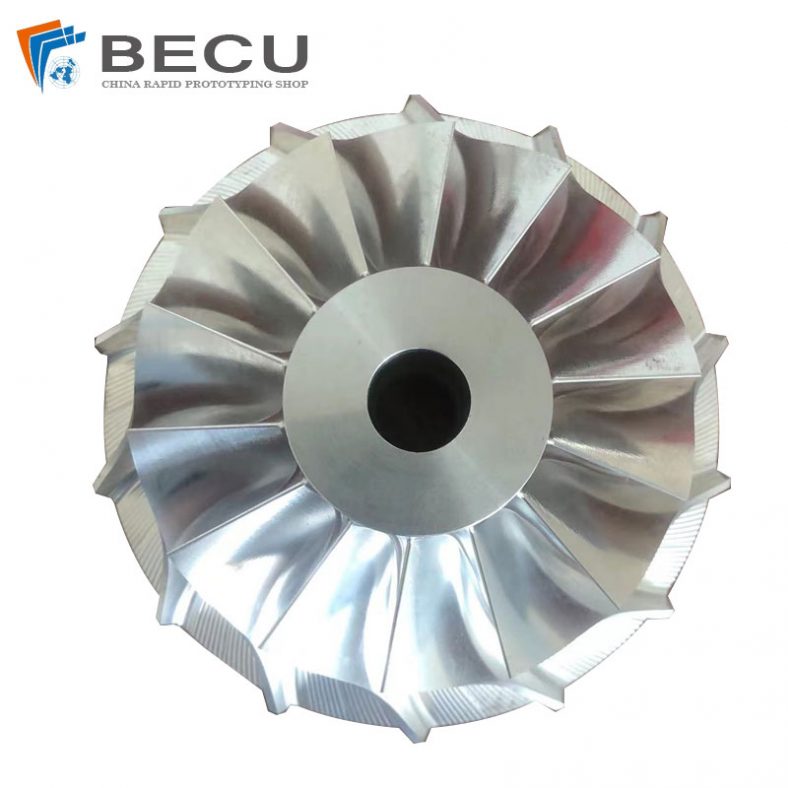
3-Way Centrifugal Compressor Closed Impeller By 5 Axis Machining
-
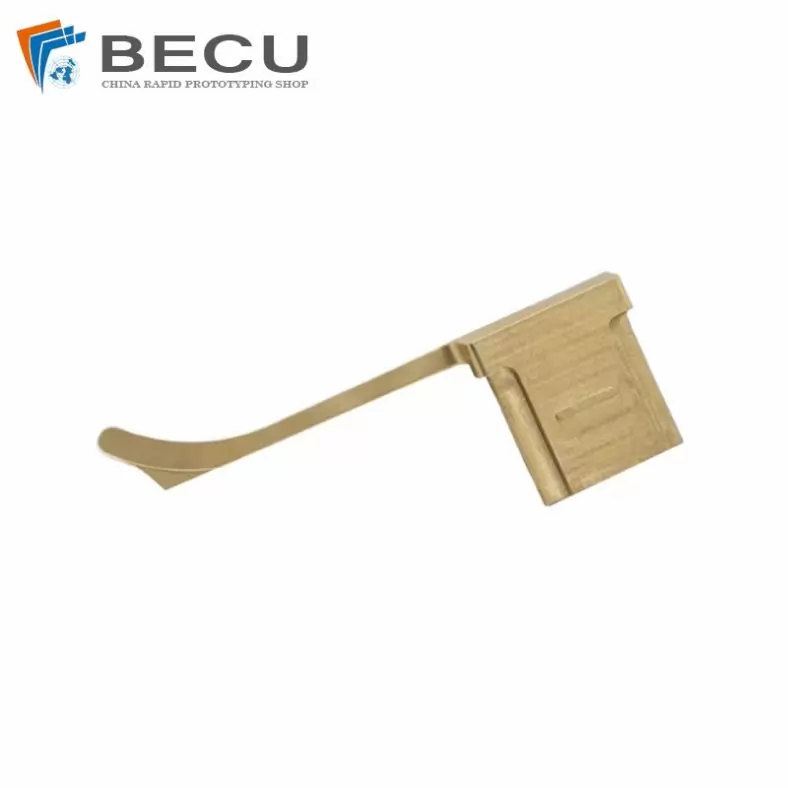
3/4/5 Axis Precision Milling Custom Vehicle Parts
-
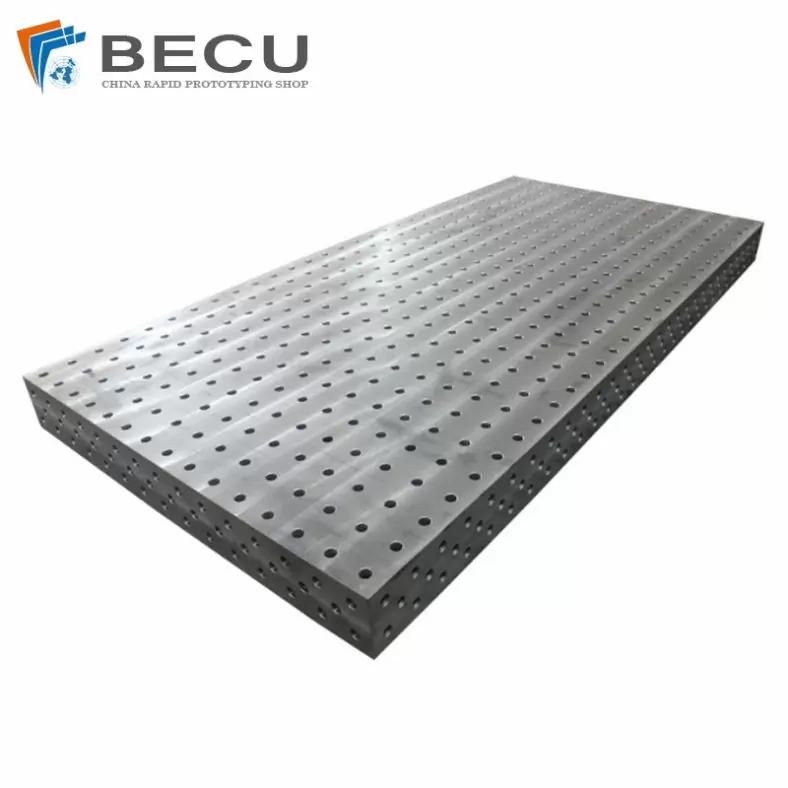
3D Flexible Welding Platform By Large Machining
-
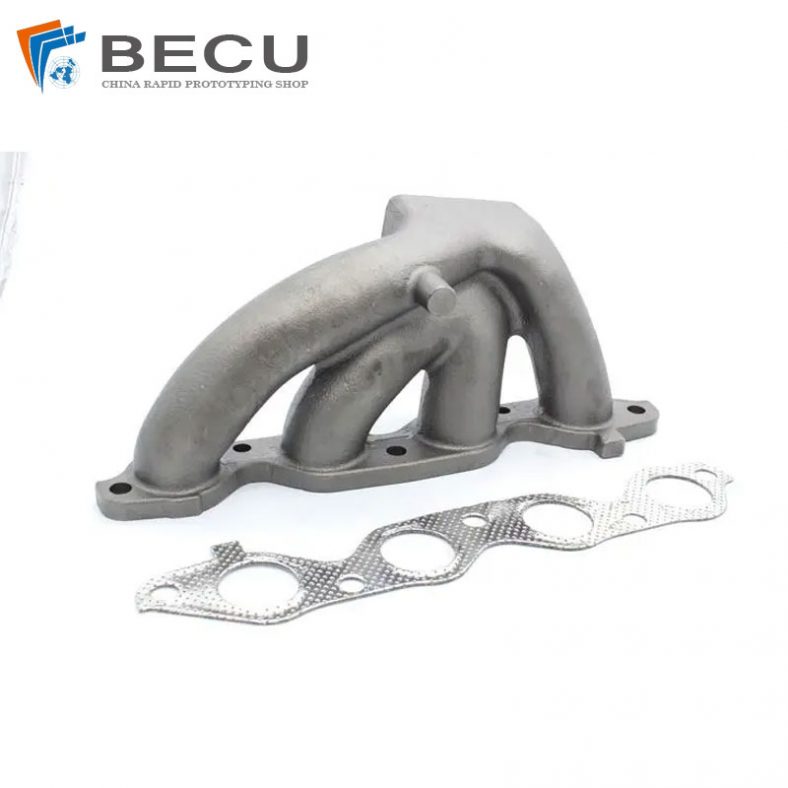
3D Printed Inconel Exhaust Manifold
-
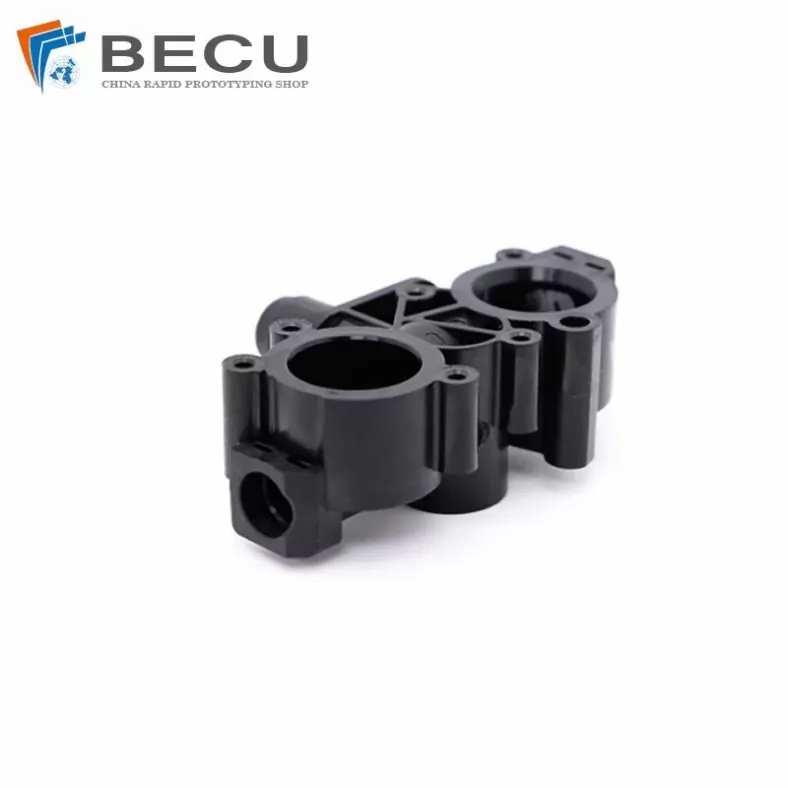
3D Printing And CNC Machining Custom Black PPS Valve
-
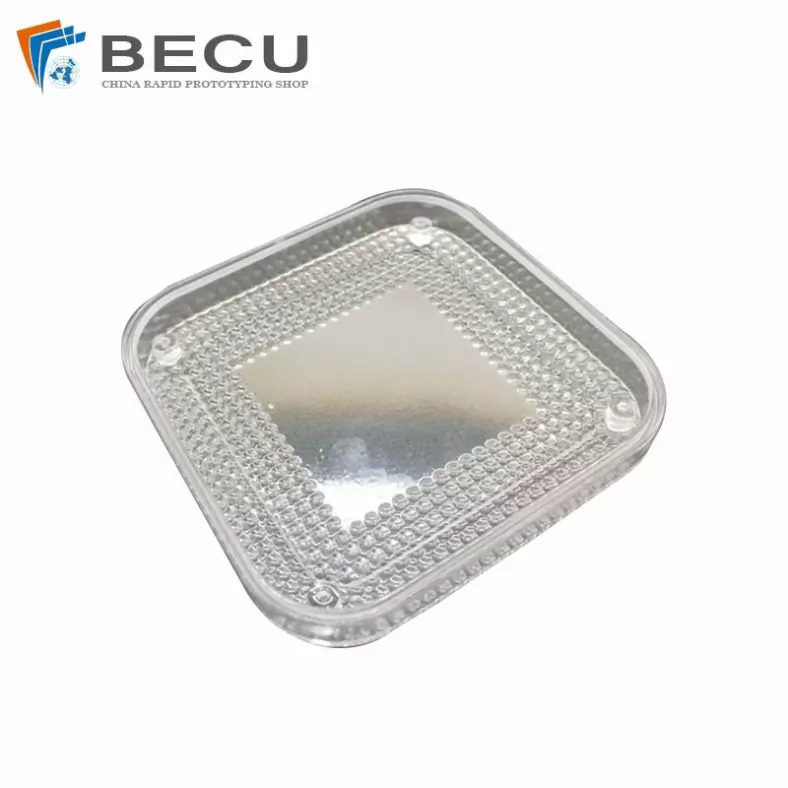
3D Printing Full Transparent Acrylic Lampshade Model
-
4 Axis CNC Machining Titanium Grade 5 Mobile Phone Buttons
-
4 Axis Machining Highly Transparent Acrylic LED Tunnel Light Lens