

The comparison between stainless steel and tungsten represents a fascinating intersection of metallurgy, material science, and engineering applications. Both materials, though vastly different in composition, properties, and uses, are cornerstones of modern industry and technology.
Stainless steel, an iron-based alloy renowned for its corrosion resistance and versatility, is ubiquitous in construction, manufacturing, and consumer goods. Tungsten, a refractory metal with exceptional hardness and high melting point, finds its niche in specialized applications such as aerospace, electronics, and high-temperature environments.
This article aims to provide a comprehensive, Wikipedia-style exploration of the key differences between stainless steel and tungsten, delving into their chemical compositions, physical and mechanical properties, manufacturing processes, applications, environmental impacts, and economic considerations.
The goal is to equip readers with a thorough understanding of these materials, supported by detailed comparisons and scientific insights. Through periodic section headings, we will systematically address each aspect of the materials, from their atomic structures to their roles in cutting-edge technologies. Tables will be used to present data clearly, allowing for direct comparisons of properties such as density, tensile strength, and corrosion resistance. Whether you are a materials scientist, engineer, or curious reader, this article seeks to illuminate the unique characteristics that make stainless steel and tungsten indispensable in their respective domains.
Overview of Stainless Steel and Tungsten
Stainless steel and tungsten are two materials that, despite their shared metallic nature, occupy vastly different niches in the realms of material science, engineering, and industry. Stainless steel, an iron-based alloy, is celebrated for its corrosion resistance, aesthetic appeal, and versatility across a wide range of applications, from kitchen appliances to skyscraper facades. Comprising primarily iron, chromium, and often nickel, stainless steel’s defining characteristic is its ability to resist rust and staining, making it a cornerstone of modern manufacturing and construction.
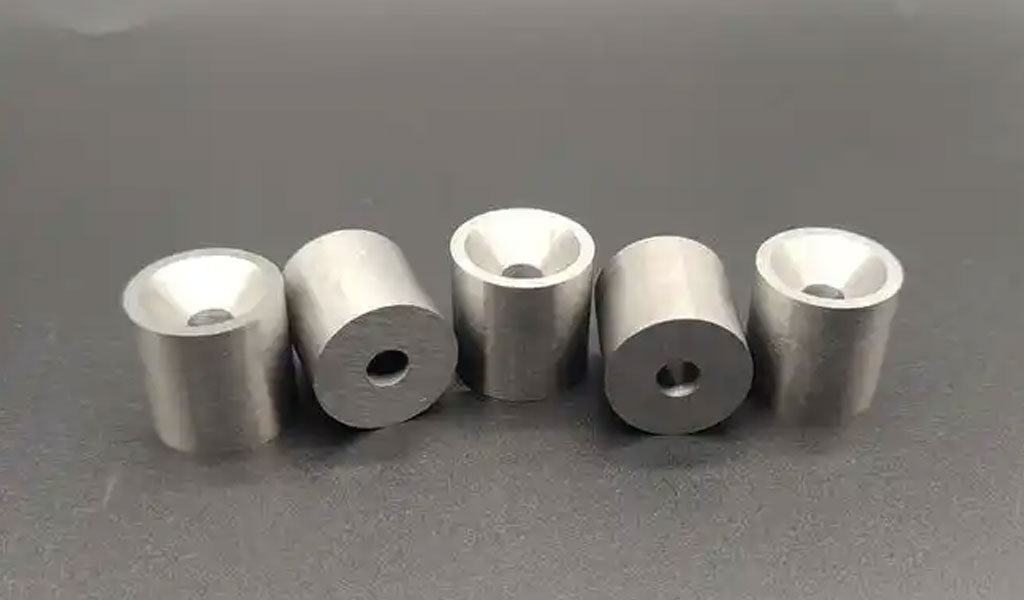
Tungsten, by contrast, is a pure elemental metal (atomic number 74) known for its extraordinary density, hardness, and high melting point, which is the highest of all metals at 3422°C. Often alloyed or used in compounds like tungsten carbide, it excels in extreme conditions, finding applications in cutting tools, aerospace components, and high-temperature environments. Its name, derived from the Swedish tung sten (“heavy stone”), reflects its remarkable density, nearly twice that of stainless steel.
The comparison between these materials is not merely academic but has profound implications for material selection in engineering and design. Understanding their differences—chemical, physical, and practical—enables informed decisions that balance performance, cost, and sustainability.
Importance of Material Selection in Engineering and Industry
Material selection is a critical process in engineering, where the choice of material can determine the success or failure of a project. Factors such as mechanical strength, durability, cost, availability, and environmental impact must be weighed against the specific requirements of an application. Stainless steel’s widespread use stems from its balance of affordability, workability, and corrosion resistance, making it ideal for applications where longevity and hygiene are paramount, such as in medical devices or food processing equipment.
Tungsten, while more expensive and challenging to process, is selected for applications demanding unparalleled hardness and heat resistance, such as in jet engine components or incandescent light bulb filaments. The trade-offs between these materials highlight the importance of aligning material properties with functional needs, a process that requires a deep understanding of their intrinsic characteristics.
This article explores these trade-offs, providing a detailed comparison to guide engineers, designers, and researchers in selecting the appropriate material for their specific needs.
Scope and Structure of the Article
This article aims to provide a comprehensive, Wikipedia-style analysis of stainless steel and tungsten, focusing on their key differences across multiple dimensions: chemical composition, physical and mechanical properties, manufacturing processes, applications, economic considerations, and environmental impacts. The structure is designed to be systematic, with periodic section headings to facilitate navigation and understanding. Each section includes comparative tables to present data clearly, supported by detailed discussions grounded in scientific principles. The article is intended for a broad audience, including materials scientists, engineers, and enthusiasts seeking a thorough understanding of these materials.
The following sections will trace the historical development of both materials, analyze their chemical and physical properties, and explore their practical applications, culminating in a holistic comparison that highlights their strengths and limitations.
Historical Background
Development of Stainless Steel
Early Discoveries in Corrosion-Resistant Steels
The quest for corrosion-resistant steel began in the 19th century as industrialization increased the demand for durable materials. Early experiments with iron-chromium alloys revealed that chromium enhanced resistance to rust, a discovery attributed to French metallurgist Pierre Berthier in 1821. Berthier noted that iron-chromium alloys resisted certain acids, but their brittleness limited practical use. Subsequent research in the late 19th and early 20th centuries focused on refining these alloys to improve workability and strength.
The breakthrough came in 1912 when Harry Brearley, a British metallurgist, developed a martensitic stainless steel containing 12–13% chromium while working at the Brown-Firth Research Laboratories in Sheffield, England. Brearley’s alloy, initially developed for gun barrels, resisted corrosion in humid environments, leading to its adoption in cutlery and industrial applications. This marked the birth of modern stainless steel, a material that would revolutionize multiple industries.
Key Milestones in Stainless Steel Production
The development of stainless steel progressed rapidly in the 20th century. In 1919, German scientists Elwood Haynes and others introduced nickel to stainless steel, creating austenitic grades like 304, which offered improved ductility and corrosion resistance. The invention of the electric arc furnace (EAF) in the early 20th century enabled large-scale production, while the argon oxygen decarburization (AOD) process, developed in the 1960s, allowed precise control over alloy composition, reducing costs and improving quality.
By the mid-20th century, stainless steel grades were standardized, with organizations like the American Iron and Steel Institute (AISI) defining categories such as 304, 316, and 430. These advancements cemented stainless steel’s role in construction, transportation, and consumer goods, with applications ranging from skyscraper cladding to surgical instruments.
Discovery and Evolution of Tungsten
Identification of Tungsten as an Element
Tungsten’s history begins in 1781, when Swedish chemist Carl Wilhelm Scheele identified it as a distinct element in the mineral wolframite. Named tungsten (from Swedish, meaning “heavy stone”), it was isolated in 1783 by Spanish brothers Juan José and Fausto Elhuyar, who reduced tungstic acid to produce the metal. Its high density and refractory properties were noted early, but its extreme melting point made processing challenging with the technology of the time.
Tungsten’s significance grew in the 19th century as metallurgists recognized its potential in high-temperature applications. By the late 1800s, tungsten was used in steel alloys to enhance hardness, laying the groundwork for its industrial applications.
Advancements in Tungsten Processing
The early 20th century saw significant progress in tungsten processing. In 1904, the development of tungsten filaments for incandescent light bulbs by William D. Coolidge revolutionized the lighting industry, capitalizing on tungsten’s high melting point and electrical conductivity. The advent of powder metallurgy in the 1920s enabled the production of pure tungsten and its alloys, such as tungsten carbide, which became critical for cutting tools and wear-resistant components.
World War II accelerated tungsten’s strategic importance, with its use in armor-piercing munitions and jet engine components. Modern advancements, including chemical vapor deposition (CVD) and sintering techniques, have further refined tungsten’s applications in electronics, aerospace, and medical devices.
Comparative Historical Timeline
| Year | Stainless Steel Milestone | Tungsten Milestone |
|---|---|---|
| 1781 | – | Carl Wilhelm Scheele identifies tungsten in wolframite |
| 1783 | – | Elhuyar brothers isolate tungsten metal |
| 1821 | Pierre Berthier discovers corrosion-resistant Fe-Cr alloys | – |
| 1904 | – | Tungsten filaments used in incandescent bulbs |
| 1912 | Harry Brearley develops martensitic stainless steel | – |
| 1919 | Austenitic stainless steel (nickel-added) developed | – |
| 1920s | – | Powder metallurgy enables tungsten processing |
| 1960s | AOD process enhances stainless steel production | – |
| 2000s | Advanced stainless steel grades for biomedical use | Tungsten alloys in aerospace and electronics |
This timeline illustrates the parallel yet distinct evolution of stainless steel and tungsten, reflecting their unique contributions to material science.
Chemical Composition
Stainless Steel: Alloying Elements
Role of Chromium, Nickel, and Molybdenum
Stainless steel is an iron-based alloy defined by its minimum chromium content of 10.5%, which forms a passive chromium oxide layer (Cr₂O₃) on the surface, conferring corrosion resistance. Chromium enhances resistance to oxidation and chemical attack, with higher percentages (e.g., 18% in grade 304) improving performance in harsh environments.
Nickel, present in austenitic grades like 304 and 316, stabilizes the austenitic crystal structure, improving ductility, toughness, and resistance to acids. Molybdenum, found in grades like 316, enhances pitting and crevice corrosion resistance, particularly in chloride-rich environments such as seawater.
Other elements, such as carbon, manganese, and silicon, are added in smaller quantities to fine-tune mechanical properties, workability, and weldability. The precise composition varies by grade, tailored to specific applications.
Common Grades (e.g., 304, 316, 430)
Stainless steel is categorized into families (austenitic, ferritic, martensitic, duplex) based on microstructure. Common grades include:
- Grade 304: 18% chromium, 8% nickel; widely used for general-purpose applications like kitchenware and piping.
- Grade 316: 16–18% chromium, 10–14% nickel, 2–3% molybdenum; ideal for marine and chemical environments.
- Grade 430: 16–18% chromium, no nickel; a ferritic grade used in appliances and automotive trim.
Each grade’s composition is optimized for specific properties, balancing cost and performance.
Tungsten: Elemental Properties
Atomic Structure and Purity
Tungsten (W, atomic number 74) is a transition metal in the periodic table’s group 6, characterized by its high atomic mass (183.84 u) and dense crystal structure (body-centered cubic, BCC). Its electron configuration ([Xe] 4f¹⁴ 5d⁴ 6s²) contributes to its exceptional stability and resistance to thermal deformation. Pure tungsten is typically 99.95% or higher in purity for industrial applications, as impurities can reduce its refractory properties.
Tungsten Alloys (e.g., Tungsten-Carbide, Tungsten-Rhenium)
While pure tungsten is used in applications like filaments, alloys enhance its versatility:
- Tungsten Carbide (WC): A compound of tungsten and carbon, known for extreme hardness (8.5–9 on the Mohs scale) and used in cutting tools and wear-resistant coatings.
- Tungsten-Rhenium (W-Re): Alloyed with 3–26% rhenium, this improves ductility and high-temperature strength, used in thermocouples and aerospace components.
These alloys leverage tungsten’s inherent properties while mitigating its brittleness.
Comparative Table: Chemical Composition
| Material | Primary Composition | Key Alloying Elements | Microstructure |
|---|---|---|---|
| Stainless Steel (304) | Fe (~70%), Cr (18%), Ni (8%) | Cr, Ni, Mn, Si, C | Austenitic |
| Stainless Steel (316) | Fe (~65%), Cr (16–18%), Ni (10–14%), Mo (2–3%) | Cr, Ni, Mo, Mn, Si, C | Austenitic |
| Stainless Steel (430) | Fe (~80%), Cr (16–18%) | Cr, Mn, Si, C | Ferritic |
| Tungsten (Pure) | W (99.95%+) | None | Body-Centered Cubic (BCC) |
| Tungsten Carbide | WC (W: 93.87%, C: 6.13%) | Carbon | Hexagonal |
| Tungsten-Rhenium | W (74–97%), Re (3–26%) | Rhenium | BCC (varies with Re%) |
Physical and Mechanical Properties
Density and Weight
Stainless steel has a density of approximately 7.8–8.0 g/cm³, depending on the grade, making it relatively lightweight compared to other metals. This moderate density contributes to its use in structural applications where weight is a consideration.
Tungsten, with a density of 19.25 g/cm³, is one of the densest metals, comparable to gold and uranium. This high density makes it ideal for applications requiring compact, heavy components, such as counterweights or radiation shielding, but it limits its use in weight-sensitive designs.
Melting Point and Thermal Properties
Stainless steel’s melting point ranges from 1400–1450°C, sufficient for most industrial applications but significantly lower than tungsten’s. Its thermal conductivity (16–20 W/m·K) is moderate, and its coefficient of thermal expansion (15–17 µm/m·K) can lead to distortion in high-temperature environments.
Tungsten’s melting point of 3422°C is unmatched among metals, making it ideal for extreme heat applications like furnace components. Its high thermal conductivity (173 W/m·K) and low thermal expansion (4.5 µm/m·K) ensure stability under thermal stress.
Hardness and Wear Resistance
Stainless steel grades like 304 and 316 have Vickers hardness values of 200–250, suitable for general-purpose applications but insufficient for high-wear environments. Martensitic grades (e.g., 440C) can reach higher hardness (up to 700 HV) through heat treatment.
Tungsten, particularly as tungsten carbide, exhibits exceptional hardness (3430 HV for WC), rivaling diamond. This makes it ideal for cutting tools and abrasive environments, though pure tungsten is less hard (300–400 HV) and more brittle.
Tensile Strength and Ductility
Stainless steel’s tensile strength varies by grade: 515–620 MPa for 304, up to 860 MPa for martensitic grades. Its ductility, especially in austenitic grades, allows it to be formed into complex shapes without fracturing.
Tungsten’s tensile strength ranges from 980–2000 MPa, but its brittleness limits ductility. Tungsten-rhenium alloys improve ductility, but tungsten remains less formable than stainless steel.
Corrosion Resistance
Stainless steel excels in corrosion resistance due to its chromium oxide layer. Grade 316, with molybdenum, resists pitting in chloride environments, making it ideal for marine applications.
Pure tungsten is moderately corrosion-resistant but oxidizes at high temperatures (>500°C). Tungsten carbide is more resistant to chemical attack but can corrode in specific acidic conditions.
Electrical and Thermal Conductivity
Stainless steel has moderate electrical conductivity (1.4% IACS for 304) due to its alloyed structure, limiting its use in electrical applications. Its thermal conductivity is relatively low, as noted earlier.
Tungsten’s high electrical conductivity (18% IACS) and thermal conductivity make it suitable for electrical contacts and filaments. Its resistivity remains stable at high temperatures, a key advantage in electronics.
Comparative Table: Physical and Mechanical Properties
| Property | Stainless Steel (304) | Tungsten (Pure) | Tungsten Carbide |
|---|---|---|---|
| Density (g/cm³) | 8.0 | 19.25 | 15.63 |
| Melting Point (°C) | 1400–1450 | 3422 | 2870 |
| Tensile Strength (MPa) | 515–620 | 980–2000 | 344–689 |
| Hardness (Vickers) | 200–250 | 300–400 | 3430 |
| Corrosion Resistance | Excellent | Moderate | Good |
| Thermal Conductivity (W/m·K) | 16.2 | 173 | 84 |
| Electrical Conductivity (% IACS) | 1.4 | 18 | 10–15 |
| Ductility | High | Low | Very Low |
Tungsten Extraction and Refining
Mining and Ore Processing
Tungsten is primarily extracted from two minerals: wolframite ((Fe,Mn)WO₄) and scheelite (CaWO₄). These ores are mined in regions like China, Russia, and Bolivia, which account for over 80% of global tungsten production. The mining process involves open-pit or underground methods, depending on the deposit’s geology.
Ore processing begins with crushing and grinding to liberate tungsten minerals from the host rock. Gravity separation, magnetic separation, or froth flotation concentrates the ore, producing a tungsten-rich material. Chemical processing then converts the ore into ammonium paratungstate (APT), a key intermediate. For wolframite, this involves alkali roasting followed by leaching with sodium hydroxide, while scheelite requires acid leaching with hydrochloric acid. The APT is purified through crystallization, ensuring high purity for subsequent processing.
Powder Metallurgy and Sintering
Tungsten’s high melting point (3422°C) precludes traditional melting and casting, making powder metallurgy the primary production method. APT is reduced to pure tungsten powder using hydrogen in a controlled furnace at 600–1000°C. The resulting powder, with particle sizes ranging from 1–10 micrometers, is the starting material for most tungsten products.
The powder is compacted into shapes (e.g., bars, rods) using high-pressure presses, often with a binder to improve cohesion. These “green” compacts are then sintered in a hydrogen or vacuum furnace at 2000–3000°C, just below tungsten’s melting point. Sintering bonds the particles, achieving near-theoretical density (up to 99.5%). For tungsten carbide, the tungsten powder is mixed with carbon (e.g., graphite) and sintered to form a hard, ceramic-like compound.
Further processing includes forging, swaging, or drawing to produce wires, rods, or sheets. For applications like cutting tools, tungsten carbide is often combined with cobalt as a binder and sintered to form cemented carbide. Chemical vapor deposition (CVD) or physical vapor deposition (PVD) may be used to apply tungsten coatings for wear resistance.
Challenges in Working with Each Material
Stainless Steel Challenges:
- Work Hardening: Austenitic stainless steels (e.g., 304, 316) harden during machining or forming, requiring specialized tools and slower cutting speeds to prevent tool wear.
- Sensitization: Welding can cause chromium carbide precipitation at grain boundaries, reducing corrosion resistance unless low-carbon grades (e.g., 304L) or stabilizers like titanium are used.
- Cost of Alloying Elements: Nickel and molybdenum price fluctuations can increase production costs, particularly for high-performance grades like 316.
- Surface Imperfections: Hot rolling or improper handling can introduce surface defects, necessitating additional finishing steps.
Tungsten Challenges:
- Brittleness: Pure tungsten is brittle at room temperature, complicating machining and forming. Alloying with rhenium or careful heat treatment mitigates this but increases costs.
- High Processing Temperatures: Tungsten’s refractory nature requires energy-intensive furnaces, increasing production costs and limiting scalability.
- Tool Wear: Machining tungsten or tungsten carbide rapidly wears tools, necessitating diamond or cubic boron nitride (CBN) tooling.
- Limited Formability: Tungsten’s low ductility restricts it to specific shapes, often requiring powder metallurgy or specialized techniques like hot forging.
Comparative Table: Manufacturing Processes
| Aspect | Stainless Steel | Tungsten |
|---|---|---|
| Raw Materials | Iron, chromium, nickel, scrap steel | Wolframite, scheelite |
| Primary Process | Electric Arc Furnace, AOD refining | Powder metallurgy, hydrogen reduction |
| Forming Techniques | Hot/cold rolling, forging, extrusion, welding | Compaction, sintering, swaging, CVD/PVD |
| Energy Intensity | Moderate (1600–1700°C melting) | High (2000–3000°C sintering) |
| Recyclability | High (up to 70% scrap used) | Limited (specialized recycling processes) |
| Key Challenges | Work hardening, sensitization | Brittleness, high processing temperatures |
| Scalability | High (large-scale production) | Limited (specialized facilities) |
Applications
The applications of stainless steel and tungsten reflect their distinct properties, with stainless steel dominating in versatile, corrosion-resistant applications and tungsten excelling in high-performance, extreme-condition environments. This section explores their primary uses, overlapping applications, and industry-specific roles.
Stainless Steel Applications
Construction and Architecture
Stainless steel is a cornerstone of modern construction due to its corrosion resistance, strength, and aesthetic appeal. Grades like 304 and 316 are used in structural components, cladding, and roofing, particularly in coastal or industrial environments where corrosion is a concern. Iconic structures, such as the Chrysler Building’s spire (New York) and the Gateway Arch (St. Louis), utilize stainless steel for durability and visual impact. Its ability to be polished or brushed enhances its use in architectural features like handrails, facades, and sculptures.
In infrastructure, stainless steel reinforces concrete in bridges and tunnels, resisting chloride-induced corrosion from de-icing salts. Duplex grades, combining austenitic and ferritic properties, are increasingly used for their high strength and corrosion resistance in demanding applications.
Medical and Food Industries
Stainless steel’s non-reactive, hygienic surface makes it ideal for medical and food applications. Grade 316L, with low carbon and high molybdenum, is used in surgical instruments, implants (e.g., hip replacements), and medical equipment like MRI scanners due to its biocompatibility and resistance to bodily fluids. Its ease of sterilization ensures compliance with stringent hygiene standards.
In the food industry, stainless steel is used for processing equipment, storage tanks, and utensils. Grade 304 is common in kitchen appliances (e.g., sinks, refrigerators) and brewery tanks, where its corrosion resistance prevents contamination and ensures longevity. The material’s smooth surface minimizes bacterial adhesion, critical for food safety.
Automotive and Aerospace
In the automotive sector, stainless steel is used for exhaust systems (grade 409), trim, and structural components, balancing cost, corrosion resistance, and formability. Its lightweight potential, compared to traditional steel, supports fuel efficiency in modern vehicles.
In aerospace, stainless steel appears in airframe components, fasteners, and engine parts. High-performance grades like 17-4 PH (precipitation-hardened) offer strength and corrosion resistance for landing gear and turbine blades, though titanium often competes in weight-critical applications.
Tungsten Applications
Cutting Tools and Industrial Machinery
Tungsten carbide, a compound of tungsten and carbon, dominates the cutting tool industry due to its extreme hardness (8.5–9 Mohs) and wear resistance. It is used in drill bits, milling cutters, and lathe tools for machining metals, composites, and ceramics. Cemented carbide, combining tungsten carbide with cobalt, enhances toughness, making it ideal for high-speed machining in manufacturing.
Tungsten’s durability extends to industrial machinery, where it is used in wear-resistant coatings, dies, and punches. Its ability to maintain structural integrity under heavy loads and abrasive conditions ensures long service life in mining and construction equipment.
Electronics and Lighting
Tungsten’s high melting point and electrical conductivity make it critical in electronics. Historically, tungsten filaments were the backbone of incandescent light bulbs, valued for their ability to glow at high temperatures without melting. While LEDs have reduced this application, tungsten remains essential in cathode ray tubes, X-ray tubes, and electron microscopes, where its stability under high-energy conditions is unmatched.
In microelectronics, tungsten is used in interconnects and contacts due to its low resistivity and compatibility with semiconductor manufacturing. Chemical vapor deposition applies thin tungsten films in integrated circuits, enhancing performance in high-density chips.
Aerospace and Defense
Tungsten’s high density and strength are vital in aerospace and defense. Tungsten alloys, such as tungsten-rhenium, are used in rocket nozzles and turbine blades, where they withstand extreme temperatures and stresses. Its density makes it ideal for counterweights and ballast in aircraft, optimizing balance without increasing volume.
In defense, tungsten’s hardness and density are leveraged in armor-piercing projectiles and kinetic energy penetrators, capable of defeating heavy armor. Tungsten’s radiation shielding properties also make it valuable in nuclear applications and medical imaging.
Overlapping Applications
While stainless steel and tungsten serve distinct niches, they overlap in applications requiring durability and resistance to harsh conditions. In aerospace, both materials are used in engine components, with stainless steel in lower-temperature parts and tungsten in high-heat zones. In medical applications, stainless steel dominates in instruments and implants, but tungsten is used in radiation shielding and X-ray targets. In industrial settings, stainless steel structures may house tungsten-based cutting tools, combining corrosion resistance with wear resistance.
These overlaps highlight the complementary nature of the materials, where stainless steel provides cost-effective versatility and tungsten offers specialized performance.
Comparative Table: Applications by Industry
| Industry | Stainless Steel Applications | Tungsten Applications |
|---|---|---|
| Construction/Architecture | Cladding, roofing, reinforcement bars | Counterweights, limited structural use |
| Medical/Food | Surgical instruments, implants, food processing equipment | Radiation shielding, X-ray targets |
| Automotive/Aerospace | Exhaust systems, fasteners, turbine blades | Rocket nozzles, counterweights, turbine blades |
| Industrial Machinery | Piping, structural supports | Cutting tools, dies, wear-resistant coatings |
| Electronics/Lighting | Connectors, enclosures | Filaments, interconnects, X-ray tubes |
| Defense | Vehicle armor, munitions casings | Armor-piercing projectiles, radiation shielding |
Economic and Environmental Considerations
The economic and environmental implications of stainless steel and tungsten are critical factors in material selection, influencing cost-effectiveness, resource availability, and sustainability. Stainless steel’s widespread use is driven by its affordability and recyclability, while tungsten’s niche applications reflect its high cost and specialized processing. This section examines the cost structures, sourcing challenges, and environmental impacts of both materials, providing a comparative analysis to guide decision-making.
Cost Analysis
Raw Material Costs
Stainless steel’s primary raw materials—iron, chromium, and nickel—are relatively abundant, with iron being one of the most common elements in the Earth’s crust. Chromium, sourced from chromite ore (primarily in South Africa, Kazakhstan, and India), and nickel, mined in countries like Indonesia and Australia, have fluctuating prices driven by global demand and geopolitical factors. As of 2025, chromium prices typically range from $2–3 per kg, while nickel can vary between $15–20 per kg, significantly impacting the cost of nickel-rich grades like 304 and 316. The use of recycled scrap steel, which accounts for 60–70% of stainless steel production, reduces raw material costs, with scrap prices averaging $0.5–1 per kg depending on quality.
Tungsten, extracted from wolframite and scheelite ores, is far less abundant, with China dominating global supply (approximately 80% of production). Tungsten concentrate prices fluctuate between $20–30 per kg, reflecting limited deposits and high extraction costs. High-purity tungsten powder, used in most applications, can cost $50–100 per kg, driven by energy-intensive refining processes. Alloying elements like rhenium (for tungsten-rhenium alloys) or cobalt (for tungsten carbide) further increase costs, with rhenium prices exceeding $1,000 per kg due to its rarity.
Processing and Fabrication Costs
Stainless steel production benefits from economies of scale, with electric arc furnaces (EAF) and argon oxygen decarburization (AOD) processes enabling high-volume output. Energy costs for melting (1600–1700°C) are moderate, and standardized forming techniques like rolling and welding reduce fabrication expenses. However, machining austenitic grades requires specialized tools due to work hardening, adding 10–20% to processing costs compared to carbon steel. Surface treatments like pickling and passivation also contribute to expenses, particularly for high-finish applications in architecture or food processing.
Tungsten’s processing is significantly more expensive due to its high melting point and hardness. Powder metallurgy, the primary method, involves energy-intensive reduction and sintering at 2000–3000°C, often in hydrogen or vacuum furnaces. These processes can consume 10–15 kWh per kg of tungsten, compared to 1–2 kWh per kg for stainless steel. Machining tungsten or tungsten carbide requires diamond or cubic boron nitride tools, increasing costs by 50–100% compared to stainless steel. Specialized techniques like chemical vapor deposition (CVD) for thin films further escalate expenses, limiting tungsten to high-value applications.
Availability and Sourcing
Stainless steel benefits from a robust global supply chain. Iron ore is abundant, with major producers like Australia and Brazil supplying millions of tonnes annually. Chromium and nickel, while concentrated in specific regions, are sufficiently available to meet demand, with global production exceeding 50 million tonnes for stainless steel in 2024. Recycling further enhances availability, as stainless steel retains its properties through multiple recycling cycles, reducing reliance on virgin materials.
Tungsten’s supply is constrained by its rarity and geopolitical concentration. China’s dominance in tungsten mining creates supply chain vulnerabilities, with export restrictions occasionally disrupting global markets. Annual tungsten production is approximately 80,000 tonnes, significantly less than stainless steel, and recycling is limited due to the difficulty of recovering tungsten from alloys and composites. Strategic reserves and alternative sources (e.g., Russia, Bolivia) mitigate some risks, but tungsten remains a critical material with supply chain challenges.
Environmental Impact
Mining and Production Footprint
Stainless steel production has a significant environmental footprint due to its scale. Iron ore mining involves large-scale open-pit operations, leading to habitat disruption and water contamination. Chromium mining, particularly in South Africa, generates hexavalent chromium waste, a toxic pollutant requiring careful management. The EAF process consumes substantial electricity, with an average carbon footprint of 0.4–0.6 tonnes of CO₂ per tonne of stainless steel, though recycling reduces this by 50–60%. AOD refining produces slag, which can be repurposed for construction but requires proper disposal to avoid environmental harm.
Tungsten mining, often conducted in remote regions, has a smaller but intense footprint. Wolframite and scheelite extraction generates tailings with heavy metals, posing risks to local ecosystems. The energy-intensive nature of tungsten processing results in a carbon footprint of 10–15 tonnes of CO₂ per tonne, significantly higher than stainless steel. Chemical processes, such as acid leaching, produce hazardous waste, necessitating stringent environmental controls.
Recyclability and Sustainability
Stainless steel is highly recyclable, with over 90% of end-of-life stainless steel recovered and reused. The material’s durability ensures long service life, reducing replacement frequency and waste. Recycling requires less energy than primary production (approximately 1/3 of the energy), making stainless steel a sustainable choice for applications like construction and transportation.
Tungsten recycling is less developed due to technical challenges. Tungsten carbide tools and alloys are recycled through hydrometallurgical or pyrometallurgical processes, recovering 50–60% of tungsten in industrial applications. However, the energy intensity of recycling and the difficulty of separating tungsten from binders like cobalt limit efficiency. Advances in recycling technologies are improving recovery rates, but tungsten remains less sustainable than stainless steel.
Comparative Table: Economic and Environmental Factors
| Aspect | Stainless Steel | Tungsten |
|---|---|---|
| Raw Material Cost | $0.5–3/kg (iron, chromium, nickel) | $20–100/kg (tungsten, rhenium) |
| Processing Cost | Moderate (EAF, AOD, standard machining) | High (powder metallurgy, diamond tooling) |
| Availability | Abundant (global supply, high recycling) | Limited (China-dominated, low recycling) |
| Carbon Footprint | 0.4–0.6 t CO₂/t (recycled: 0.2–0.3 t) | 10–15 t CO₂/t |
| Recyclability | High (90%+ recovery) | Moderate (50–60% recovery) |
| Environmental Concerns | Chromium waste, slag | Heavy metal tailings, high energy use |
Advantages and Limitations
Advantages of Stainless Steel
- Corrosion Resistance: The chromium oxide layer provides excellent resistance to rust, staining, and chemical attack, ideal for harsh environments like marine or industrial settings.
- Versatility: Available in multiple grades (e.g., 304, 316, 430), stainless steel suits a wide range of applications, from consumer goods to infrastructure.
- Formability and Weldability: High ductility and weldability enable complex shapes and assemblies, supporting industries like automotive and architecture.
- Cost-Effectiveness: Relatively low raw material and processing costs, combined with high recyclability, make stainless steel economical for large-scale use.
- Aesthetic Appeal: Polished or brushed finishes enhance its use in visible applications like appliances and building facades.
- Recyclability: Near-infinite recyclability with minimal property loss supports sustainable manufacturing.
Limitations of Stainless Steel
- Work Hardening: Austenitic grades harden during machining, increasing tool wear and processing costs.
- Sensitization: Improper welding can reduce corrosion resistance by forming chromium carbides, requiring low-carbon grades or stabilizers.
- Lower Hardness: Compared to tungsten, stainless steel is less suitable for high-wear applications like cutting tools.
- Thermal Conductivity: Lower thermal conductivity limits its use in high-temperature applications compared to refractory metals.
- Cost Fluctuations: Dependence on nickel and chromium, with volatile prices, can impact production costs.
Advantages of Tungsten
- Extreme Hardness: Tungsten carbide’s hardness (8.5–9 Mohs) makes it ideal for cutting tools and wear-resistant applications.
- High Melting Point: At 3422°C, tungsten withstands extreme temperatures, suitable for aerospace and furnace components.
- High Density: Its density (19.25 g/cm³) enables compact, heavy components like counterweights and radiation shields.
- Electrical Conductivity: High conductivity (18% IACS) supports applications in electronics and lighting.
- Thermal Stability: Low thermal expansion ensures dimensional stability in high-heat environments.
Limitations of Tungsten
- Brittleness: Pure tungsten is brittle at room temperature, limiting formability and requiring alloying for ductility.
- High Cost: Expensive raw materials and energy-intensive processing increase costs, restricting tungsten to niche applications.
- Processing Challenges: High melting point and hardness necessitate specialized equipment, increasing fabrication complexity.
- Limited Availability: Concentrated supply in China creates supply chain risks and price volatility.
- Low Recyclability: Complex recycling processes limit tungsten’s sustainability compared to stainless steel.
Comparative Table: Advantages and Limitations
| Aspect | Stainless Steel | Tungsten |
|---|---|---|
| Key Advantages | Corrosion resistance, versatility, cost-effective, recyclable | Extreme hardness, high melting point, thermal stability |
| Key Limitations | Work hardening, sensitization, lower hardness | Brittleness, high cost, processing challenges |
| Cost Impact | Moderate, mitigated by recycling | High, driven by raw materials and processing |
| Application Suitability | Broad (construction, medical, automotive) | Niche (cutting tools, aerospace, electronics) |
Future Trends and Innovations
Advances in Stainless Steel Alloys
Research in stainless steel focuses on improving performance and sustainability. New austenitic and duplex grades with reduced nickel content lower costs and environmental impact while maintaining corrosion resistance. High-nitrogen stainless steels, like those used in biomedical implants, offer enhanced strength and biocompatibility. Additive manufacturing (3D printing) is expanding stainless steel’s applications, enabling complex geometries for aerospace and medical devices. Surface treatments, such as nanostructured coatings, are improving wear resistance, potentially bridging the gap with tungsten in some applications.
Emerging Tungsten-Based Materials
Tungsten research emphasizes alloys and composites to overcome brittleness and expand applications. Tungsten-rhenium alloys are being optimized for higher ductility in aerospace, while nanostructured tungsten materials improve toughness for cutting tools. Tungsten-based high-entropy alloys, combining multiple refractory metals, show promise for extreme environments, such as fusion reactors. Advances in recycling technologies, like electrochemical recovery, aim to improve tungsten’s sustainability by increasing recovery rates from scrap.
Role in Sustainable Technologies
Both materials are pivotal in sustainable technologies. Stainless steel’s recyclability and durability support green construction, renewable energy (e.g., wind turbine components), and electric vehicle manufacturing. Tungsten’s role in energy-efficient lighting (e.g., LED substrates) and renewable energy systems (e.g., solar panel coatings) is growing. Both materials are being explored for hydrogen production, with stainless steel in electrolyzer components and tungsten in high-temperature catalysts.
Potential for Hybrid Applications
Hybrid applications combining stainless steel and tungsten are emerging. For example, stainless steel structures with tungsten carbide coatings enhance durability in industrial settings. In aerospace, stainless steel airframes paired with tungsten counterweights optimize performance. Research into composite materials, such as stainless steel matrices with tungsten reinforcements, aims to combine corrosion resistance with hardness, potentially revolutionizing applications in harsh environments.
Conclusion
Stainless steel and tungsten represent two ends of the metallic spectrum. Stainless steel’s corrosion resistance, versatility, and cost-effectiveness make it a staple in construction, medical, and consumer applications. Tungsten’s unmatched hardness, high melting point, and density suit it for specialized roles in cutting tools, aerospace, and electronics. Economically, stainless steel benefits from abundant raw materials and recyclability, while tungsten’s high costs and limited supply restrict its use. Environmentally, stainless steel’s lower carbon footprint and high recyclability contrast with tungsten’s energy-intensive production and recycling challenges.
Material selection hinges on application requirements. Stainless steel is preferred for cost-sensitive, corrosion-resistant applications with moderate strength demands. Tungsten is chosen for extreme conditions requiring hardness and thermal stability, despite higher costs. Hybrid approaches may offer solutions where both properties are needed, balancing performance and economics.
Future research should focus on improving tungsten’s recyclability and reducing its production footprint. For stainless steel, developing low-nickel alloys and advanced manufacturing techniques will enhance sustainability. Exploring hybrid materials and additive manufacturing could unlock new applications, bridging the gap between these materials’ strengths.
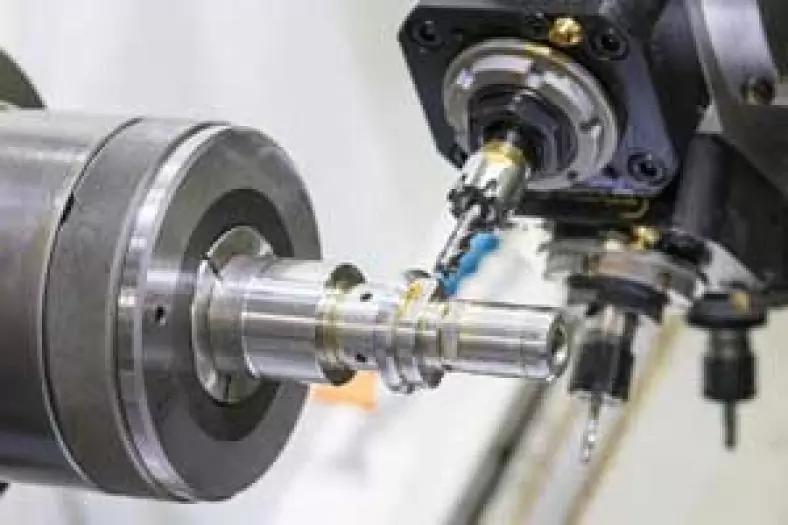
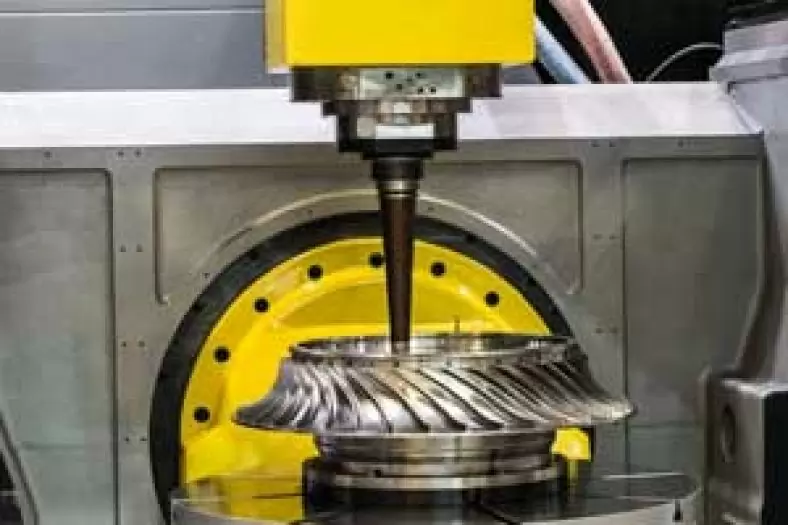

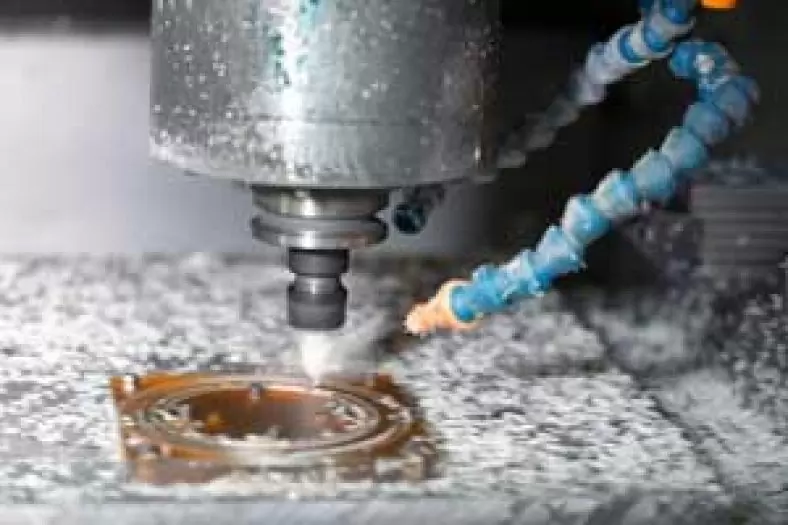
The Detail Of BE-CU Cnc Machining Shop
BE-CU.COM – As an accomplished CNC machining Service Manufacturer and CNC shop, BE-CU Prototype has been specialized in OEM CNC lathing, custom CNC machining parts production and rapid CNC machining services China for over 35 years and always maintaining the highest standard in delivery speed and reliable quality of precision CNC manufacturing components. With the help of high-level technology and efficient equipment, as well as rigorous attitude, BE-CU passed the ISO9001:2015 quality certification, which supports the long-term development of CNC milling services, CNC turning services, CNC milling-turning, CNC drilling services, 3/4/5 axis machining, gear machining services, CNC machining China custom parts and service, small parts machining, etc.Our CNC machining products can be utilized in a broad range of industries. Contact us for email: [email protected]
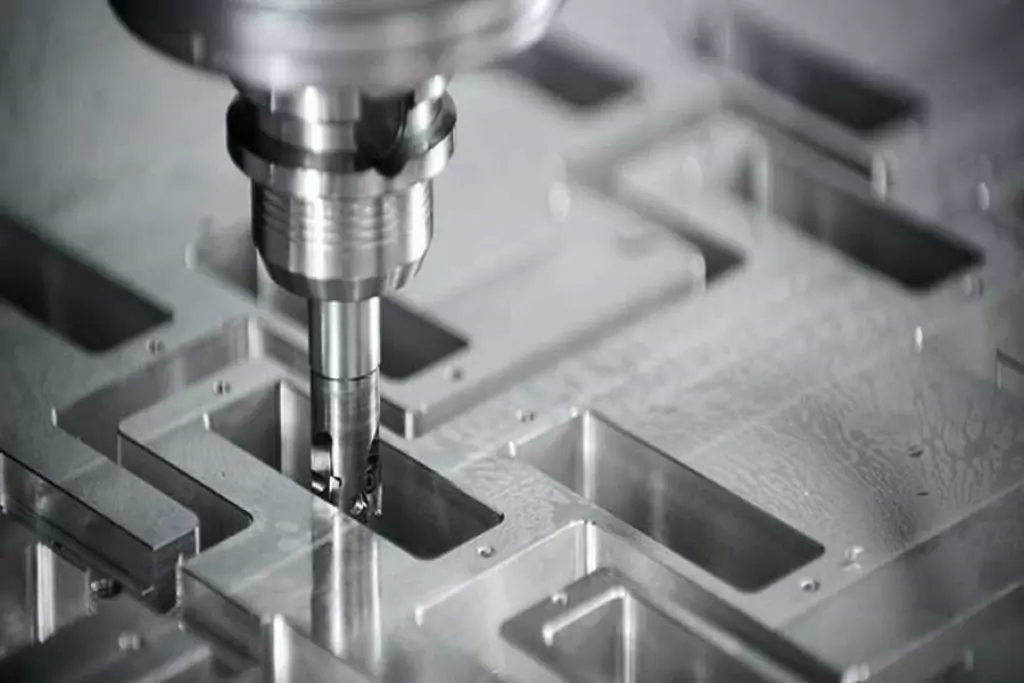
-
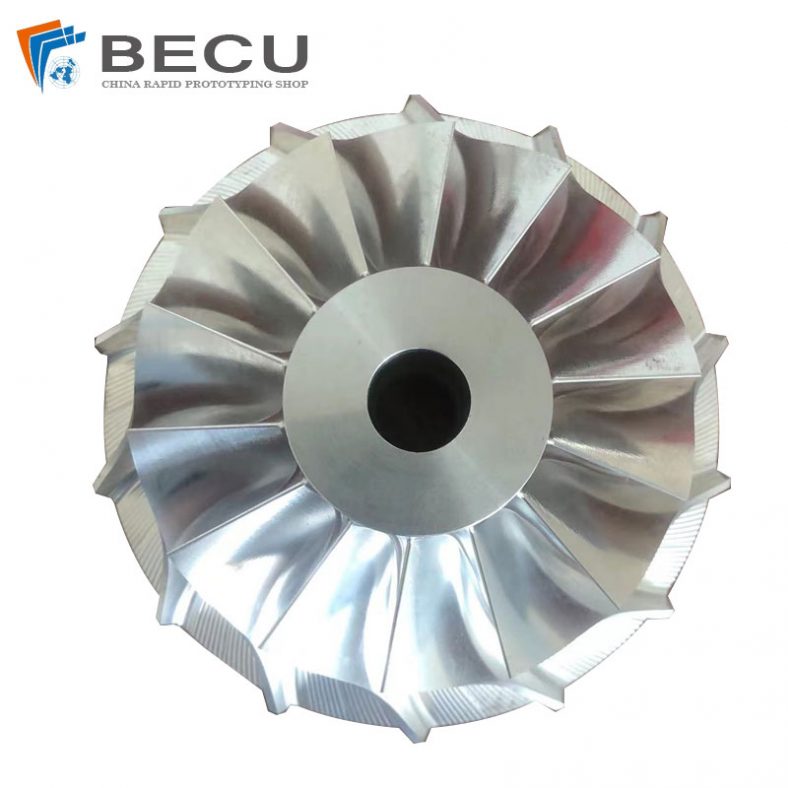
3-Way Centrifugal Compressor Closed Impeller By 5 Axis Machining
-

3/4/5 Axis Precision Milling Custom Vehicle Parts
-
3D Flexible Welding Platform By Large Machining
-
3D Printed Inconel Exhaust Manifold
-
3D Printing And CNC Machining Custom Black PPS Valve
-
3D Printing Full Transparent Acrylic Lampshade Model
-
4 Axis CNC Machining Titanium Grade 5 Mobile Phone Buttons
-
4 Axis Machining Highly Transparent Acrylic LED Tunnel Light Lens