
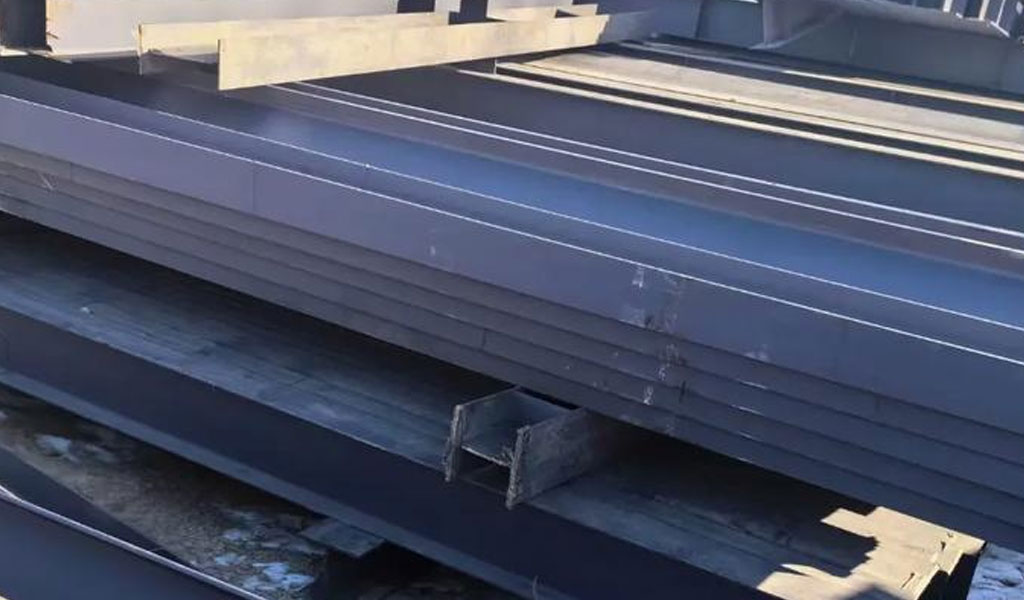
Steel is one of the most commonly used materials in CNC (Computer Numerical Control) machining. The versatility, strength, and cost-effectiveness of steel make it ideal for a wide range of applications across industries such as aerospace, automotive, medical, and manufacturing.
The selection of the right steel for CNC machining is crucial as it affects the machining process, tool wear, part precision, and final product performance. With numerous steel grades available, each with distinct properties, understanding the top steels for CNC machining is essential for optimizing production efficiency and achieving desired results.
This article will explore the top 12 steels used in CNC machining, detailing their compositions, properties, advantages, and common applications. These steels vary in terms of carbon content, alloying elements, hardness, and machinability, making them suited for different machining processes and end-use requirements. The goal of this article is to provide a comprehensive understanding of each steel grade to assist engineers, machinists, and manufacturers in selecting the appropriate material for specific CNC machining needs.
1. AISI 1018 Steel
AISI 1018 steel is one of the most commonly used low-carbon steels in CNC machining. With a carbon content of approximately 0.18%, this steel is known for its excellent balance of strength, toughness, and machinability. Its low carbon content ensures good formability, making it ideal for applications requiring cold working and deep drawing. AISI 1018 steel is also known for its excellent welding properties and is often used in the automotive and manufacturing industries for parts such as shafts, gears, and structural components.
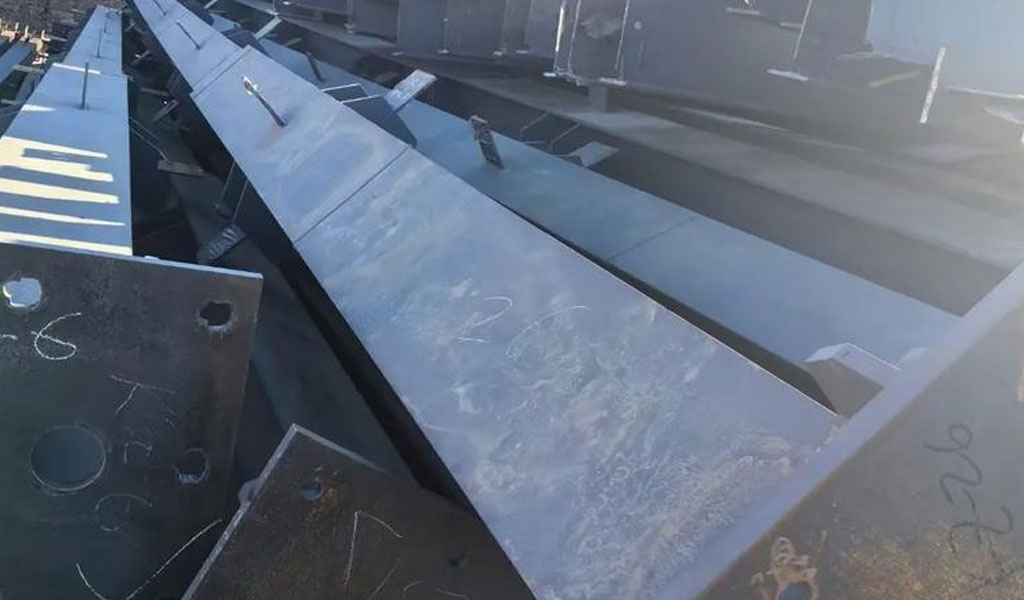
The machinability of AISI 1018 steel is generally considered good, especially when using carbide tooling. It is suitable for CNC machining processes like turning, milling, and drilling, and it can achieve high precision in part dimensions. However, it is relatively soft compared to high-carbon and alloy steels, limiting its use in applications where high strength and wear resistance are required.
Common Applications:
- Automotive parts
- Structural components
- Shafts and axles
- Gears and sprockets
- Cold-formed products
2. AISI 1045 Steel
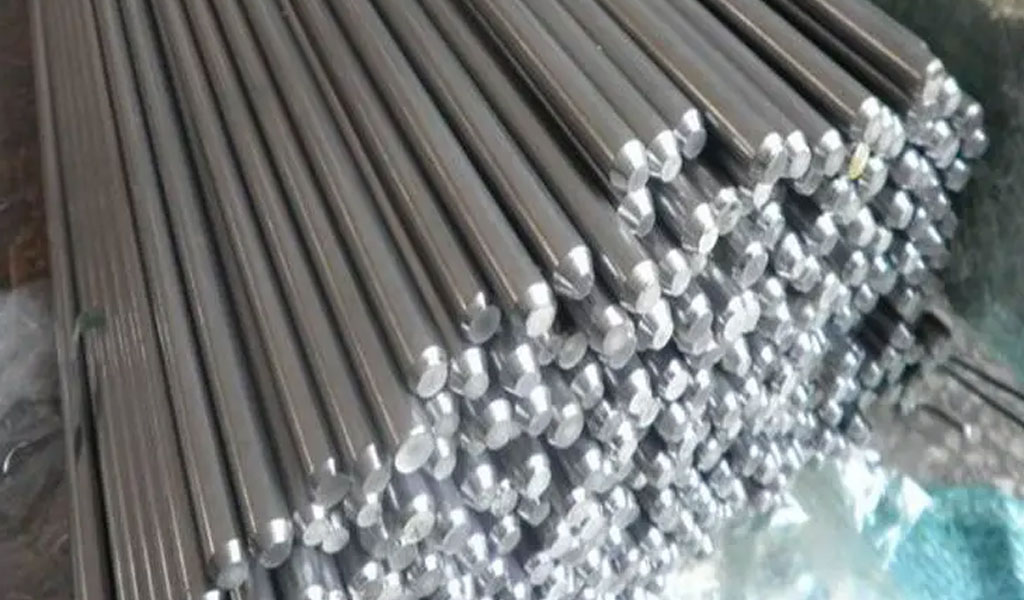
AISI 1045 steel is a medium-carbon steel with a carbon content ranging from 0.43% to 0.50%. This steel offers higher strength and hardness compared to AISI 1018 steel, while still maintaining good machinability.
AISI 1045 is often used for parts that require moderate strength and hardness, such as automotive parts, mechanical components, and industrial machinery. Its carbon content gives it a higher tensile strength, making it suitable for applications that require higher wear resistance and fatigue strength.
AISI 1045 steel can be heat treated to improve its hardness, but it is more challenging to machine compared to lower-carbon steels like AISI 1018. It is prone to work hardening, which can affect surface finishes if not properly managed during machining operations. Additionally, this steel grade responds well to carburizing, making it suitable for applications that require a hard surface layer combined with a tougher core.
Common Applications:
- Gears
- Crankshafts
- Axles
- Pins and shafts
- Connecting rods
3. AISI 4140 Steel
AISI 4140 is an alloy steel known for its high strength, toughness, and excellent fatigue resistance. It contains chromium, molybdenum, and carbon, which contribute to its strength and wear resistance properties.
AISI 4140 steel is often used in CNC machining for applications that require high impact strength and resistance to fatigue. The alloying elements improve the material’s ability to withstand harsh environments, making it ideal for automotive, aerospace, and oil and gas industries.
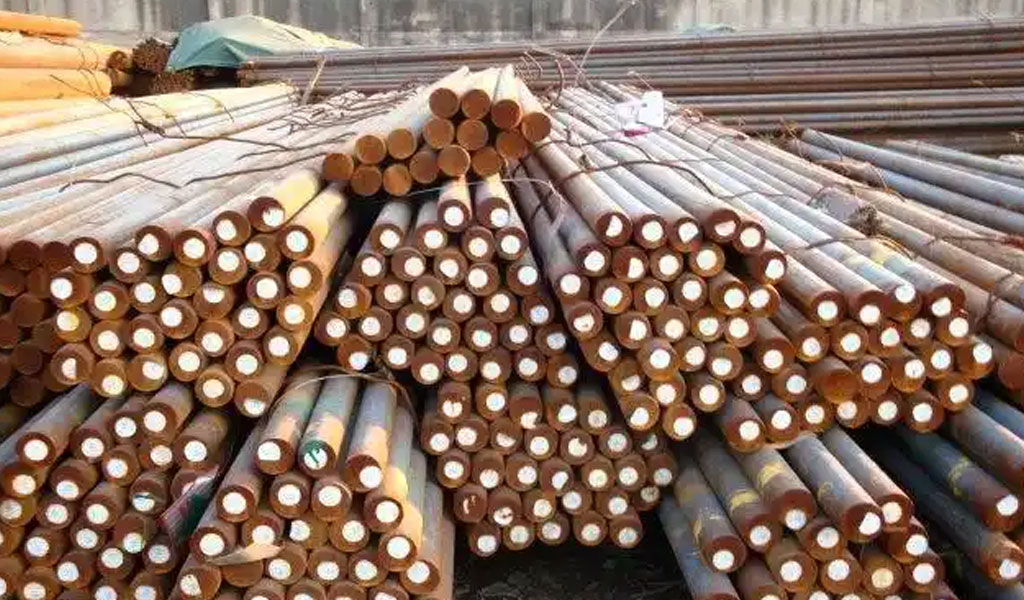
Due to its alloy composition, AISI 4140 steel is more difficult to machine compared to non-alloy steels. However, its machinability can be enhanced through proper heat treatment and the use of high-speed cutting tools. AISI 4140 can be heat treated to achieve a wide range of hardness levels, making it highly versatile for applications ranging from low-strength components to high-strength, hardened parts.
Common Applications:
- Aircraft landing gear
- Crankshafts
- Rollers and axles
- Machine tool parts
- Hydraulic components
4. AISI 4340 Steel
AISI 4340 is a high-strength, low-alloy steel that contains nickel, chromium, and molybdenum. These alloying elements enhance the material’s strength, toughness, and wear resistance, making it suitable for heavy-duty applications.
AISI 4340 steel is widely used in aerospace, automotive, and defense industries for manufacturing high-performance components such as aircraft landing gear, turbine shafts, and gears.
CNC machining of AISI 4340 steel requires careful consideration due to its hardness and strength. While it is tougher and more durable than many other steels, its machinability is more challenging. Heat treatment techniques such as quenching and tempering are often employed to achieve the desired properties. Despite these challenges, AISI 4340’s exceptional strength-to-weight ratio and fatigue resistance make it a top choice for demanding applications.
Common Applications:
- Aircraft components
- Military hardware
- Heavy-duty gears
- Shafts and spindles
- Structural components
5. AISI 8620 Steel
AISI 8620 is a low-carbon, nickel-chromium-molybdenum alloy steel that is commonly used for manufacturing gears, shafts, and other heavy-duty mechanical components.
Its ability to undergo carburizing—forming a hard surface while maintaining a tough core—makes it ideal for parts that require high wear resistance and durability. AISI 8620 is widely used in the automotive and aerospace industries for producing parts like gears, spindles, and axles.
Although AISI 8620 steel is tough and wear-resistant, it has relatively low machinability due to its alloying elements. However, with proper cutting techniques and tooling, it can be machined to precise dimensions. Heat treatment plays a crucial role in enhancing its mechanical properties, particularly for applications that require high surface hardness and resistance to wear.
Common Applications:
- Gears
- Shafts
- Axles
- Spindles
- Automotive transmission components
6. AISI 303 Steel
AISI 303 is an austenitic stainless steel that is highly regarded for its excellent machinability. It contains sulfur, which improves its ability to be machined compared to other stainless steel grades.
This steel is commonly used in CNC machining when high production rates and good surface finishes are required. It is commonly used for parts that are frequently exposed to corrosive environments, such as food processing equipment, medical devices, and marine hardware.
Although AISI 303 steel is easy to machine, it does not have the same strength or corrosion resistance as other stainless steels like AISI 304 and AISI 316. However, its excellent machinability and good corrosion resistance in mild environments make it ideal for applications where machining efficiency is a priority. AISI 303 is often used in industries that prioritize ease of manufacturing over maximum strength and corrosion resistance.
Common Applications:
- Fasteners
- Aircraft components
- Medical equipment
- Marine hardware
- Pumps and valves
7. AISI 304 Steel
AISI 304, commonly referred to as 18-8 stainless steel, is one of the most widely used stainless steels in CNC machining. It contains 18% chromium and 8% nickel, which provide excellent corrosion resistance, formability, and weldability. AISI 304 steel is commonly used for parts that are exposed to harsh environments, such as food processing equipment, pharmaceutical components, and chemical processing equipment.
The machinability of AISI 304 is lower than that of free-machining grades like AISI 303, but it can still be effectively machined with the right cutting tools. AISI 304 is known for its ability to resist rust and corrosion, making it a top choice for parts that require durability and cleanliness. However, it can be difficult to achieve tight tolerances, especially when machining at high speeds or with small-diameter tools.
Common Applications:
- Food processing equipment
- Pharmaceutical parts
- Chemical industry components
- Kitchen appliances
- Storage tanks and piping
8. AISI 316 Steel
AISI 316 is another austenitic stainless steel that offers superior corrosion resistance compared to AISI 304, particularly in marine environments and applications where the material is exposed to chloride ions. This steel contains molybdenum, which enhances its resistance to pitting and crevice corrosion. AISI 316 is commonly used for parts exposed to seawater, chemicals, and high temperatures, such as medical implants, marine hardware, and chemical processing equipment.
The machinability of AISI 316 is slightly lower than AISI 304 due to its higher nickel and molybdenum content. It is more challenging to machine but can still be processed with the proper tooling and cutting conditions. AISI 316 is often chosen for high-performance, corrosion-resistant applications where superior mechanical properties and resistance to extreme environments are required.
Common Applications:
- Marine hardware
- Medical implants
- Chemical processing equipment
- Food processing parts
- High-temperature applications
9. AISI D2 Steel
AISI D2 is a high-carbon, high-chromium tool steel known for its excellent wear resistance, hardness, and ability to retain its properties at high temperatures. It is primarily used in tooling applications, including dies, punches, and cutting tools. Due to its high hardness and wear resistance, AISI D2 steel is ideal for applications where tools are exposed to significant wear, such as stamping, punching, and cold-working processes.
CNC machining of AISI D2 requires advanced tooling and cutting techniques due to its hardness. It is more challenging to machine than many other steels and often requires carbide tools and slower feed rates to achieve the desired results. AISI D2 is frequently used in industries that require precision tooling and components that will endure high-stress environments.
Common Applications:
- Punches
- Dies
- Cutting tools
- Stamps
- Molds
10. AISI H13 Steel
AISI H13 is a hot-work tool steel that is widely used for die-casting, extrusion, and forging applications. It contains chromium, molybdenum, and vanadium, which give it excellent resistance to thermal fatigue and wear. AISI H13 is known for its ability to withstand high temperatures, making it suitable for tooling applications that involve hot materials or high-speed operations.
The machinability of AISI H13 is relatively good, and it can be processed using conventional CNC machining methods. It is often used in industries such as automotive manufacturing, aerospace, and metalworking, where high performance and durability are required for tooling components that are exposed to extreme conditions.
Common Applications:
- Die-casting molds
- Extrusion dies
- Forging tools
- Plastic injection molds
- Hot working tooling
11. AISI M2 Steel
AISI M2 is a high-speed steel (HSS) commonly used for machining high-performance components that require wear resistance and heat resistance. This tool steel is alloyed with tungsten and molybdenum, which provide enhanced hardness and the ability to withstand high temperatures without losing its hardness. AISI M2 steel is often used for manufacturing cutting tools such as drills, end mills, and taps, where prolonged tool life and performance are crucial.
CNC machining of AISI M2 steel requires high cutting speeds and appropriate cooling methods due to the steel’s hardness. While it can be more challenging to machine than other steels, its high wear resistance and ability to retain sharp cutting edges make it ideal for high-speed machining applications.
Common Applications:
- Cutting tools
- Drills
- End mills
- Reamers
- Taps
12. AISI 52100 Steel
AISI 52100 is a high-carbon steel commonly used for manufacturing bearings, gears, and other high-wear components. This steel is known for its excellent hardness, wear resistance, and fatigue strength. It is often used in applications where parts are subjected to continuous rotation or movement, such as ball bearings, roller bearings, and gears.
Machining AISI 52100 requires advanced techniques due to its hardness. However, once properly machined, it offers excellent performance in terms of durability and resistance to wear. This steel is ideal for high-precision components that must maintain tight tolerances over extended periods of use.
Common Applications:
- Bearings
- Gears
- Roller and ball bearings
- Crankshafts
- Valve components
Conclusion
The selection of the right steel for CNC machining is critical to the success of any project. The 12 steels discussed in this article represent a diverse range of options, each with unique properties that make them suited for specific applications. From the versatile low-carbon steels like AISI 1018 to the high-strength alloy steels such as AISI 4340 and the wear-resistant tool steels like AISI D2, each grade offers distinct advantages depending on the demands of the machining process and the end use of the part.
Ultimately, choosing the best steel for CNC machining depends on factors such as strength, toughness, corrosion resistance, machinability, and cost. By understanding the properties of these top 12 steels, engineers and manufacturers can make informed decisions to ensure optimal performance, cost-efficiency, and durability in their CNC machined components.
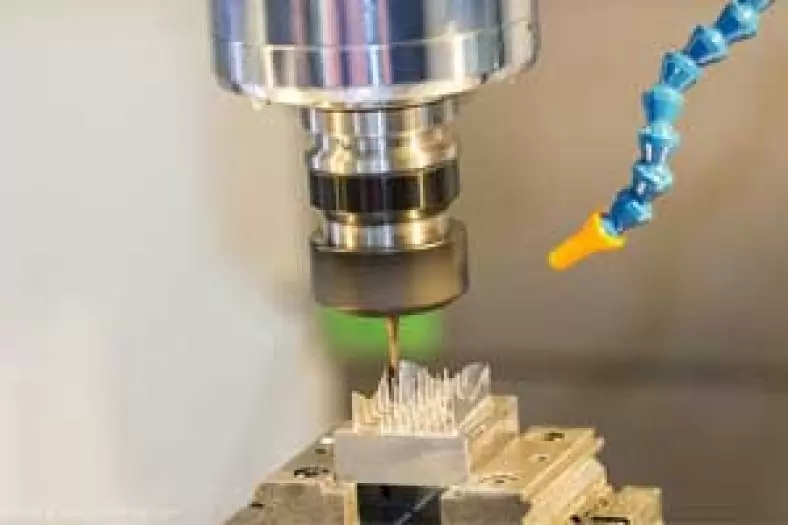
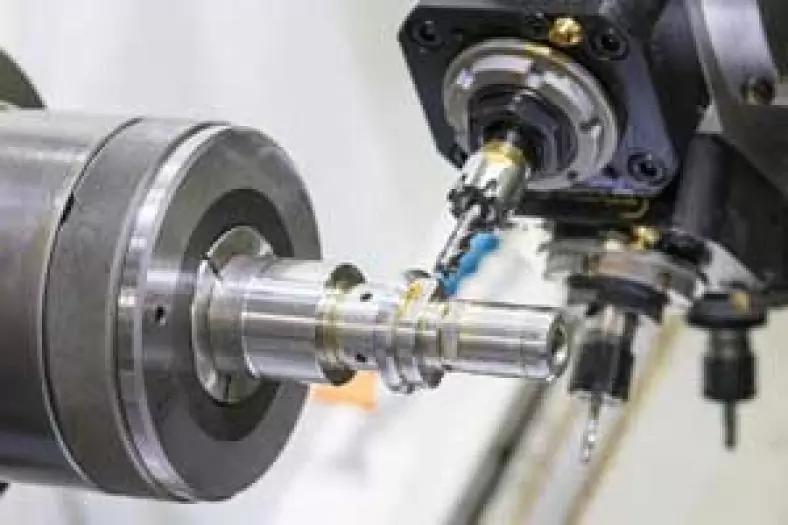
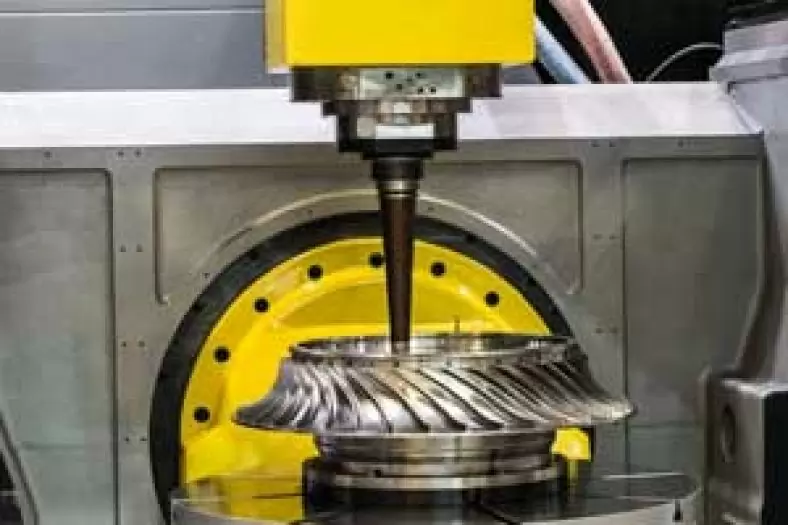
The Detail Of BE-CU Cnc Machining Shop
BE-CU.COM – As an accomplished CNC machining Service Manufacturer and CNC shop, BE-CU Prototype has been specialized in OEM CNC lathing, custom CNC machining parts production and rapid CNC machining services China for over 35 years and always maintaining the highest standard in delivery speed and reliable quality of precision CNC manufacturing components. With the help of high-level technology and efficient equipment, as well as rigorous attitude, BE-CU passed the ISO9001:2015 quality certification, which supports the long-term development of CNC milling services, CNC turning services, CNC milling-turning, CNC drilling services, 3/4/5 axis machining, gear machining services, CNC machining China custom parts and service, small parts machining, etc.Our CNC machining products can be utilized in a broad range of industries. Contact us for email: [email protected]
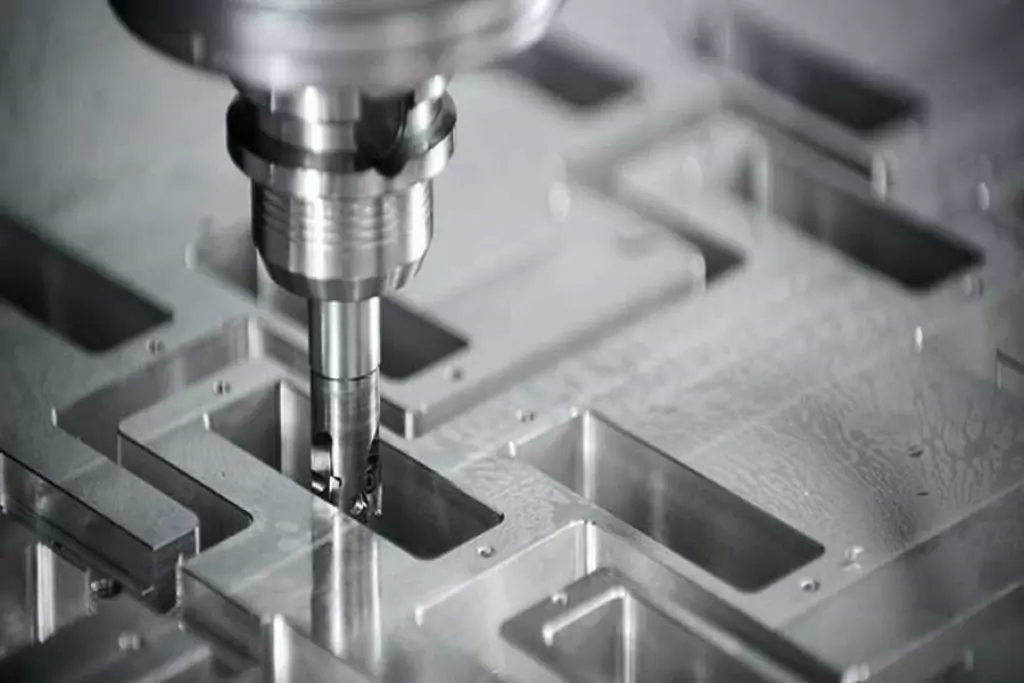
-
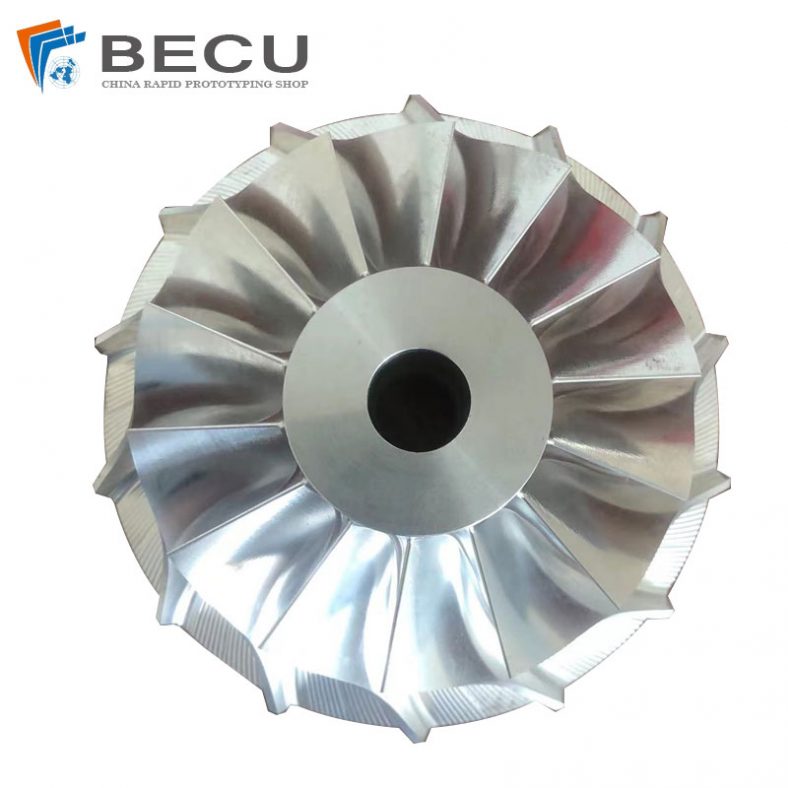
3-Way Centrifugal Compressor Closed Impeller By 5 Axis Machining
-
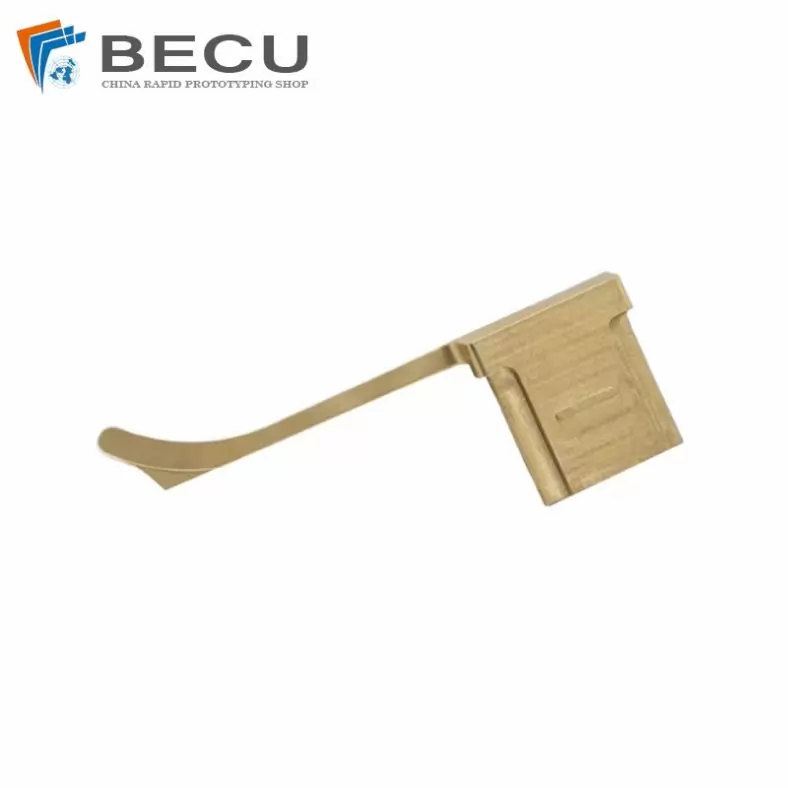
3/4/5 Axis Precision Milling Custom Vehicle Parts
-
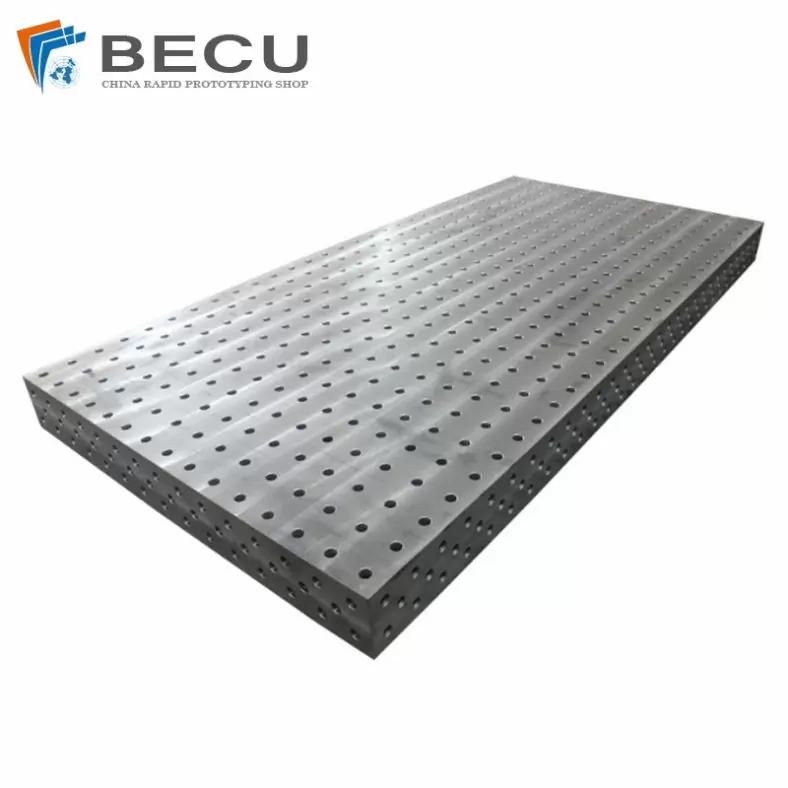
3D Flexible Welding Platform By Large Machining
-
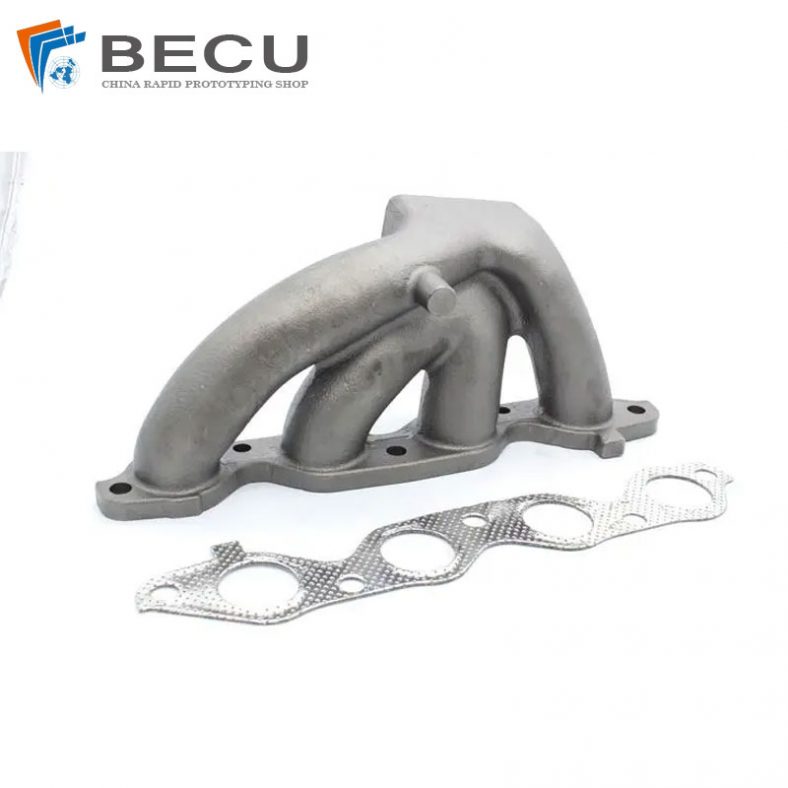
3D Printed Inconel Exhaust Manifold
-
3D Printing And CNC Machining Custom Black PPS Valve
-
3D Printing Full Transparent Acrylic Lampshade Model
-
4 Axis CNC Machining Titanium Grade 5 Mobile Phone Buttons
-
4 Axis Machining Highly Transparent Acrylic LED Tunnel Light Lens