
Threaded fasteners are mechanical components designed to join two or more parts by engaging threads—helical ridges that convert rotational motion into linear force. These fasteners are ubiquitous in engineering, construction, automotive, aerospace, and countless other industries due to their versatility, reliability, and ability to be disassembled and reassembled. This article explores the various types of threaded fasteners, their manufacturing processes, inspection methods, and the standards that govern their production and use, such as those set by the International Organization for Standardization (ISO), the American Society for Testing and Materials (ASTM), and the American National Standards Institute (ANSI).
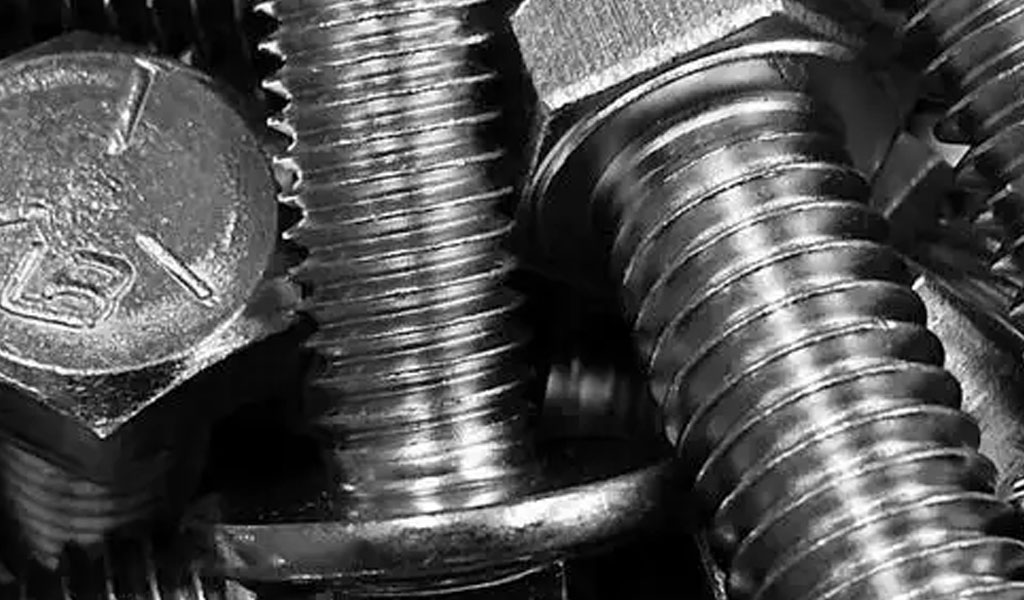
What Is Threaded Fasteners
Threaded fasteners encompass a broad range of components, including bolts, screws, nuts, studs, and specialized fasteners like anchors and rivets with threaded features. Their primary function is to create a secure, temporary joint that can withstand tensile, shear, and vibrational forces. The helical threads provide a mechanical advantage, allowing significant clamping force with minimal effort. Fasteners vary in size, material, thread profile, and application, with designs tailored to specific environmental conditions, load requirements, and assembly constraints.
The history of threaded fasteners dates back to ancient times, with early examples found in Greek and Roman machinery, such as Archimedes’ screw. However, standardized threads emerged during the Industrial Revolution, with pioneers like Joseph Whitworth establishing uniform thread systems in the 19th century. Today, global standards ensure compatibility and reliability across industries.
Types of Threaded Fasteners
Bolts
Bolts are externally threaded fasteners typically used with a nut to join components. They feature a cylindrical shank, partially or fully threaded, and a head (hexagonal, square, or round) for applying torque. Bolts are designed for high-strength applications, such as structural steel connections or heavy machinery. Common bolt types include:
- Hex Bolts: Featuring a six-sided head, hex bolts are widely used in construction and machinery due to their ease of use with wrenches.
- Carriage Bolts: These have a rounded head and a square neck to prevent rotation during tightening, often used in wood or soft materials.
- Anchor Bolts: Embedded in concrete, anchor bolts secure structures like columns or equipment to foundations.
- Lag Bolts: Large, coarse-threaded bolts for wood applications, lag bolts provide strong holding power without a nut.
Bolts are specified by diameter, length, thread pitch, and material grade, with standards like ISO 4014 defining dimensions for hex bolts.
Screws
Screws are similar to bolts but are typically driven into a tapped hole or self-thread into the material. They are versatile, used in everything from electronics to furniture. Screw types include:
- Machine Screws: Small, precision screws for metal or tapped holes, often with slotted, Phillips, or Torx drives.
- Wood Screws: Designed for timber, these have coarse threads and tapered shanks to maximize grip.
- Self-Tapping Screws: These cut their own threads in materials like metal or plastic, eliminating the need for pre-tapped holes.
- Cap Screws: High-strength screws with cylindrical heads, often used in machinery (e.g., socket head cap screws per ASME B18.3).
Screws vary by drive type, head style (flat, pan, countersunk), and material, with standards like ISO 4762 governing socket head cap screws.
Nuts
Nuts are internally threaded fasteners that pair with bolts or studs to form a joint. They come in various shapes and locking mechanisms:
- Hex Nuts: The most common, with a six-sided shape for wrench application.
- Lock Nuts: Designed to resist loosening, including nylon-insert nuts and all-metal prevailing torque nuts.
- Wing Nuts: Featuring “wings” for hand-tightening, used in low-torque applications.
- Cap Nuts: Enclosed at one end, cap nuts protect threads and provide a finished appearance.
Nuts are standardized under ISO 4032 and ASTM F594, among others, ensuring compatibility with bolts.
Studs
Studs are rods threaded on one or both ends, used in applications like engine blocks or flanges where a nut is applied to each side. Continuous-thread studs allow adjustable positioning, while double-end studs have threads of different lengths for specific assemblies. Studs are critical in high-pressure systems, with standards like ASTM A193 defining high-strength grades.
Threaded Rods
Threaded rods, or all-thread, are long, fully threaded bars used for tensioning or as structural supports. They are cut to length and paired with nuts, often in HVAC systems or suspended ceilings. ASTM A307 specifies low-carbon threaded rods for general use.
Specialty Fasteners
Specialty fasteners address unique requirements:
- Set Screws: Headless screws that secure an object without protruding, often with a pointed or cupped end.
- Eye Bolts: Bolts with a looped head for lifting or anchoring.
- U-Bolts: U-shaped bolts with threads on both ends, used to secure pipes or cables.
- T-Bolts: T-shaped bolts for slotted tracks or machine tables.
These fasteners are tailored to niche applications, with standards like ISO 13918 for welding studs.
Thread Profiles and Design
Threads are defined by their profile, pitch, and diameter. Common thread systems include:
- Metric Threads: Based on ISO 68-1, these have a 60-degree thread angle and are specified by diameter (e.g., M10) and pitch (e.g., 1.5 mm).
- Unified Threads: Used in the U.S. and Canada, defined by ASME B1.1, with designations like UNC (coarse) or UNF (fine).
- Whitworth Threads: An older British standard, largely replaced but still used in legacy applications.
- Pipe Threads: Tapered (NPT) or parallel (BSP), designed for sealing in plumbing or gas systems.
Thread design affects strength, fatigue resistance, and ease of assembly. For example, fine threads offer better vibration resistance, while coarse threads are easier to assemble in softer materials.
Thread Classes and Tolerances
Threads are classified by fit, ensuring interchangeability. ISO 965 defines metric thread tolerances (e.g., 6g for bolts, 6H for nuts), while ASME B1.1 specifies unified classes (1A, 2A, 3A for external; 1B, 2B, 3B for internal). Tighter tolerances (e.g., 3A/3B) are used in precision applications like aerospace.
Materials for Threaded Fasteners
Fastener materials are chosen based on strength, corrosion resistance, and environmental conditions. Common materials include:
- Carbon Steel: Affordable and strong, used in grades like ASTM A307 (low strength) or SAE J429 Grade 8 (high strength).
- Stainless Steel: Corrosion-resistant, with grades like 304 (general use) or 316 (marine environments) per ASTM F593.
- Alloy Steel: Heat-treated for high strength, used in critical applications like ASTM A193 B7 studs.
- Brass: Non-magnetic and corrosion-resistant, ideal for decorative or electrical applications.
- Titanium: Lightweight and strong, used in aerospace and medical devices (e.g., ASTM F136).
- Aluminum: Lightweight but less durable, used in low-load applications.
- Superalloys: Nickel-based alloys like Inconel or Hastelloy for extreme temperatures and corrosion (ASTM F2281).
Material selection impacts fastener performance, cost, and compatibility with joined materials to avoid galvanic corrosion.
Manufacturing Processes
Raw Material Preparation
Manufacturing begins with raw material selection, typically wire rods of steel, stainless steel, or other alloys. The wire is cleaned, descaled, and drawn to the desired diameter through cold drawing, which enhances strength via work hardening.
Cold Forming
Cold forming (or cold heading) is the primary method for producing bolts, screws, and nuts. A wire blank is cut and shaped in a die under high pressure, forming the head and shank. Benefits include:
- High production rates (up to 300 parts per minute).
- Improved strength due to grain flow alignment.
- Minimal material waste.
Cold forming is used for standard fasteners up to M24 (metric) or 1-inch (imperial) diameters.
Hot Forging
For larger or high-strength fasteners, hot forging heats the material to improve ductility, then shapes it in a press. This method is slower but allows complex geometries and is common for bolts over M24 or specialty alloys.
Thread Formation
Threads are created via:
- Thread Rolling: A cold-forming process where a blank is rolled between dies, displacing material to form threads. This strengthens threads through compressive stresses and is used for most screws and bolts.
- Thread Cutting: Material is removed using a tap or die, typically for low-volume or large-diameter threads. This is less common due to higher costs and weaker threads.
- Thread Grinding: Precision grinding for aerospace or high-tolerance threads, ensuring exact dimensions.
Heat Treatment
Heat treatment enhances mechanical properties:
- Quenching and Tempering: Used for high-strength steel fasteners (e.g., ASTM A325 bolts) to achieve hardness and toughness.
- Annealing: Softens materials for machining or forming.
- Stress Relieving: Reduces residual stresses from forming or rolling.
Standards like SAE J429 specify heat treatment for graded fasteners.
Surface Finishing
Finishing protects against corrosion and improves appearance:
- Zinc Plating: Electroplated zinc (ASTM B633) provides sacrificial corrosion protection.
- Hot-Dip Galvanizing: A thick zinc coating (ASTM A153) for outdoor use.
- Phosphate Coating: Enhances lubricity and corrosion resistance for screws.
- Passivation: Removes impurities from stainless steel (ASTM A967) to enhance corrosion resistance.
- Cadmium Plating: Less common due to toxicity but used in aerospace for its lubricity (AMS-QQ-P-416).
Secondary Operations
Additional processes include drilling (for cotter pin holes), slotting (for slotted screws), or welding (for studs). These are tailored to specific fastener designs.
Inspection and Quality Control
Dimensional Inspection
Fasteners must meet precise dimensional tolerances. Inspection methods include:
- Calipers and Micrometers: Measure diameter, length, and head dimensions.
- Thread Gauges: Go/no-go gauges verify thread fit per ISO 1502 or ASME B1.2.
- Coordinate Measuring Machines (CMM): High-precision 3D measurement for complex geometries.
Standards like ISO 4759-1 specify tolerances for bolts, screws, and nuts.
Mechanical Testing
Mechanical properties are verified through:
- Tensile Testing: Measures ultimate tensile strength and yield strength (ASTM E8).
- Hardness Testing: Rockwell, Vickers, or Brinell tests ensure proper heat treatment (ASTM E18).
- Proof Load Testing: Applies a load to verify fastener integrity without deformation (ASTM F606).
- Impact Testing: Assesses toughness at low temperatures for critical applications (ASTM E23).
Non-Destructive Testing (NDT)
NDT detects defects without damaging fasteners:
- Magnetic Particle Inspection (MPI): Identifies surface cracks in ferromagnetic materials (ASTM E1444).
- Ultrasonic Testing: Detects internal flaws in large bolts or studs (ASTM A388).
- Dye Penetrant Testing: Reveals surface defects in non-ferrous materials (ASTM E165).
Coating Thickness Measurement
Coating thickness is measured using magnetic induction or X-ray fluorescence (ASTM B568) to ensure corrosion protection.
Traceability and Certification
Manufacturers provide lot traceability and certificates of conformance, detailing material composition, heat treatment, and test results. ISO 9001 governs quality management systems for fastener production.
Standards for Threaded Fasteners
ISO Standards
The ISO develops global standards for fastener design, materials, and testing:
- ISO 898-1: Mechanical properties of carbon and alloy steel bolts, screws, and studs.
- ISO 4014: Hexagon head bolts with shank.
- ISO 4032: Hexagon nuts.
- ISO 965: Metric thread tolerances.
- ISO 3506: Corrosion-resistant stainless steel fasteners.
ISO standards ensure interchangeability and quality across borders.
ASTM Standards
ASTM standards focus on materials and testing, widely used in the U.S.:
- ASTM A193: Alloy steel and stainless steel bolting for high-temperature or high-pressure service.
- ASTM A307: Carbon steel bolts and studs for general use.
- ASTM F593: Stainless steel bolts, screws, and studs.
- ASTM F606: Testing mechanical properties of fasteners.
- ASTM A325: Structural bolts for steel connections.
ASTM grades specify strength and environmental suitability.
ANSI/ASME Standards
ANSI, through ASME, defines U.S. fastener standards:
- ASME B18.2.1: Dimensions for bolts and screws.
- ASME B1.1: Unified inch screw threads.
- ASME B18.3: Socket head cap screws.
- ASME B16.5: Flange bolting for piping systems.
These standards complement ISO and ASTM, focusing on dimensional consistency.
Other Standards
- DIN: German standards (e.g., DIN 931 for hex bolts), often aligned with ISO.
- JIS: Japanese standards for fasteners, used in automotive and electronics.
- SAE: Automotive fastener standards, like SAE J429 for graded bolts.
Comparison of Fastener Types
The following tables compare key fastener types, materials, and standards.
| Fastener Type | Description | Common Applications | Thread Types | Standards |
|---|---|---|---|---|
| Hex Bolt | Cylindrical shank with hex head, used with nut | Construction, machinery | Metric, UNC, UNF | ISO 4014, ASME B18.2.1 |
| Carriage Bolt | Rounded head, square neck to prevent rotation | Wood, soft materials | Coarse | ASTM A307 |
| Machine Screw | Small, precision screw for tapped holes | Electronics, machinery | Metric, UNF | ISO 4762, ASME B18.3 |
| Wood Screw | Tapered shank, coarse threads | Furniture, timber | Coarse | ASME B18.6.1 |
| Self-Tapping Screw | Cuts own threads | Metal, plastic | Coarse, fine | ISO 1478 |
| Hex Nut | Six-sided, internally threaded | General fastening | Metric, UNC | ISO 4032, ASTM F594 |
| Lock Nut | Resists loosening | Vibratory environments | Metric, UNF | ASME B18.16.6 |
| Stud | Threaded rod, nut on both ends | Engines, flanges | Metric, UNC | ASTM A193 |
| Threaded Rod | Fully threaded bar | Tensioning, supports | Coarse | ASTM A307 |
| Material | Strength (MPa) | Corrosion Resistance | Common Grades | Applications |
|---|---|---|---|---|
| Carbon Steel | 400–1200 | Low (requires coating) | ASTM A307, SAE Grade 8 | General, structural |
| Stainless Steel | 500–800 | High | 304, 316 (ASTM F593) | Marine, food processing |
| Alloy Steel | 800–1400 | Moderate (coated) | ASTM A193 B7 | High-pressure systems |
| Brass | 300–500 | Good | ASTM B16 | Decorative, electrical |
| Titanium | 900–1200 | Excellent | ASTM F136 | Aerospace, medical |
| Aluminum | 200–400 | Good | 6061-T6 | Lightweight structures |
| Standard | Thread Angle | Pitch Designation | Applications | Region |
|---|---|---|---|---|
| ISO Metric | 60° | M10x1.5 (diameter x pitch) | Global engineering | Worldwide |
| Unified (ASME) | 60° | 3/8-16 UNC (diameter-pitch) | Machinery, automotive | North America |
| Whitworth | 55° | 1/2-12 BSW | Legacy systems | UK |
| NPT (Pipe) | 60° | 1/2-14 NPT | Plumbing, gas | North America |
Applications of Threaded Fasteners
Construction
In construction, fasteners like ASTM A325 bolts secure steel beams, while anchor bolts embed structures in concrete. Standards ensure seismic and wind load resistance.
Automotive
Automotive fasteners, such as SAE J429 bolts, withstand vibration and thermal cycling. Stainless steel screws are used in exhaust systems for corrosion resistance.
Aerospace
Aerospace fasteners, often titanium or superalloys, meet stringent standards like NAS (National Aerospace Standards). Precision threads and NDT ensure safety.
Electronics
Small machine screws (e.g., M2 metric) assemble circuit boards, with brass or aluminum for non-magnetic properties.
Energy Sector
High-strength studs (ASTM A193) and bolts secure pipelines and turbines, resisting extreme pressures and temperatures.
Conclusion:Challenges and Innovations
Fastener production consumes energy and resources. Recycling steel and aluminum fasteners reduces environmental impact. Non-toxic coatings, like zinc flake, replace hazardous cadmium plating.
Corrosion
Corrosion reduces fastener lifespan, particularly in marine or chemical environments. Innovations include advanced coatings (e.g., fluoropolymer) and new alloys like duplex stainless steel.
Fatigue Failure
Cyclic loading causes fatigue cracks. Thread rolling and optimized thread profiles improve fatigue resistance.
Lightweighting
Aerospace and automotive industries demand lighter fasteners. Titanium and composite materials are gaining traction.
Smart Fasteners
Emerging technologies embed sensors in fasteners to monitor load, temperature, or corrosion, enhancing predictive maintenance.
The fastener industry is evolving with automation, additive manufacturing (3D printing for custom fasteners), and digital twins for quality control. Standards are adapting to include sustainability metrics.
Threaded fasteners are indispensable in modern engineering, offering reliability and versatility across industries. Their types—bolts, screws, nuts, studs, and more—cater to diverse applications, while manufacturing processes like cold forming and thread rolling ensure efficiency and strength. Inspection methods, from tensile testing to NDT, guarantee quality, and standards like ISO, ASTM, and ANSI provide global consistency. As technology advances, fasteners will continue to evolve, balancing performance, sustainability, and innovation.
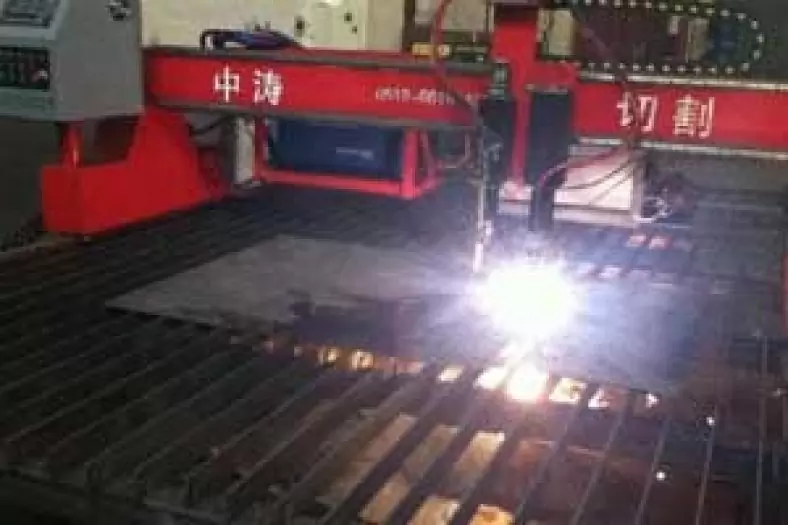
The Detail Of BE-CU Cnc Machining Shop
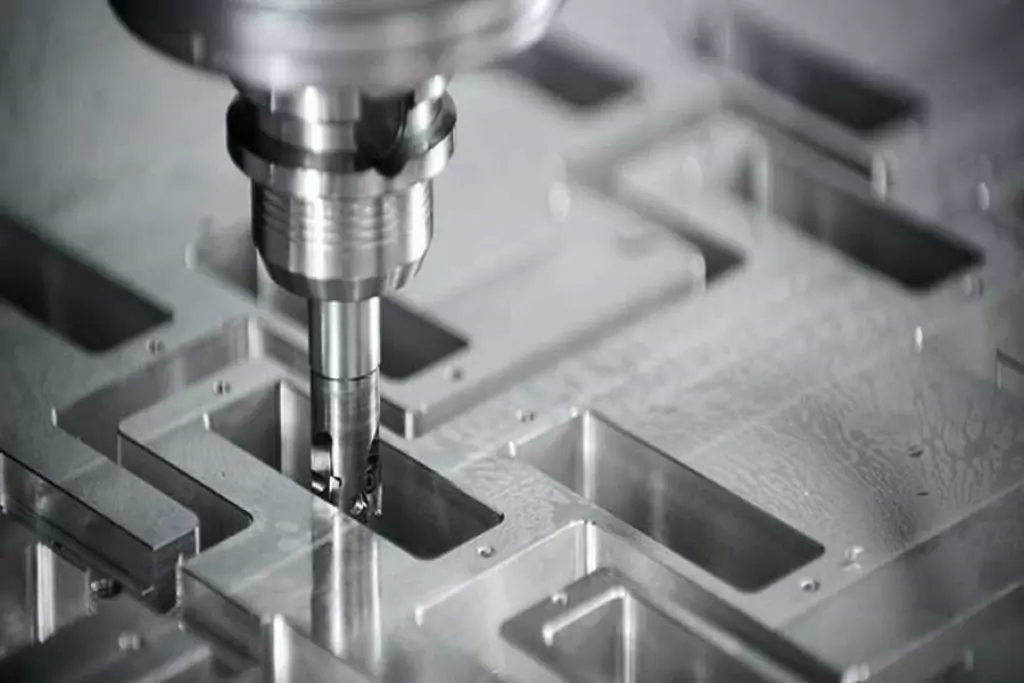
BE-CU.COM – As an accomplished CNC machining Service Manufacturer and CNC shop, BE-CU Prototype has been specialized in OEM CNC lathing, custom CNC machining parts production and rapid CNC machining services China for over 35 years and always maintaining the highest standard in delivery speed and reliable quality of precision CNC manufacturing components. With the help of high-level technology and efficient equipment, as well as rigorous attitude, BE-CU passed the ISO9001:2015 quality certification, which supports the long-term development of CNC milling services, CNC turning services, CNC milling-turning, CNC drilling services, 3/4/5 axis machining, gear machining services, CNC machining China custom parts and service, small parts machining, etc.Our CNC machining products can be utilized in a broad range of industries. Contact us for email: [email protected]
-
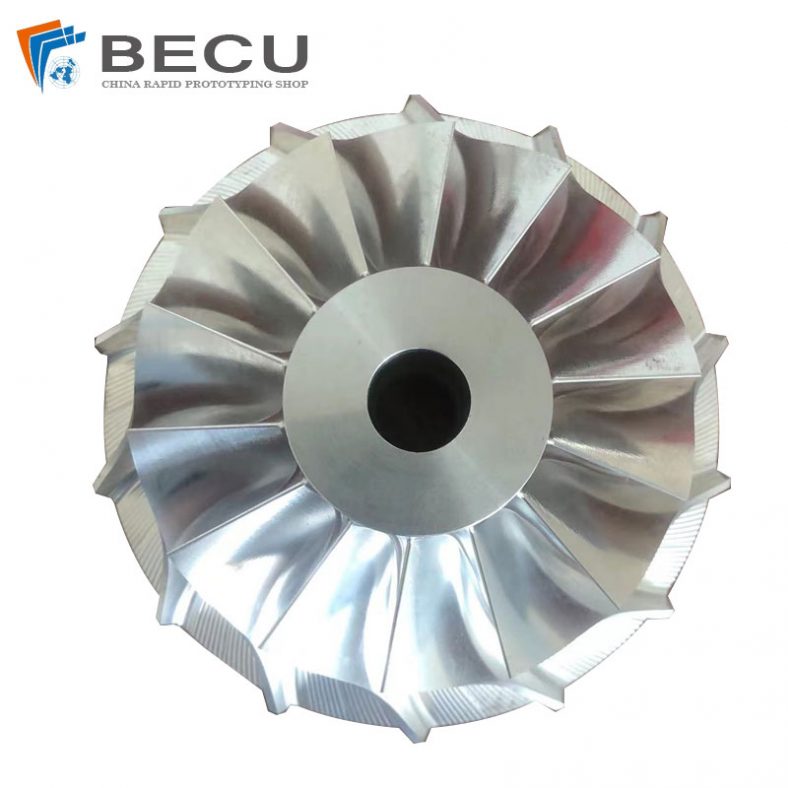
3-Way Centrifugal Compressor Closed Impeller By 5 Axis Machining
-
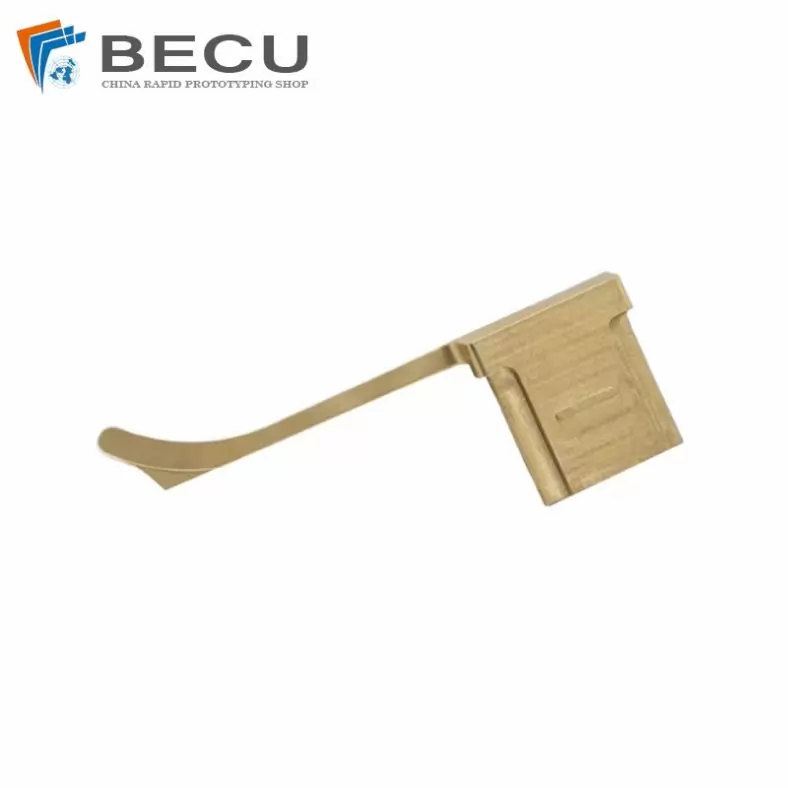
3/4/5 Axis Precision Milling Custom Vehicle Parts
-
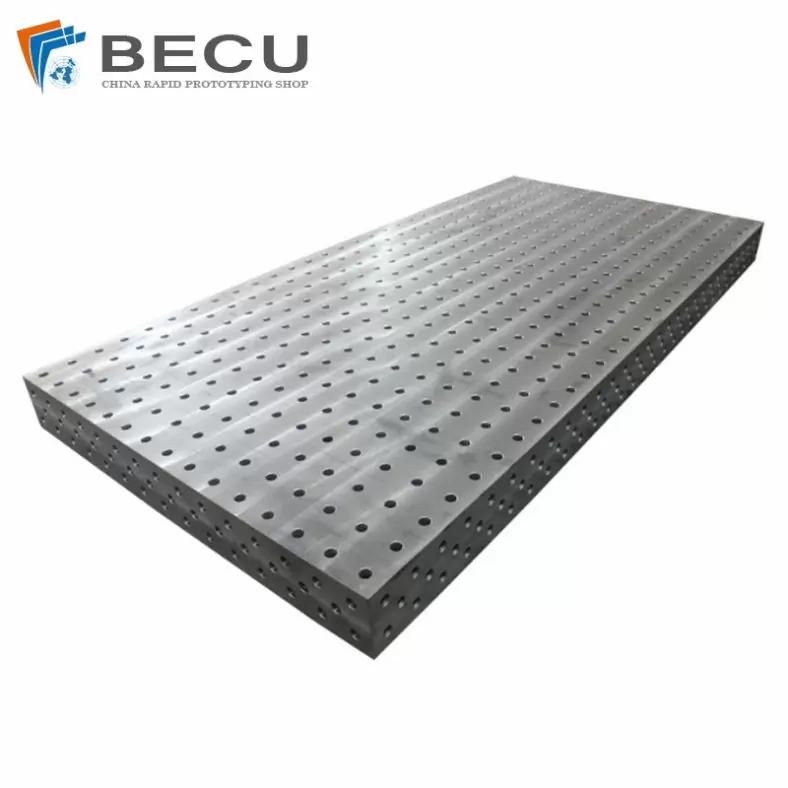
3D Flexible Welding Platform By Large Machining
-
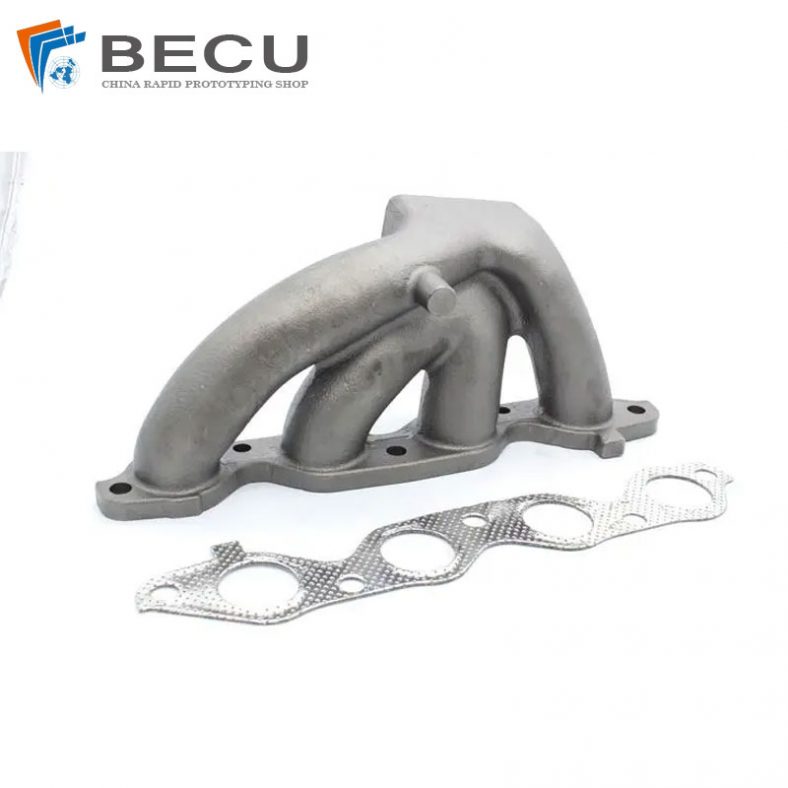
3D Printed Inconel Exhaust Manifold
-
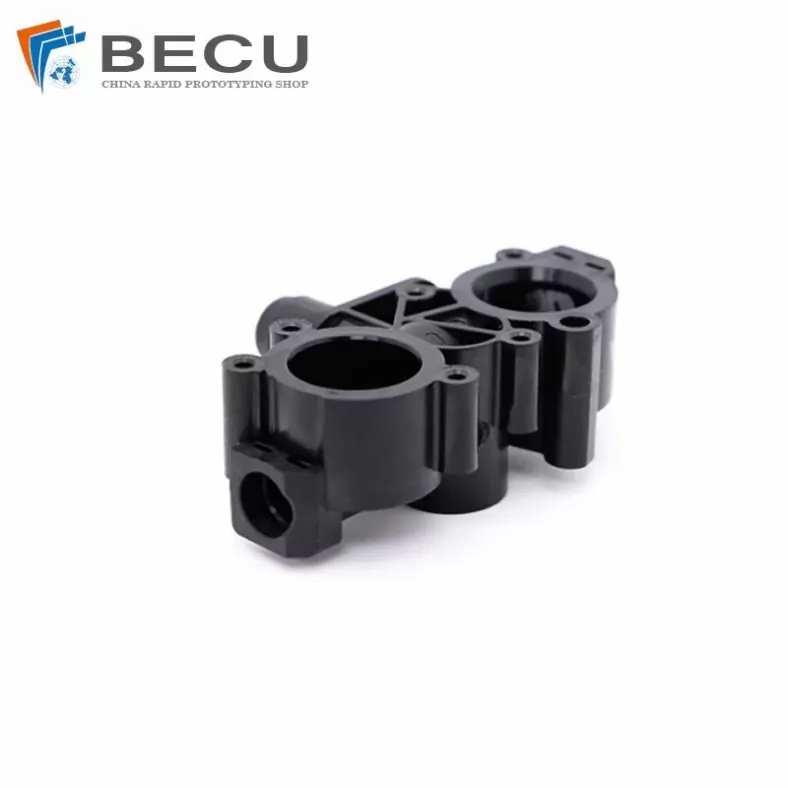
3D Printing And CNC Machining Custom Black PPS Valve
-
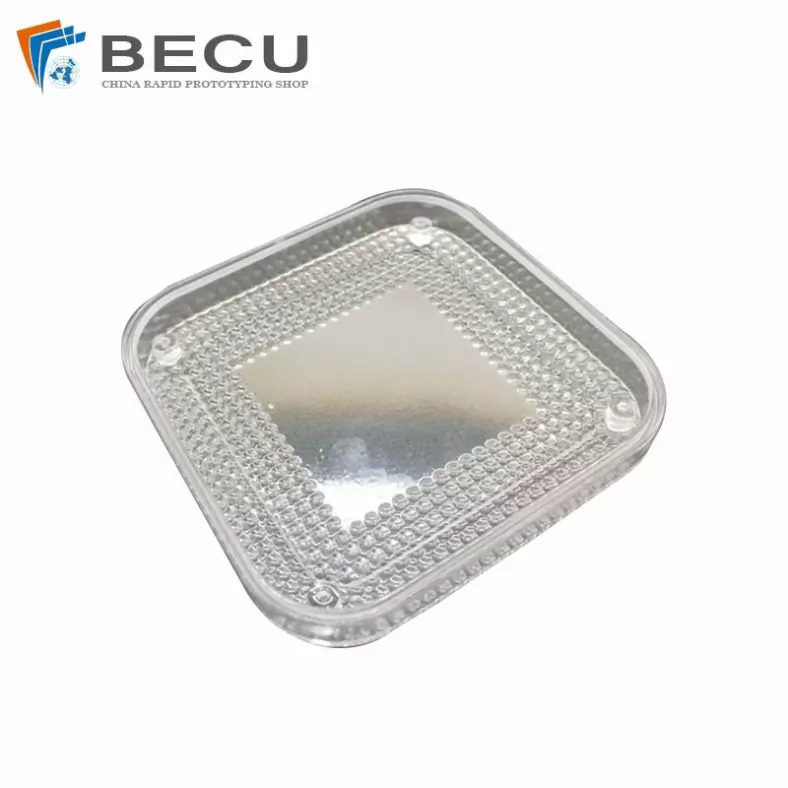
3D Printing Full Transparent Acrylic Lampshade Model
-
4 Axis CNC Machining Titanium Grade 5 Mobile Phone Buttons
-
4 Axis Machining Highly Transparent Acrylic LED Tunnel Light Lens