
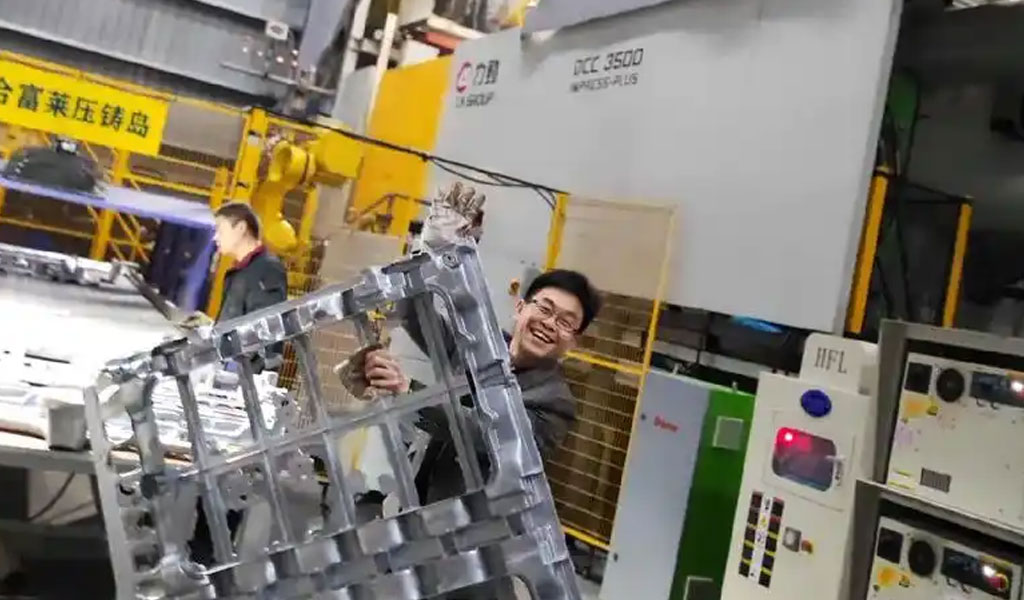
High-pressure die casting is a precision casting method widely used for manufacturing intricate and complex metal parts. It involves injecting molten metal into a mold cavity under high pressure, where it cools and solidifies to form the final product. This method is commonly applied in industries such as automotive, aerospace, electronics, and consumer goods, due to its ability to produce high-quality, detailed components with excellent dimensional accuracy and surface finishes. However, like all manufacturing processes, high-pressure die casting is susceptible to a variety of defects that can affect the quality, performance, and aesthetics of the castings.
These defects can arise from various factors including material properties, equipment malfunction, mold design, process control, and post-casting operations. Understanding these defects is crucial for manufacturers to minimize waste, improve productivity, and ensure the integrity of the final product. This article explores the most common defects in high-pressure die casting, their causes, and potential solutions.
1. Porosity
Porosity is one of the most frequent defects encountered in high-pressure die casting. It refers to the presence of voids or air pockets within the cast part. Porosity can occur on the surface or within the internal structure of the casting, depending on the casting process and material used.
Causes of Porosity:
- Gas Entrapment: During the injection of molten metal into the die, gases such as air, water vapor, or residual gases from the metal may get trapped inside the cavity. This can occur if the metal is not degassed properly before casting or if the mold is not vented sufficiently.
- Insufficient Die Venting: If the die lacks proper vents to release gases during the injection process, these gases can get trapped, leading to porosity.
- Improper Metal Temperature: If the molten metal is too hot or too cold when injected, it can cause gas to be trapped as the metal solidifies.
- Inadequate Fill Time: When the molten metal flows too slowly into the mold cavity, it can trap air and cause gas porosity.
Types of Porosity:
- Pinholes: Small surface pores that occur as a result of gas entrapment during solidification.
- Cavities: Larger internal voids caused by gas trapped in the metal during the injection process.
- Blowholes: Larger, surface-related defects caused by the rapid release of gas during the solidification of the molten metal.
Solutions to Porosity:
- Ensure proper die venting to allow gases to escape during injection.
- Employ degassing techniques such as vacuum degassing or inert gas flushing to reduce gas content in the molten metal.
- Maintain precise control over the temperature of both the metal and the mold.
- Optimize injection parameters, including injection speed, pressure, and fill time, to minimize air entrapment.
2. Cold Shut
Cold shut refers to a defect that occurs when two streams of molten metal fail to fuse properly during the injection process, resulting in a visible seam or crack in the casting. This defect is most commonly seen in areas where the metal is forced to flow around an obstacle or complex geometry.
Causes of Cold Shut:
- Insufficient Metal Temperature: If the molten metal cools too quickly before it completely fills the mold cavity, it may not flow smoothly, leading to incomplete fusion.
- Low Injection Pressure: If the injection pressure is insufficient, it may cause the metal to flow unevenly or incompletely, resulting in cold shuts.
- Inadequate Fill Time: If the molten metal is injected too slowly, it may cool and solidify before it completely fills the mold.
Solutions to Cold Shut:
- Ensure that the molten metal is at the correct temperature and viscosity to flow easily into all parts of the mold.
- Increase injection pressure to ensure the molten metal fills the mold cavity evenly.
- Adjust the injection speed and fill time to allow the molten metal to flow smoothly and fully fill the cavity.
3. Shrinkage
Shrinkage occurs when the metal contracts as it cools and solidifies, leaving voids or cavities within the casting. This defect can significantly affect the strength and integrity of the final part.
Causes of Shrinkage:
- Uneven Cooling: When different parts of the casting cool at different rates, areas that solidify last may shrink excessively, causing cavities or cracks.
- Excessive Pouring Temperature: Pouring molten metal at a temperature that is too high can cause excessive shrinkage during cooling as the metal solidifies.
- Improper Gating System Design: A poorly designed gating system may cause uneven metal flow, leading to localized shrinkage.
Types of Shrinkage:
- Internal Shrinkage: Voids formed inside the casting as a result of metal contraction during cooling.
- Surface Shrinkage: Irregularities on the surface of the casting caused by the cooling process.
Solutions to Shrinkage:
- Design the mold with risers or feeders to ensure the molten metal remains available to fill areas that may shrink during cooling.
- Use alloys with lower shrinkage tendencies to minimize internal voids.
- Optimize the gating and runner systems to allow the molten metal to flow evenly and reduce the chances of localized shrinkage.
4. Flash
Flash is a thin layer of excess metal that forms along the parting line of the mold, typically due to excessive pressure or improper mold clamping. Flash is unwanted material that may interfere with the functionality or appearance of the casting and often requires post-casting removal.
Causes of Flash:
- Excessive Injection Pressure: Too much pressure during the injection process can force molten metal to seep out of the mold cavity and create flash.
- Poorly Designed Molds: Molds that do not fit tightly or have misaligned sections can allow molten metal to leak out, creating flash.
- Overfilled Molds: If the cavity is filled with too much molten metal, the excess material will spill over the mold, forming flash.
Solutions to Flash:
- Maintain proper clamping pressure to ensure that the mold is securely held together during the injection process.
- Design molds with tighter tolerances to prevent leakage of molten metal.
- Control the volume of molten metal injected to prevent overfilling the mold cavity.
5. Warpage
Warpage occurs when the casting is distorted or bent after solidification due to uneven cooling rates or internal stresses. This can lead to a part that does not meet the required dimensional specifications or fitment tolerances.
Causes of Warpage:
- Uneven Cooling: If certain areas of the casting cool faster than others, residual stresses may develop, leading to warpage.
- Material Inhomogeneity: Variations in the composition or properties of the molten metal can result in uneven shrinkage and warping during solidification.
- Improper Mold Design: A mold design that does not allow for uniform cooling can lead to distorted parts.
Solutions to Warpage:
- Design the mold to ensure uniform cooling of the casting, possibly using cooling channels or chills to control the temperature.
- Use materials with consistent properties to minimize internal stresses.
- Incorporate post-casting heat treatments such as stress-relief annealing to reduce residual stresses and minimize warpage.
6. Surface Defects
Surface defects, including roughness, oxidation, or discoloration, can negatively impact the aesthetic and functional properties of the casting. These defects are often caused by environmental factors, improper mold preparation, or poor process control.
Causes of Surface Defects:
- Oxidation: Exposure to air during the die-casting process can cause oxidation on the surface of the metal, leading to discoloration and roughness.
- Improper Mold Coating: Molds that are not properly coated or treated can cause surface defects, such as rough textures or pitting.
- Overheating: Molten metal that is too hot can cause surface defects due to oxidation or excessive evaporation.
Solutions to Surface Defects:
- Ensure that the die and metal are properly prepared to minimize oxidation during the casting process.
- Use high-quality mold coatings to ensure smooth, defect-free surfaces.
- Maintain the proper temperature of the molten metal to prevent excessive oxidation or evaporation.
7. Cracking and Fracture
Cracking or fracture is a serious defect in high-pressure die casting that occurs when the material breaks under stress, either during or after the casting process. Cracks can compromise the mechanical properties of the casting and may render it unfit for use.
Causes of Cracking:
- Residual Stresses: Internal stresses caused by uneven cooling, shrinkage, or improper gating design can lead to cracking.
- Brittle Materials: Some alloys or metal mixtures are more prone to cracking due to their inherent brittleness when cooled.
- Improper Handling: Mechanical stresses imposed on the casting during cooling or post-casting handling can induce cracks.
Solutions to Cracking:
- Use alloys that are less prone to cracking and improve the material selection for specific applications.
- Optimize the mold design and cooling rates to reduce residual stresses.
- Apply post-casting treatments such as stress relief to reduce the likelihood of crack formation.
The Detail Of BE-CU Die Casting Company
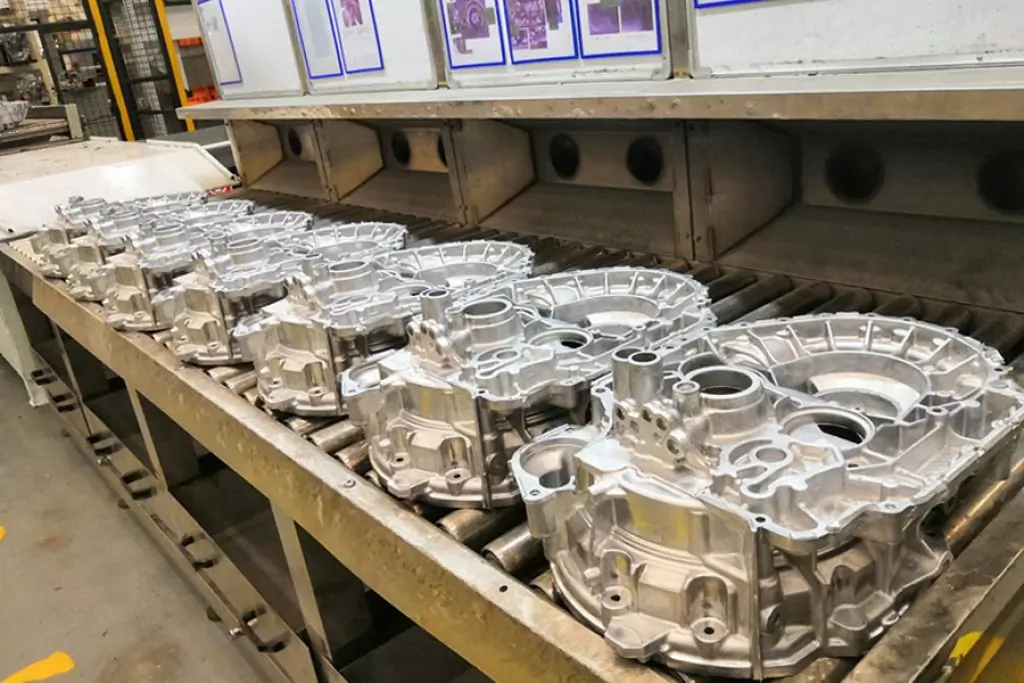
If you are looking for dependable volume manufacturing metal parts supplier with High pressure die casting service who offers you competitive price, good service and quality for aluminium die casting, zinc, or magnesium die casting, then BE-CU Prototype are surely a partner you are looking for to fulfill all your die casting needs. With quality service and state of art technology, BE-CU indeed claim in providing quality pressure die casting including aluminum/zamak/magnesium alloy castings to our customers all over the world.
To work with us,be-cu don’t just stop at taking your order and delivering your die casting products. be-cu are there for you at every step right from your preferred selection of aluminum die casting, Zamak die casting (Zamak 2, Zamak 3, Zamak 5, Zamak 8) or magnesium die casting products and services to post-order phase. In brief, once you become our customer, be-cu are with you every step on the way.
-
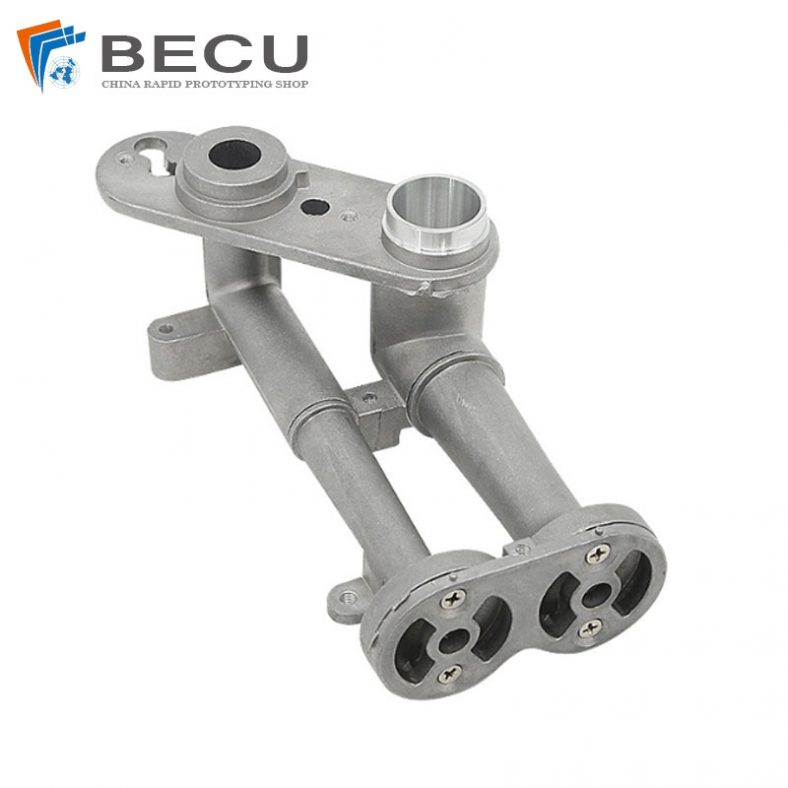
CNC Machining Gas Stove Bottom Joint
-
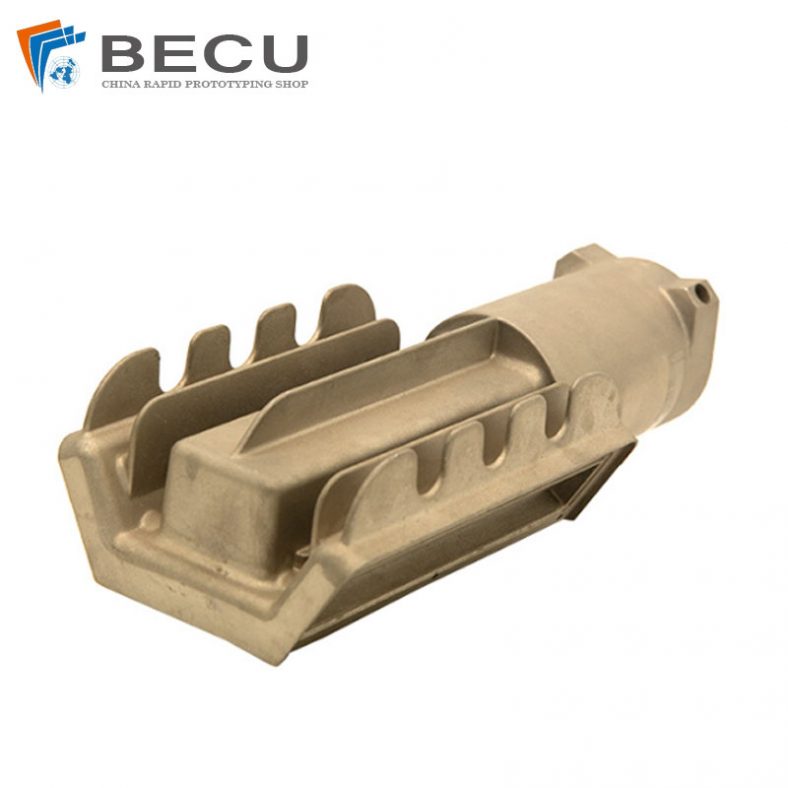
Gravity Die Casting Custom Street Light Heat Sink
-
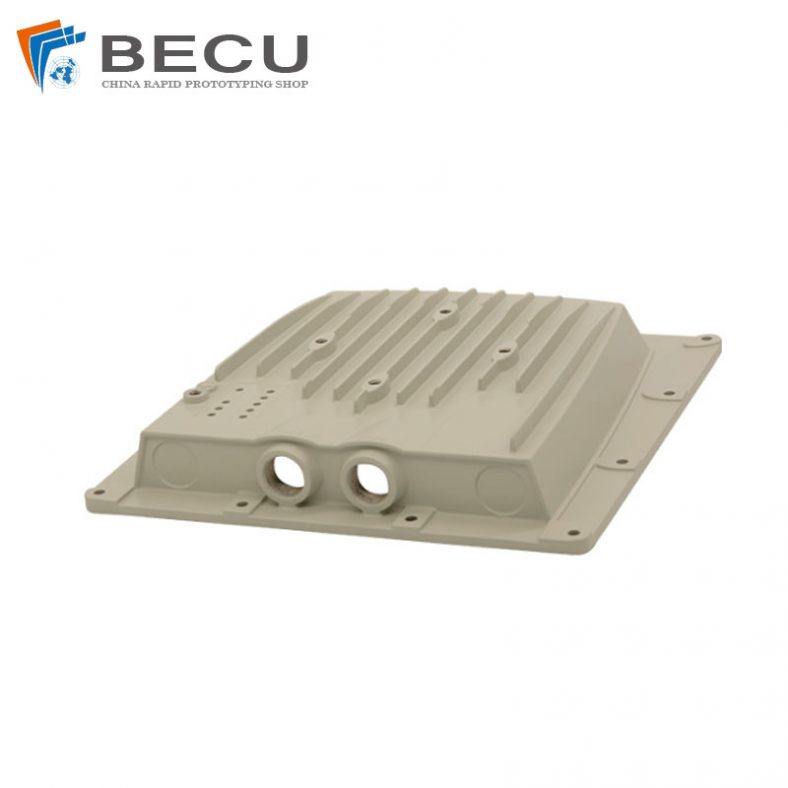
Die Casting LED Canopy Lights Heatsink For Gas Station
-
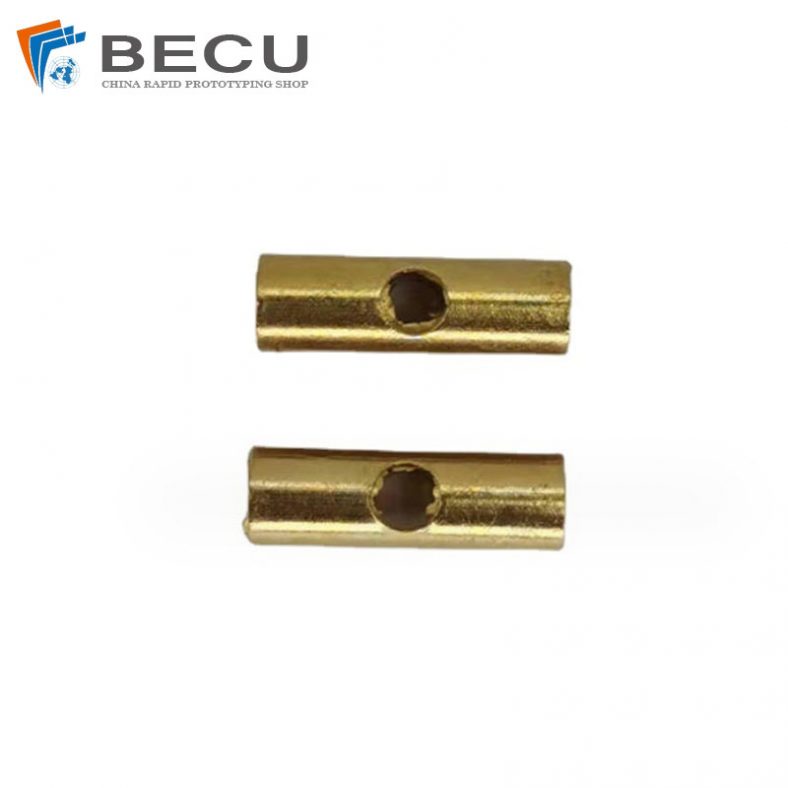
Zinc Die Casting PA10 Transformer Connector Terminal
-
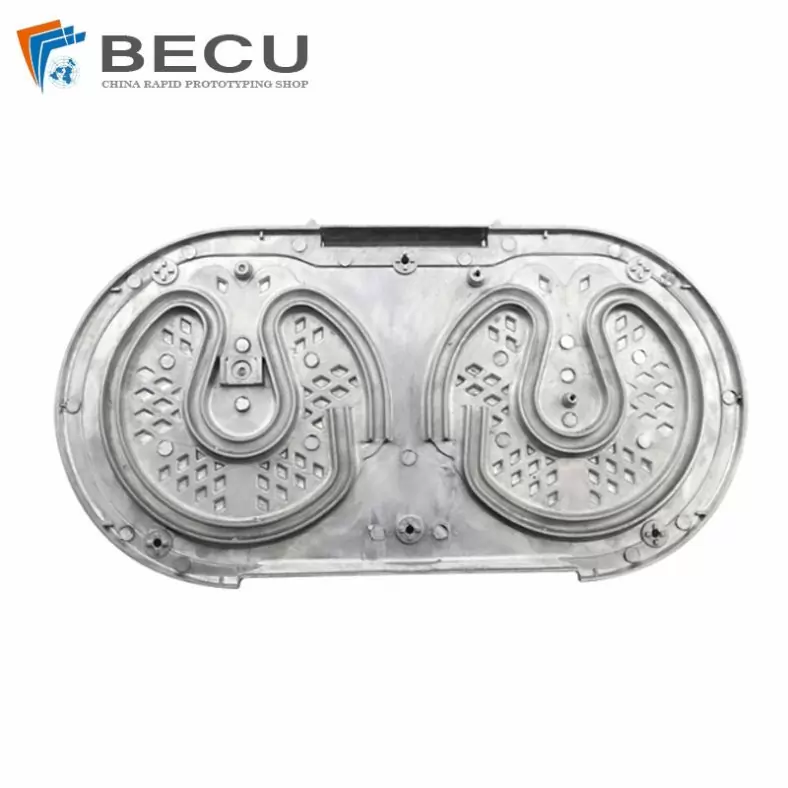
Die Casting Aluminium Cookware Chassis
-
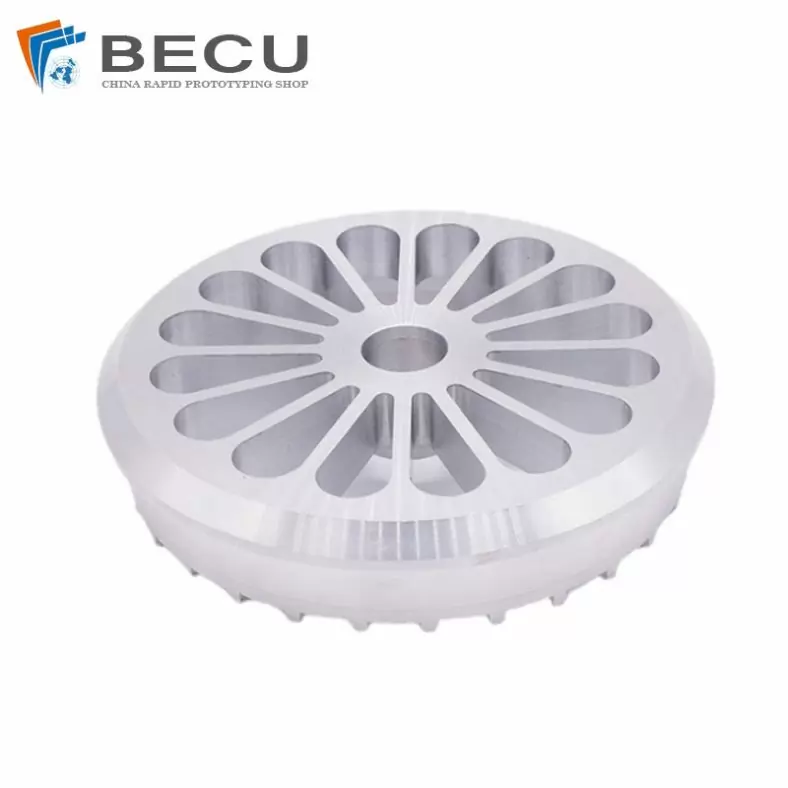
Die Casting Wheels With Aluminum Alloy 5 Axis CNC Machining
-
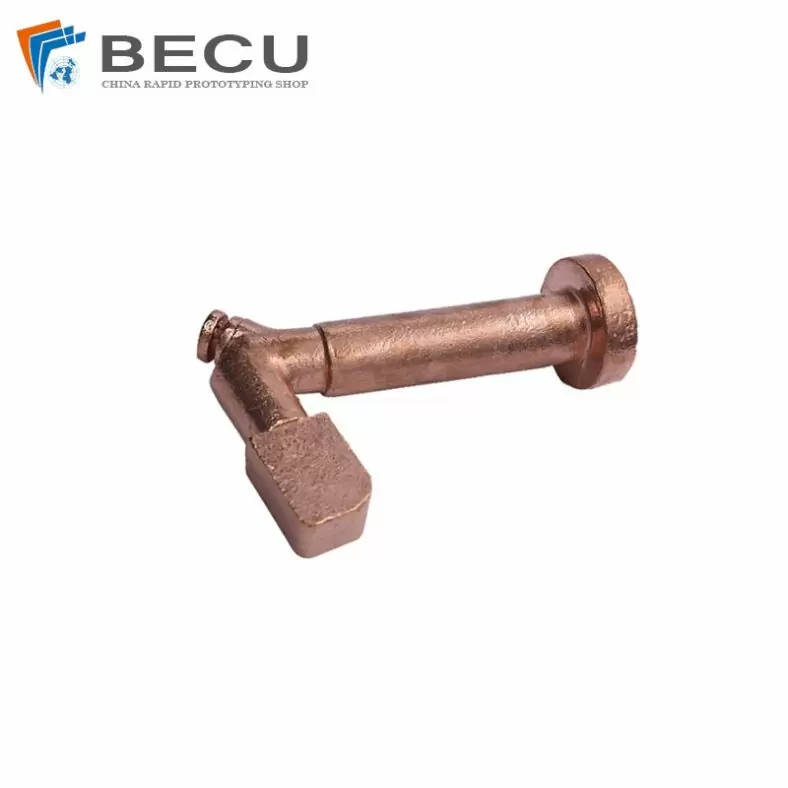
Precision Machined Copper Die Casting Parts
-
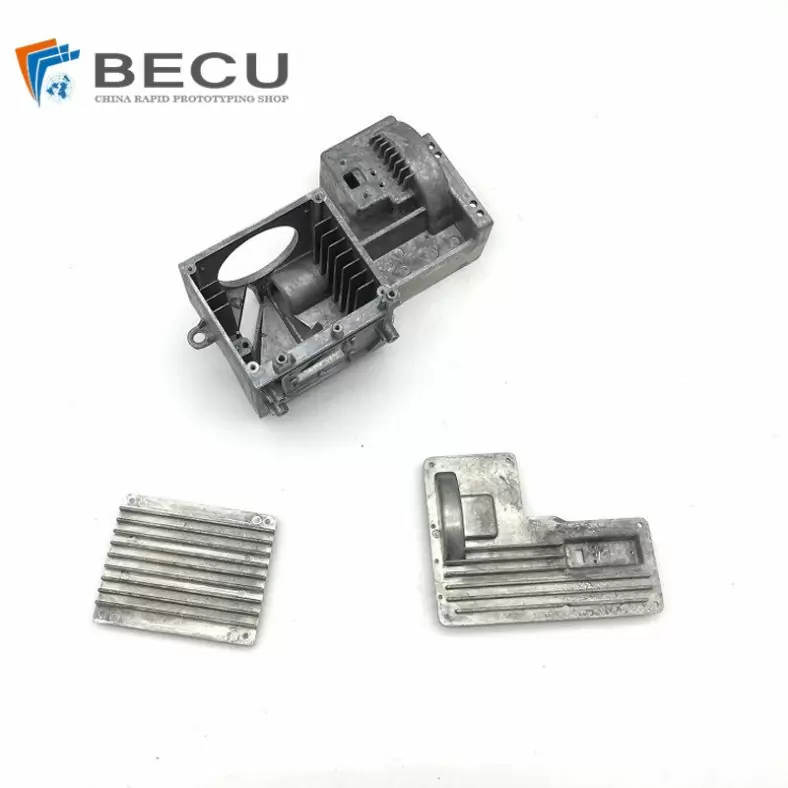
Professional Small Baler Aluminum Alloy Die-casting Mold Production
-
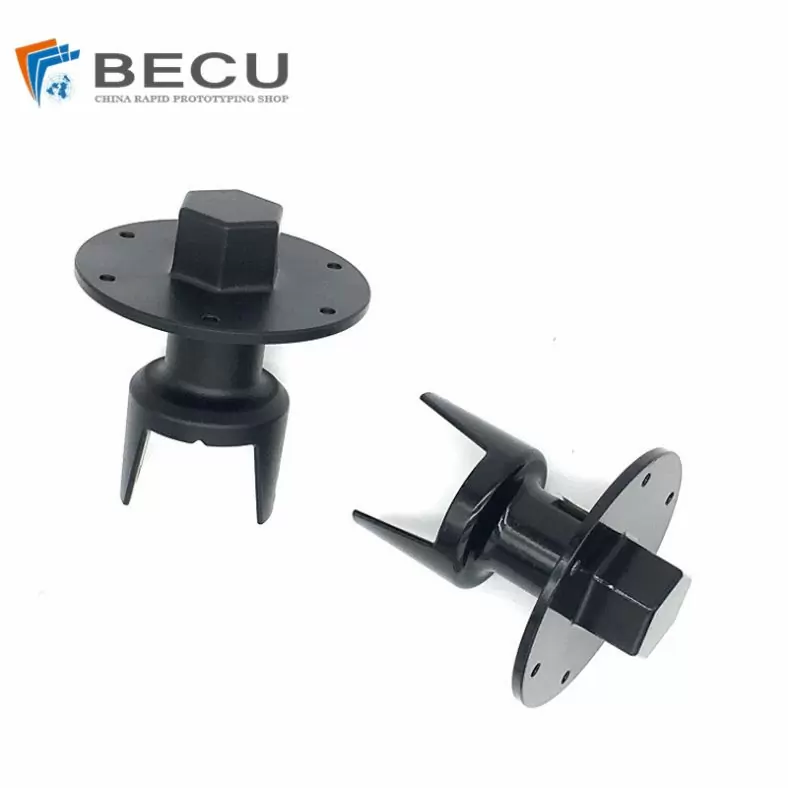
China Die Casting Factory Manufactures Surface Sprayed Aluminum Valve Body
-
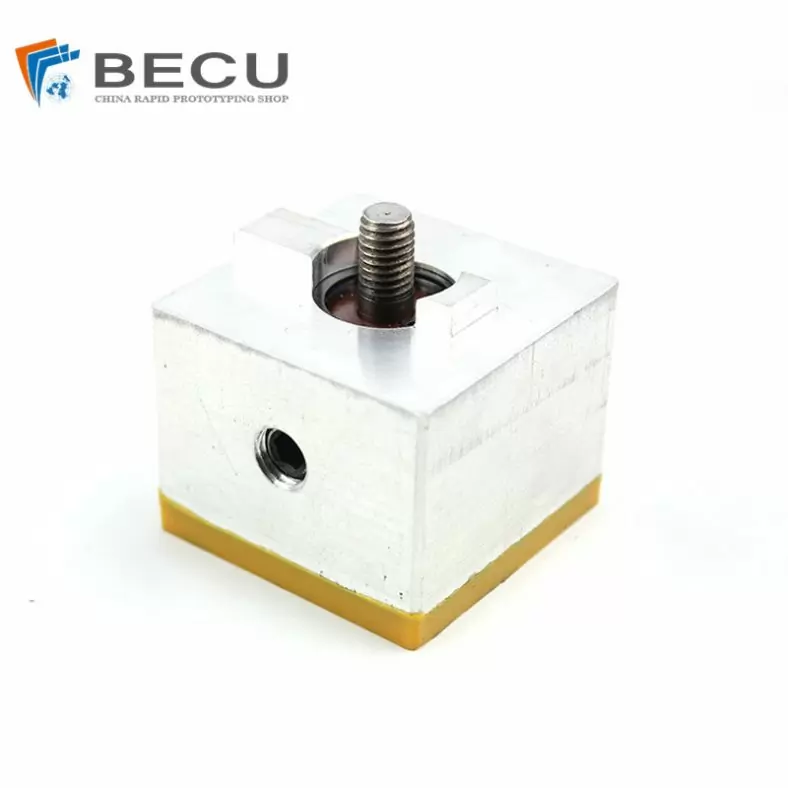
Extrusion Die-casting Polyurethane-Coated Aluminum Alloy Profiles
-
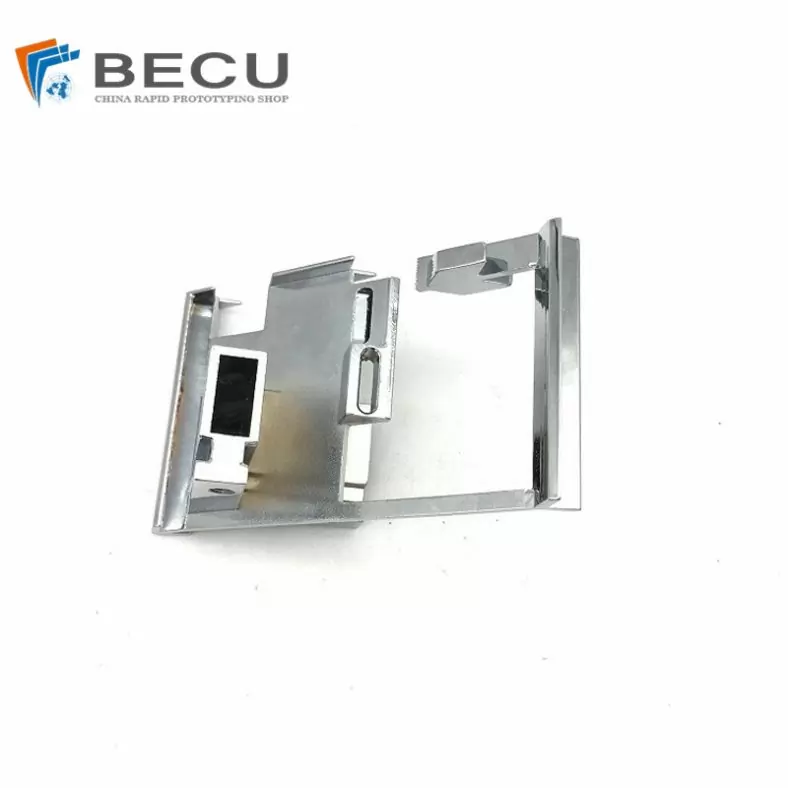
Custom Precision Aluminum Die Cast Brackets and Finishes
-
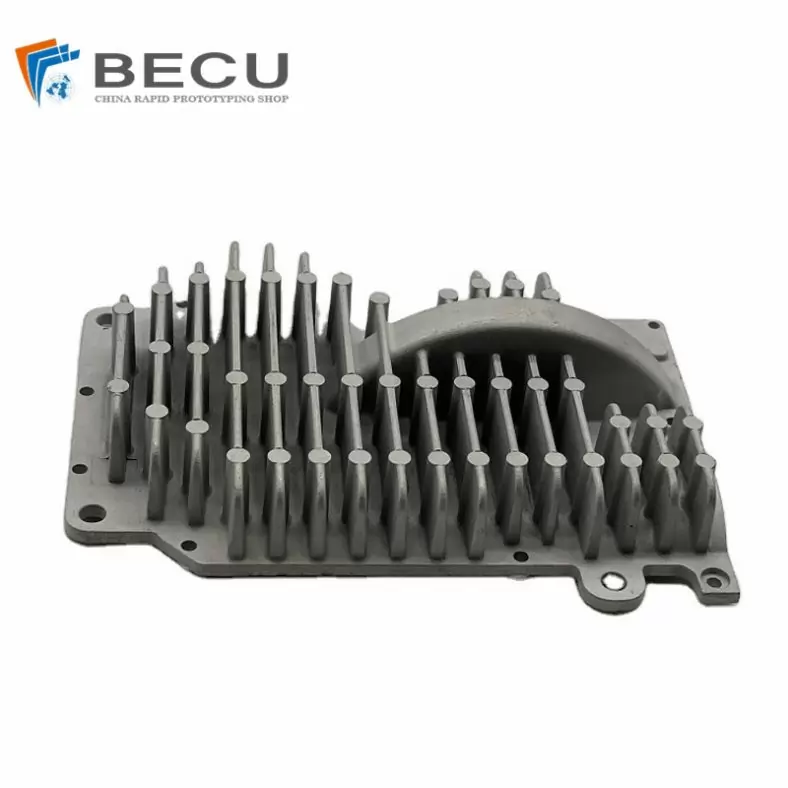
Extrusion Die-casting Magnesium Alloy Heat Sink Shell