

Gear pitch refers to a key measurement used in the manufacturing, design, and analysis of gears. It represents the ratio of the number of teeth on a gear to a specific dimension, often the diameter or circumference of the gear. Gear pitch is an essential parameter because it determines how gears mesh with each other and influences their performance in mechanical systems. The term “pitch” in gear terminology has several variations, and it can describe different aspects of gear geometry depending on the context in which it is used.The concept of gear pitch is fundamental in gear manufacturing and the design of gear systems. It ensures compatibility between mating gears and allows for accurate specification of gear teeth for various mechanical applications, including automotive, aerospace, manufacturing, and robotics.
As with any mechanical component, the correct pitch is crucial for the effective functioning of the gear system, reducing friction, wear, and noise while improving overall efficiency.
Definitions of Gear Pitch
In gear terminology, pitch can be defined in several ways, each related to different aspects of the gear’s geometry. These definitions are used to categorize and characterize gears, and each type of pitch measurement serves a specific purpose in gear design and analysis. The most commonly used definitions of gear pitch include:
Diametral Pitch (DP):
Diametral pitch is one of the most commonly used measures of pitch in gears. It is defined as the number of teeth per inch of the gear’s pitch diameter. In other words, the diametral pitch is the ratio of the number of teeth on a gear to the diameter of the gear’s pitch circle. The formula for diametral pitch is:
DP=Number of Teeth/Pitch Diameter (in inches)
A high diametral pitch corresponds to a greater number of teeth in a smaller diameter, while a low diametral pitch indicates fewer teeth in a larger diameter.
Module (m):
The module is the metric equivalent of diametral pitch. It is used primarily in the metric system to describe the size of gear teeth. The module is defined as the ratio of the pitch diameter to the number of teeth. It is given by the formula:
m=Number of Teeth/Pitch Diameter (in mm)
The module is particularly useful when designing gears in countries that use the metric system. It is often employed in the specification of gears for European and international standards.
Circular Pitch (CP):
Circular pitch is the distance between adjacent teeth along the pitch circle of the gear. It is often used to characterize gears with large numbers of teeth, where diametral pitch or module values can become impractical. Circular pitch is defined as:
CP=(π×Pitch Diameter)/Number of Teeth
In this equation, π (pi) represents the mathematical constant, which is approximately 3.1416. Circular pitch directly correlates with the spacing between teeth along the gear’s circumference.
Pitch Diameter:
The pitch diameter is the diameter of the pitch circle, which is the theoretical circle where the teeth of two meshing gears make contact. The pitch diameter is used in conjunction with other pitch definitions to understand the overall dimensions and characteristics of the gear.
Pressure Angle:
Although not directly a measure of pitch, the pressure angle influences the effective pitch of a gear. The pressure angle is the angle at which the force is transmitted between meshing gear teeth. Most gears have a standard pressure angle of 20 or 14.5 degrees, although other values can be used depending on the application.
Importance of Gear Pitch in Gear Design
The gear pitch plays a crucial role in the design of gears and gear systems. A key factor in ensuring that gears mesh properly is the alignment of their pitch, which ensures that the teeth of the gears interlock smoothly. When gears mesh, the teeth must engage with each other at the correct angle, with the correct spacing, and with the correct size and shape to transfer motion and torque efficiently.
- Compatibility Between Gears: For gears to work together, they must have compatible pitches. If gears with different pitches are paired, they will not mesh properly, leading to inefficient power transmission, increased wear, or even failure of the gear system. When designing a gear system with multiple gears, ensuring that each gear has the correct pitch is crucial for ensuring smooth operation and load sharing.
- Tooth Size and Strength: The pitch of a gear also determines the size of its teeth. The tooth size influences the strength of the gear, as larger teeth can withstand higher forces. The selection of the proper pitch is essential for ensuring that the gear can handle the mechanical stresses it will be subjected to during operation. Gear teeth that are too small may not be able to withstand high loads, while teeth that are too large can result in unnecessarily large gears, which are inefficient and take up more space.
- Precision and Accuracy: Gear pitch affects the precision and accuracy of the gear system. The more teeth that are packed into a given diameter (a higher pitch), the more precise the gear’s operation can be. This is particularly important in applications where high-precision movements or load distribution is required, such as in robotics, aerospace, or medical equipment.
- Noise and Vibration Control: The correct selection of gear pitch can also impact the noise and vibration levels of a gear system. Gears with a finer pitch, meaning they have more teeth per unit of diameter, tend to produce less noise and vibration during operation. This is important in industries like automotive manufacturing, where the smooth and quiet operation of the gear system is highly desirable.
Types of Gears and Their Pitch Characteristics
Different types of gears require different pitch measurements depending on their design and intended function. These gears come in a variety of shapes, sizes, and configurations, and the pitch plays a key role in defining their characteristics and performance.
- Spur Gears: Spur gears are the simplest and most common type of gear, featuring straight teeth that are parallel to the axis of rotation. These gears are commonly used in a wide variety of applications, from simple mechanical systems to more complex industrial machinery. The pitch of spur gears is typically expressed in terms of diametral pitch or module, with the tooth profile being critical for achieving smooth and efficient meshing.
- Helical Gears: Helical gears have teeth that are angled relative to the axis of rotation, as opposed to the straight teeth of spur gears. These gears are often used when greater torque and quieter operation are required. The pitch of helical gears can be described using similar terms as spur gears, but the helix angle of the teeth also influences the behavior of the gears.
- Bevel Gears: Bevel gears are used to transmit power between shafts that are at an angle to each other, often 90 degrees. These gears are commonly found in applications like automotive differentials and industrial machinery. The pitch of bevel gears can be defined similarly to other gears, but the pitch cone angle is an additional consideration when designing these types of gears.
- Worm Gears: Worm gears consist of a worm (a type of screw) meshing with a worm wheel (a type of gear), which allows for the transmission of power at a high reduction ratio. The pitch of worm gears is typically defined in terms of the number of threads per inch or the lead angle, which describes the angle at which the worm interacts with the wheel.
- Rack and Pinion Gears: A rack and pinion gear system consists of a linear gear (the rack) and a cylindrical gear (the pinion) that mesh together to convert rotational motion into linear motion. The pitch of rack and pinion gears is often described in terms of the diametral pitch, with careful attention paid to the alignment and spacing of the teeth to ensure smooth operation.
Gear Pitch Standards
Over time, various organizations and standards bodies have developed systems and norms for specifying gear pitch to ensure compatibility and interchangeability. These standards provide guidelines for manufacturers and engineers to follow when designing and producing gears.
- American Gear Manufacturers Association (AGMA): The AGMA sets standards for gear design, including definitions of diametral pitch, module, and other important gear characteristics. AGMA standards are widely used in the United States and in countries that follow American engineering practices.
- International Organization for Standardization (ISO): The ISO has developed a comprehensive set of standards for gears, including guidelines for the module system and other relevant metrics. ISO 1328, for example, specifies the tooth accuracy of gears, while ISO 17485 provides guidelines for gear manufacturing.
- European Union Standards: European standards for gear pitch are often based on the metric system, with the module being the most commonly used measure. These standards ensure compatibility among gears produced in different countries and facilitate international trade.
- Japanese Industrial Standards (JIS): Japan also follows specific standards for gear manufacturing, with the module being the most commonly used pitch measure. JIS standards ensure that gears manufactured in Japan meet international specifications and can be used in global applications.
Conclusion
Gear pitch is a fundamental concept in the design, manufacturing, and analysis of gears. It defines the geometry of gear teeth, influencing their size, shape, and compatibility with other gears. Understanding gear pitch is crucial for ensuring efficient and reliable power transmission in mechanical systems, ranging from simple devices to complex machinery used in industries such as automotive, aerospace, robotics, and manufacturing.
The choice of the correct pitch can have significant impacts on the efficiency, durability, noise, and cost of the gear system. By following established standards and utilizing appropriate gear pitch definitions, engineers and manufacturers can ensure that gears mesh properly, reducing wear and tear and improving the overall performance of the gear system.

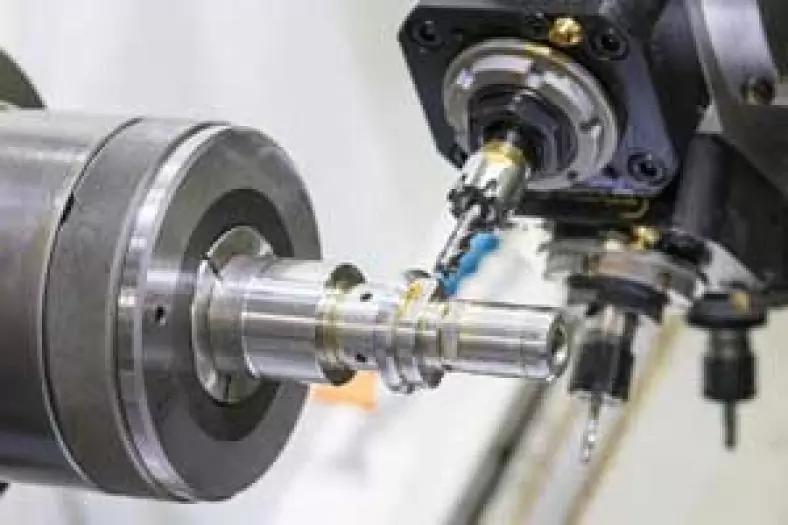
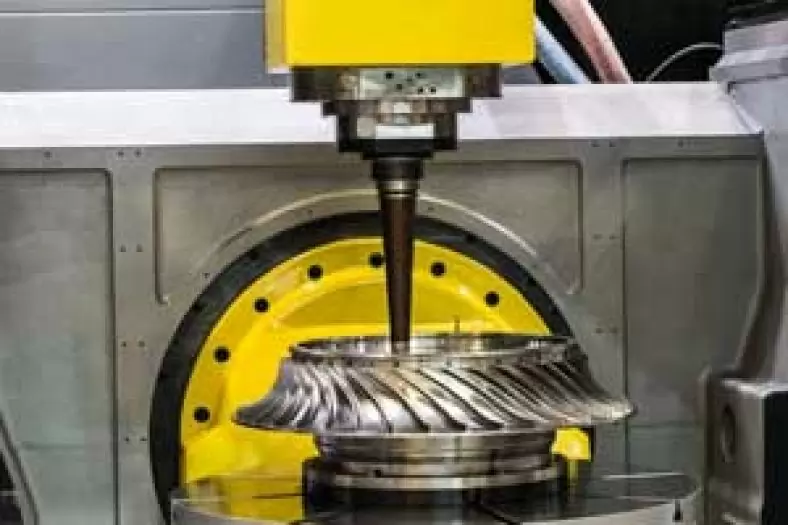

The Detail Of BE-CU Cnc Machining Shop
BE-CU.COM – As an accomplished CNC machining Service Manufacturer and CNC shop, BE-CU Prototype has been specialized in OEM CNC lathing, custom CNC machining parts production and rapid CNC machining services China for over 35 years and always maintaining the highest standard in delivery speed and reliable quality of precision CNC manufacturing components. With the help of high-level technology and efficient equipment, as well as rigorous attitude, BE-CU passed the ISO9001:2015 quality certification, which supports the long-term development of CNC milling services, CNC turning services, CNC milling-turning, CNC drilling services, 3/4/5 axis machining, gear machining services, CNC machining China custom parts and service, small parts machining, etc.Our CNC machining products can be utilized in a broad range of industries. Contact us for email: [email protected]
-
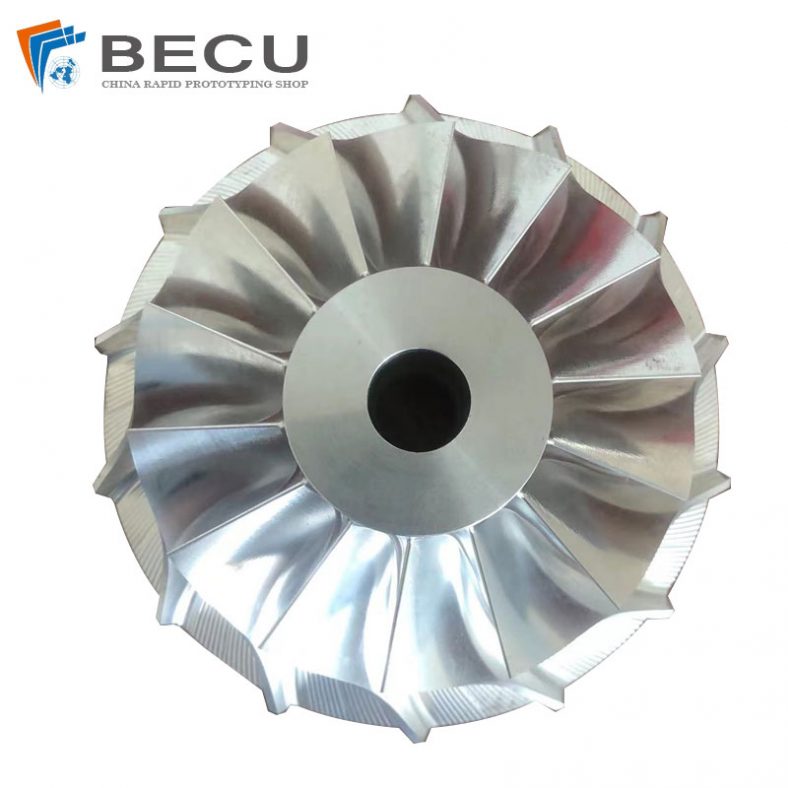
3-Way Centrifugal Compressor Closed Impeller By 5 Axis Machining
-

3/4/5 Axis Precision Milling Custom Vehicle Parts
-
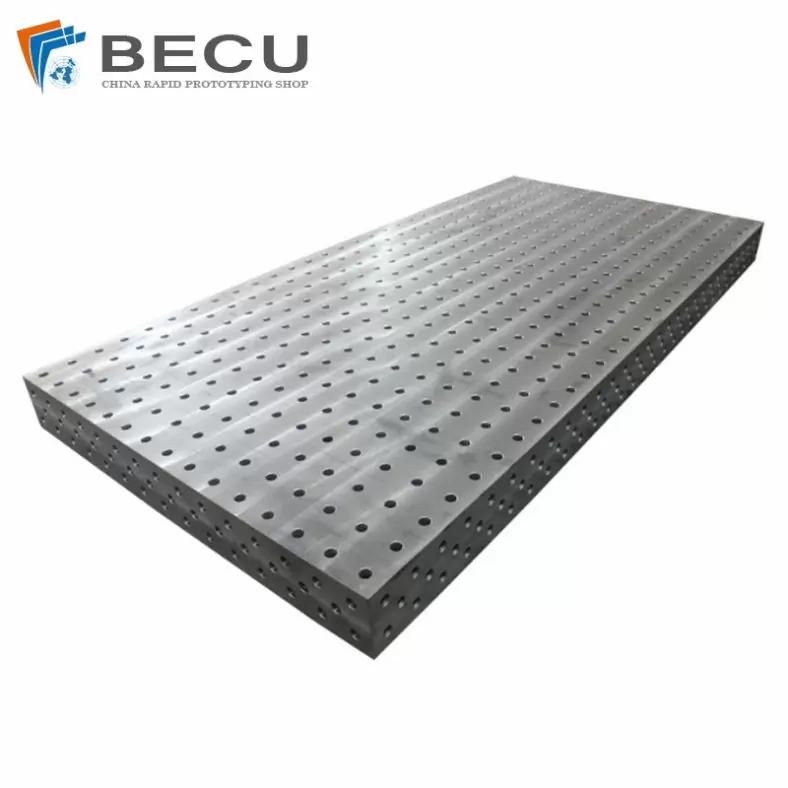
3D Flexible Welding Platform By Large Machining
-
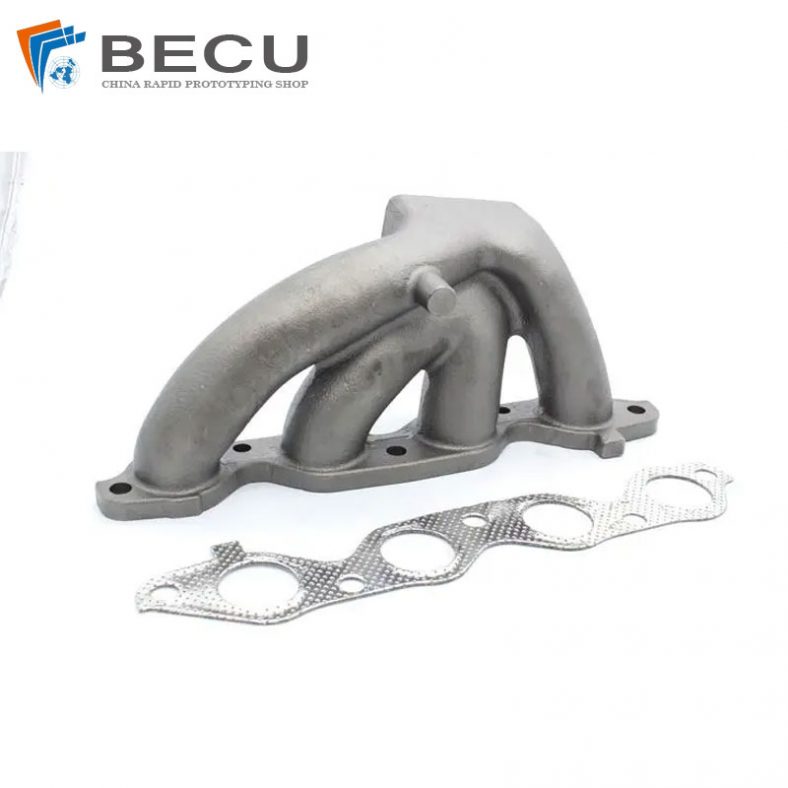
3D Printed Inconel Exhaust Manifold
-
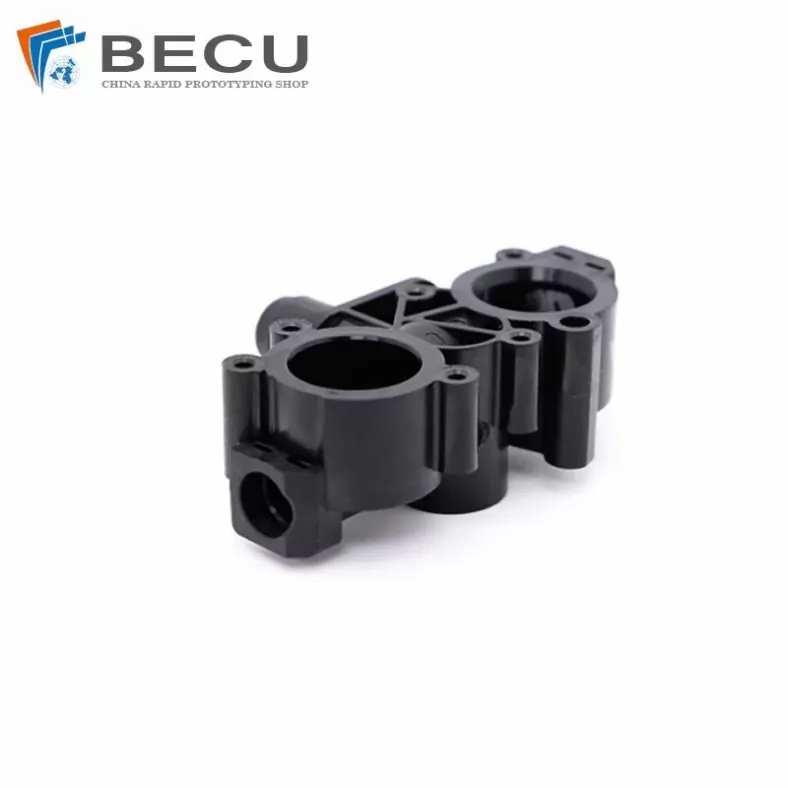
3D Printing And CNC Machining Custom Black PPS Valve
-
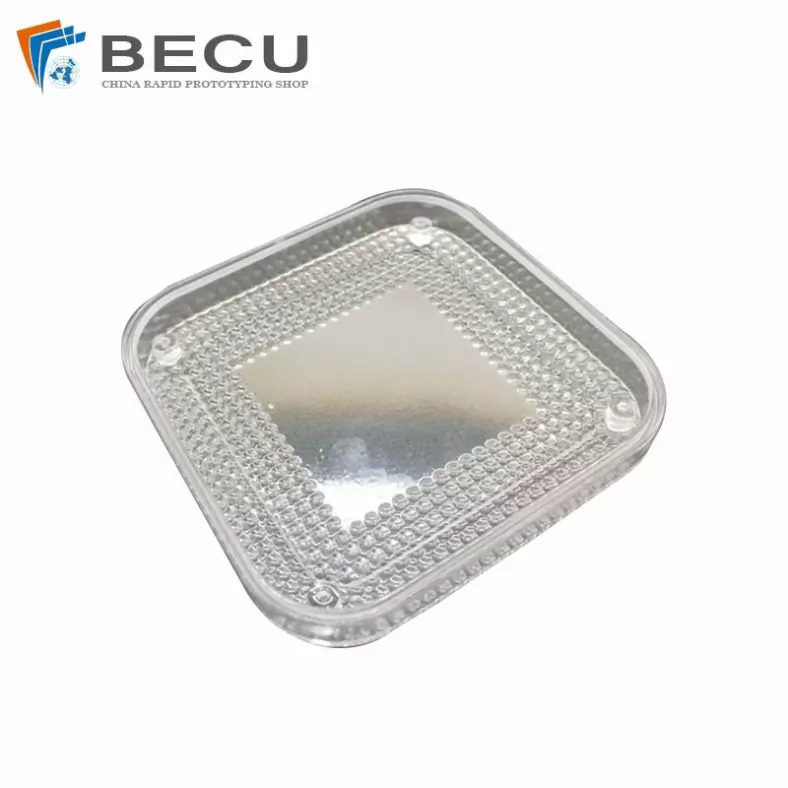
3D Printing Full Transparent Acrylic Lampshade Model
-
4 Axis CNC Machining Titanium Grade 5 Mobile Phone Buttons
-
4 Axis Machining Highly Transparent Acrylic LED Tunnel Light Lens