
VG10 steel, a high-performance stainless steel originating from Japan, has garnered significant attention in the field of cutlery and tool manufacturing due to its exceptional balance of hardness, edge retention, corrosion resistance, and ease of sharpening. Developed by Takefu Special Steel Co., Ltd., VG10, which stands for “V Gold 10,” is a premium-grade alloy designed specifically for applications requiring superior cutting performance, such as kitchen knives, folding knives, and specialty tools. Its widespread adoption by renowned knife manufacturers, including Spyderco, Shun, and Miyabi, underscores its reputation as a reliable and versatile material in both professional and enthusiast circles.
This article provides a comprehensive exploration of VG10 steel, detailing its chemical composition, mechanical properties, historical development, and practical applications. Additionally, it compares VG10 to two other prominent knife steels, 440C and N390, to elucidate their relative strengths and weaknesses. Through detailed tables and in-depth analysis, this article aims to serve as a definitive resource for understanding VG10 steel and its place within the broader context of metallurgical science and cutlery design.
Historical Background
VG10 steel was developed in the late 1950s by Takefu Special Steel, a Japanese company established in 1954 and known for its expertise in producing high-quality laminated steels for cutlery. The development of VG10 coincided with advancements in stainless steel metallurgy, driven by the need for materials that could combine the sharpness and edge retention of carbon steels with the corrosion resistance of stainless alloys. The designation “VG10” reflects its premium quality, with “V” standing for vanadium, a key alloying element, and “Gold” signifying its superior performance characteristics.
The steel was initially engineered for use in high-end kitchen knives, where the demands of food preparation required blades that could maintain a razor-sharp edge while resisting rust and staining in humid, acidic environments. Over time, VG10’s versatility led to its adoption in other applications, including everyday carry (EDC) knives, tactical knives, and even industrial tools. Its development marked a significant milestone in Japanese metallurgy, contributing to Japan’s reputation as a global leader in precision cutlery.
Evolution of Stainless Steel in Cutlery
To contextualize VG10’s development, it is useful to consider the broader evolution of stainless steel in knife making. Prior to the mid-20th century, most high-performance knives were made from carbon steels, which offered excellent hardness and edge retention but were prone to rust and required meticulous maintenance. The introduction of stainless steels, such as the 400-series alloys (e.g., 440C), in the early 20th century addressed corrosion issues but often came at the cost of reduced edge retention and sharpening difficulty.
VG10 emerged as part of a new generation of stainless steels that sought to bridge this gap. By incorporating advanced alloying elements like vanadium, molybdenum, and cobalt, Takefu Special Steel created a material that rivaled the cutting performance of carbon steels while maintaining the corrosion resistance of stainless alloys. This innovation positioned VG10 as a direct competitor to established steels like 440C and later, more advanced alloys like N390.
Takefu Special Steel’s Role
Takefu Special Steel played a pivotal role in VG10’s success by leveraging its expertise in laminated steel production. Many VG10 blades are clad with softer, more corrosion-resistant stainless steels in a san mai (three-layer) or multi-layered Damascus construction, which enhances both aesthetic appeal and functional performance. This lamination process, a hallmark of traditional Japanese swordsmithing, reduces the brittleness of the hard VG10 core while improving overall corrosion resistance and ease of maintenance.
Chemical Composition
Elemental Breakdown
VG10 steel is a high-carbon stainless steel characterized by a carefully balanced alloy composition. The following table provides a detailed breakdown of its chemical constituents, expressed as weight percentages:
Table 1: Chemical Composition of VG10 Steel
| Element | Percentage (%) | Role in Alloy |
|---|---|---|
| Carbon (C) | 0.95–1.05 | Increases hardness, edge retention, and wear resistance by forming carbides. |
| Chromium (Cr) | 14.50–15.50 | Enhances corrosion resistance and contributes to carbide formation for wear resistance. |
| Molybdenum (Mo) | 0.90–1.20 | Improves corrosion resistance, hardenability, and high-temperature strength. |
| Vanadium (V) | 0.10–0.30 | Refines grain structure, enhances wear resistance, and forms hard vanadium carbides. |
| Cobalt (Co) | 1.30–1.50 | Increases hardness, tempering resistance, and strengthens the metal matrix. |
| Manganese (Mn) | 0.50 max | Improves hardenability and stabilizes austenite during heat treatment. |
| Silicon (Si) | 0.60 max | Enhances strength and heat resistance but kept low to avoid brittleness. |
| Phosphorus (P) | 0.03 max | Impurity; kept low to prevent embrittlement. |
| Sulfur (S) | 0.03 max | Impurity; kept low to improve toughness and machinability. |
Role of Key Alloying Elements
Each element in VG10’s composition contributes to its overall performance:
- Carbon: At approximately 1%, carbon is the primary driver of VG10’s hardness and edge retention. It forms chromium and vanadium carbides, which enhance wear resistance but must be balanced to avoid excessive brittleness.
- Chromium: With 14.5–15.5% chromium, VG10 qualifies as a stainless steel (typically requiring ≥13% Cr). Chromium provides excellent corrosion resistance by forming a passive oxide layer on the surface and contributes to hardness through carbide formation.
- Molybdenum: Molybdenum enhances corrosion resistance, particularly against pitting in chloride-rich environments, and improves the steel’s ability to harden uniformly during heat treatment.
- Vanadium: Vanadium refines the grain structure, reducing the size of carbide particles and improving toughness and wear resistance. Vanadium carbides are exceptionally hard, contributing to edge retention.
- Cobalt: A distinctive feature of VG10, cobalt increases hardness and strengthens the metal matrix, allowing the steel to maintain its properties at higher tempering temperatures. This is particularly useful for blades undergoing high-temperature coatings or prolonged use.
- Manganese and Silicon: These elements are present in small amounts to improve hardenability and strength, respectively, but are kept low to minimize negative effects on toughness.
- Phosphorus and Sulfur: As impurities, these are minimized to prevent embrittlement and ensure a clean, high-quality alloy.
Comparison with Other Steels
To understand VG10’s composition in context, it is compared with 440C and N390, two steels commonly used in similar applications:
Table 2: Chemical Composition Comparison of VG10, 440C, and N390
| Element | VG10 (%) | 440C (%) | N390 (%) |
|---|---|---|---|
| Carbon (C) | 0.95–1.05 | 0.95–1.20 | 1.90 |
| Chromium (Cr) | 14.50–15.50 | 16.00–18.00 | 20.00 |
| Molybdenum (Mo) | 0.90–1.20 | 0.40–0.75 | 1.00 |
| Vanadium (V) | 0.10–0.30 | – | 4.00 |
| Cobalt (Co) | 1.30–1.50 | – | 0.50 |
| Manganese (Mn) | 0.50 max | 1.00 max | 0.40 |
| Silicon (Si) | 0.60 max | 1.00 max | 0.70 |
| Phosphorus (P) | 0.03 max | 0.04 max | 0.03 max |
| Sulfur (S) | 0.03 max | 0.03 max | 0.02 max |
| Niobium (Nb) | – | – | 0.10 |
- 440C: Compared to VG10, 440C has a slightly higher carbon and chromium content but lacks vanadium and cobalt. The higher chromium enhances corrosion resistance, but the absence of vanadium results in larger carbide particles, reducing wear resistance and grain refinement.
- N390: N390, a powder metallurgy steel from Böhler-Uddeholm, has significantly higher carbon, chromium, and vanadium content. This results in greater hardness and wear resistance but at the cost of increased brittleness and sharpening difficulty. The lower cobalt content compared to VG10 suggests less tempering resistance.
Mechanical Properties
Hardness
VG10 steel is typically heat-treated to a Rockwell hardness (HRC) of 59–61, striking a balance between hardness and toughness. This hardness level allows VG10 to take and hold a razor-sharp edge while resisting deformation under moderate impact. The presence of vanadium and cobalt contributes to its ability to achieve and maintain high hardness without excessive brittleness.
- Heat Treatment: VG10 is austenitized at approximately 1975°F (1080°C), quenched, and tempered at 400°F (204°C) to achieve optimal hardness. Cryogenic treatment may be used to reduce retained austenite, further enhancing hardness and edge stability.
- Comparison: 440C typically achieves 58–60 HRC, slightly lower than VG10, while N390 can reach 60–62 HRC due to its higher carbon and vanadium content. However, N390’s higher hardness may increase the risk of chipping in thin-edged applications.
Edge Retention
Edge retention, the ability of a blade to maintain sharpness during use, is one of VG10’s standout properties. The formation of hard chromium and vanadium carbides, combined with a fine grain structure, enables VG10 to resist abrasive wear effectively. Testing by organizations like Spyderco using the CATRA (Cutlery and Allied Trades Research Association) method indicates that VG10 outperforms 440C in slicing tasks but falls slightly below N390 due to the latter’s higher vanadium carbide content.
- Factors Affecting Edge Retention: Edge geometry, heat treatment quality, and sharpening angle significantly influence edge retention. VG10’s ability to support acute edge angles (e.g., 15–20° per side) enhances its cutting performance in precision tasks.
- Comparison: 440C offers decent edge retention but dulls faster than VG10 due to its lack of vanadium. N390’s superior edge retention makes it ideal for heavy-duty applications but may require more effort to sharpen.
Corrosion Resistance
With 14.5–15.5% chromium and 1.2% molybdenum, VG10 exhibits excellent corrosion resistance, making it suitable for humid or acidic environments, such as kitchens or coastal regions. While not immune to rust, proper maintenance (e.g., cleaning and drying after use) ensures long-term performance.
- Pitting Resistance: VG10 is more susceptible to pitting corrosion than steels with lower carbon content due to the binding of chromium in carbides, reducing the amount available for passivation. Laminated constructions mitigate this by protecting the core with more corrosion-resistant cladding.
- Comparison: 440C, with 16–18% chromium, offers slightly better corrosion resistance, particularly in saltwater environments. N390’s 20% chromium provides superior resistance, making it a top choice for marine applications.
Toughness
Toughness, the ability to resist chipping or fracturing under impact, is moderate in VG10. Its fine grain structure and balanced composition provide sufficient toughness for most cutting tasks, but it is less impact-resistant than softer steels like 440C. Thin-edged VG10 blades may chip if subjected to heavy chopping or prying.
- Testing: Charpy impact tests conducted by Knife Steel Nerds indicate that VG10 averages approximately 5.8 ft-lbs of toughness at 60.7 HRC, slightly lower than 440C (6–7 ft-lbs) but comparable to other stainless steels in its hardness range.
- Comparison: 440C’s higher toughness makes it more forgiving in rough tasks, while N390’s higher hardness reduces its toughness, increasing the risk of chipping in dynamic applications.
Sharpenability
VG10 is relatively easy to sharpen compared to harder, more wear-resistant steels. Its fine grain structure and moderate carbide volume allow it to take a keen edge with standard sharpening tools, such as waterstones or diamond abrasives.
- Challenges: The presence of vanadium carbides and high hardness can make VG10 slightly more difficult to sharpen than 440C, particularly for novice sharpeners. However, it is significantly easier to sharpen than N390, which contains a high volume of hard vanadium carbides.
- Comparison: 440C’s larger chromium carbides and lower hardness make it easier to sharpen, while N390’s powder metallurgy construction and high vanadium content require advanced sharpening techniques and abrasives.
Table 3: Mechanical Properties Comparison of VG10, 440C, and N390
| Property | VG10 | 440C | N390 |
|---|---|---|---|
| Hardness (HRC) | 59–61 | 58–60 | 60–62 |
| Edge Retention | Excellent | Good | Superior |
| Corrosion Resistance | Excellent | Very Good | Outstanding |
| Toughness | Moderate | Good | Moderate to Low |
| Sharpenability | Moderate | Easy | Difficult |
Microstructure and Metallurgy
Carbide Formation
VG10’s microstructure consists primarily of a martensitic matrix with dispersed chromium and vanadium carbides. The carbides contribute to wear resistance and edge retention but must be finely distributed to avoid reducing toughness.
- Chromium Carbides: Formed by the high chromium and carbon content, these carbides are relatively soft compared to vanadium carbides but provide good wear resistance.
- Vanadium Carbides: Though present in small amounts (0.1–0.3% V), vanadium carbides are exceptionally hard and enhance edge retention. Their fine size, due to vanadium’s grain-refining effect, improves toughness.
- Carbide Volume: VG10 has an estimated carbide volume of 12–16%, similar to 440C but lower than N390 (20–25%), which contains a higher proportion of vanadium carbides.
Grain Structure
Vanadium’s role in refining grain size results in a fine, uniform microstructure in VG10, which enhances toughness and edge stability. This contrasts with 440C, which has a coarser grain structure due to the absence of vanadium, and N390, which benefits from powder metallurgy’s ability to produce an even finer, more homogeneous microstructure.
Heat Treatment Effects
The performance of VG10 is heavily dependent on heat treatment. Proper austenitizing, quenching, and tempering maximize hardness and edge retention while minimizing retained austenite, which can reduce toughness. Cryogenic treatment is often employed to convert retained austenite to martensite, further enhancing performance.
- Austenitizing: Performed at 1975–2000°F (1080–1093°C) to dissolve carbides and achieve full hardness.
- Quenching: Plate or oil quenching ensures rapid cooling to form martensite.
- Tempering: Typically conducted at 350–400°F (177–204°C) to relieve stresses and optimize hardness and toughness.
- Cryogenic Treatment: Sub-zero or liquid nitrogen treatment improves edge retention by reducing retained austenite.
Manufacturing and Processing
Production Process
VG10 is produced using conventional ingot metallurgy, followed by rolling and forging to create billets or sheets for knife manufacturing. Takefu Special Steel’s stringent quality control ensures consistent composition and minimal impurities, contributing to VG10’s reputation for reliability.
- Melting: The alloy is melted in electric arc furnaces, with precise control over alloying elements to achieve the desired composition.
- Refining: Secondary refining processes, such as vacuum degassing, remove impurities like phosphorus and sulfur.
- Forming: The steel is hot-rolled into sheets or bars, which are then annealed to facilitate forging or machining.
Lamination Techniques
VG10 is frequently used in laminated constructions, where a hard VG10 core is sandwiched between layers of softer stainless steel. This san mai technique, rooted in Japanese swordsmithing, offers several benefits:
- Corrosion Protection: The softer cladding, often made from 420J2 or 410 stainless steel, protects the VG10 core from rust and pitting.
- Toughness: The cladding absorbs impact, reducing the risk of chipping in the hard core.
- Aesthetics: Multi-layered Damascus laminations create visually striking patterns, popular in high-end kitchen knives.
Challenges in Manufacturing
VG10’s high hardness and carbide content pose challenges during manufacturing:
- Machinability: The presence of hard carbides reduces tool life during cutting or grinding, requiring specialized equipment.
- Thermal Stability: VG10 loses hardness above 300°C (572°F), limiting its use in high-speed machining without coolant.
- Cost: VG10 is 20–30% more expensive than entry-level steels like 440C due to its complex composition and quality control requirements.
Applications
Kitchen Knives
VG10 is a preferred material for high-end kitchen knives, particularly Japanese-style blades like santoku, gyuto, and nakiri. Its ability to hold a fine edge, resist staining, and sharpen easily makes it ideal for precision tasks such as slicing vegetables, filleting fish, and dicing herbs.
- Brands: Shun, Miyabi, and Global use VG10 in their premium lines, often in laminated constructions for enhanced performance and aesthetics.
- Performance: VG10’s hardness (59–61 HRC) allows for acute edge angles (12–15° per side), delivering exceptional cutting performance in culinary applications.
Everyday Carry (EDC) Knives
VG10’s balance of edge retention, corrosion resistance, and toughness makes it a popular choice for folding and fixed-blade EDC knives. Brands like Spyderco and Cold Steel incorporate VG10 into their designs for its reliability in daily tasks, such as cutting rope, opening packages, or preparing food.
- Advantages: VG10’s corrosion resistance is well-suited for humid or coastal environments, while its edge retention minimizes the need for frequent sharpening.
- Limitations: In heavy-duty EDC tasks, VG10’s moderate toughness may lead to chipping if used improperly.
Tactical and Outdoor Knives
While less common in tactical or survival knives due to its moderate toughness, VG10 is used in light-duty outdoor applications where corrosion resistance and cutting performance are prioritized. Laminated VG10 blades are particularly effective in these contexts, as the cladding enhances durability.
- Examples: Fallkniven’s laminated VG10 blades are designed for outdoor use, offering a robust combination of sharpness and corrosion resistance.
- Considerations: For heavy chopping or prying, tougher steels like 440C or CPM-3V may be preferred.
Other Applications
Beyond knives, VG10 is used in specialty tools, such as hairdressing scissors and surgical instruments, where precision and corrosion resistance are critical. Its ability to achieve a fine edge and resist wear makes it suitable for these demanding applications.
VG10 Equivalents
Similar Steels
VG10 shares similarities with several other stainless steels, which may be considered equivalents or alternatives depending on the application. These include:
- 154CM: An American stainless steel with similar hardness (58–61 HRC) and edge retention but slightly lower corrosion resistance due to 14% chromium.
- ATS-34: A Japanese steel nearly identical to 154CM, offering comparable performance but with a reputation for inconsistent heat treatment in some applications.
- N690: A Böhler-Uddeholm steel with higher chromium (17%) and cobalt (0.5%), providing better corrosion resistance but similar hardness and edge retention.
- AUS-10: A Japanese steel with slightly lower carbon (0.95–1.10%) and no cobalt, resulting in reduced hardness but improved toughness.
Key Differences
While these steels are similar to VG10, key differences in composition and processing affect their performance:
- 154CM/ATS-34: Lack cobalt, reducing tempering resistance, but offer comparable edge retention and toughness.
- N690: Higher chromium improves corrosion resistance, but the absence of vanadium results in coarser carbides and reduced wear resistance.
- AUS-10: Easier to sharpen and tougher than VG10 but with lower edge retention due to the absence of cobalt and lower vanadium content.
Table 4: Comparison of VG10 and Equivalent Steels
| Steel | Carbon (%) | Chromium (%) | Vanadium (%) | Cobalt (%) | Hardness (HRC) | Edge Retention | Corrosion Resistance | Toughness |
|---|---|---|---|---|---|---|---|---|
| VG10 | 0.95–1.05 | 14.50–15.50 | 0.10–0.30 | 1.30–1.50 | 59–61 | Excellent | Excellent | Moderate |
| 154CM | 1.05 | 14.00 | 0.40 | – | 58–61 | Excellent | Good | Moderate |
| ATS-34 | 1.05 | 14.00 | 0.40 | – | 58–61 | Excellent | Good | Moderate |
| N690 | 1.07 | 17.00 | 0.10 | 0.50 | 58–60 | Good | Very Good | Moderate |
| AUS-10 | 0.95–1.10 | 13.00–14.50 | 0.10–0.27 | – | 58–60 | Good | Good | Good |
VG10 vs 440C
Overview
440C, a high-carbon stainless steel from the 400-series, has been a staple in knife making since the mid-20th century. Known for its excellent corrosion resistance and affordability, 440C is often compared to VG10 due to their overlapping applications in mid-range to high-end knives.
Composition Comparison
As shown in Table 2, 440C has higher chromium (16–18%) and slightly higher carbon (0.95–1.20%) than VG10 but lacks vanadium and cobalt. The higher chromium content enhances corrosion resistance, while the absence of vanadium results in a coarser grain structure and reduced wear resistance.
Performance Comparison
- Hardness: VG10 (59–61 HRC) is slightly harder than 440C (58–60 HRC), allowing for finer edge angles and better edge retention.
- Edge Retention: VG10 outperforms 440C in edge retention due to its vanadium carbides and finer grain structure. CATRA tests show VG10 retaining sharpness longer in slicing tasks.
- Corrosion Resistance: 440C’s higher chromium content provides a slight edge in corrosion resistance, particularly in saltwater environments.
- Toughness: 440C is tougher than VG10, making it more resistant to chipping in rough tasks like chopping or batoning.
- Sharpenability: 440C is easier to sharpen due to its lower hardness and lack of vanadium carbides, making it more accessible for casual users.
Applications
- VG10: Preferred for precision cutting tasks, such as kitchen knives and EDC folders, where edge retention and sharpness are paramount.
- 440C: Suited for general-purpose knives, including hunting and survival blades, where toughness and corrosion resistance are prioritized over edge retention.
Cost and Availability
VG10 is typically 20–30% more expensive than 440C due to its complex composition and manufacturing requirements. However, 440C’s widespread availability and lower cost make it a popular choice for budget-conscious consumers.
VG10 vs N390
Overview
N390, a powder metallurgy stainless steel from Böhler-Uddeholm, represents a more advanced alternative to VG10. Known for its exceptional hardness, edge retention, and corrosion resistance, N390 is used in high-performance knives where cost is less of a concern.
Composition Comparison
As shown in Table 2, N390 has significantly higher carbon (1.9%), chromium (20%), and vanadium (4%) than VG10, with lower cobalt (0.5%). The higher alloy content results in a greater volume of hard vanadium carbides, enhancing wear resistance but reducing toughness.
Performance Comparison
- Hardness: N390 (60–62 HRC) is harder than VG10 (59–61 HRC), allowing for superior edge retention but increasing the risk of chipping.
- Edge Retention: N390’s high vanadium carbide content makes it superior in edge retention, outperforming VG10 in abrasive cutting tasks.
- Corrosion Resistance: N390’s 20% chromium provides outstanding corrosion resistance, surpassing VG10, particularly in harsh environments.
- Toughness: VG10 is tougher than N390, making it more suitable for tasks requiring impact resistance.
- Sharpenability: VG10 is significantly easier to sharpen than N390, which requires advanced abrasives due to its high hardness and carbide volume.
Applications
- VG10: Ideal for kitchen knives and EDC folders where ease of sharpening and balanced performance are valued.
- N390: Preferred for tactical, outdoor, and industrial knives where maximum edge retention and corrosion resistance are critical.
Cost and Availability
N390 is considerably more expensive than VG10 due to its powder metallurgy production and high alloy content. Its availability is also more limited, as it is primarily used by premium knife manufacturers.
Advantages and Disadvantages
VG10
Advantages:
- Excellent edge retention due to vanadium carbides and high hardness.
- Superior corrosion resistance for stainless steel, suitable for humid environments.
- Relatively easy to sharpen compared to advanced steels like N390.
- Fine grain structure enhances toughness and edge stability.
- Versatile for kitchen, EDC, and light-duty outdoor applications.
Disadvantages:
- Moderate toughness limits its use in heavy-duty tasks.
- Susceptible to pitting corrosion if not properly maintained.
- Higher cost than entry-level steels like 440C.
- Limited thermal stability above 300°C.
440C
Advantages:
- Excellent corrosion resistance due to high chromium content.
- Good toughness for rough tasks.
- Easy to sharpen, accessible for novice users.
- Affordable and widely available.
- Reliable performance in general-purpose applications.
Disadvantages:
- Lower edge retention compared to VG10.
- Coarser grain structure reduces edge stability.
- Lacks advanced alloying elements like vanadium and cobalt.
- Reputation tarnished by inconsistent heat treatment in low-quality knives.
N390
Advantages:
- Superior edge retention due to high vanadium carbide content.
- Outstanding corrosion resistance, ideal for harsh environments.
- High hardness supports acute edge angles.
- Powder metallurgy ensures fine, uniform microstructure.
- Excellent wear resistance for demanding applications.
Disadvantages:
- Lower toughness increases risk of chipping.
- Difficult to sharpen, requiring advanced tools and skills.
- High cost limits accessibility.
- Limited availability compared to VG10 and 440C.
Table 5: Advantages and Disadvantages Summary
| Steel | Advantages | Disadvantages |
|---|---|---|
| VG10 | Excellent edge retention, corrosion resistance, sharpenability, versatility | Moderate toughness, pitting susceptibility, higher cost |
| 440C | Excellent corrosion resistance, good toughness, easy to sharpen, affordable | Lower edge retention, coarser grain, inconsistent heat treatment |
| N390 | Superior edge retention, outstanding corrosion resistance, high hardness | Lower toughness, difficult to sharpen, high cost, limited availability |
Practical Considerations
Maintenance and Care
Proper maintenance is essential to maximize the performance of VG10, 440C, and N390 knives:
- VG10: Hand-wash and dry immediately after use to prevent pitting. Sharpen regularly with waterstones or diamond abrasives to maintain a fine edge. Avoid dishwashers and prolonged soaking.
- 440C: Similar care as VG10, but its higher chromium content makes it more forgiving in humid environments. Sharpen with standard abrasives for quick touch-ups.
- N390: Requires meticulous care to prevent chipping. Use high-grit abrasives or diamond stones for sharpening. Its superior corrosion resistance allows for less frequent cleaning but does not eliminate the need for maintenance.
Choosing the Right Steel
The choice between VG10, 440C, and N390 depends on the intended application, budget, and user preferences:
- VG10: Best for users seeking a balance of sharpness, corrosion resistance, and ease of sharpening. Ideal for kitchen knives, EDC folders, and light-duty outdoor tools.
- 440C: Suited for budget-conscious users or those prioritizing toughness and corrosion resistance over edge retention. Excellent for general-purpose and survival knives.
- N390: Preferred by professionals or enthusiasts who demand maximum edge retention and corrosion resistance, despite the higher cost and sharpening difficulty.
Market Trends
The knife industry has seen a shift toward advanced steels like N390 and CPM alloys, but VG10 remains a mainstay due to its proven performance and versatility. 440C continues to dominate the mid-range market, while N390 is gaining traction in premium segments. Innovations in heat treatment and lamination techniques are likely to further enhance the performance of these steels in the future.
Conclusion
VG10 steel, with its exceptional balance of hardness, edge retention, corrosion resistance, and sharpenability, stands as a cornerstone of modern cutlery metallurgy. Its development by Takefu Special Steel marked a significant advancement in stainless steel design, offering a material that rivals the performance of carbon steels while maintaining the practical benefits of stainless alloys. Compared to 440C, VG10 offers superior edge retention and sharpness but sacrifices some toughness and affordability. Against N390, VG10 provides better toughness and ease of sharpening but falls short in edge retention and corrosion resistance.
Through detailed tables and comprehensive analysis, this article has elucidated the composition, properties, and applications of VG10, 440C, and N390, providing a valuable resource for knife enthusiasts, professionals, and manufacturers. As metallurgical science continues to evolve, VG10’s legacy as a versatile and reliable steel ensures its enduring relevance in the world of precision cutting tools.
The Detail Of BE-CU Powder Metallurgy Company
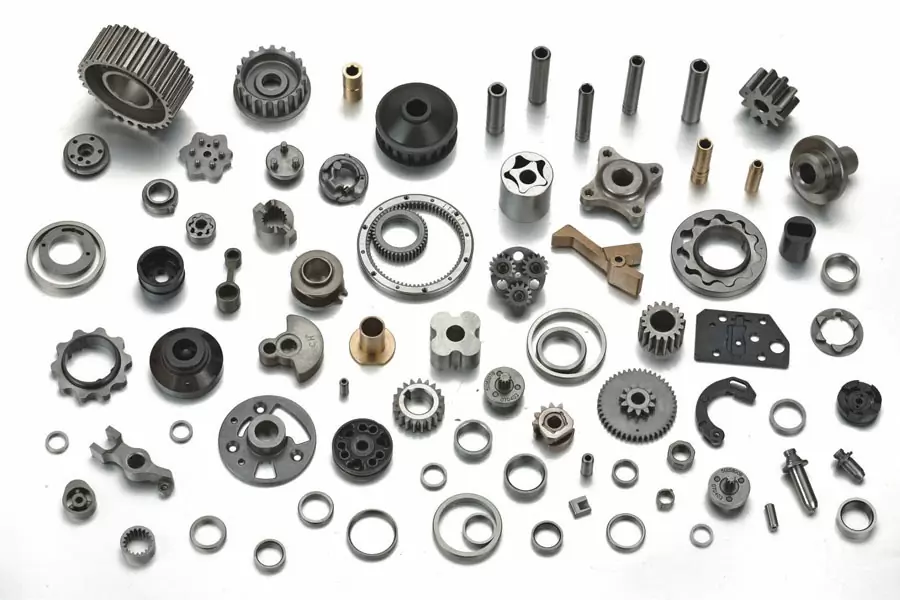
With years of experience in powder injection molding and powder injection molding, BE-CU has the expertise to produce custom PM with various powder metallurgy processes and techniques. From designs to production to shipping, we can meet your requirements at each stage. Capable of sintering parts less than 1/8 in. to 10 in. sq. surface area. Press capacity ranges from 2 to 300 tons. Secondary services such as turning, milling, tapping, honing, deburring and ball burnishing provided.
Whether you want to find the manufacturers of MIM powder metallurgy parts, CIM powder metallurgy parts, powder metallurgy mold, or other types of powder metallurgy, we’ll deliver top-quality products with a fast turnaround. From ceramic to hard metals, a wide selection of materials with excellent properties are provided. We can also help you in the design and review of almost all types of PM parts to enhance their functionality and manufacturability.
-
Carbide Tungsten Valve Seat For Oil And Gas Industry
-
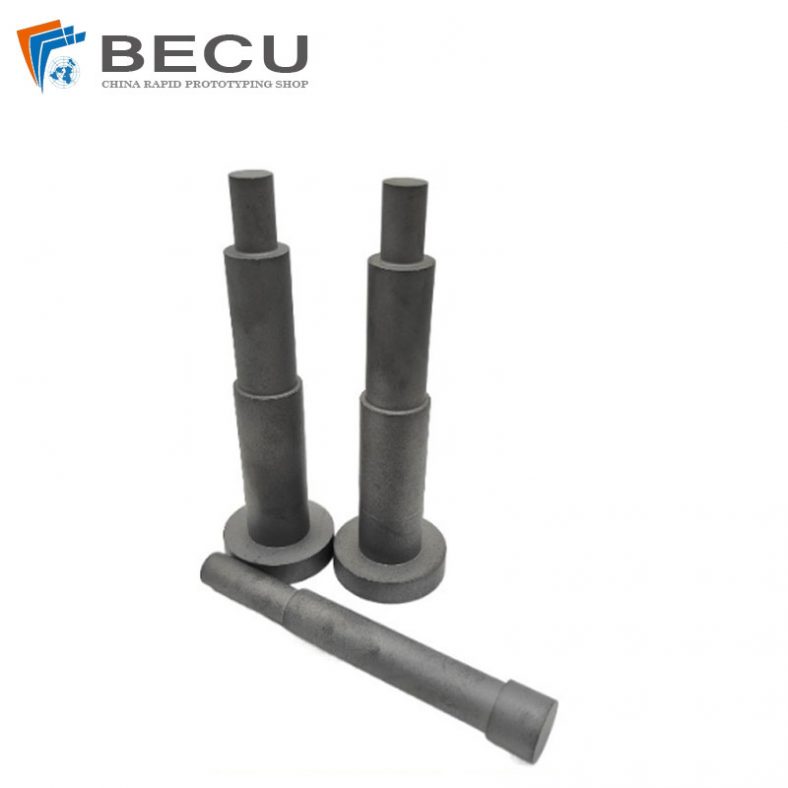
CNC Machining Tungsten Cobalt Carbide Punch
-
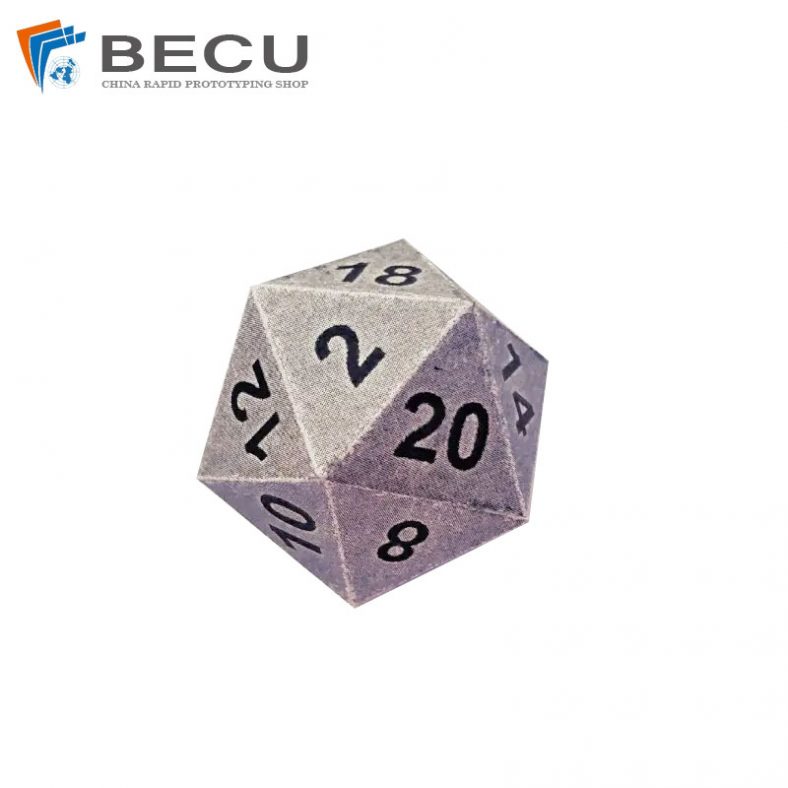
Custom Hexahedron Tungsten Dnd Dice
-
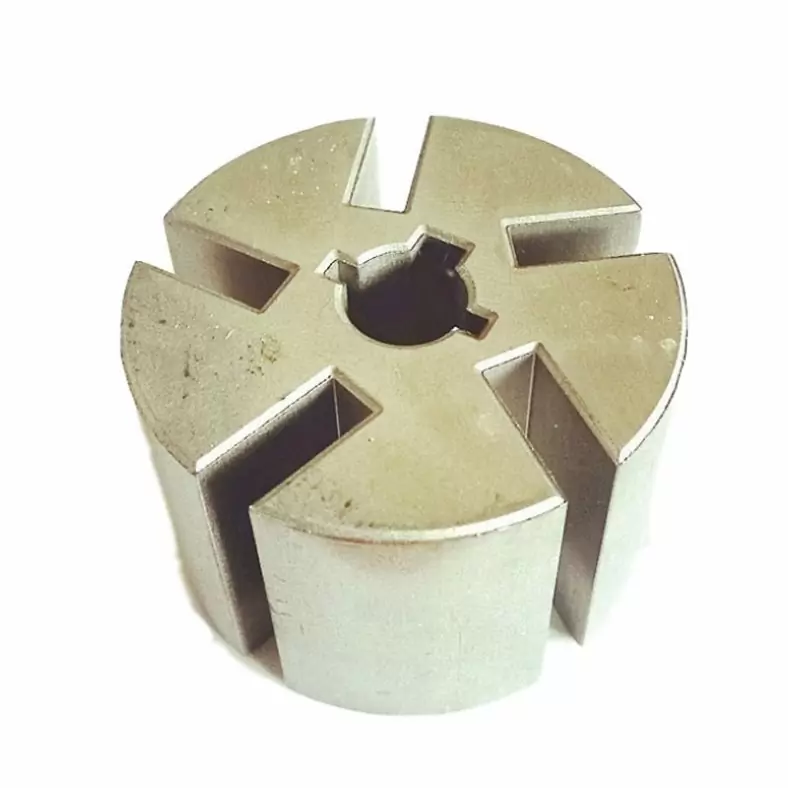
High-Precision Hydraulic Vane Oil Pump Rotor
-
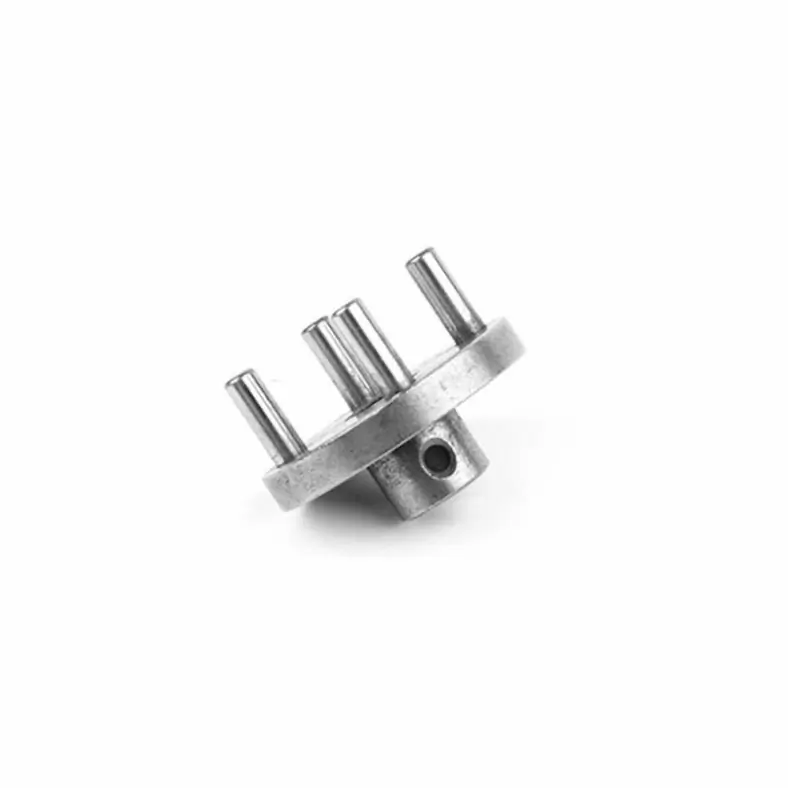
High-Strength Small Powder Metallurgy Gears
-
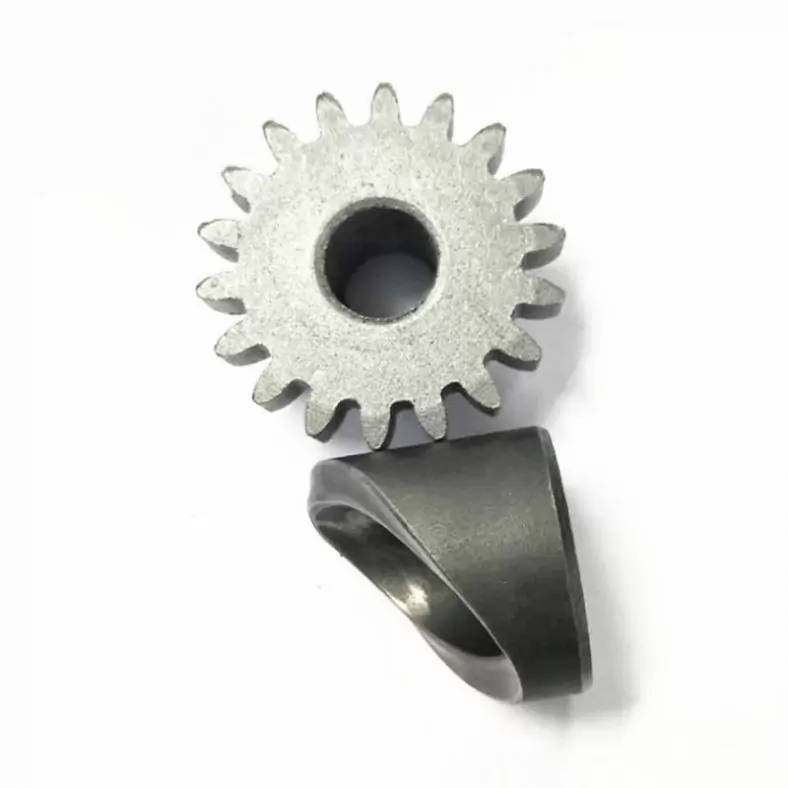
Mask Machine Parts Cam Bevel Shaft And Gear
-
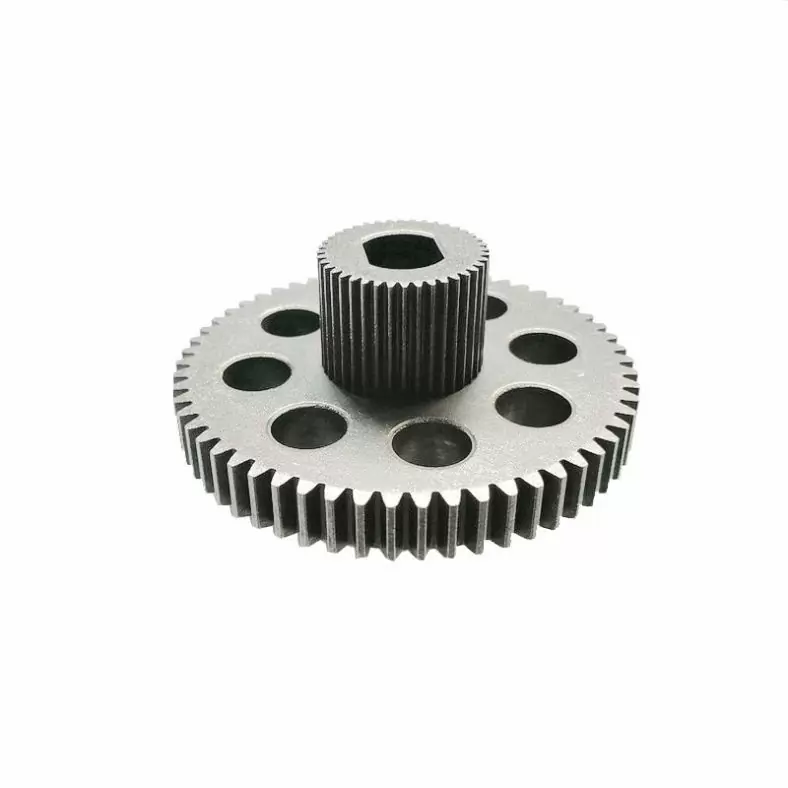
MIM Powder Metallurgy Alloy Steel Gear
-
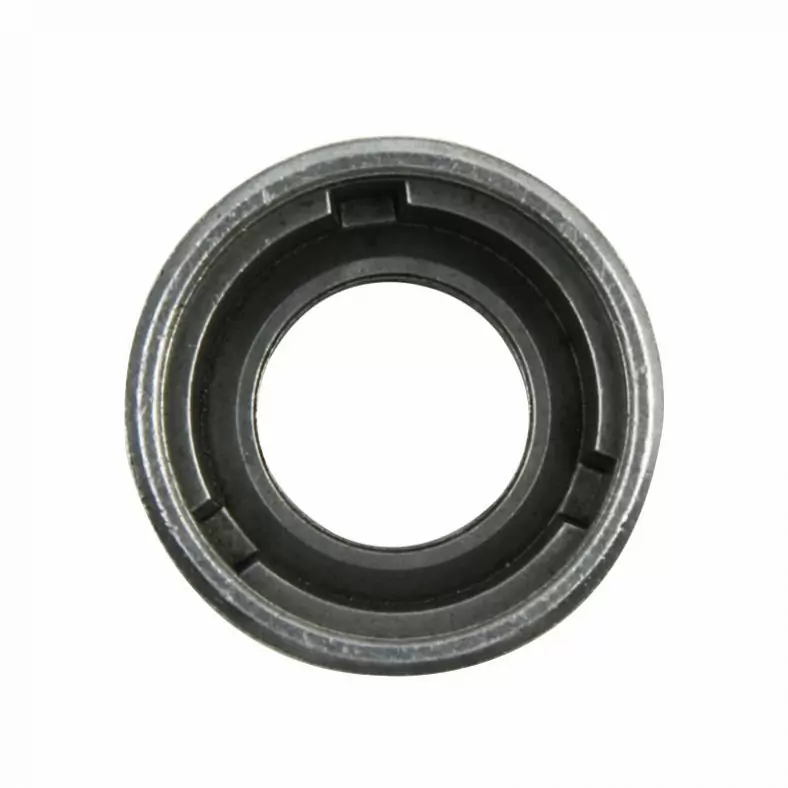
Powder Metallurgy Automotive Shock Absorber Guide Parts