

Zero tolerance machining (ZTM), often referred to as ultra-precision machining, represents the pinnacle of modern manufacturing technology, aiming to produce parts with dimensional variations so minimal that they approach theoretical perfection. The term “zero tolerance” is somewhat of a misnomer, as absolute zero deviation from specified dimensions is physically unattainable due to material properties, machine limitations, and environmental factors. Instead, Zero Tolerance Machining focuses on achieving tolerances measured in microns (1 micron = 0.001 mm) or even nanometers (1 nm = 0.000001 mm), far surpassing the precision of conventional machining. This article provides a comprehensive exploration of zero tolerance machining, detailing its principles, technologies, applications, challenges, and future prospects, with an emphasis on scientific rigor and comparative analysis.
Zero Tolerance Machining is critical in industries where precision is non-negotiable, such as aerospace, medical device manufacturing, semiconductors, and high-performance automotive engineering. The ability to produce components with near-perfect accuracy ensures reliability, safety, and performance in applications where even minute deviations can lead to catastrophic failures. For example, turbine blades in jet engines or surgical implants require tolerances as tight as ±2 microns to function effectively. This article delves into the methodologies, equipment, and strategies that enable Zero Tolerance Machining, offering insights into its role in advancing technological innovation.
What Is Zero Tolerance Machining
The pursuit of precision in manufacturing dates back to the Industrial Revolution, when mechanized tools began replacing manual craftsmanship. Early machinists relied on hand-operated lathes and mills, achieving tolerances in the range of ±0.1 mm, adequate for the mechanical systems of the time. The advent of interchangeable parts, pioneered by figures like Eli Whitney in the early 19th century, necessitated tighter tolerances to ensure components could be mass-produced and assembled without custom fitting.
By the early 20th century, advancements in metallurgy and machine tool design enabled tolerances of ±0.01 mm, driven by demands from the automotive and nascent aerospace industries. The development of coordinate measuring machines (CMMs) in the 1950s marked a turning point, allowing for precise measurement of complex geometries. However, it was the introduction of computer numerical control (CNC) machines in the 1970s that laid the foundation for modern Zero Tolerance Machining, enabling automated, repeatable precision at unprecedented levels.
Evolution Toward Zero Tolerance
The term “zero tolerance machining” emerged in the late 20th century as a marketing and technical descriptor for machining processes achieving tolerances below ±0.005 mm (±5 microns). This era saw the rise of wire electrical discharge machining (wire EDM) and other non-traditional machining methods capable of cutting with extreme accuracy. By the 1990s, industries like semiconductors and medical devices began demanding tolerances in the sub-micron range, spurring innovations in machine tools, metrology, and environmental control.
Today, Zero Tolerance Machining is synonymous with tolerances as tight as ±1 micron or less, achieved through a synergy of advanced CNC machines, laser-based metrology, and climate-controlled environments. The evolution of Zero Tolerance Machining reflects a broader trend in manufacturing toward miniaturization, complexity, and reliability, with applications ranging from microelectromechanical systems (MEMS) to large-scale aerospace components.
Principles of Zero Tolerance Machining
Zero tolerance machining refers to manufacturing processes that minimize dimensional variations to levels approaching the limits of current technology. Tolerances in Zero Tolerance Machining are typically expressed as a range of acceptable deviation from a nominal dimension, such as ±0.001 mm or ±1 micron. These tolerances are orders of magnitude tighter than standard machining, which often operates at ±0.1 mm or looser.
The scope of Zero Tolerance Machining encompasses both subtractive manufacturing (e.g., milling, turning, grinding) and non-traditional methods (e.g., EDM, laser machining). It requires meticulous control over every aspect of the machining process, including tool selection, cutting parameters, material properties, and environmental conditions.Zero Tolerance Machining is distinguished by its reliance on advanced technologies and highly skilled operators to achieve repeatability and consistency.
Tolerance and Dimensional Accuracy
In machining, tolerance defines the permissible variation in a part’s dimensions. For example, a part specified as 10.000 mm ±0.001 mm must measure between 9.999 mm and 10.001 mm to pass quality inspection. Zero Tolerance Machining pushes this concept to extremes, often requiring tolerances smaller than the wavelength of visible light (approximately 400–700 nm). Such precision demands not only accurate machining but also precise measurement, as verification of sub-micron tolerances requires metrology equipment with resolutions in the nanometer range.
Dimensional accuracy in Zero Tolerance Machining is influenced by multiple factors:
- Material Properties: Materials like titanium or ceramics may expand or contract under thermal or mechanical stress, affecting precision.
- Machine Limitations: Even advanced CNC machines exhibit minute mechanical imperfections, such as spindle runout or thermal drift.
- Environmental Factors: Temperature fluctuations, humidity, and vibrations can introduce errors in the machining process.
Key Technologies
Zero Tolerance Machining relies on a suite of technologies to achieve its precision goals. These include:
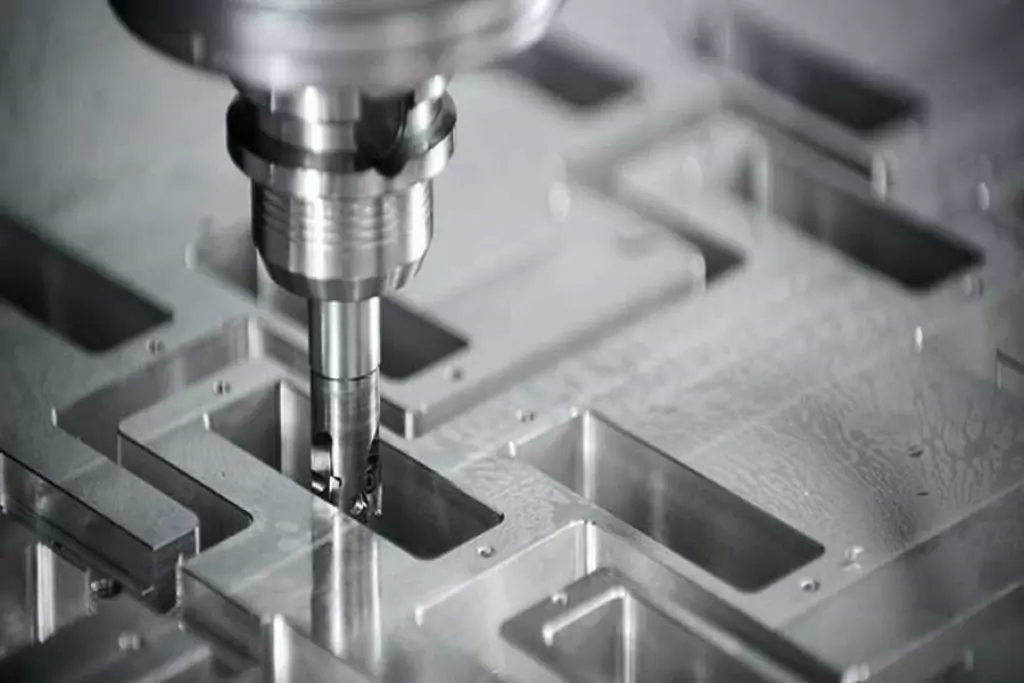
- Advanced CNC Machines: Five-axis CNC machines offer multi-directional cutting capabilities, reducing the need to reposition parts and minimizing errors. High-speed spindles and vibration-dampening structures ensure smooth, accurate cuts.
- Wire EDM: This non-contact machining method uses a thin, electrically charged wire to erode material with tolerances as tight as ±0.0001 mm (±0.1 micron). It is ideal for hard materials and complex geometries.
- Femtosecond Laser Machining: Ultra-fast laser pulses remove material with minimal thermal impact, achieving tolerances down to ±1 micron. This method is versatile, working on both conductive and non-conductive materials.
- Metrology Equipment: Coordinate measuring machines (CMMs), laser scanners, and optical comparators provide real-time feedback, ensuring parts meet specified tolerances.
- Environmental Control Systems: Climate-controlled machining environments maintain stable temperatures (e.g., 20°C ±0.1°C) and minimize vibrations, critical for sub-micron precision.
Methodologies and Processes
Subtractive Manufacturing Techniques
CNC Milling and Turning
CNC milling and turning are the workhorses of Zero Tolerance Machining, capable of achieving tolerances of ±0.005 mm or better with advanced setups. Five-axis CNC machines are particularly effective, as they can machine complex geometries in a single setup, reducing cumulative errors from repositioning. Key considerations include:
- Tool Selection: Diamond or cubic boron nitride (CBN) tools offer superior hardness and longevity, essential for maintaining precision over long runs.
- Cutting Parameters: Low feed rates and high spindle speeds minimize tool deflection and surface roughness, critical for tight tolerances.
- Workholding: Vacuum chucks or magnetic fixtures ensure stable, repeatable positioning of the workpiece.
Precision Grinding
Grinding is often used as a finishing process in Zero Tolerance Machining, achieving surface finishes with roughness values (Ra) below 0.1 microns and tolerances of ±0.001 mm. Ultra-precision grinding machines use diamond wheels and active cooling to minimize thermal distortion. Applications include optical lenses, bearings, and medical implants.
Non-Traditional Machining
Wire Electrical Discharge Machining (Wire EDM)
Wire EDM is a cornerstone of Zero Tolerance Machining, particularly for hard materials like tool steel or titanium. A thin wire (typically 0.02–0.3 mm in diameter) serves as an electrode, eroding material via controlled electrical discharges in a dielectric fluid. Tolerances as tight as ±0.0001 mm are achievable, making wire EDM ideal for intricate dies, molds, and aerospace components.
Femtosecond Laser Machining
Femtosecond lasers deliver pulses lasting 10^-15 seconds, removing material with negligible heat-affected zones (HAZ). This enables tolerances of ±1 micron and is particularly suited for micro-machining applications, such as MEMS or medical stents. The technology’s versatility across material types enhances its utility in Zero Tolerance Machining.
Additive Manufacturing Integration
While Zero Tolerance Machining is primarily subtractive, additive manufacturing (e.g., 3D printing) is increasingly integrated for hybrid processes. For example, selective laser melting (SLM) can create near-net-shape parts, which are then finished with CNC machining to achieve zero tolerance specifications. This hybrid approach reduces material waste and machining time, particularly for complex geometries.
Equipment and Tooling
CNC Machine Specifications
Modern CNC machines for Zero Tolerance Machining feature advanced specifications, including:
- Spindle Speeds: Up to 100,000 RPM for ultra-fine surface finishes.
- Positioning Accuracy: ±0.0005 mm or better, achieved through linear motor drives and glass scale encoders.
- Thermal Compensation: Real-time adjustments for temperature-induced expansion, using sensors and cooling systems.
Leading manufacturers like DMG Mori, Haas, and Makino produce CNC machines tailored for Zero Tolerance Machining, with models like the DMG Mori NTX series offering multi-axis capabilities and sub-micron precision.
Metrology Tools
Accurate measurement is as critical as machining in Zero Tolerance Machining. Common metrology tools include:
- Coordinate Measuring Machines (CMMs): Offer resolutions down to 0.1 microns, using tactile or optical probes to measure complex geometries.
- Laser Scanners: Non-contact systems with nanometer resolution, ideal for delicate or reflective surfaces.
- Interferometers: Measure surface flatness and parallelism with sub-nanometer accuracy, used in optical and semiconductor applications.
Environmental Control
Zero Tolerance Machining facilities often resemble cleanrooms, with:
- Temperature Control: Maintained at 20°C ±0.1°C using HVAC systems and liquid-cooled machine components.
- Vibration Isolation: Granite bases and active damping systems minimize external vibrations.
- Cleanliness: HEPA-filtered air reduces particulate contamination, critical for micro-machining.
Applications of Zero Tolerance Machining
Aerospace Industry
The aerospace sector demands components that withstand extreme conditions, such as high temperatures and mechanical stresses. Zero Tolerance Machining is used to produce:
- Turbine Blades: Tolerances of ±2 microns ensure optimal aerodynamic performance and fuel efficiency. General Electric’s aviation division reports that such precision reduces material fatigue in jet engines.
- Navigation Systems: Gyroscope and sensor components require sub-micron accuracy for reliable operation.
- Structural Components: Lightweight, high-strength parts like titanium fittings benefit from Zero Tolerance Machining’s precision and repeatability.
Medical Device Manufacturing
Medical applications prioritize biocompatibility, precision, and reliability.Zero Tolerance Machining is critical for:
- Surgical Implants: Hip and knee implants require tolerances of ±5 microns to ensure proper fit and longevity.
- Microfluidic Devices: Lab-on-chip systems for diagnostics rely on micro-machined channels with tolerances below ±1 micron.
- Surgical Instruments: Scalpels and endoscopes demand ultra-smooth surfaces and precise geometries for minimally invasive procedures.
Semiconductor Industry
The semiconductor industry drives Zero Tolerance Machining innovation, requiring features smaller than 10 nm for microchip production. Applications include:
- Wafer Fabrication Equipment: Precision stages and optics with nanometer tolerances ensure accurate photolithography.
- MEMS Devices: Sensors and actuators for consumer electronics rely on micro-machining with tolerances of ±0.5 microns.
Automotive Industry
High-performance automotive applications leverage Zero Tolerance Machining for:
- Engine Components: Camshafts and crankshafts with tolerances of ±0.001 mm improve fuel efficiency and emissions compliance.
- Transmission Systems: Gears and bearings require precise fits to minimize wear and noise.
- Electric Vehicle (EV) Motors: Rotor and stator components benefit from Zero Tolerance Machining’s accuracy for optimal efficiency.
Benefits of Zero Tolerance Machining
Enhanced Product Performance
Parts produced with Zero Tolerance Machining exhibit superior fit and function, reducing wear and improving longevity. For example, aerospace components with tight tolerances experience less vibration and fatigue, enhancing safety and performance.
Reduced Waste and Costs
High precision minimizes scrap and rework, leading to significant cost savings. A study by the International Academy for Production Engineering found that ultra-precision machining reduced rework costs by up to 35% in aerospace applications.
Competitive Advantage
Companies mastering Zero Tolerance Machining can undertake complex, high-value projects, differentiating themselves in competitive markets. This is particularly evident in industries like medical devices, where precision is a regulatory requirement.
Reliability in Critical Applications
In fields like aerospace and medical, Zero Tolerance Machining ensures components meet stringent safety standards, reducing the risk of failure in life-critical systems.
Challenges in Zero Tolerance Machining
Technical Limitations
Achieving sub-micron tolerances is inherently challenging due to:
- Material Variability: Inconsistent material properties, such as grain structure or thermal expansion, can introduce errors.
- Tool Wear: Even diamond tools degrade over time, affecting precision in long production runs.
- Machine Calibration: Regular calibration is essential to maintain accuracy, adding complexity and cost.
Cost and Time
Zero Tolerance Machining is resource-intensive, requiring expensive equipment, skilled labor, and extended machining times. Tighter tolerances increase costs exponentially, as each incremental improvement demands greater investment in technology and quality control.
Environmental Sensitivity
Sub-micron machining is highly sensitive to environmental factors. For example, a temperature change of 1°C can cause a 10-micron expansion in a 1-meter steel part, necessitating stringent environmental controls.
Scalability
While Zero Tolerance Machining excels in producing small batches of high-precision parts, scaling to mass production is challenging. The time and cost of achieving near-zero tolerances often make it impractical for high-volume manufacturing.
Comparative Analysis
Table 1: Comparison of Machining Tolerances Across Processes
| Process | Typical Tolerance | Best Achievable Tolerance | Applications | Cost Factor |
|---|---|---|---|---|
| Conventional CNC Milling | ±0.1 mm | ±0.01 mm | General manufacturing, automotive | Low |
| Precision CNC Milling | ±0.01 mm | ±0.005 mm | Aerospace, medical devices | Moderate |
| Ultra-Precision Grinding | ±0.005 mm | ±0.001 mm | Optical lenses, bearings | High |
| Wire EDM | ±0.005 mm | ±0.0001 mm | Dies, molds, aerospace components | Very High |
| Femtosecond Laser Machining | ±0.01 mm | ±0.001 mm | MEMS, medical stents | Very High |
| Micro EDM | ±0.005 mm | ±0.001 mm | Microfluidics, semiconductor equipment | Very High |
Tolerances are based on industry standards and best-case scenarios with optimal equipment and conditions.
Cost factor reflects equipment, labor, and setup requirements relative to conventional CNC milling.
Table 2: Industry-Specific Tolerance Requirements
| Industry | Typical Tolerance | Critical Components | Key Challenges |
|---|---|---|---|
| Aerospace | ±2–5 microns | Turbine blades, navigation sensors | Thermal stability, complex geometries |
| Medical Devices | ±1–5 microns | Implants, microfluidic devices | Biocompatibility, surface finish |
| Semiconductors | ±0.5–2 microns | Wafer stages, MEMS | Nanometer-scale features, material purity |
| Automotive | ±5–10 microns | Engine components, EV motor parts | High-volume production, cost constraints |
Tolerances reflect critical components requiring Zero Tolerance Machining.
Challenges highlight industry-specific barriers to achieving zero tolerance.
Table 3: Equipment and Metrology Comparison
| Equipment | Resolution/Accuracy | Primary Use | Cost (USD) | Maintenance Frequency |
|---|---|---|---|---|
| 5-Axis CNC Machine | ±0.0005 mm | Complex geometries, aerospace | $500,000–$2M | Monthly |
| Wire EDM Machine | ±0.0001 mm | Dies, molds | $200,000–$500K | Quarterly |
| Femtosecond Laser | ±0.001 mm | Micro-machining, medical | $300,000–$1M | Quarterly |
| CMM (Tactile) | 0.1 microns | Dimensional verification | $100,000–$500K | Biannual |
| Laser Scanner | 0.01 microns | Surface inspection | $50,000–$200K | Annual |
| Interferometer | 0.001 microns | Optical, semiconductor | $100,000–$300K | Annual |
Costs are approximate and vary by manufacturer and configuration.
Maintenance frequency assumes standard operating conditions.
Recent Advances and Innovations
Artificial Intelligence and Machine Learning
AI and machine learning are transforming Zero Tolerance Machining by optimizing machining parameters in real time. Predictive models analyze data from sensors to adjust feed rates, spindle speeds, and tool paths, minimizing errors. For example, Siemens’ Sinumerik ONE platform integrates AI to enhance CNC machine performance, achieving up to 10% tighter tolerances.
Additive-Subtractive Hybrid Systems
Hybrid manufacturing systems combine additive and subtractive processes in a single machine, streamlining production. Companies like DMG Mori offer machines like the LASERTEC series, which use laser deposition welding to build parts, followed by CNC milling to achieve tolerances of ±0.001 mm.
Nanomachining Technologies
Nanomachining, enabled by techniques like electron beam lithography and focused ion beam (FIB) milling, achieves tolerances below ±10 nm. These methods are primarily used in semiconductor and nanotechnology applications, pushing the boundaries of Zero Tolerance Machining.
Smart Metrology
Advancements in metrology, such as in-process laser interferometry, allow for real-time verification of tolerances during machining. This reduces the need for post-process inspection and accelerates production cycles.
Case Studies
General Electric: Turbine Blade Manufacturing
General Electric’s aviation division uses Zero Tolerance Machining to produce turbine blades with tolerances of ±2 microns. Advanced CNC machines and wire EDM, combined with climate-controlled environments, ensure blades meet stringent aerodynamic and fatigue requirements. The result is improved fuel efficiency and reduced maintenance costs for jet engines.
Medtronic: Surgical Implants
Medtronic employs Zero Tolerance Machining to manufacture orthopedic implants, such as hip replacements, with tolerances of ±5 microns. Femtosecond laser machining and ultra-precision grinding ensure biocompatibility and precise fit, enhancing patient outcomes.
Intel: Semiconductor Wafer Stages
Intel’s semiconductor fabrication facilities use Zero Tolerance Machining to produce wafer stages with tolerances of ±0.5 microns. Micro EDM and laser machining create components critical for photolithography, enabling the production of 3 nm microchips.
Conclusion
Zero tolerance machining represents a transformative approach to manufacturing, enabling the production of components with unprecedented precision. By leveraging advanced CNC machines, non-traditional machining methods, and cutting-edge metrology, Zero Tolerance Machining meets the stringent demands of industries like aerospace, medical devices, and semiconductors. Despite challenges such as high costs and environmental sensitivity, the benefits of improved performance, reduced waste, and competitive advantage make ZTM a cornerstone of modern engineering.
Tighter Tolerances
Advancements in nanotechnology and quantum manufacturing may push tolerances below ±1 nm, enabling new applications in quantum computing and molecular electronics. Techniques like atomic force microscopy (AFM)-based machining are already achieving atomic-scale precision in research settings.
Automation and Industry 4.0
The integration of Zero Tolerance Machining with Industry 4.0 principles, such as IoT and digital twins, will enhance process control and traceability. Automated ZTM facilities could operate with minimal human intervention, reducing costs and improving scalability.
Sustainable Manufacturing
Zero Tolerance Machining’s focus on precision aligns with sustainability goals by minimizing material waste and energy consumption. Innovations like near-net-shape additive manufacturing and eco-friendly coolants will further reduce the environmental footprint of Zero Tolerance Machining.
Emerging Applications
Emerging fields like bioengineering and space exploration will drive demand for Zero Tolerance Machining. For example, tissue scaffolds for regenerative medicine require micro-machined structures with tolerances of ±1 micron, while lunar rovers need components that withstand extreme conditions.
As technology continues to evolve, Zero Tolerance Machining will play an increasingly vital role in driving innovation across diverse fields. From nanometer-scale semiconductor features to robust aerospace components, the pursuit of near-zero tolerances will shape the future of manufacturing, ensuring safety, reliability, and efficiency in an ever-advancing world.
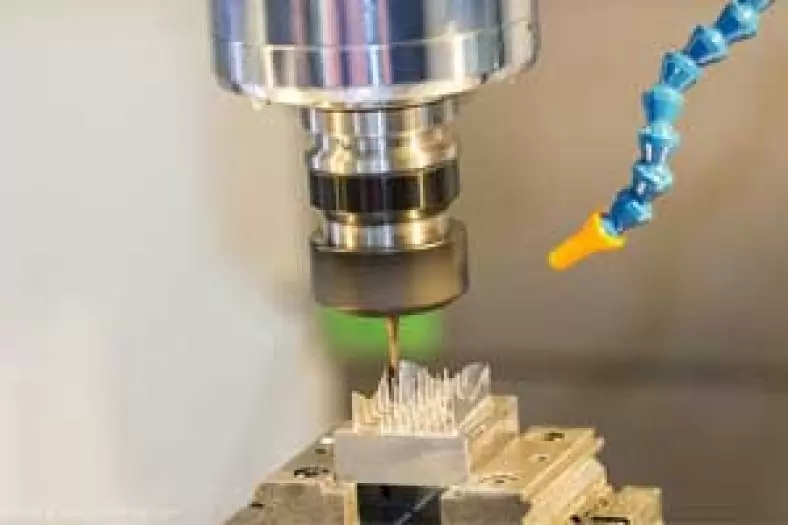
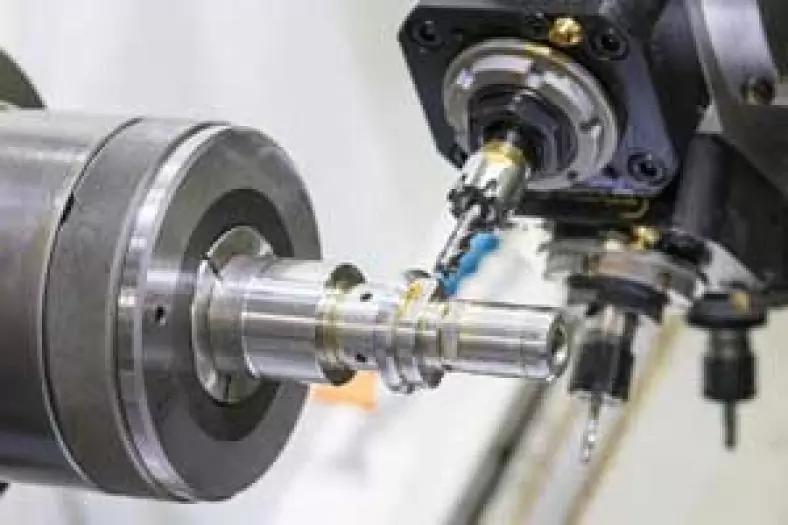
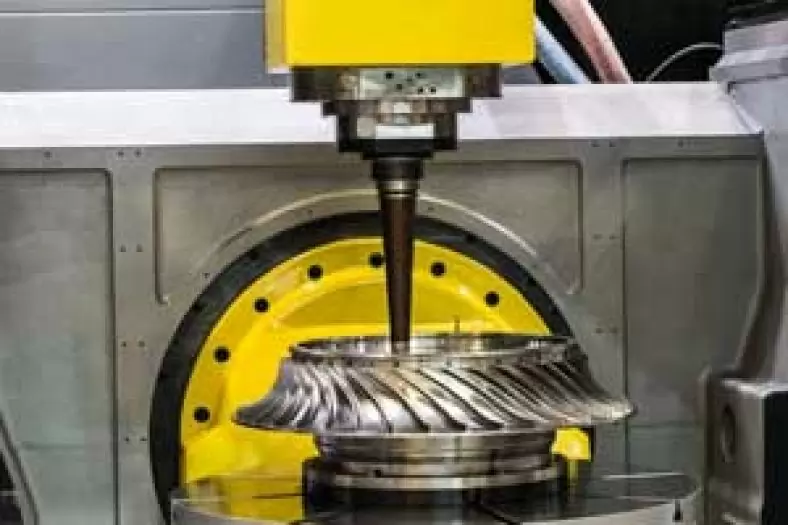
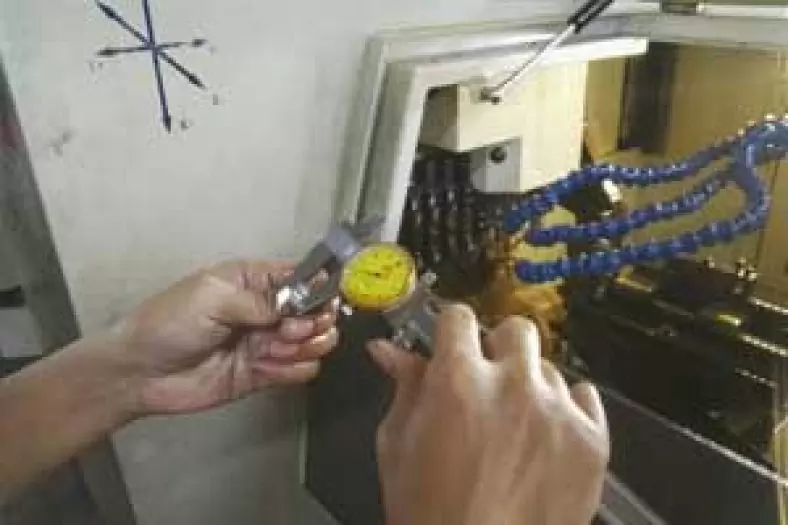
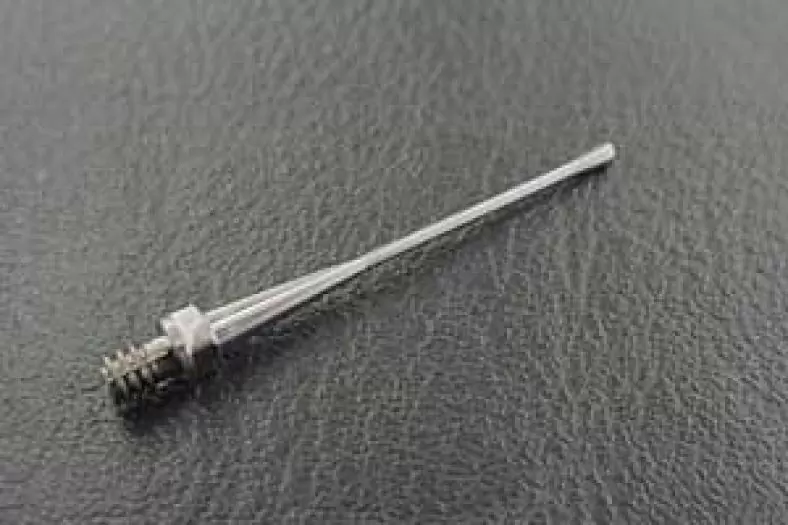
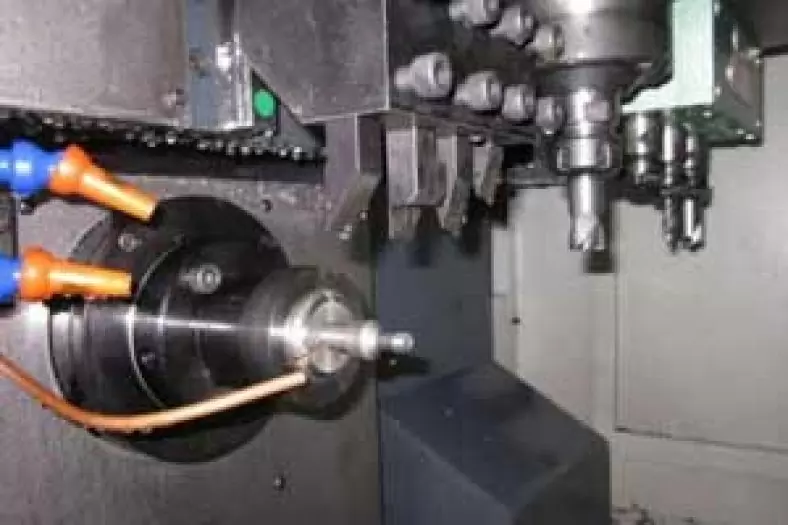
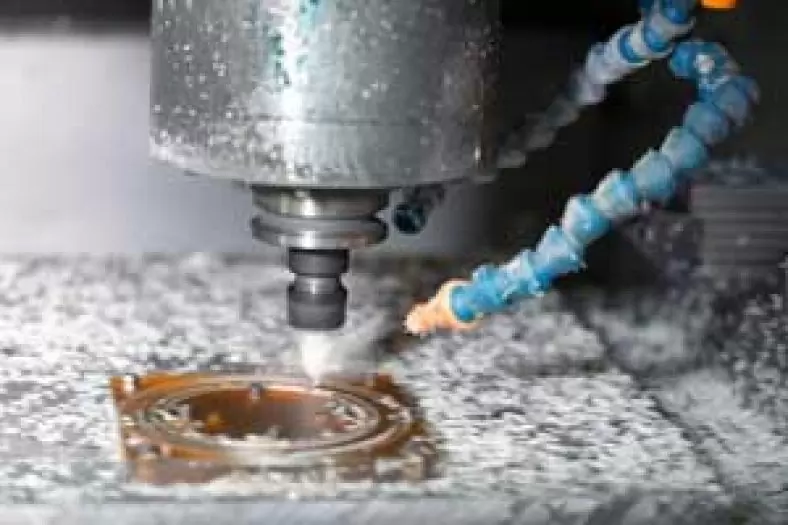
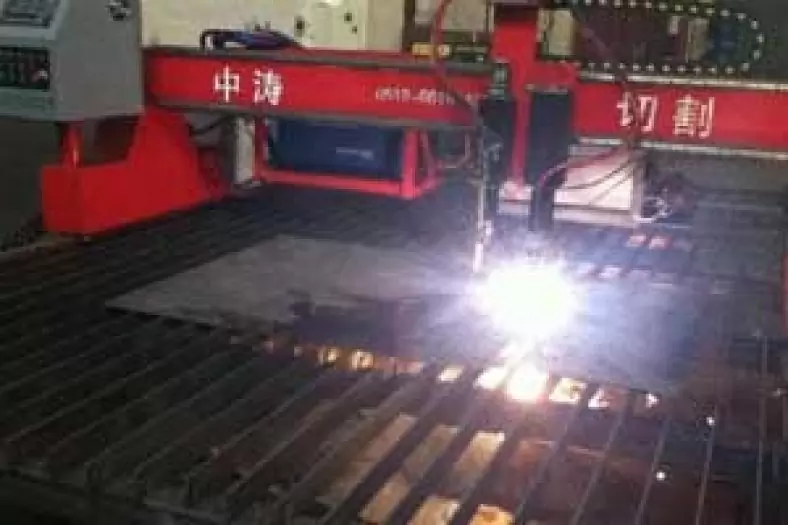
The Detail Of BE-CU Cnc Machining Shop
BE-CU.COM – As an accomplished CNC machining Service Manufacturer and CNC shop, BE-CU Prototype has been specialized in OEM CNC lathing, custom CNC machining parts production and rapid CNC machining services China for over 35 years and always maintaining the highest standard in delivery speed and reliable quality of precision CNC manufacturing components. With the help of high-level technology and efficient equipment, as well as rigorous attitude, BE-CU passed the ISO9001:2015 quality certification, which supports the long-term development of CNC milling services, CNC turning services, CNC milling-turning, CNC drilling services, 3/4/5 axis machining, gear machining services, CNC machining China custom parts and service, small parts machining, etc.Our CNC machining products can be utilized in a broad range of industries. Contact us for email: [email protected]
-
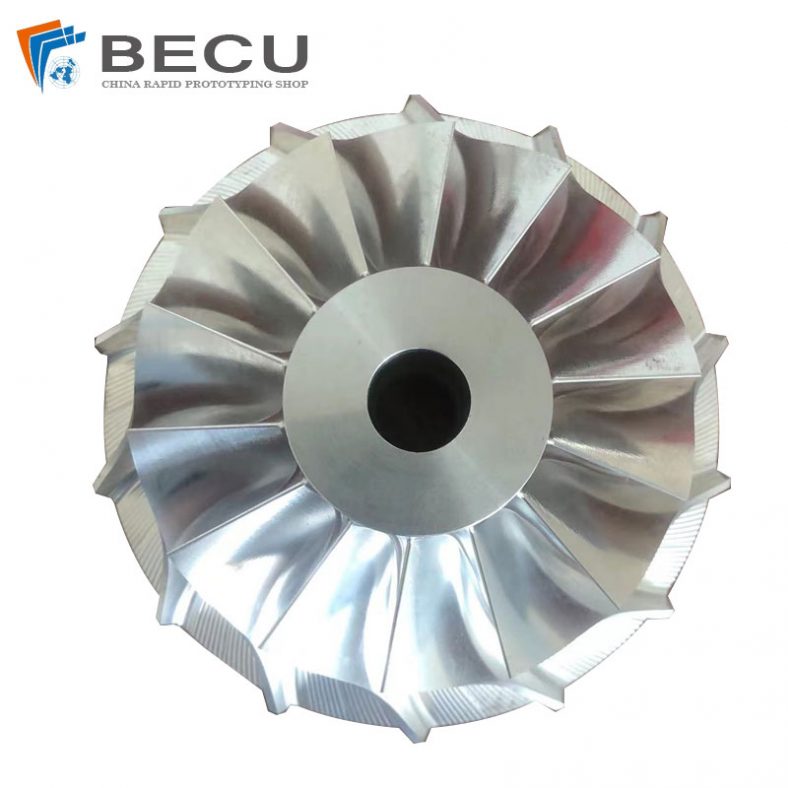
3-Way Centrifugal Compressor Closed Impeller By 5 Axis Machining
-
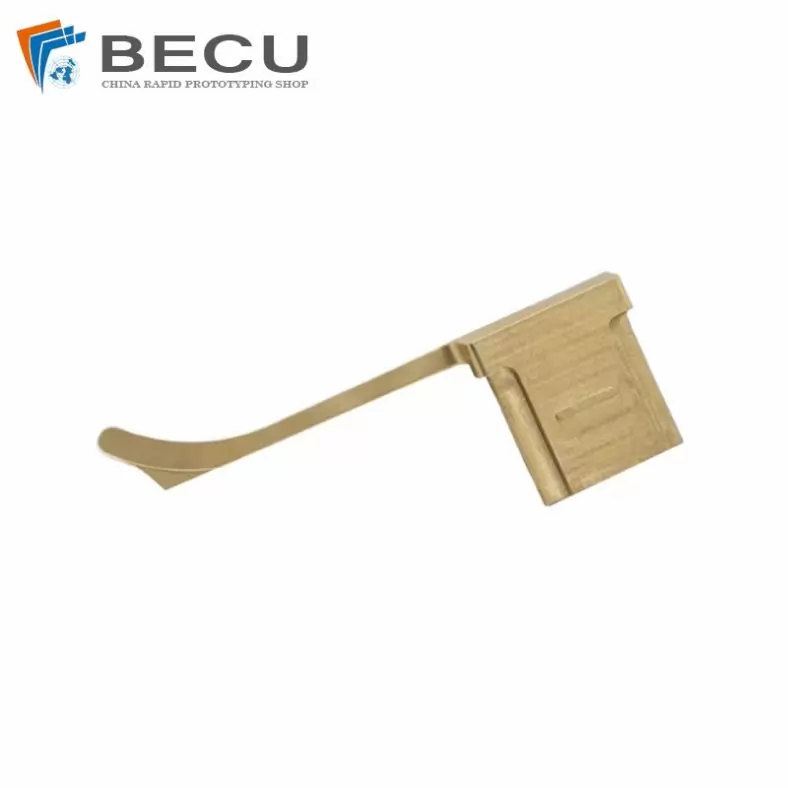
3/4/5 Axis Precision Milling Custom Vehicle Parts
-
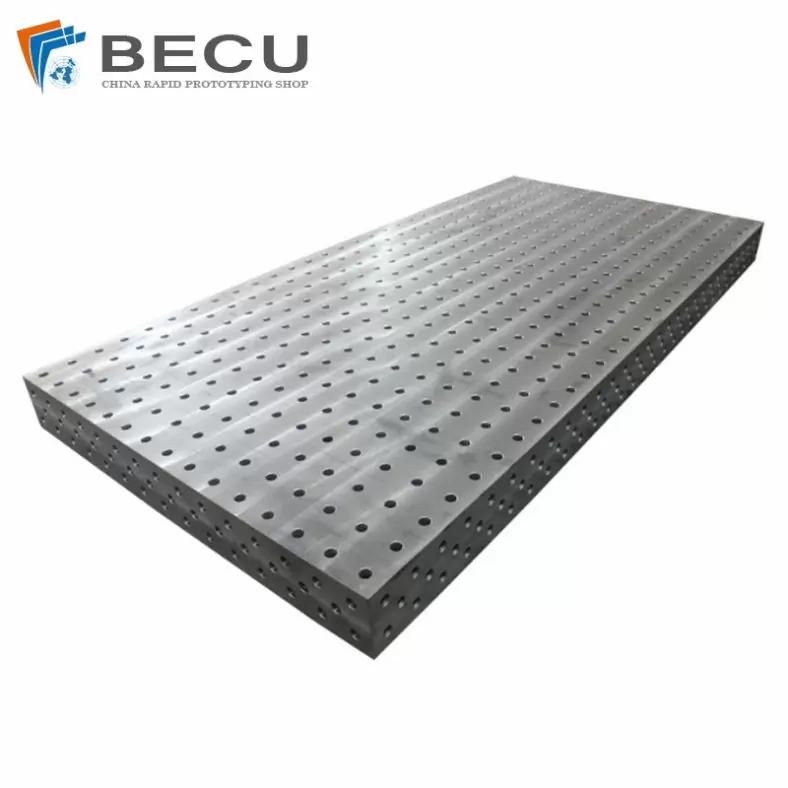
3D Flexible Welding Platform By Large Machining
-
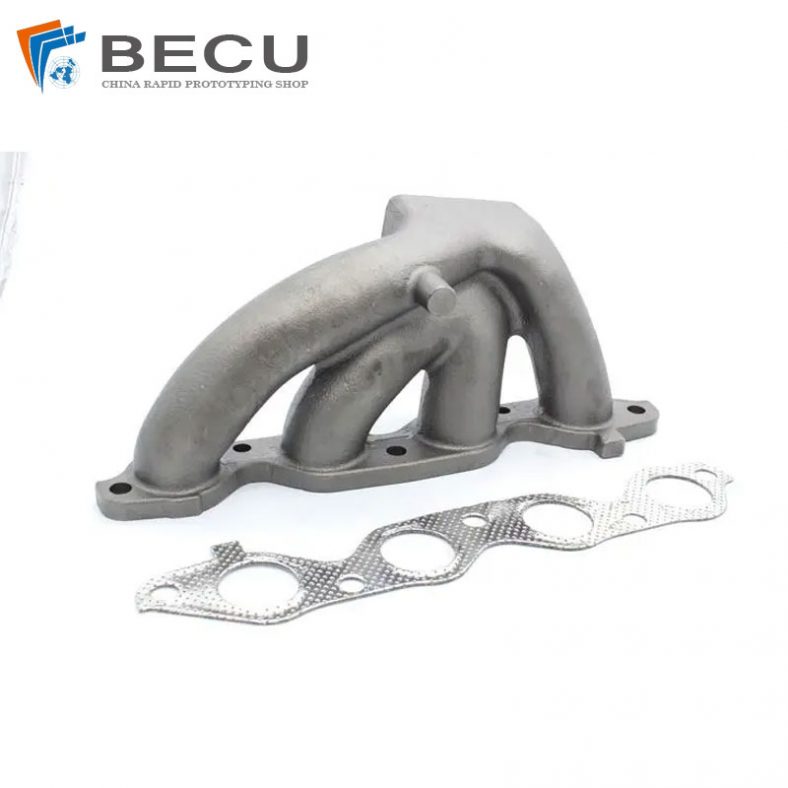
3D Printed Inconel Exhaust Manifold
-
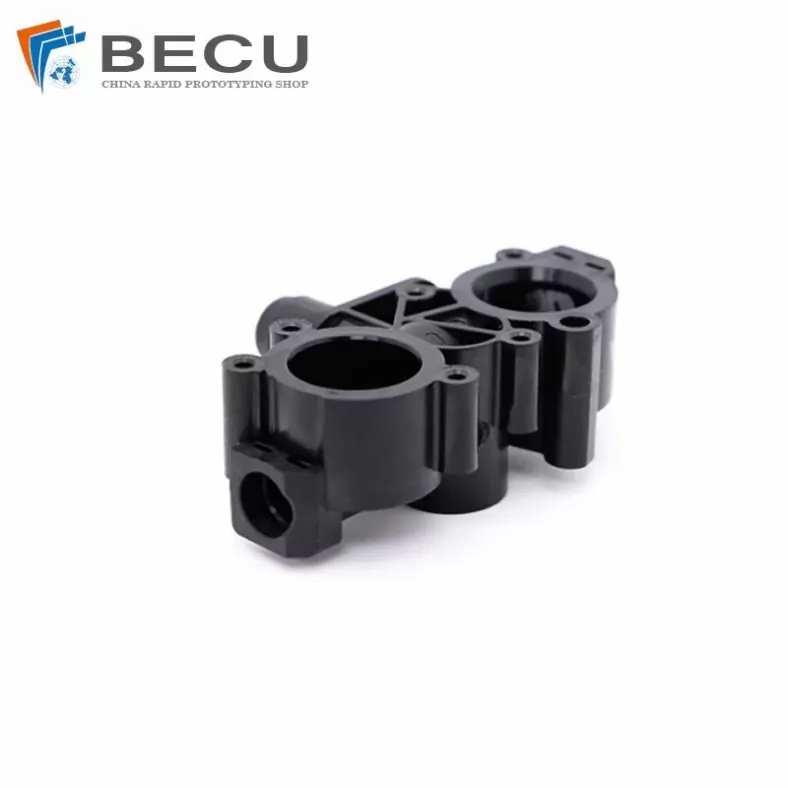
3D Printing And CNC Machining Custom Black PPS Valve
-
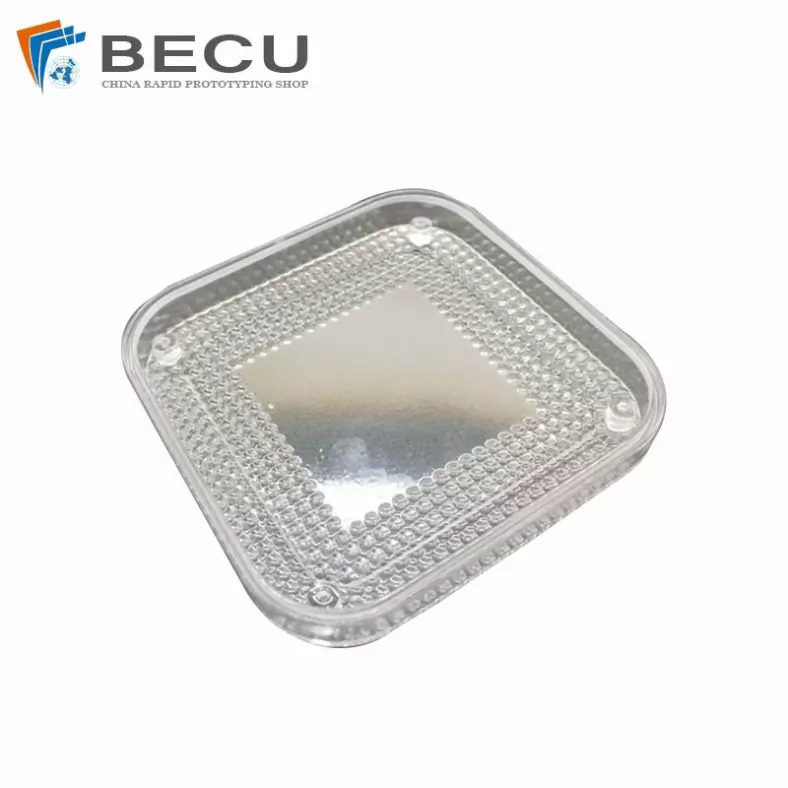
3D Printing Full Transparent Acrylic Lampshade Model
-
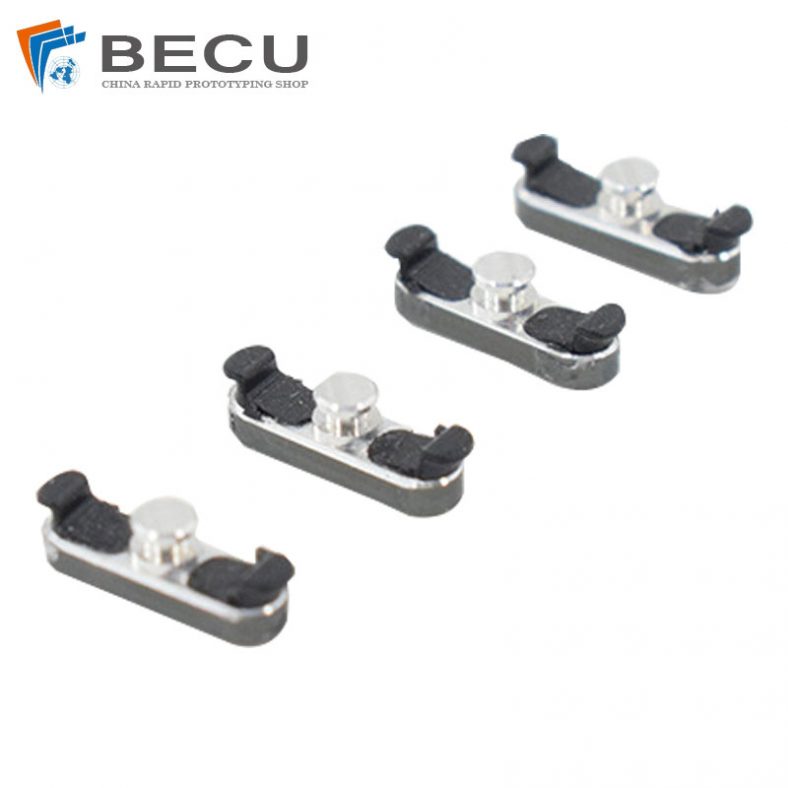
4 Axis CNC Machining Titanium Grade 5 Mobile Phone Buttons
-
4 Axis Machining Highly Transparent Acrylic LED Tunnel Light Lens