
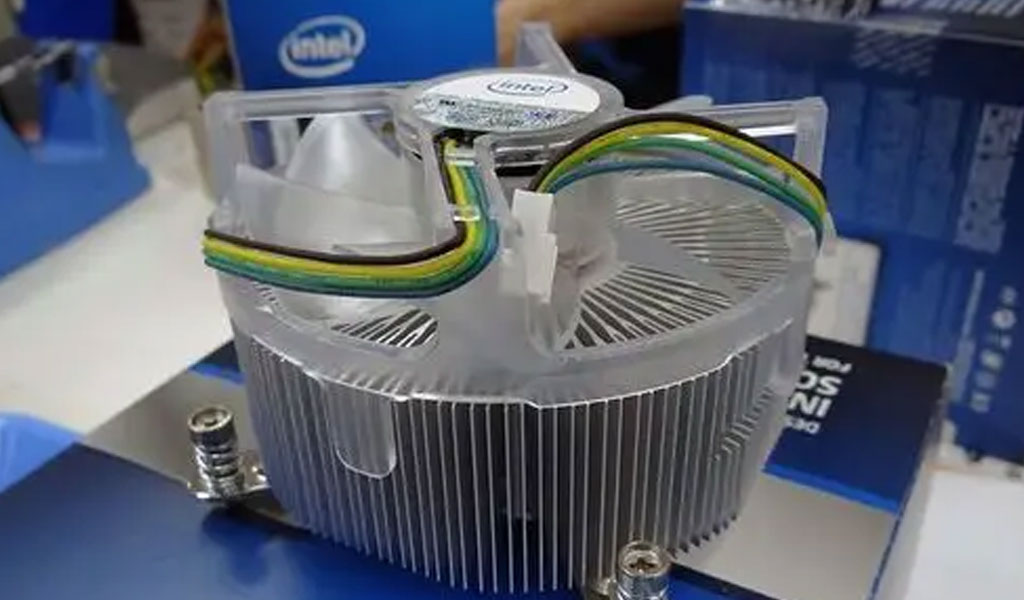
A heat sink is a crucial component in thermal management systems used to dissipate heat generated by various electronic and mechanical devices. Its primary function is to prevent overheating by promoting the effective removal of heat from critical components. Overheating can degrade performance, reduce the lifespan of components, and even lead to failure in extreme cases. The heat sink helps to maintain a safe operating temperature, ensuring the reliability and longevity of sensitive components.Heat sinks are commonly found in applications such as computer processors, power supplies, automotive engines, industrial machinery, LED lighting, and consumer electronics. In essence, a heat sink is a passive heat exchanger, designed to increase the surface area in contact with a heat-generating component, allowing for more efficient heat dissipation into the surrounding environment.
Principles of Heat Transfer
To understand how a heat sink works, it is important to first examine the basic principles of heat transfer. Heat moves from hotter objects to cooler ones, and there are three primary mechanisms through which heat is transferred:
- Conduction: The process through which heat is transferred from the hot component to the heat sink. This occurs through direct physical contact, with heat moving from the warmer area to the cooler one.
- Convection: Once the heat sink absorbs heat from the source, it will then transfer this heat to the surrounding air or fluid via convection. In this case, the heat sink surface releases thermal energy to the fluid, which is then carried away by the motion of the fluid (e.g., air or liquid).
- Radiation: This form of heat transfer occurs when thermal energy is emitted from a heated surface in the form of electromagnetic waves (infrared radiation). While radiation can contribute to heat dissipation, convection and conduction are typically the dominant heat transfer mechanisms in heat sinks.
Components of a Heat Sink
A heat sink generally consists of several key components designed to maximize heat dissipation:
- Base Plate: The flat surface that contacts the heat-generating component, such as a microprocessor or LED. The base plate is usually made from materials with high thermal conductivity, such as copper or aluminum, to facilitate efficient heat transfer.
- Fins: The extended features of the heat sink, usually in a series of thin, flat plates or prongs, that increase the surface area for heat dissipation. Fins are typically made from materials with high thermal conductivity, like aluminum, and are arranged in patterns that maximize airflow.
- Thermal Interface Material (TIM): A compound or material placed between the heat sink and the device being cooled. This material improves the heat transfer efficiency by filling in microscopic gaps and irregularities on the surfaces of both components. Common TIMs include thermal paste, thermal pads, or solder.
- Fans and Active Cooling Systems: Many heat sinks incorporate a fan or active cooling system to increase the airflow around the fins. By promoting convection, these active cooling systems can significantly enhance heat dissipation. Fans are typically used in environments where passive cooling is not sufficient.
- Heat Pipes: Some advanced heat sinks incorporate heat pipes, which are tubes filled with liquid that helps transport heat away from the source more efficiently. These pipes use the principle of evaporation and condensation to move heat from one location to another.
Materials Used in Heat Sinks
The materials used to construct a heat sink are critical to its performance. The key factors in material selection are high thermal conductivity, ease of manufacture, and cost-effectiveness. The most commonly used materials for heat sinks include:
- Aluminum: The most widely used material for heat sinks, aluminum is favored for its light weight, excellent thermal conductivity, and relatively low cost. Aluminum heat sinks are commonly found in applications ranging from computer processors to LED lighting.
- Copper: Copper has a higher thermal conductivity than aluminum, making it an ideal choice for applications where heat dissipation is critical. Copper heat sinks, however, are more expensive and heavier, and are often used in high-performance computing systems or high-power applications.
- Graphite: In some specialized applications, graphite may be used due to its exceptional thermal conductivity and ability to withstand high temperatures. Graphite heat sinks are typically used in niche applications, such as aerospace and high-performance electronic devices.
- Composites and Alloys: Some heat sinks are constructed using metal matrix composites or alloys that combine the benefits of multiple materials. These can provide a balance between cost, thermal conductivity, and mechanical strength.
Why Heat Management Matters
Good heat management is key for electronic devices to work well and last long. If parts get too hot, they can lose efficiency and even break. Heat sinks help avoid these problems, making devices last longer and work better.
| Heat Sink Material | Thermal Conductivity (W/m-K) |
|---|---|
| Aluminum | 237 |
| Copper | 401 |
| Graphene | 5,000 |
“Effective heat management is the key to maintaining the performance and longevity of electronic devices.”
Types of Heat Sinks
Heat sinks come in various designs, each suited to specific applications and thermal management needs. The most common types of heat sinks include:
- Pin Fin Heat Sink: This design features an array of cylindrical pins arranged in a pattern to maximize surface area. Pin fin heat sinks are particularly effective for natural convection cooling in low airflow environments.
- Plate Fin Heat Sink: One of the most commonly used heat sink designs, plate fin heat sinks consist of a series of parallel fins stacked on top of one another, with a base plate at the bottom. This design is highly effective at increasing surface area and is often used in high-performance cooling systems.
- Extruded Heat Sink: An extruded heat sink is formed by forcing material through a die to create a specific profile, usually featuring long fins that provide large surface areas for heat dissipation. This is one of the most cost-effective manufacturing methods for heat sinks.
- Forged Heat Sink: Forging involves shaping material using compressive force, and forged heat sinks are typically stronger than extruded heat sinks. These are often used in applications where mechanical strength is as important as thermal performance.
- Heat Pipe Heat Sink: Heat pipe heat sinks incorporate a heat pipe—a sealed tube containing a small amount of liquid—that helps transfer heat away from the device more effectively than traditional methods. Heat pipes are used in high-performance applications, such as CPUs or power electronics.
How Heat Sinks Work
Heat sinks operate based on the principle of heat conduction. When a heat-generating component, such as a CPU, power transistor, or LED, is operating, it produces heat that must be dissipated to prevent damage or performance degradation.
The heat sink is placed in direct contact with the component, usually through a thermal interface material (TIM) to ensure good thermal contact.
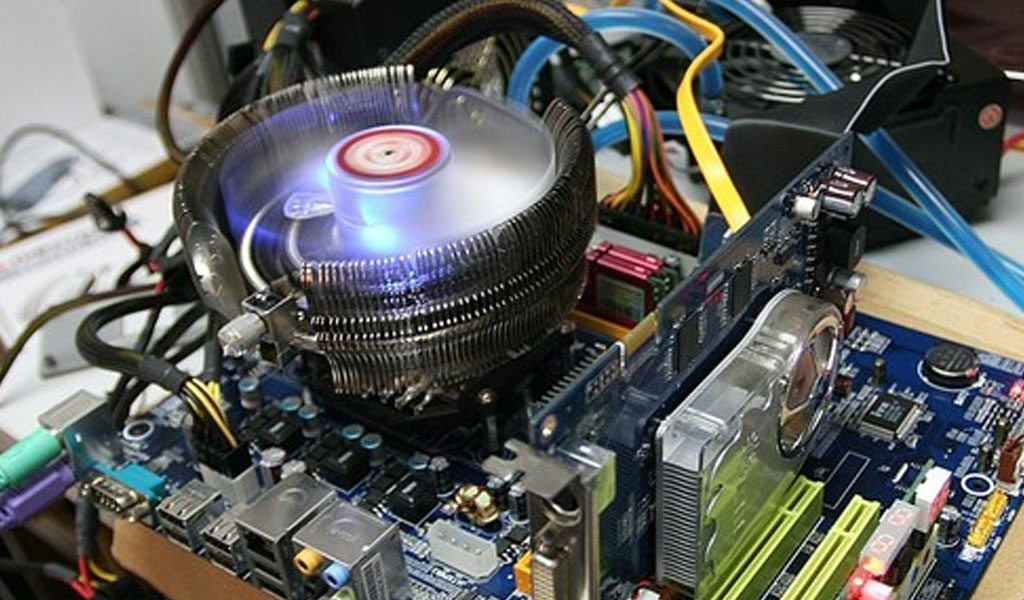
Once in contact with the heat-generating component, the heat sink absorbs the heat via conduction, transferring it through the base plate and into the fins. The fins significantly increase the surface area of the heat sink, allowing for more heat to be transferred into the surrounding air via convection. In natural convection, the heated air around the fins rises, creating a natural flow of cooler air to replace it. This process helps remove the heat from the heat sink and carry it away from the component.
In active cooling systems, a fan or blower is often used to force air across the heat sink, increasing the airflow and accelerating the convection process. This can dramatically improve the heat sink’s performance, especially in high-power applications where passive cooling is insufficient.
The material properties of the heat sink, including its thermal conductivity, are critical to the efficiency of the heat transfer process. High-conductivity materials such as aluminum and copper help ensure that heat moves rapidly from the source to the fins, where it can be dissipated more effectively.
Applications of Heat Sinks
Heat sinks are found in a wide range of applications where heat dissipation is necessary. Some of the most common uses include:
Computer Processors and GPUs
In modern computers, microprocessors and graphics processing units (GPUs) generate substantial heat due to the high computational power required for tasks such as gaming, video editing, and artificial intelligence (AI). Heat sinks are essential in keeping these components within their operational temperature limits. High-performance systems may also use active cooling methods like fans, liquid cooling loops, or even thermoelectric coolers (TECs) in combination with heat sinks.
Power Electronics
In power electronics, components such as power transistors, diodes, and voltage regulators convert electrical energy from one form to another, often generating significant heat in the process. Heat sinks are used to cool these components to maintain safe operating temperatures and prevent failure.
LED Lighting
LED lights are known for their energy efficiency and long lifespan. However, they can still generate heat, which, if not properly dissipated, can reduce their brightness and lifespan. Heat sinks in LED lights are often integrated into the housing or base to ensure effective heat management.
Automotive Industry
In automotive applications, heat sinks are used in a variety of systems, from engine cooling to power electronics in electric vehicles (EVs). Cooling systems in automotive electronics, including inverters and power modules, rely on heat sinks to maintain operational temperatures and prevent thermal damage.
Telecommunications
Telecommunication equipment, such as cellular base stations and satellite systems, generates heat from high-power components like amplifiers and processors. Heat sinks play a critical role in ensuring these devices operate efficiently under varying environmental conditions.
Conclusion
A heat sink is a critical thermal management device used to dissipate heat away from sensitive components, ensuring their performance, efficiency, and longevity. By using principles of conduction, convection, and sometimes radiation, heat sinks effectively manage thermal energy in a variety of applications, from computer processors to automotive systems. Whether through passive methods or with the assistance of active cooling systems, heat sinks remain a vital part of modern engineering, helping to keep devices cool and functional.
Understanding the materials, design considerations, and types of heat sinks is essential for selecting the right heat management solution for any application. As technology continues to advance, innovations in heat sink design and materials are likely to evolve, ensuring continued improvements in thermal efficiency and the performance of electronic and mechanical systems.
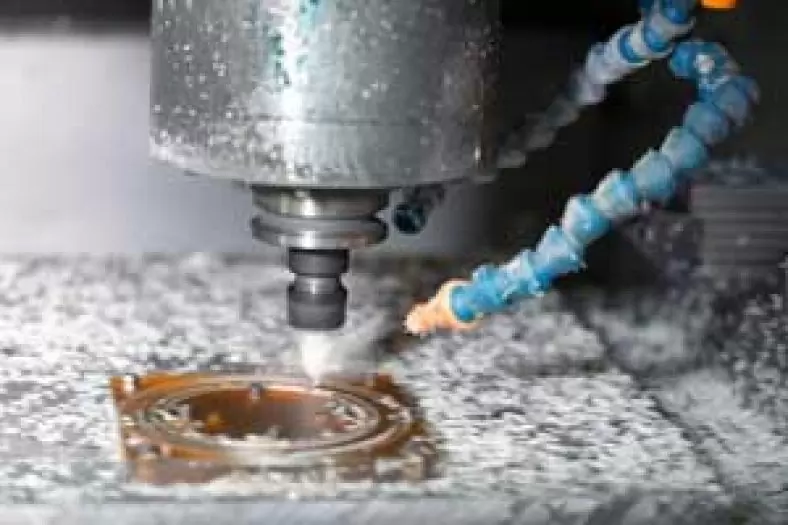
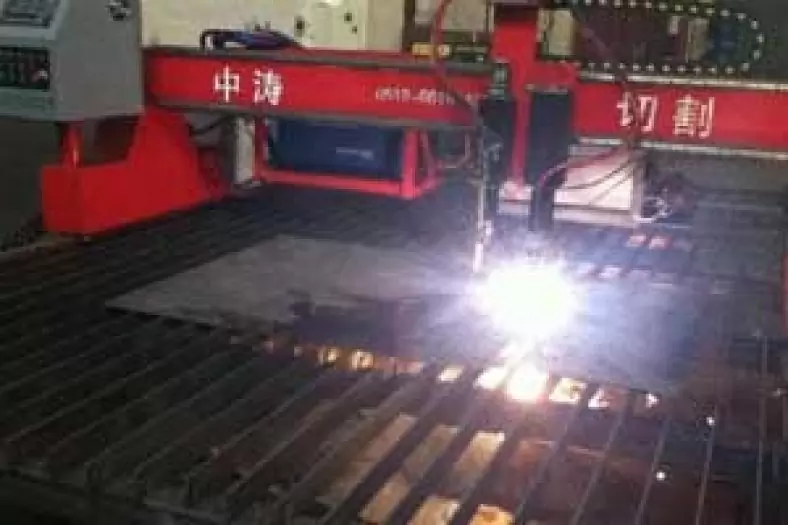
The Detail Of BE-CU Cnc Machining Shop
BE-CU.COM – As an accomplished CNC machining Service Manufacturer and CNC shop, BE-CU Prototype has been specialized in OEM CNC lathing, custom CNC machining parts production and rapid CNC machining services China for over 35 years and always maintaining the highest standard in delivery speed and reliable quality of precision CNC manufacturing components. With the help of high-level technology and efficient equipment, as well as rigorous attitude, BE-CU passed the ISO9001:2015 quality certification, which supports the long-term development of CNC milling services, CNC turning services, CNC milling-turning, CNC drilling services, 3/4/5 axis machining, gear machining services, CNC machining China custom parts and service, small parts machining, etc.Our CNC machining products can be utilized in a broad range of industries. Contact us for email: [email protected]
-
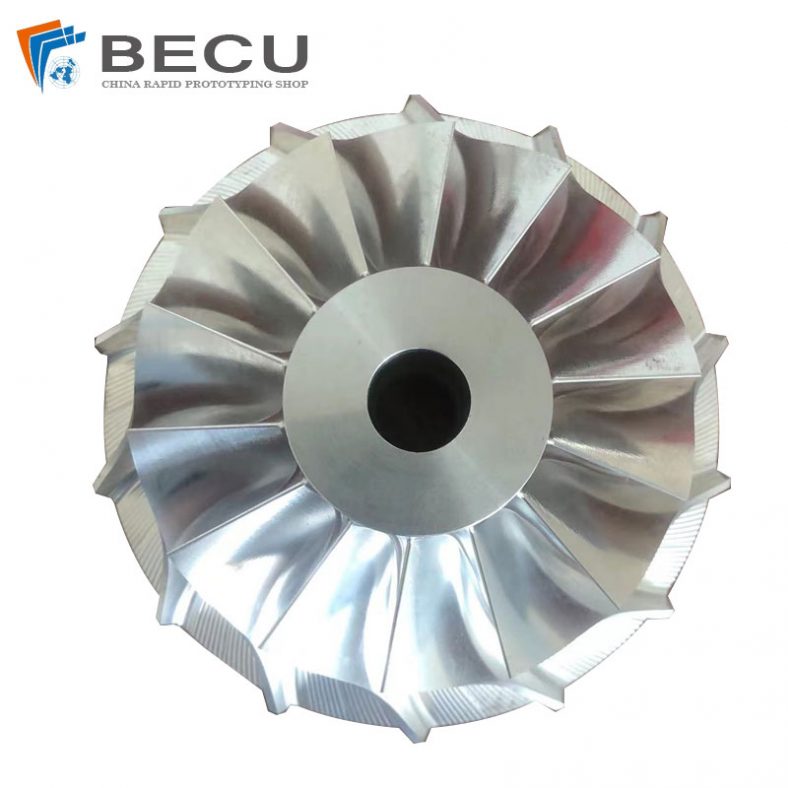
3-Way Centrifugal Compressor Closed Impeller By 5 Axis Machining
-
3/4/5 Axis Precision Milling Custom Vehicle Parts
-
3D Flexible Welding Platform By Large Machining
-
3D Printed Inconel Exhaust Manifold
-
3D Printing And CNC Machining Custom Black PPS Valve
-
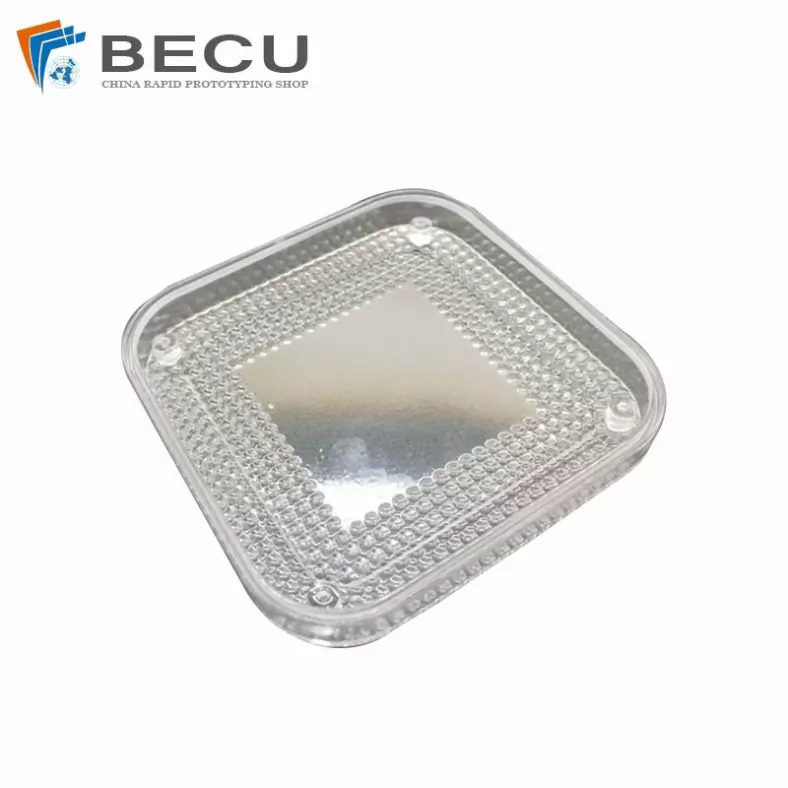
3D Printing Full Transparent Acrylic Lampshade Model
-
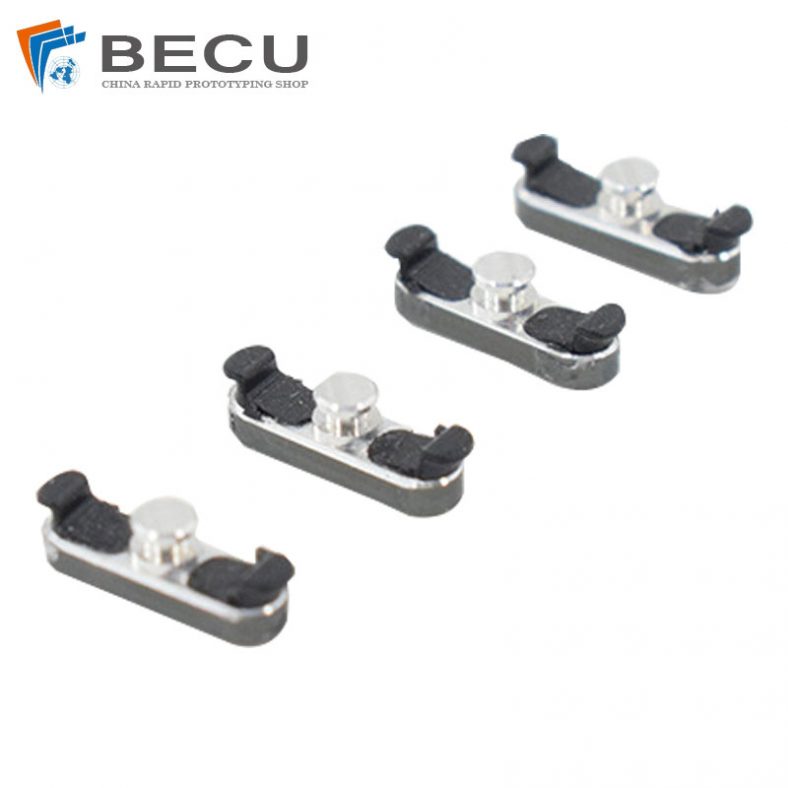
4 Axis CNC Machining Titanium Grade 5 Mobile Phone Buttons
-
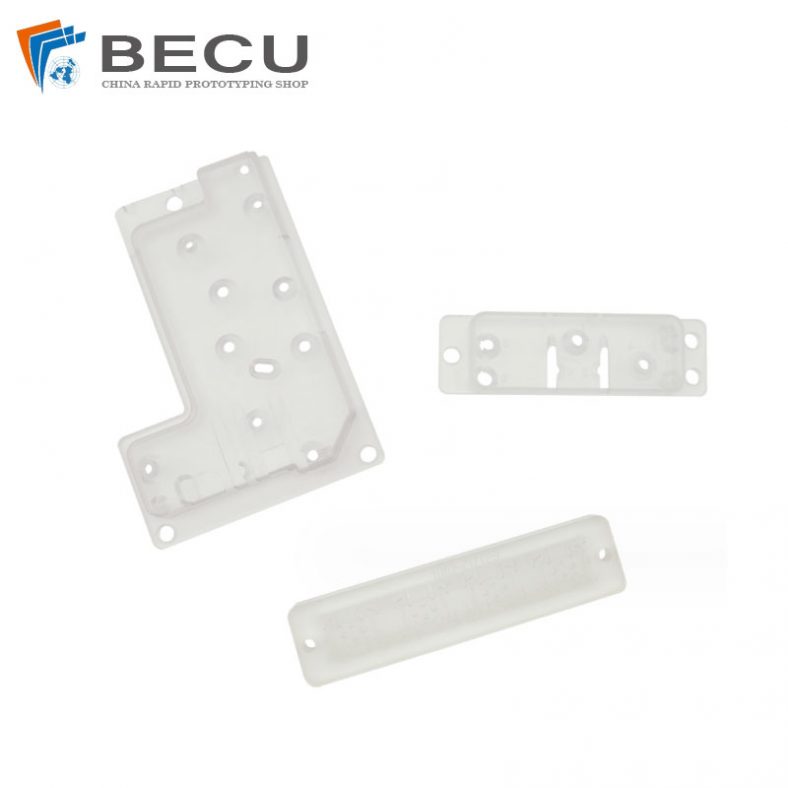
4 Axis Machining Highly Transparent Acrylic LED Tunnel Light Lens