
Aluminum 6061 is one of the most widely used aluminum alloys, known for its versatility, high strength, and excellent corrosion resistance. It belongs to the 6000 series of aluminum alloys, which are primarily alloyed with magnesium and silicon. This alloy is particularly favored in the manufacturing and fabrication sectors due to its favorable mechanical properties, ease of machining, and weldability. When it comes to CNC (Computer Numerical Control) machining 6061, understanding the different tempers of aluminum 6061 is crucial to optimizing performance and achieving the desired results.
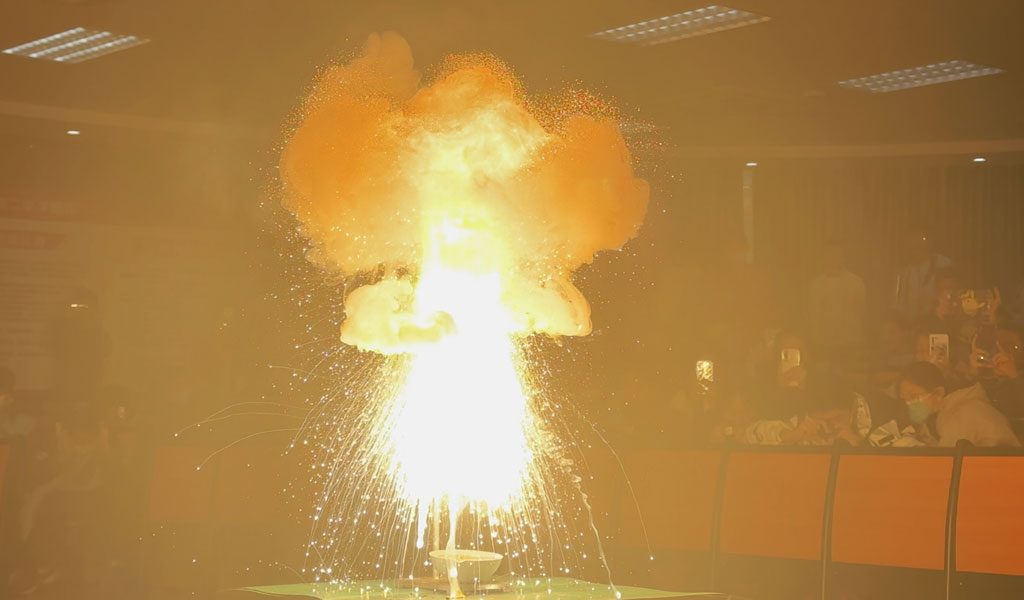
Overview of Aluminum 6061
6061 aluminum is a heat-treatable alloy with good formability, weldability, and machinability. It also has medium strength and can maintain good operability after annealing. The main alloying elements of 6061 aluminum are magnesium and silicon, forming Mg2Si phase. If it contains a certain amount of manganese and chromium, it can neutralize the bad effects of iron; sometimes a small amount of copper or zinc is added to improve the strength of the alloy without significantly reducing its corrosion resistance;
there is also a small amount of copper in the conductive material to offset the adverse effects of titanium and iron on conductivity; zirconium or titanium can refine the grains and control the recrystallization structure; in order to improve the machinability, lead and bismuth can be added. When Mg2Si is solid-dissolved in aluminum, the alloy has artificial aging hardening function.
Composition Of Aluminum 6061
Aluminum 6061 consists primarily of aluminum, with significant amounts of magnesium and silicon. The typical composition is as follows:
- Aluminum (Al): 97.9% – 98.6%
- Magnesium (Mg): 0.8% – 1.2%
- Silicon (Si): 0.4% – 0.8%
- Copper (Cu): 0.15% – 0.40%
- Chromium (Cr): 0.04% – 0.35%
- Zinc (Zn): 0.25% (max)
- Titanium (Ti): 0.15% (max)
- Other Elements: Each 0.05% (max), total 0.15% (max)
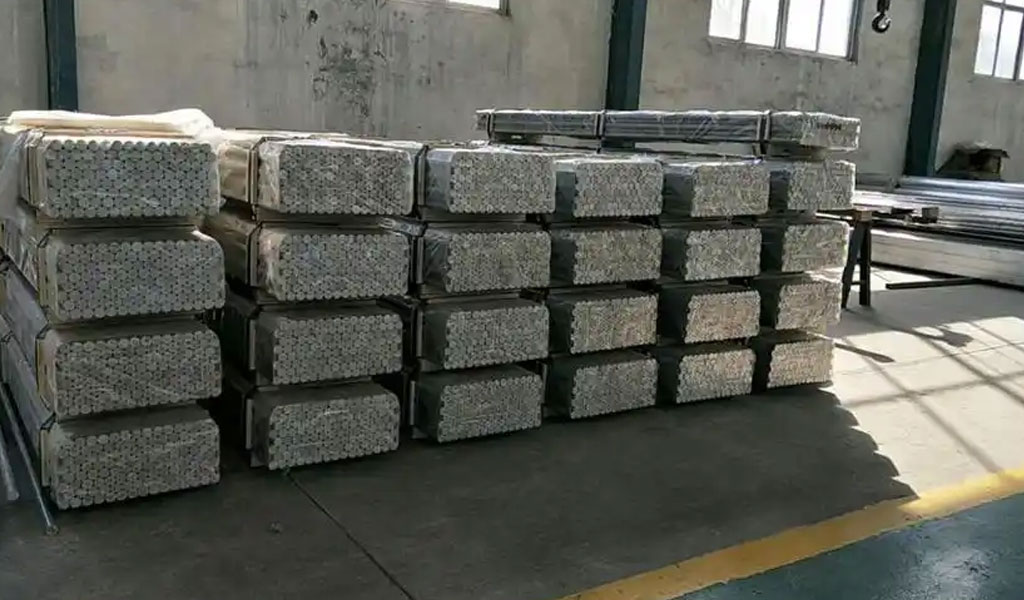
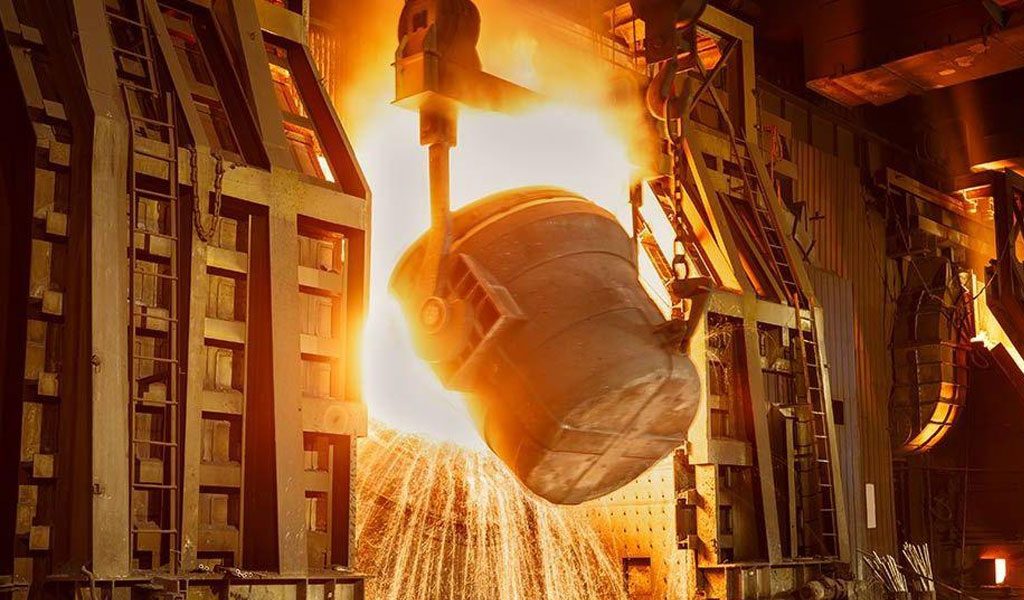
Mechanical Properties Of Aluminum 6061
Aluminum 6061 is characterized by a combination of good mechanical properties, which include:
- Yield Strength: 240 MPa (35,000 psi)
- Ultimate Tensile Strength: 310 MPa (45,000 psi)
- Elongation: 12% – 25% (depending on temper)
- Hardness (Brinell): 95 HB
These properties make it suitable for a variety of applications, including structural components, automotive parts, and aerospace applications.
Understanding Aluminum Tempers
The temper of an aluminum alloy refers to the specific heat treatment and mechanical working that the metal has undergone. In the case of aluminum 6061, the tempers are denoted by a letter and a number, indicating the specific processing steps taken. The most common tempers for aluminum 6061 include:
- T6: Solution heat-treated and artificially aged
- T5: Cooled from an elevated temperature and then artificially aged
- T4: Solution heat-treated and naturally aged to a substantially stable condition
- F: As fabricated, no specific thermal or mechanical treatment
Importance of Temper
The temper significantly affects the mechanical properties, machinability, and overall performance of aluminum 6061 in CNC machining applications. Each temper offers different advantages and limitations, which must be considered during the material selection process.
Definition of aging and tempering
Aging refers to the process of keeping the material at a certain temperature for a period of time to change the internal structure of the material again and improve the mechanical and physical properties of the material. Aging is one of the effective ways to reduce material costs, and it can achieve a certain degree of high strength and excellent corrosion resistance.Tempering refers to the process of softening and improving the cold brittleness resistance of the material by properly cooling and keeping the material warm after the heating process. The tempered material has good mechanical properties and wear resistance.
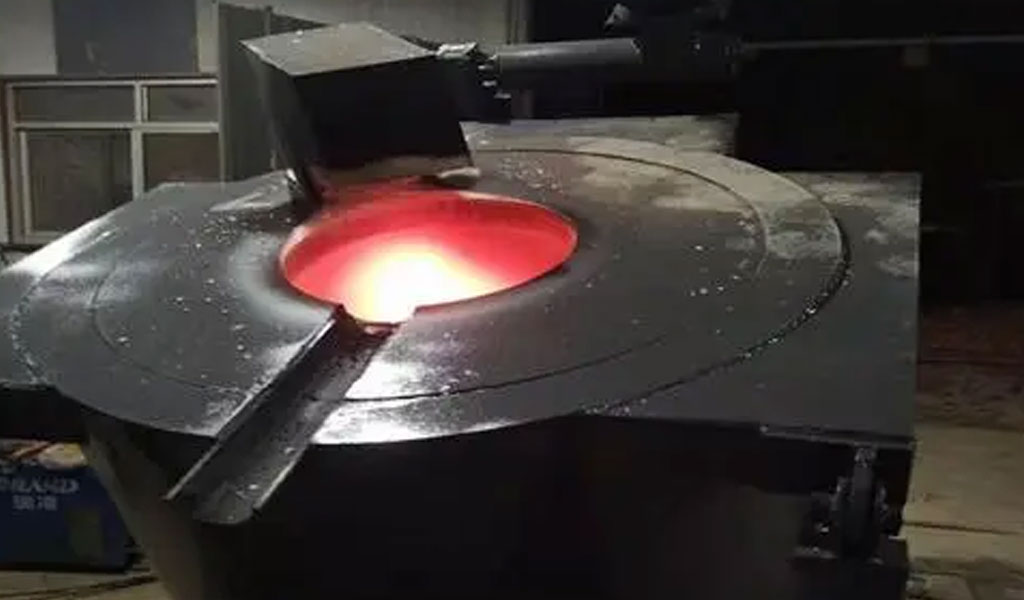
Temperature and time of aging and tempering
The aging temperature and time are generally carried out at the hot working temperature of the material. The commonly used aging temperature is between 130℃ and 200℃, and the insulation time is about 1 hour. Different materials require different aging conditions, such as 7050 aluminum alloy requires aging for up to 24-48 hours.
Tempering is generally carried out at high temperature, between 300℃ and 600℃, and the time varies depending on the material. Generally, a long time is required for tempering, such as tempering 40Cr alloy steel at 570℃ for 24 hours.
Purpose and effect of aging and tempering
The purpose of aging is to significantly improve mechanical properties, physical properties and corrosion resistance. It is an important means to improve material properties, which can enable raw materials to obtain better mechanical and physical properties after extrusion or special-shaped pressing.
Tempering can improve the material’s resistance to cold brittleness and soften the material, making it a practical material with special properties. Moreover, it has a good repair effect on over-annealed materials, and can prevent looseness and brittle cracking caused by excessive annealing of the material.
Best Temper for CNC Machining
Aluminum 6061-T6
Description
The T6 temper is often regarded as the best choice for CNC machining aluminum 6061. It involves solution heat treatment followed by artificial aging, resulting in maximum strength and hardness. The T6 temper provides a yield strength of approximately 240 MPa (35,000 psi) and an ultimate tensile strength of around 310 MPa (45,000 psi).
Advantages
- High Strength: T6 exhibits excellent strength-to-weight ratio, making it ideal for structural applications.
- Good Machinability: Despite its hardness, T6 can be machined effectively, allowing for tight tolerances and intricate designs.
- Excellent Corrosion Resistance: The T6 temper offers strong resistance to corrosion, making it suitable for outdoor and marine environments.
- Weldability: Although welding can slightly reduce its strength, T6 can still be welded with appropriate techniques.
Applications
Common applications for aluminum 6061-T6 include:
- Aerospace components
- Automotive parts (e.g., frames, brackets)
- Structural frames and supports
- Marine components (e.g., hulls, fittings)
Aluminum 6061-T5
Description
The T5 temper is another commonly used form of aluminum 6061, achieved by cooling from an elevated temperature followed by artificial aging. T5 typically offers lower strength than T6, with yield strengths around 215 MPa (31,000 psi) and ultimate tensile strengths of approximately 290 MPa (42,000 psi).
Advantages
- Good Formability: T5 has slightly better formability than T6, making it easier to shape in CNC machining operations.
- Cost-Effective: The lower strength compared to T6 can make T5 a more economical choice for certain applications.
- Good Corrosion Resistance: Similar to T6, T5 offers excellent resistance to corrosion.
Applications
Common applications for aluminum 6061-T5 include:
- Structural components in buildings and bridges
- Lightweight automotive parts
- General fabrication projects
Aluminum 6061-T4
Description
The T4 temper involves solution heat treatment and natural aging, leading to properties that fall between T5 and T6. The yield strength for T4 typically ranges from 160 MPa (23,000 psi) to 240 MPa (35,000 psi).
Advantages
- Good Workability: T4 has better workability than T6, allowing for more extensive machining and shaping processes.
- Moderate Strength: While not as strong as T6, T4 offers sufficient strength for many applications.
- Stability: T4 has good dimensional stability, making it suitable for precision components.
Applications
Common applications for aluminum 6061-T4 include:
- Aircraft components where lightweight is essential
- Structural applications that require moderate strength
- Parts requiring complex machining
Aluminum 6061-F
Description
The F temper represents the as-fabricated condition of aluminum 6061, with no specific thermal treatment. This temper generally has lower mechanical properties compared to the T5, T4, and T6 tempers.
Advantages
- Flexibility: The F temper allows for flexibility in machining and fabrication processes.
- Lower Cost: As it does not undergo specific thermal treatments, F temper may be less expensive than T5 and T6.
- Ease of Processing: The absence of hardening treatments can facilitate easier machining operations.
Applications
Common applications for aluminum 6061-F include:
- Temporary structures
- Parts that will undergo further processing
- Basic fabrication applications
Considerations for CNC Machining
Tooling
Choosing the right tooling is essential for successful CNC machining of aluminum 6061, especially for the different tempers. Tooling materials, geometries, and coatings can significantly impact the machining efficiency and finish quality.
Cutting Speeds and Feeds
Optimal cutting speeds and feeds depend on the temper being machined. Generally, higher cutting speeds are suitable for T6 due to its strength, while T5 and T4 may require different settings to achieve the desired finish and accuracy.
Coolant Use
Utilizing the appropriate coolant during machining operations can enhance tool life and surface finish. Flood coolant is commonly used for aluminum, especially when machining T6, to manage heat generation and chip removal.
Surface Finish
Achieving the desired surface finish is crucial for many applications. The temper, tooling, and machining parameters all influence the final surface quality. T6, for instance, may require more careful handling to prevent surface imperfections.
Conclusion
The main alloying elements of 6061 aluminum alloy are magnesium and silicon, which form Mg2Si phase. If it contains a certain amount of manganese and chromium, it can neutralize the bad effects of iron; sometimes a small amount of copper or zinc is added to improve the strength of the alloy without significantly reducing its corrosion resistance; there is also a small amount of copper in the conductive material to offset the adverse effects of titanium and iron on conductivity; zirconium or titanium can refine the grains and control the recrystallization structure; in order to improve the machinability, lead and bismuth can be added. Mg2Si is dissolved in aluminum, giving the alloy an artificial aging hardening function. The main alloying elements in 6061 aluminum alloy are magnesium and silicon, which has medium strength, good corrosion resistance, weldability, and good oxidation effect.
Aluminum 6061 remains a cornerstone material in various industries, largely due to its favorable properties and versatility. Among the different tempers, 6061-T6 is often regarded as the best option for CNC machining due to its high strength, excellent machinability, and corrosion resistance. However, selecting the appropriate temper ultimately depends on the specific application requirements and desired performance characteristics. Understanding the differences between the various tempers and their implications for machining processes is crucial for manufacturers looking to optimize their operations and achieve high-quality results.
The Detail Of BE-CU Cnc Machining Shop
BE-CU.COM – As an accomplished CNC machining Service Manufacturer and CNC shop, BE-CU Prototype has been specialized in OEM CNC lathing, custom CNC machining parts production and rapid CNC machining services China for over 35 years and always maintaining the highest standard in delivery speed and reliable quality of precision CNC manufacturing components. With the help of high-level technology and efficient equipment, as well as rigorous attitude, BE-CU passed the ISO9001:2015 quality certification, which supports the long-term development of CNC milling services, CNC turning services, CNC milling-turning, CNC drilling services, 3/4/5 axis machining, gear machining services, CNC machining China custom parts and service, small parts machining, etc.Our CNC machining products can be utilized in a broad range of industries. Contact us for email: [email protected]
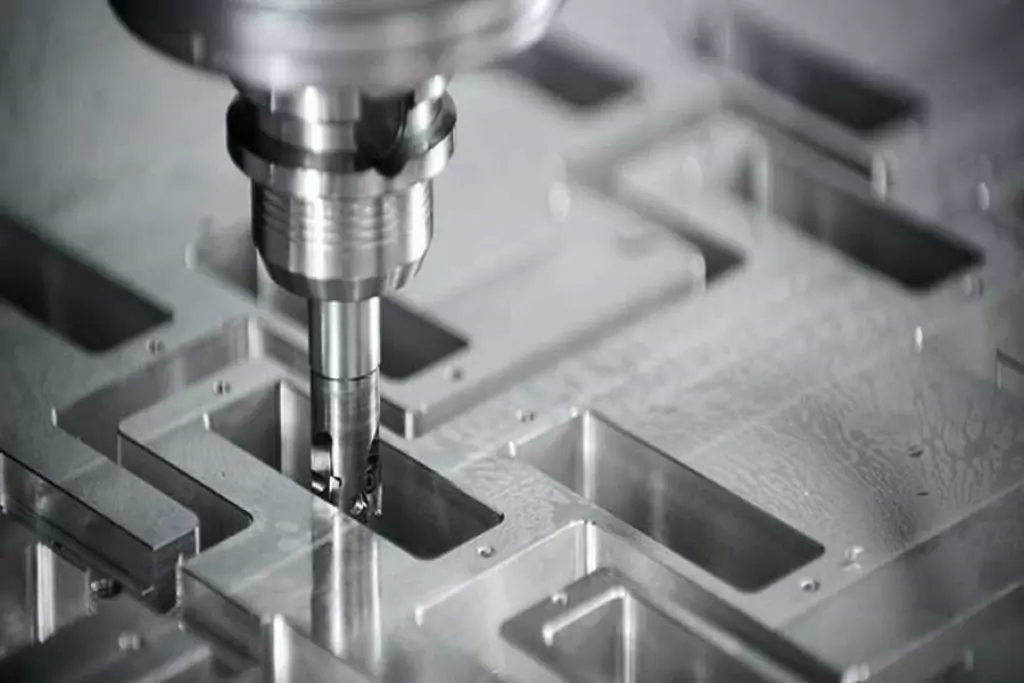
-
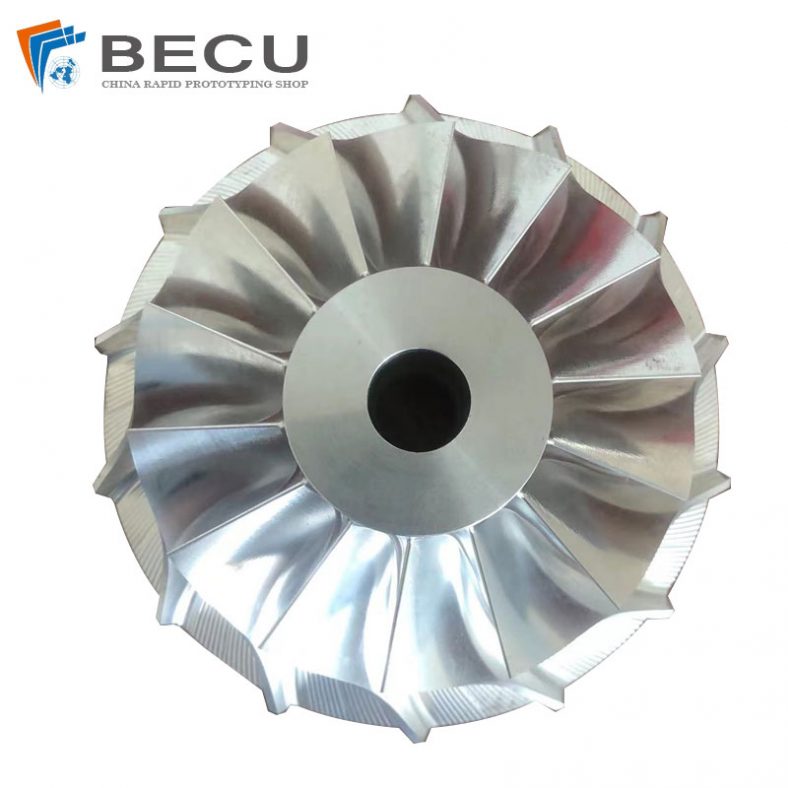
3-Way Centrifugal Compressor Closed Impeller By 5 Axis Machining
-
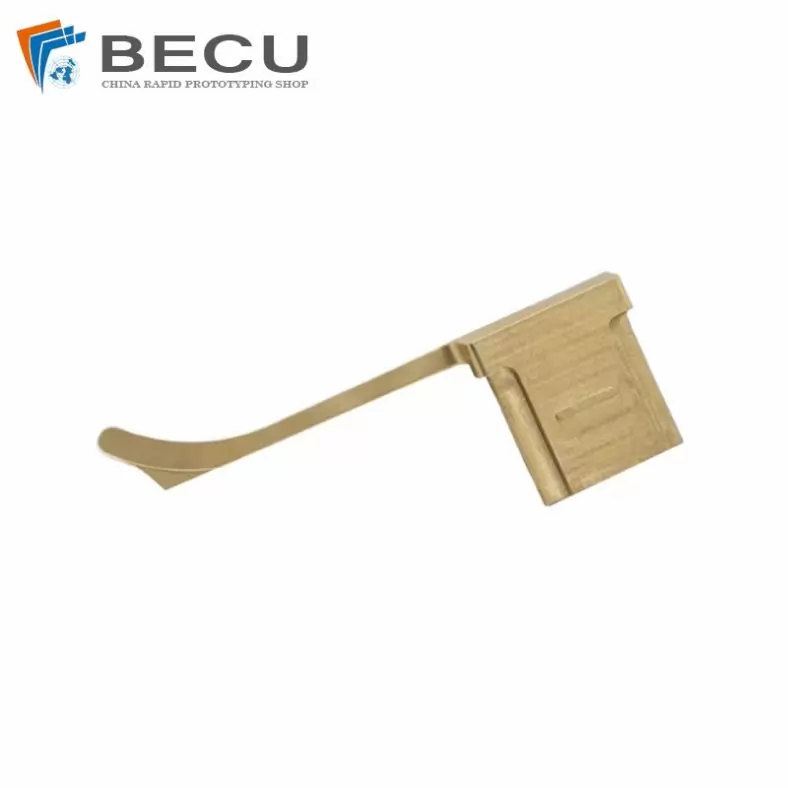
3/4/5 Axis Precision Milling Custom Vehicle Parts
-
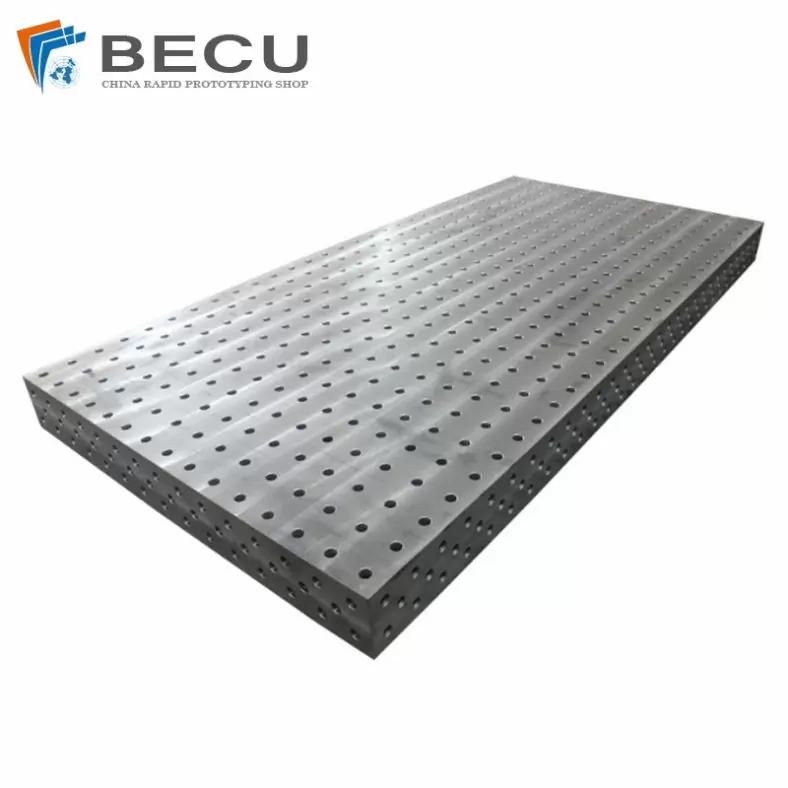
3D Flexible Welding Platform By Large Machining
-
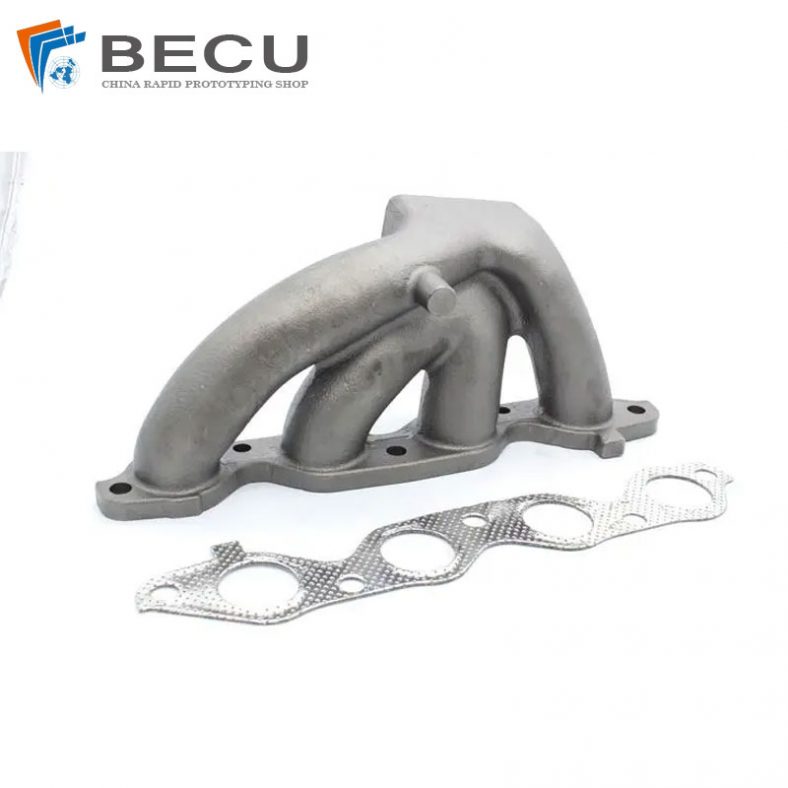
3D Printed Inconel Exhaust Manifold
-
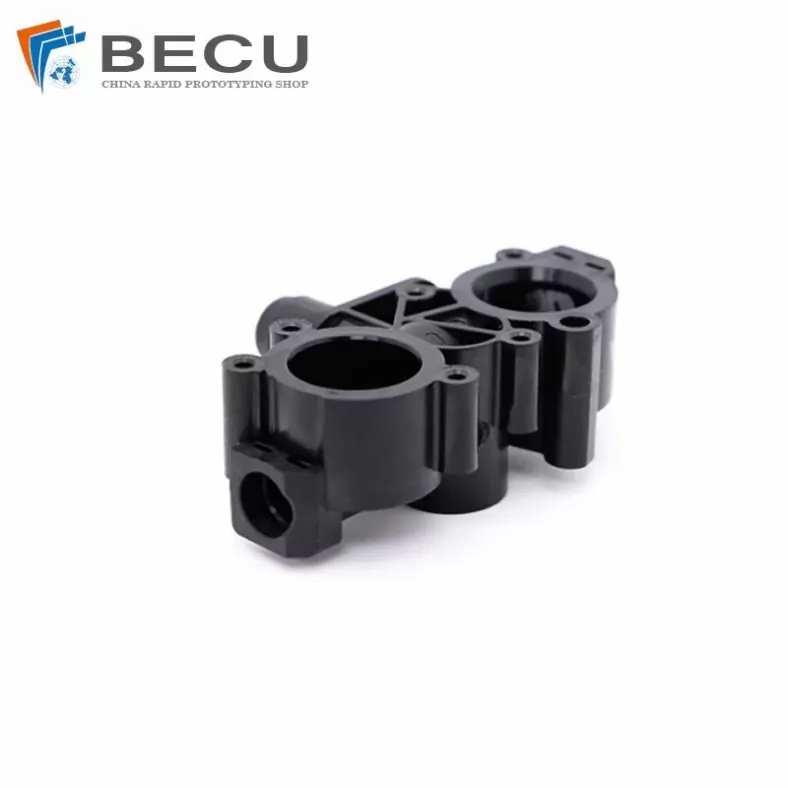
3D Printing And CNC Machining Custom Black PPS Valve
-
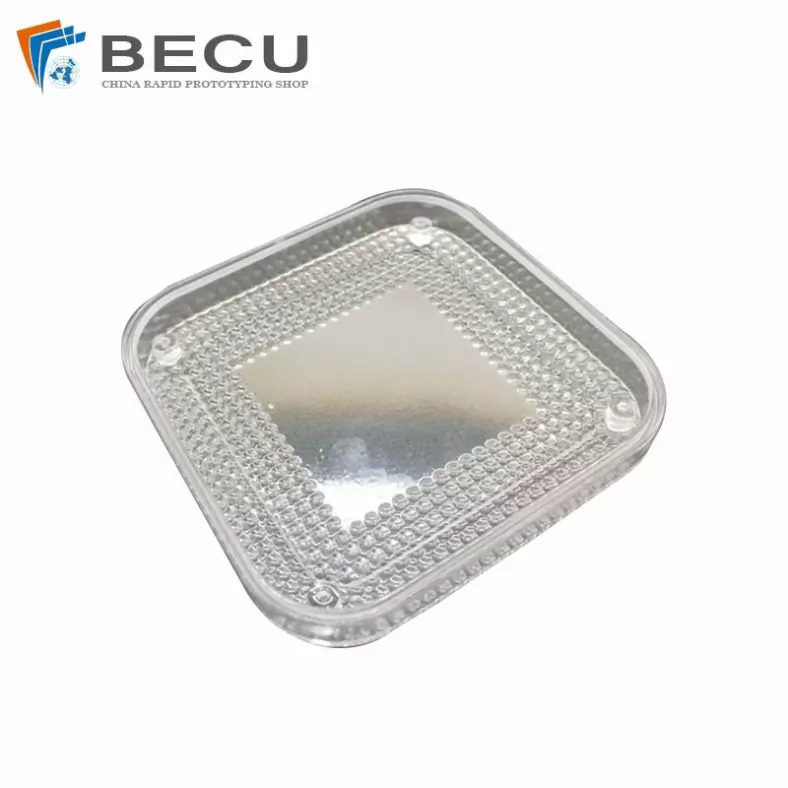
3D Printing Full Transparent Acrylic Lampshade Model
-
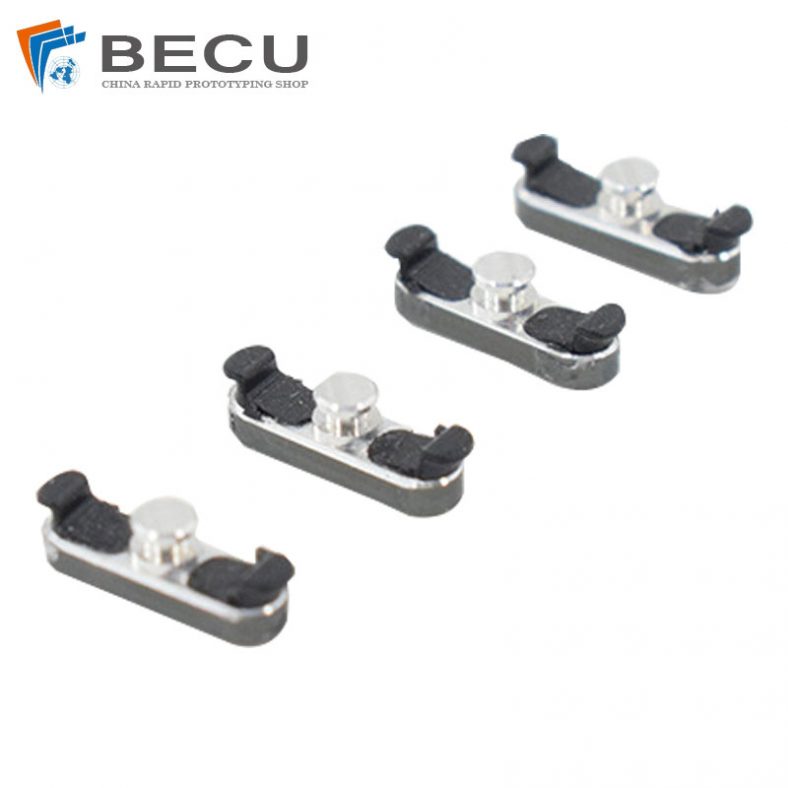
4 Axis CNC Machining Titanium Grade 5 Mobile Phone Buttons
-
4 Axis Machining Highly Transparent Acrylic LED Tunnel Light Lens