

Five-axis machining is a sophisticated manufacturing process that allows for the creation of complex geometries with high precision. One of the critical aspects of five-axis machining is the interpolation of tool paths, which ensures smooth and accurate movement of the cutting tool.
The Dual NURBS (Non-Uniform Rational B-Spline) Curve Interpolation Algorithm is a cutting-edge technique that has gained significant attention in the field of computer-aided manufacturing (CAM). This algorithm leverages the mathematical properties of NURBS to achieve superior interpolation, resulting in enhanced machining accuracy and efficiency.
Introduction to NURBS
NURBS, or Non-Uniform Rational B-Splines, are mathematical representations of curves and surfaces that are widely used in computer graphics, CAD (Computer-Aided Design), and CAM. NURBS curves are defined by a set of control points, weights, and a knot vector. The general form of a NURBS curve is given by:

where:
- C(u) is the curve point.
- u is the parameter.
- Ni,p(u) are the B-spline basis functions.
- wi are the weights.
- Pi are the control points.
- n is the number of control points.
- p is the degree of the curve.
NURBS curves offer several advantages, including the ability to represent a wide variety of shapes, high precision, and smoothness.
These properties make NURBS ideal for applications in five-axis machining, where the tool path must be both accurate and smooth to avoid tool wear and ensure high-quality surface finish.
Dual NURBS Curve Interpolation
The Dual NURBS Curve Interpolation Algorithm extends the traditional NURBS interpolation by incorporating two NURBS curves simultaneously. This dual approach allows for more complex and accurate tool path generation, particularly in five-axis machining where the tool orientation is as critical as the tool position.The algorithm involves the following steps:
- Curve Definition: Define two NURBS curves, one for the tool position and the other for the tool orientation. These curves are defined by their respective control points, weights, and knot vectors.
- Parameter Synchronization: Ensure that the parameters of the two NURBS curves are synchronized. This means that for any given parameter value �u, the corresponding points on both curves are evaluated simultaneously.
- Interpolation: Interpolate the tool position and orientation along the synchronized parameters. This involves evaluating the NURBS basis functions and computing the curve points for both the position and orientation curves.
- Tool Path Generation: Generate the tool path by combining the interpolated tool position and orientation. This results in a smooth and continuous tool path that respects the geometric constraints of the part being machined.
Mathematical Formulation
The mathematical formulation of the Dual NURBS Curve Interpolation Algorithm can be expressed as follows:
For the tool position curve Cp(u):

For the tool orientation curve ��(�)Co(u):

where:
- Cp(u) and Co(u) are the tool position and orientation curves, respectively.
- Ni,p(u) and Ni,q(u) are the B-spline basis functions for the position and orientation curves, respectively.
- wpi and woi are the weights for the position and orientation curves, respectively.
- Ppi and Poi are the control points for the position and orientation curves, respectively.
- n and m are the number of control points for the position and orientation curves, respectively.
- p and q are the degrees of the position and orientation curves, respectively.
Advantages of Dual NURBS Curve Interpolation
The Dual NURBS Curve Interpolation Algorithm offers several advantages over traditional interpolation methods:
- High Precision: The use of NURBS ensures high precision in both tool position and orientation, resulting in accurate machining of complex geometries.
- Smoothness: NURBS curves are inherently smooth, which helps in generating smooth tool paths that minimize tool wear and improve surface finish.
- Flexibility: The dual NURBS approach allows for the independent control of tool position and orientation, providing greater flexibility in tool path generation.
- Efficiency: The algorithm can be implemented efficiently, reducing computation time and improving overall machining efficiency.
Comparison with Other Interpolation Methods
To highlight the advantages of the Dual NURBS Curve Interpolation Algorithm, it is useful to compare it with other interpolation methods commonly used in five-axis machining. The following table provides a detailed comparison:
| Feature | Dual NURBS Curve Interpolation | Linear Interpolation | Circular Interpolation | Spline Interpolation |
|---|---|---|---|---|
| Precision | High | Moderate | Moderate | High |
| Smoothness | High | Low | Moderate | High |
| Flexibility | High | Low | Moderate | High |
| Efficiency | High | High | Moderate | Moderate |
| Tool Wear | Low | High | Moderate | Low |
| Surface Finish | Excellent | Poor | Good | Excellent |
| Complexity | Moderate | Low | Moderate | High |
| Implementation | Moderate | Easy | Moderate | Complex |
Applications in Five-Axis Machining
The Dual NURBS Curve Interpolation Algorithm has numerous applications in five-axis machining, particularly in industries that require high precision and complex geometries. Some of the key applications include:
- Aerospace: The aerospace industry demands high precision and complex geometries for components such as turbine blades, aircraft wings, and fuselage parts. The Dual NURBS Curve Interpolation Algorithm ensures that these components are machined with the required accuracy and smoothness.
- Automotive: In the automotive industry, the algorithm can be used to machine complex parts such as engine blocks, cylinder heads, and transmission components. The smooth tool paths generated by the algorithm help in reducing tool wear and improving surface finish.
- Medical Devices: Medical devices often require precise and complex geometries. The Dual NURBS Curve Interpolation Algorithm can be used to machine implants, surgical instruments, and other medical devices with high precision.
- Mold and Die Making: The mold and die making industry benefits from the algorithm’s ability to generate smooth and accurate tool paths. This results in high-quality molds and dies that meet the required specifications.
Implementation Considerations
Implementing the Dual NURBS Curve Interpolation Algorithm in five-axis machining involves several considerations:
- Software Integration: The algorithm needs to be integrated into the CAM software used for tool path generation. This requires a deep understanding of the software’s architecture and interpolation capabilities.
- Hardware Compatibility: The algorithm must be compatible with the machine tool’s controller. This ensures that the generated tool paths can be executed accurately by the machine tool.
- Parameter Optimization: The parameters of the NURBS curves, such as control points, weights, and knot vectors, need to be optimized for the specific machining application. This involves iterative testing and refinement to achieve the desired precision and smoothness.
- Error Handling: The algorithm must include robust error handling mechanisms to deal with potential issues such as curve discontinuities, parameter mismatches, and numerical instabilities.
Future Directions
The Dual NURBS Curve Interpolation Algorithm represents a significant advancement in five-axis machining. However, there are several areas for future research and development:
- Adaptive Interpolation: Developing adaptive interpolation techniques that can dynamically adjust the NURBS parameters based on real-time feedback from the machining process. This can further improve precision and efficiency.
- Multi-Axis Interpolation: Extending the algorithm to support more than five axes, allowing for even more complex machining operations.
- Machine Learning: Incorporating machine learning algorithms to optimize the NURBS parameters and improve the overall performance of the interpolation process.
- Real-Time Simulation: Developing real-time simulation tools that can visualize the tool path generated by the Dual NURBS Curve Interpolation Algorithm. This can help in identifying and correcting potential issues before actual machining.
Conclusion
The Dual NURBS Curve Interpolation Algorithm is a powerful technique for generating precise and smooth tool paths in five-axis machining. By leveraging the mathematical properties of NURBS, the algorithm ensures high precision, smoothness, and flexibility in tool path generation. Its applications span various industries, including aerospace, automotive, medical devices, and mold and die making. As research and development continue, the algorithm has the potential to revolutionize the field of five-axis machining, leading to even more advanced and efficient manufacturing processes.
In summary, the Dual NURBS Curve Interpolation Algorithm represents a significant step forward in the quest for high-precision and efficient machining. Its ability to generate smooth and accurate tool paths makes it an invaluable tool for industries that demand complex geometries and high-quality surface finishes. With continued advancements and optimizations, the algorithm is poised to play a crucial role in the future of manufacturing technology.
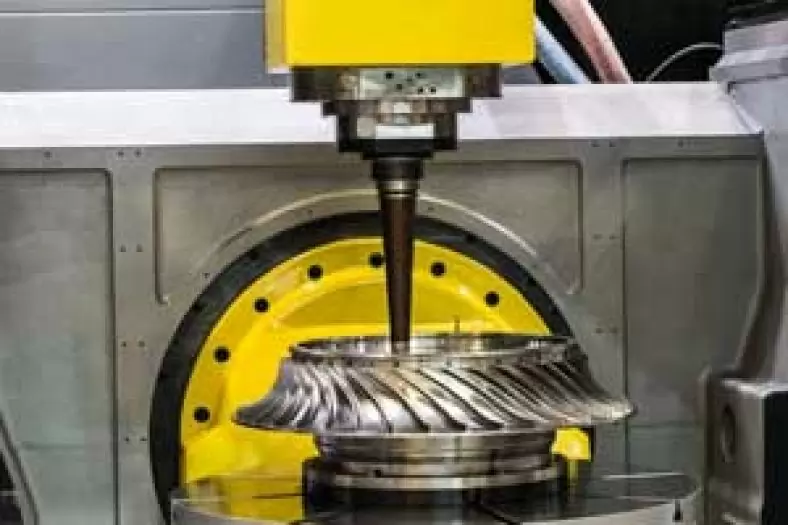
The Detail Of BE-CU Cnc Machining Shop
BE-CU.COM – As an accomplished CNC machining Service Manufacturer and CNC shop, BE-CU Prototype has been specialized in OEM CNC lathing, custom CNC machining parts production and rapid CNC machining services China for over 35 years and always maintaining the highest standard in delivery speed and reliable quality of precision CNC manufacturing components. With the help of high-level technology and efficient equipment, as well as rigorous attitude, BE-CU passed the ISO9001:2015 quality certification, which supports the long-term development of CNC milling services, CNC turning services, CNC milling-turning, CNC drilling services, 3/4/5 axis machining, gear machining services, CNC machining China custom parts and service, small parts machining, etc.Our CNC machining products can be utilized in a broad range of industries. Contact us for email: [email protected]
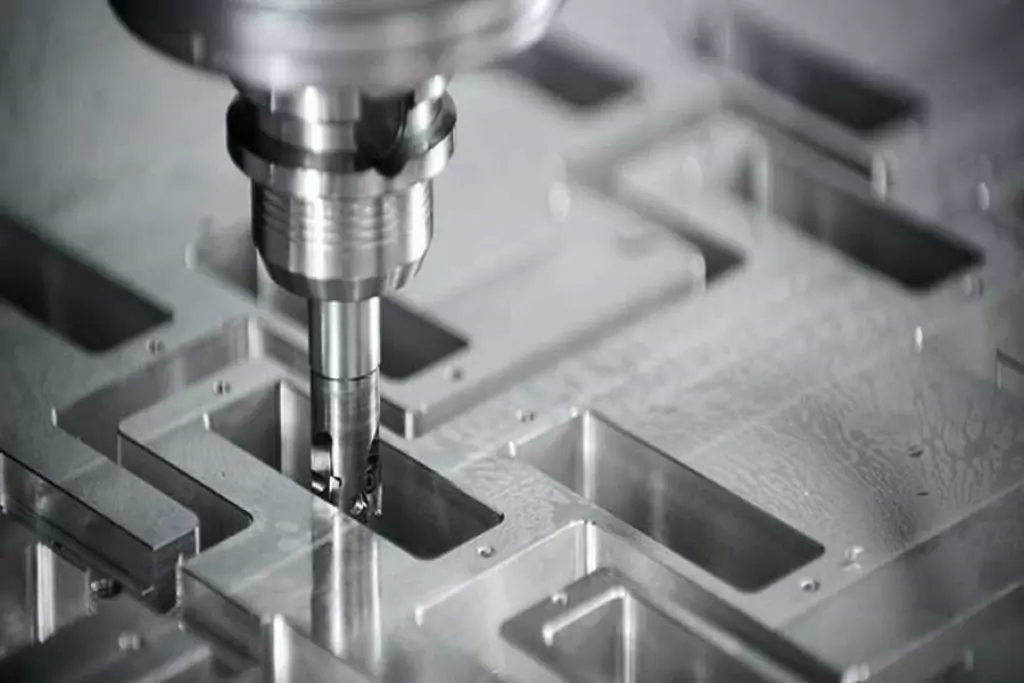
-
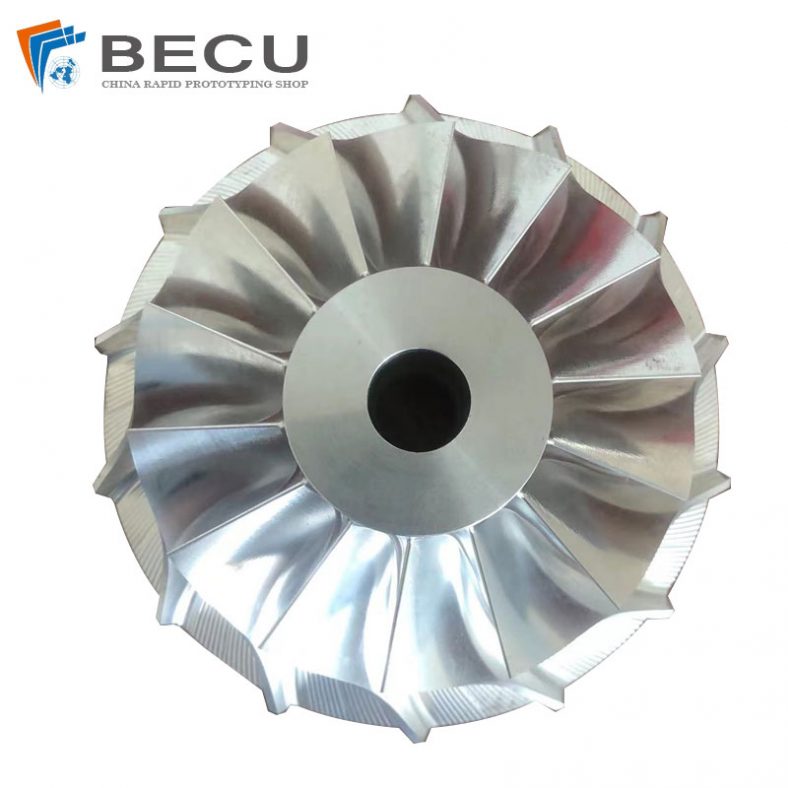
3-Way Centrifugal Compressor Closed Impeller By 5 Axis Machining
-
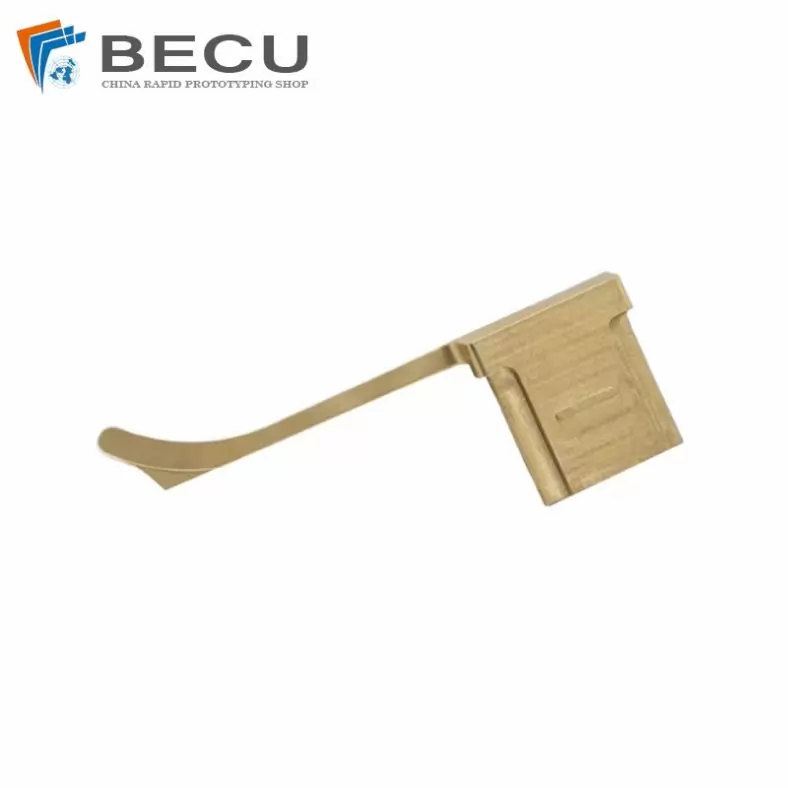
3/4/5 Axis Precision Milling Custom Vehicle Parts
-
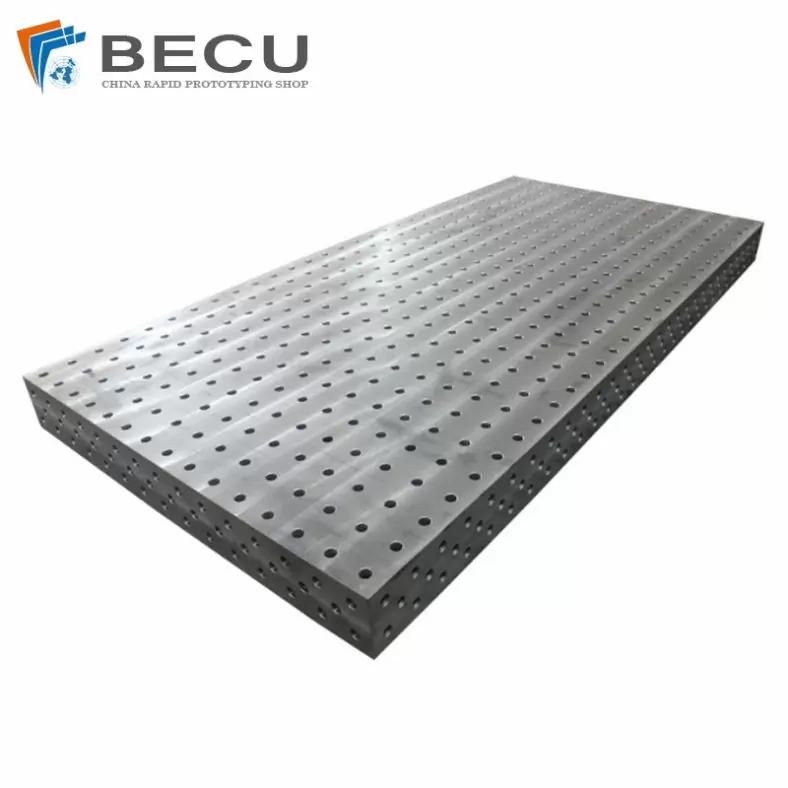
3D Flexible Welding Platform By Large Machining
-
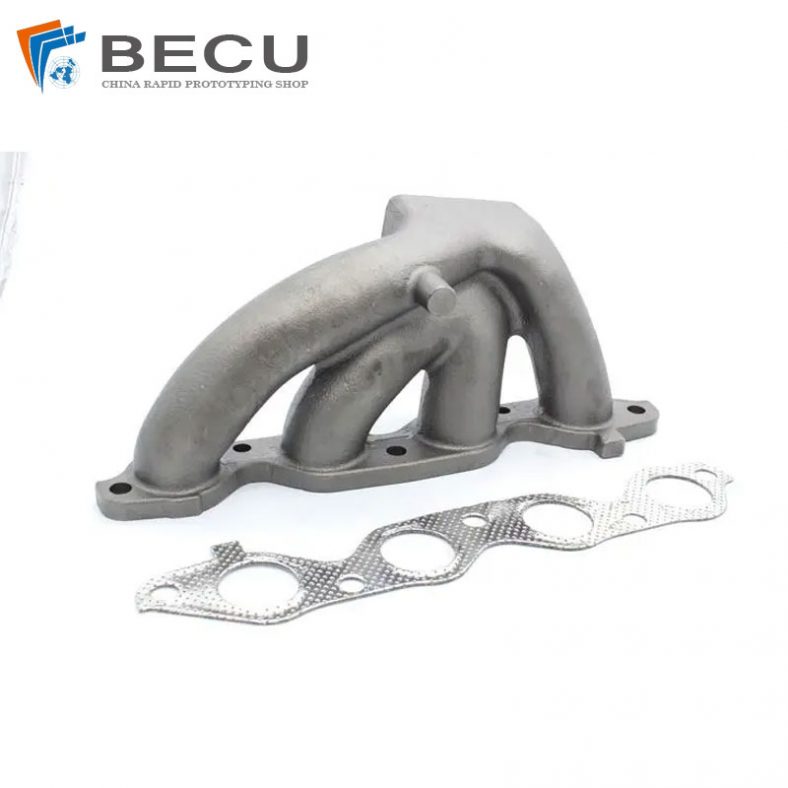
3D Printed Inconel Exhaust Manifold
-
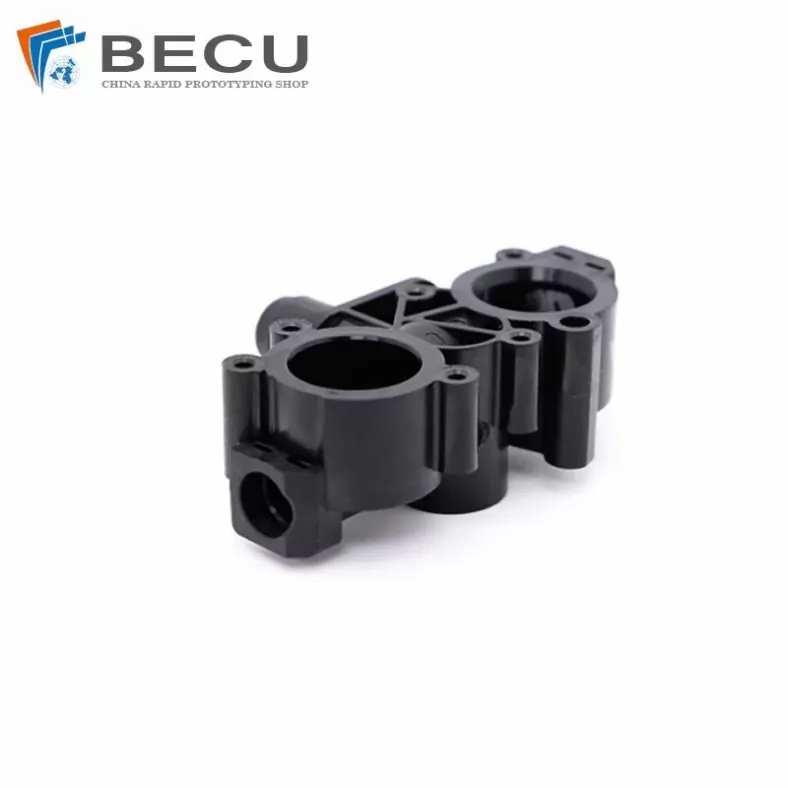
3D Printing And CNC Machining Custom Black PPS Valve
-
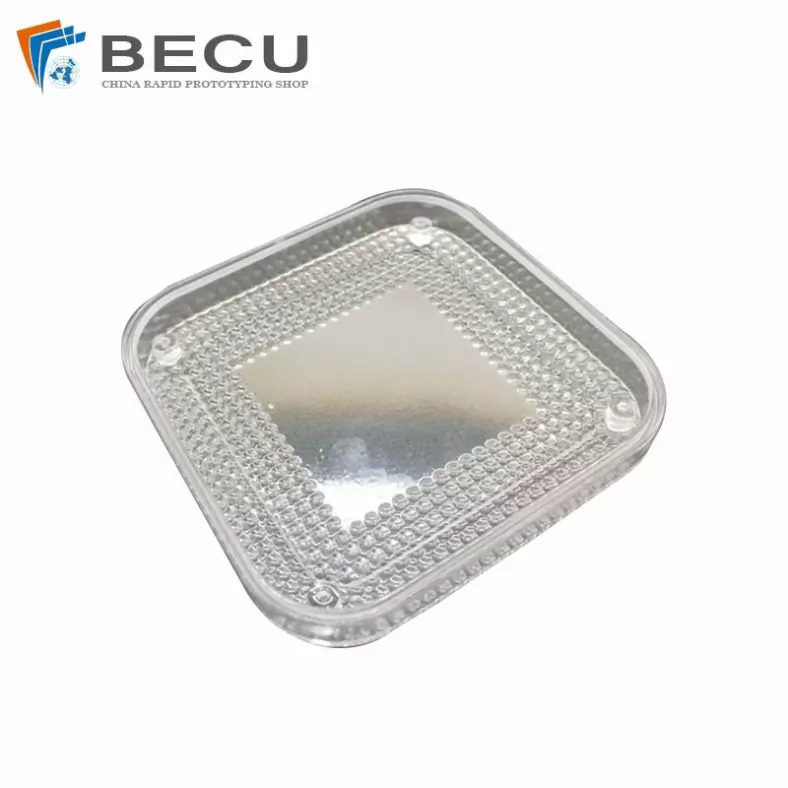
3D Printing Full Transparent Acrylic Lampshade Model
-
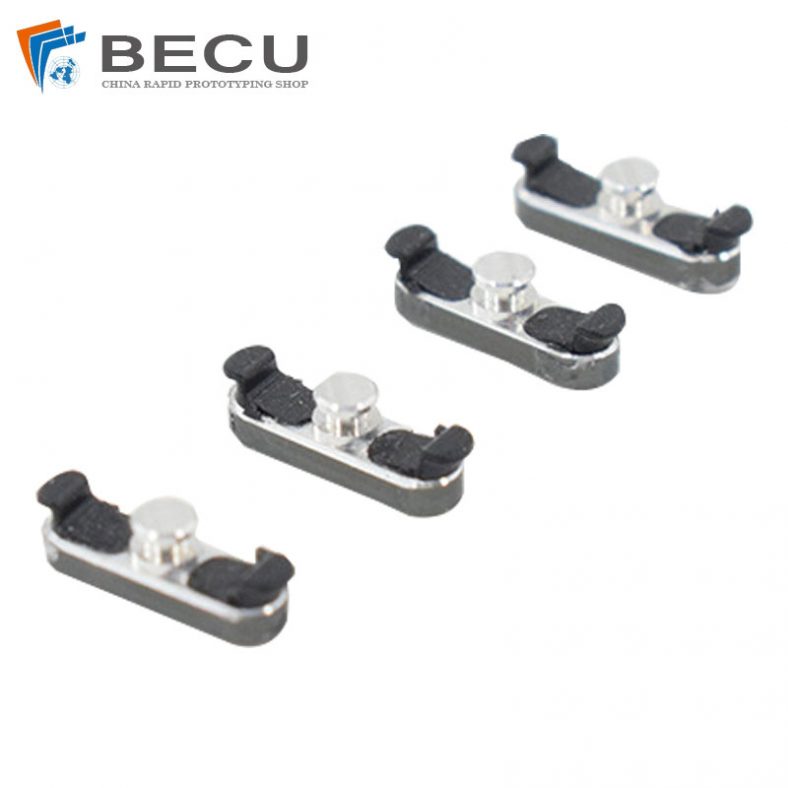
4 Axis CNC Machining Titanium Grade 5 Mobile Phone Buttons
-
4 Axis Machining Highly Transparent Acrylic LED Tunnel Light Lens