
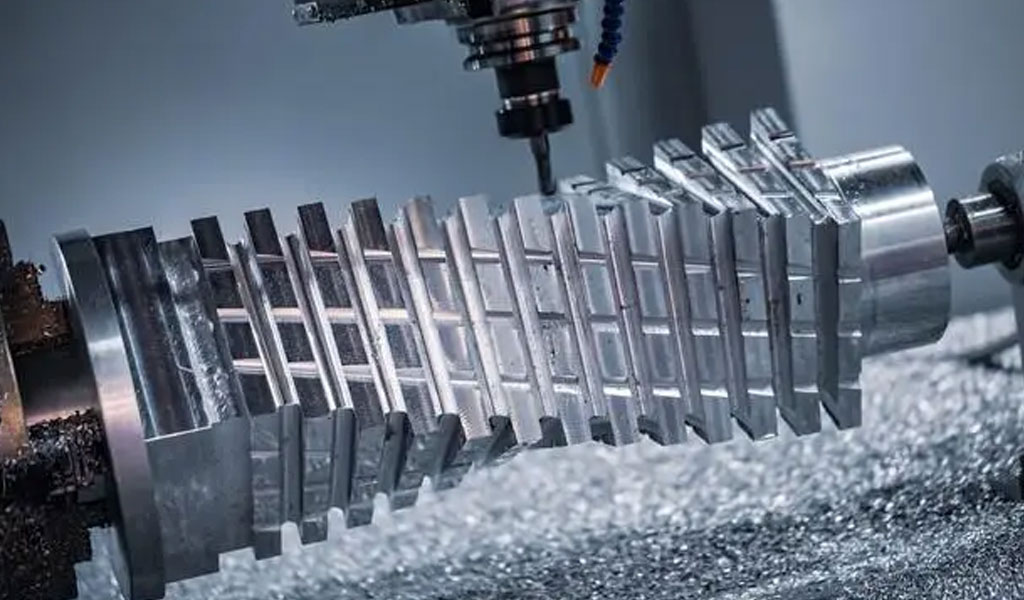
In the world of CNC (Computer Numerical Control) machining, material ductility plays a crucial role in determining how materials respond to various machining processes, particularly in terms of deformation, stress distribution, and tool wear.
Ductility, which refers to the ability of a material to undergo significant plastic deformation before fracturing, is an essential property that influences a variety of machining characteristics, including tool selection, cutting parameters, and the overall quality of the finished part.
Material ductility is a critical factor in the selection and processing of metals for machining, as it directly impacts the efficiency, cost, and outcome of a CNC operation. Understanding ductility allows machinists and engineers to optimize machining parameters, improve tool life, and minimize defects in the final product. This article explores the complexities of material ductility in CNC machining, delving into its scientific principles, practical applications, and the challenges posed by different materials used in machining processes.
What is Ductility?
Ductility is a mechanical property of materials that describes their ability to undergo extensive plastic deformation before breaking or fracturing. It is typically characterized by the amount of elongation or reduction in cross-sectional area a material can endure under tensile stress. Materials with high ductility can be stretched into thin wires or undergo significant deformation without failure, while materials with low ductility tend to fracture more easily under stress.
Ductility is a key factor in determining how a material behaves during machining. In CNC machining, it influences the way a material responds to cutting forces, the type of cutting tools required, and the likelihood of defects such as cracks, chips, or tool wear. Materials with high ductility can absorb more energy during deformation, which can reduce the likelihood of brittle fracture, but may also require more power to machine due to the increased material displacement.
The Role of Ductility in CNC Machining
In CNC machining, the machining process involves applying cutting forces to a workpiece, with the goal of removing material to achieve the desired shape and finish. During this process, the material’s response to the cutting forces is influenced by its ductility. Materials with higher ductility tend to deform more easily and may exhibit more plastic flow during the cutting process. This can result in smoother surfaces, fewer tool marks, and more consistent cuts. However, highly ductile materials also pose certain challenges, such as increased heat generation, more wear on cutting tools, and a higher risk of material buildup on the tool edges.
On the other hand, materials with low ductility are more prone to brittle fracture and may require different machining strategies. These materials often generate more heat during cutting, leading to the formation of chips and the need for careful chip removal strategies. Machinists may need to adjust cutting speeds, feeds, and depths of cut to accommodate these materials’ brittleness, which can result in more complex or time-consuming processes.
Understanding ductility in the context of CNC machining is essential for optimizing the machining parameters and achieving the desired results. CNC machinists must consider the material’s ductility when selecting cutting tools, speeds, feeds, and cooling strategies. For example, materials like aluminum alloys, which are known for their high ductility, may be best machined at higher speeds with specific tool coatings to prevent wear. Conversely, materials like stainless steel or titanium, which have lower ductility, may require slower speeds and more precise control over cutting parameters to prevent cracks or tool damage.
The Science of Ductility: Stress, Strain, and Material Behavior
Ductility is closely related to the concepts of stress and strain, which describe how materials behave under external forces. When a material is subjected to a tensile force, it begins to deform. Initially, the material exhibits elastic behavior, meaning it will return to its original shape once the force is removed. However, as the force increases, the material enters a plastic deformation region where it no longer returns to its original shape. The ability of a material to undergo plastic deformation is what defines its ductility.
The relationship between stress and strain can be plotted on a stress-strain curve, which provides valuable insight into a material’s behavior under different loading conditions. The curve typically includes the following stages:
- Elastic Region: This is the initial portion of the curve, where the material deforms elastically. When the applied force is removed, the material returns to its original shape.
- Yield Point: This point marks the transition from elastic to plastic deformation. Beyond this point, the material will undergo permanent deformation.
- Plastic Region: In this region, the material undergoes plastic deformation, meaning it is permanently stretched or compressed. The amount of deformation a material can withstand before failure occurs is indicative of its ductility.
- Fracture Point: This is the point where the material fractures or breaks. For highly ductile materials, this point is preceded by significant plastic deformation, whereas brittle materials fracture with little to no plastic deformation.
Measuring Ductility
Ductility is commonly measured in terms of two main parameters:
- Elongation: This is the percentage increase in the length of a material that occurs before fracture. It is typically measured by the difference in length of a specimen before and after tensile testing.
- Reduction in Area: This is the percentage decrease in the cross-sectional area of a material at the point of fracture. It is calculated by comparing the original area to the area at the fracture site.
Both elongation and reduction in area are used to quantify a material’s ability to deform plastically before failure, providing important information for machinists when selecting materials for CNC machining.
The Impact of Ductility on Tool Wear and Machining Efficiency
The ductility of a material has a significant impact on the wear and tear of cutting tools during CNC machining. Materials with high ductility tend to flow more easily under stress, which can reduce the severity of cutting forces and result in less tool wear. However, the increased flow of material may lead to the build-up of work-hardening layers on the cutting tool, which can eventually cause excessive tool wear or even failure.
For example, materials such as aluminum and copper alloys, which exhibit high ductility, can cause more rapid wear on cutting tools due to their tendency to adhere to the tool surfaces. In contrast, more brittle materials like cast iron or hardened steel generate higher cutting forces and more abrasive conditions, which can lead to faster tool wear, but typically result in less material buildup on the tool edges.
Machinists must balance the impact of material ductility with the appropriate tool selection and cutting parameters. The choice of tool material, coating, geometry, and lubrication all play critical roles in determining the efficiency and longevity of the machining process. For instance, cutting tools used for machining ductile materials often benefit from coatings that reduce friction and prevent material adhesion, while tools for brittle materials may require different geometries to reduce the risk of tool breakage.
Material Ductility and Chip Formation
Ductility also plays a key role in chip formation during CNC machining. When a cutting tool interacts with a workpiece, the material is sheared away in the form of chips. The way these chips form depends on the material’s ductility.
- Ductile Materials: For materials with high ductility, the chips formed are often continuous and can be easily managed. These chips tend to have smooth surfaces and are less likely to break into small fragments, reducing the risk of tool damage or jamming.
- Brittle Materials: For brittle materials, the chips tend to be shorter and more fragmented. The material is more likely to fracture rather than flow plastically, which can create difficulties in chip removal and increase the risk of damaging the tool or the workpiece.
The type of chips produced is important for the machining process, as it can influence the efficiency of material removal, cooling, and the overall stability of the operation. For ductile materials, managing chip flow and preventing chip clogging is crucial to maintaining machining efficiency and avoiding overheating.
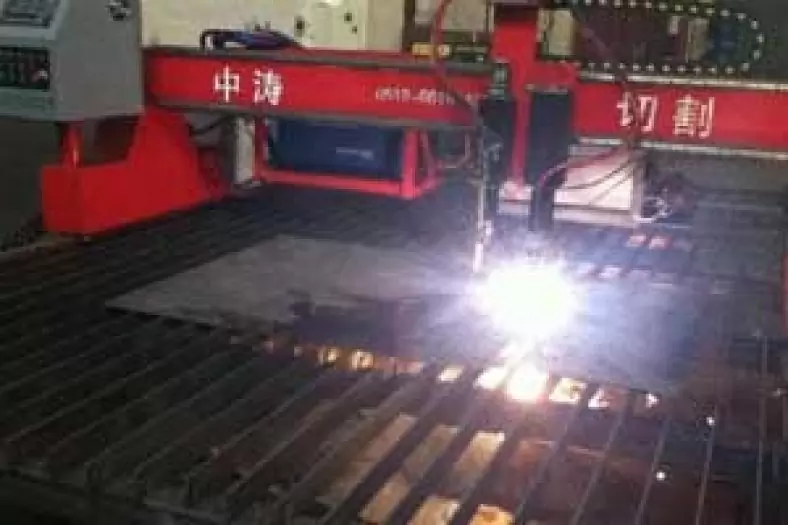
The Detail Of BE-CU Cnc Machining Shop
BE-CU.COM – As an accomplished CNC machining Service Manufacturer and CNC shop, BE-CU Prototype has been specialized in OEM CNC lathing, custom CNC machining parts production and rapid CNC machining services China for over 35 years and always maintaining the highest standard in delivery speed and reliable quality of precision CNC manufacturing components. With the help of high-level technology and efficient equipment, as well as rigorous attitude, BE-CU passed the ISO9001:2015 quality certification, which supports the long-term development of CNC milling services, CNC turning services, CNC milling-turning, CNC drilling services, 3/4/5 axis machining, gear machining services, CNC machining China custom parts and service, small parts machining, etc.Our CNC machining products can be utilized in a broad range of industries. Contact us for email: [email protected]
-
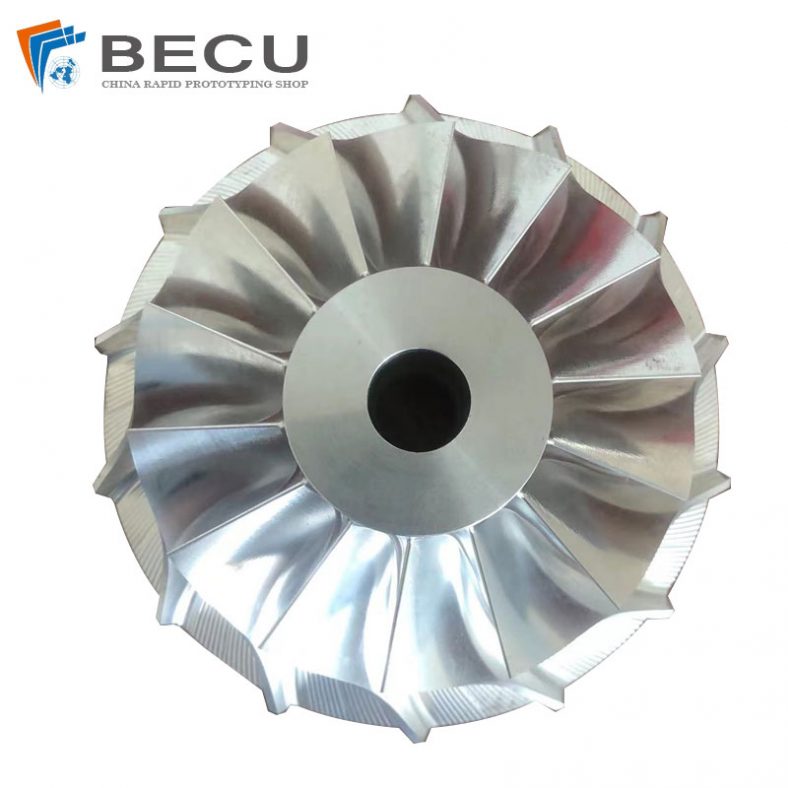
3-Way Centrifugal Compressor Closed Impeller By 5 Axis Machining
-
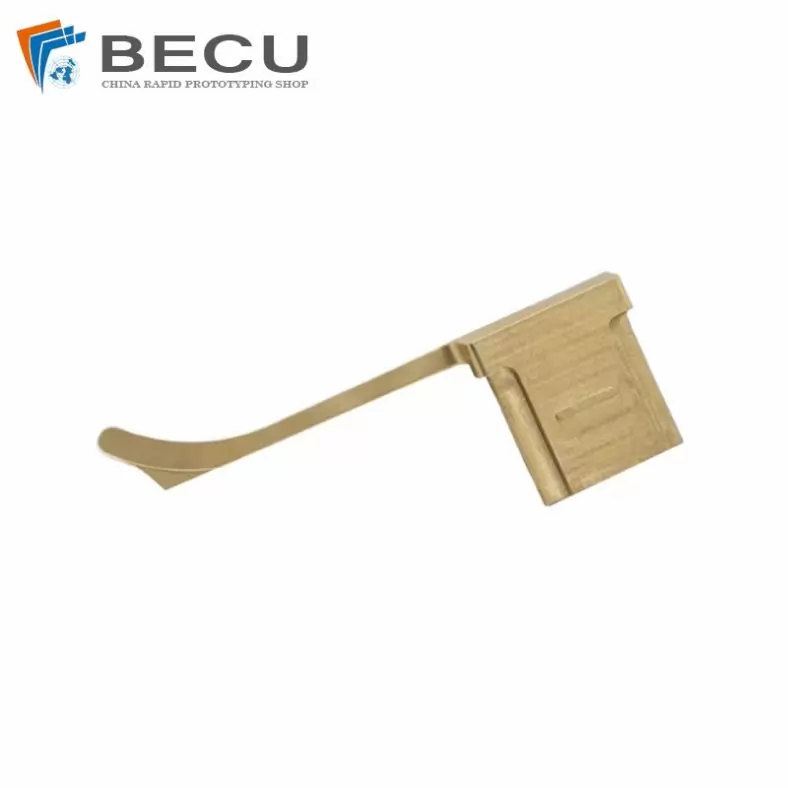
3/4/5 Axis Precision Milling Custom Vehicle Parts
-
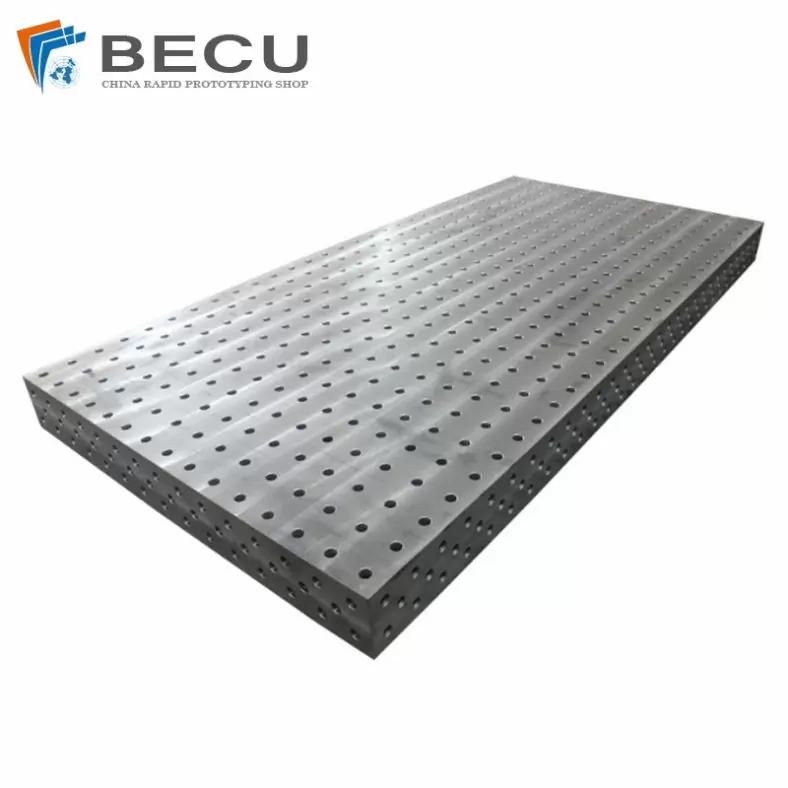
3D Flexible Welding Platform By Large Machining
-
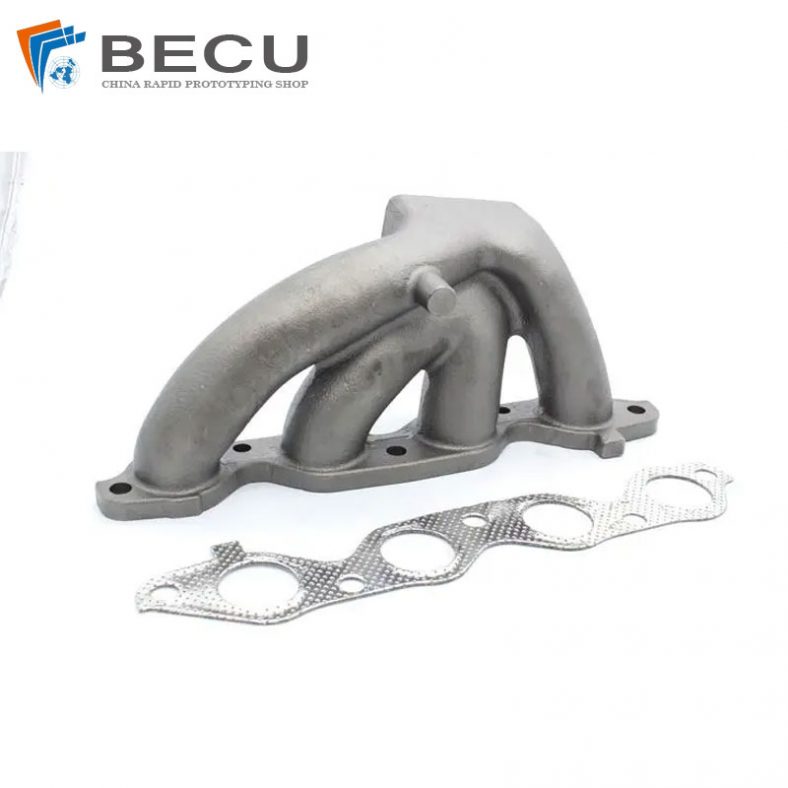
3D Printed Inconel Exhaust Manifold
-
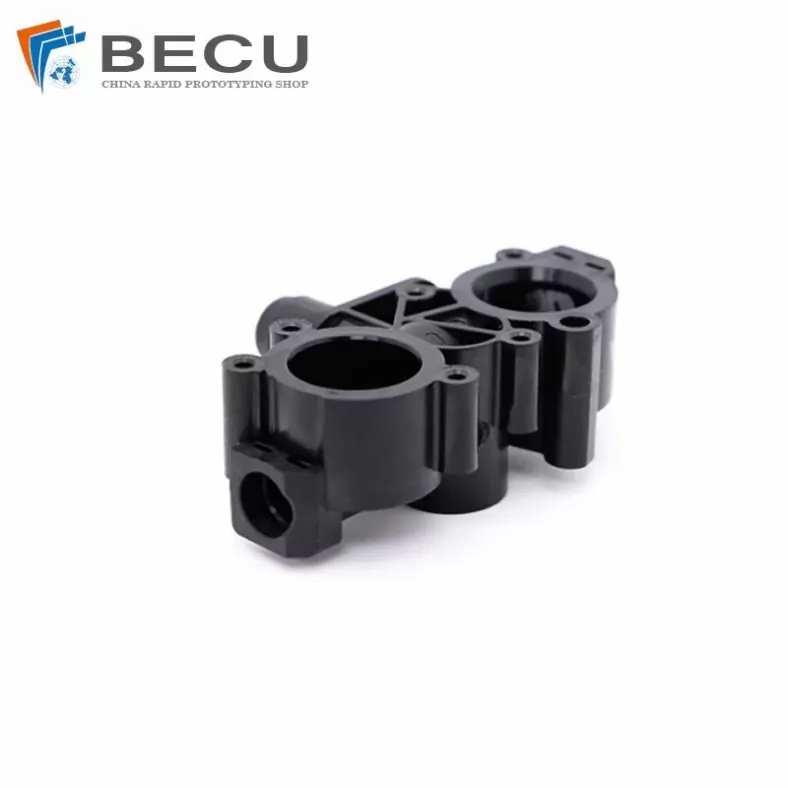
3D Printing And CNC Machining Custom Black PPS Valve
-
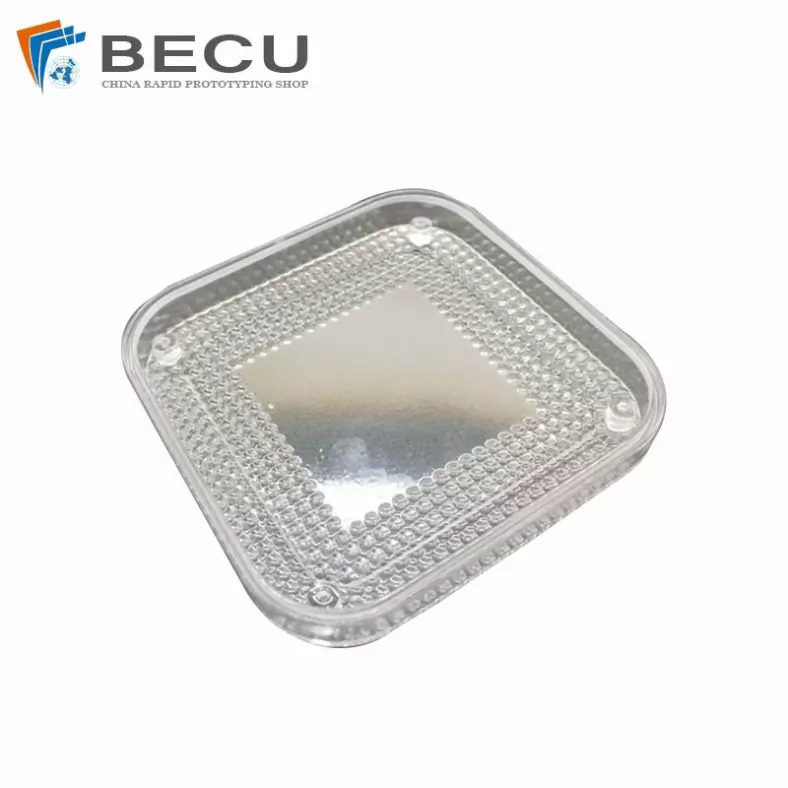
3D Printing Full Transparent Acrylic Lampshade Model
-
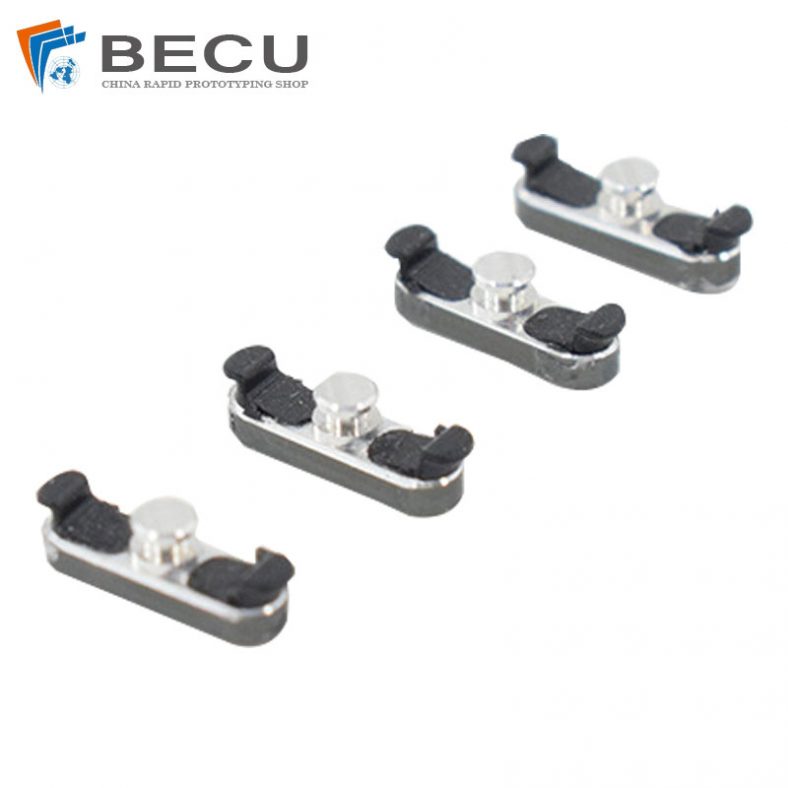
4 Axis CNC Machining Titanium Grade 5 Mobile Phone Buttons
-
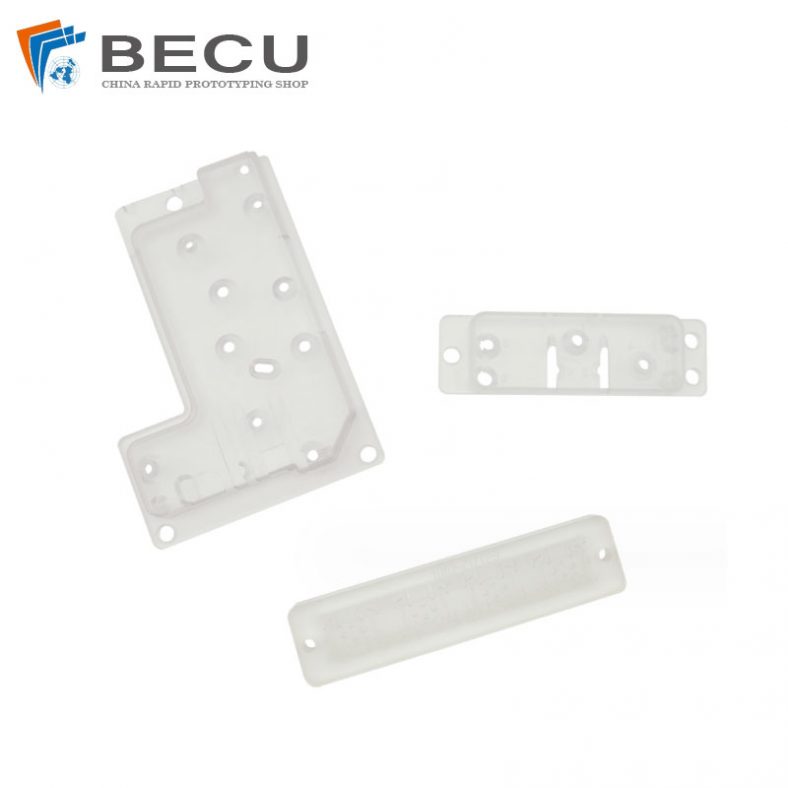
4 Axis Machining Highly Transparent Acrylic LED Tunnel Light Lens