
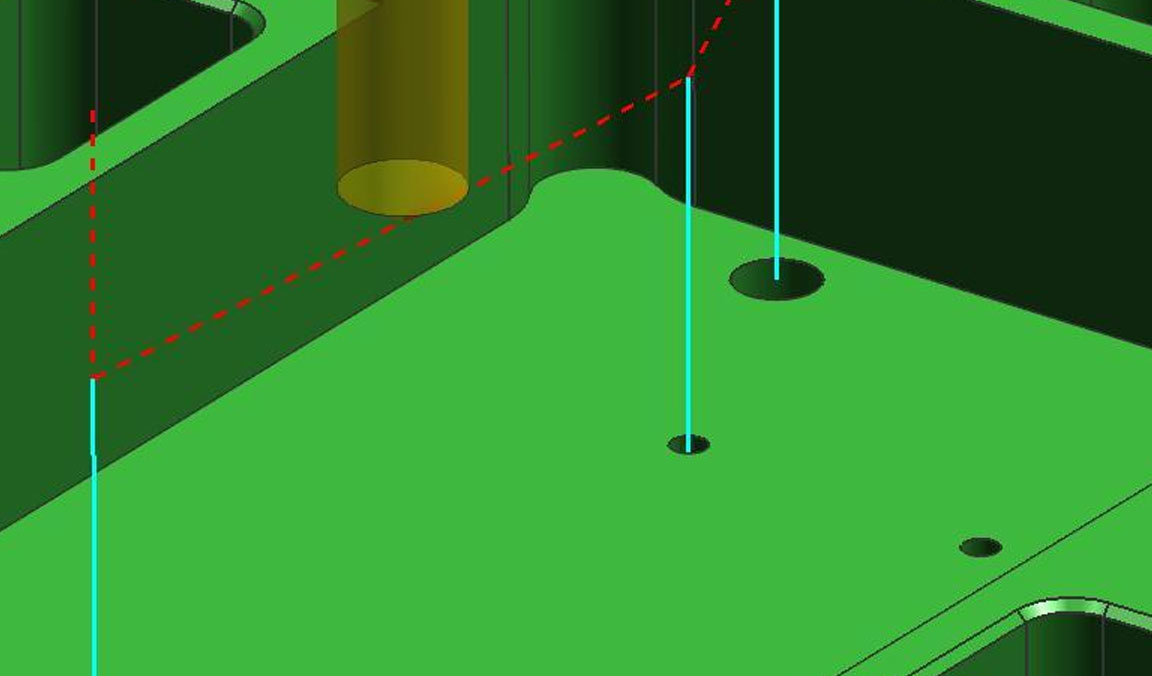
Drilling is one of the most fundamental operations in machining and manufacturing processes, used to create cylindrical holes in a wide range of materials. It is a vital step in the production of components across industries such as automotive, aerospace, electronics, and construction.
In the context of machining, a “drilling step” refers to the specific sequence of actions or parameters followed during the drilling operation, which includes aspects like drill bit selection, feed rates, speed settings, and depth of cut. The concept of reference values in drilling steps is pivotal in ensuring precision, minimizing tool wear, and optimizing efficiency.
This article explores the concept of the reference value of drilling steps, focusing on its application in the field of machining, its significance in enhancing the precision and quality of drilled holes, and how various factors influence the drilling process. We will cover a variety of topics, from the theoretical underpinnings of drilling mechanics to practical considerations in industrial applications. By the end of this comprehensive guide, readers will have an in-depth understanding of drilling step reference values and how to effectively utilize them in various machining contexts.
Drilling is a subtractive manufacturing process that involves creating a hole in a solid material by using a rotating drill bit. It is one of the most commonly used methods for producing holes, particularly for applications where the hole’s diameter and depth are crucial. Drilling operations can be carried out on a variety of materials, including metals, plastics, ceramics, and composites. The process can be applied to a range of hole sizes and depths, from tiny pilot holes in electronics to large, deep holes in structural components.
In the context of precision machining, drilling steps are characterized by a series of parameters that define the operation. These parameters include drill bit geometry, cutting speed, feed rate, and drilling depth, among others. The reference value of drilling steps refers to the standard or recommended parameters for these variables that optimize the drilling process and ensure the desired hole quality. These reference values are determined by the material being drilled, the type of drill bit used, and the specific requirements of the finished hole.
Mechanics of Drilling
Understanding the mechanics behind drilling is essential to grasp the concept of drilling step reference values. The drilling process involves the interaction of the rotating drill bit with the workpiece material. As the drill bit rotates, it generates a cutting force that penetrates the material, removing chips from the hole and creating a void. Several forces act during this process, including cutting force, radial force, axial force, and torque.
- Cutting Force: This is the primary force exerted by the drill bit onto the material. It is a function of the material’s hardness, the cutting speed, and the feed rate. The cutting force must be managed effectively to avoid excessive tool wear or damage to the workpiece.
- Radial Force: This force acts perpendicular to the axis of the drill and helps guide the drill bit as it moves through the material. Excessive radial force can lead to tool deflection and misalignment of the hole.
- Axial Force: Axial force is the force that acts along the axis of the drill, pushing the drill bit into the material. This force is influenced by the feed rate and depth of cut.
- Torque: Torque is the rotational force required to turn the drill bit. It is determined by the cutting force and the diameter of the drill bit.
In drilling, the interaction of these forces must be carefully managed to avoid poor hole quality, tool wear, or breakage. The reference values for drilling parameters play a significant role in balancing these forces and optimizing the process.
Key Parameters in Drilling Steps
Several key parameters define the reference values for drilling steps. These parameters include:
- Drill Diameter: The diameter of the drill bit is one of the most critical parameters. It determines the final size of the hole and influences the cutting forces and chip removal process. The diameter of the drill bit should be selected based on the required hole size and the material being drilled.
- Cutting Speed (V_c): The cutting speed refers to the surface speed at which the drill bit interacts with the workpiece material. It is typically expressed in meters per minute (m/min) or feet per minute (ft/min). The cutting speed is determined by the material of both the drill bit and the workpiece, as well as the drill diameter.
- Feed Rate (f): The feed rate is the distance the drill bit moves into the material per revolution of the drill bit. It is often expressed in millimeters per minute (mm/min) or inches per minute (in/min). The feed rate influences the cutting forces, surface finish, and chip removal efficiency.
- Drilling Depth (d): The drilling depth is the distance from the surface of the material to the bottom of the hole. It is an important parameter that affects the chip removal process and the cooling and lubrication requirements during the operation.
- Coolant and Lubrication: Coolants and lubricants play a significant role in drilling operations by reducing friction, dissipating heat, and flushing chips away from the cutting area. The type and application of coolant or lubrication depend on the material being drilled and the cutting parameters.
- Drill Bit Material: The material composition of the drill bit influences its cutting efficiency, durability, and ability to withstand high temperatures and pressures during the drilling process. Common drill bit materials include high-speed steel (HSS), carbide, cobalt, and coated variants.
- Tool Geometry: The geometry of the drill bit, including the point angle, helix angle, and flute design, significantly affects the drilling performance. Different geometries are optimized for specific materials and drilling conditions.
Reference Values for Different Materials
The reference values for drilling steps vary significantly depending on the material being drilled. Materials exhibit different levels of hardness, abrasiveness, and thermal conductivity, which directly affect the cutting forces and wear characteristics of the drill bit. Below are reference values for common materials:
- Steel: When drilling steel, a cutting speed of around 20–30 m/min is typically recommended for HSS drill bits, with feed rates ranging from 0.1 to 0.3 mm/rev. For harder steels, carbide or cobalt drills may be necessary to withstand the higher cutting forces and temperatures.
- Aluminum: Aluminum is a relatively soft material compared to steel, so higher cutting speeds can be used. A cutting speed of around 80–100 m/min is common, with feed rates ranging from 0.3 to 0.5 mm/rev. Carbide drills are often used for faster cutting and longer tool life.
- Titanium: Titanium alloys are known for their high strength-to-weight ratio and resistance to heat. Drilling titanium requires slower cutting speeds, typically around 10–15 m/min, to prevent work hardening and excessive tool wear. Feed rates should be kept relatively low to minimize the heat generated during drilling.
- Composite Materials: Composite materials, including carbon fiber and fiberglass, require specific drilling techniques to prevent delamination and fiber pull-out. Drill bits with specialized geometries and lower cutting speeds (typically around 15–25 m/min) are used to minimize damage to the material.
- Cast Iron: Cast iron is a brittle material that requires slower cutting speeds and higher feed rates. A typical cutting speed is around 25–30 m/min, with feed rates of 0.2 to 0.5 mm/rev. Carbide or coated drill bits are commonly used to enhance tool life.
Optimization of Drilling Steps
Optimizing drilling steps is crucial for achieving the desired hole quality, minimizing tool wear, and maximizing machining efficiency. The optimization process involves adjusting the key parameters to suit the specific material, drill bit, and desired outcome. Some factors that influence the optimization of drilling steps include:
- Tool Wear and Life: Tool wear can significantly affect the accuracy and surface finish of drilled holes. By using the correct reference values for cutting speed, feed rate, and tool material, tool life can be extended, reducing the frequency of tool changes and improving cost-efficiency.
- Hole Quality: The quality of the hole is a primary concern in many drilling operations. Reference values that optimize cutting conditions, such as feed rates and coolant application, can help achieve high-quality holes with minimal burrs, surface roughness, and dimensional deviations.
- Chip Removal: Efficient chip removal is essential for maintaining consistent cutting conditions. Drilling parameters such as feed rate and cutting speed should be adjusted to ensure that chips are effectively cleared from the hole, preventing clogging and reducing the risk of tool damage.
- Heat Management: Heat buildup during drilling can lead to tool wear, material deformation, and poor hole quality. Proper selection of drilling parameters, along with the use of coolants and lubricants, can help manage heat and ensure consistent performance.
Advanced Techniques and Technologies
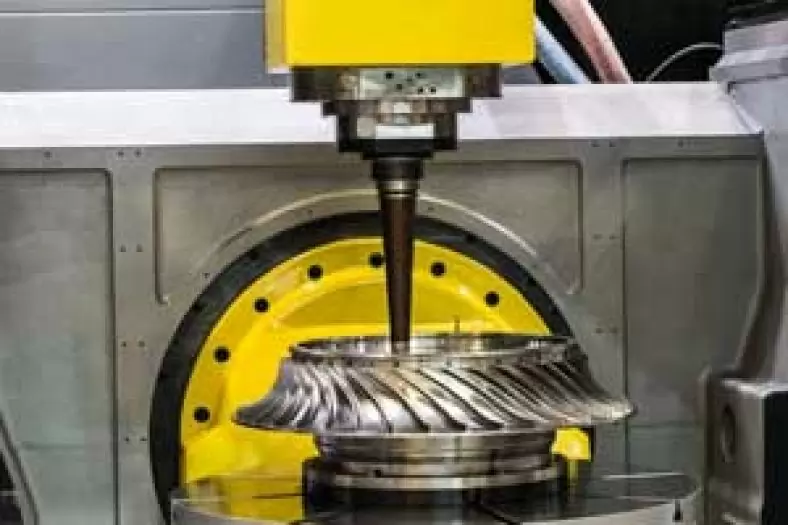
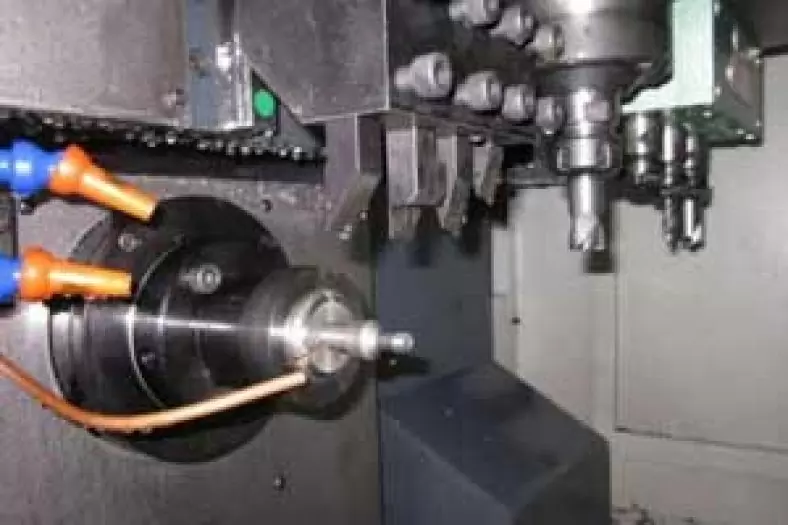
With advancements in CNC technology, drilling operations have become more precise and efficient. CNC drilling machines allow for the automation of drilling processes, with the ability to program and adjust reference values based on material properties, tool conditions, and production requirements.
Other advanced technologies, such as laser drilling and ultrasonic drilling, offer additional options for specialized applications.
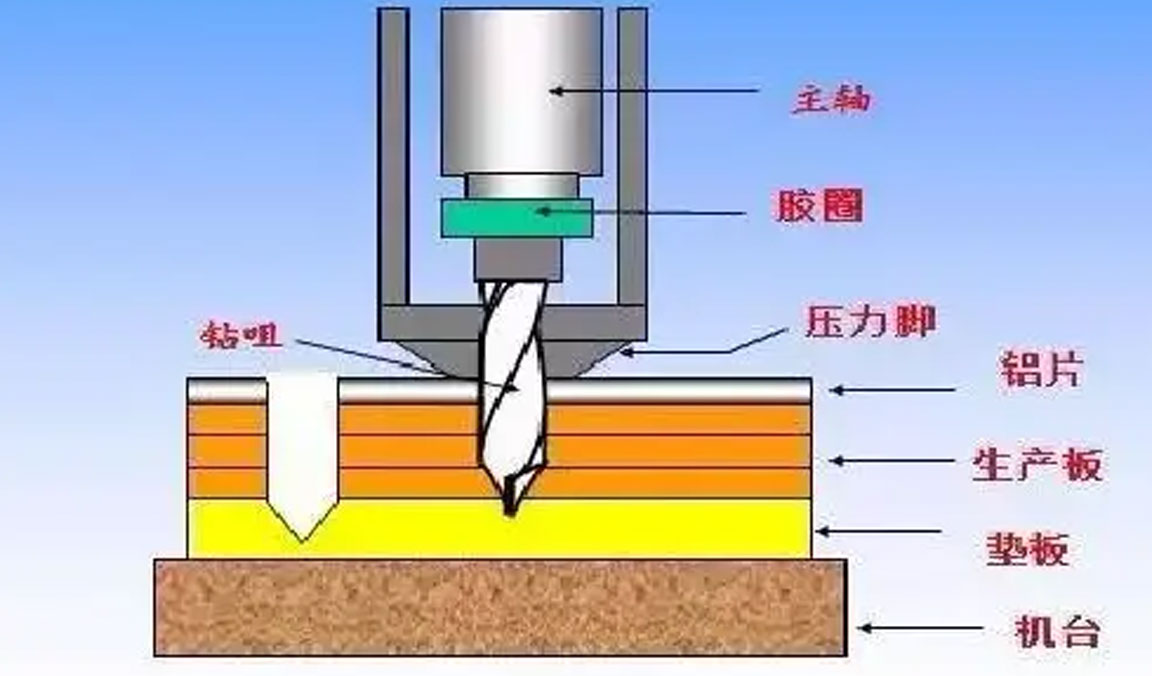
Laser drilling, for example, uses a high-powered laser beam to melt or vaporize material, creating holes with high precision and minimal burr formation. Ultrasonic drilling, on the other hand, utilizes high-frequency vibrations to assist in the drilling process, making it ideal for brittle materials such as ceramics or composites.
Conclusion
The reference value of drilling steps is a crucial aspect of the drilling process in machining. By understanding and optimizing the key parameters that influence drilling performance, manufacturers can improve efficiency, extend tool life, and produce high-quality holes. The reference values for drilling steps depend on the material being drilled, the type of drill bit used, and the specific requirements of the drilled hole.
Through careful management of drilling parameters, it is possible to optimize the drilling process for a wide range of materials and applications, ensuring precision and cost-effectiveness. As machining technologies continue to evolve, the reference values for drilling steps will also adapt, incorporating new materials, tools, and methods to meet the demands of modern manufacturing.
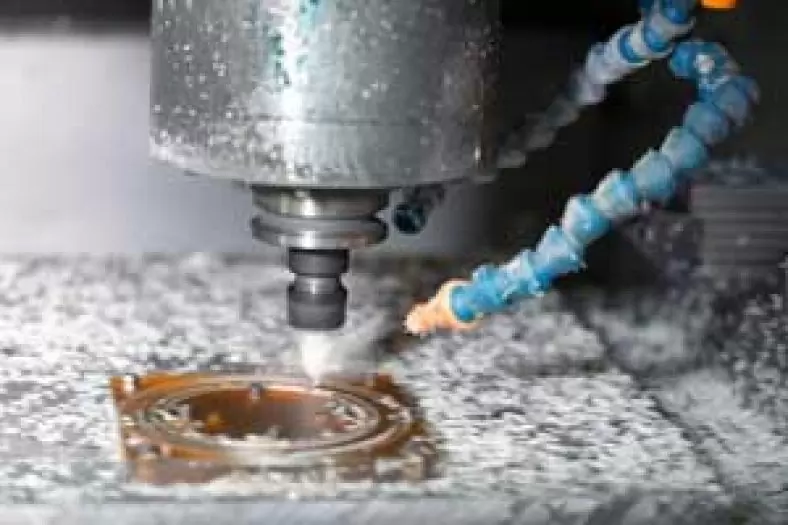
The Detail Of BE-CU Cnc Machining Shop
BE-CU.COM – As an accomplished CNC machining Service Manufacturer and CNC shop, BE-CU Prototype has been specialized in OEM CNC lathing, custom CNC machining parts production and rapid CNC machining services China for over 35 years and always maintaining the highest standard in delivery speed and reliable quality of precision CNC manufacturing components. With the help of high-level technology and efficient equipment, as well as rigorous attitude, BE-CU passed the ISO9001:2015 quality certification, which supports the long-term development of CNC milling services, CNC turning services, CNC milling-turning, CNC drilling services, 3/4/5 axis machining, gear machining services, CNC machining China custom parts and service, small parts machining, etc.Our CNC machining products can be utilized in a broad range of industries. Contact us for email: [email protected]
-
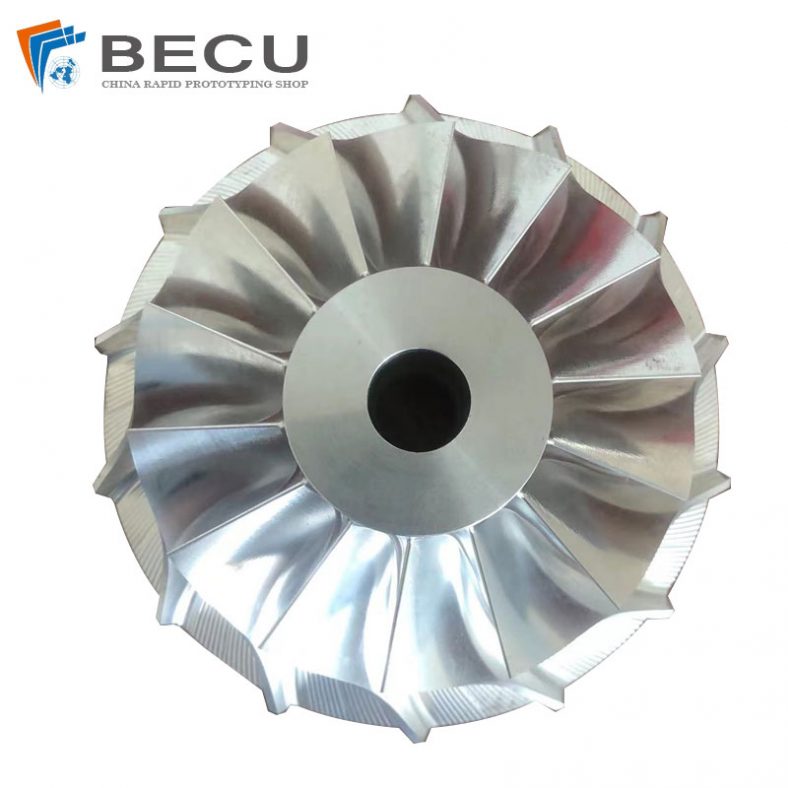
3-Way Centrifugal Compressor Closed Impeller By 5 Axis Machining
-
3/4/5 Axis Precision Milling Custom Vehicle Parts
-
3D Flexible Welding Platform By Large Machining
-
3D Printed Inconel Exhaust Manifold
-
3D Printing And CNC Machining Custom Black PPS Valve
-
3D Printing Full Transparent Acrylic Lampshade Model
-
4 Axis CNC Machining Titanium Grade 5 Mobile Phone Buttons
-
4 Axis Machining Highly Transparent Acrylic LED Tunnel Light Lens