
Stainless steel, an alloy of iron, carbon, and chromium, is renowned for its corrosion resistance, strength, and aesthetic appeal. Cutting stainless steel is a critical process in numerous industries, including construction, automotive, aerospace, and manufacturing. The precision, efficiency, and quality of the cut can significantly affect the final product’s performance and appearance. This article explores various methods, tools, and considerations involved in stainless steel cutting, providing an extensive overview of Methods,Benefits and Process and advancements in the field.
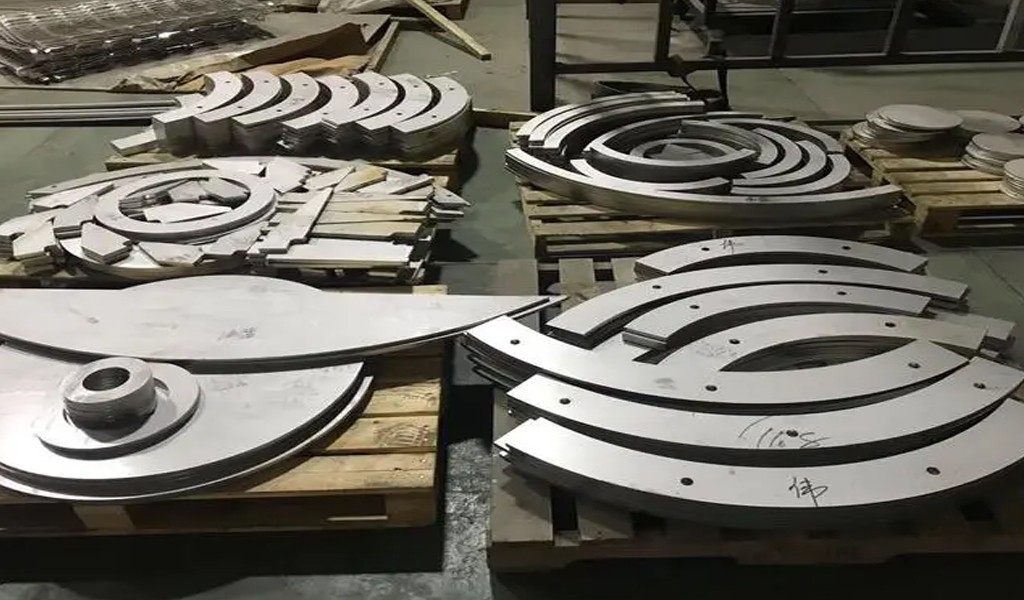
Stainless Steel Cutting Methods in 21nd Century
Stainless steel cutting is a critical process in many industries, ranging from construction to automotive and aerospace.
The choice of cutting method depends on factors like material thickness, precision requirements, and production volume.
Below is a detailed examination of twelve modern cutting methods used for stainless steel.
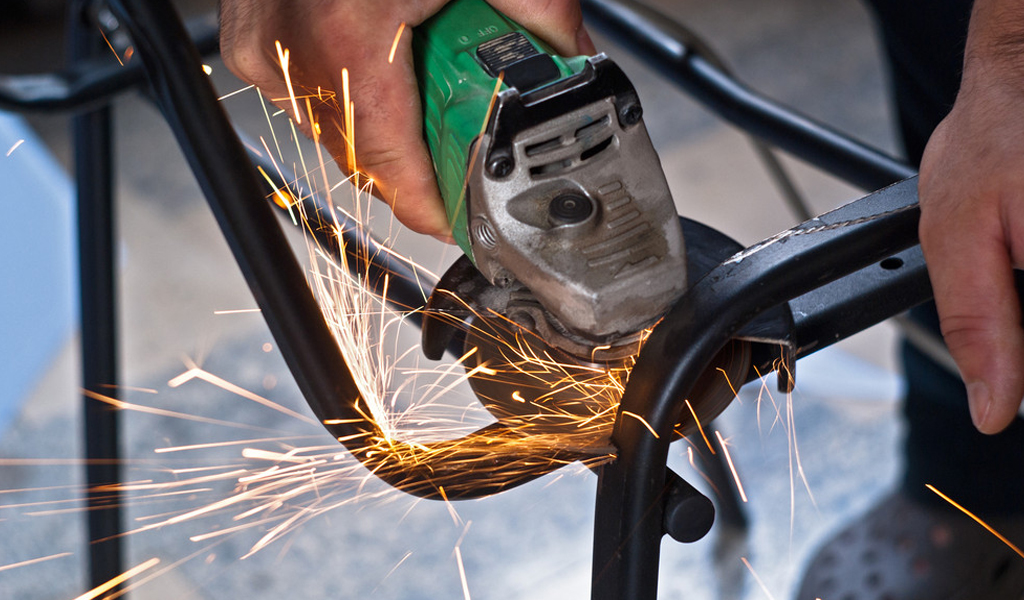
1. Cutting Stainless Steel with an Angle Grinder
An angle grinder is a versatile handheld power tool equipped with a rotating abrasive disc. It is commonly used for cutting, grinding, and polishing various materials, including stainless steel.
Method
- Disc Selection: Use a cutting disc specifically designed for stainless steel. Thin discs (1.0mm – 1.6mm) are preferable for precise cuts.
- Preparation: Secure the stainless steel piece to prevent movement. Mark the cutting line with a marker or scribe.
- Cutting: Hold the angle grinder firmly and guide it along the marked line at a steady pace. Apply consistent pressure without forcing the tool.
- Cooling: Stainless steel can heat up quickly, so take breaks to avoid overheating and potential warping.
Advantages
- Portability: Easy to handle and transport, making it suitable for on-site cutting.
- Versatility: Can be used for various cutting and grinding tasks.
Disadvantages
- Heat Generation: Generates significant heat, which can affect the material properties and create burrs.
- Safety: Requires careful handling to avoid accidents and ensure proper use of protective equipment.
2. Cutting Stainless Steel with a Hacksaw
A hacksaw is a manual cutting tool with a fine-toothed blade, used for cutting metal and other materials.

Method
- Blade Selection: Use a high-speed steel (HSS) blade with fine teeth (18-32 teeth per inch) suitable for stainless steel.
- Preparation: Secure the stainless steel piece and mark the cutting line.
- Cutting: Position the blade at the starting point and use long, steady strokes to cut through the material. Maintain consistent pressure.
Advantages
- Precision: Provides control for precise cutting, especially for small and thin pieces.
- Low Cost: Inexpensive tool with readily available blades.
Disadvantages
- Labor-Intensive: Requires significant manual effort, which can be time-consuming for thicker materials.
- Limited to Thin Materials: Not ideal for cutting thick stainless steel.
3. Stainless Steel Etching
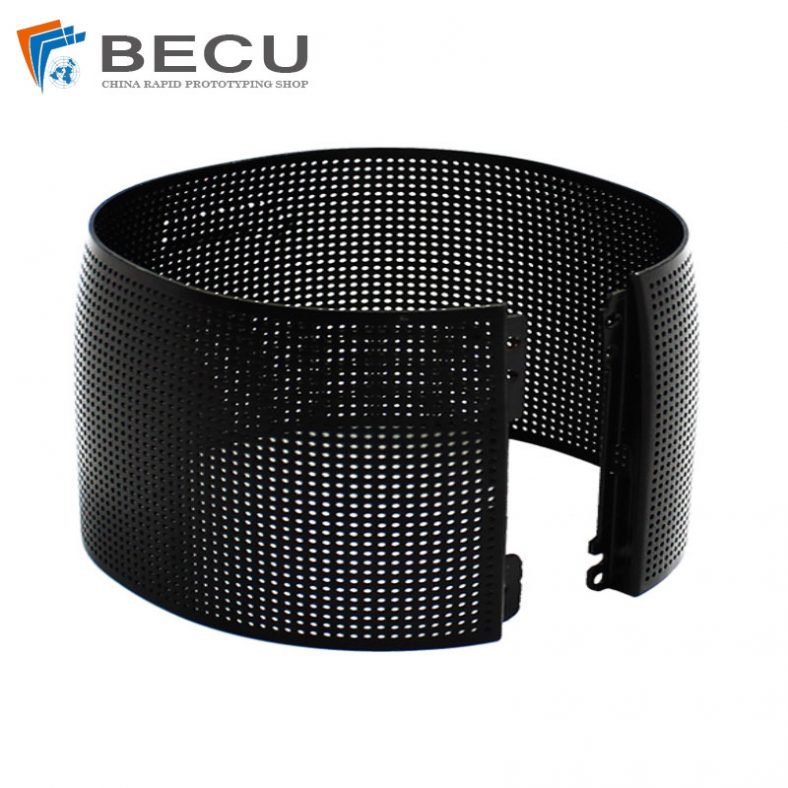
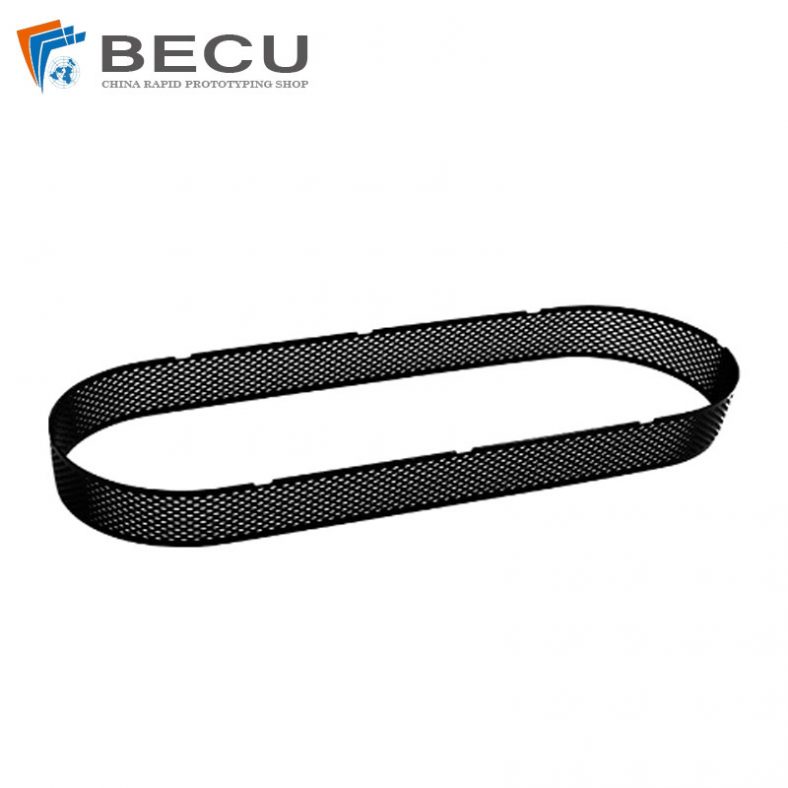
Etching is a chemical process used to create intricate designs and patterns on stainless steel surfaces.BE-CU use advanced stainless steel cutting techniques to achieve tight tolerance and precision in every part we etched. It doesn’t matter if you are located near our china-based manufacturing facility or not, we serve several different industries all across global in all 150 country.To see more of our work, please visit our stainless steel etching product image gallery and our stainless steel etching product video gallery.Here is an example list of stainless steel components that can be etched:

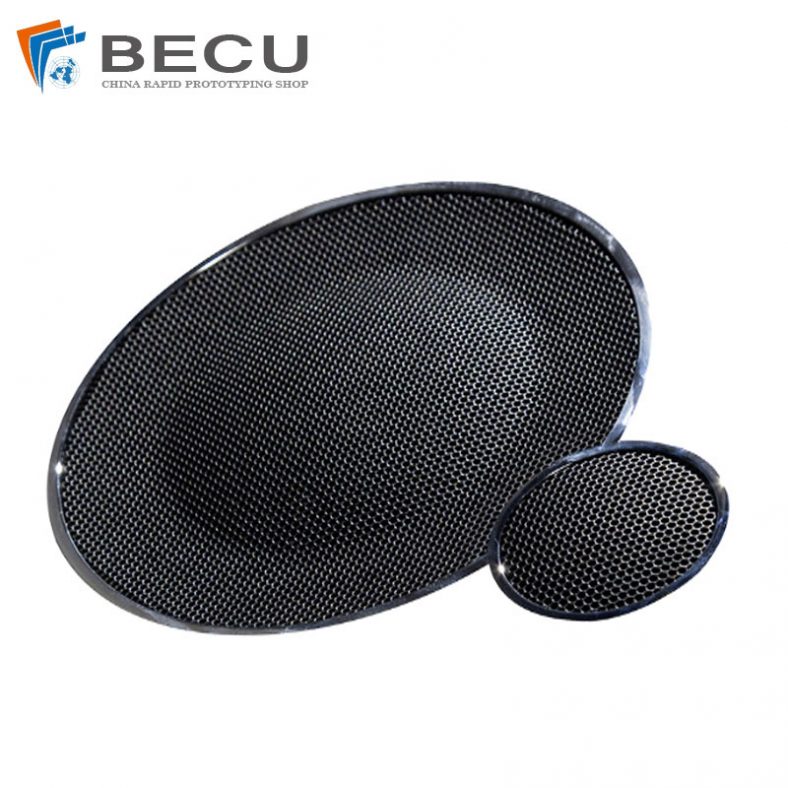
Method
- Preparation: Clean the stainless steel surface thoroughly.
- Masking: Apply a protective resist material to areas not to be etched.
- Etching Solution: Use an appropriate acid or etching solution, such as ferric chloride or hydrochloric acid.
- Etching: Submerge the stainless steel in the etching solution for the required time, then rinse and remove the resist.
Advantages
- Detail: Allows for the creation of complex and detailed designs.
- Non-Mechanical: Does not involve physical cutting, minimizing the risk of deformation.
Disadvantages
- Chemical Handling: Requires careful handling and disposal of hazardous chemicals.
- Limited to Surface Patterns: Not suitable for through-cuts or shaping.
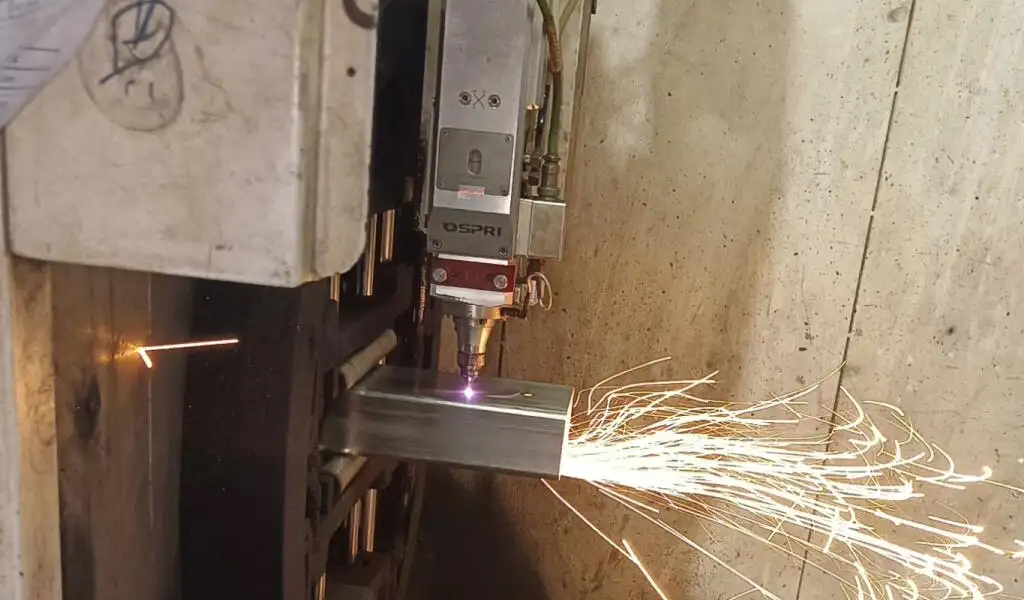
4. Stainless Steel Laser Cutting
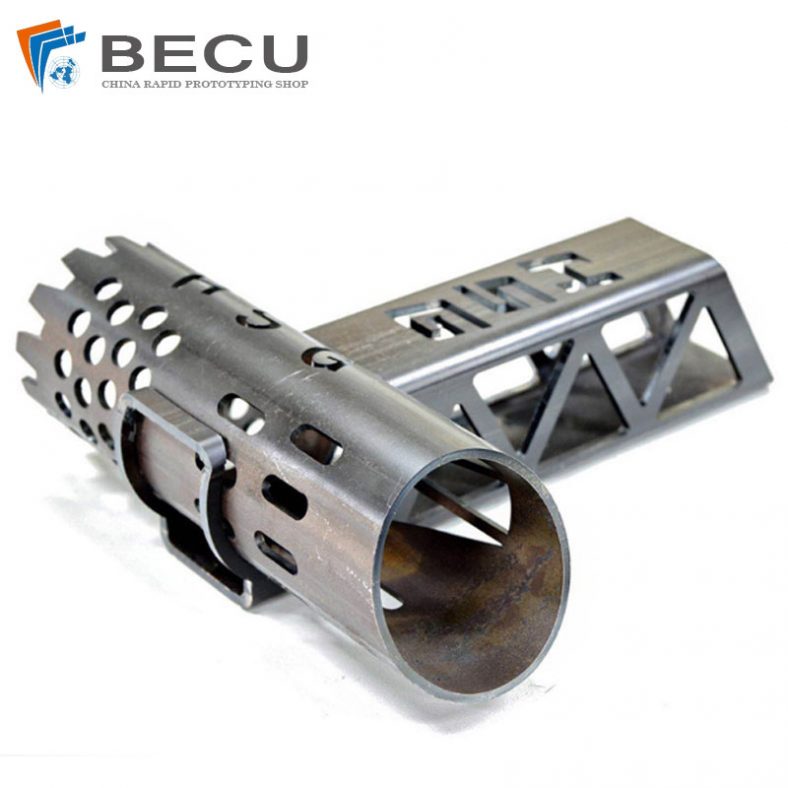
Laser cutting uses a focused laser beam to melt and vaporize material, allowing for precise cuts. BE-CU use advanced stainless steel cutting techniques to achieve tight tolerance and precision in every part we laser cutting. Here is an example list of stainless steel components that can be laser cutting:
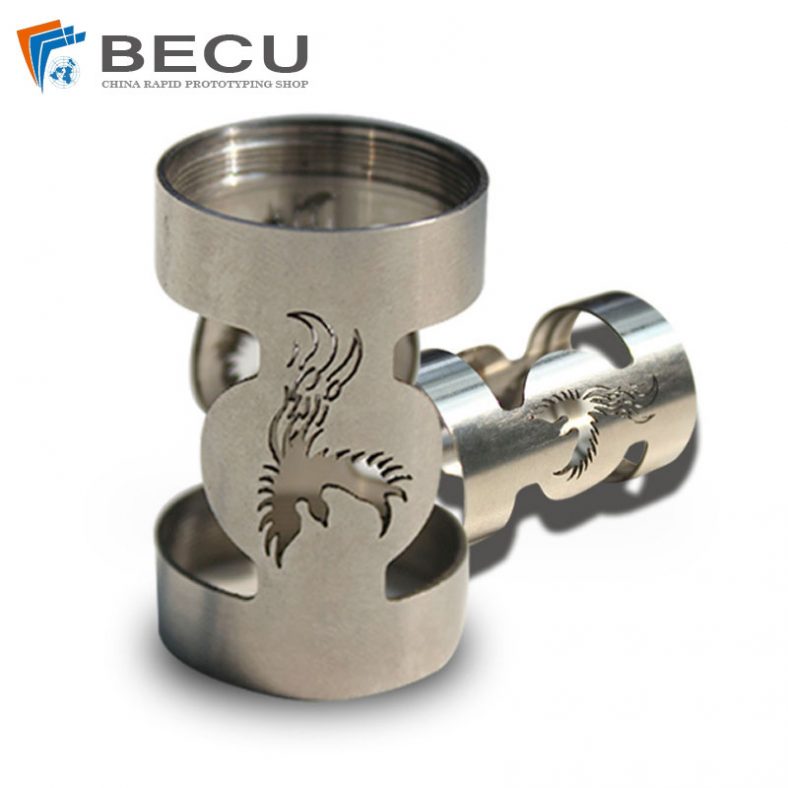
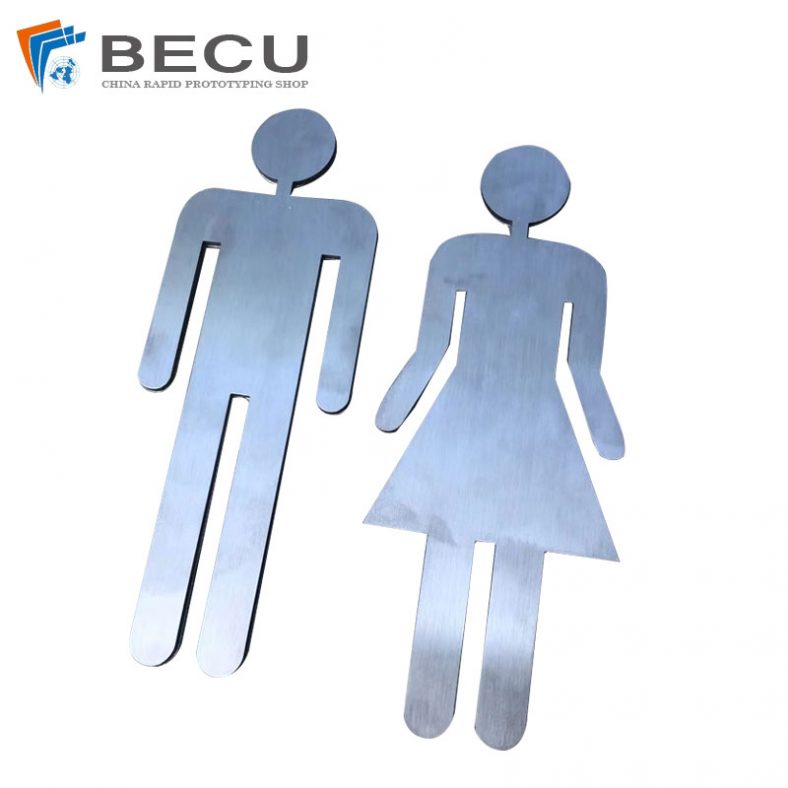
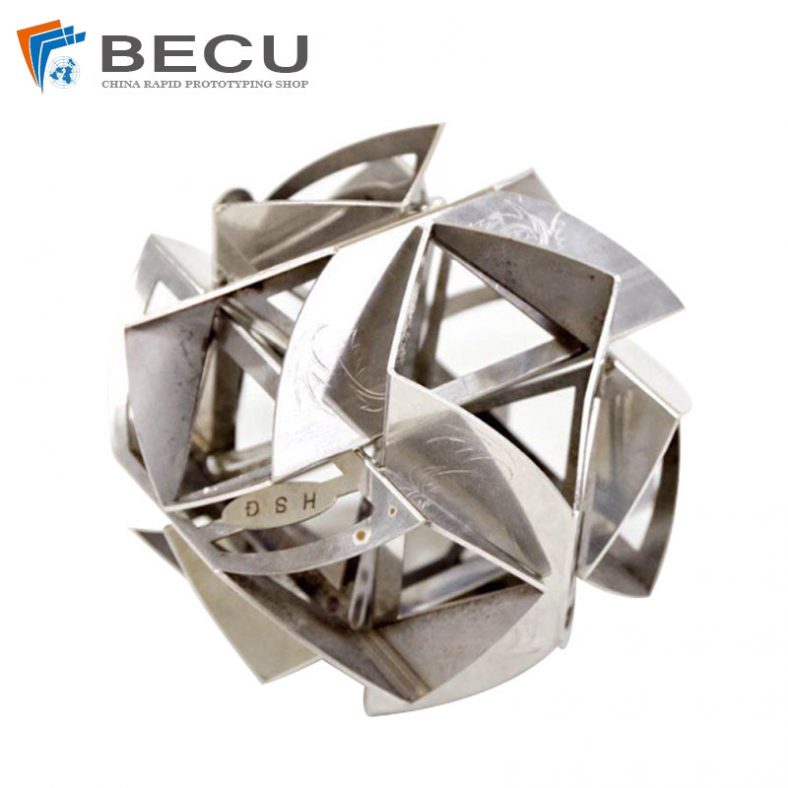
Method
- Setup: Program the CNC laser cutter with the desired cutting pattern.
- Cutting: The laser beam is directed at the stainless steel, cutting through the material with high precision.
- Cooling: Some systems use assist gases (e.g., nitrogen) to cool and clean the cut edges.
Advantages
- Precision: High accuracy and clean edges, suitable for intricate designs.
- Speed: Fast cutting speed, especially for thin materials.
Disadvantages
- Cost: High initial investment and maintenance costs.
- Thickness Limitation: Less effective for very thick materials compared to other methods.
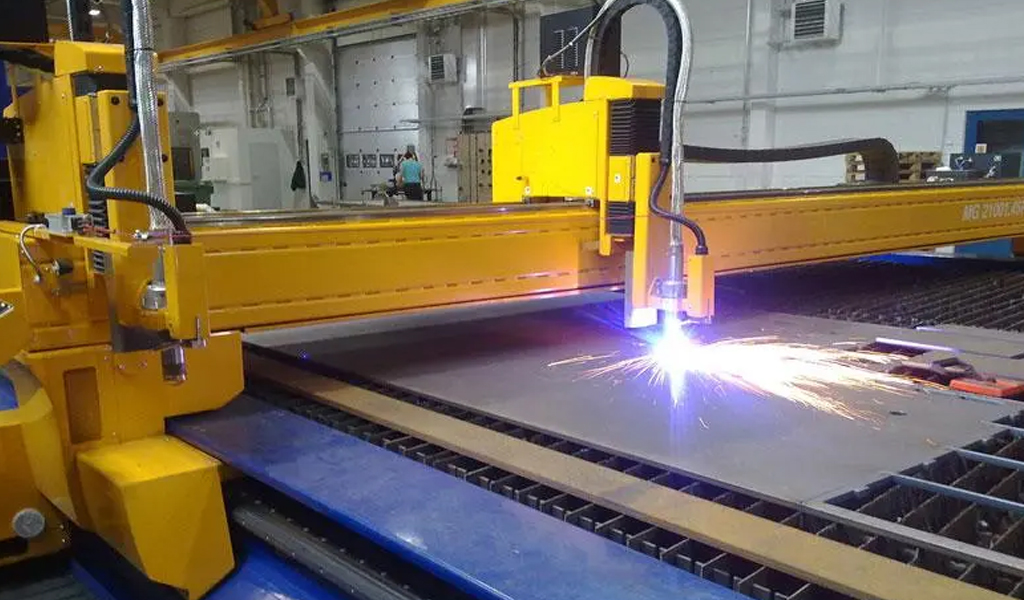
5. Plasma Cutting Stainless Steel
Plasma cutting employs a high-velocity jet of ionized gas (plasma) to melt and eject material.
Method
- Setup: Program the plasma cutter and set the appropriate parameters.
- Cutting: The plasma torch is moved along the cutting path, melting the stainless steel.
- Cooling: Plasma cutters often have built-in cooling systems to manage heat.
Advantages
- Versatility: Can cut a wide range of thicknesses.
- Speed: Faster than many other cutting methods for thick materials.
Disadvantages
- Heat-Affected Zone (HAZ): Can alter material properties around the cut area.
- Edge Quality: May require additional finishing to remove rough edges.
6. Waterjet Cutting Stainless Steel
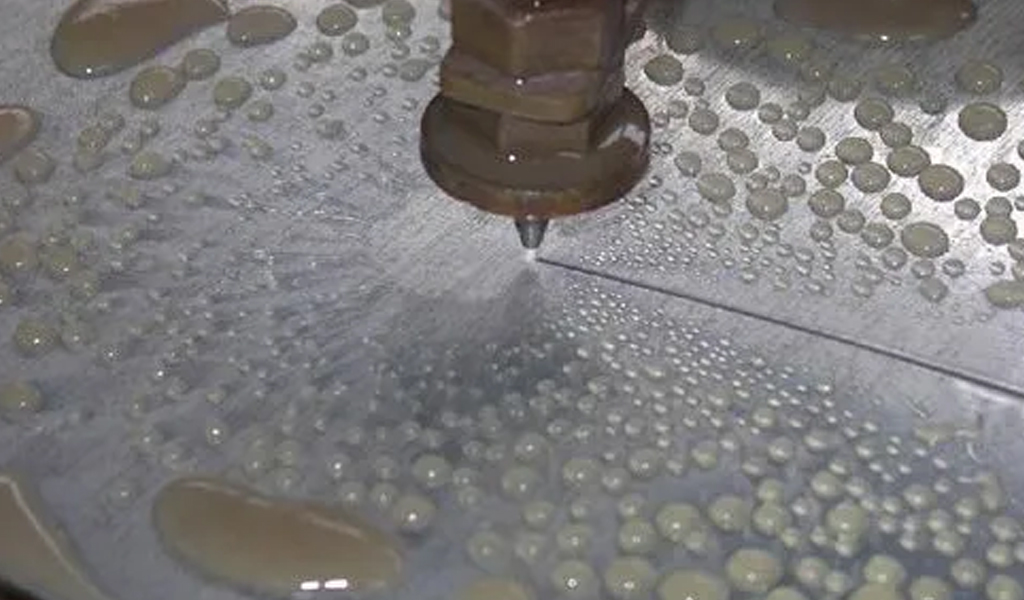
Waterjet cutting uses a high-pressure stream of water mixed with abrasive particles to cut materials.
Method
- Setup: Program the CNC waterjet cutter with the desired pattern.
- Cutting: The high-pressure waterjet is directed at the stainless steel, eroding the material.
- Finishing: Usually produces a smooth edge, often eliminating the need for further finishing.
Advantages
- No Heat Generation: Avoids HAZ and preserves material properties.
- Precision: Can produce very accurate cuts with smooth edges.
Disadvantages
- Cost: High operational costs due to water and abrasive material usage.
- Speed: Slower cutting speed compared to other methods like laser cutting.
7. EDM Cutting Stainless Steel
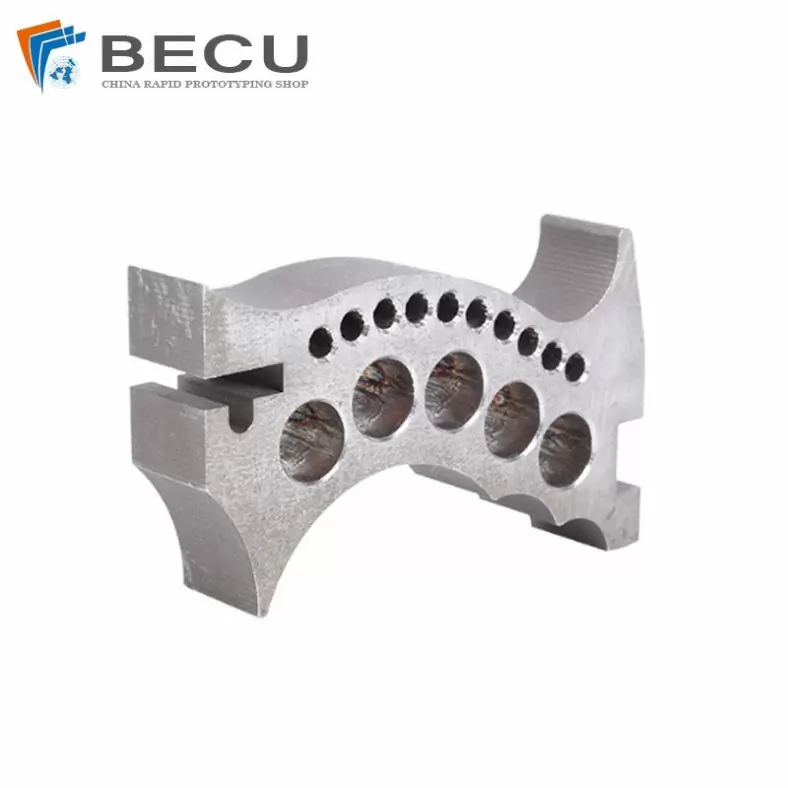
Electrical Discharge Machining (EDM) uses electrical discharges (sparks) to erode material. BE-CU use advanced stainless steel cutting techniques to achieve tight tolerance and precision in every part we EDM Cutting. Here is an example list of stainless steel components that can be edm wire cutting:

Method
- Setup: Program the EDM machine and set the parameters.
- Cutting: The tool electrode and workpiece are submerged in dielectric fluid, and electrical discharges erode the stainless steel.
- Finishing: Often produces very precise and smooth cuts.
Advantages
- Precision: Extremely high accuracy for intricate shapes.
- No Contact: Minimizes mechanical stresses and deformation.
Disadvantages
- Slow Process: Typically slower than other cutting methods.
- Complex Setup: Requires precise setup and control.
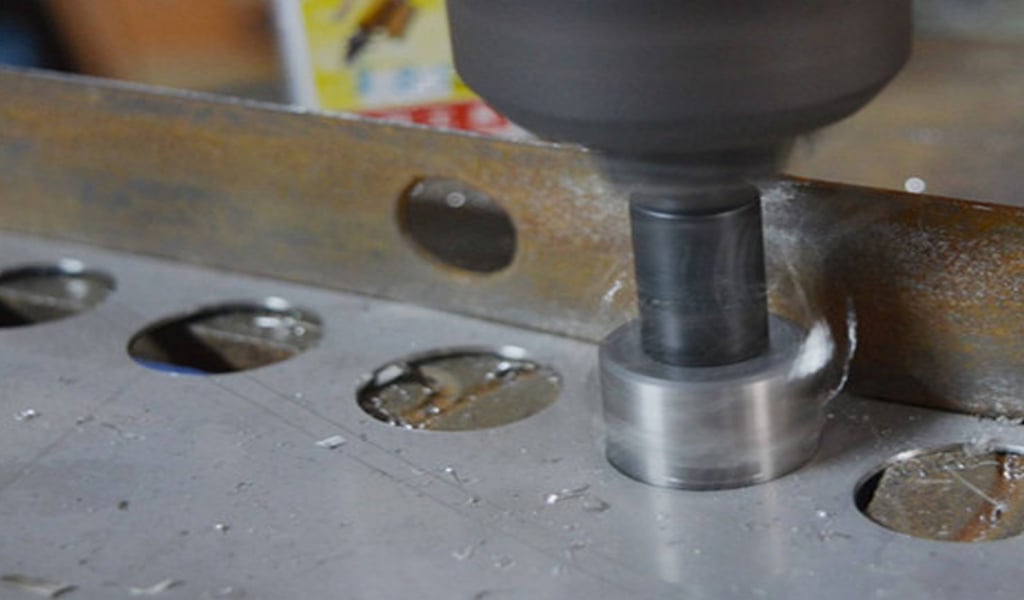
8. Drilling Stainless Steel
Drilling involves creating holes in stainless steel using a rotary cutting tool (drill bit).
Method
- Bit Selection: Use cobalt or carbide drill bits designed for stainless steel.
- Preparation: Mark the drilling point and secure the material.
- Drilling: Apply steady pressure and use cutting fluid to cool the bit and reduce friction.
Advantages
- Versatility: Suitable for creating holes of various sizes and depths.
- Accessibility: Common and relatively inexpensive method.
Disadvantages
- Heat Generation: Can cause work hardening and bit wear.
- Burr Formation: May require deburring after drilling.
9. Oxy-Acetylene Torch Cutting Stainless Steel
Oxy-acetylene torch cutting uses a flame from the combustion of oxygen and acetylene to cut through metal.

Method
- Setup: Adjust the torch settings for a neutral or slightly oxidizing flame.
- Cutting: Direct the flame along the cutting path, melting the stainless steel.
- Finishing: Typically requires additional finishing due to rough edges.
Advantages
- Portability: Can be used on-site without the need for electricity.
- Cost: Relatively low initial equipment cost.
Disadvantages
- Heat-Affected Zone: Significant HAZ can affect material properties.
- Precision: Lower precision and edge quality compared to other methods.
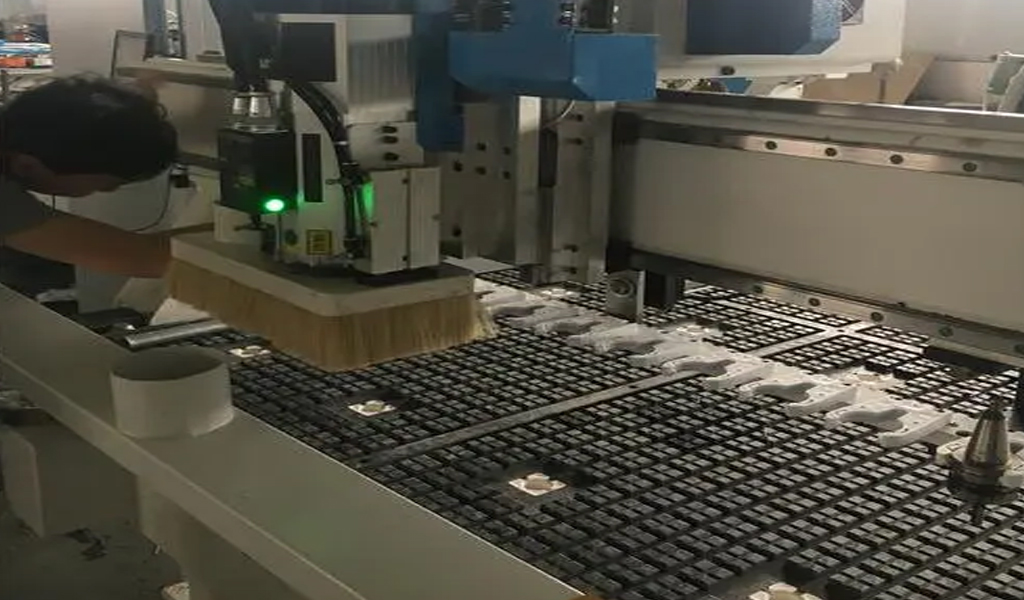
10. Cutting Stainless Steel with a CNC Router
A CNC router uses computer-controlled rotary tools to cut and shape materials.
Method
- Setup: Program the CNC router with the desired cutting pattern.
- Cutting: The router bit is guided along the cutting path, removing material.
- Cooling: Use of coolants or air to manage heat and prolong tool life.
Advantages
- Precision: High accuracy and repeatability for complex shapes.
- Automation: Reduces manual labor and increases production efficiency.
Disadvantages
- Tool Wear: Stainless steel’s hardness can accelerate tool wear.
- Initial Cost: High cost of CNC machines and setup.
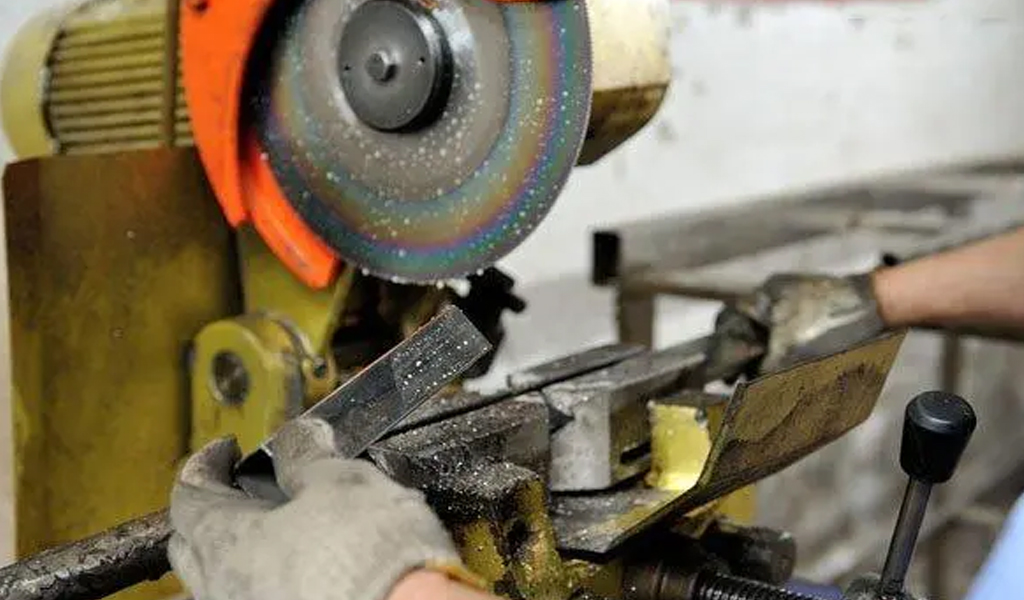
11. Cutting Stainless Steel with a Miter Saw
A miter saw is typically used for precise angle cuts on metal bars, tubes, and profiles.
Method
- Blade Selection: Use a carbide-tipped blade designed for cutting stainless steel.
- Preparation: Secure the material and adjust the miter saw to the desired angle.
- Cutting: Lower the saw blade onto the material with steady pressure.
Advantages
- Angle Cutting: Ideal for precise miter and bevel cuts.
- Ease of Use: User-friendly and suitable for various applications.
Disadvantages
- Heat Generation: Generates heat, which can affect the cut quality and tool life.
- Limited Thickness: Not suitable for very thick materials.
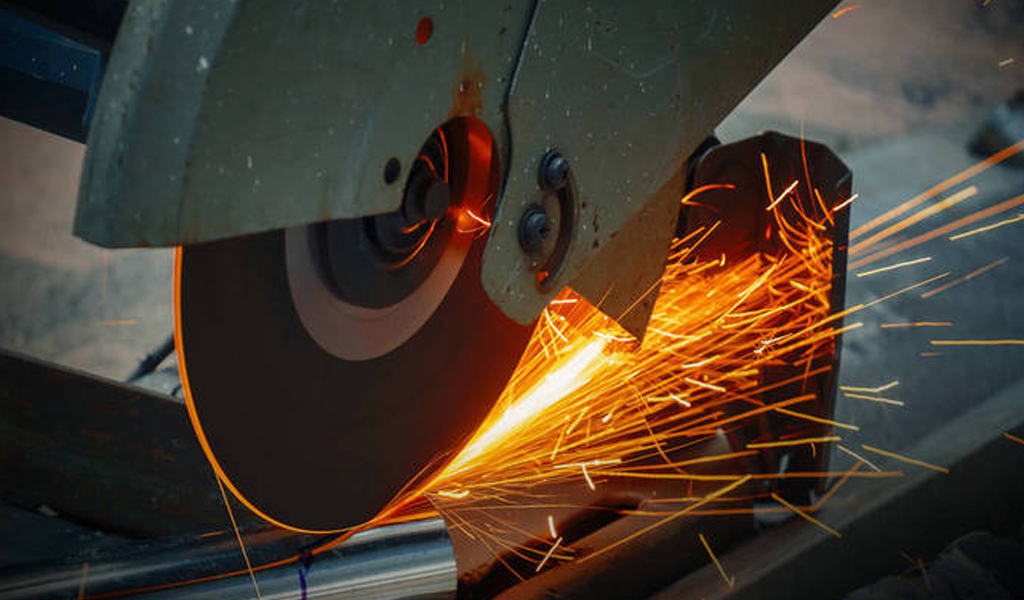
12. Cutting Stainless Steel with a Band Saw
A band saw uses a continuous loop blade to cut through metal, making it suitable for various shapes and sizes of stainless steel.
Method
- Blade Selection: Use a bimetal or carbide-tipped blade with appropriate tooth pitch for stainless steel.
- Setup: Secure the material and adjust the saw settings.
- Cutting: Guide the material through the blade, maintaining a steady feed rate.
Advantages
- Versatility: Suitable for straight and contour cuts.
- Consistency: Provides uniform cuts with minimal burr formation.
Disadvantages
- Speed: Slower cutting speed compared to some other methods.
- Tool Wear: Blades require frequent replacement due to wear.
Modern industry employs a variety of cutting methods for stainless steel, each with unique advantages and challenges. The selection of a specific method depends on the application’s requirements, including material thickness, precision, production volume, and cost considerations. Advances in technology continue to enhance the efficiency, precision, and sustainability of these cutting techniques, ensuring they meet the evolving demands of various industries.
How to Cut Thin Stainless Steel Sheet
Cutting thin stainless steel sheets requires certain skills and precautions to ensure that the cutting process is efficient and safe. Here are some tips on how to cut thin stainless steel sheets:
- Choose the right blade: When cutting stainless steel, it is important to use a blade designed for this material. High-quality tungsten carbide tips or diamond blades are recommended. These blades are designed to handle the hardness and toughness of stainless steel.
- Choose the right cutting tool: There are a variety of cutting tools that can be used to cut stainless steel, such as angle grinders, circular saws, or plasma cutters. Choose the tool that suits your needs and make sure it is equipped with the right blade.
- Lubricate the cutting area: Stainless steel tends to generate a lot of heat during cutting, which can cause blade damage. Therefore, lubricating the cutting area can reduce heat generation and extend blade life.
- Cutting tips: Use appropriate pressure and speed for cutting, avoid cutting too fast or too slow to reduce blade wear and thermal deformation. For thin plates, consider using laser cutting or wire cutting (electric spark wire cutting). Laser cutting is a high-precision and high-efficiency cutting method suitable for stainless steel plates with a thickness of less than 30 mm. Wire cutting can cut both thick and thin plates, but the surface roughness is higher.
- Treat the surface after cutting: After laser cutting, a thin oxide film may form on the surface of stainless steel, which requires further treatment. This film can be removed with appropriate cleaning agents or mechanical methods.
- Note: During cutting, be sure to wear appropriate protective equipment such as safety glasses, gloves and earplugs to prevent splashes, noise and dust from causing harm to the body.
- Ensure that the working area is well ventilated to reduce harmful gases and dust generated during cutting.
- Other cutting methods: In addition to the above methods, there are other methods such as flame cutting and plasma cutting. The specific selection should be based on the thickness of the stainless steel plate, cutting accuracy, processing efficiency and other factors.
Cutting thin stainless steel plates requires the selection of appropriate blades, cutting tools and cutting techniques, and pays attention to safety and environmental protection issues. By comprehensively considering various factors, you can choose the cutting method that best suits your needs to achieve an efficient and safe cutting process.
How to Cut Stainless Steel Rod/Pipe/Tube
Cutting stainless steel pipe or tube can be accomplished using various methods, each with its own set of tools and techniques.
Choose the cutting method based on the diameter of the pipe/tube, the available tools, and the precision required. For smaller pipes, a tubing cutter or hacksaw is effective, while an angle grinder or chop saw is better suited for larger pipes. Always prioritize safety and precision to ensure clean, accurate cuts.
Common Problems & Solution in Stainless Steel Cutting
Cutting stainless steel, whether in sheet, rod, or other forms, presents several challenges due to the material’s hardness, toughness, and tendency to work-harden. These issues can affect both the quality of the cut and the lifespan of cutting tools. This article outlines common problems encountered during stainless steel cutting and offers practical solutions to address them.
1.Problem: Stainless steel’s hardness and work-hardening properties can lead to rapid tool wear and breakage. High-speed cutting generates heat, which further exacerbates tool wear.
Solution:
- Use Appropriate Tools: Select high-quality, carbide-tipped, or diamond-coated tools designed for cutting stainless steel.
- Maintain Sharp Tools: Regularly sharpen or replace cutting tools to ensure optimal performance.
- Proper Feed Rate: Use a slower feed rate and moderate speed to reduce heat generation.
- Coolant and Lubrication: Apply cutting fluid or lubricant to minimize heat and reduce friction, prolonging tool life.
2.Problem: High temperatures during cutting can cause heat discoloration and warping in stainless steel, affecting its appearance and dimensional accuracy.
Solution:
- Coolant Application: Use ample coolant or cutting fluid to dissipate heat and prevent discoloration.
- Cutting Speed and Feed: Adjust the cutting speed and feed rate to minimize heat generation.
- Intermittent Cutting: Allow for intermittent cutting to let the material cool down between cuts.
3.Problem: Burrs and rough edges are common issues when cutting stainless steel, especially with high-speed cutting methods. These defects require additional finishing processes.
Solution:
- Proper Tool Selection: Use tools with appropriate tooth geometry and coating for stainless steel.
- Steady Feed Rate: Maintain a steady feed rate and avoid excessive force, which can cause burr formation.
- Deburring Tools: Use deburring tools, files, or sandpaper to remove burrs and smooth edges after cutting.
4.Problem: Stainless steel tends to harden when subjected to mechanical stress, making it more difficult to cut as the work progresses. This increases tool wear and cutting difficulty.
Solution:
- Sharp Tools: Use sharp cutting tools to reduce the amount of force required and minimize work hardening.
- Coolant Use: Apply coolant to keep the material cool and reduce the hardening effect.
- Cutting Technique: Use a single-pass cutting technique where possible to minimize repeated stress on the material.
5.Problem: Achieving precise cuts on stainless steel can be challenging due to tool deflection, movement of the workpiece, or incorrect tool alignment.
Solution:
- Secure Clamping: Ensure the stainless steel is securely clamped to prevent movement during cutting.
- Cutting Guides: Use straight edges, guides, or jigs to maintain accuracy.
- Correct Tool Alignment: Align the cutting tool properly with the cut line to ensure straight and accurate cuts.
6.Problem: Excessive heat buildup can cause blades and tools to overheat, leading to reduced cutting efficiency and potential damage to the cutting tools.
Solution:
- Proper Cooling: Use a continuous flow of coolant or lubricant to keep the cutting area cool.
- Moderate Cutting Speed: Adjust the cutting speed to prevent excessive heat buildup.
- High-Quality Tools: Invest in high-quality, heat-resistant cutting tools that can withstand higher temperatures.
7.Problem: Cutting stainless steel can produce significant vibration and noise, which can affect cutting accuracy and operator comfort.
Solution:
- Sturdy Setup: Ensure the workbench or cutting surface is stable and secure to reduce vibration.
- Anti-Vibration Tools: Use tools designed to minimize vibration and noise.
- Hearing Protection: Wear appropriate hearing protection to safeguard against noise exposure.
8.Problem: Cutting stainless steel generates chips and swarf, which can clog the cutting area and interfere with the cutting process.
Solution:
- Effective Chip Removal: Use tools with good chip removal capabilities and ensure the cutting area is kept clear.
- Regular Cleaning: Periodically clean the work area and tools to remove accumulated swarf.
- Vacuum Systems: Employ vacuum systems to continuously remove chips and swarf from the cutting area.
9.Problem: Thin blades or those not designed for stainless steel can deform under the stress of cutting, leading to imprecise cuts and potential tool damage.
Solution:
- Thicker Blades: Use thicker, more robust blades designed for stainless steel.
- Proper Tool Selection: Choose tools specifically rated for stainless steel cutting to ensure they can handle the stress without deforming.
- Controlled Feed Rate: Apply a controlled feed rate to prevent overloading the blade.
10. Problem: Achieving a high-quality surface finish can be difficult due to tool marks, heat effects, and burrs.
Solution:
- Fine-Toothed Blades: Use fine-toothed blades for a smoother finish.
- Coolant Use: Apply coolant to reduce heat effects and improve surface finish.
- Post-Cut Finishing: Use fine-grit sandpaper, polishing pads, or chemical passivation to enhance the surface finish.

Choosing the Right Stainless Steel Cutting Service Provider
Selecting a provider for Stainless Steel Cutting services can significantly influence your production process’s success. It involves assessing providers based on their industry experience, expertise, and commitment to quality.
The expertise of a Stainless Steel Cutting service provider is often reflected in their years of operation and the diversity of projects they have handled.
A seasoned provider will have honed their skills over time, reducing the likelihood of errors and ensuring a more efficient production process.According to BE-CU, experience equates to expertise and is essential for a smoother operation.
With over two decades of experience, BE-CU Prototype has become known for their competence and reliability, having served hundreds of satisfied clients across various industries. When reviewing potential service providers, inquire about their experience with specific materials, industries, and the complexity of projects similar to your own. This information can provide insight into their ability to meet your production needs.