
Sublimation printing on metals is a specialized printing technique that involves the transfer of dye onto a metal substrate using heat and pressure. The process relies on the unique properties of sublimation, which refers to the transition of a substance from a solid to a gas state without passing through a liquid phase. This method of printing allows for the creation of vibrant, high-resolution images, designs, and text on metal surfaces. Sublimation printing on metals has gained significant popularity in various industries due to its ability to produce durable, long-lasting prints with excellent color fidelity.
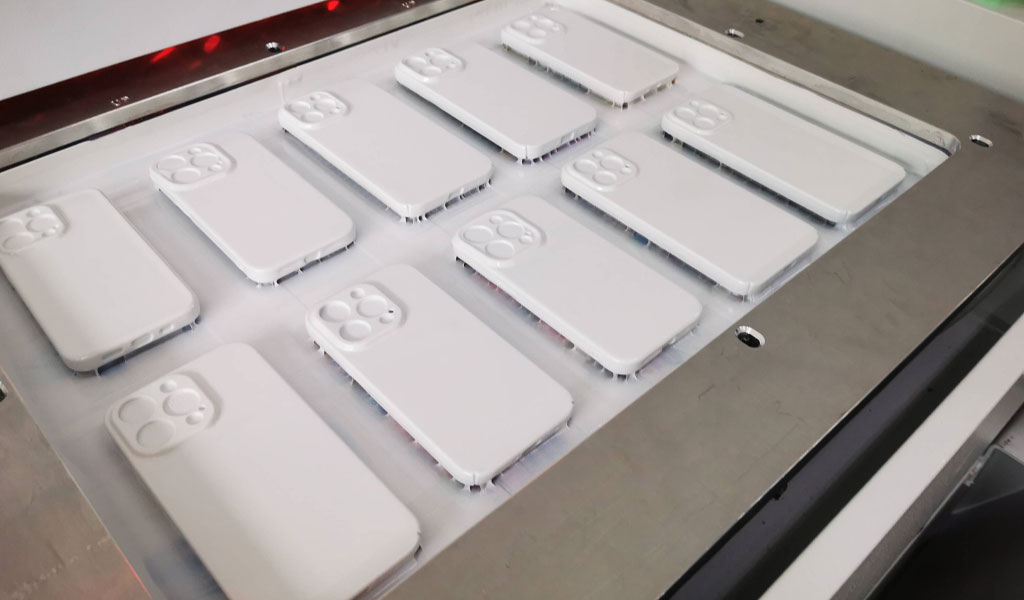
What Is Sublimation Printing
Sublimation printing, in its most basic form, utilizes a specialized dye that is transferred onto a substrate through a heating process. The dye is first printed onto a transfer paper using a sublimation printer, which uses heat-sensitive ink. Once printed, the transfer paper is placed on the surface of the metal, and heat is applied. The heat causes the dye to sublimate, transitioning from a solid to a gas, which permeates the surface of the metal. Upon cooling, the gas condenses back into solid dye particles that are bonded to the metal, creating a vibrant, high-resolution print.
The sublimation process is distinctly different from traditional printing methods like screen printing, offset printing, or direct-to-substrate printing. While traditional methods often involve layering ink on top of the surface, sublimation printing embeds the dye into the surface of the metal itself. This allows for a greater level of detail, durability, and resistance to wear and tear.
Materials Used in Sublimation Printing on Metals
For sublimation printing to be successful on metals, the metal surface must have specific properties. Not all metals are suitable for sublimation printing, as the dye requires a receptive surface that can absorb the gaseous dye particles. Metals that are commonly used in sublimation printing include:
- Aluminum: Aluminum is one of the most popular substrates for sublimation printing. It is lightweight, durable, and offers excellent heat conductivity, which is essential for the sublimation process. Additionally, aluminum can be coated with a polymer layer that enhances its ability to accept sublimation dyes.
- Stainless Steel: Stainless steel is another commonly used material in sublimation printing. It is more robust than aluminum and offers a premium look, often preferred for high-end applications such as awards, signage, and jewelry. Stainless steel requires special coatings to allow for effective sublimation.
- Brass and Copper: These metals are less commonly used than aluminum or stainless steel but can be suitable for sublimation printing when properly pre-treated. Their unique aesthetic qualities make them attractive for specialized applications.
- Coated Metals: Metals such as steel and aluminum are often coated with a polymer or polyester-based coating to improve dye adherence. This coating is crucial because, without it, the sublimation dye will not bond properly to the metal surface.
The coating material plays a significant role in the final quality of the print. Polyester coatings are the most commonly used, as they provide a smooth, even surface that enhances the vibrancy and longevity of the print.
The Sublimation Process on Metals
The process of sublimation printing on metals involves several stages, each of which is critical for achieving high-quality, long-lasting prints. Below are the key steps involved in the sublimation printing process:
- Design Creation: The first step is to create the design that will be printed onto the metal surface. This design is typically created on a computer using graphic design software such as Adobe Photoshop, Illustrator, or CorelDRAW. The design must be in the correct color profile and resolution for optimal results.
- Printing the Transfer: Once the design is complete, it is printed onto a special sublimation transfer paper. This paper is coated with a special surface that allows it to hold the sublimation ink temporarily. The sublimation printer uses heat to transfer the ink onto the paper, ensuring that the design is mirrored correctly so it can be properly transferred to the metal.
- Preparing the Metal Surface: Before sublimation, the metal must be properly prepared. For metals like aluminum, this involves ensuring the surface is clean and free from oils, dust, or any contaminants that may affect the adhesion of the dye. For metals like stainless steel, a special coating or laminate is applied to provide a surface that will accept the dye.
- Heat Transfer: The transfer paper with the sublimation print is placed onto the metal substrate, and both are loaded into a heat press. The heat press applies both heat and pressure, typically between 350°F and 400°F (177°C to 204°C), for a period of 45 seconds to a minute. The heat causes the sublimation ink to transition from a solid state to a gas, which permeates the metal surface and bonds with the polymer coating.
- Cooling: After the sublimation process, the metal is removed from the heat press and allowed to cool. As the metal cools, the dye returns to a solid state and becomes permanently bonded to the metal, creating a vibrant, high-resolution print. The final result is a durable, scratch-resistant image that is embedded into the surface of the metal, rather than sitting on top of it.
- Post-Processing: Depending on the application, the printed metal may undergo further processes such as cutting, shaping, or adding protective coatings. For example, sublimation-printed metal signs may be given a protective laminate to further enhance durability and resistance to weathering.
Advantages of Sublimation Printing on Metals
Sublimation printing on metals offers several advantages over traditional printing techniques. These advantages make it particularly well-suited for a variety of applications in industries ranging from promotional products to interior design. Some of the key benefits of sublimation printing on metals include:
- Durability: One of the most significant advantages of sublimation printing is the durability of the print. Since the dye becomes part of the metal substrate, the print is resistant to fading, scratching, and peeling. This makes sublimation-printed metal products ideal for outdoor signage, promotional items, and other applications that require long-lasting prints.
- Vibrant Colors: Sublimation printing produces vivid, high-quality colors that are difficult to achieve with other printing methods. The dyes used in sublimation are transparent, allowing the metallic sheen of the underlying material to enhance the brightness and depth of the colors.
- Detailed Prints: Sublimation printing can achieve extremely fine details, making it ideal for high-resolution graphics, logos, photographs, and text. Unlike screen printing, which can struggle with fine lines and gradients, sublimation ensures that even intricate designs are captured accurately.
- Environmental Resistance: Sublimation-printed metals are highly resistant to environmental factors such as UV light, moisture, and temperature extremes. This makes them ideal for use in both indoor and outdoor settings.
- No Edges or Borders: Since the dye is infused into the metal, there are no raised edges or borders around the print. This is particularly beneficial for designs that require a seamless, clean appearance.
Applications of Sublimation Printing on Metals
Sublimation printing on metals is used in a wide range of applications across various industries. Some of the most common applications include:
- Promotional Products: Sublimation printing is often used to create custom promotional items such as keychains, badges, nameplates, and business cards. These items benefit from the high durability and vibrant colors offered by sublimation printing.
- Awards and Trophies: Sublimation is commonly used to create personalized awards and trophies, especially those made of metal. The ability to print intricate designs, text, and logos makes sublimation an excellent choice for commemorative plaques, medals, and other award products.
- Interior Design: Sublimation printing is increasingly used in interior design, particularly for custom metal panels, decorative items, and furniture. The ability to print detailed images, textures, and patterns on metal surfaces provides designers with a versatile and creative tool for their projects.
- Signage and Branding: Metal signs, especially those used for branding, retail displays, and corporate signage, often employ sublimation printing to achieve high-quality, durable prints that can withstand the elements.
- Jewelry and Accessories: Sublimation is used in the creation of custom jewelry, including metal bracelets, necklaces, and other accessories. The ability to transfer intricate designs, photos, or logos onto metal surfaces adds a unique, personalized touch to jewelry items.
- Automotive and Industrial Components: In the automotive and industrial sectors, sublimation printing on metal is used for custom labels, tags, and parts that require high-resolution printing and long-lasting durability.
- Photography and Art: Sublimation printing has found its place in the photography and art world, where it is used to transfer photographic images onto metal panels, creating a modern and durable alternative to traditional photo frames.
Challenges and Considerations in Sublimation Printing on Metals
While sublimation printing on metals offers numerous benefits, there are also challenges and considerations to keep in mind. These include:
- Material Compatibility: Not all metals are suitable for sublimation printing. Only metals with the proper coating (typically polyester-based) can accept sublimation dyes. Therefore, proper material selection and pre-treatment are essential to achieving optimal results.
- Heat Press Equipment: The quality of the heat press used for sublimation printing plays a critical role in the outcome of the print. Uneven heat distribution or improper pressure can result in poor color transfer or incomplete bonding of the dye.
- Color Management: Achieving accurate color reproduction requires proper color calibration, especially when printing photographic images. The use of color profiles and ensuring that the design is created in the correct color space are essential for achieving consistent, accurate colors.
- Cost of Equipment and Materials: The initial investment in sublimation printers, heat presses, and specialized transfer papers can be higher than other printing methods. However, the durability and high-quality prints often justify the cost for businesses that require high-end, long-lasting products.
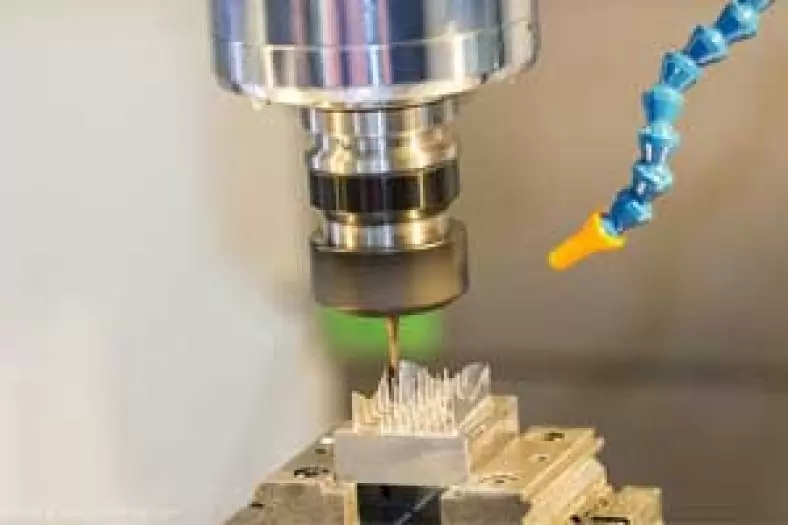
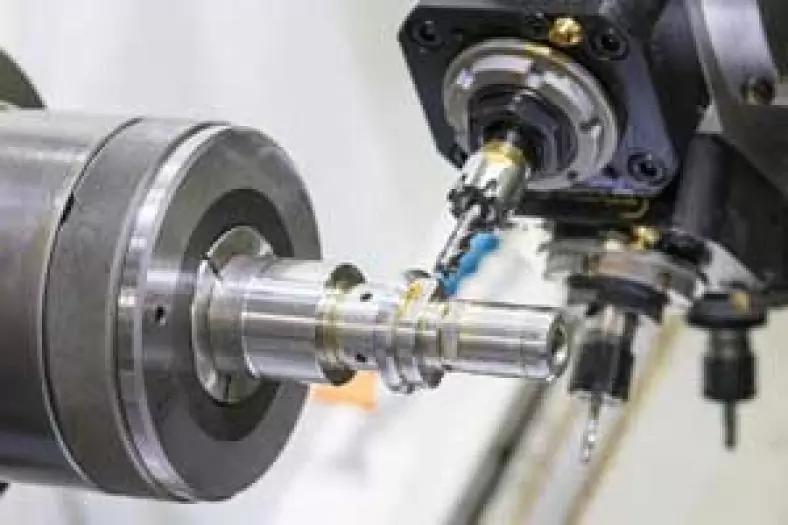
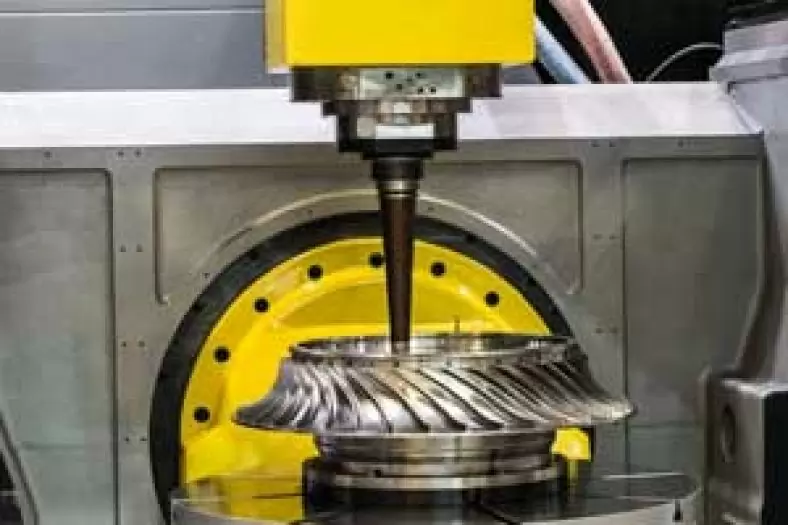

The Detail Of BE-CU Cnc Machining Shop
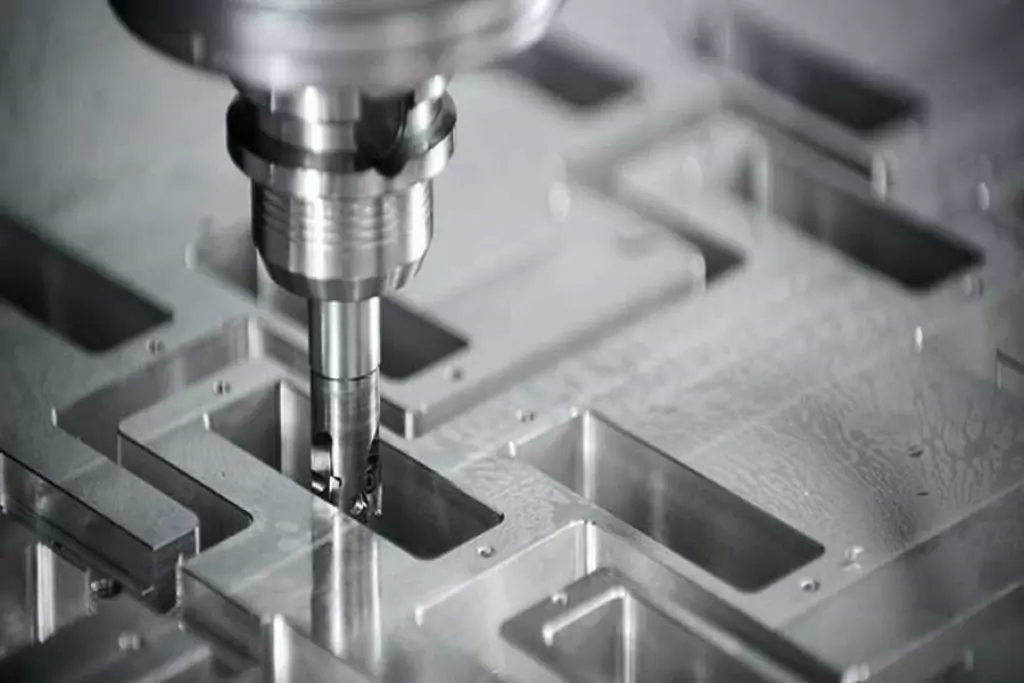
BE-CU.COM – As an accomplished CNC machining Service Manufacturer and CNC shop, BE-CU Prototype has been specialized in OEM CNC lathing, custom CNC machining parts production and rapid CNC machining services China for over 35 years and always maintaining the highest standard in delivery speed and reliable quality of precision CNC manufacturing components. With the help of high-level technology and efficient equipment, as well as rigorous attitude, BE-CU passed the ISO9001:2015 quality certification, which supports the long-term development of CNC milling services, CNC turning services, CNC milling-turning, CNC drilling services, 3/4/5 axis machining, gear machining services, CNC machining China custom parts and service, small parts machining, etc.Our CNC machining products can be utilized in a broad range of industries. Contact us for email: [email protected]
-
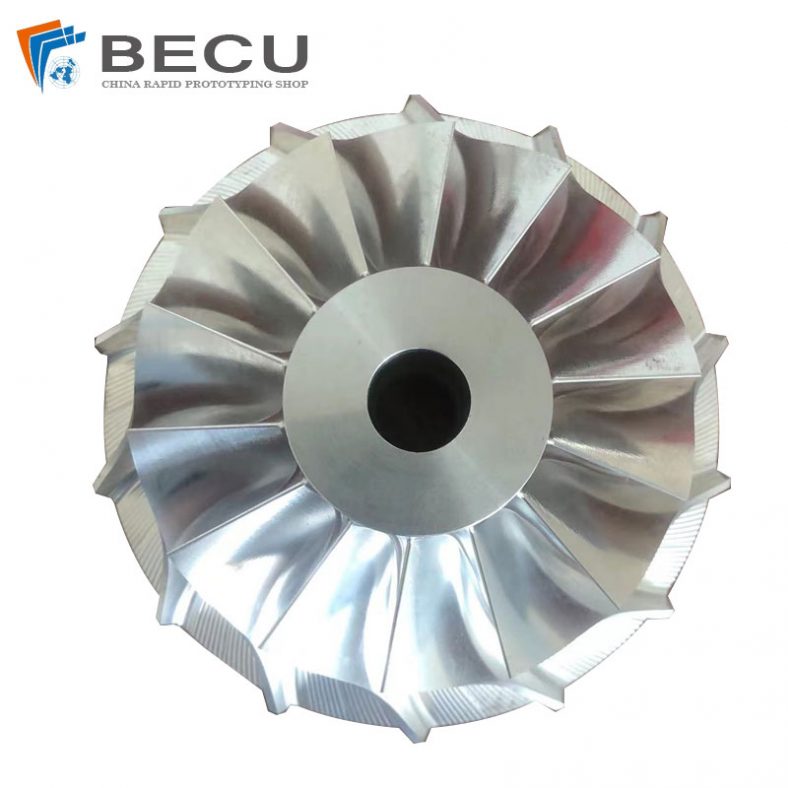
3-Way Centrifugal Compressor Closed Impeller By 5 Axis Machining
-
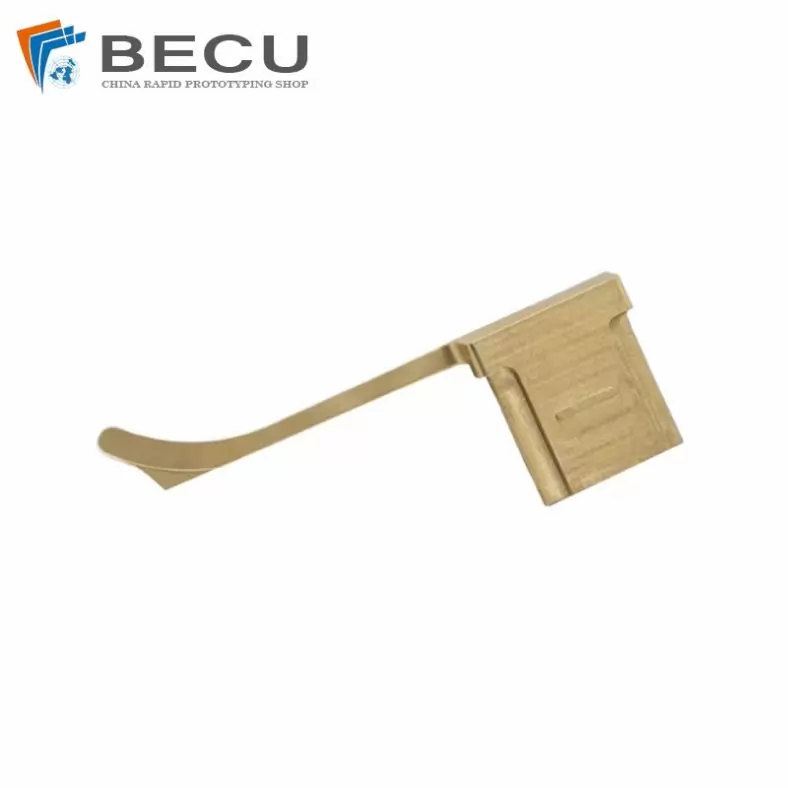
3/4/5 Axis Precision Milling Custom Vehicle Parts
-
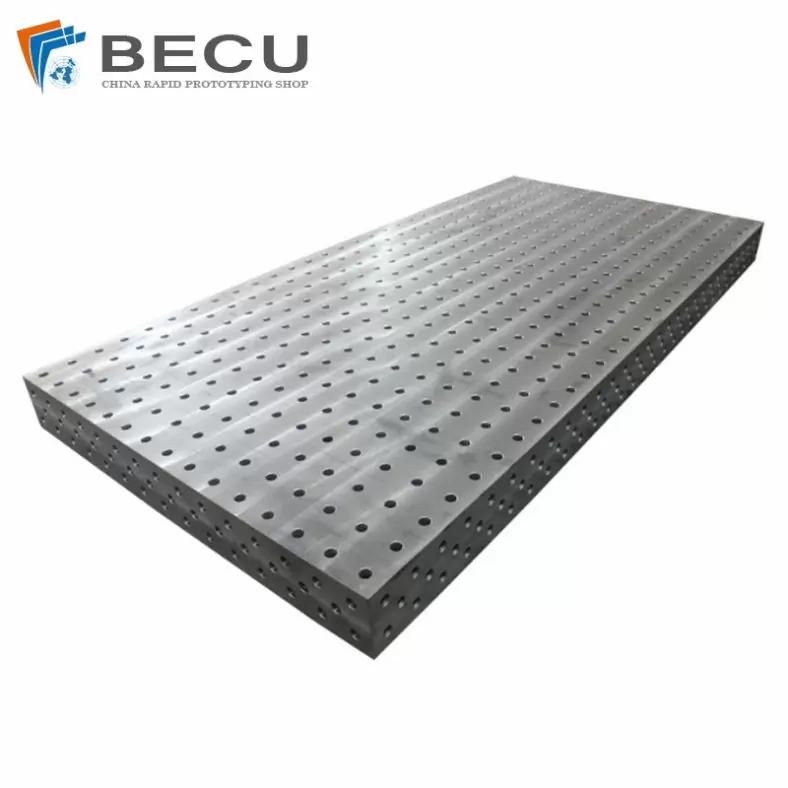
3D Flexible Welding Platform By Large Machining
-
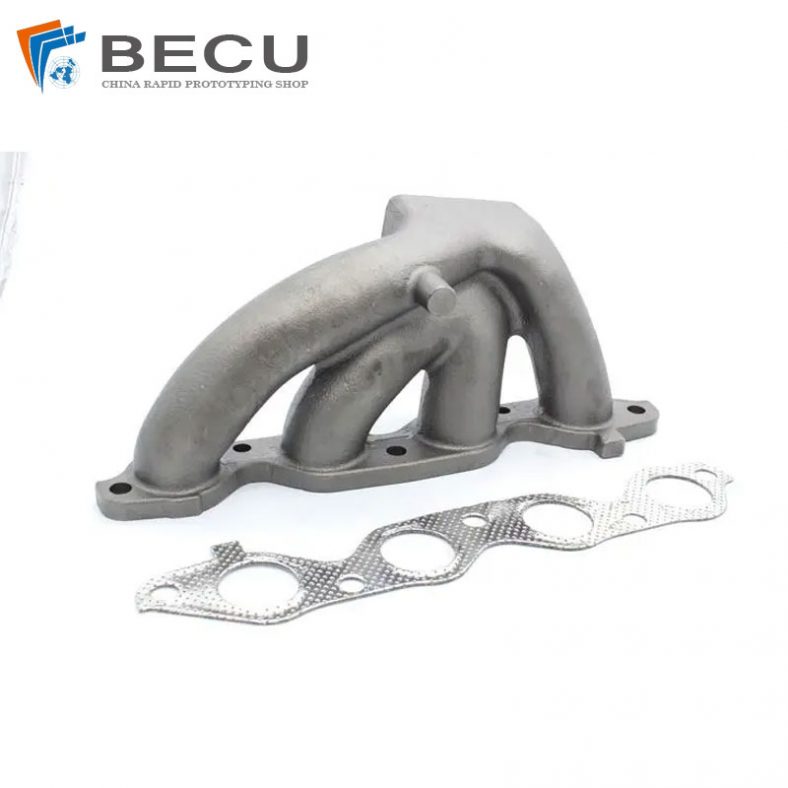
3D Printed Inconel Exhaust Manifold
-
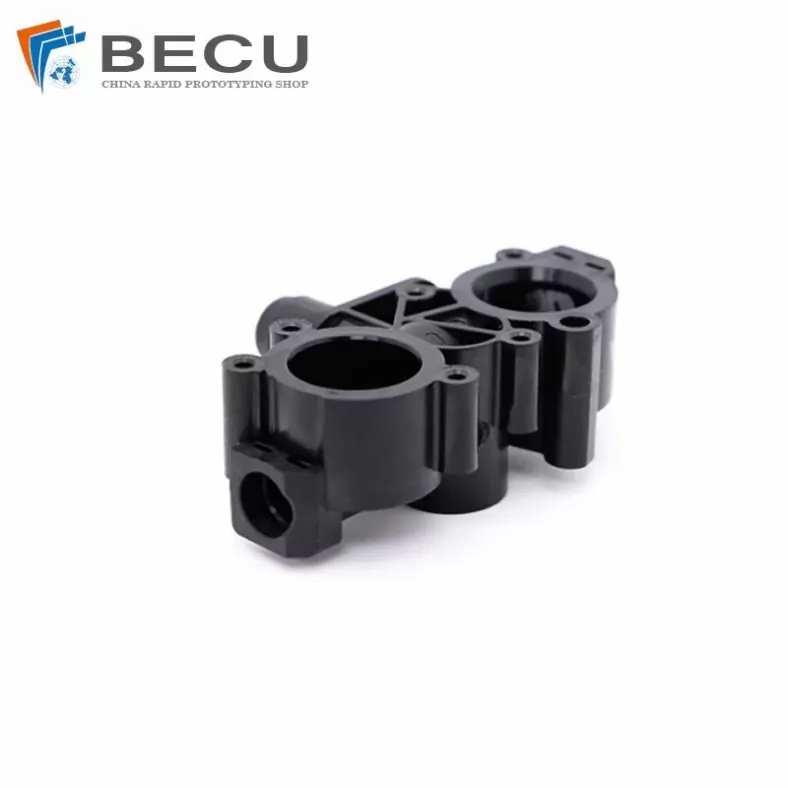
3D Printing And CNC Machining Custom Black PPS Valve
-
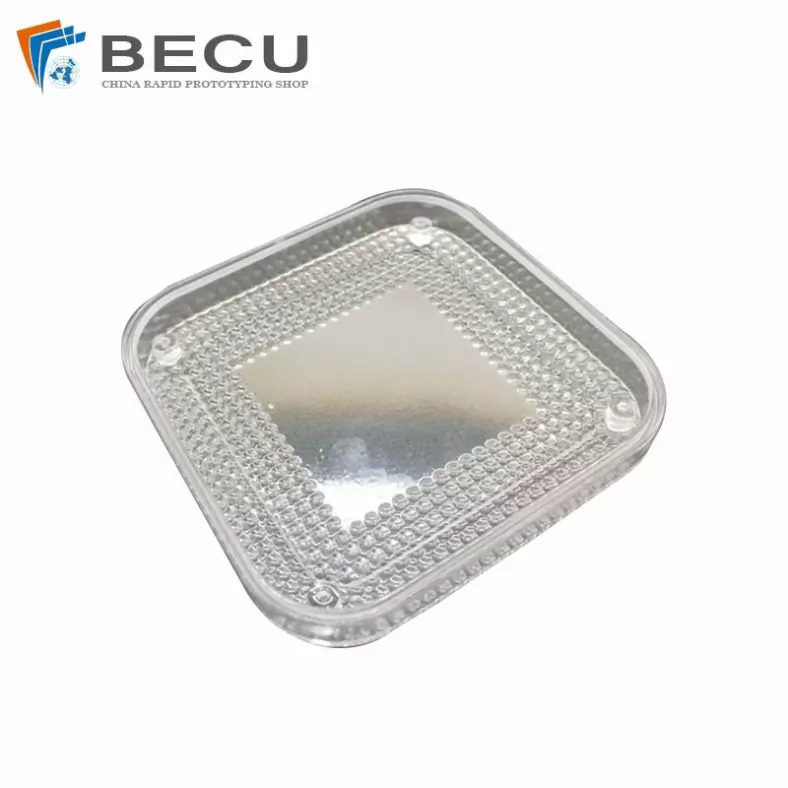
3D Printing Full Transparent Acrylic Lampshade Model
-
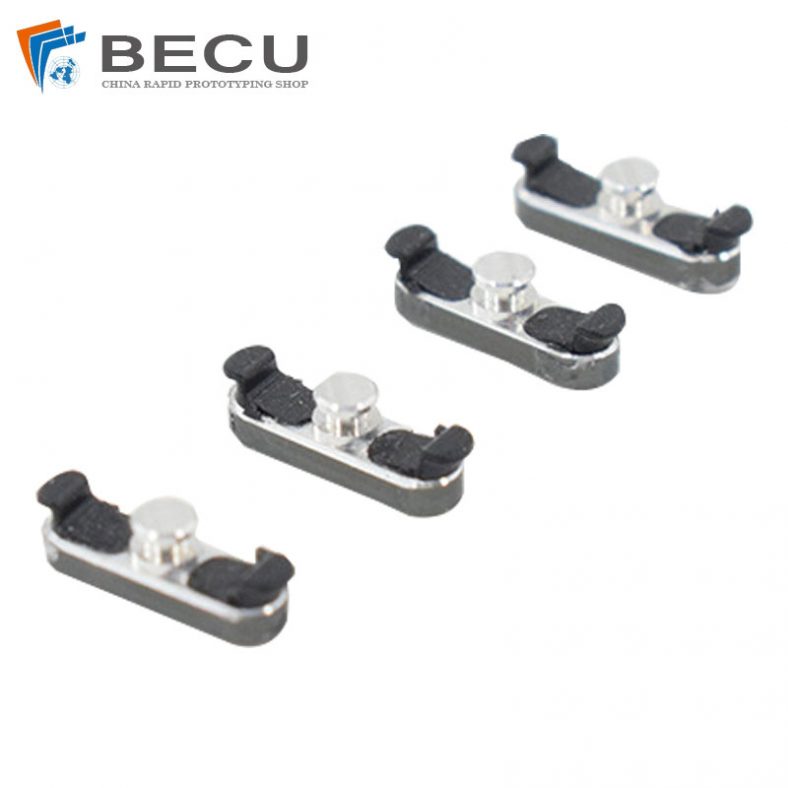
4 Axis CNC Machining Titanium Grade 5 Mobile Phone Buttons
-
4 Axis Machining Highly Transparent Acrylic LED Tunnel Light Lens