
To fully delve into the application of multi-agent technology in CNC machining automatic programming systems, we must first explore the fundamental concepts that underpin both the technology itself and the CNC machining process. Multi-agent technology, which emerged from the fields of artificial intelligence and distributed computing, revolves around the coordination of multiple autonomous agents to accomplish tasks more efficiently. This approach, when applied to CNC machining, has the ultimate goal of enhancing the flexibility, adaptability, and efficiency of programming systems, while reducing human intervention.
CNC Machining and its Programming Needs
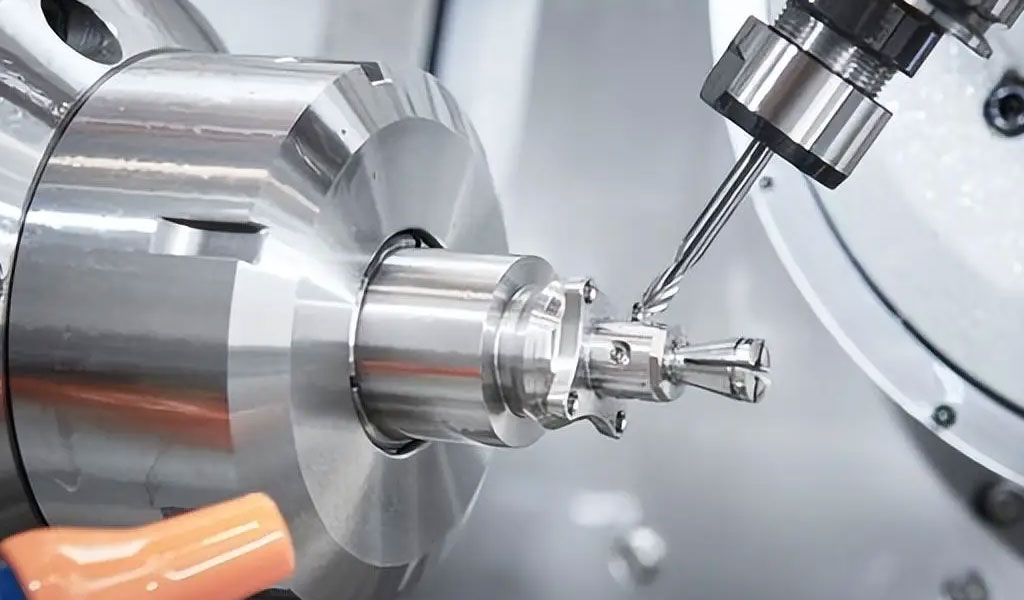
Computer Numerical Control (CNC) machining is a highly precise and automated process used in the manufacturing of parts from various materials, such as metals, plastics, and composites.
The process involves the use of CNC machines, which are controlled by pre-programmed software that dictates the machine’s movements and actions. Traditional CNC programming requires manual input, which can be time-consuming and error-prone, especially when dealing with complex designs or large volumes of parts.
In recent years, there has been a growing emphasis on automating the CNC programming process to enhance production efficiency and reduce human error. One such solution to this problem is the incorporation of multi-agent systems (MAS) into CNC machining.
What Is Multi-Agent Systems (MAS)
A multi-agent system consists of multiple interacting agents, which are autonomous entities capable of perceiving their environment, reasoning, and taking actions based on their individual or collective goals. Agents can be simple or sophisticated, depending on their level of intelligence, and they often interact with one another to solve complex tasks that a single agent could not handle alone. These systems are designed to emulate collaborative behavior, and in the context of CNC machining, they provide a means for optimizing the decision-making processes related to programming, scheduling, tool management, and quality control.
The key attributes of MAS include decentralization, adaptability, scalability, and coordination. These features make MAS particularly suited for CNC programming, as they can effectively manage the dynamic nature of machining environments, including varying tool conditions, changing materials, and fluctuating production demands.
The Role of Multi-Agent Technology in CNC Machining Automatic Programming Systems
In CNC machining, the integration of multi-agent technology into automatic programming systems can be transformative. The agents within these systems are designed to carry out specific tasks such as toolpath generation, collision detection, material removal simulation, and optimization of machining parameters. These tasks require substantial computational resources and complex algorithms, which are well-suited for distribution across a network of agents.
1. Toolpath Generation and Optimization
Toolpath generation is a critical aspect of CNC programming. The toolpath defines the path that the cutting tool follows as it removes material from the workpiece. The challenge lies in generating toolpaths that minimize machining time while maintaining precision and quality. Multi-agent systems can be used to optimize this process by dividing the task into several sub-tasks, each handled by a different agent.
For instance, one agent may focus on determining the most efficient path for the tool based on the geometry of the part, while another agent may adjust the speed and feed rates based on the material properties. A third agent could manage collision avoidance, ensuring that the tool does not interfere with the workpiece, clamps, or other parts of the machine. By distributing these tasks across multiple agents, the overall programming process becomes more efficient and adaptable to changes in the machining environment.
2. Intelligent Tool Management
Tool management in CNC machining involves monitoring the condition of the tools, selecting the right tool for each operation, and replacing worn or damaged tools as necessary. In a traditional system, this process requires manual oversight and can lead to inefficiencies, especially in high-volume production environments.
With multi-agent technology, intelligent agents can be deployed to track the status of tools throughout the machining process. These agents can monitor parameters such as tool wear, temperature, and vibration, and take proactive measures to ensure that the most appropriate tool is used for each task. They can also communicate with other agents to coordinate tool changes and optimize tool life, reducing downtime and improving the overall efficiency of the CNC machining system.
3. Adaptive Machining and Real-Time Decision Making
One of the greatest advantages of multi-agent technology is its ability to adapt to changing conditions in real-time. In a CNC machining environment, conditions such as material properties, tool wear, and machine stability can vary significantly during the production process. A traditional CNC programming system may struggle to handle these variations effectively, leading to delays, quality issues, or wasted materials.
Multi-agent systems can monitor these dynamic factors and make real-time adjustments to the machining process. For example, if an agent detects that the tool is experiencing excessive wear, it can signal another agent to adjust the feed rate or select a different tool. Alternatively, if the material being machined has a different hardness than expected, the system can adapt the cutting parameters accordingly. These adaptive capabilities help maintain the quality of the finished product while minimizing downtime and resource waste.
4. Collaborative Scheduling and Resource Allocation
In a manufacturing environment with multiple CNC machines, the efficient allocation of resources is crucial for optimizing production schedules and reducing idle time. Multi-agent systems can be used to manage the scheduling and resource allocation tasks by enabling agents to communicate and collaborate across machines and workstations.
Each agent within the system can represent a specific CNC machine or process and can be tasked with coordinating the availability of tools, materials, and machine time. Agents can negotiate and prioritize tasks based on factors such as production deadlines, machine capabilities, and resource availability. By coordinating the scheduling and resource allocation across multiple agents, the system can ensure that production flows smoothly, minimizing delays and optimizing throughput.
5. Simulation and Verification
Before a CNC program is executed on the machine, it is essential to simulate the machining process to verify that the toolpaths are correct and that no collisions or errors will occur. Multi-agent systems can be employed to perform these simulations more efficiently.
In a multi-agent approach, different agents can handle different aspects of the simulation. For example, one agent might be responsible for simulating the motion of the cutting tool, while another agent simulates the behavior of the workpiece. A third agent could focus on detecting potential collisions between the tool and the workpiece or the machine itself. By distributing the simulation tasks among multiple agents, the process becomes faster and more accurate, leading to better program verification and fewer errors during production.
6. Knowledge-Based Decision Support
Multi-agent systems are often designed to incorporate knowledge-based decision support, which can enhance the overall decision-making process in CNC machining. These systems can leverage databases of machining knowledge, such as material properties, cutting conditions, and tooling specifications, to provide intelligent recommendations to the programmer.
For example, an agent may suggest optimal machining parameters based on the specific material and geometry of the part being produced. Another agent might advise on the best sequence of operations or recommend a specific tool or cutting strategy based on historical data and predictive algorithms. By integrating this knowledge into the decision-making process, multi-agent systems can improve the quality of the final product and reduce the risk of human error.
Advantages of Multi-Agent Technology in CNC Machining Programming Systems
The integration of multi-agent technology into CNC machining automatic programming systems offers several advantages:
- Increased Efficiency: By distributing tasks across multiple agents, the system can perform multiple operations simultaneously, reducing the overall time required for programming and machining.
- Adaptability: Multi-agent systems can adjust in real-time to changing conditions, ensuring that the machining process remains optimized even when variables such as material properties or tool wear change.
- Improved Precision and Quality: The ability to simulate and verify toolpaths, as well as adapt machining parameters on-the-fly, leads to more accurate and high-quality finished products.
- Reduced Downtime: Intelligent tool management and scheduling ensure that CNC machines are used efficiently, minimizing idle time and reducing production delays.
- Cost Savings: By optimizing resource allocation and reducing material waste, multi-agent systems can help lower production costs over time.
While multi-agent technology holds great promise for CNC machining automatic programming systems, there are still several challenges to overcome. One of the primary challenges is the complexity of integrating multi-agent systems with existing CNC machines and software platforms. Many CNC machines are still operating on legacy systems, which may not be compatible with the advanced capabilities of multi-agent technology.
Additionally, the design and implementation of multi-agent systems for CNC machining requires a high level of expertise in both artificial intelligence and machining processes. Developing efficient algorithms that can handle the complexities of real-time decision-making and adaptive control is a significant research challenge.
Looking forward, the potential applications of multi-agent technology in CNC machining are vast. As CNC machines become more connected through the Industrial Internet of Things (IIoT) and as artificial intelligence continues to advance, the integration of multi-agent systems will become increasingly sophisticated, further enhancing the efficiency, flexibility, and intelligence of CNC machining processes.
The continued development of multi-agent systems in CNC machining holds the ultimate promise of fully autonomous manufacturing environments, where machines can not only program themselves but also optimize every aspect of production, from design to delivery. This represents a significant leap toward achieving smart manufacturing systems capable of self-organization, real-time decision-making, and continuous process improvement.
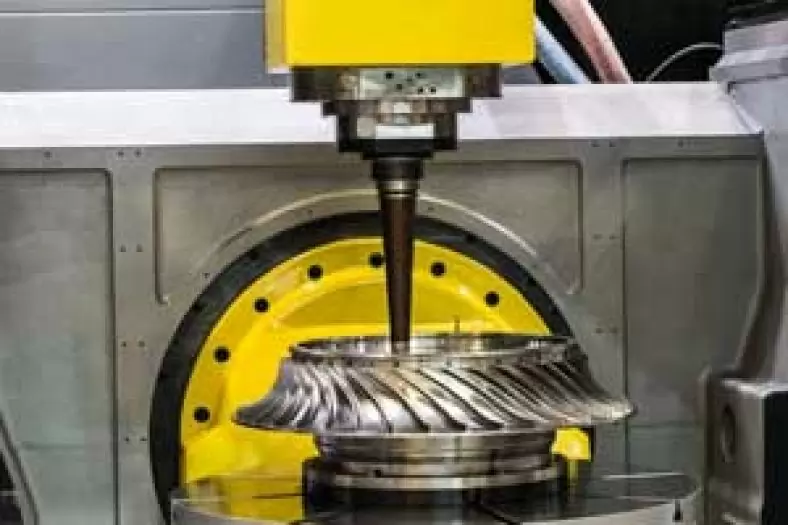
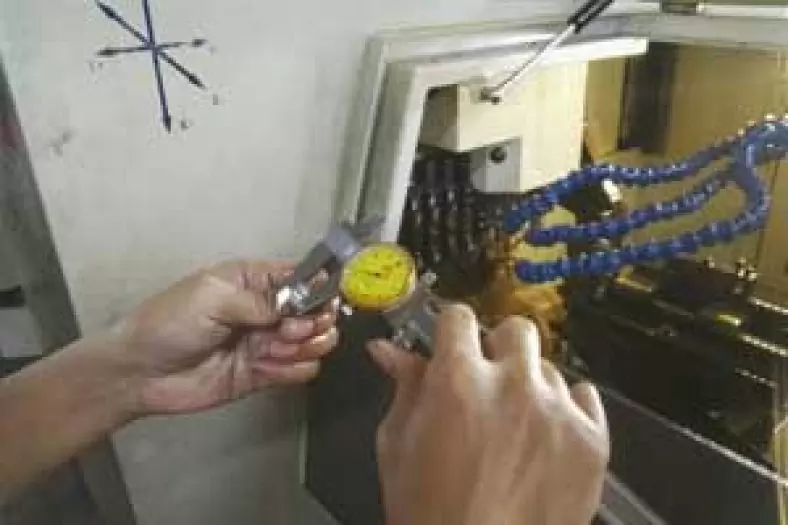
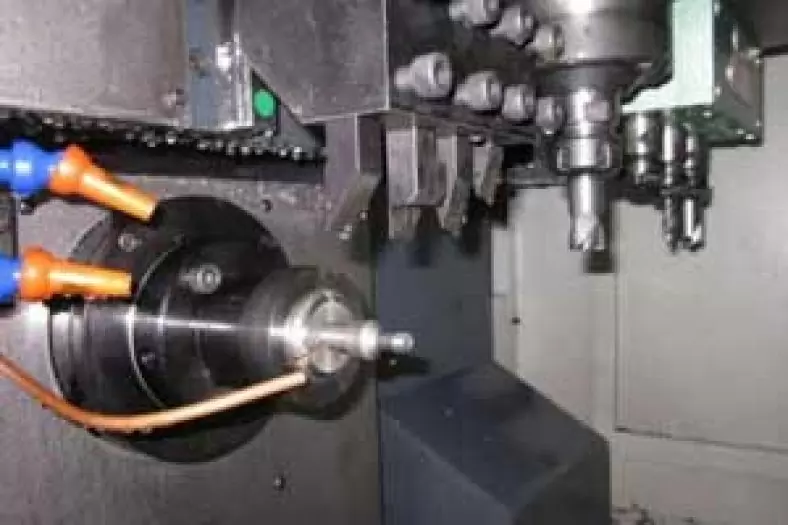
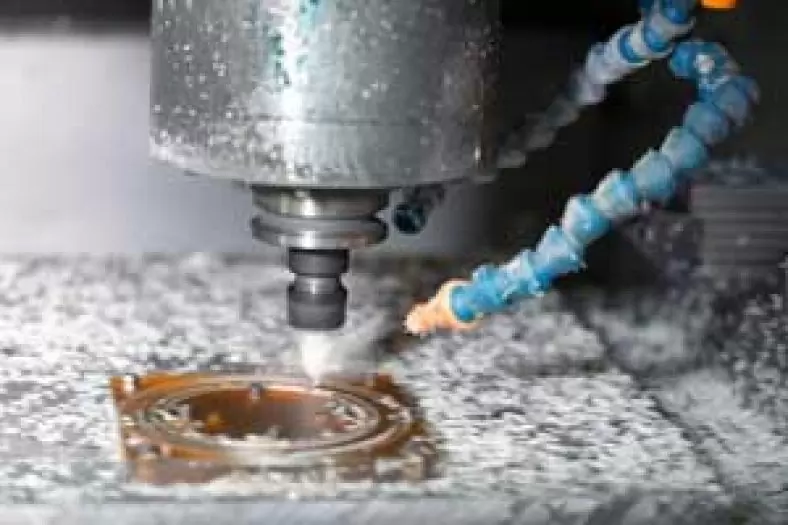
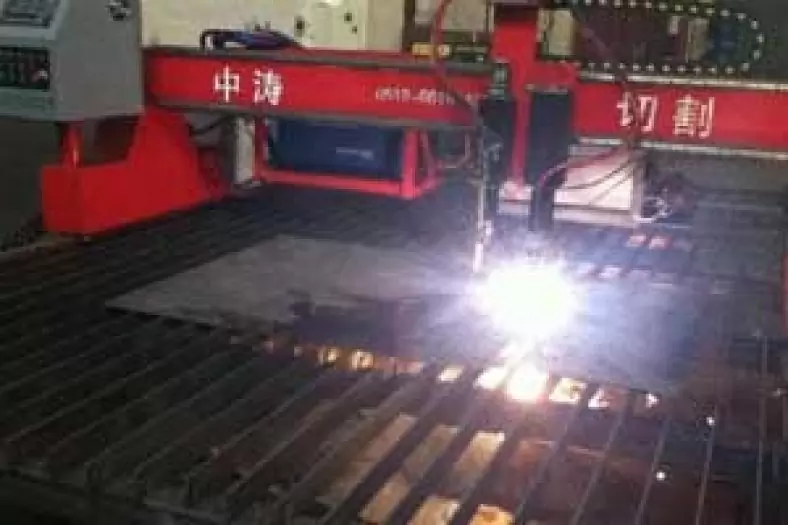
The Detail Of BE-CU Cnc Machining Shop
BE-CU.COM – As an accomplished CNC machining Service Manufacturer and CNC shop, BE-CU Prototype has been specialized in OEM CNC lathing, custom CNC machining parts production and rapid CNC machining services China for over 35 years and always maintaining the highest standard in delivery speed and reliable quality of precision CNC manufacturing components. With the help of high-level technology and efficient equipment, as well as rigorous attitude, BE-CU passed the ISO9001:2015 quality certification, which supports the long-term development of CNC milling services, CNC turning services, CNC milling-turning, CNC drilling services, 3/4/5 axis machining, gear machining services, CNC machining China custom parts and service, small parts machining, etc.Our CNC machining products can be utilized in a broad range of industries. Contact us for email: [email protected]
-
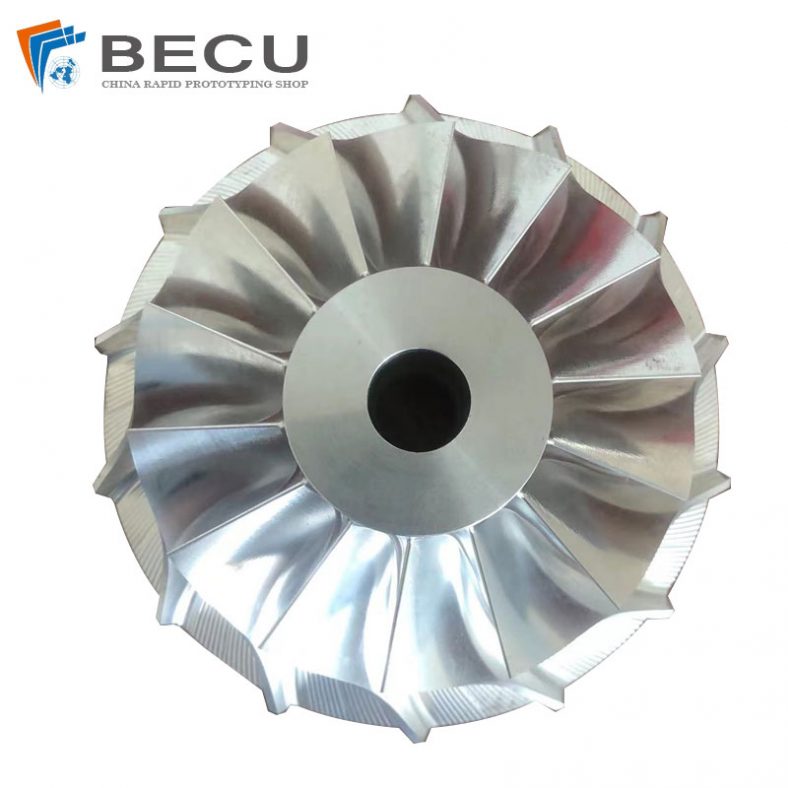
3-Way Centrifugal Compressor Closed Impeller By 5 Axis Machining
-
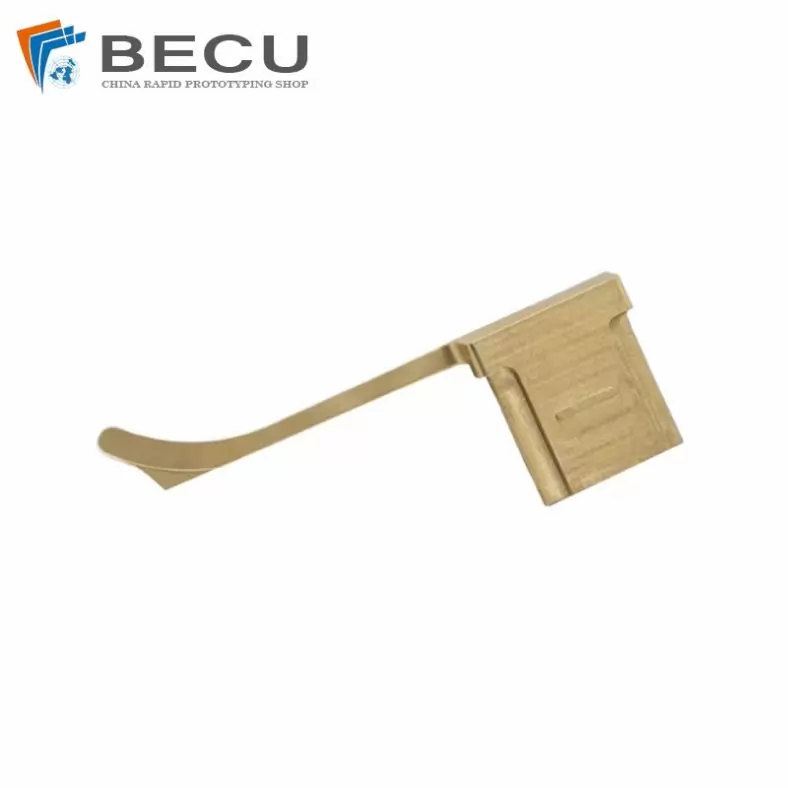
3/4/5 Axis Precision Milling Custom Vehicle Parts
-
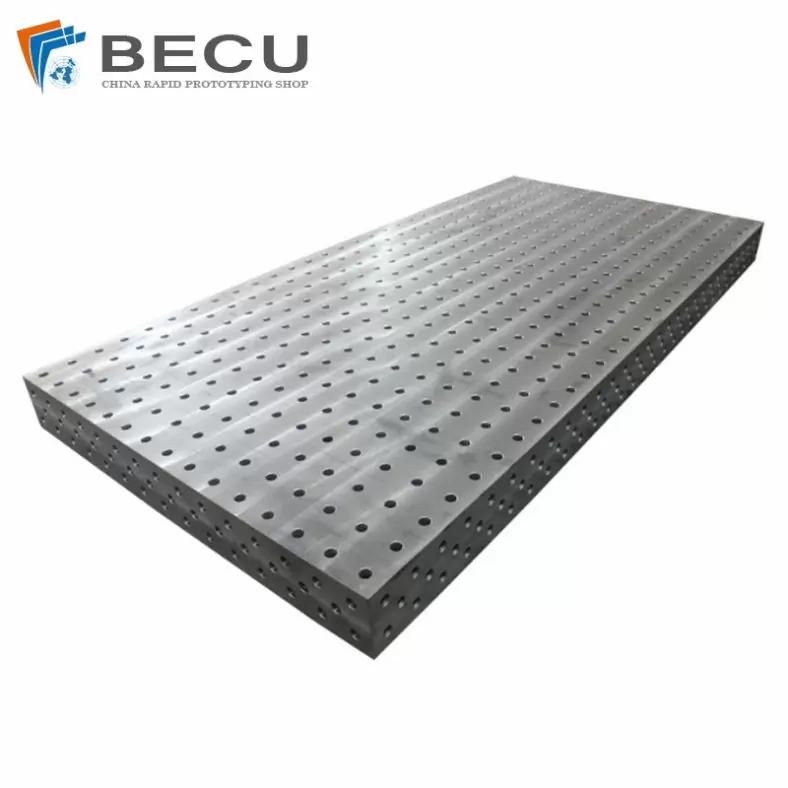
3D Flexible Welding Platform By Large Machining
-
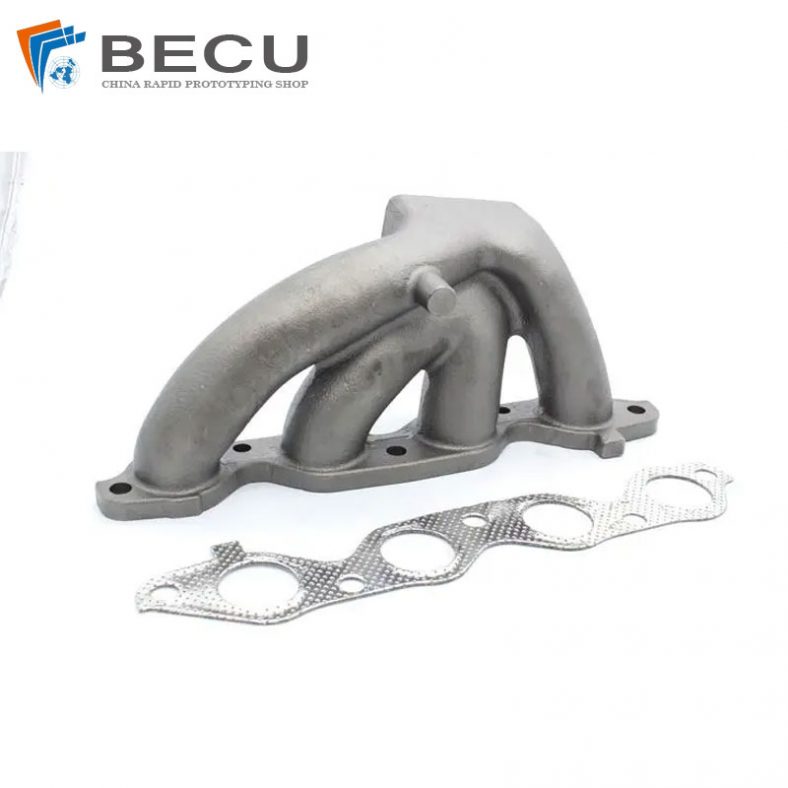
3D Printed Inconel Exhaust Manifold
-
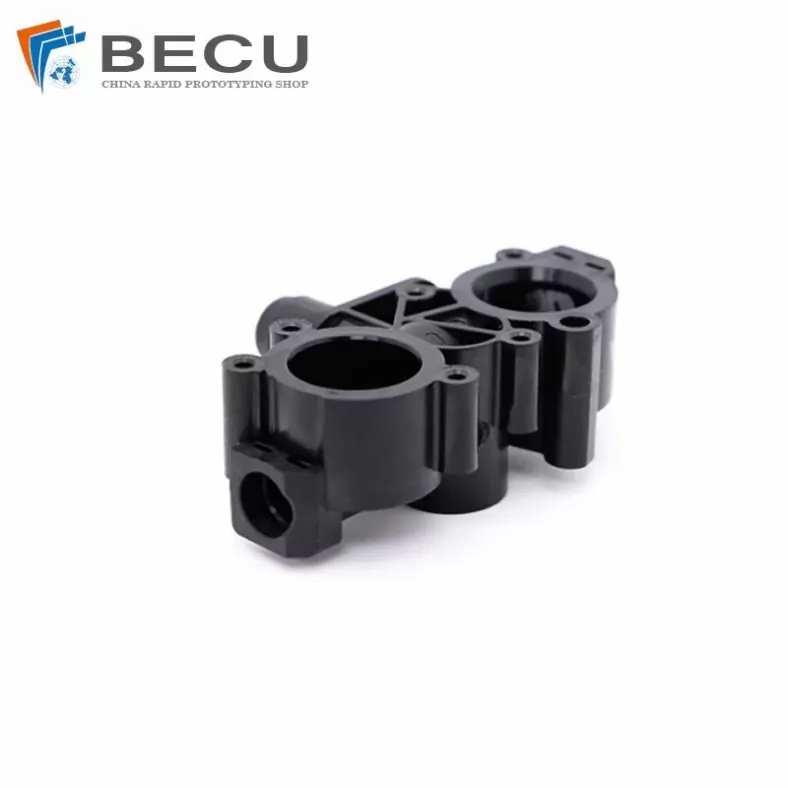
3D Printing And CNC Machining Custom Black PPS Valve
-
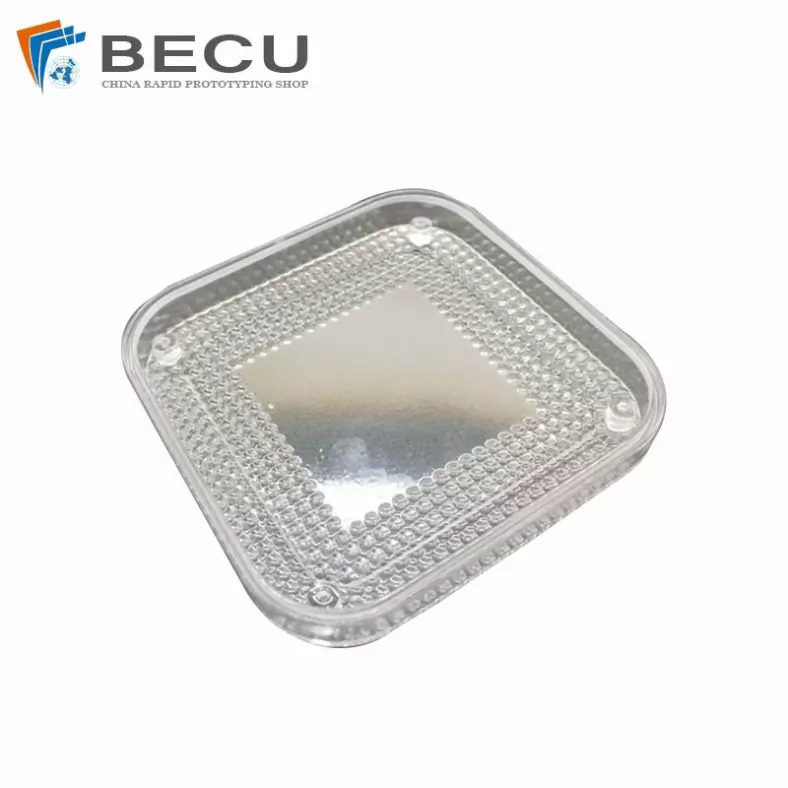
3D Printing Full Transparent Acrylic Lampshade Model
-
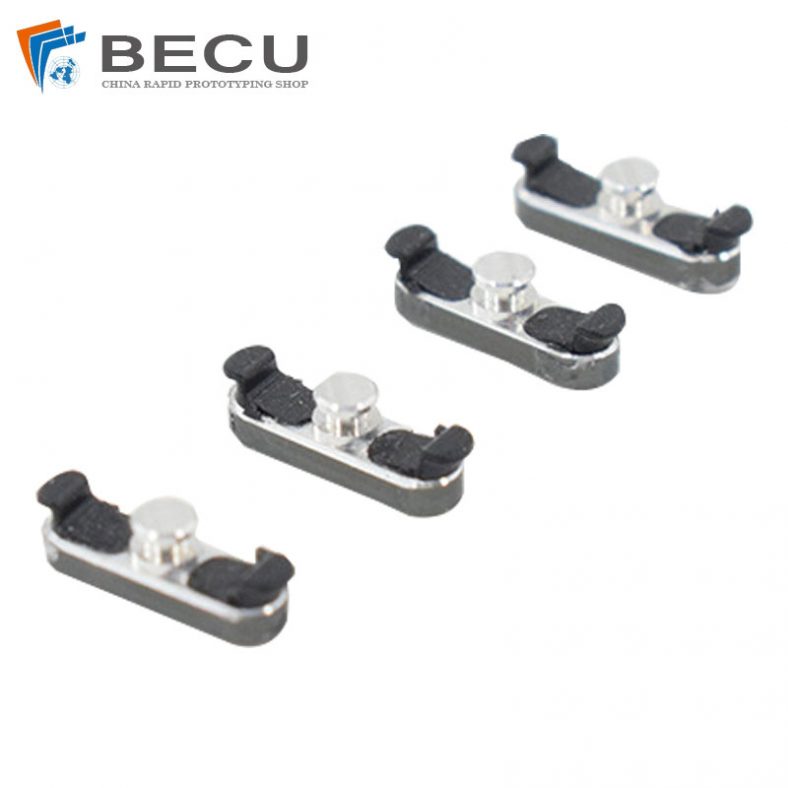
4 Axis CNC Machining Titanium Grade 5 Mobile Phone Buttons
-
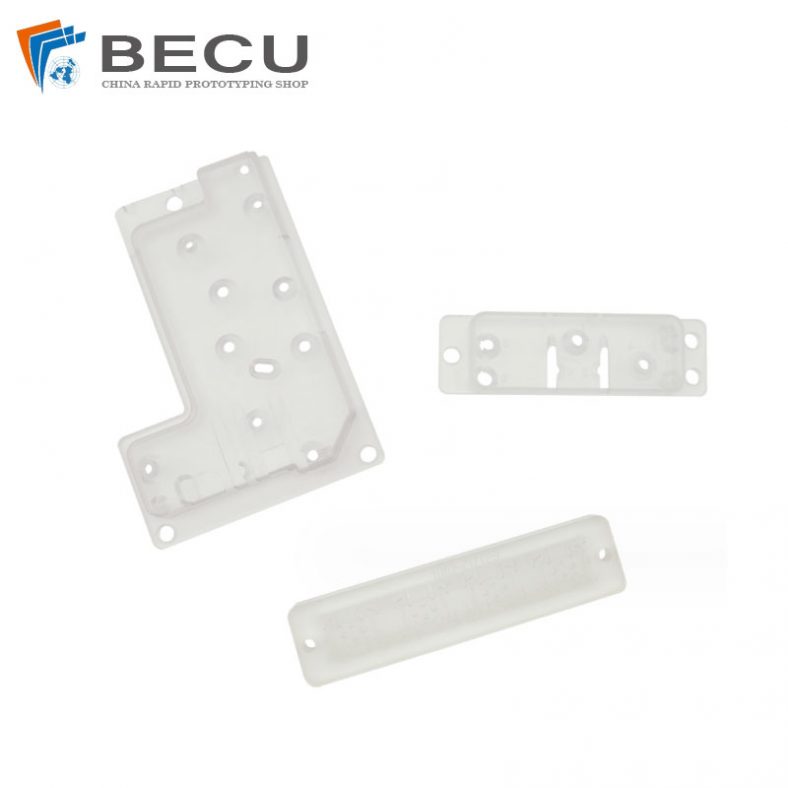
4 Axis Machining Highly Transparent Acrylic LED Tunnel Light Lens