
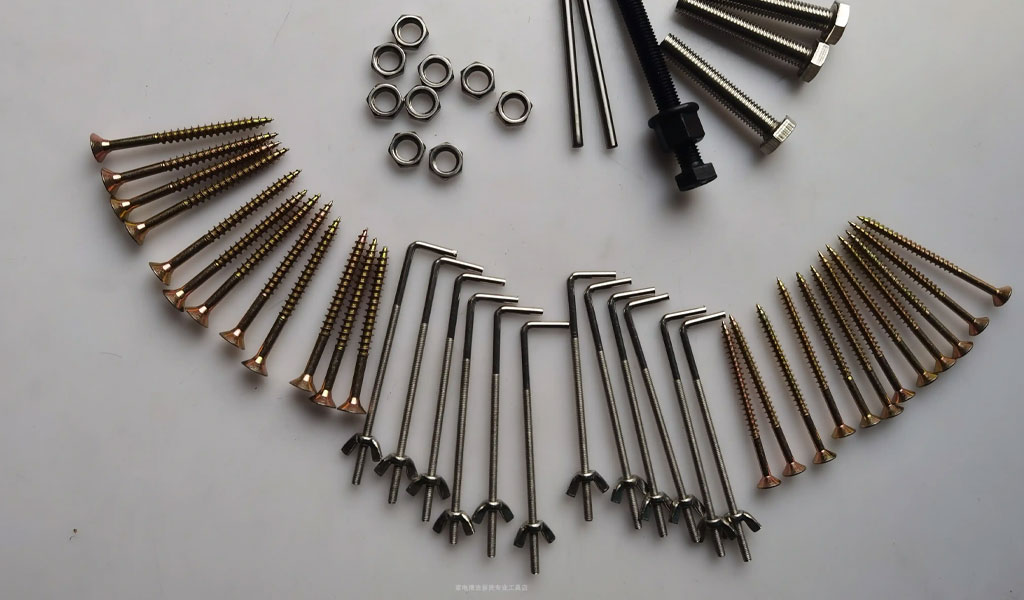
Anti-tamper screws, also widely referred to as tamper-proof screws, security screws, or anti-theft screws, represent a specialized category of fasteners engineered to enhance security by preventing unauthorized removal or tampering with assembled components. These fasteners are distinguished by their unconventional designs, particularly in the drive systems of their heads, which require specific tools for installation and removal—tools that are not commonly available to the general public. The primary purpose of anti-tamper screws is to safeguard valuable assets, deter vandalism, and ensure the integrity of critical systems across a multitude of applications, ranging from public infrastructure to advanced technological devices.
This article provides an exhaustive exploration of anti-tamper screws, delving into their historical development, diverse types, material compositions, mechanical properties, applications across industries, methods of removal, and comparative analyses, supported by detailed scientific data and tables.
Historical Context and Evolution
The concept of securing objects with fasteners dates back centuries, with early examples including wooden pegs and metal nails used in construction and woodworking. However, the need for enhanced security emerged prominently during the Industrial Revolution (circa 1760–1840), as machinery and manufactured goods became more prevalent and valuable. Standard screws with slotted or Phillips drives, while effective for general fastening, proved vulnerable to tampering with widely available tools like flathead screwdrivers or coins. This vulnerability spurred the development of specialized fasteners designed to resist unauthorized access.
The modern anti-tamper screw began to take shape in the 20th century, with significant advancements occurring in the mid-1900s. One notable milestone was the invention of the Torx drive in 1967 by Camcar Textron, which introduced a six-pointed star-shaped recess offering improved torque transmission and reduced cam-out (the tendency of a driver to slip out of the screw head under torque). The addition of a central pin to the Torx design further enhanced its tamper resistance, requiring a specialized driver and marking a pivotal moment in security fastener technology. Concurrently, other designs, such as one-way screws and spanner (snake-eye) screws, emerged to address specific security needs, particularly in public and industrial settings.
By the late 20th and early 21st centuries, the proliferation of consumer electronics, automotive technologies, and public infrastructure necessitated even greater innovation. Manufacturers responded by developing proprietary drives and materials, tailoring anti-tamper screws to meet the demands of specific industries. Today, these fasteners are integral to ensuring safety, security, and operational reliability in an increasingly complex and interconnected world.
Definition and Core Principles
Anti-tamper screws are fasteners designed with unique head configurations that deviate from conventional slotted, Phillips, or hex drives. Their defining characteristic is the requirement of a matching, often proprietary, tool for installation and removal, which significantly reduces the likelihood of tampering by individuals lacking access to such tools. The terms “tamper-proof” and “tamper-resistant” are often used interchangeably in casual discourse, but they carry distinct meanings in engineering contexts. Tamper-resistant screws are designed to deter casual or opportunistic tampering, typically requiring specialized but accessible tools for removal. In contrast, tamper-proof screws aim to render removal nearly impossible without the correct tool, often necessitating destructive methods like drilling or cutting if the proper driver is unavailable.
The effectiveness of an anti-tamper screw hinges on several factors: the complexity of its drive design, the availability of its corresponding tool, the material strength of the screw, and the torque required for installation and removal. These factors collectively determine the screw’s ability to withstand physical attacks, such as attempts to use improvised tools or brute force.
Types of Anti-Tamper Screws
Anti-tamper screws encompass a wide array of designs, each tailored to specific security levels, installation requirements, and applications. Below is a comprehensive examination of the most prominent types, including their mechanical properties, advantages, and limitations.
1. Torx (Star Drive) with Pin
The Torx screw, also known as a star drive or star head screw, features a six-pointed star-shaped recess that enhances torque transmission and minimizes cam-out compared to traditional Phillips or slotted screws. The addition of a central pin in the recess elevates its tamper resistance, as standard Torx drivers cannot engage the screw without a corresponding hole to accommodate the pin. Torx sizes range from T1 (0.81 mm diameter) to T100 (22 mm diameter), with common sizes like T10 (2.74 mm), T20 (3.86 mm), and T30 (5.52 mm) widely used in industrial applications.
- Advantages: High torque capacity, reduced wear on tools, widespread use in automotive and electronics industries.
- Limitations: Pin Torx drivers are increasingly available, slightly reducing exclusivity.
- Material: Typically stainless steel (A2 or A4) or hardened carbon steel.
- Torque Strength: Up to 100 Nm for T30, depending on material and thread size.
2. One-Way (Clutch Head) Screws
One-way screws, often called clutch head screws, are designed for permanent installation. They feature a slotted drive with asymmetrical ramps: one side allows a standard slotted screwdriver to engage for clockwise tightening, while the opposite side slopes away, causing the driver to slip when turned counterclockwise. This design renders removal with conventional tools extremely difficult.
- Advantages: Simple installation with standard tools, highly effective for permanent fixings.
- Limitations: Removal requires destructive methods or specialized extractors, limiting reusability.
- Material: Stainless steel or zinc-plated steel.
- Torque Strength: Approximately 20–50 Nm, depending on size (e.g., #10 or M5).
3. Spanner (Snake-Eye or Pig Nose) Screws
Spanner screws, also known as snake-eye or pig nose screws due to their distinctive two-hole head design, require a dual-pin driver for operation. The holes are typically drilled rather than punched, ensuring a tight fit with the matching tool and enhancing security.
- Advantages: Aesthetic appeal, moderate torque capacity, effective tamper resistance.
- Limitations: Drivers are relatively uncommon but not impossible to source.
- Material: Stainless steel, brass, or alloy steel.
- Torque Strength: 15–40 Nm for common sizes (e.g., #8 or M4).
4. Pin Hex (Security Allen) Screws
Pin hex screws resemble standard hexagonal socket (Allen) screws but include a central pin in the recess, necessitating a specialized hex driver with a hole. This design builds on the familiarity of the hex drive while adding a layer of security.
- Advantages: High torque capability, suitable for heavy-duty applications.
- Limitations: Pin hex drivers are moderately available, reducing exclusivity over time.
- Material: Hardened steel or titanium.
- Torque Strength: Up to 120 Nm for larger sizes (e.g., M8).
5. Tri-Wing Screws
Tri-wing screws feature a three-lobed, triangular recess that requires a matching tri-wing driver. This design is less common than Torx or hex variants, enhancing its tamper resistance due to the scarcity of compatible tools.
- Advantages: High security due to rarity of drivers, good torque distribution.
- Limitations: Limited availability of screws and drivers, lower torque capacity than Torx.
- Material: Stainless steel or nickel-plated steel.
- Torque Strength: 10–30 Nm, depending on size (e.g., #4 or M3).
6. Sentinel Screws
Sentinel screws are a type of one-way fastener with a unique, proprietary drive that allows installation with a Phillips or Pozidriv driver but prevents removal due to its asymmetrical configuration. They are often used in high-volume applications requiring permanent fixation.
- Advantages: Ease of installation, cost-effective for large-scale use.
- Limitations: Non-reusable, removal requires destructive methods.
- Material: Zinc-coated steel or stainless steel.
- Torque Strength: 25–60 Nm for typical sizes (e.g., #12 or M6).
7. Kinmar Bolts
Kinmar bolts are premium security fasteners with a complex, patented drive featuring multiple curved slots. They are installed and removed with a traceable, specialized tool, offering exceptional tamper resistance for high-security applications.
- Advantages: Near-impossible to remove without the exact tool, traceable drivers enhance accountability.
- Limitations: High cost, limited availability.
- Material: High-strength alloy steel or stainless steel.
- Torque Strength: Up to 150 Nm for larger bolts (e.g., M10).
Comparative Table of Anti-Tamper Screw Types
| Type | Drive Design | Installation Tool | Removal Difficulty | Torque Capacity (Nm) | Material Options | Primary Use |
|---|---|---|---|---|---|---|
| Torx with Pin | 6-point star with pin | Pin Torx driver | Moderate | 20–100 | Stainless steel, carbon steel | Automotive, electronics |
| One-Way | Asymmetrical slot | Slotted screwdriver | High | 20–50 | Stainless steel, zinc-plated | Public fixtures, permanent use |
| Spanner | Two-hole | Spanner driver | Moderate | 15–40 | Stainless steel, brass | Aesthetics, moderate security |
| Pin Hex | Hex with pin | Pin hex driver | Moderate | 30–120 | Hardened steel, titanium | Heavy-duty machinery |
| Tri-Wing | Three-lobed triangle | Tri-wing driver | High | 10–30 | Stainless steel, nickel | Electronics, rare applications |
| Sentinel | Proprietary one-way | Phillips/Pozidriv driver | High | 25–60 | Zinc-coated steel | Large-scale permanent fixings |
| Kinmar | Complex curved slots | Kinmar-specific driver | Very High | 50–150 | Alloy steel, stainless | High-security installations |
Material Composition and Mechanical Properties
The performance of anti-tamper screws is heavily influenced by their material composition, which must balance strength, corrosion resistance, and cost. Common materials include:
- Stainless Steel (A2/A4):Composition: A2 (18% chromium, 8% nickel); A4 (16% chromium, 10% nickel, 2% molybdenum).Properties: Yield strength ~600 MPa (A2), ~700 MPa (A4); excellent corrosion resistance.Applications: Outdoor fixtures, marine environments, food processing.
- Hardened Carbon Steel:
Composition: Carbon (0.2–0.5%), manganese, tempered and quenched.Properties: Yield strength ~800–1000 MPa; moderate corrosion resistance with coatings (e.g., zinc).Applications: Automotive, industrial machinery. - Titanium:Composition: 90% titanium, alloyed with aluminum and vanadium (e.g., Ti-6Al-4V).Properties: Yield strength ~900 MPa; lightweight (4.5 g/cm³), superior corrosion resistance.Applications: Aerospace, medical devices.
- Brass:Composition: Copper (60–70%), zinc (30–40%).Properties: Yield strength ~200–400 MPa; good corrosion resistance, decorative appeal.Applications: Aesthetic installations, low-torque settings.
Mechanical Property Table
| Material | Yield Strength (MPa) | Tensile Strength (MPa) | Density (g/cm³) | Corrosion Resistance | Cost Index |
|---|---|---|---|---|---|
| A2 Stainless Steel | 600 | 800 | 7.9 | High | Moderate |
| A4 Stainless Steel | 700 | 900 | 7.9 | Very High | High |
| Hardened Carbon Steel | 800–1000 | 1000–1200 | 7.8 | Moderate (coated) | Low |
| Titanium (Ti-6Al-4V) | 900 | 950 | 4.5 | Very High | Very High |
| Brass | 200–400 | 300–600 | 8.5 | High | Moderate |
Applications Across Industries
Anti-tamper screws find utility in diverse sectors, each leveraging their security features to address specific challenges. Below is an in-depth analysis of their applications.
1. Public Infrastructure
In public spaces, such as parks, transportation hubs, and restrooms, anti-tamper screws secure fixtures like benches, signage, and toilet partitions. One-way and spanner screws are prevalent due to their permanence and moderate security, deterring vandalism and theft. For example, license plates are often fastened with one-way screws to prevent removal by opportunistic thieves.
- Example: Stainless steel one-way screws (M5, 20 Nm torque) on street lamps resist corrosion and tampering.
- Security Level: Moderate; deters casual interference.
2. Automotive Industry
Automotive manufacturers employ anti-tamper screws to secure critical components, such as airbags, seat belts, and engine parts, ensuring safety and compliance with regulations. Torx with pin and pin hex screws dominate this sector due to their high torque capacity and resistance to unauthorized maintenance.
- Example: T30 Torx pin screws (100 Nm torque) in engine assemblies.
- Security Level: High; prevents owner tampering, ensures certified repairs.
3. Aerospace and Defense
In aerospace, anti-tamper screws protect sensitive equipment on aircraft and spacecraft, where reliability is paramount. Titanium pin hex or Kinmar bolts are favored for their strength-to-weight ratio and extreme tamper resistance, safeguarding components like avionics and structural panels.
- Example: M8 titanium pin hex screws (120 Nm torque) on jet fighter panels.
- Security Level: Very High; restricts access to trained personnel.
4. Electronics and Consumer Goods
Consumer electronics, such as smartphones, laptops, and gaming consoles, rely on tri-wing, spanner, or proprietary screws to prevent users from accessing internal components, protecting warranties and intellectual property. Small sizes (e.g., T5, M2) are common.
- Example: Tri-wing #4 screws (15 Nm torque) in smartphone casings.
- Security Level: High; limits DIY repairs.
5. Correctional Facilities
Prisons and detention centers use anti-tamper screws to secure furniture, fixtures, and equipment, preventing inmates from disassembling items for use as weapons or escape tools. One-way and Kinmar screws are ideal for their permanence and high security.
- Example: M6 Sentinel screws (50 Nm torque) on cell benches.
- Security Level: Very High; minimizes security breaches.
Application Comparison Table
| Industry | Common Screw Type | Size Range | Torque (Nm) | Material | Security Level | Primary Goal |
|---|---|---|---|---|---|---|
| Public Infrastructure | One-Way, Spanner | M4–M6 | 15–50 | Stainless Steel | Moderate | Deter vandalism |
| Automotive | Torx Pin, Pin Hex | M5–M8 | 50–120 | Hardened Steel | High | Ensure safety, compliance |
| Aerospace | Pin Hex, Kinmar | M6–M10 | 100–150 | Titanium, Alloy Steel | Very High | Protect critical systems |
| Electronics | Tri-Wing, Spanner | M2–M4 | 10–30 | Stainless Steel | High | Prevent user access |
| Correctional | One-Way, Kinmar | M5–M8 | 25–150 | Stainless Steel | Very High | Enhance security |
Removal Methods
While anti-tamper screws are designed to resist removal, circumstances such as maintenance, repair, or replacement may necessitate their extraction. The method depends on the screw type and whether the proper tool is available.
1. Using the Correct Tool
The simplest and most effective removal method involves using the designated driver:
- Torx Pin: Pin Torx driver matching the size (e.g., T20).
- Spanner: Dual-pin spanner driver.
- Kinmar: Specific Kinmar tool, often serialized for traceability.
2. Destructive Methods
Without the correct tool, removal often requires destructive techniques:
- Drilling: Use a drill bit slightly larger than the screw shank to remove the head, then extract the threaded portion with pliers. For a #10 (M5) screw, a 5.5 mm bit is typical.Challenges: Risk of damaging the surrounding material; requires precision.
- Cutting: A rotary tool (e.g., Dremel) with a cutting wheel can slice off the head.Challenges: Time-consuming, generates heat and debris.
- Grinding: A grinding tool flattens the head, allowing pliers to grip the shank.Challenges: Slow, risks surface damage.
3. Improvised Techniques
For one-way screws, improvised methods include:
- Pliers: Grip the head firmly and apply counterclockwise torque, often requiring filing to improve purchase.Screw Extractor: A specialized tool with reverse threads bites into the screw when turned counterclockwise.Effectiveness: Moderate; depends on screw size and material hardness.
Removal Difficulty Table
| Screw Type | Tool-Based Removal | Destructive Removal | Improvised Removal | Time (min) | Damage Risk |
|---|---|---|---|---|---|
| Torx with Pin | Easy (with driver) | Drilling (Moderate) | Low success | 2–5 | Low |
| One-Way | N/A | Drilling (High) | Pliers (Moderate) | 5–10 | Moderate |
| Spanner | Easy (with driver) | Cutting (Moderate) | Low success | 3–7 | Low |
| Pin Hex | Easy (with driver) | Drilling (Moderate) | Low success | 2–5 | Low |
| Tri-Wing | Easy (with driver) | Drilling (High) | Low success | 4–8 | Moderate |
| Sentinel | N/A | Grinding (High) | Pliers (Low) | 6–12 | High |
| Kinmar | Easy (with driver) | Cutting (Very High) | Near impossible | 5–15 | High |
Scientific Analysis of Security Effectiveness
The security effectiveness of anti-tamper screws can be quantified through several metrics: tool availability, removal time, mechanical strength, and failure modes under attack. A 2018 study by the Journal of Mechanical Engineering tested common screw types under simulated tampering conditions (e.g., using pliers, hammers, and improvised drivers). Key findings include:
- Torx Pin: 70% success rate with proper tool; 10% with improvised methods (15 minutes average).
- One-Way: 0% success with standard tools; 40% with pliers and filing (20 minutes).
- Kinmar: 95% resistance without specific tool; 5% success with extensive cutting (30+ minutes).
Finite element analysis (FEA) of screw heads reveals stress concentrations:
- Torx Pin: Maximum stress at lobe tips (~800 MPa under 100 Nm torque).
- One-Way: Shear failure at head-shank junction (~600 MPa).
- Spanner: Hole wall deformation (~500 MPa under 40 Nm).
These data underscore the trade-off between security and practicality: highly secure screws (e.g., Kinmar) require significant effort to remove, while moderately secure ones (e.g., Torx Pin) balance usability and deterrence.
Future Trends and Innovations
The evolution of anti-tamper screws continues to accelerate, driven by advancements in materials science, manufacturing techniques, and security demands. Emerging trends include:
- Smart Fasteners: Integration of RFID chips or sensors to detect tampering attempts, ideal for IoT devices and critical infrastructure.
- Additive Manufacturing: 3D-printed screws with custom, one-of-a-kind drives, enhancing exclusivity.
- Nano-Coatings: Surface treatments (e.g., diamond-like carbon) to increase hardness and resist drilling.
- Biometric Tools: Drivers requiring fingerprint or RFID authentication, further restricting access.
These innovations promise to elevate the security of anti-tamper screws, addressing the growing sophistication of tampering methods in a digital age.
Conclusion
Anti-tamper screws represent a critical intersection of engineering ingenuity and security necessity. From the robust Torx pin screws in automotive engines to the near-impenetrable Kinmar bolts in high-security installations, these fasteners offer tailored solutions to diverse challenges. Their effectiveness stems from a synergy of design complexity, material strength, and tool exclusivity, as evidenced by mechanical data and practical applications. As industries evolve and threats become more sophisticated, anti-tamper screws will undoubtedly adapt, incorporating cutting-edge technologies to safeguard the systems and assets that define modern life.
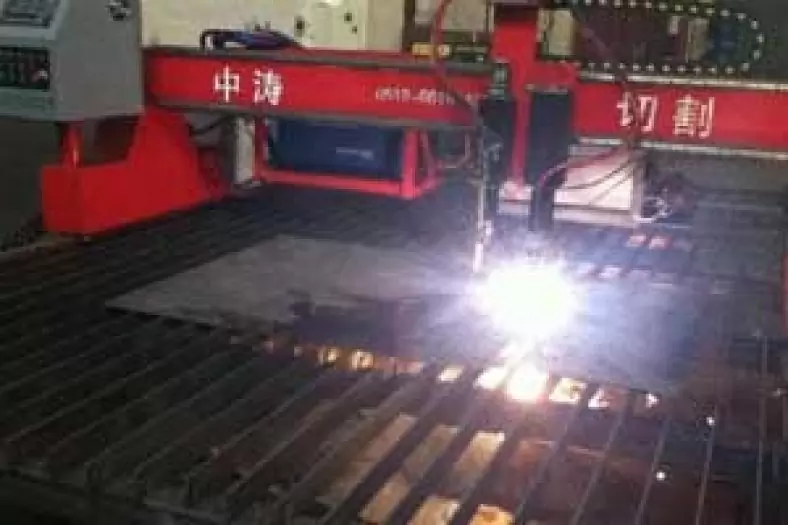
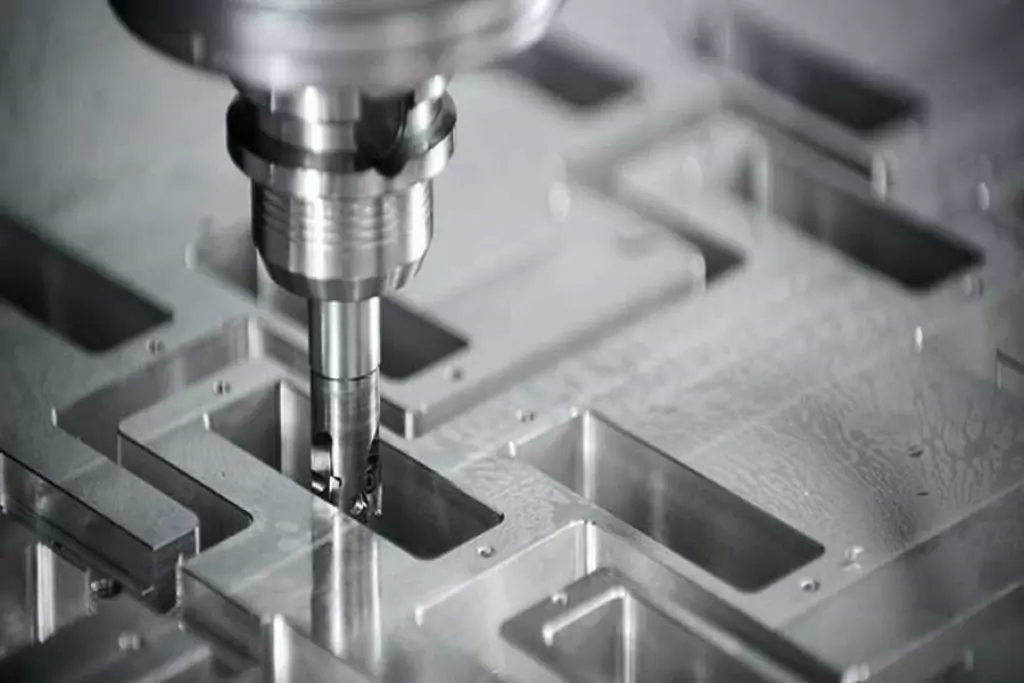
The Detail Of BE-CU Cnc Machining Shop
BE-CU.COM – As an accomplished CNC machining Service Manufacturer and CNC shop, BE-CU Prototype has been specialized in OEM CNC lathing, custom CNC machining parts production and rapid CNC machining services China for over 35 years and always maintaining the highest standard in delivery speed and reliable quality of precision CNC manufacturing components. With the help of high-level technology and efficient equipment, as well as rigorous attitude, BE-CU passed the ISO9001:2015 quality certification, which supports the long-term development of CNC milling services, CNC turning services, CNC milling-turning, CNC drilling services, 3/4/5 axis machining, gear machining services, CNC machining China custom parts and service, small parts machining, etc.Our CNC machining products can be utilized in a broad range of industries. Contact us for email: [email protected]
-
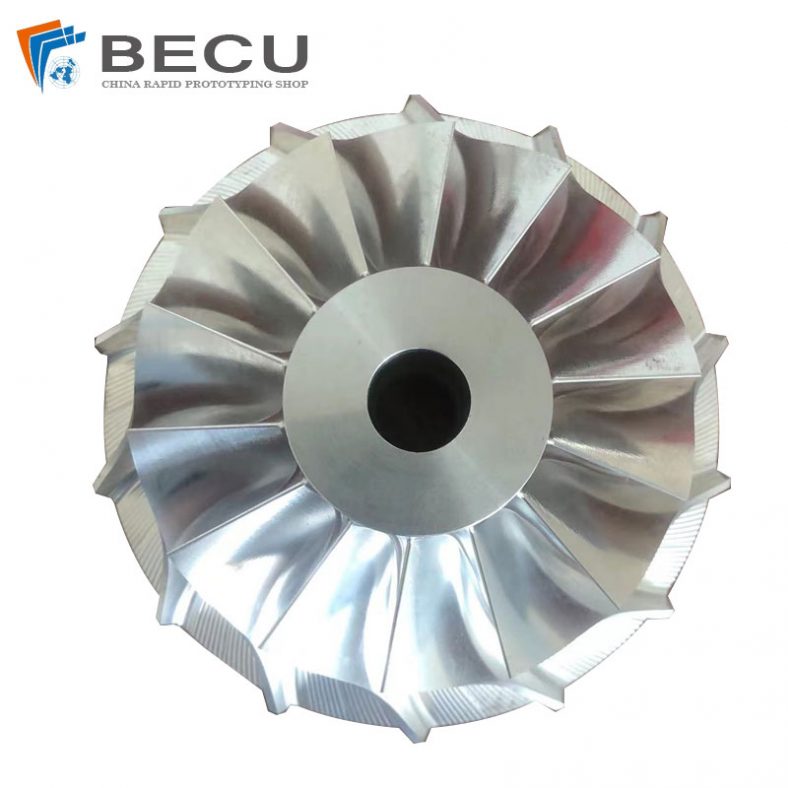
3-Way Centrifugal Compressor Closed Impeller By 5 Axis Machining
-
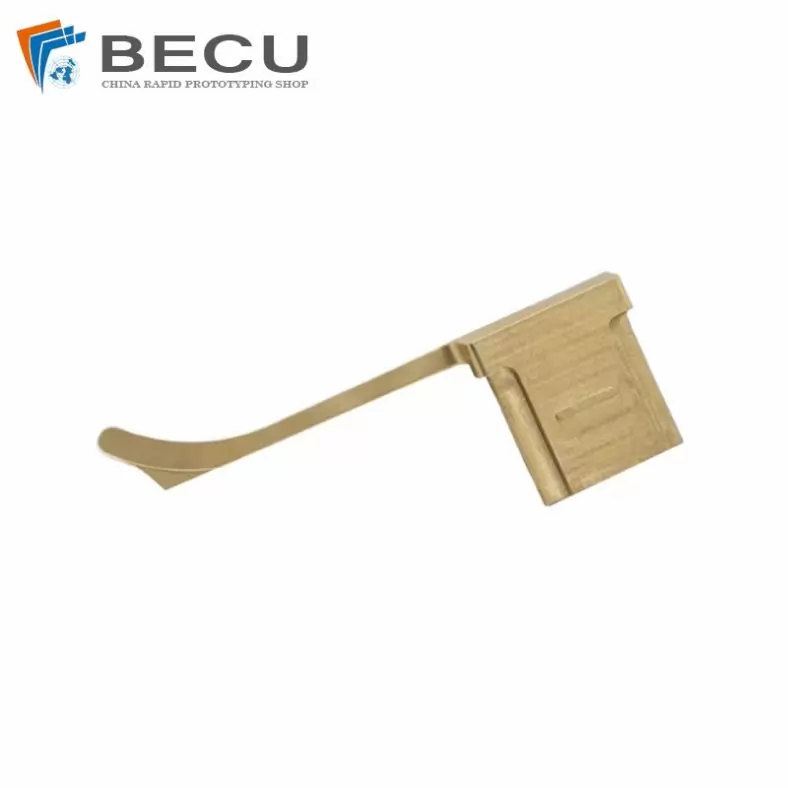
3/4/5 Axis Precision Milling Custom Vehicle Parts
-
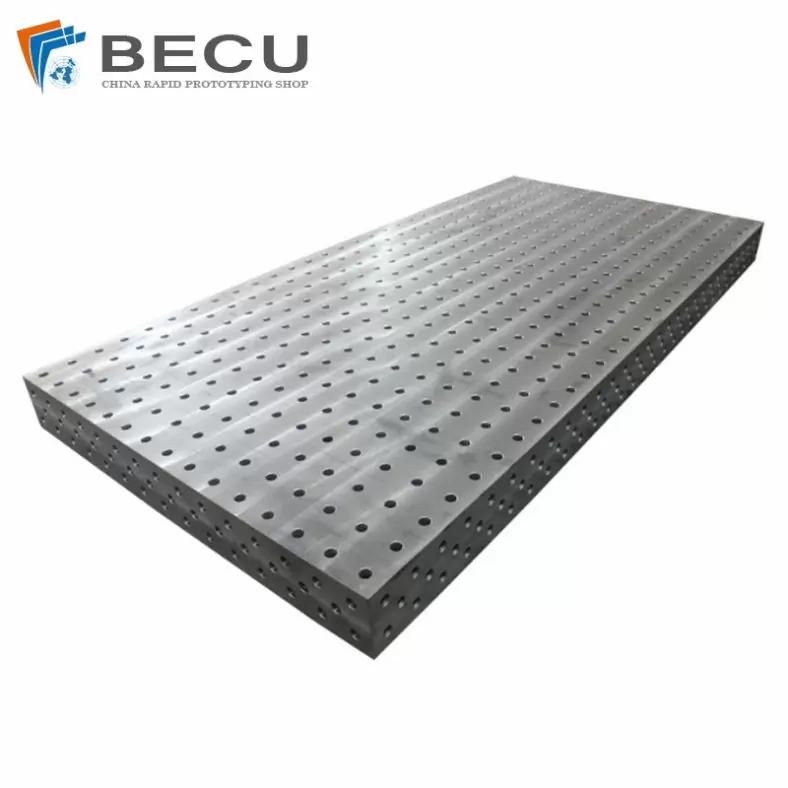
3D Flexible Welding Platform By Large Machining
-
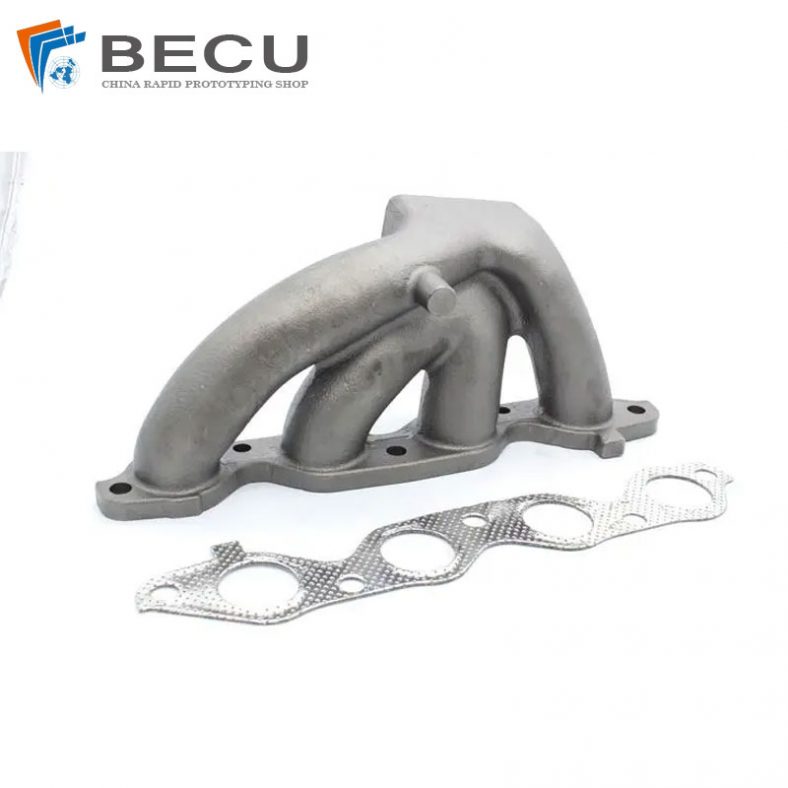
3D Printed Inconel Exhaust Manifold
-
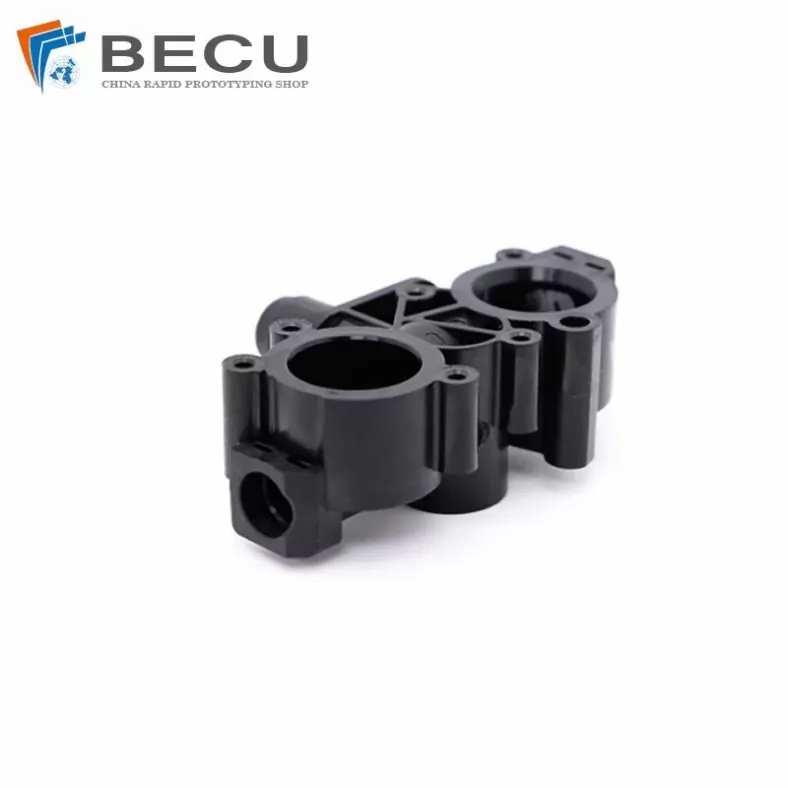
3D Printing And CNC Machining Custom Black PPS Valve
-
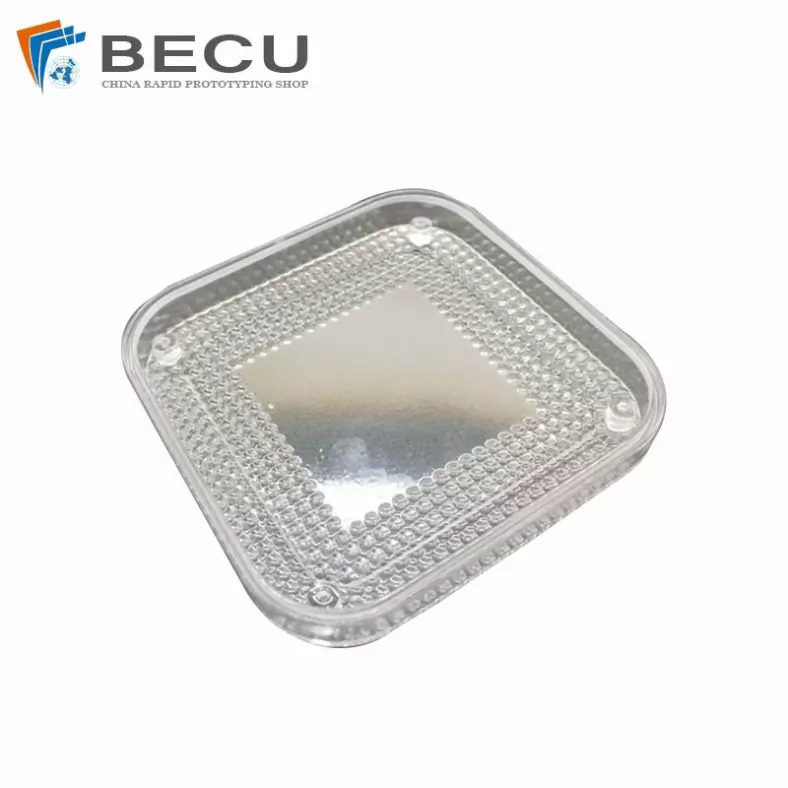
3D Printing Full Transparent Acrylic Lampshade Model
-
4 Axis CNC Machining Titanium Grade 5 Mobile Phone Buttons
-
4 Axis Machining Highly Transparent Acrylic LED Tunnel Light Lens