
Corrosion-resistant alloys (CRAs) are a group of metallic materials engineered to resist degradation through various forms of corrosion, such as oxidation, pitting, crevice corrosion, and galvanic corrosion. These alloys are typically made by combining metals with specific properties that enhance their ability to withstand harsh environments, including exposure to moisture, acids, high temperatures, and aggressive chemicals. The study of CRAs is a crucial aspect of materials science, particularly in industries where the longevity and reliability of metal components are vital. These alloys play an essential role in applications across diverse fields, including chemical processing, oil and gas production, aerospace, marine engineering, and medical devices.
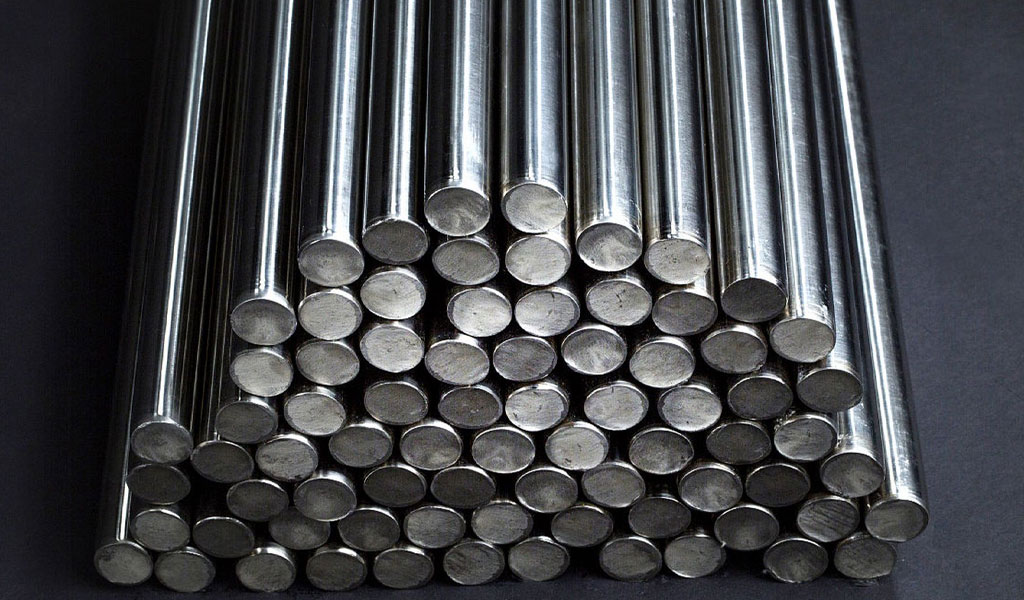
Introduction to Corrosion and Its Impact
Corrosion is the natural process of material degradation due to chemical reactions with the environment. It primarily affects metals and alloys, leading to the formation of unwanted products such as rust or scale. When metals react with moisture and oxygen, they form metal oxides, which weaken the material and can compromise the integrity of structures or components. This process is often accelerated by factors such as elevated temperatures, saltwater, acidic conditions, and the presence of corrosive gases like sulfur dioxide.
Corrosion is a significant concern in various industries, as it leads to substantial maintenance costs, unscheduled downtimes, and, in extreme cases, catastrophic failure of critical components. The need to prevent or mitigate corrosion has led to the development of specialized alloys that are resistant to these processes. Corrosion-resistant alloys are designed to perform in environments where traditional metals might fail, offering extended service life and improved reliability.
Types of Corrosion Resistant Alloys
Corrosion-resistant alloys can be broadly categorized based on the metals they are composed of and the specific corrosion mechanisms they are designed to combat.
These alloys are primarily classified into stainless steels, high-performance alloys, and special alloys, with each group having unique properties suited for particular applications.
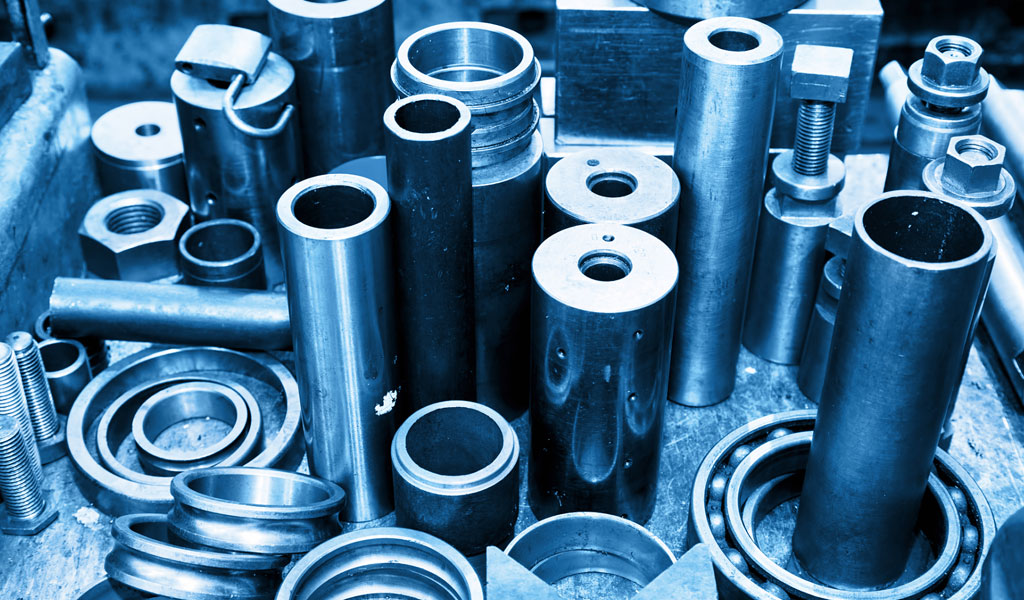
Stainless Steels
Stainless steels are among the most widely used corrosion-resistant alloys. They primarily contain iron, chromium, and nickel, with other elements such as molybdenum, manganese, and nitrogen often added to enhance specific properties. The chromium content in stainless steels, typically ranging from 10.5% to 30%, is responsible for the formation of a passive oxide layer on the surface, which provides resistance to corrosion. This oxide layer is self-healing, meaning that if it is damaged, it will reform in the presence of oxygen.
Stainless steels are commonly classified into several grades, each with distinct corrosion-resistant properties:
- Austenitic Stainless Steels: These are the most commonly used type of stainless steel and include grades such as 304 and 316. Austenitic stainless steels are non-magnetic and offer excellent corrosion resistance, especially in acidic environments. Grade 316, in particular, is highly resistant to chlorides and is often used in marine environments.
- Ferritic Stainless Steels: Ferritic stainless steels, such as grade 430, are magnetic and are generally more resistant to stress corrosion cracking. They are often used in automotive applications, where exposure to exhaust gases is a concern.
- Martensitic Stainless Steels: Martensitic stainless steels, like grades 410 and 420, are strong and wear-resistant. While their corrosion resistance is lower compared to austenitic grades, they can be used in applications where strength is the primary requirement.
- Duplex Stainless Steels: These alloys combine the properties of austenitic and ferritic stainless steels. They offer enhanced resistance to stress corrosion cracking and pitting corrosion. A common grade is 2205, which is used in chemical processing, marine environments, and wastewater treatment.
- Precipitation-Hardening Stainless Steels: These alloys, such as 17-4 PH, achieve their high strength through a heat treatment process. They combine the corrosion resistance of austenitic stainless steels with the mechanical properties of martensitic steels.
High-Performance Alloys
High-performance alloys are designed for extreme environments, such as high temperatures, high pressures, and exposure to aggressive chemicals. These alloys include:
- Nickel Alloys: Nickel-based alloys are known for their excellent resistance to high-temperature oxidation and corrosion. In addition to nickel, they often contain other elements like chromium, molybdenum, and titanium to enhance their properties. Notable examples include alloys such as Inconel 625, Inconel 718, and Monel. These alloys are used in applications like jet engines, power generation, and chemical processing, where other materials would quickly degrade.
- Cobalt Alloys: Cobalt-based alloys, such as Stellite, are highly resistant to wear, erosion, and corrosion at elevated temperatures. They are commonly used in applications like turbine blades, valve seats, and bearings.
- Titanium Alloys: Titanium and its alloys are known for their exceptional resistance to corrosion, particularly in environments like seawater and chloride-rich solutions. Grade 5 titanium, for example, is widely used in aerospace, medical implants, and marine applications due to its strength-to-weight ratio and biocompatibility.
- Hastelloy: Hastelloy alloys are a family of corrosion-resistant superalloys that contain significant amounts of nickel, molybdenum, and chromium. They are resistant to a wide range of corrosive environments, including hydrochloric acid, sulfuric acid, and chlorine. These alloys are commonly used in chemical processing and nuclear applications.
- Alloy 20: Alloy 20 is a high-nickel alloy with superior resistance to sulfuric acid, a common corrosive medium in industries such as chemical manufacturing and food processing.
Special Alloys
Special alloys are tailored to meet specific requirements for extreme environments, including high radiation exposure, extreme pressures, or highly acidic conditions. Examples of special alloys include:
- Zirconium Alloys: Zirconium is highly resistant to corrosion by acids, especially hydrochloric and sulfuric acids, making it ideal for use in chemical reactors and in the nuclear industry for fuel cladding.
- Tantalum Alloys: Tantalum is a rare and highly corrosion-resistant metal, often used in medical implants, electronic components, and chemical processing equipment due to its resistance to nearly all acids and alkalis.
- Platinum Alloys: Platinum alloys, often mixed with other metals such as iridium, are used in applications where extreme corrosion resistance is required, such as in the manufacture of laboratory equipment and catalytic converters.
Corrosion Mechanisms and How CRAs Combat Them
Corrosion can manifest in various forms, each of which poses unique challenges to materials. Understanding these mechanisms is crucial for selecting the appropriate corrosion-resistant alloy for a specific application.
Pitting Corrosion
Pitting corrosion occurs when localized areas of the metal surface become more susceptible to corrosion than the surrounding areas. This results in the formation of small pits or holes. Pitting is commonly caused by the presence of aggressive ions like chlorides, which can break down the protective oxide layer on the surface of the material.
Corrosion-resistant alloys, especially those containing high levels of chromium and molybdenum, are highly effective in preventing pitting corrosion. For instance, alloys like 316 stainless steel and Hastelloy C-276 are known for their resistance to pitting in chloride-rich environments.
Crevice Corrosion
Crevice corrosion is a localized form of corrosion that occurs in confined spaces, such as under gaskets or washers, where the flow of corrosive agents is restricted. This form of corrosion can be particularly destructive in marine and chemical processing environments.
To combat crevice corrosion, CRAs are often formulated with higher levels of chromium, molybdenum, and nitrogen. Alloys like duplex stainless steel (2205) and Inconel 625 are designed to withstand crevice corrosion in demanding environments.
Stress Corrosion Cracking
Stress corrosion cracking (SCC) occurs when a material is subjected to both tensile stress and a corrosive environment, leading to the formation of cracks. This can be a significant concern in industries such as aerospace and petrochemical production.
Alloys that are resistant to stress corrosion cracking typically feature high levels of alloying elements such as nickel and molybdenum. For example, Inconel alloys are known for their resistance to SCC in high-temperature and corrosive environments.
Galvanic Corrosion
Galvanic corrosion occurs when two dissimilar metals are in electrical contact with each other in the presence of an electrolyte. The metal with a lower electrochemical potential corrodes at an accelerated rate.
To mitigate galvanic corrosion, CRAs are chosen to match the environmental conditions and reduce the risk of forming galvanic couples. In marine environments, for example, aluminum alloys and stainless steels are often paired together in a way that minimizes the risk of galvanic corrosion.
Oxidation and High-Temperature Corrosion
Oxidation occurs when metals react with oxygen at high temperatures, forming a metal oxide layer on the surface. While this oxide layer can sometimes act as a protective barrier, at elevated temperatures, it can degrade, leading to further corrosion.
Alloys designed to resist oxidation typically contain elements like chromium and aluminum, which form stable oxide layers. Nickel-based alloys, such as Inconel, are particularly resistant to high-temperature oxidation, making them ideal for use in gas turbines and power plants.
Applications of Corrosion Resistant Alloys
Corrosion-resistant alloys are used in a wide range of industries where the prevention of material degradation is critical to performance, safety, and longevity.
Chemical Processing Industry
In the chemical processing industry, equipment often comes into contact with aggressive chemicals and acids that can rapidly degrade conventional materials. Alloys such as Hastelloy and Alloy 20 are commonly used for piping, tanks, heat exchangers, and reactors, offering long service lives and minimizing downtime due to corrosion-related failures.
Oil and Gas Industry
The oil and gas industry relies heavily on corrosion-resistant alloys to withstand harsh conditions found in deep-sea exploration, offshore drilling, and pipeline transport. Materials such as duplex stainless steel, Inconel, and titanium alloys are used in subsea equipment, wellheads, and gas processing facilities, where exposure to high-pressure, high-temperature, and saline environments is common.
Aerospace Industry
Aerospace components are exposed to extreme temperature fluctuations, high-altitude conditions, and corrosive environments, including saltwater during takeoff and landing. Alloys such as Inconel and titanium are used in turbine blades, heat exchangers, and other critical components to ensure the durability and reliability of aircraft and spacecraft.
Marine Industry
The marine industry is another sector that requires materials capable of resisting corrosion from seawater and salt-laden air. Stainless steels, titanium, and nickel-based alloys are commonly used in ship hulls, offshore platforms, and desalination plants to withstand the corrosive effects of saltwater.
Medical Industry
In the medical industry, corrosion-resistant alloys are used to manufacture implants, surgical tools, and medical devices that need to be both biocompatible and durable. Titanium alloys, in particular, are favored for implants due to their resistance to corrosion in bodily fluids and their excellent biocompatibility.
Food Processing Industry
The food processing industry requires materials that can resist corrosion from acidic or saline substances while ensuring the safety and hygiene of food products. Stainless steels, particularly grades like 304 and 316, are widely used in food processing equipment such as tanks, pipes, and conveyors.
Challenges in Developing Corrosion Resistant Alloys
While corrosion-resistant alloys offer significant advantages, their development comes with challenges. Producing alloys with optimal properties requires a precise balance of various elements, and the performance of an alloy can vary depending on the specific environmental conditions to which it is exposed. Moreover, the cost of high-performance alloys such as Inconel or Hastelloy is often higher than that of standard stainless steels, which can limit their use in some applications.
Another challenge is the need for continuous research to improve the corrosion resistance of alloys in emerging fields, such as advanced energy systems, deep-sea exploration, and nuclear reactors. As environmental regulations tighten and demand for sustainable materials grows, the development of new, more eco-friendly corrosion-resistant alloys will likely become a focal point for the materials science community.
Conclusion
Corrosion-resistant alloys are indispensable materials in industries where metal degradation would lead to significant operational, safety, and financial challenges. By understanding the various corrosion mechanisms and selecting the appropriate alloys, engineers can ensure the longevity and reliability of critical infrastructure and equipment. As technology advances and new materials are developed, the role of corrosion-resistant alloys will continue to evolve, helping to address the growing demands of modern industry while reducing the impact of corrosion on the environment and on the economy.
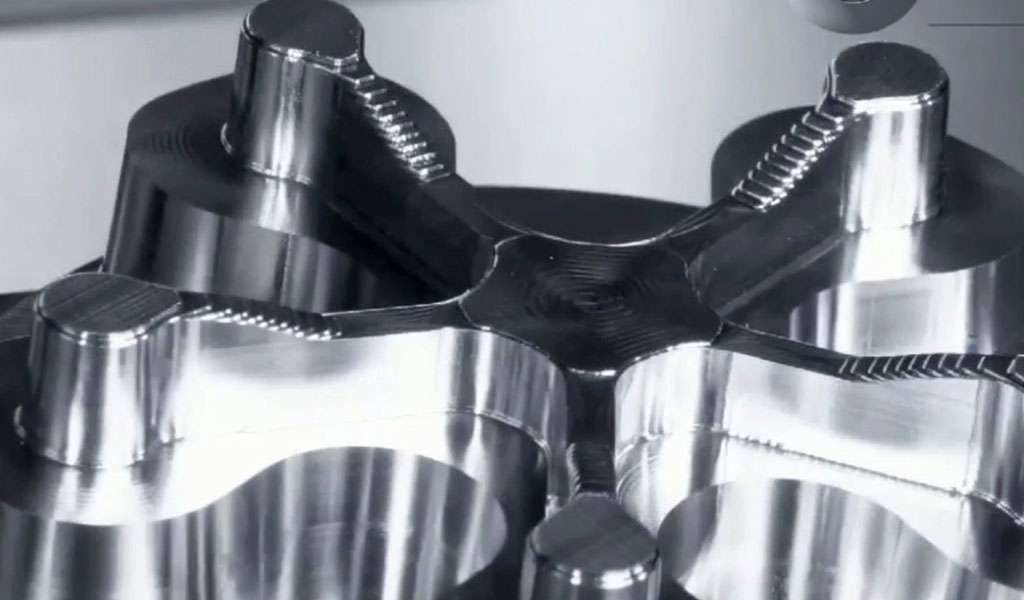
Working With An Experienced Custom Superalloys Parts Partner
Looking for reliable, quick-turn superalloys fabrication services suppliers and superalloys product manufacturers? Working with a specialized and seasoned manufacturer can help you save time and money, Be-cu is one of these options. Based on decades of experience in superalloys fabrication services, our engineers, designers, and technicians are capable to optimize the product design, prototypes building, material selection, and superalloy parts production.
Under normal cutting conditions, the surface layer of superalloy will have problems such as excessive hardening layer, residual stress, white layer, black layer, and grain deformation layer.Services including:
We also have a well-equipped machine shop and advanced manufacturing facilities to deliver custom superalloy parts with simple or complex geometries, applying various technologies including milling, turning, drilling, wire EDM, grinding, or other machining processes, as well as finishing services and more fabrication methods. Whether you want to reach high precision, repeatability, or tight tolerances, our superalloy manufacturing parts will match your needs. For the best superalloy fabrication company, look no further than Be-cu, welcome to send your inquiry to us.
-
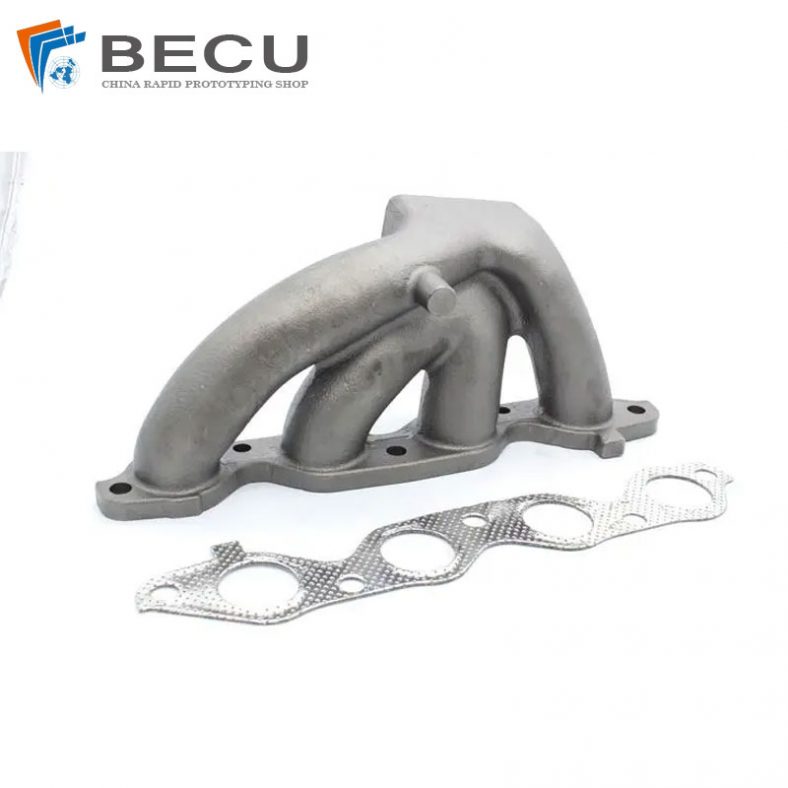
3D Printed Inconel Exhaust Manifold
-
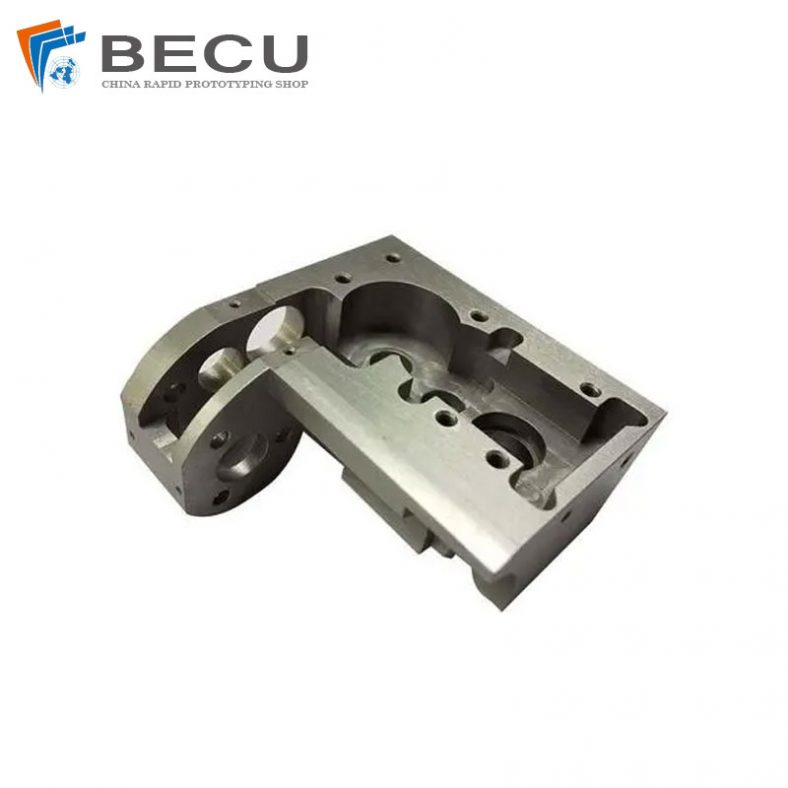
Crawler Robot Components for Oil Pipeline Interior Walls
-
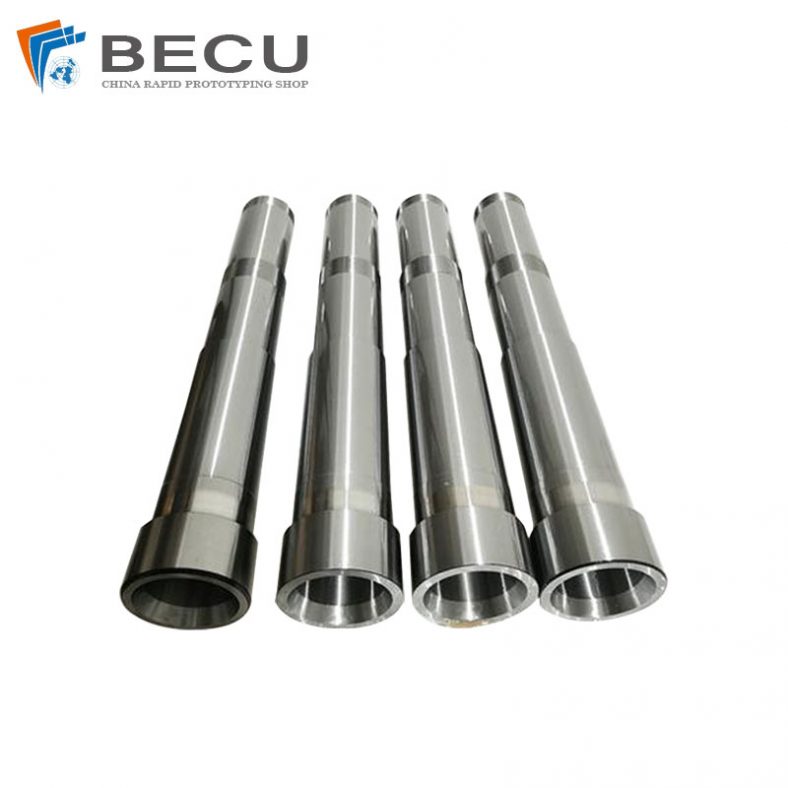
Restoration of Petroleum Splined Shafts through Supersonic Thermal Spray Coating
-
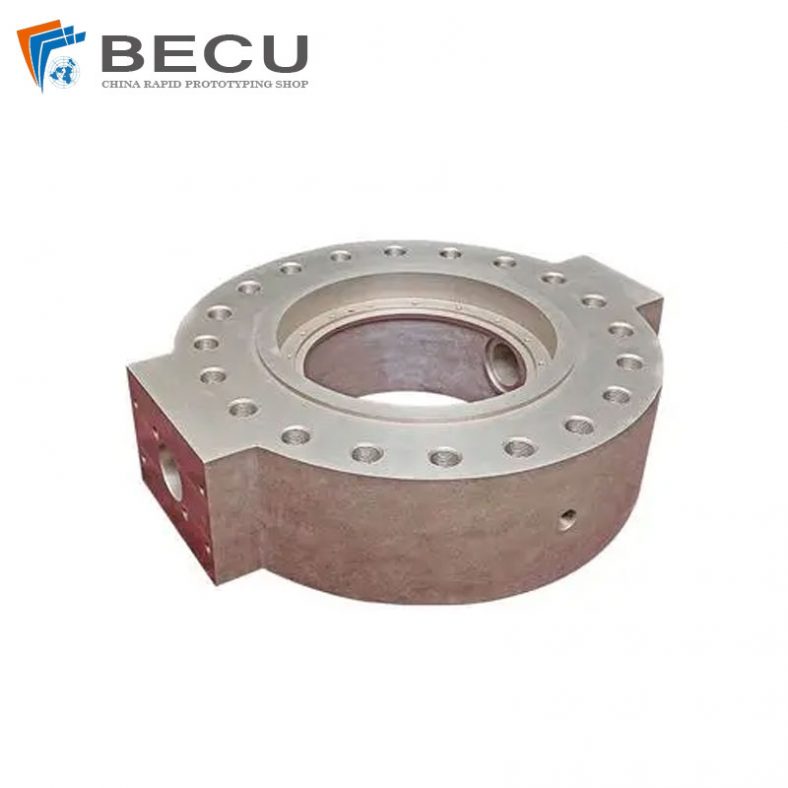
CNC Machining Monel K500 Butterfly Valve
-

Large CNC Turning Inconel 625 Automobile Engine Camshafts
-
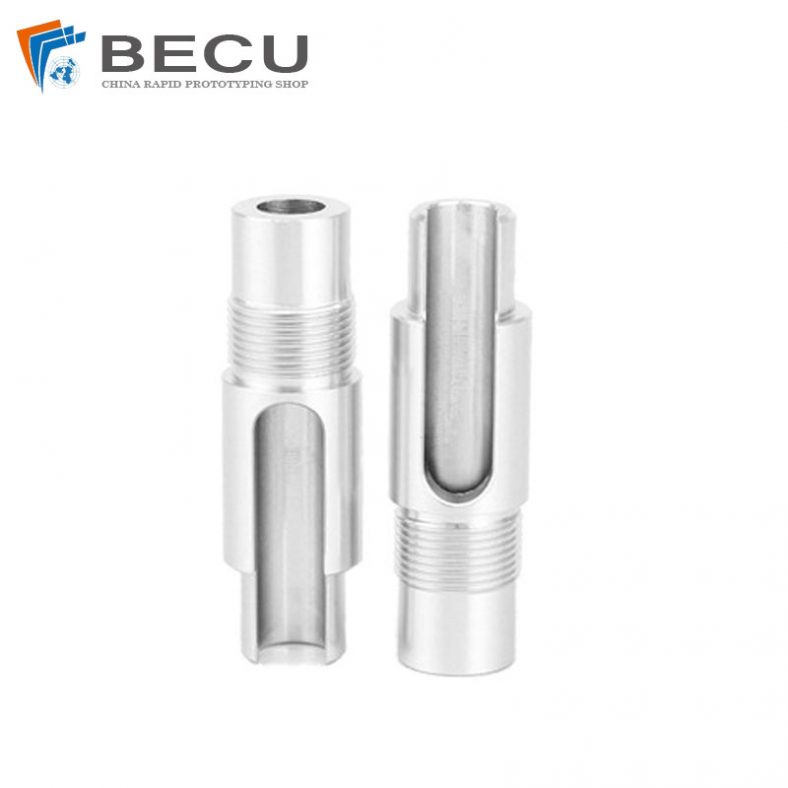
CNC Turn-Mill Machining Hastelloy c276 Parts
-
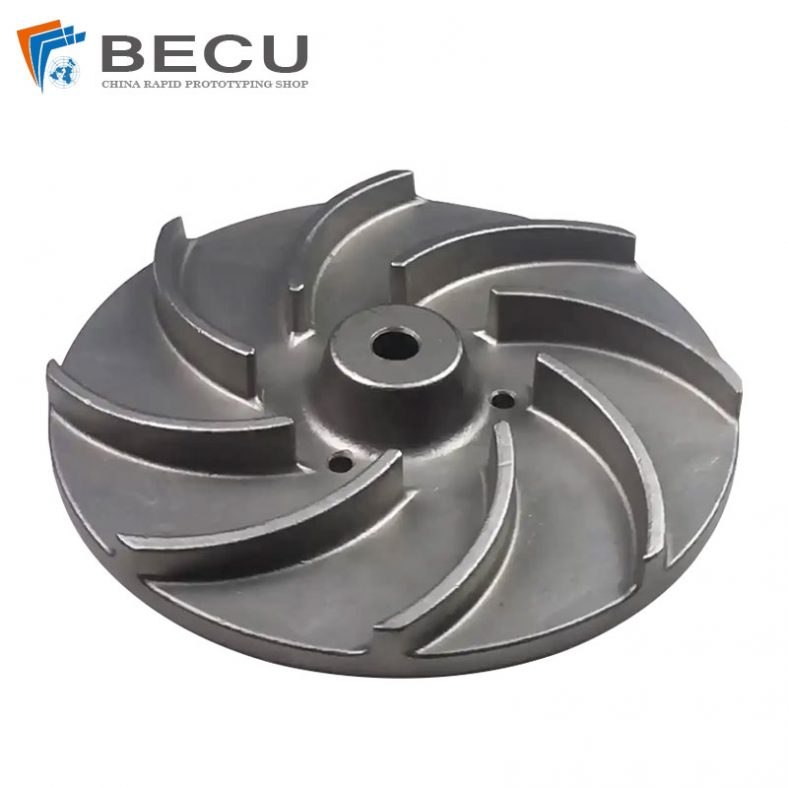
Precision CNC Machining Inconel 718 Cast Impeller
-
Micro CNC Machining Kovar 4J29 Medical Implant
-
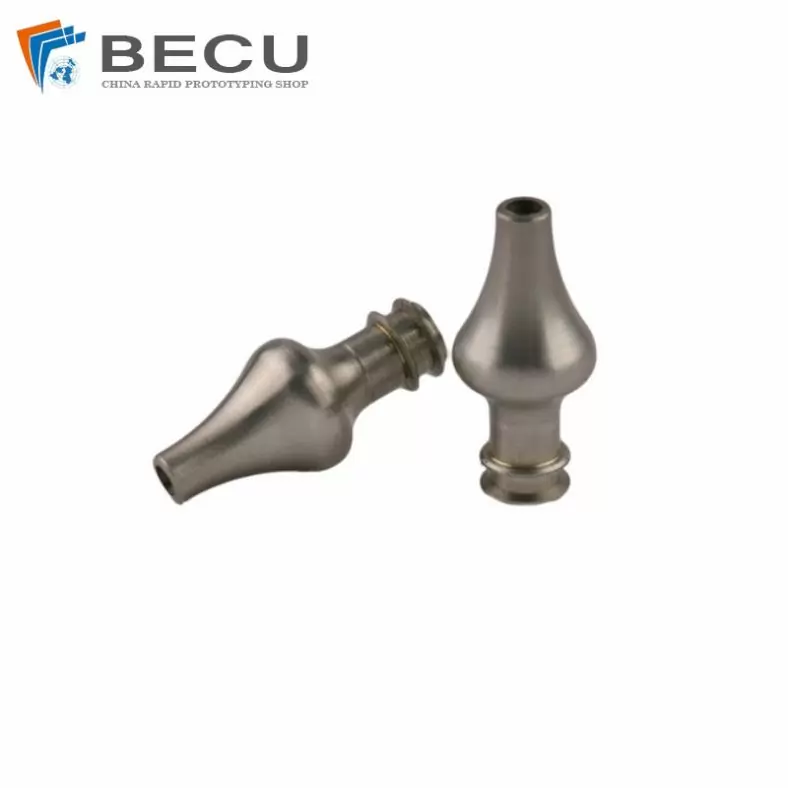
Turn-Mill Cnc Machining Kovar 4j29 Parts