
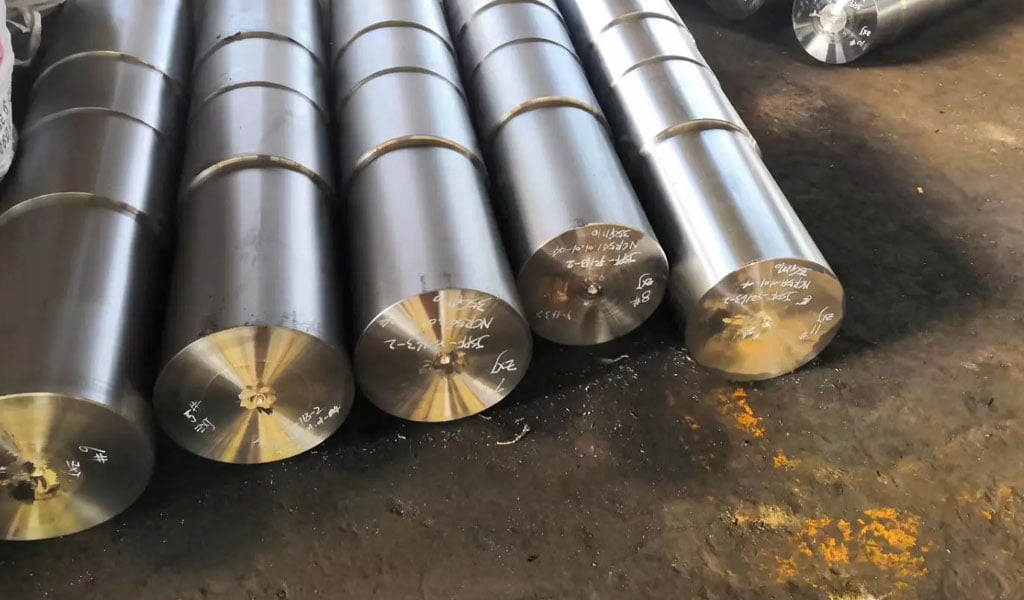
CPM MagnaCut is a high-performance stainless steel specifically engineered for knifemaking, developed through a collaboration between metallurgist Dr. Larrin Thomas and Crucible Industries. Introduced in 2021, it represents a significant advancement in powder metallurgy (PM) stainless steels, offering a unique balance of toughness, edge retention, and corrosion resistance that sets it apart from other premium knife steels. Named with “Magna” (Latin for “great” or “awesome”) and “Cut” to reflect its heritage with Vanadium Alloys Steel Company (VASCO) naming conventions, MagnaCut has quickly gained popularity among knife enthusiasts, manufacturers, and professionals for its versatility and exceptional performance across a wide range of applications.
This article provides a comprehensive exploration of CPM MagnaCut steel, detailing its chemical composition, hardness (HRC), mechanical properties, equivalent steels, pricing considerations, and a detailed comparison with CPM S30V, another well-regarded knife steel. The discussion is supported by scientific data, testing results, and comparative tables to provide a thorough understanding of this innovative material.
Development and History
The development of CPM MagnaCut steel is rooted in the pursuit of an ideal knife steel that combines high toughness, excellent edge retention, and superior corrosion resistance—qualities that are often mutually exclusive in traditional stainless steels. Dr. Larrin Thomas, a renowned metallurgist and author of Knife Engineering: Steel, Heat Treating, and Geometry, spearheaded the project, drawing on his expertise in metallurgy and his passion for knives, influenced by his father, Devin Thomas, a noted knifemaker. The goal was to create a stainless steel that matched the toughness of non-stainless tool steels like CPM 4V or CPM CruWear while maintaining corrosion resistance comparable to premium stainless steels such as CPM 20CV or Vanax.
Historically, knife steels have often been adapted from industrial applications, such as tool and die manufacturing or high-speed steels, rather than being designed specifically for blades. For example, steels like 440C, D2, and even early powder metallurgy steels like S60V were developed for broader industrial purposes. The introduction of CPM S30V in 2001, a collaboration between Crucible Industries and knifemaker Chris Reeve, marked a significant milestone as one of the first steels tailored specifically for knives. However, S30V and its successors, such as S35VN and S45VN, still faced trade-offs, particularly in balancing toughness and corrosion resistance due to the presence of chromium carbides in their microstructure.
Dr. Thomas identified a gap in the knife steel market: no stainless steel could achieve the toughness of non-stainless tool steels while maintaining high corrosion resistance and edge retention. Traditional stainless steels with high chromium content (17–20%) often formed large chromium carbides, which reduced toughness and limited the amount of “free” chromium available for corrosion resistance. Non-stainless steels like CPM 3V or CPM 4V, while exceptionally tough, lacked adequate corrosion resistance for applications in humid or marine environments. MagnaCut was designed to bridge this gap by minimizing chromium carbide formation, optimizing the microstructure for toughness, and leveraging powder metallurgy to achieve a fine, uniform carbide structure.
The development process involved collaboration with Crucible Industries, a leader in powder metallurgy steels, and Niagara Specialty Metals, which handles the hot rolling and distribution of Crucible’s knife steels. Unlike earlier eras when Crucible could produce small pilot heats for testing, modern constraints required a full-scale production heat of several thousand pounds, making the project a high-stakes endeavor. Dr. Thomas’s experimental data and predictive models convinced Crucible to proceed, and the first heat of MagnaCut, produced in 2021, met or exceeded expectations, marking a breakthrough in knife steel technology. Since its release, MagnaCut has been adopted by high-end knife manufacturers such as Spyderco, Benchmade, and Hogue, particularly for their Salt and Water series knives designed for marine environments.
Chemical Composition
The chemical composition of CPM MagnaCut is carefully engineered to achieve its desired balance of properties. Unlike traditional stainless steels, which typically contain 14–20% chromium, MagnaCut has a lower chromium content of 10.7%, which reduces the formation of chromium carbides and maximizes the amount of chromium in solution for corrosion resistance. The inclusion of vanadium, niobium, and nitrogen further enhances its mechanical properties. Below is a detailed breakdown of MagnaCut’s composition, with explanations of each element’s role:
- Carbon (C): 1.15% – Carbon increases hardness, tensile strength, and wear resistance by forming carbides with elements like vanadium and niobium. The moderate carbon content in MagnaCut ensures sufficient hardness without compromising toughness.
- Chromium (Cr): 10.7% – Chromium is the primary element responsible for corrosion resistance, forming a passive chromium oxide layer on the steel’s surface. By minimizing chromium carbide formation, MagnaCut maximizes the free chromium available for corrosion protection, achieving stainless-like performance with less chromium than traditional stainless steels.
- Vanadium (V): 4.0% – Vanadium forms hard vanadium carbides, which significantly enhance wear resistance and edge retention. These carbides are finer and harder than chromium carbides, contributing to MagnaCut’s toughness and grindability.
- Molybdenum (Mo): 2.0% – Molybdenum improves hardness, machinability, and corrosion resistance, particularly in pitting and crevice corrosion scenarios. It also enhances the steel’s resistance to deformation under stress.
- Niobium (Nb): 2.0% – Niobium forms fine niobium carbides, which refine the grain structure, improving toughness and wear resistance. This element is relatively rare in knife steels and gives MagnaCut a unique advantage in microstructural control.
- Nitrogen (N): 0.2% – Nitrogen enhances hardness and corrosion resistance, particularly in stainless steels. It works synergistically with chromium and molybdenum to improve pitting resistance in harsh environments like saltwater.
This composition is distinct from other knife steels, as it avoids the large chromium carbides found in steels like S30V, M390, or Elmax. The fine carbide structure, achieved through the CPM process, results in a steel that is both tough and wear-resistant while maintaining excellent corrosion resistance. The inclusion of niobium and nitrogen, found in fewer than 5 out of approximately 6,500 alloys in metallurgical databases, makes MagnaCut’s composition particularly innovative.
Comparison with CPM S30V Composition:To contextualize MagnaCut’s composition, it is useful to compare it with CPM S30V, a widely used premium knife steel. The table below outlines the chemical compositions of both steels:
| Element | CPM MagnaCut (%) | CPM S30V (%) |
|---|---|---|
| Carbon (C) | 1.15 | 1.45 |
| Chromium (Cr) | 10.7 | 14.0 |
| Vanadium (V) | 4.0 | 4.0 |
| Molybdenum (Mo) | 2.0 | 2.0 |
| Niobium (Nb) | 2.0 | 0.0 |
| Nitrogen (N) | 0.2 | 0.0 |
Analysis:
- Carbon: S30V’s higher carbon content (1.45%) contributes to greater hardness potential but can reduce toughness due to increased carbide formation. MagnaCut’s lower carbon content (1.15%) strikes a balance between hardness and toughness.
- Chromium: S30V’s higher chromium content (14%) provides good corrosion resistance, but much of it is tied up in chromium carbides, reducing its effectiveness. MagnaCut’s lower chromium content (10.7%) is optimized to remain in solution, enhancing corrosion resistance despite the lower percentage.
- Vanadium: Both steels have identical vanadium content (4.0%), ensuring comparable wear resistance through vanadium carbide formation.
- Niobium and Nitrogen: MagnaCut’s inclusion of niobium and nitrogen is a key differentiator, refining the microstructure and enhancing toughness and corrosion resistance, which S30V lacks.
Manufacturing Process
CPM MagnaCut is produced using Crucible Industries’ proprietary Crucible Particle Metallurgy (CPM) process, a sophisticated method that enhances the steel’s properties compared to traditional wrought steels. The CPM process involves several stages:
- Melting and Atomization: Raw materials are melted to create a uniform molten alloy, which is then atomized into fine powder particles using a high-pressure gas stream. This process ensures a homogeneous composition and minimizes alloy segregation.
- Hot Isostatic Pressing (HIP): The powder is compacted under high pressure and temperature in a controlled environment to form dense, uniform billets. This step eliminates porosity and ensures a fine microstructure.
- Hot Rolling: The billets are hot-rolled into sheets or bars by Niagara Specialty Metals, maintaining tight tolerances and ensuring consistent thickness.
- Annealing: The steel is annealed to a soft condition, making it easier for knifemakers to work with before heat treatment.
- Heat Treatment: MagnaCut requires precise heat treatment, including austenitizing (heating to 2000–2100°F), quenching, and tempering (typically at 350°F), often with cryogenic treatment to maximize hardness and toughness.
The CPM process results in a finer, more uniform carbide structure compared to conventional ingot-cast steels, reducing the presence of large carbides that can compromise toughness. MagnaCut’s manufacturing process is further refined to eliminate chromium carbides, a common issue in stainless steels like S30V, by carefully controlling the alloy composition and heat treatment parameters. This allows more chromium to remain in solution, enhancing corrosion resistance, while the fine vanadium and niobium carbides maintain wear resistance and toughness.
In contrast, S30V is also produced using the CPM process, but its higher chromium and carbon content leads to the formation of chromium carbides, which can reduce toughness and limit the amount of free chromium available for corrosion resistance. MagnaCut’s innovative approach to alloy design and processing sets it apart as a next-generation knife steel.
Hardness (HRC)
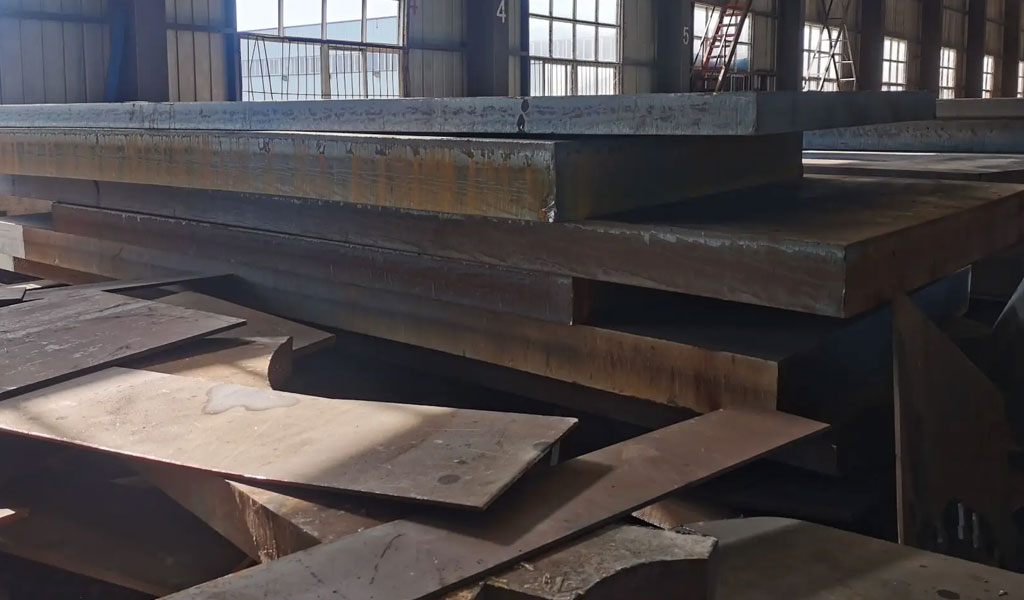
Hardness, measured on the Rockwell C scale (HRC), is a critical factor in determining a knife steel’s edge retention, wear resistance, and toughness. CPM MagnaCut is designed to achieve a hardness range of 60–64 HRC, with an optimal balance around 62.5 HRC for most knife applications. With cryogenic treatment, MagnaCut can reach up to 65 HRC, making it suitable for high-performance knives requiring thin, polished edges, such as Japanese-style kitchen knives.
Heat Treatment Recommendations
The heat treatment process for MagnaCut is tailored to maximize its performance characteristics. According to Crucible Industries and Dr. Larrin Thomas, a typical heat treatment protocol includes:
- Austenitizing: Heat to 2000–2100°F (1093–1149°C) to dissolve carbides and form a martensitic structure.
- Quenching: Rapid cooling in oil or air to lock in the martensitic structure.
- Cryogenic Treatment: Submerging the steel in liquid nitrogen to convert retained austenite to martensite, enhancing hardness.
- Tempering: Double tempering at 350°F (177°C) to relieve stresses and optimize toughness and corrosion resistance.
This protocol allows MagnaCut to achieve hardness levels of 62–64 HRC while maintaining exceptional toughness and corrosion resistance. At 65 HRC, MagnaCut matches the toughness of other premium stainless steels like S35VN at 60–61 HRC, demonstrating its superior balance of properties.
Comparison with S30V Hardness
CPM S30V typically achieves a hardness range of 58–61 HRC, with an optimal range of 59–60 HRC. Its heat treatment involves austenitizing at 1950–2000°F and double tempering at 600°F. While S30V can achieve adequate hardness for most knife applications, its lower toughness at higher hardness levels (above 60 HRC) makes it prone to brittleness and chipping. MagnaCut’s ability to maintain high toughness at hardness levels up to 64 HRC gives it a significant advantage for applications requiring thin edges or heavy-duty use.
| Steel | Typical HRC Range | Optimal HRC | Maximum HRC |
|---|---|---|---|
| CPM MagnaCut | 60–64 | 62.5 | 65 (with cryo) |
| CPM S30V | 58–61 | 59–60 | 61 |
Analysis: MagnaCut’s higher hardness potential (up to 65 HRC) allows for better edge retention and stability, particularly for thin-edged knives. S30V’s lower hardness range makes it easier to sharpen but limits its performance in high-hardness applications.
Mechanical Properties
CPM MagnaCut’s mechanical properties are a defining feature, making it one of the most balanced knife steels available. These properties include toughness, edge retention, wear resistance, and corrosion resistance, each of which is discussed in detail below.
Toughness
Toughness refers to a steel’s ability to resist chipping, cracking, or breaking under impact or lateral stress. MagnaCut exhibits exceptional toughness, comparable to non-stainless tool steels like CPM 4V and CPM CruWear. In Charpy V-notch impact tests, MagnaCut achieves toughness values of 20–35 ft-lbs at 62 HRC, significantly higher than S30V’s 25–28 ft-lbs at 60 HRC. This high toughness is attributed to its fine carbide structure and the absence of large chromium carbides, which can act as stress concentrators in other stainless steels.
MagnaCut’s toughness makes it ideal for larger knives, such as fixed blades used for bushcraft, survival, or chopping, where resistance to chipping is critical. It also supports thinner edge geometries, improving cutting performance without sacrificing durability.
Edge Retention
Edge retention measures how long a knife retains its sharpness during use. MagnaCut’s edge retention is excellent, falling between S30V and S90V in standardized tests like the CATRA (Cutlery and Allied Trades Research Association) test, where it achieves approximately 135% of 440C’s performance. In real-world testing, knifemakers like Phil Wilson have reported that MagnaCut at 62.5 HRC achieves 45 cuts on 3/4-inch manila rope, compared to 40 cuts for S30V at 61 HRC and 60 cuts for S90V. The presence of vanadium and niobium carbides enhances wear resistance, ensuring prolonged sharpness even under heavy use.
While S30V slightly outperforms MagnaCut in pure edge retention due to its higher carbon and chromium carbide content, MagnaCut’s finer carbide structure provides better edge stability, reducing micro-chipping and improving real-world performance for slicing and precision tasks.
Wear Resistance
Wear resistance is closely related to edge retention and is driven by the formation of hard carbides in the steel’s microstructure. MagnaCut’s 4% vanadium and 2% niobium content form fine, hard carbides that provide excellent wear resistance, surpassing steels like CPM 154 and matching or exceeding S30V in most applications. Unlike S30V, which relies on both vanadium and chromium carbides, MagnaCut’s wear resistance comes primarily from vanadium and niobium carbides, which are harder and less prone to causing brittleness.
Corrosion Resistance
Corrosion resistance is one of MagnaCut’s standout features, despite its relatively low chromium content of 10.7%. By minimizing chromium carbide formation, MagnaCut ensures that most of its chromium remains in solution, forming a protective chromium oxide layer on the steel’s surface. In saltwater spray tests, MagnaCut showed no signs of corrosion after 72 hours, outperforming S30V, S35VN, and even CPM 20CV, which has 20% chromium. Its corrosion resistance approaches that of nitrogen-based stainless steels like Vanax and LC200N, making it ideal for marine environments, outdoor knives, and kitchen cutlery.
S30V, with 14% chromium, offers good corrosion resistance, comparable to 440C, but its performance is hindered by chromium carbides, which tie up some of the chromium. MagnaCut’s optimized microstructure provides superior corrosion resistance, particularly in harsh conditions like saltwater exposure.
Grindability and Sharpening
Grindability refers to the ease with which a steel can be ground or machined, while sharpening ease determines how readily a knife can be resharpened. MagnaCut’s fine carbide structure makes it easier to grind than S30V, which requires high cutting force tools like diamond grinding stones due to its larger chromium carbides. Knifemakers report that MagnaCut can be efficiently ground using conventional stones, reducing processing time and costs.
Sharpening MagnaCut is slightly more challenging than simpler steels like 440C due to its high wear resistance, but it is easier than S30V or CPM 20CV because of its finer carbides. Diamond or ceramic abrasives are recommended for optimal sharpening results, but MagnaCut’s edge stability ensures that it maintains sharpness longer, reducing the frequency of sharpening.
Mechanical Properties Comparison Table
The following table compares the mechanical properties of CPM MagnaCut and CPM S30V based on standardized testing and real-world performance:
| Property | CPM MagnaCut | CPM S30V |
|---|---|---|
| Toughness (ft-lbs) | 20–35 (at 62 HRC) | 25–28 (at 60 HRC) |
| Edge Retention (CATRA) | ~135% of 440C | ~130% of 440C |
| Corrosion Resistance | Superior (no corrosion in 72-hour saltwater test) | Good (minor rust in 72-hour saltwater test) |
| Grindability | Easier (fine carbides) | More difficult (larger chromium carbides) |
| Sharpening Ease | Moderate (requires diamond/ceramic abrasives) | More difficult (requires diamond abrasives) |
Analysis: MagnaCut outperforms S30V in toughness and corrosion resistance, with comparable edge retention. Its ease of grinding and sharpening further enhances its appeal for knifemakers and users.
Equivalent Steels
While no steel is an exact equivalent to CPM MagnaCut due to its unique combination of vanadium, niobium, and nitrogen, several steels share similar properties and can be considered partial equivalents. These include:
- CPM 4V: A non-stainless tool steel with high toughness and wear resistance, MagnaCut was designed to match its toughness while adding stainless properties. CPM 4V has a similar vanadium content (4%) but lacks chromium for corrosion resistance.
- Vanadis 4 Extra: Another non-stainless tool steel, Vanadis 4 Extra offers comparable toughness and wear resistance but is not suitable for corrosive environments.
- CPM 20CV: A premium stainless steel with excellent corrosion resistance and edge retention, but lower toughness than MagnaCut due to its high chromium and vanadium content.
- S35VN: An evolution of S30V, S35VN includes niobium for improved toughness but falls short of MagnaCut’s corrosion resistance and toughness at higher hardness levels.
- Vanax: A nitrogen-based stainless steel with exceptional corrosion resistance, Vanax is less tough than MagnaCut but excels in marine environments.
Equivalent Steels Comparison Table
The following table compares MagnaCut with its closest equivalents in terms of composition and properties:
| Steel | Carbon (%) | Chromium (%) | Vanadium (%) | Niobium (%) | Nitrogen (%) | Toughness | Corrosion Resistance | Edge Retention |
|---|---|---|---|---|---|---|---|---|
| CPM MagnaCut | 1.15 | 10.7 | 4.0 | 2.0 | 0.2 | High | Superior | Excellent |
| CPM 4V | 1.35 | 5.0 | 4.0 | 0.0 | 0.0 | High | Poor | Excellent |
| Vanadis 4 Extra | 1.4 | 4.7 | 3.5 | 0.0 | 0.0 | High | Poor | Excellent |
| CPM 20CV | 1.9 | 20.0 | 4.0 | 0.0 | 0.0 | Moderate | Excellent | Superior |
| S35VN | 1.38 | 14.0 | 3.0 | 0.5 | 0.0 | Moderate | Good | Excellent |
| Vanax | 0.2 | 21.0 | 1.55 | 0.0 | 1.1 | Moderate | Superior | Good |
Analysis: MagnaCut’s closest equivalents in toughness are CPM 4V and Vanadis 4 Extra, but its stainless properties make it more versatile. Compared to CPM 20CV and S35VN, MagnaCut offers better toughness and corrosion resistance, while Vanax prioritizes corrosion resistance at the expense of toughness and edge retention.
Applications
CPM MagnaCut’s balanced properties make it suitable for a wide range of knife applications, including:
- Outdoor and Survival Knives: Its high toughness and corrosion resistance make it ideal for fixed blades used in bushcraft, survival, and camping, where knives are subjected to impact, moisture, and harsh conditions.
- Marine and Diving Knives: MagnaCut’s superior corrosion resistance, particularly in saltwater, has led to its adoption in Spyderco’s Salt series and Benchmade’s Water series.
- Kitchen Knives: The steel’s ability to maintain a thin, polished edge at high hardness (up to 65 HRC) makes it suitable for high-performance kitchen cutlery, especially in humid environments.
- Everyday Carry (EDC) Knives: MagnaCut’s balance of edge retention, toughness, and corrosion resistance makes it a popular choice for folding knives used in daily tasks.
- Industrial Cutting Tools: Beyond knifemaking, MagnaCut’s properties are leveraged in mold making, aerospace, and machinery manufacturing, where high performance and durability are required.
Its ease of grinding and fine microstructure also make it a favorite among custom knifemakers, who value its workability and consistent performance.
Price and Availability
CPM MagnaCut is a premium steel, and its price reflects its advanced manufacturing process and high-performance properties. While it is more expensive than conventional steels like 440C or 154CM, its cost is comparable to other powder metallurgy steels like S30V, S35VN, and CPM 20CV. The exact price per ton varies depending on market conditions, but MagnaCut is reported to be slightly more expensive than S30V and S35VN due to its innovative composition and production requirements.
For end users, knives made with MagnaCut typically command a premium over those made with S30V or S35VN, reflecting the steel’s superior performance and recent introduction (2021). For example, a Spyderco Native 5 Salt with a MagnaCut blade may retail for $150–$200, while a similar model with S30V might cost $120–$160. Availability was initially limited due to high demand and production constraints, with orders reportedly scheduled through 2025 shortly after its launch. However, as production has scaled, MagnaCut has become more widely available through manufacturers like Spyderco, Benchmade, Hogue, and Montana Knife Company.
Knifemakers also benefit from MagnaCut’s cost-effectiveness in manufacturing. Its ease of grinding reduces processing time and tool wear compared to S30V, potentially offsetting its higher material cost. For consumers, the decision to invest in a MagnaCut knife depends on their specific needs, such as exposure to corrosive environments or the need for a durable, high-performance blade.
CPM MagnaCut vs. CPM S30V: Detailed Comparison
CPM S30V, introduced in 2001, has long been a benchmark for premium knife steels, offering a strong balance of edge retention, corrosion resistance, and moderate toughness. MagnaCut, as a newer steel, was designed to improve upon S30V’s limitations, particularly in toughness and corrosion resistance. Below is a detailed comparison across key performance metrics, supported by scientific data and real-world testing.
Historical Context
S30V was developed by Crucible Industries in collaboration with knifemaker Chris Reeve, marking a shift toward steels designed specifically for knives. Its introduction revolutionized the knife industry by offering superior edge retention and corrosion resistance compared to earlier steels like 440C and 154CM. However, its toughness was limited by the presence of chromium carbides, and its corrosion resistance, while good, was not sufficient for extreme environments like saltwater exposure.
MagnaCut, introduced two decades later, builds on the lessons learned from S30V and its successors (S35VN, S45VN). By reducing chromium content and eliminating chromium carbides, MagnaCut achieves a level of toughness and corrosion resistance that surpasses S30V, making it a more versatile steel for modern knife applications.
Composition Comparison
As noted earlier, MagnaCut’s composition (1.15% C, 10.7% Cr, 4% V, 2% Mo, 2% Nb, 0.2% N) differs significantly from S30V’s (1.45% C, 14% Cr, 4% V, 2% Mo). The key differences—lower carbon and chromium, and the addition of niobium and nitrogen—enable MagnaCut to achieve a finer microstructure and better corrosion resistance.
Hardness and Heat Treatment
MagnaCut’s ability to reach 62–64 HRC (up to 65 HRC with cryogenic treatment) gives it an edge over S30V’s 58–61 HRC range. This higher hardness supports better edge retention and stability, particularly for thin-edged knives. S30V’s lower hardness makes it easier to sharpen but limits its performance in high-hardness applications.
Toughness
MagnaCut’s toughness is a significant improvement over S30V. At 62 HRC, MagnaCut achieves 20–35 ft-lbs in Charpy V-notch tests, nearly double S30V’s 25–28 ft-lbs at 60 HRC. This makes MagnaCut more resistant to chipping and suitable for larger knives or heavy-duty tasks. S30V’s moderate toughness is adequate for EDC knives but can lead to chipping in demanding applications.
Edge Retention
S30V slightly outperforms MagnaCut in pure edge retention due to its higher carbon content and chromium carbides, achieving approximately 130% of 440C in CATRA tests compared to MagnaCut’s 135%. However, MagnaCut’s finer carbide structure provides better edge stability, reducing micro-chipping and improving real-world performance for slicing and precision tasks. In rope-cutting tests, MagnaCut at 62.5 HRC achieved 45 cuts compared to S30V’s 40 cuts at 61 HRC.
Corrosion Resistance
MagnaCut’s corrosion resistance is superior to S30V’s, despite its lower chromium content. In 72-hour saltwater spray tests, MagnaCut showed no corrosion, while S30V exhibited small rust spots. This is due to MagnaCut’s optimized microstructure, which maximizes free chromium for passivation. S30V’s corrosion resistance is comparable to 440C, suitable for general use but less effective in marine environments.
Grindability and Sharpening
MagnaCut’s fine carbide structure makes it easier to grind and sharpen than S30V, which requires diamond abrasives due to its larger chromium carbides. This improves manufacturing efficiency and reduces maintenance effort for users.
Real-World Performance
In real-world applications, MagnaCut’s balanced properties make it more versatile than S30V. For example:
- Outdoor Knives: MagnaCut’s toughness and corrosion resistance make it ideal for bushcraft and survival knives, where S30V may chip under heavy use.
- Marine Knives: MagnaCut’s superior corrosion resistance is preferred for diving and saltwater environments, as seen in Spyderco’s Native 5 Salt.
- Kitchen Knives: MagnaCut’s high hardness and edge stability are advantageous for thin-edged kitchen knives, while S30V’s moderate toughness limits its suitability.
- EDC Knives: Both steels perform well, but MagnaCut’s ease of sharpening and corrosion resistance give it an edge for daily carry in varied conditions.
MagnaCut vs. S30V Comparison Table
The following table summarizes the key differences between CPM MagnaCut and CPM S30V:
| Characteristic | CPM MagnaCut | CPM S30V |
|---|---|---|
| Carbon (%) | 1.15 | 1.45 |
| Chromium (%) | 10.7 | 14.0 |
| Vanadium (%) | 4.0 | 4.0 |
| Niobium (%) | 2.0 | 0.0 |
| Nitrogen (%) | 0.2 | 0.0 |
| Hardness (HRC) | 60–64 (65 with cryo) | 58–61 |
| Toughness (ft-lbs) | 20–35 (at 62 HRC) | 25–28 (at 60 HRC) |
| Edge Retention | ~135% of 440C | ~130% of 440C |
| Corrosion Resistance | Superior (no corrosion in 72-hour saltwater test) | Good (minor rust in 72-hour saltwater test) |
| Grindability | Easier | More difficult |
| Sharpening Ease | Moderate | More difficult |
| Applications | Outdoor, marine, kitchen, EDC, industrial | EDC, general-purpose knives |
Verdict: MagnaCut is a significant evolution over S30V, offering superior toughness, corrosion resistance, and grindability, with comparable edge retention. It is better suited for demanding applications like outdoor, marine, and kitchen knives, while S30V remains a cost-effective choice for general-purpose EDC knives.
Advantages and Disadvantages
Advantages of CPM MagnaCut
- Exceptional Toughness: Matches non-stainless tool steels like CPM 4V, making it ideal for heavy-duty applications.
- Superior Corrosion Resistance: Outperforms S30V, S35VN, and even CPM 20CV in saltwater tests, ideal for marine and humid environments.
- Excellent Edge Retention: Comparable to S30V and S35VN, with better edge stability due to finer carbides.
- Ease of Grinding: Fine carbide structure reduces tool wear and processing time for knifemakers.
- Versatility: Suitable for a wide range of knives, from EDC folders to large fixed blades and kitchen cutlery.
Disadvantages of CPM MagnaCut
- Cost: Slightly more expensive than S30V and S35VN, reflecting its advanced composition and manufacturing process.
- Sharpening Difficulty: High wear resistance requires diamond or ceramic abrasives, making sharpening more challenging than simpler steels.
- Limited Availability: As a newer steel, supply was initially constrained, though availability has improved since 2021.
Advantages of CPM S30V
- Cost-Effectiveness: More affordable than MagnaCut, with mature production processes.
- Good Edge Retention: Slightly outperforms MagnaCut in pure wear resistance due to higher carbon content.
- Proven Track Record: Widely used for over two decades, with established performance in EDC and general-purpose knives.
Disadvantages of CPM S30V
- Lower Toughness: Prone to chipping in heavy-duty applications compared to MagnaCut.
- Moderate Corrosion Resistance: Less effective in saltwater or humid environments than MagnaCut.
- Difficult to Grind and Sharpen: Larger chromium carbides require specialized tools, increasing manufacturing and maintenance effort.
Market Impact and Adoption
Since its introduction in 2021, CPM MagnaCut has made a significant impact on the knife industry, quickly gaining a reputation as a “game-changer” due to its balanced properties. Major manufacturers like Spyderco, Benchmade, Hogue, and Montana Knife Company have incorporated MagnaCut into their premium knife lines, particularly for applications requiring corrosion resistance and toughness. The steel’s adoption in Spyderco’s Salt series and Benchmade’s Water series underscores its suitability for marine environments.
Custom knifemakers have also embraced MagnaCut for its ease of grinding and consistent performance, allowing for the creation of high-performance blades with minimal processing challenges. The steel’s popularity among enthusiasts is evident in online forums and reviews, with users praising its durability, sharpness, and resistance to rust.
The high demand for MagnaCut led to supply constraints shortly after its launch, with orders reportedly scheduled through 2025. However, increased production capacity at Crucible Industries and Niagara Specialty Metals has improved availability, making MagnaCut more accessible to both manufacturers and consumers.
Future Prospects
The success of CPM MagnaCut suggests a bright future for knife steel development. Its ability to combine the toughness of non-stainless tool steels with the corrosion resistance of premium stainless steels sets a new standard for the industry. Future innovations may build on MagnaCut’s approach, further optimizing alloy compositions and heat treatment processes to achieve even better performance.
Potential areas for improvement include:
- Cost Reduction: Streamlining production processes to make MagnaCut more competitive with S30V and S35VN in terms of price.
- Sharpening Enhancements: Developing coatings or treatments to reduce the need for specialized abrasives during sharpening.
- New Applications: Expanding MagnaCut’s use in industrial cutting tools, aerospace components, and medical instruments, where its properties could offer advantages over existing materials.
As the knife industry continues to evolve, MagnaCut is likely to remain a benchmark for high-performance stainless steels, inspiring further research and development in metallurgy.
Conclusion
CPM MagnaCut represents a paradigm shift in knife steel technology, offering an unprecedented balance of toughness, edge retention, and corrosion resistance. Developed by Dr. Larrin Thomas and produced by Crucible Industries, MagnaCut addresses the limitations of earlier stainless steels like CPM S30V by minimizing chromium carbide formation and incorporating niobium and nitrogen for enhanced performance. Its fine microstructure, achieved through the CPM process, ensures excellent grindability, edge stability, and versatility across a wide range of applications, from outdoor and marine knives to high-performance kitchen cutlery.
Compared to S30V, MagnaCut offers superior toughness, corrosion resistance, and ease of grinding, with comparable edge retention, making it a more versatile choice for demanding environments. While its higher cost and sharpening challenges are notable drawbacks, the steel’s performance justifies its premium status. Supported by scientific data, real-world testing, and widespread adoption by major knife manufacturers, CPM MagnaCut has established itself as one of the best all-around knife steels available today. As production scales and new applications emerge, MagnaCut is poised to remain a cornerstone of the knife industry for years to come.

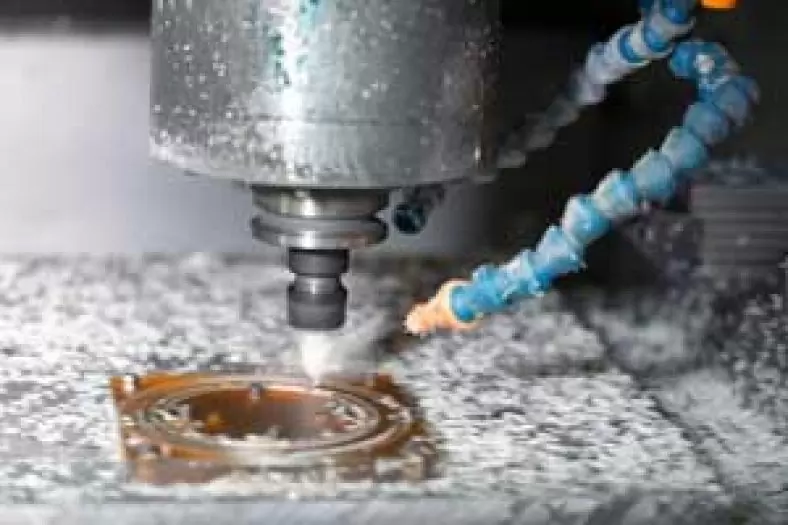
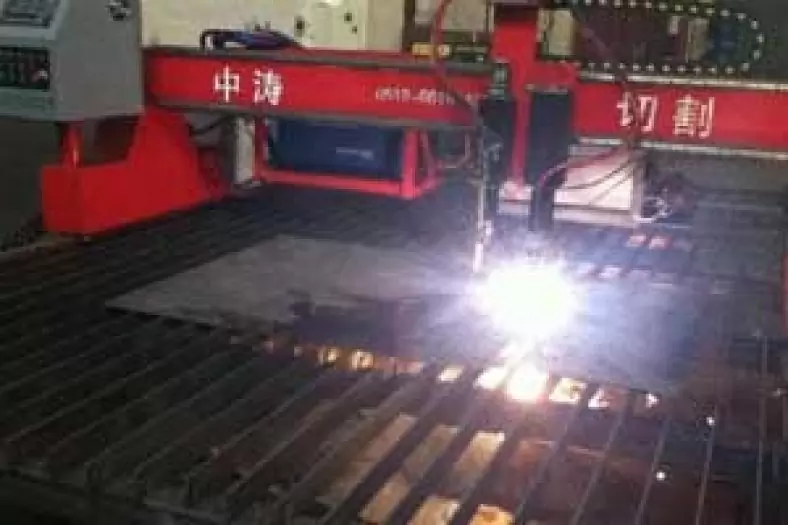
The Detail Of BE-CU Cnc Machining Shop
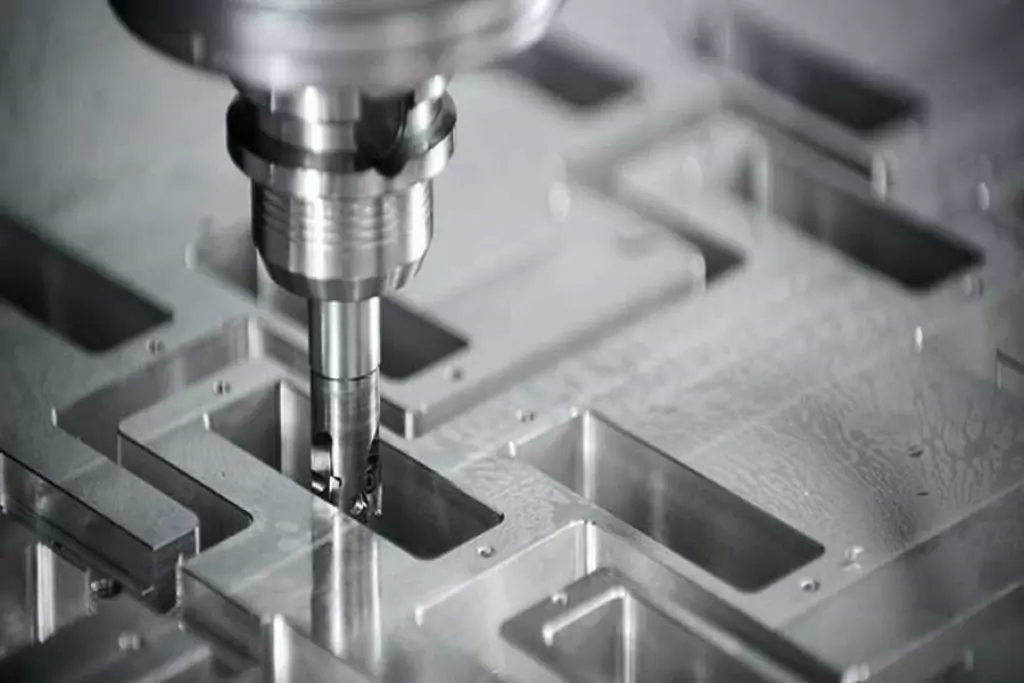
BE-CU.COM – As an accomplished CNC machining Service Manufacturer and CNC shop, BE-CU Prototype has been specialized in OEM CNC lathing, custom CNC machining parts production and rapid CNC machining services China for over 35 years and always maintaining the highest standard in delivery speed and reliable quality of precision CNC manufacturing components. With the help of high-level technology and efficient equipment, as well as rigorous attitude, BE-CU passed the ISO9001:2015 quality certification, which supports the long-term development of CNC milling services, CNC turning services, CNC milling-turning, CNC drilling services, 3/4/5 axis machining, gear machining services, CNC machining China custom parts and service, small parts machining, etc.Our CNC machining products can be utilized in a broad range of industries. Contact us for email: [email protected]
-
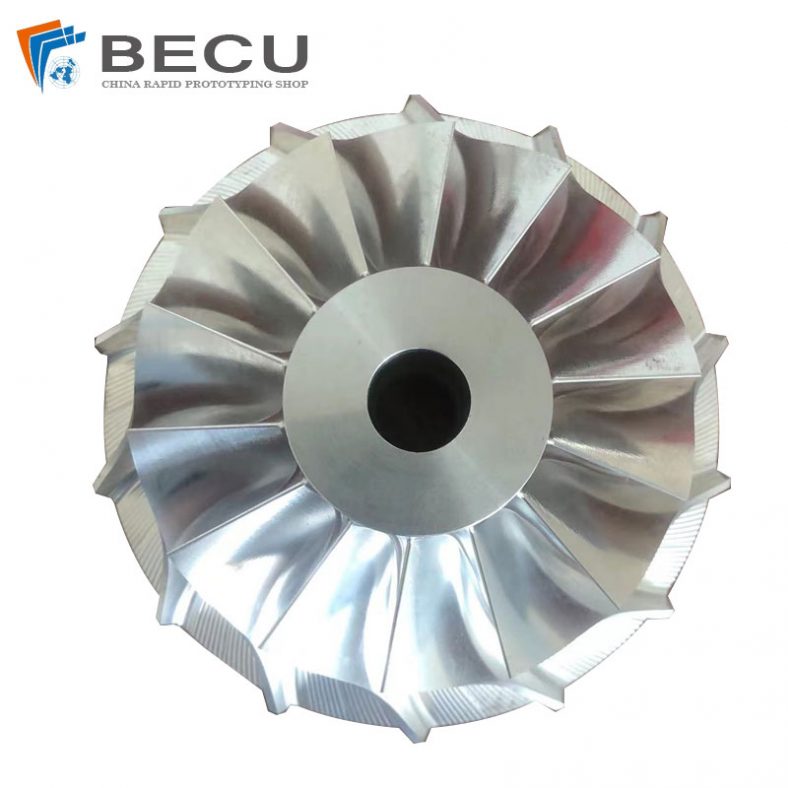
3-Way Centrifugal Compressor Closed Impeller By 5 Axis Machining
-
3/4/5 Axis Precision Milling Custom Vehicle Parts
-
3D Flexible Welding Platform By Large Machining
-
3D Printed Inconel Exhaust Manifold
-
3D Printing And CNC Machining Custom Black PPS Valve
-
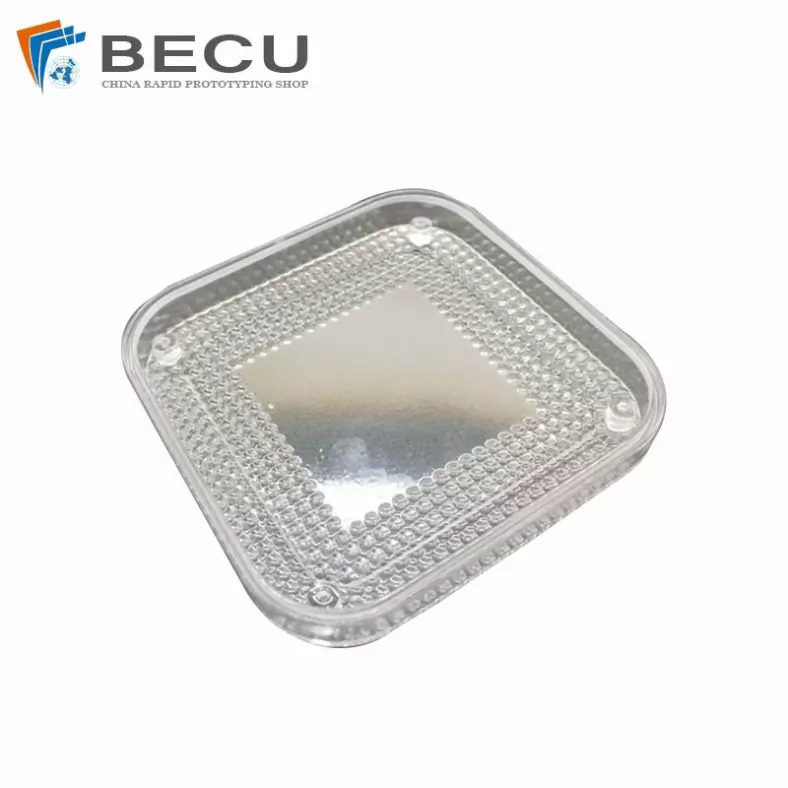
3D Printing Full Transparent Acrylic Lampshade Model
-
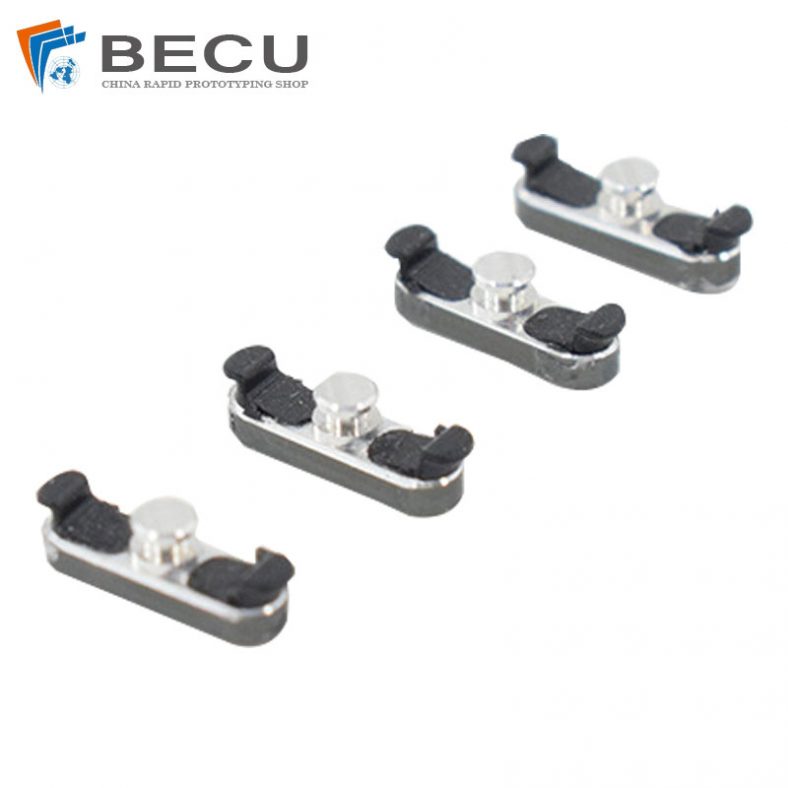
4 Axis CNC Machining Titanium Grade 5 Mobile Phone Buttons
-
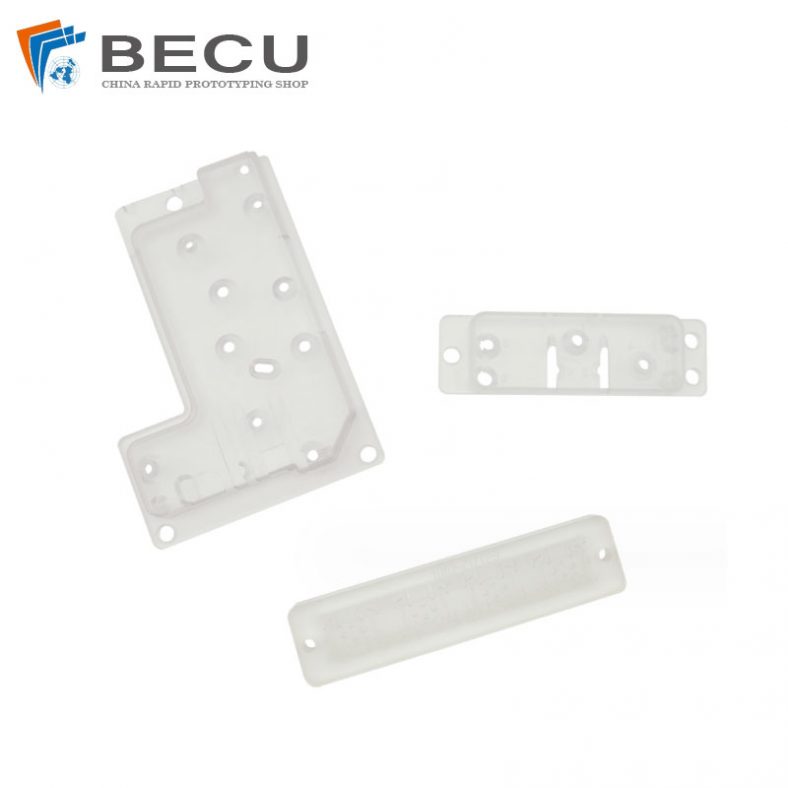
4 Axis Machining Highly Transparent Acrylic LED Tunnel Light Lens