
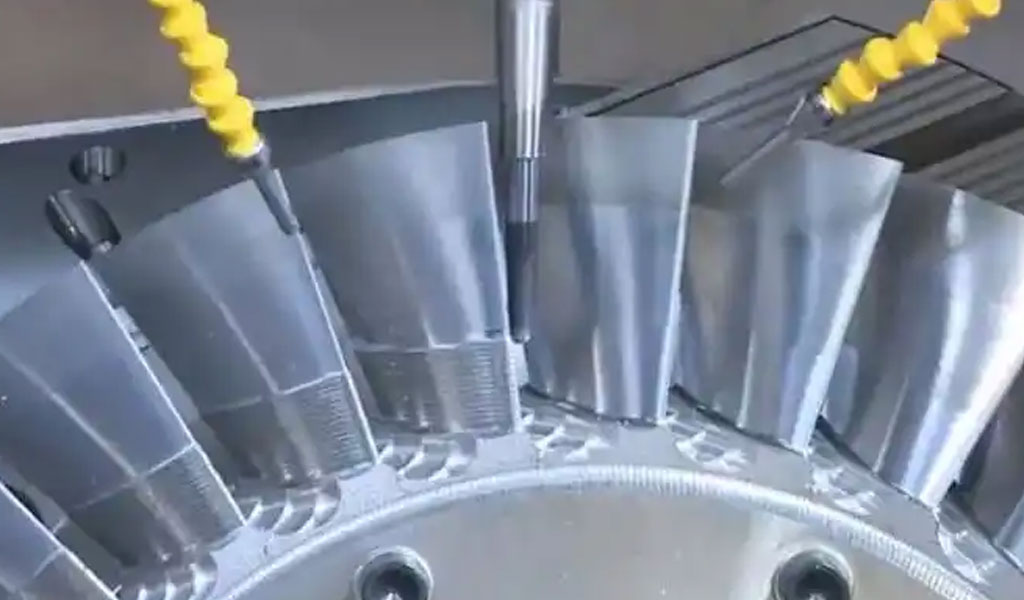
In the world of aero-engines, the efficiency, reliability, and safety of the engine components are critical for both military and commercial aviation. One such component that plays a vital role in determining the overall performance of an engine is the whole leaf disk. Also known as a single-piece or whole-blade disk, this component is integral to the design of turbine engines, particularly in the compressor and turbine sections. It is a form of disk that integrates the blades and the disk into a single unified part, eliminating the need for separate blades and rotor disks in some designs. This configuration can offer significant advantages in terms of structural integrity, ease of maintenance, and aerodynamic performance.
The whole leaf disk is often considered a revolutionary design feature in aero-engine development. It contrasts with the more traditional blade-and-disk arrangement, where the blades are attached to a rotor disk using fasteners or other mechanical means. The purpose of the whole leaf disk is to streamline the manufacturing process, increase the durability of turbine components, and improve the efficiency of high-speed rotation.
This article will explore the various reasons why aero-engine designers favor the use of the whole leaf disk. We will discuss its history, the engineering challenges that led to its development, and the specific advantages it provides in modern aero-engine designs. Additionally, the article will consider the material properties, manufacturing techniques, and testing methods involved in creating these advanced components, as well as the role they play in the performance of aero-engines across different types of aircraft.
Evolution of Aero-engine Turbine Design
Aero-engine technology has undergone significant changes since the advent of powered flight. Early aero-engines, such as those used in the Wright brothers’ first flights, were simple piston engines, relying on relatively straightforward mechanical components. As aviation progressed into the 20th century, turbojet and turbofan engines became the standard for commercial and military aircraft. These advanced engines introduced more complex systems, including turbine rotors and compressors that had to withstand extreme temperatures, rotational speeds, and pressures.
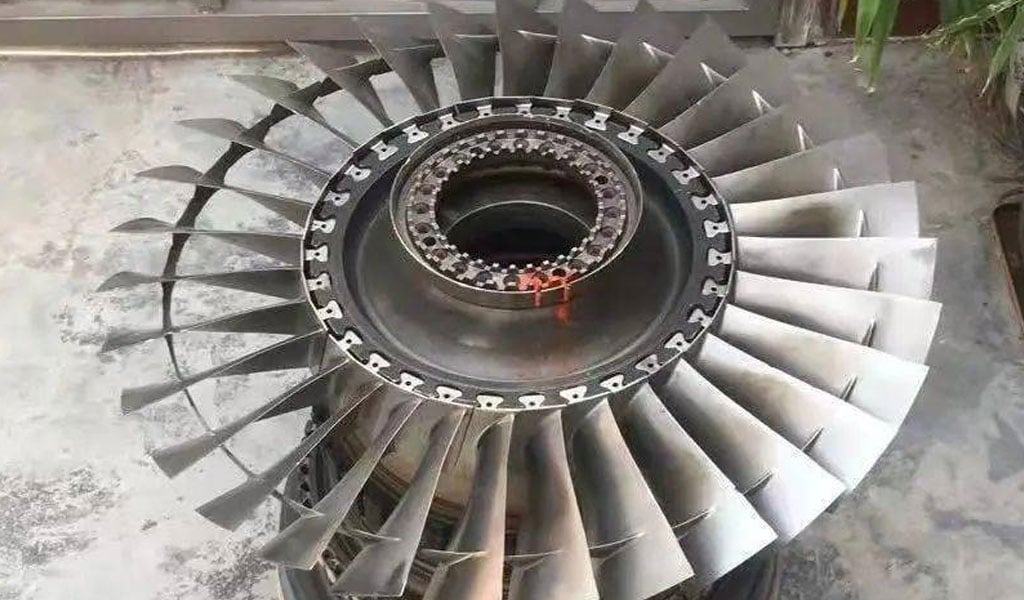
The early turbine designs incorporated multiple individual components such as the blades, which were separately attached to a rotor disk. While this approach was effective in many applications, it also introduced challenges in terms of mechanical stress, fatigue, and assembly complexity. Each attachment point where the blade met the rotor disk represented a potential weak point. Over time, engineers sought ways to eliminate these vulnerabilities while improving efficiency and performance.
One of the most significant innovations in turbine design was the integration of the rotor disk and the blades into a single unit. This is where the concept of the whole leaf disk emerged, marking a departure from traditional multi-component blade-and-disk designs.
Understanding the Whole Leaf Disk
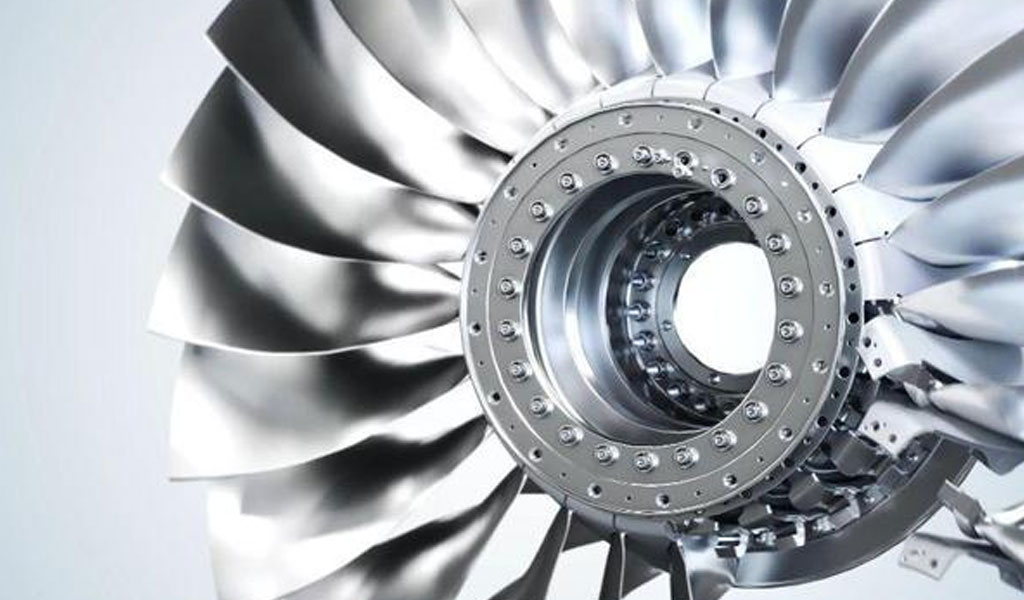
A whole leaf disk is a type of turbine rotor in which the rotor disk and the blades are manufactured as a single, continuous piece. This design contrasts with the more common method of attaching blades to a separate rotor disk. The primary advantage of the whole leaf disk design is that it eliminates the mechanical interfaces between the blades and the rotor disk, which are often points of stress and failure. By integrating the blades directly into the disk, the whole leaf disk creates a more robust and durable component that can withstand the extreme conditions within a turbine engine.
In a typical gas turbine engine, the turbine section consists of a series of rotating blades that are subjected to high centrifugal forces as well as extreme temperatures and pressures. In traditional blade-and-disk configurations, the blades are attached to the rotor disk using mechanical fasteners, such as bolts or rivets. These fasteners can become weak points, especially under the stresses generated during high-speed rotation, leading to potential failure.
In contrast, the whole leaf disk eliminates the need for these fasteners. The entire assembly is created from a single piece of material, ensuring uniformity and strength throughout. This not only reduces the potential for failure but also improves the overall efficiency of the engine.
The design of a whole leaf disk is typically achieved through advanced manufacturing techniques such as forging, casting, or additive manufacturing. These methods allow for the creation of complex, intricate geometries that can handle the high mechanical stresses present in a turbine engine.
Material Considerations for Whole Leaf Disks
The material selection for aero-engine components is critical to ensuring their performance, longevity, and safety.
In the case of whole leaf disks, the materials must be capable of withstanding extreme thermal and mechanical stresses. The most commonly used materials for turbine blades and disks are high-performance alloys, including nickel-based superalloys and titanium alloys.
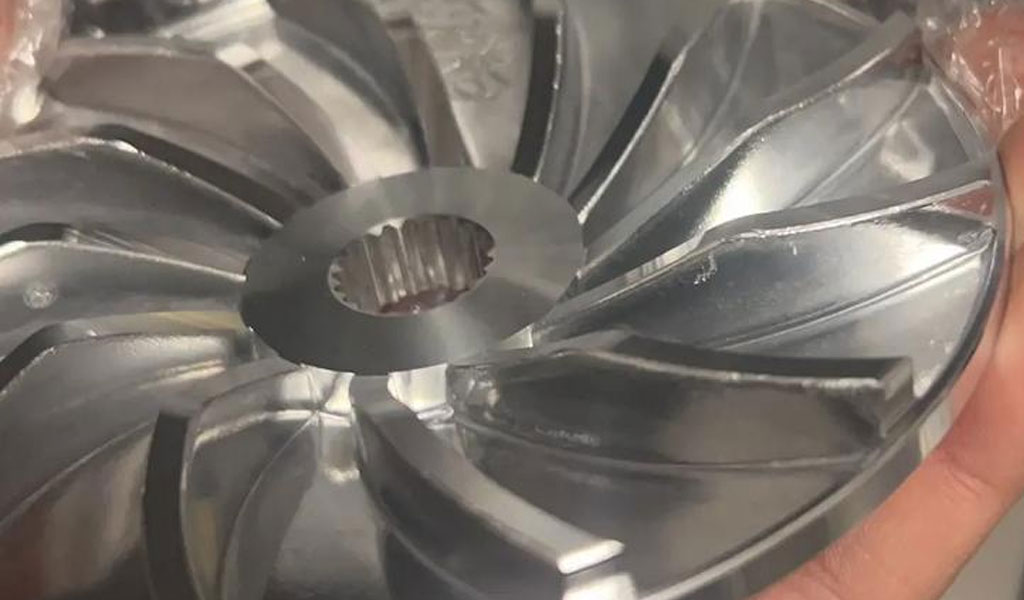
Nickel-based superalloys are widely used for high-temperature components because of their excellent resistance to oxidation and creep. These alloys contain elements such as chromium, cobalt, and aluminum, which help to improve their strength and resistance to high temperatures. These properties are particularly important for turbine engines, where temperatures can reach several thousand degrees Celsius.
Titanium alloys, on the other hand, are often used for components that experience lower temperatures but still require high strength and low weight. Titanium offers a favorable combination of strength, corrosion resistance, and low density, making it ideal for certain parts of the turbine and compressor sections.
In addition to these traditional materials, there is increasing interest in the use of advanced composite materials and ceramic matrix composites (CMCs) in turbine design. These materials can offer superior thermal properties and reduced weight compared to traditional metals, making them an attractive option for the next generation of aero-engines.
The material used for a whole leaf disk must also be carefully chosen to meet the specific requirements of the engine. For example, the material must have the ability to handle both high rotational speeds and high thermal gradients without undergoing significant deformation or failure. The design and material choice must also take into account factors such as fatigue resistance, creep behavior, and overall durability.
Manufacturing Techniques for Whole Leaf Disks
The manufacturing process for whole leaf disks is more complex than that for traditional blade-and-disk configurations. Creating a single-piece disk and blade assembly requires advanced machining, casting, or forging techniques that can produce intricate geometries while maintaining the strength and integrity of the material.
Forging
Forging is one of the most common techniques used to manufacture whole leaf disks. This process involves heating a solid billet of material to a high temperature and then shaping it using a press or hammer. The goal is to create a component with uniform grain structure and strength properties. Forging is particularly effective for producing large, complex parts like turbine disks, as it helps to minimize defects and ensures that the material is free of porosity.
Casting
Casting is another method used to produce whole leaf disks, especially when the part requires intricate geometries that would be difficult to achieve through forging. In casting, molten metal is poured into a mold and allowed to solidify. This technique can produce components with complex shapes and detailed features, such as the integrated blades of a whole leaf disk. However, casting requires careful control of the cooling process to avoid defects like cracks or voids in the material.
Additive Manufacturing
Additive manufacturing, or 3D printing, is an emerging technique for producing aero-engine components, including whole leaf disks. In additive manufacturing, material is deposited layer by layer to create the desired shape. This method allows for the creation of highly complex geometries that would be difficult or impossible to achieve with traditional manufacturing techniques. However, additive manufacturing is still in the early stages of development for large-scale aero-engine components, and it is typically used in combination with other manufacturing methods.
The choice of manufacturing technique depends on factors such as the complexity of the design, the material being used, and the specific requirements of the engine. Each technique has its advantages and disadvantages, and the ideal method will vary depending on the specific application.
Performance Advantages of the Whole Leaf Disk
The adoption of the whole leaf disk design in aero-engines offers a number of performance benefits, both in terms of mechanical efficiency and overall engine performance.
Increased Structural Integrity
One of the primary advantages of the whole leaf disk is its increased structural integrity. By eliminating the need for fasteners or other mechanical attachments between the blades and the rotor disk, the whole leaf disk is less susceptible to failure under stress. This is especially important in turbine engines, where high-speed rotation generates significant centrifugal forces. Any weakness in the attachment points could result in catastrophic failure, but the monolithic nature of the whole leaf disk ensures that the component remains intact even under extreme conditions.
Improved Durability and Fatigue Resistance
The uniform material composition and lack of joints in a whole leaf disk also contribute to improved durability and fatigue resistance. In traditional designs, the attachment points between the blades and the rotor disk are prone to fatigue, as they experience repeated stress cycles during operation. Over time, this can lead to cracks or other forms of damage that compromise the integrity of the component.
With a whole leaf disk, the absence of these joints reduces the likelihood of fatigue-related failures. The continuous structure allows the material to better distribute stresses, which extends the lifespan of the component and reduces the need for frequent maintenance or replacement.
Aerodynamic Efficiency
The whole leaf disk design can also improve the aerodynamic efficiency of the engine. The smooth, continuous shape of the disk and blades allows for better airflow and reduces the drag associated with traditional blade-and-disk configurations. This can result in higher engine performance and fuel efficiency, which are critical factors in both military and commercial aviation.
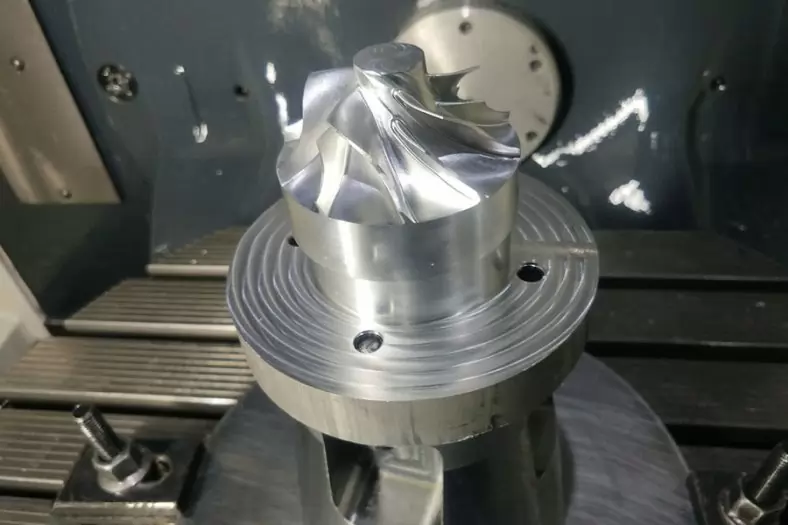
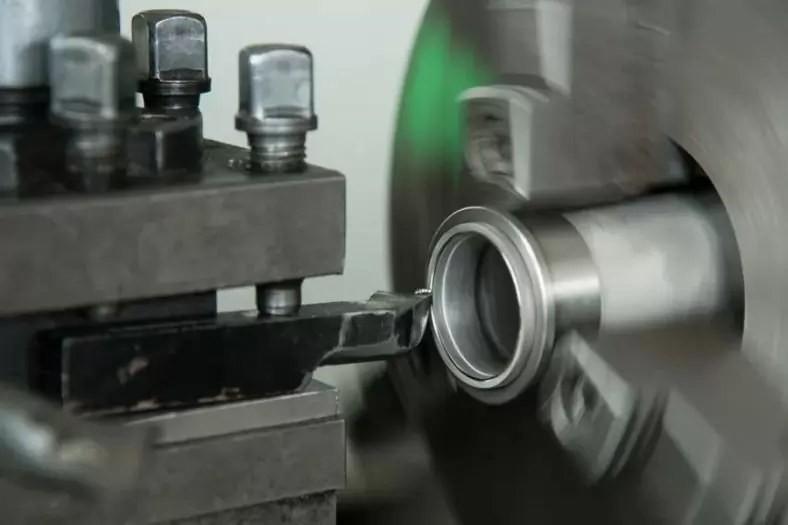
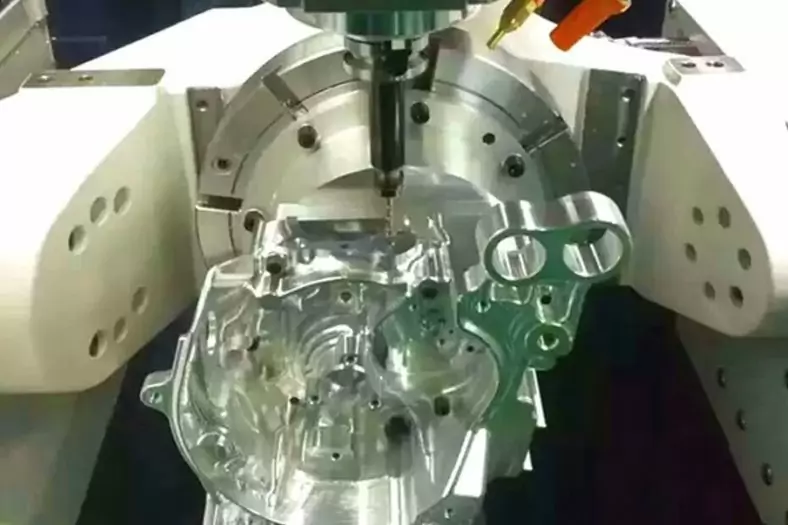
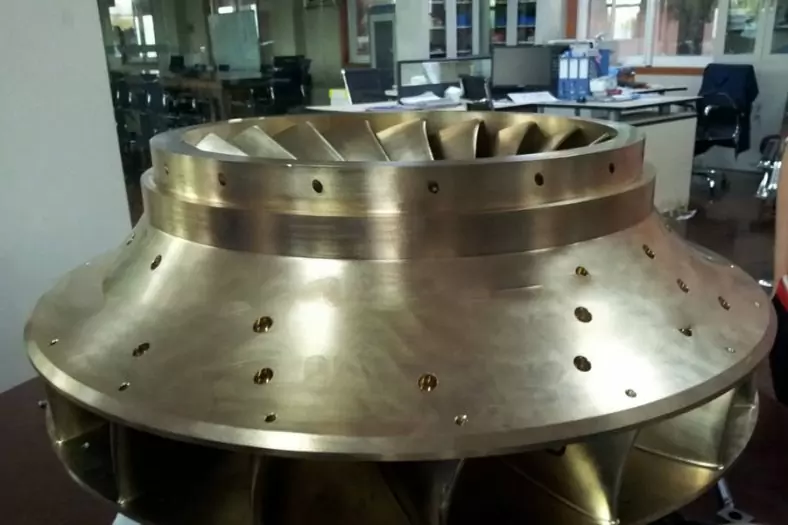
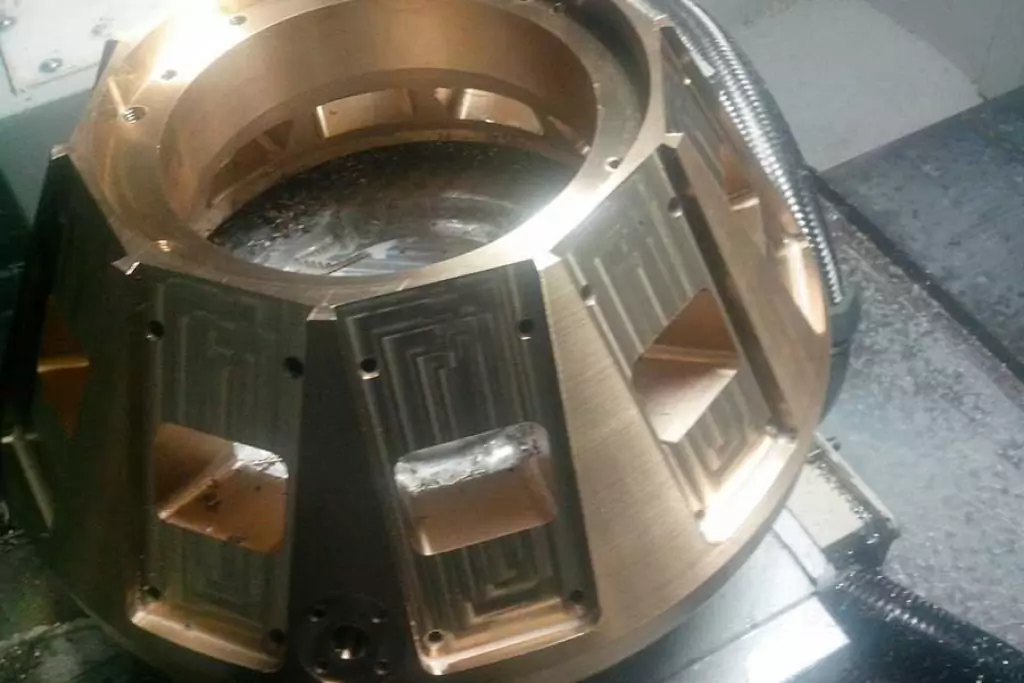
The Detail Of BE-CU 5 Axis cnc machining Company
As an experienced and professional machine shop specialized in CNC manufacturing for many years, BE-CU.COM is capable of precision 5 axis CNC machining services and 5 axis milling. Whether you are in need of high-quality and precise metal or plastic components, we can provide 5 axis machining parts to worldwide clients for a variety of industries including automotive, medical, military, aerospace, mechanical, machine tool, high-tech, and more, with excellent machining and programming skills, as well as 5 axis CNC machining center. No matter how complex the CNC machining parts, each step will be executed with a rigorous attitude, to deliver exceptional 5 axis machining components that demonstrate the highest quality standards. Even though any problems during the process, we’ll keep running the job and make adjustments until all the issues are addressed.If you require a well-established and cost-effective CNC machining company to take over your project, BE-CU can achieve your expectation.
-

AZ91D CNC Machining Quadcopter Arm Landing Gear
-
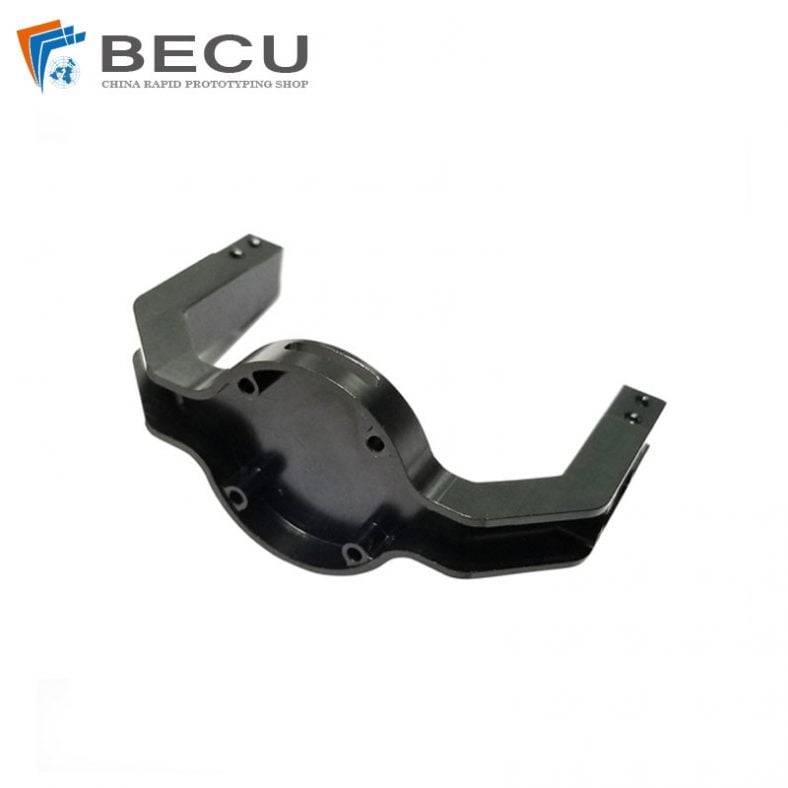
CNC Machining Lightweight Magnesium Alloy AZ91D Drone Gimbal Parts
-

CNC Machining Magnesium AZ61 Drone Blade Protection Cover
-

CNC Machining Magnesium AZ91D AI Ar Glasses Frame
-

CNC Machining AZ91D Magnesium Alloy High-End License Plate Frame
-

CNC Machining AZ91D Magnesium Alloy Laptop Middle Frame
-

CNC Machining AZ91D Magnesium Horizontal and Vertical Quick Turn Camera Stand
-

ZK61 Magnesium Cnc Machining Automation Parts