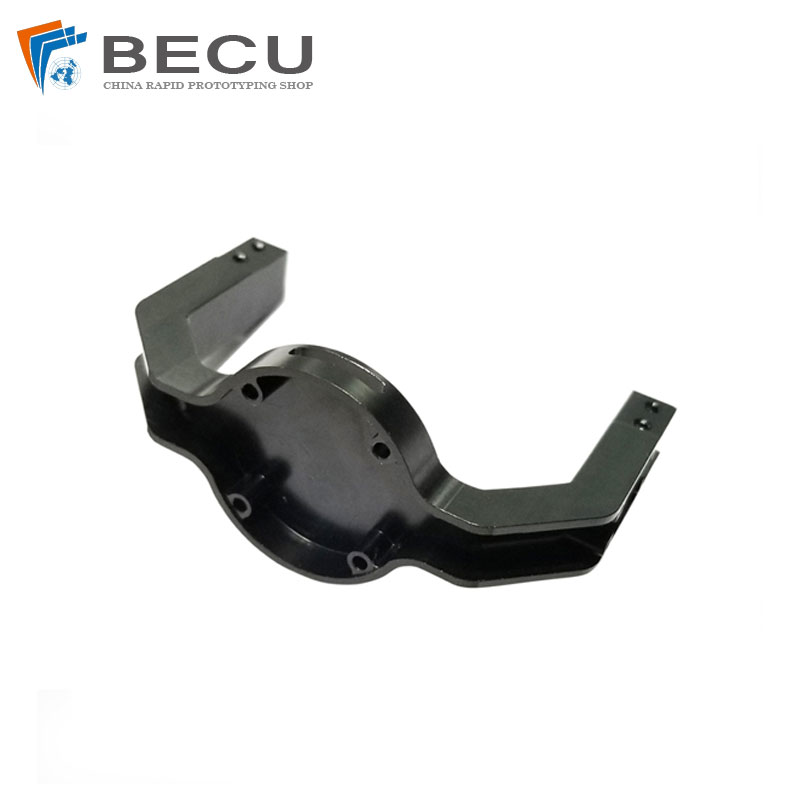
Drone Gimbal Parts
- Product Name: Magnesium Parts
- No+Color:Custom
- Surface Treatment: Customized
- Product Material: Magnesium
- Proofing Cycle:7 days(100000 pcs/M)
- Application:Precision Cnc Machining
- machining Factory:Be-cu Rapid Prototyping Companies
- Product Category: Drone
- Production Process: Cnc Machining
- Size: According To Customer’s Drawings
High-Quality CNC Machining Lightweight Magnesium Alloy AZ91D Drone Gimbal Parts
CNC machining of lightweight magnesium alloy AZ91D for drone gimbal parts represents a pinnacle of modern manufacturing technology, combining precision engineering with advanced materials science to meet the demanding requirements of unmanned aerial vehicle (UAV) applications. Our CNC Machining service leverages the unique properties of AZ91D—a high-purity magnesium die-casting alloy known for its exceptional strength-to-weight ratio, corrosion resistance, and machinability—to produce critical components such as drone gimbals, which stabilize cameras and sensors during flight.
Magnesium alloys have long been prized in industries requiring lightweight yet durable materials, and AZ91D stands out as the most widely used magnesium alloy in die-casting applications. Comprising approximately 9% aluminum (Al), 1% zinc (Zn), and trace amounts of manganese (Mn), silicon (Si), and copper (Cu), AZ91D achieves a balance of mechanical strength, castability, and resistance to environmental degradation. Its low density of 1.81 g/cm³—about two-thirds that of aluminum (2.7 g/cm³) and one-fourth that of steel (7.85 g/cm³)—makes it an ideal candidate for aerospace and UAV components where weight reduction directly enhances performance metrics such as flight duration, payload capacity, and energy efficiency. In the context of drone gimbals, which must maintain structural integrity while supporting dynamic loads and vibrations, AZ91D’s properties enable the creation of parts that are both lightweight and robust.
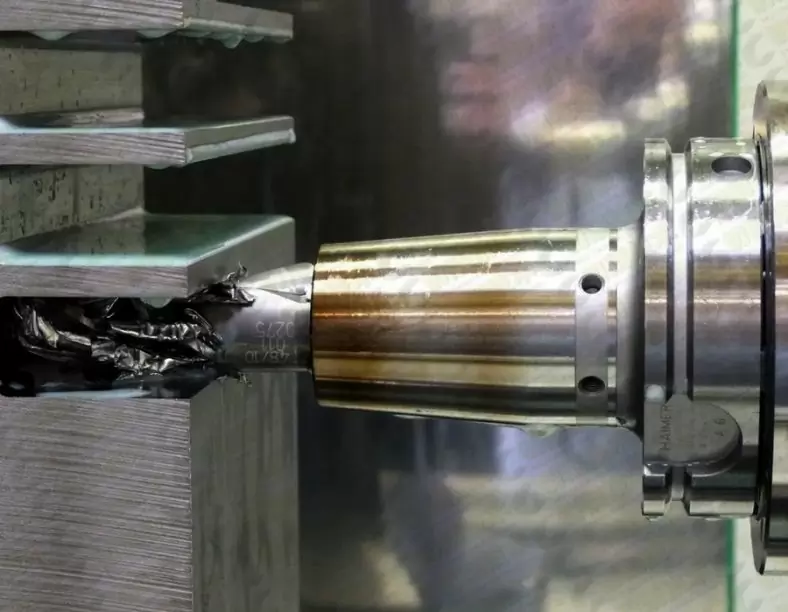
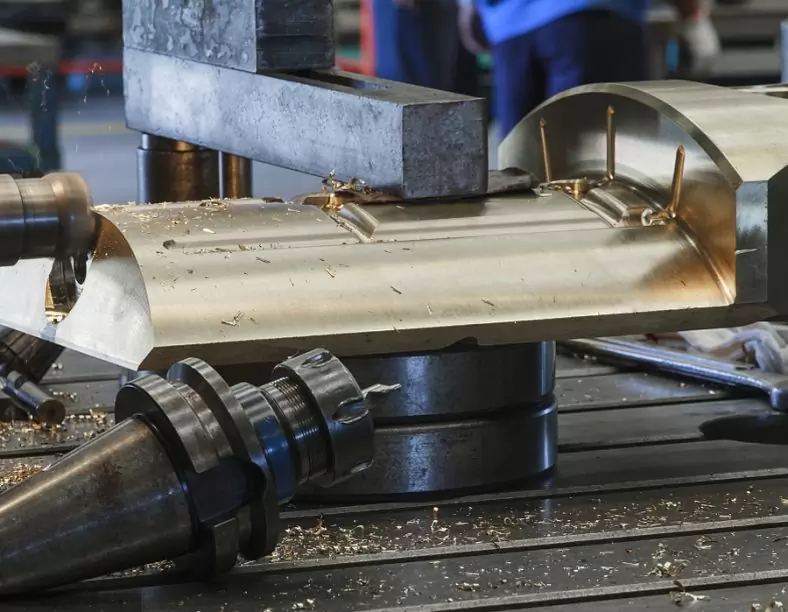
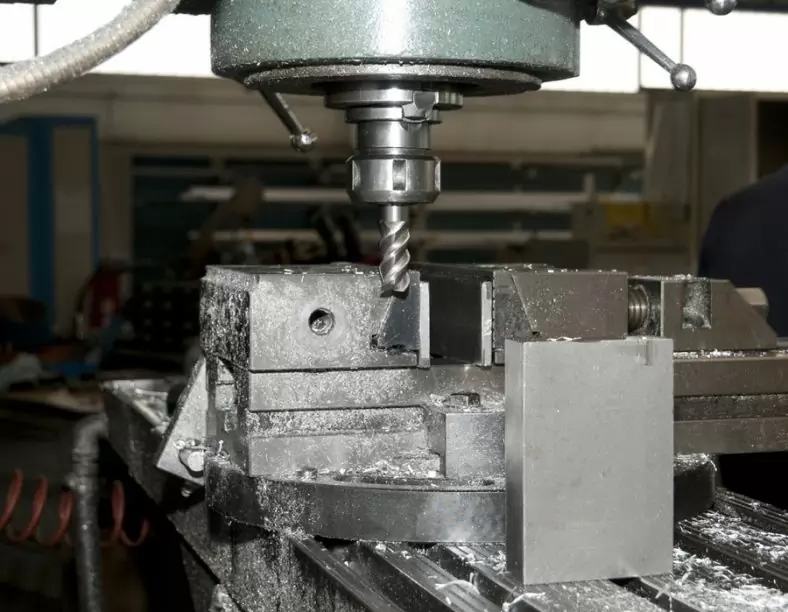
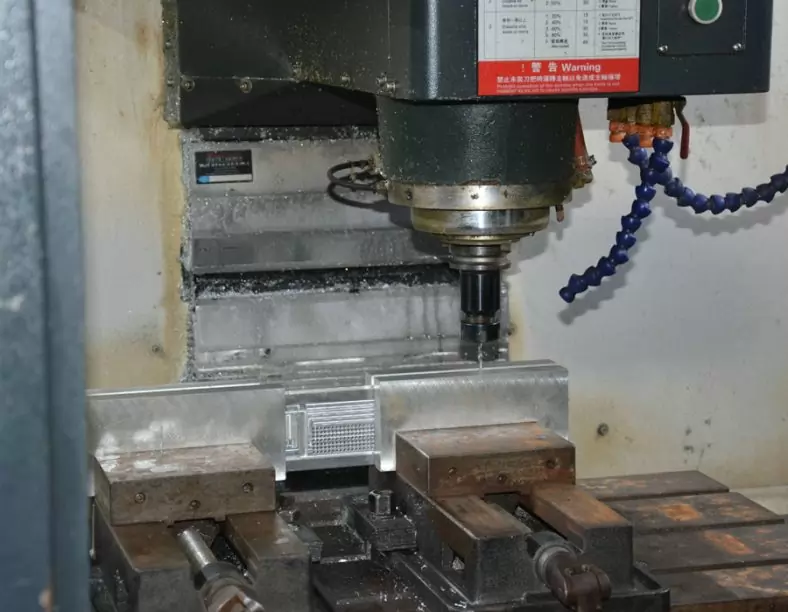
The CNC machining process begins with a solid billet or cast preform of AZ91D, which is then meticulously shaped using multi-axis milling machines, lathes, or turning centers. These machines, guided by computer-aided design (CAD) models and computer-aided manufacturing (CAM) software, execute precise tool paths to remove material and achieve tolerances as tight as ±0.01 mm. For drone gimbals, which often feature intricate geometries such as mounting brackets, pivot arms, and housing shells, CNC machining offers unparalleled flexibility compared to traditional casting or additive manufacturing methods. The ability to produce complex, high-precision parts with minimal waste aligns with the needs of the drone industry, where performance and cost-efficiency are paramount.
One of the defining characteristics of AZ91D is its excellent machinability, a result of its relatively low hardness (Brinell hardness of approximately 70 HB) and favorable chip formation during cutting. Unlike harder metals like titanium or stainless steel, magnesium alloys produce short, discontinuous chips that reduce tool wear and facilitate high-speed machining. This property is particularly advantageous in CNC operations, where feed rates and spindle speeds can be optimized to maximize throughput without compromising surface finish. Typical cutting speeds for AZ91D range from 300 to 600 m/min, with feed rates of 0.1 to 0.3 mm/tooth, depending on tool material and geometry. Common tool materials include uncoated carbide or polycrystalline cubic boron nitride (PCBN), both of which offer durability and heat resistance suited to magnesium’s unique thermal properties.
However, machining AZ91D is not without challenges, chief among them being its flammability. Magnesium is highly reactive, and fine chips or dust generated during CNC operations can ignite if exposed to sparks, excessive heat, or improper coolant use. To mitigate this risk, manufacturers employ specialized safety protocols, such as dry machining with air blast cooling or the use of non-aqueous cutting fluids like mineral oils. Cryogenic cooling with liquid nitrogen has also emerged as a sustainable alternative, reducing cutting zone temperatures and extending tool life by up to 60 times compared to dry conditions, as demonstrated in high-speed milling studies. For drone gimbal parts, where surface quality is critical to minimize friction and wear, cryogenic machining can achieve surface roughness values as low as 0.09 µm Ra, compared to 0.1–0.2 µm Ra in dry conditions.
The mechanical properties of AZ91D further enhance its suitability for drone gimbal applications. With a tensile strength of 240–310 MPa and a yield strength of approximately 160 MPa, AZ91D rivals many aluminum alloys while offering a 33% weight reduction. Its modulus of elasticity (45 GPa) provides sufficient stiffness for structural components, while its damping capacity—superior to that of aluminum or steel—helps absorb vibrations induced by rotor turbulence or camera operation. These attributes are critical for gimbals, which must maintain precise alignment under dynamic conditions. Additionally, AZ91D’s corrosion resistance, bolstered by its aluminum content and tight control of impurities like iron (<0.005%), ensures longevity in outdoor environments where drones are exposed to humidity, salt spray, or temperature fluctuations.
The Advantages Of CNC Machining Lightweight Magnesium Alloy AZ91D Drone Gimbal Parts
- – Excellent wear and impact resistance
- – Durable and solid, long lifetime
- – Good strength and electrical conductivity
- – Customization based on customer specification
Specifications of CNC Machining Lightweight Magnesium Alloy AZ91D Drone Gimbal Parts
| Material | AZ91D |
| Tolerance | +/-0.05mm |
| Surface Treatment | Custom |
| Main Process | Milling, Drilling, 5 Axis Cnc Machining |
| Quality Control | Strictly Quality control in the whole process, from material to packing, Coordinate-measuring machine |
| Usage | AI Parts |
| Customized Drawings | Auto CAD, JPEG, PDF, STP, IGS, and most other file formats are accepted |
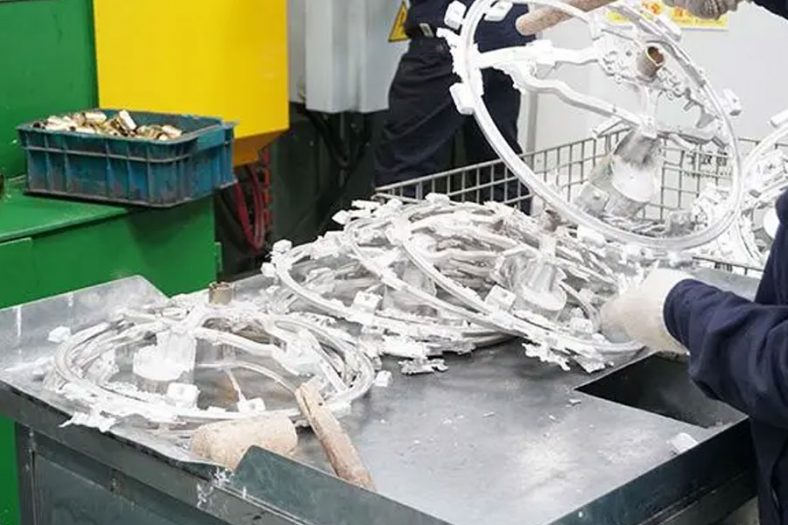
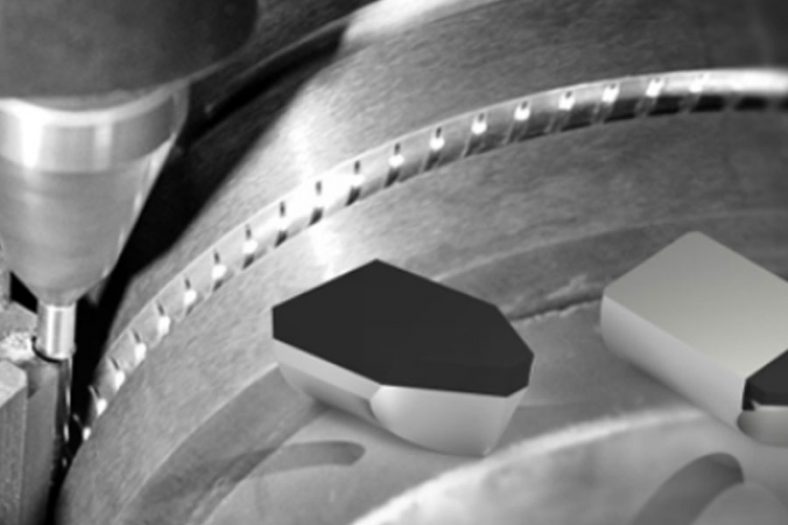
The Detail Of BE-CU Cnc Milling Company
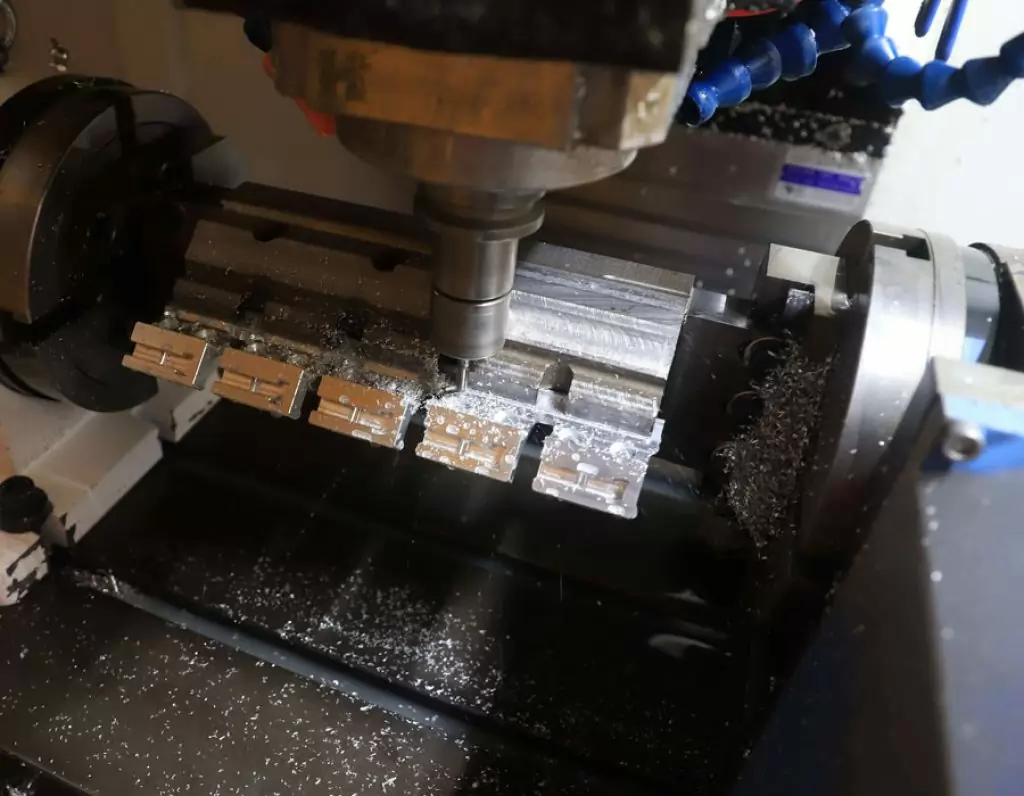
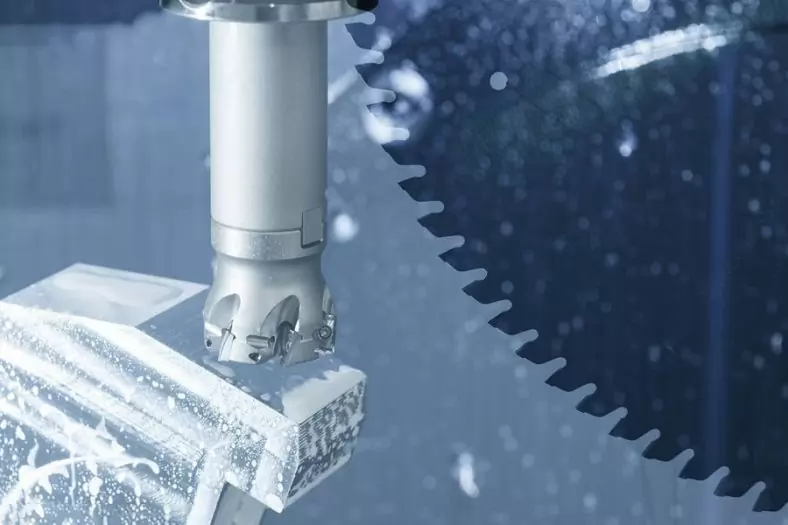
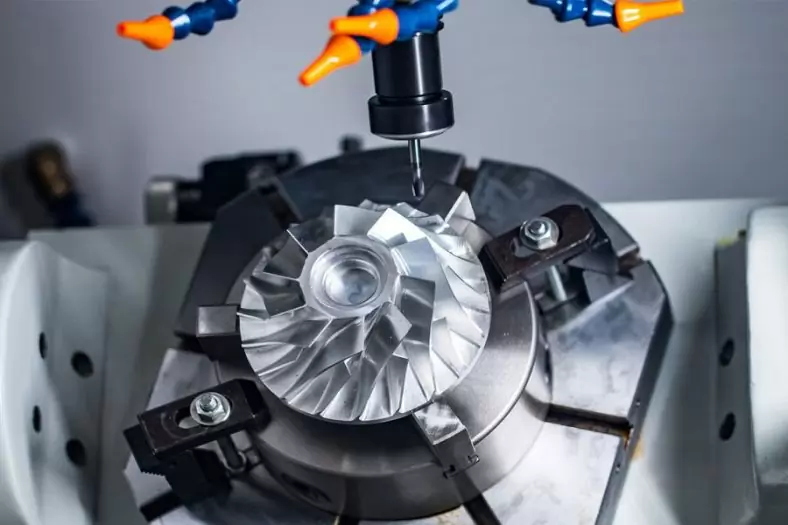
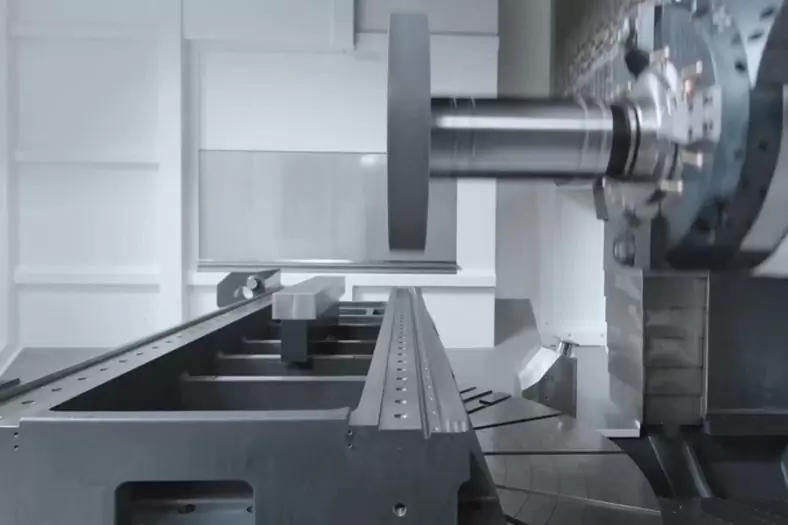
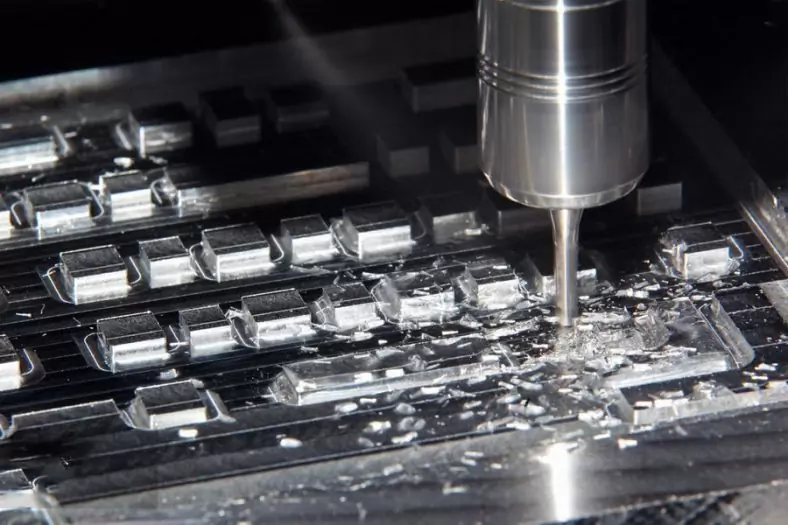
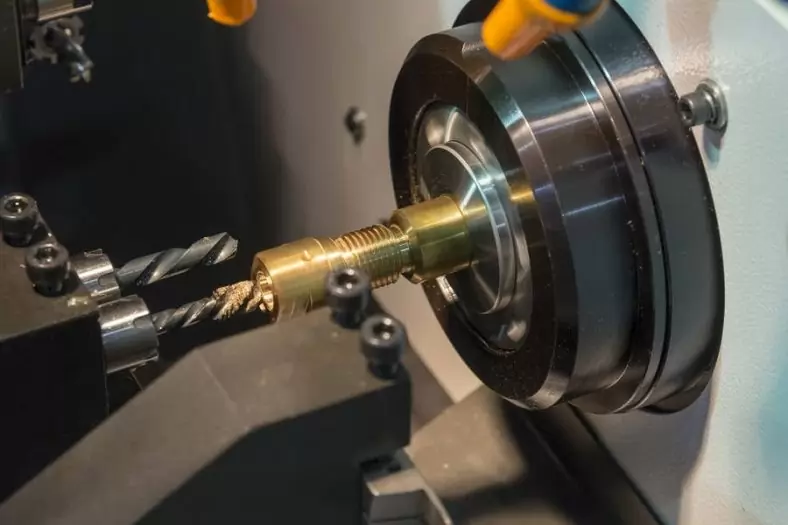
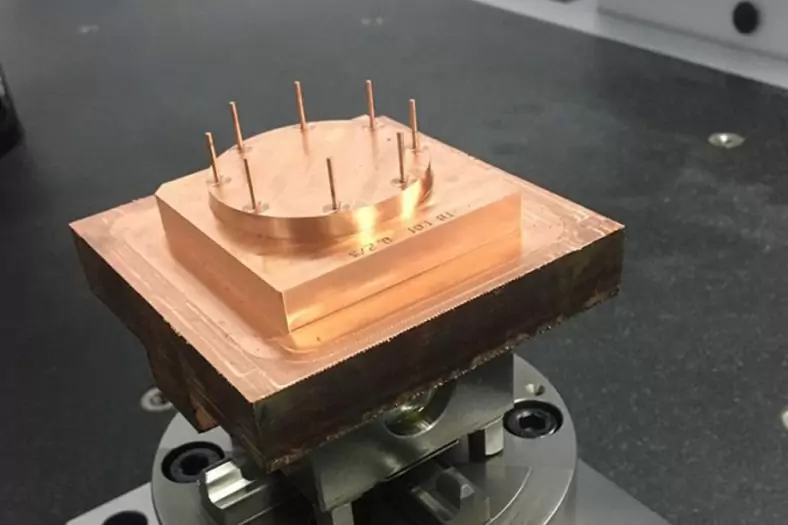
Looking for low cost CNC milling parts with unparalleled quality? BE-CU Prototype is a professional China CNC company provides superior precision CNC milling service with advanced machines including CMC milling center and milling machining centers from the general 3-axis to 5-axis and accomplished machinists. Our experienced operators proficient in CAD (computer-aided design) and CAM (computer-aided manufacturing) programs are always finding the best way to produce the highest quality CNC milled parts & components for clients. With strong capabilities and extensive experiences, we can provide top-grade but cost-effective custom CNC milling services from China including 3-axis CNC milling and 5-axis milling for high-speed CNC manufacturing, rapid prototyping, and precision CNC milling and turning. Our high-quality rapid CNC milling products are involved in the field of automation design, lockset, automobile parts machining, machinery milling, defense industry, medical equipment, lighting parts machining, etc.
-

AZ91D CNC Machining Quadcopter Arm Landing Gear
-
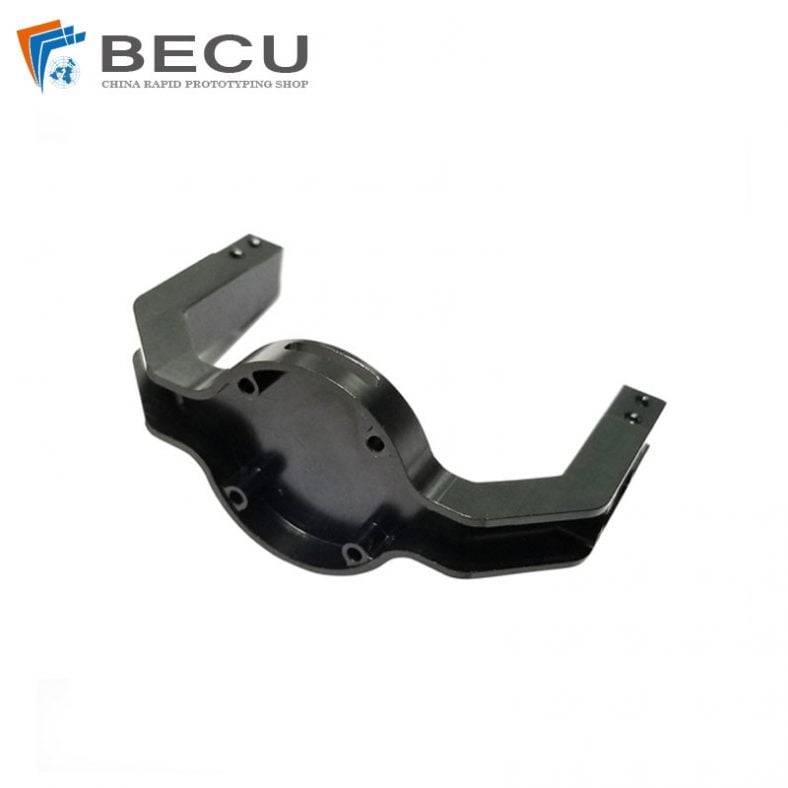
CNC Machining Lightweight Magnesium Alloy AZ91D Drone Gimbal Parts
-

CNC Machining Magnesium AZ61 Drone Blade Protection Cover
-

CNC Machining Magnesium AZ91D AI Ar Glasses Frame