
The machining of gears is a fundamental aspect of mechanical engineering, with applications spanning numerous industries, including automotive, aerospace, manufacturing, and robotics. Gears are critical components that transmit power and motion, necessitating precise manufacturing techniques to ensure optimal performance and longevity. The process of calculating the price and time required for gear machining involves several factors, including material selection, gear specifications, machining processes, labor costs, and overhead expenses. This article aims to provide a comprehensive guide on how to calculate gear machining price and time, detailing the methodologies, formulas, and considerations involved in the estimation process.
Overview of Gear Machining
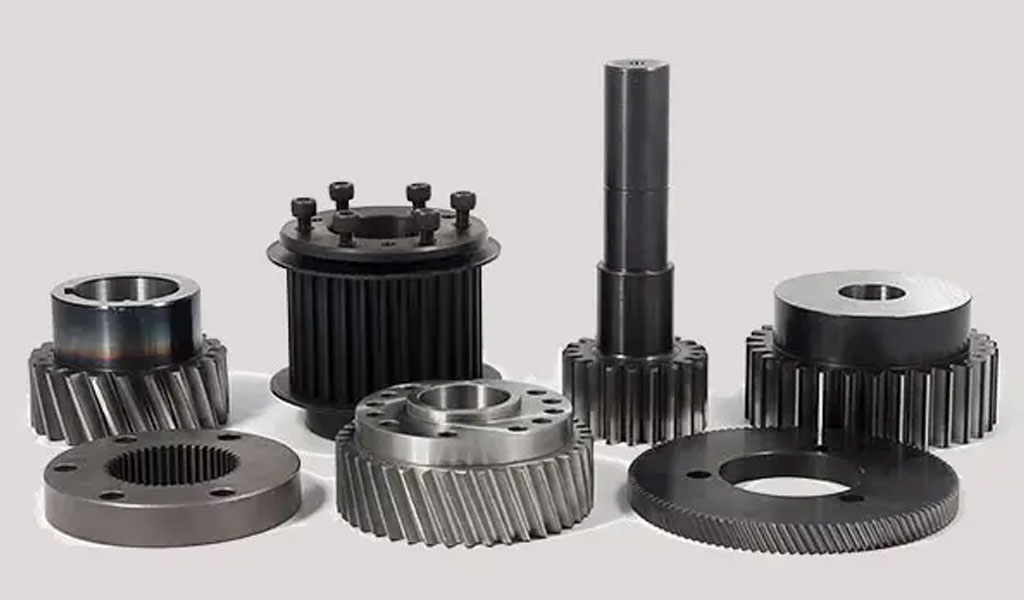
Gear machining encompasses various manufacturing processes used to produce gears, which are essential components in machinery for transmitting power and motion.
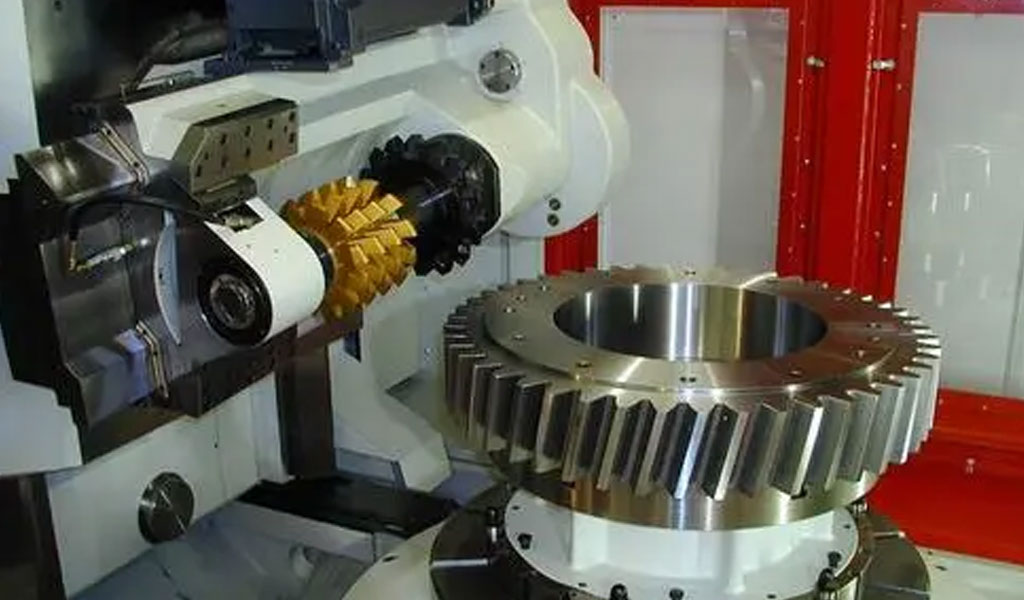
These processes involve shaping, cutting, and finishing materials to achieve the precise dimensions and tolerances required for effective gear operation. Common gear machining methods include hobbing, shaping, broaching, and milling, each chosen based on the specific type of gear and material.
Types of Gears
Gears come in multiple forms, each designed for specific applications:
- Spur Gears: The most common type, featuring straight teeth parallel to the axis of rotation, used in many mechanical systems.
- Helical Gears: These have angled teeth that engage gradually, resulting in smoother operation and reduced noise, often used in high-speed applications.
- Bevel Gears: Designed to transmit power between shafts at various angles, commonly found in differential drives.
- Worm Gears: Consisting of a worm (screw) and a worm wheel, these provide high torque and speed reduction, useful in lifting mechanisms.
Gear Specifications
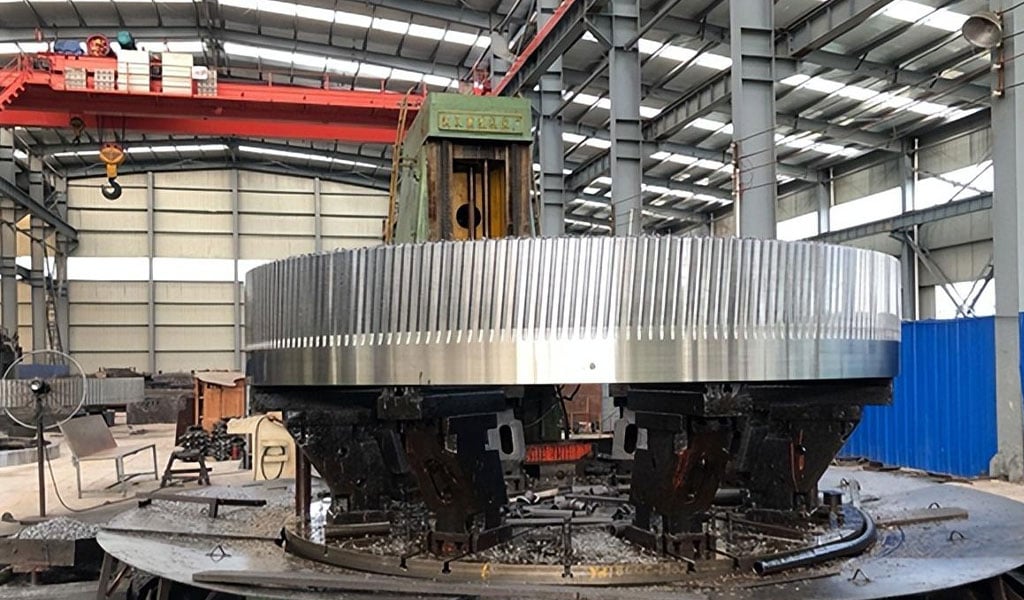
The specifications of gears play a crucial role in determining their functionality and compatibility with other components. Key specifications include:
- Pitch Diameter: The diameter at which the teeth of two meshing gears effectively engage.
- Tooth Count: The total number of teeth on a gear, impacting the gear ratio and speed.
- Pressure Angle: The angle at which teeth are designed to mesh, influencing load distribution and strength.
These specifications not only dictate the machining requirements but also affect the gear’s performance in its intended application. Understanding these fundamentals is essential for any manufacturer involved in gear production.
Factors Influencing Gear Machining Costs
Calculating the cost of gear machining involves several critical factors that can significantly impact both the pricing and time required for production.
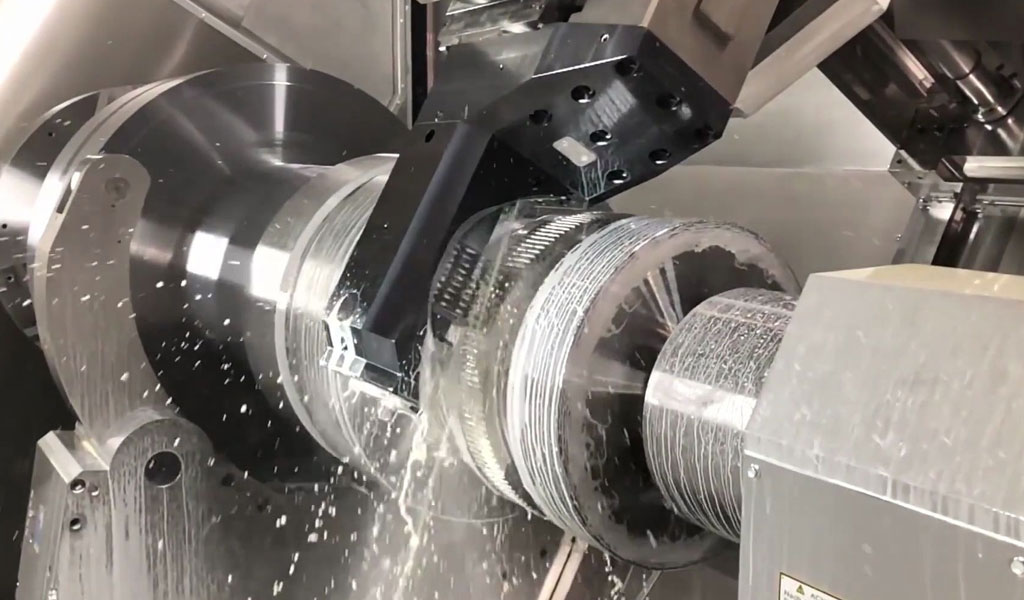
Understanding these elements allows manufacturers to create accurate estimates and optimize their machining processes. Below are the primary factors influencing gear machining costs:
Material Selection
The choice of material is one of the most significant factors affecting gear machining costs. Different materials have varying properties, costs, and machinability. Common materials used in gear manufacturing include:
- Steel: Widely used for its strength and durability, but costs can vary based on alloy composition.
- Aluminum: Lighter and easier to machine than steel, making it suitable for applications requiring reduced weight.
- Plastic: Often used for gears in low-load applications due to lower costs and ease of machining.
The cost of raw materials can fluctuate based on market conditions, availability, and specific material characteristics, which directly impacts the overall machining price.
Gear Geometry
The geometry of the gear significantly influences machining complexity and, consequently, costs. Factors include:
- Size: Larger gears require more material and longer machining times, increasing costs.
- Tooth Profile: Complex tooth designs, such as those found in helical or bevel gears, require specialized tools and longer processing times.
- Tolerances: High precision tolerances require more time for setup and inspection, leading to higher costs.
Understanding the gear’s geometry helps in estimating the time and resources required for its production.
Machining Processes
Different machining processes come with varying costs and efficiencies. Common processes include:
- Hobbing: A versatile method for producing spur and helical gears, typically efficient for high volumes but requires specialized equipment.
- Shaping: Suitable for internal gears and requires specific setups, often leading to longer machining times.
- Milling: Used for creating complex profiles, but may involve longer cycle times and higher tool wear.
The selected process directly influences labor, tool wear, and machine time, impacting the overall cost.
Labor Costs
Labor costs are a critical component of gear machining expenses. Factors to consider include:
- Skill Level: Higher-skilled workers may command higher wages but can produce parts more efficiently and with greater accuracy.
- Machining Operations: More complex operations may require additional setup and inspection time, leading to increased labor costs.
Calculating labor costs accurately is essential for providing competitive pricing while maintaining profitability.
Overhead Costs
Overhead costs encompass a range of indirect expenses that contribute to the overall price of gear machining. These can include:
- Facility Costs: Rent, utilities, and maintenance of the manufacturing facility.
- Equipment Costs: Depreciation, maintenance, and repairs of machinery used in the production process.
- Administrative Costs: Salaries of non-production staff, including management and support services.
Understanding and accurately estimating overhead costs is vital for ensuring that pricing reflects the true cost of production.
Several interrelated factors influence gear machining costs, including material selection, gear geometry, machining processes, labor, and overhead expenses. A comprehensive understanding of these factors enables manufacturers to provide accurate pricing, optimize production efficiency, and maintain competitiveness in the market. By carefully analyzing each aspect of the machining process, businesses can effectively manage costs while delivering high-quality gear products.
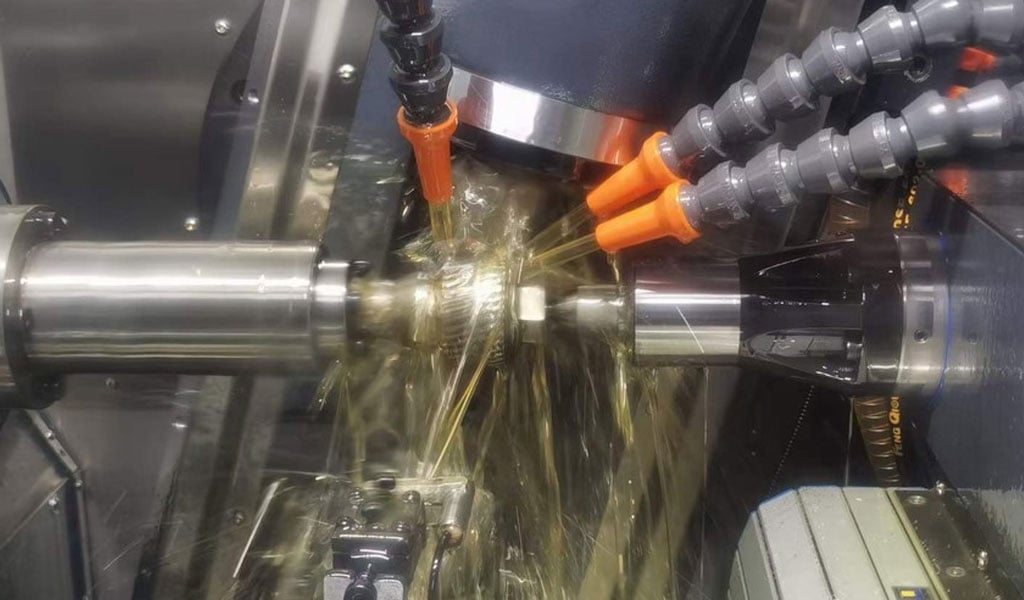
Estimating Gear Machining Time
Accurately estimating the time required for gear machining is crucial for project planning, cost calculation, and meeting delivery deadlines.
The time estimation process involves understanding various components that contribute to the overall cycle time. Below are the key factors and methodologies for estimating gear machining time.
Understanding Cycle Time
Cycle time refers to the total time taken to complete one machining operation from start to finish. This includes not only the actual machining time but also any additional time associated with setup, tool changes, and inspections. Cycle time can be broken down into several components:
- Setup Time: The time required to prepare the machine and tools for the specific gear machining operation, including the installation of fixtures and tooling adjustments.
- Processing Time: The actual time spent machining the gear, which varies based on the complexity of the gear design, the chosen machining process, and the material being machined.
- Tool Change Time: If the machining operation requires multiple tools, the time taken to change tools must be considered.
- Inspection Time: The time required to inspect the machined gear for quality and accuracy, ensuring it meets specified tolerances.
Time Calculation Formulas
To estimate gear machining time, manufacturers often rely on standardized formulas that take into account the parameters of the machining operation. A basic formula for calculating the machining time (T) can be expressed as:
T=Tsetup+Tprocess+Ttool change+Tinspection
Example Calculation
Consider a scenario where the following times are estimated for a gear machining operation:
- Setup Time (T_setup): 30 minutes
- Processing Time (T_process): 120 minutes (2 hours)
- Tool Change Time (T_tool change): 10 minutes
- Inspection Time (T_inspection): 15 minutes
Using the formula:T=30+120+10+15=175 minutes
This means the total cycle time for this particular gear machining operation is 175 minutes.
The Role of CNC Technology
CNC (Computer Numerical Control) technology has revolutionized gear machining by significantly reducing processing times and improving accuracy. CNC machines allow for:
- Automation: Reducing manual intervention and setup times.
- Higher Speeds: Faster machining speeds compared to traditional methods, which shortens processing times.
- Precision: Increased accuracy reduces the need for extensive rework or adjustments, leading to shorter cycle times.
While CNC technology may involve higher initial investment costs, the time savings can result in lower overall production costs and improved efficiency.
Factors Affecting Machining Time
Several factors can impact the time estimates for gear machining, including:
- Gear Complexity: More intricate designs require longer machining times.
- Material Hardness: Harder materials take longer to machine and may require special tooling.
- Tool Wear: Deterioration of cutting tools can lead to increased machining times due to slower feed rates or the need for more frequent tool changes.
- Machining Process: Different processes have varying speeds and efficiencies. For example, hobbing typically has faster cycle times for high-volume production compared to shaping.
Estimating gear machining time involves a comprehensive understanding of cycle time components, application of calculation formulas, and consideration of various influencing factors. By accurately assessing each element, manufacturers can provide reliable timelines for gear production, helping to enhance project management, cost estimation, and customer satisfaction. The integration of advanced technologies, such as CNC machining, further optimizes these estimates, enabling manufacturers to stay competitive in a fast-paced industry.
Calculating Gear Machining Price
Determining the price of gear machining is a multifaceted process that requires a thorough understanding of various cost components. Accurately calculating the machining price not only ensures profitability for manufacturers but also enables competitive pricing in the marketplace. Below, we outline the key components and methodologies involved in calculating gear machining prices.
Pricing Models
There are several pricing models used in the manufacturing industry, each suited to different project requirements. Understanding these models is essential for determining how to set prices effectively:
- Fixed Price: A predetermined price agreed upon by both parties, often used for projects with well-defined specifications and timelines. This model carries risk for the manufacturer if costs exceed expectations.
- Cost-Plus Pricing: Involves calculating the total cost of production (materials, labor, overhead) and adding a markup percentage for profit. This model is beneficial for projects with uncertain variables.
- Bid Pricing: Common in competitive environments, where multiple manufacturers submit bids for a project. This approach requires careful estimation to remain competitive while ensuring profitability.
Selecting the appropriate pricing model depends on factors such as project scope, customer relationships, and market conditions.
Cost Calculation Formula
A comprehensive formula for calculating the total cost of gear machining can be expressed as follows:Total Cost=Material Cost+Labor Cost+Overhead Cost
Breakdown of Cost Components
The cost of raw materials used to manufacture the gear. This can vary significantly based on material selection (e.g., steel, aluminum, plastic) and current market prices.
For example, if the material cost is $5 per pound and the gear requires 10 pounds of material, the material cost would be: Material Cost=5(cost per pound)×10(pounds)=$50
This encompasses the wages of workers involved in the machining process, including setup, machining, and inspection.Labor costs can be calculated using the formula: Labor Cost=Hourly Rate×Total Hours
For instance, if the hourly rate is $25 and the total time estimated is 5 hours: Labor Cost=25×5=$125
This includes indirect costs associated with running the manufacturing facility, such as utilities, maintenance, and administrative expenses.
Overhead can be calculated as a percentage of total labor costs or as a fixed cost per project. If the overhead rate is set at 20% of labor costs: Overhead Cost=0.20×125=$25
Pricing Example
To illustrate the total cost calculation for a gear machining project, let’s combine the previously discussed components:
- Material Cost: $50
- Labor Cost: $125
- Overhead Cost: $25
Using the cost calculation formula:Total Cost=50+125+25=$200
Thus, the total price for machining the gear would be $200. Depending on the chosen pricing model, a markup could be applied to determine the final selling price. For example, applying a 20% markup would yield:Final Selling Price=200+(0.20×200)=200+40=$240
Calculating the price of gear machining involves a systematic approach that considers material, labor, and overhead costs. By utilizing appropriate pricing models and accurate cost estimation techniques, manufacturers can ensure their pricing is competitive while remaining profitable. Understanding these components not only aids in effective project management but also enhances customer relations through transparent and reliable pricing strategies.
Conclusion
In conclusion, calculating the price and time for gear machining is a multifaceted process that requires careful consideration of various factors. By understanding the components that contribute to machining costs and time, manufacturers can provide accurate estimates and improve operational efficiency. Continuous advancements in machining technology, along with effective project management, will further enhance the precision and reliability of gear production in the future.
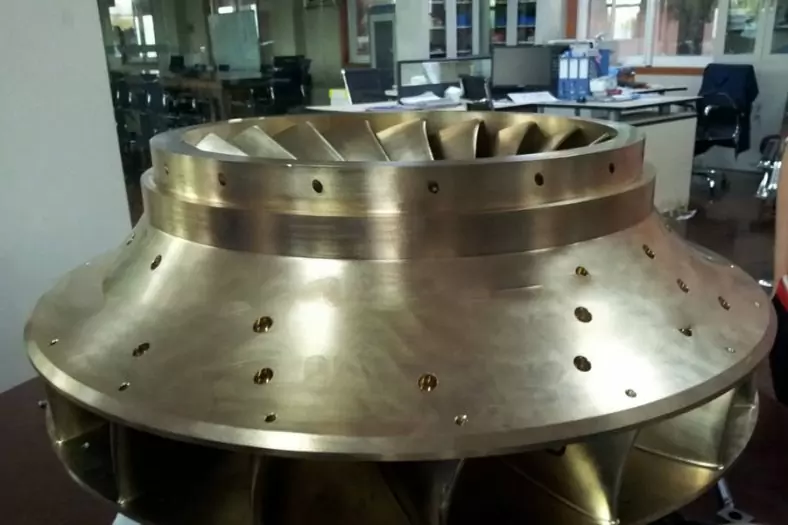
The Detail Of BE-CU 5 Axis cnc machining Company
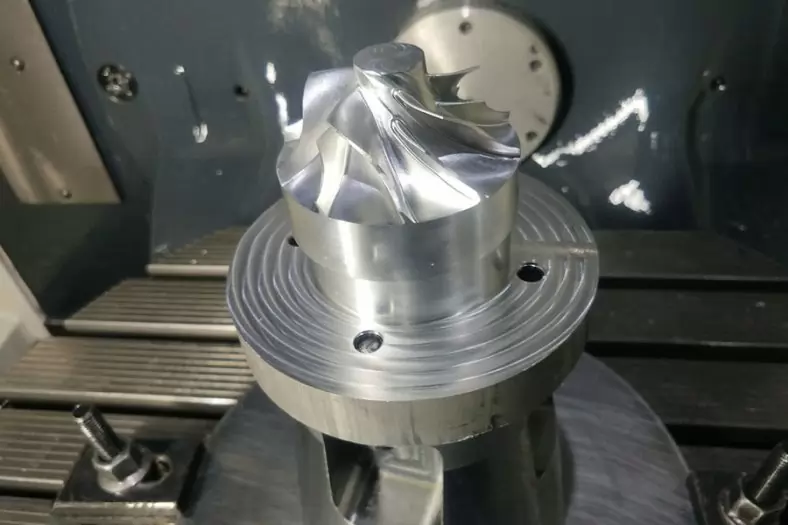
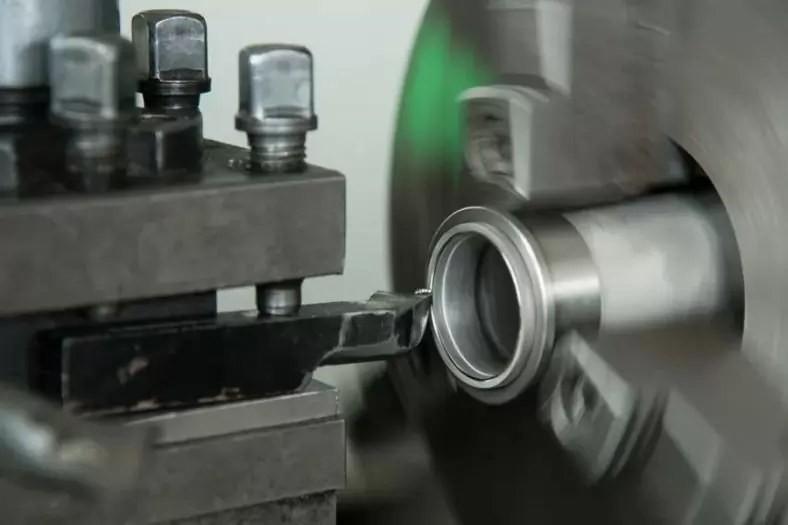
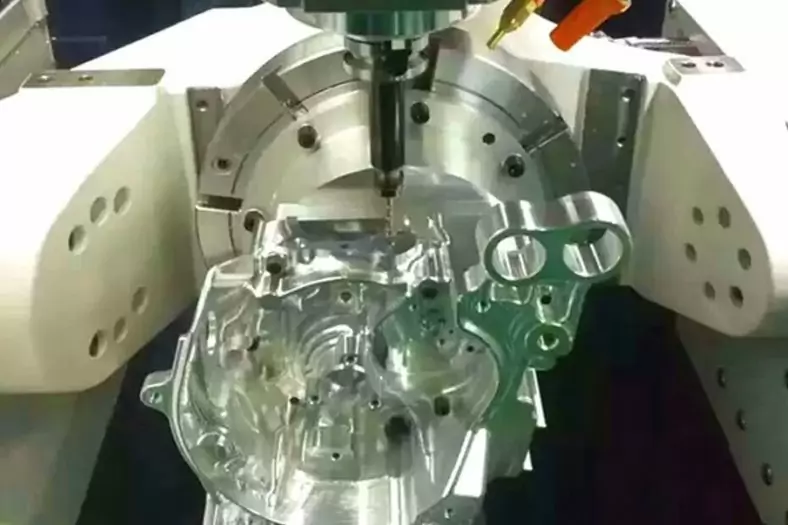
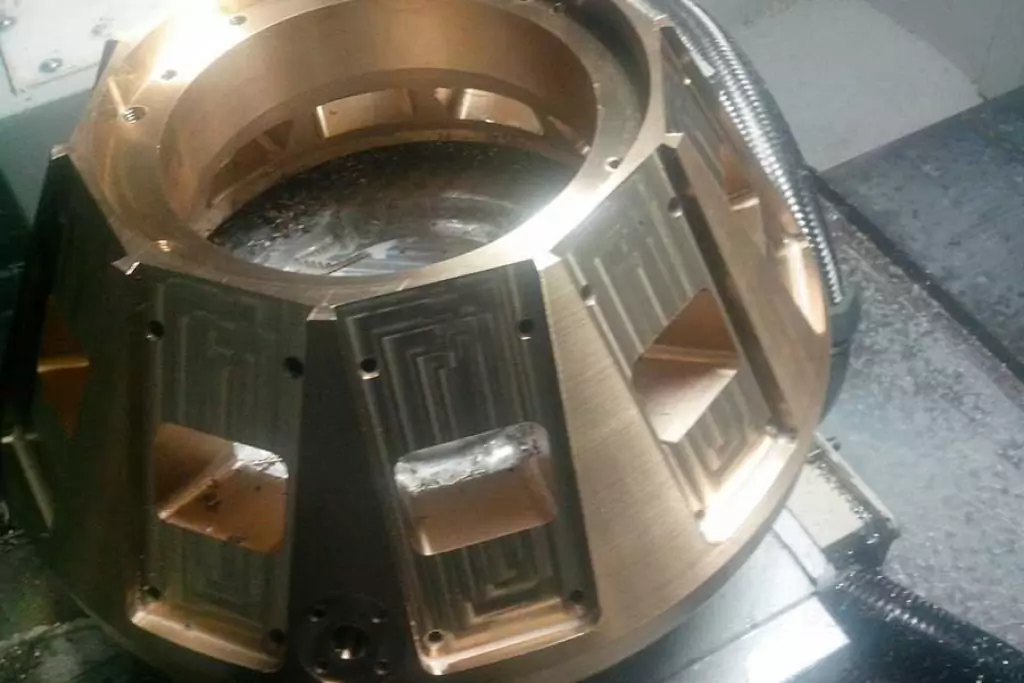
As an experienced and professional machine shop specialized in CNC manufacturing for many years, BE-CU.COM is capable of precision 5 axis CNC machining services and 5 axis milling. Whether you are in need of high-quality and precise metal or plastic components, we can provide 5 axis machining parts to worldwide clients for a variety of industries including automotive, medical, military, aerospace, mechanical, machine tool, high-tech, and more, with excellent machining and programming skills, as well as 5 axis CNC machining center. No matter how complex the CNC machining parts, each step will be executed with a rigorous attitude, to deliver exceptional 5 axis machining components that demonstrate the highest quality standards. Even though any problems during the process, we’ll keep running the job and make adjustments until all the issues are addressed.If you require a well-established and cost-effective CNC machining company to take over your project, BE-CU can achieve your expectation.
-

AZ91D CNC Machining Quadcopter Arm Landing Gear
-
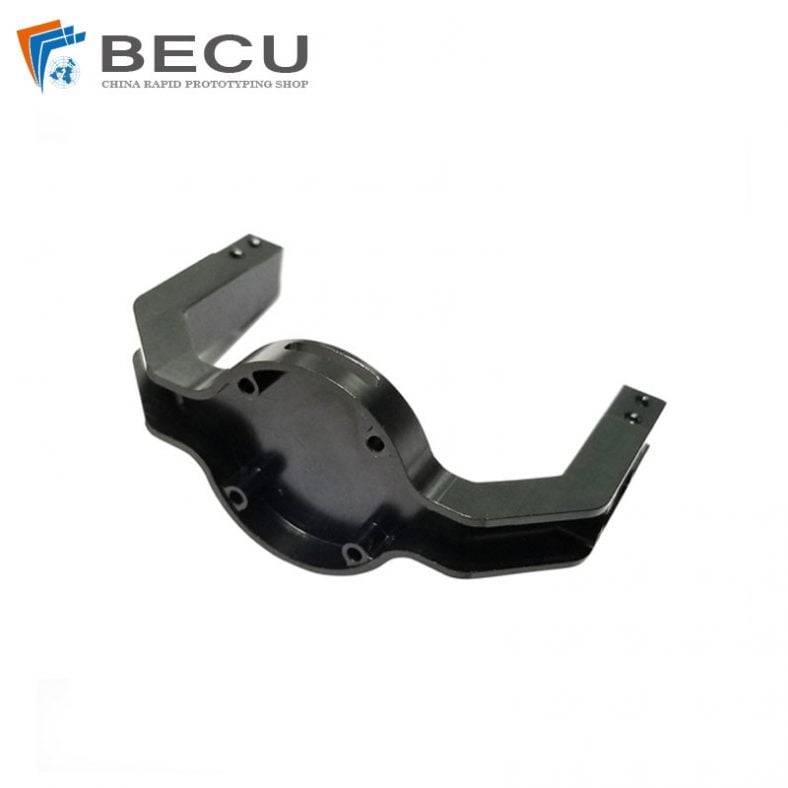
CNC Machining Lightweight Magnesium Alloy AZ91D Drone Gimbal Parts
-

CNC Machining Magnesium AZ61 Drone Blade Protection Cover
-

CNC Machining Magnesium AZ91D AI Ar Glasses Frame
-

CNC Machining AZ91D Magnesium Alloy High-End License Plate Frame
-

CNC Machining AZ91D Magnesium Alloy Laptop Middle Frame
-

CNC Machining AZ91D Magnesium Horizontal and Vertical Quick Turn Camera Stand
-

ZK61 Magnesium Cnc Machining Automation Parts