
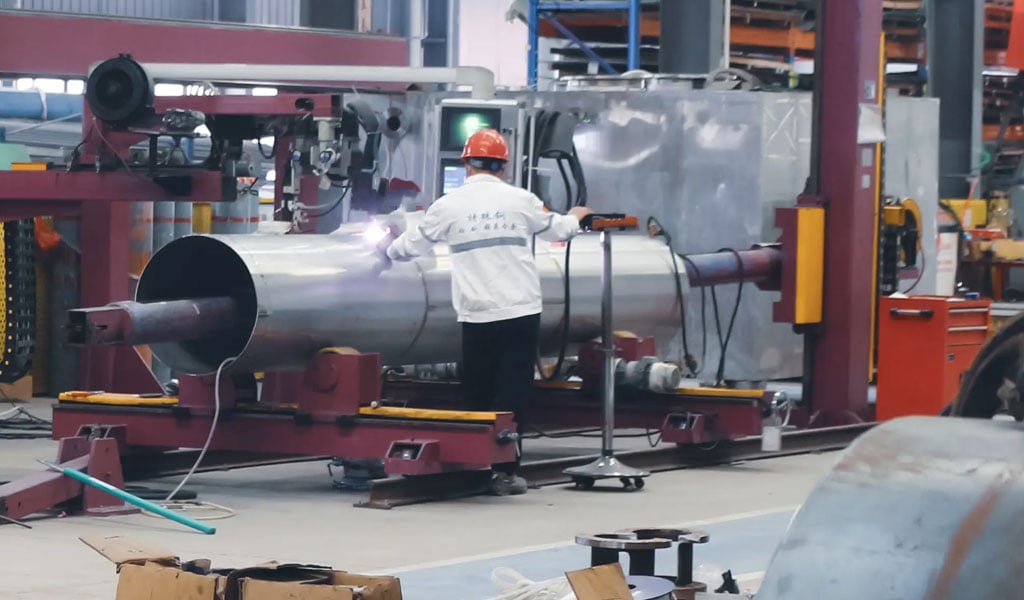
Monel 400 is a nickel-copper alloy known for its exceptional resistance to corrosion, making it suitable for various industries such as marine, chemical, and aerospace. The alloy is characterized by a composition that typically includes approximately 63% nickel and 29-34% copper, with trace amounts of iron, manganese, silicon, and carbon. While its outstanding mechanical properties and corrosion resistance make it a preferred material for many demanding applications, Monel 400 can be challenging to machine due to its work-hardening nature.
In machining operations such as turning, selecting the appropriate cutting speed and feed rate is critical to ensuring efficient material removal while maintaining tool life and surface quality.
Key Factors Influencing Turning of Monel 400
Monel 400 tends to harden rapidly during machining, making it susceptible to increased tool wear. Consequently, turning operations require careful control of cutting parameters to avoid excessive hardening of the workpiece surface, which can lead to difficulties in subsequent passes.
Thermal Conductivity
Monel 400 has relatively low thermal conductivity compared to other alloys. This property leads to the concentration of heat at the cutting zone, increasing the likelihood of tool wear or even tool failure if inappropriate speeds and feeds are used. Proper cooling and lubrication during turning operations are essential to prevent thermal buildup and maintain dimensional accuracy.
Toughness and Strength
Monel 400 is a tough, high-strength material that can withstand significant mechanical stresses. However, this toughness poses a challenge for turning operations, as it increases cutting forces. As a result, appropriate cutting speeds, feed rates, and the use of rigid machine setups are required to minimize tool deflection and ensure a stable machining process.
Recommended Turning Speeds and Feeds for Monel 400
Turning Monel 400 requires conservative cutting parameters to balance material removal rates with tool life and surface finish. Factors such as tool material, coolant application, and the desired surface finish must be taken into account when determining optimal cutting conditions.
Cutting Speed
Cutting speeds for Monel 400 are typically lower than those used for more conventional materials, such as carbon steel or aluminum, due to its work-hardening tendencies and tough nature.
- Carbide Tools: When using carbide tools, recommended cutting speeds generally range from 20 to 40 meters per minute (65 to 130 feet per minute). The exact speed depends on factors such as the depth of cut, feed rate, and the grade of the carbide insert.
- High-Speed Steel (HSS) Tools: For high-speed steel tools, cutting speeds should be reduced further. Typical values range from 10 to 20 meters per minute (33 to 65 feet per minute), as HSS tools are more prone to wear when subjected to the high heat generated during Monel 400 turning operations.
Feed Rate
The feed rate determines the rate of material removal and affects the quality of the machined surface. For Monel 400, the feed rate must be optimized to avoid excessive tool pressure and to reduce the risk of work-hardening.
- Carbide Tools: A feed rate of 0.1 to 0.25 millimeters per revolution (0.004 to 0.01 inches per revolution) is commonly used for carbide tools. Lower feed rates are preferred when finishing operations require smoother surfaces, while higher feed rates can be used in roughing operations for faster material removal.
- High-Speed Steel Tools: When using HSS tools, a feed rate in the range of 0.05 to 0.15 millimeters per revolution (0.002 to 0.006 inches per revolution) is recommended. Slower feed rates reduce the likelihood of excessive heat buildup and premature tool wear.
Depth of Cut
Depth of cut refers to the thickness of the material removed with each pass. A shallower depth of cut reduces cutting forces and heat generation, which is beneficial for tool life, especially when machining Monel 400.
- For roughing operations, depths of cut typically range from 1 to 4 millimeters (0.04 to 0.16 inches). In roughing, a combination of moderate depth and feed rate is essential to avoid overstressing the tool while maintaining reasonable material removal rates.
- For finishing operations, depths of cut are usually between 0.5 to 1 millimeter (0.02 to 0.04 inches). A finer depth of cut helps achieve a better surface finish and minimizes the impact of work-hardening.
Tooling Considerations for Monel 400 Turning
The selection of tooling plays a crucial role in successful turning operations on Monel 400. Given its tendency to harden during machining, the use of appropriate tools and coatings can significantly improve both tool life and part quality.
Tool Materials
- Carbide Tools: Cemented carbide tools are the preferred choice for turning Monel 400, as they offer the toughness and heat resistance required to withstand the high cutting forces and temperatures involved. Cobalt-enriched carbide grades are often recommended for improved performance in difficult-to-machine alloys.
- High-Speed Steel Tools: While HSS tools can be used, they are generally not preferred for heavy-duty operations due to their lower heat resistance. HSS is typically reserved for light cuts, finishing passes, or operations where carbide tools are not feasible.
Tool Geometry
Optimizing tool geometry is essential for improving chip formation and reducing cutting forces during Monel 400 turning.
- Positive Rake Angles: Tools with positive rake angles help reduce cutting forces and prevent excessive heat generation. Positive rake tools also improve chip flow and minimize the risk of work-hardening on the machined surface.
- Sharp Cutting Edges: Maintaining sharp cutting edges is crucial for successful machining of Monel 400. Dull tools increase cutting forces and heat generation, exacerbating tool wear and the risk of poor surface finishes.
Tool Coatings
The use of coated carbide inserts can further enhance tool performance. Coatings such as titanium nitride (TiN) and aluminum oxide (Al2O3) provide additional wear resistance and thermal stability, which are beneficial in the high-heat conditions typical of Monel 400 machining.
Coolant and Lubrication
The application of coolant is critical when turning Monel 400, as it helps control temperature and reduce friction at the tool-workpiece interface. Coolants also aid in chip evacuation, reducing the likelihood of re-cutting chips that can damage the tool and the surface finish.
- Flood Coolant: Flood coolant systems are commonly used for turning Monel 400, providing ample cooling and lubrication to the cutting zone.
- High-Pressure Coolant: High-pressure coolant systems can improve chip control and enhance cooling efficiency, especially in deep cuts or when machining at higher speeds and feeds.
Common Challenges and Solutions
- Tool Wear: Rapid tool wear is common when turning Monel 400 due to the material’s work-hardening properties and toughness. Using high-quality carbide inserts with appropriate coatings, along with sharp cutting edges, can mitigate this issue.
- Chatter: Chatter can occur due to the high cutting forces involved in turning Monel 400. Ensuring a rigid machine setup, optimizing feed rates, and employing tools with positive rake angles can reduce vibration and chatter.
- Work-Hardening: To avoid excessive work-hardening, cutting parameters must be optimized to ensure a consistent depth of cut and minimize idle tool movements on the workpiece surface. Swift and continuous cuts are recommended to prevent the material from hardening between passes.
Conclusion
Turning Monel 400 presents several challenges due to its work-hardening properties, toughness, and low thermal conductivity. By carefully selecting cutting speeds, feed rates, and tooling, machinists can achieve efficient material removal while maintaining acceptable tool life and surface quality. Carbide tools with sharp cutting edges, appropriate coatings, and positive rake angles are essential for successful machining. Additionally, the use of coolant is critical for controlling temperatures and preventing excessive tool wear during turning operations.
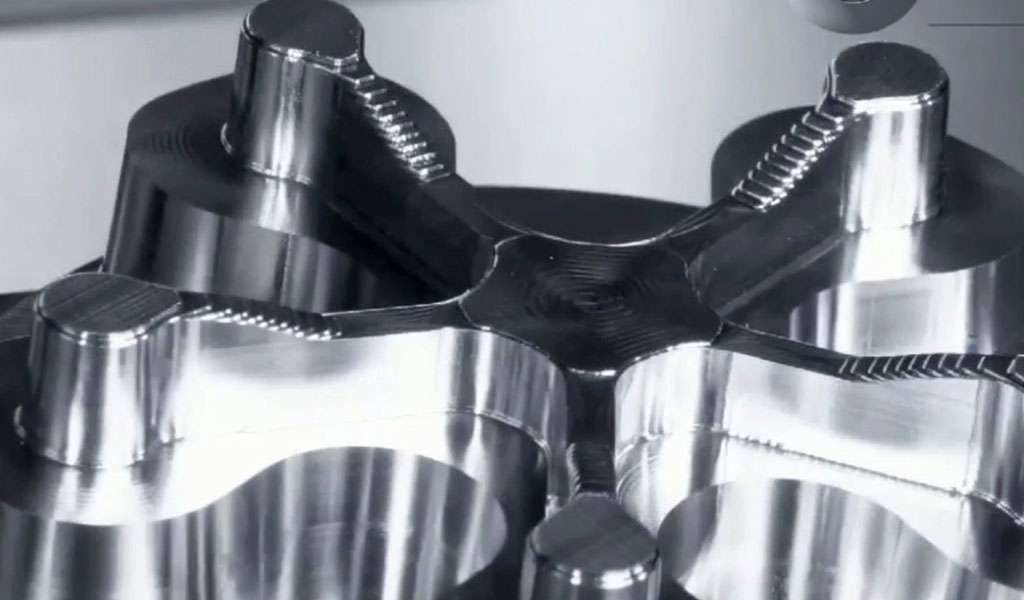
Working With An Experienced Custom Superalloys Parts Partner
Looking for reliable, quick-turn superalloys fabrication services suppliers and superalloys product manufacturers? Working with a specialized and seasoned manufacturer can help you save time and money, Be-cu is one of these options. Based on decades of experience in superalloys fabrication services, our engineers, designers, and technicians are capable to optimize the product design, prototypes building, material selection, and superalloy parts production.
Under normal cutting conditions, the surface layer of superalloy will have problems such as excessive hardening layer, residual stress, white layer, black layer, and grain deformation layer.Services including:
We also have a well-equipped machine shop and advanced manufacturing facilities to deliver custom superalloy parts with simple or complex geometries, applying various technologies including milling, turning, drilling, wire EDM, grinding, or other machining processes, as well as finishing services and more fabrication methods. Whether you want to reach high precision, repeatability, or tight tolerances, our superalloy manufacturing parts will match your needs. For the best superalloy fabrication company, look no further than Be-cu, welcome to send your inquiry to us.
-
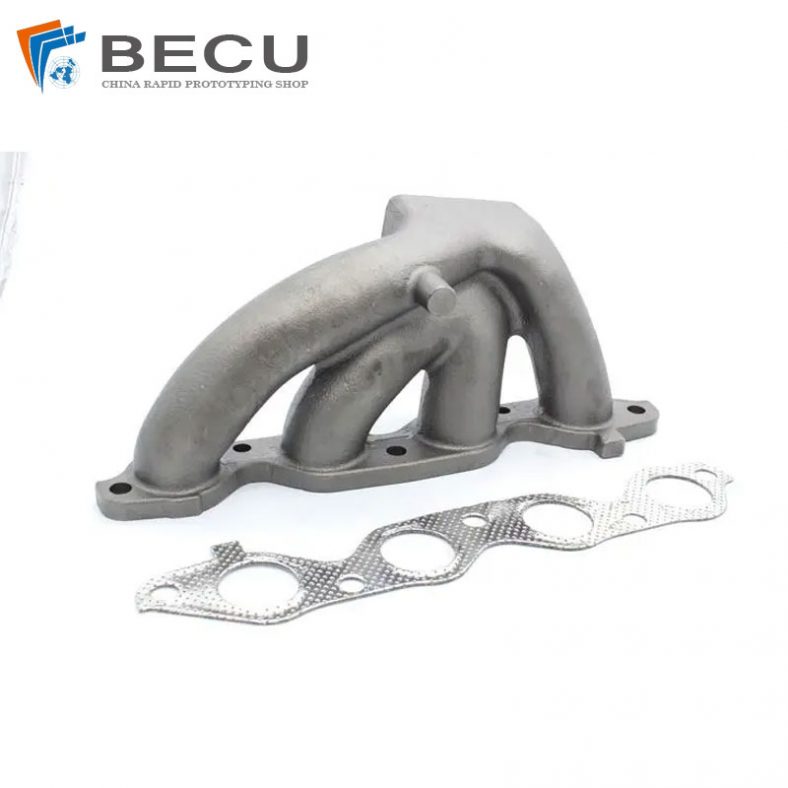
3D Printed Inconel Exhaust Manifold
-
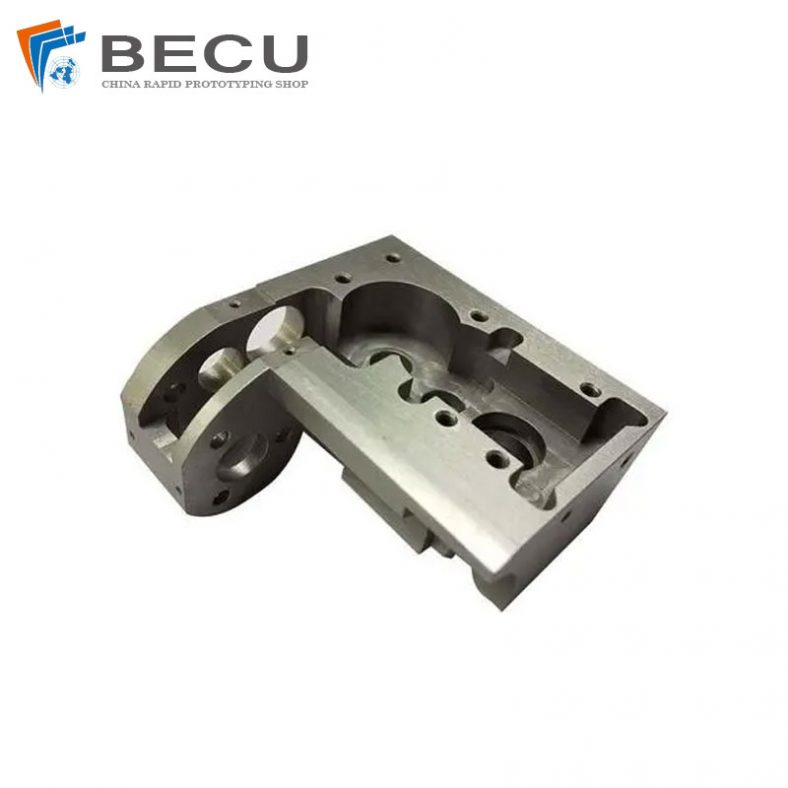
Crawler Robot Components for Oil Pipeline Interior Walls
-
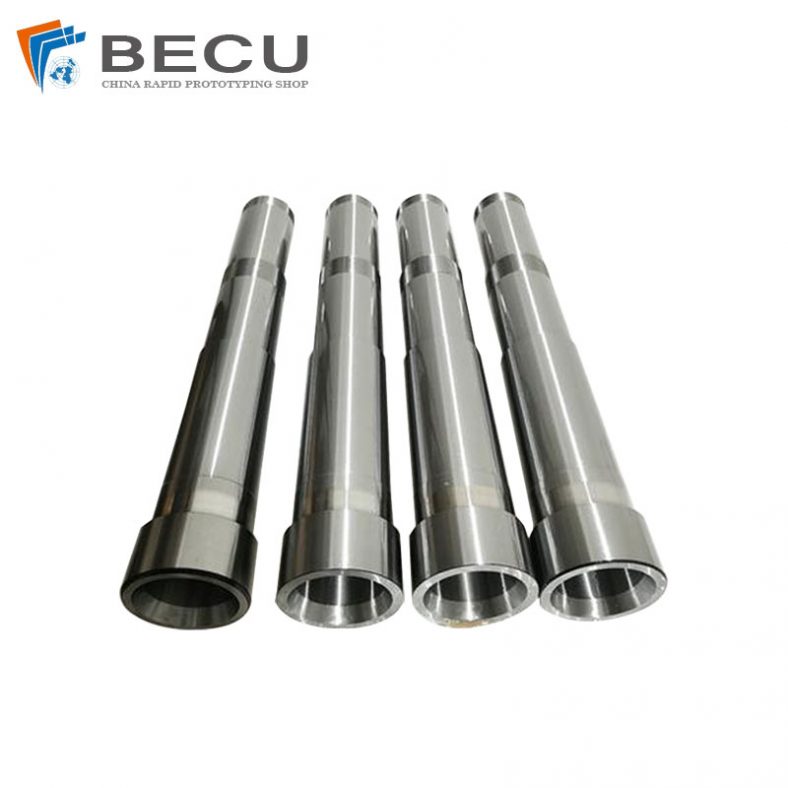
Restoration of Petroleum Splined Shafts through Supersonic Thermal Spray Coating
-
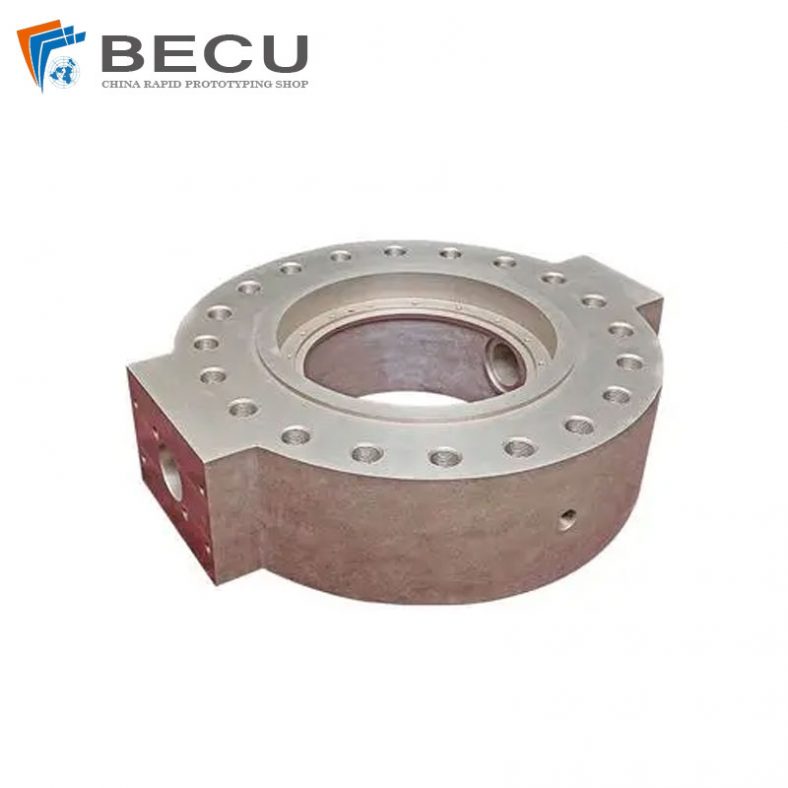
CNC Machining Monel K500 Butterfly Valve
-

Large CNC Turning Inconel 625 Automobile Engine Camshafts
-
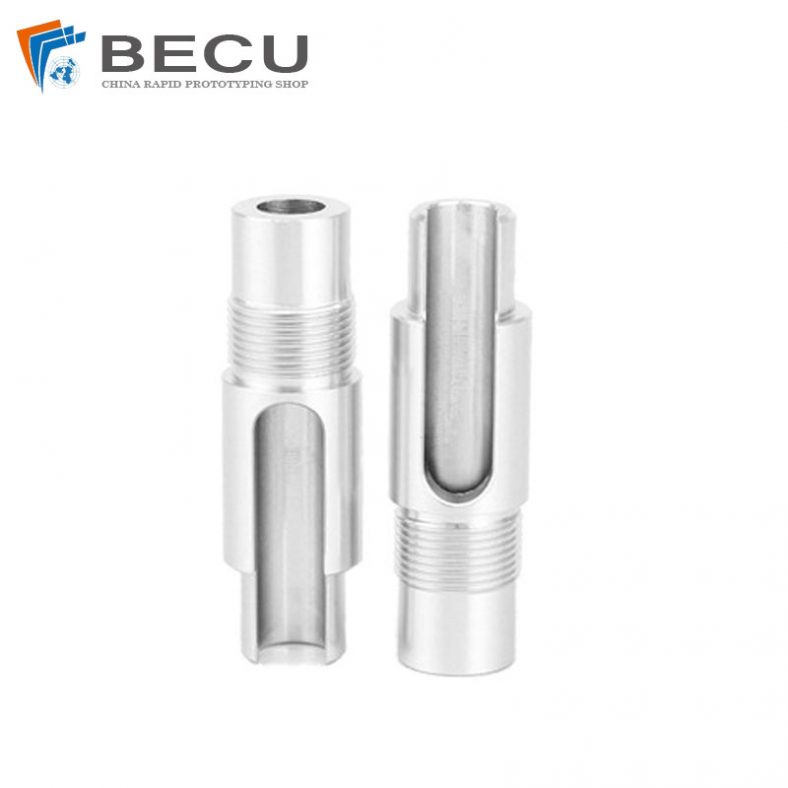
CNC Turn-Mill Machining Hastelloy c276 Parts
-
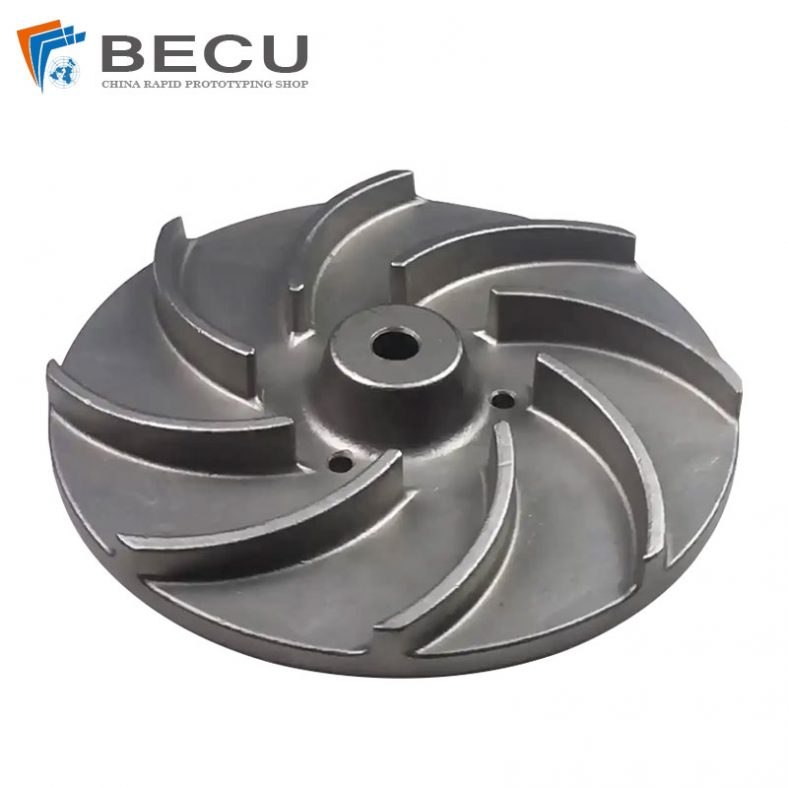
Precision CNC Machining Inconel 718 Cast Impeller
-
Micro CNC Machining Kovar 4J29 Medical Implant
-
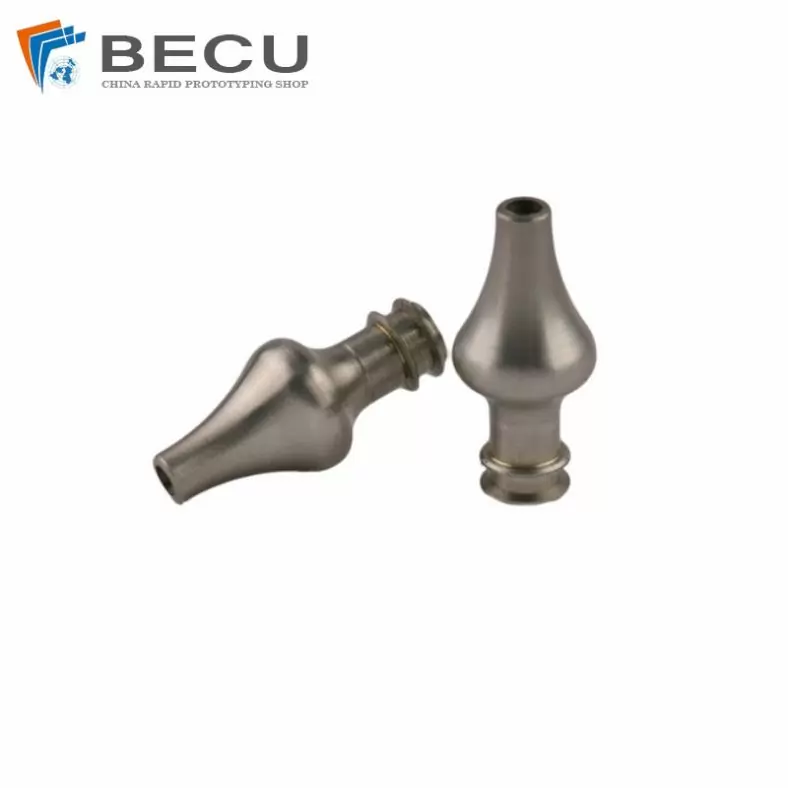
Turn-Mill Cnc Machining Kovar 4j29 Parts