
The ASME (American Society of Mechanical Engineers) Flange Bolt Torque Chart is a critical resource in the field of mechanical engineering, particularly in the design and maintenance of piping systems and pressure vessels. This chart provides guidelines for the proper torque to be applied to bolts used in flanged joints, ensuring the integrity and safety of the connection. The correct application of bolt torque is essential for preventing leaks, maintaining structural integrity, and ensuring the long-term reliability of the system. This article delves into the intricacies of the ASME Flange Bolt Torque Chart, including the calculation formula, sequence pattern, and the scientific principles underlying these guidelines.
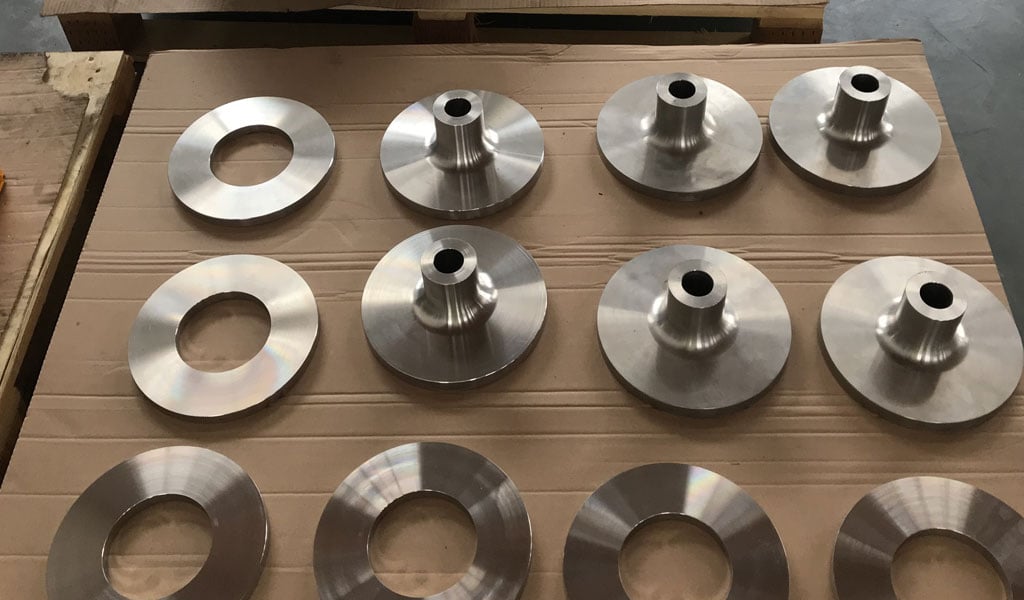
Introduction to ASME and Flange Bolting
The American Society of Mechanical Engineers (ASME) is a professional organization that sets standards for mechanical engineering practices. One of the key areas of focus for ASME is the design and maintenance of pressure vessels and piping systems. Flanged joints are a common feature in these systems, used to connect pipes, valves, and other components. The integrity of these joints is crucial for the safe operation of the system, as failures can lead to leaks, structural damage, and potential hazards.
Flange bolting involves the use of bolts to secure two flanges together, creating a sealed joint. The torque applied to these bolts is a critical factor in ensuring the joint’s integrity. Too little torque can result in a loose joint that may leak or fail under pressure, while too much torque can cause bolt failure or damage to the flange. The ASME Flange Bolt Torque Chart provides a standardized approach to determining the appropriate torque for different types of bolts and flanges, based on scientific principles and empirical data.
Understanding Bolt Torque
Bolt torque refers to the rotational force applied to a bolt to achieve a specific level of tension. This tension is what holds the flanges together and creates a seal. The relationship between torque and tension is complex and depends on several factors, including the bolt material, thread pitch, lubrication, and the coefficient of friction between the bolt and the flange.
The formula for calculating bolt torque is derived from the principles of mechanics and materials science. The basic formula is:
T=K⋅d⋅F
T is the torque (in foot-pounds or Newton-meters),
K is the torque coefficient (also known as the nut factor),
d is the nominal diameter of the bolt (in inches or meters),
F is the desired preload or tension in the bolt (in pounds or Newtons).
The torque coefficient K accounts for the friction between the bolt and the flange, as well as the thread friction. It is typically determined through empirical testing and can vary based on the type of lubricant used and the surface finish of the bolt and flange.
ASME Flange Bolt Torque Chart
The ASME Flange Bolt Torque Chart provides recommended torque values for a variety of bolt sizes and materials. These values are based on the formula above, with the torque coefficient K and desired preload F determined through extensive testing and analysis. The chart is designed to ensure that the bolts are tightened to the correct tension, providing a reliable seal without overstressing the bolts or the flanges.
The chart typically includes the following information:
- Bolt size (diameter and thread pitch),
- Bolt material (e.g., carbon steel, stainless steel, alloy steel),
- Recommended torque value (in foot-pounds or Newton-meters),
- Lubrication condition (e.g., dry, lubricated).
Calculation Formula
To understand the calculation formula in more detail, let’s break down the components:
- Torque Coefficient K: This factor accounts for the friction between the bolt head and the flange, as well as the friction between the threads of the bolt and the nut. The value of K can range from about 0.1 to 0.3, depending on the lubrication and surface finish. For example, a well-lubricated bolt with a smooth surface finish might have a K value of 0.15, while a dry bolt with a rough surface finish might have a K value of 0.3.
- Nominal Diameter d: This is the diameter of the bolt, measured in inches or meters. The nominal diameter is a standard size that corresponds to the bolt’s thread pitch and is used to calculate the torque.
- Desired Preload F: This is the tension that the bolt is designed to withstand. The preload is typically a fraction of the bolt’s yield strength, ensuring that the bolt is tightened enough to create a seal without exceeding its elastic limit. The yield strength is the stress at which the bolt begins to deform plastically, and it is a critical factor in determining the bolt’s ability to withstand tension.
The formula T=K⋅d⋅F is used to calculate the torque required to achieve the desired preload. For example, if a bolt has a nominal diameter of 1 inch, a torque coefficient of 0.2, and a desired preload of 50,000 pounds, the required torque would be:
T=0.2⋅1⋅50,000=10,000 foot-pounds
Sequence Pattern for Bolt Tightening
In addition to applying the correct torque, the sequence in which the bolts are tightened is crucial for ensuring a uniform and reliable seal. The ASME Flange Bolt Torque Chart often includes recommendations for the sequence pattern, which is typically a star pattern or a cross pattern.
- Star Pattern: In this pattern, the bolts are tightened in a sequence that resembles a star, starting from one bolt and moving to the opposite bolt, then to the next bolt in the sequence. This pattern helps to distribute the load evenly across the flange, reducing the risk of warping or uneven stress distribution.
- Cross Pattern: Similar to the star pattern, the cross pattern involves tightening the bolts in a crisscross sequence. This pattern also helps to distribute the load evenly and is often used for flanges with a larger number of bolts.
The sequence pattern is typically repeated in multiple passes, with each pass increasing the torque applied to the bolts. This gradual tightening helps to ensure that the flanges are aligned properly and that the load is distributed evenly.
Factors Affecting Bolt Torque
Several factors can affect the required bolt torque and the effectiveness of the flanged joint. These factors include:
- Bolt Material: The material of the bolt affects its strength and elasticity, which in turn affect the required torque. Common bolt materials include carbon steel, stainless steel, and alloy steel. Each material has different mechanical properties, such as yield strength and elastic modulus, which must be considered when calculating the required torque.
- Lubrication: The presence and type of lubricant can significantly affect the torque coefficient K. Lubricants reduce friction between the bolt and the flange, as well as between the threads, making it easier to achieve the desired preload with less torque. Common lubricants include molybdenum disulfide, graphite, and various oils and greases.
- Surface Finish: The surface finish of the bolt and the flange can also affect the torque coefficient. A smoother surface finish reduces friction, while a rougher surface finish increases friction. The surface finish is often specified in terms of roughness average (Ra), with lower values indicating a smoother finish.
- Temperature: The operating temperature of the system can affect the mechanical properties of the bolt and the flange. Higher temperatures can reduce the yield strength of the bolt, requiring a lower preload and correspondingly lower torque. Conversely, lower temperatures can increase the yield strength, allowing for a higher preload and torque.
- Gasket Material: The type of gasket used in the flanged joint can also affect the required torque. Gaskets are used to create a seal between the flanges, and different gasket materials have different compression characteristics. The gasket must be compressed sufficiently to create a seal, but over-compression can damage the gasket and reduce its effectiveness.
Empirical Data and Testing
The ASME Flange Bolt Torque Chart is based on a combination of theoretical calculations and empirical data. Extensive testing is conducted to validate the recommended torque values and to determine the torque coefficient K for different conditions. This testing involves applying various torques to bolts in controlled environments and measuring the resulting preload and seal effectiveness.
One common method of testing is the use of strain gauges, which are attached to the bolts to measure the actual tension achieved during tightening. This data is then compared to the theoretical calculations to validate the recommended torque values. Another method is the use of pressure testing, where the flanged joint is subjected to various pressures to assess its seal effectiveness and structural integrity.
Applications and Industries
The ASME Flange Bolt Torque Chart is used in a wide range of industries and applications, including:
- Oil and Gas: In the oil and gas industry, flanged joints are commonly used in pipelines, valves, and pressure vessels. The proper application of bolt torque is critical for preventing leaks and ensuring the safe operation of the system.
- Chemical Processing: In chemical processing plants, flanged joints are used in piping systems that carry corrosive or hazardous materials. The proper application of bolt torque is essential for preventing leaks and maintaining the integrity of the system.
- Power Generation: In power generation facilities, flanged joints are used in steam piping, turbine casings, and other high-pressure systems. The proper application of bolt torque is crucial for ensuring the safe and reliable operation of the system.
- Aerospace: In the aerospace industry, flanged joints are used in fuel systems, hydraulic systems, and other critical components. The proper application of bolt torque is essential for ensuring the structural integrity and safety of the aircraft.
- Automotive: In the automotive industry, flanged joints are used in engine components, transmission systems, and other critical areas. The proper application of bolt torque is important for ensuring the reliability and performance of the vehicle.
Case Studies and Real-World Examples
To illustrate the importance of the ASME Flange Bolt Torque Chart, let’s consider a few case studies and real-world examples:
- Pipeline Leak: In a pipeline carrying natural gas, a flanged joint failed due to insufficient bolt torque, resulting in a leak and a subsequent explosion. The investigation revealed that the bolts were not tightened to the recommended torque values, leading to a loose joint that could not withstand the operating pressure. This incident highlights the importance of following the ASME Flange Bolt Torque Chart to ensure the integrity and safety of the system.
- Chemical Plant Incident: In a chemical processing plant, a flanged joint in a piping system carrying a corrosive chemical failed due to over-tightening of the bolts. The excessive torque caused the bolts to fail, resulting in a leak and a chemical spill. The investigation revealed that the bolts were tightened beyond the recommended torque values, highlighting the importance of adhering to the ASME Flange Bolt Torque Chart to prevent over-tightening and bolt failure.
- Power Plant Shutdown: In a power generation facility, a flanged joint in a steam piping system failed due to uneven bolt tightening, resulting in a leak and a subsequent shutdown of the plant. The investigation revealed that the bolts were not tightened in the recommended sequence pattern, leading to uneven stress distribution and joint failure. This incident underscores the importance of following the ASME Flange Bolt Torque Chart and the recommended sequence pattern to ensure even load distribution and joint integrity.
Future Developments and Research
The field of flange bolting and bolt torque calculation is continually evolving, driven by advances in materials science, testing methods, and computational tools. Future developments in this area may include:
- Advanced Materials: The development of new bolt materials with improved mechanical properties, such as higher yield strength and better corrosion resistance, can lead to more reliable and durable flanged joints. Research is ongoing to develop new alloys and composite materials that can withstand higher temperatures, pressures, and corrosive environments.
- Improved Lubricants: The development of new lubricants with better friction-reducing properties can lead to more accurate and consistent bolt torque application. Research is focusing on developing lubricants that can withstand extreme temperatures and pressures, as well as those that are environmentally friendly.
- Computational Modeling: The use of advanced computational tools, such as finite element analysis (FEA), can provide more accurate and detailed simulations of flanged joints under various conditions. These tools can help to optimize bolt torque values and sequence patterns, as well as to predict the behavior of the joint under different loads and environments.
- Automated Tightening Systems: The development of automated bolt tightening systems can improve the consistency and accuracy of bolt torque application. These systems use sensors and feedback mechanisms to ensure that the bolts are tightened to the correct torque values and in the correct sequence pattern.
- Real-Time Monitoring: The use of real-time monitoring systems, such as strain gauges and pressure sensors, can provide continuous feedback on the condition of the flanged joint. These systems can detect changes in bolt tension, gasket compression, and joint integrity, allowing for early intervention and maintenance.
Conclusion
The ASME Flange Bolt Torque Chart is a critical resource for ensuring the integrity and safety of flanged joints in a wide range of industries and applications. The chart provides recommended torque values based on scientific principles and empirical data, ensuring that the bolts are tightened to the correct tension without overstressing the joint. The proper application of bolt torque, along with the correct sequence pattern, is essential for preventing leaks, maintaining structural integrity, and ensuring the long-term reliability of the system.
As the field of flange bolting continues to evolve, driven by advances in materials science, testing methods, and computational tools, the ASME Flange Bolt Torque Chart will remain a valuable resource for engineers and technicians. By adhering to the guidelines and recommendations provided in the chart, industries can ensure the safe and reliable operation of their systems, preventing costly failures and potential hazards.
In summary, the ASME Flange Bolt Torque Chart is a cornerstone of mechanical engineering practice, providing a standardized approach to bolt torque calculation and application. Through a combination of theoretical calculations, empirical data, and real-world case studies, the chart ensures the integrity and safety of flanged joints, contributing to the overall reliability and performance of mechanical systems.
The Detail Of BE-CU Cnc Machining Shop
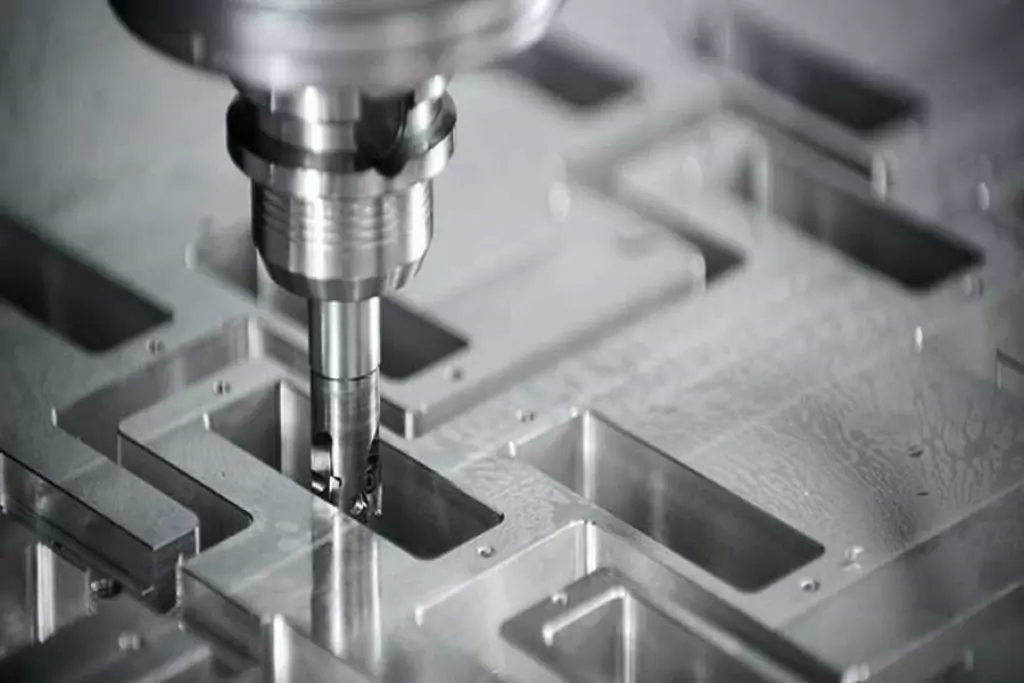
BE-CU.COM – As an accomplished CNC machining Service Manufacturer and CNC shop, BE-CU Prototype has been specialized in OEM CNC lathing, custom CNC machining parts production and rapid CNC machining services China for over 35 years and always maintaining the highest standard in delivery speed and reliable quality of precision CNC manufacturing components. With the help of high-level technology and efficient equipment, as well as rigorous attitude, BE-CU passed the ISO9001:2015 quality certification, which supports the long-term development of CNC milling services, CNC turning services, CNC milling-turning, CNC drilling services, 3/4/5 axis machining, gear machining services, CNC machining China custom parts and service, small parts machining, etc.Our CNC machining products can be utilized in a broad range of industries. Contact us for email: [email protected]
-
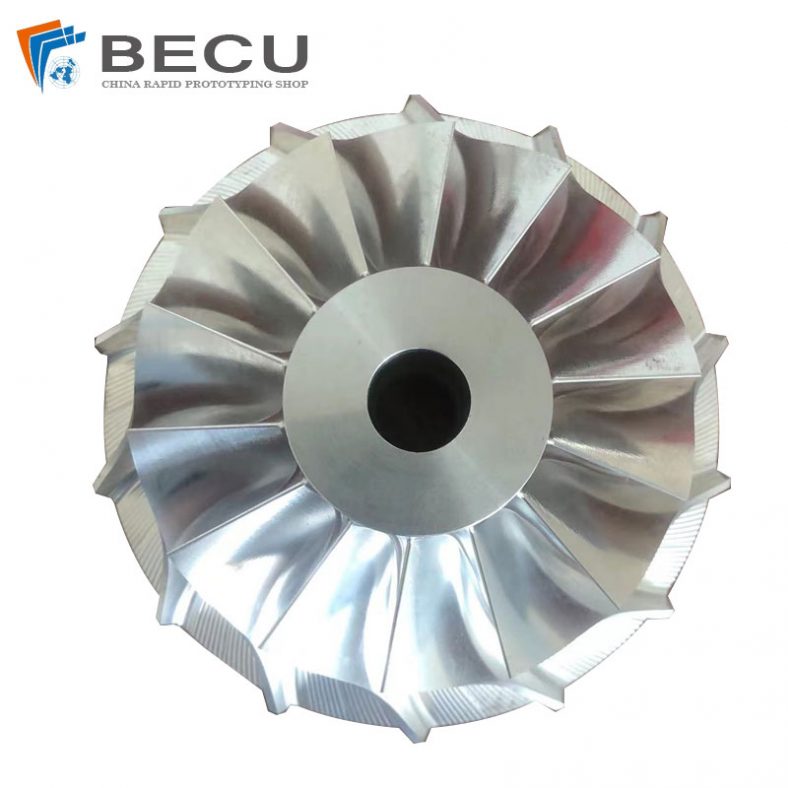
3-Way Centrifugal Compressor Closed Impeller By 5 Axis Machining
-

3/4/5 Axis Precision Milling Custom Vehicle Parts
-
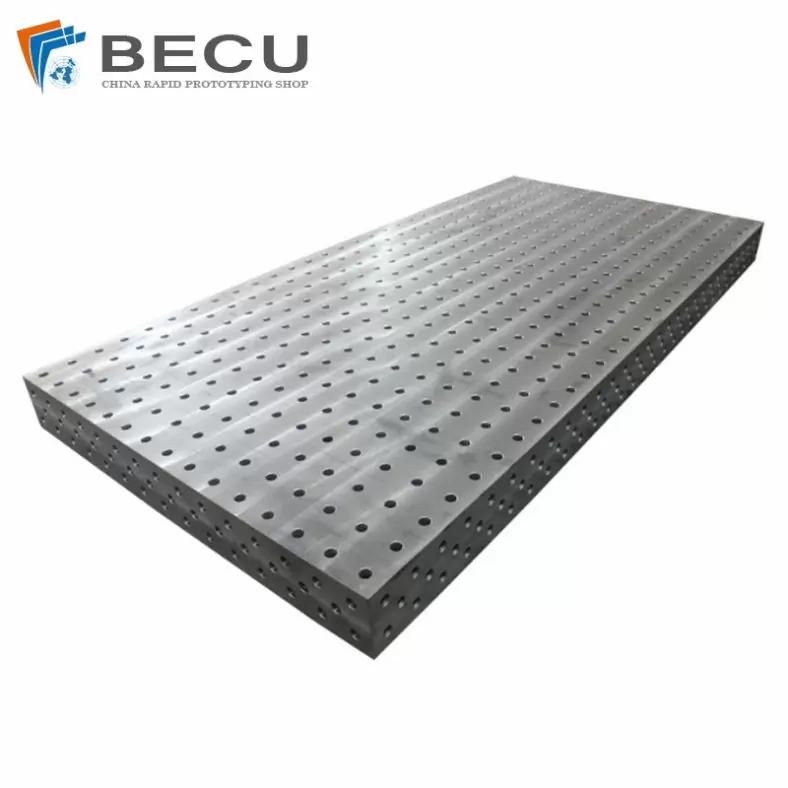
3D Flexible Welding Platform By Large Machining
-
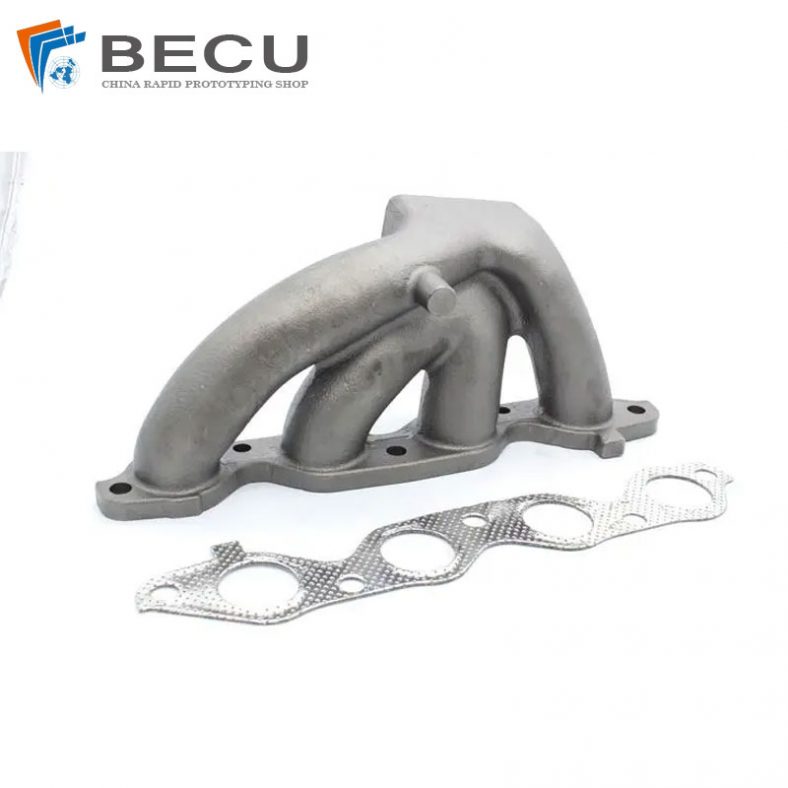
3D Printed Inconel Exhaust Manifold
-
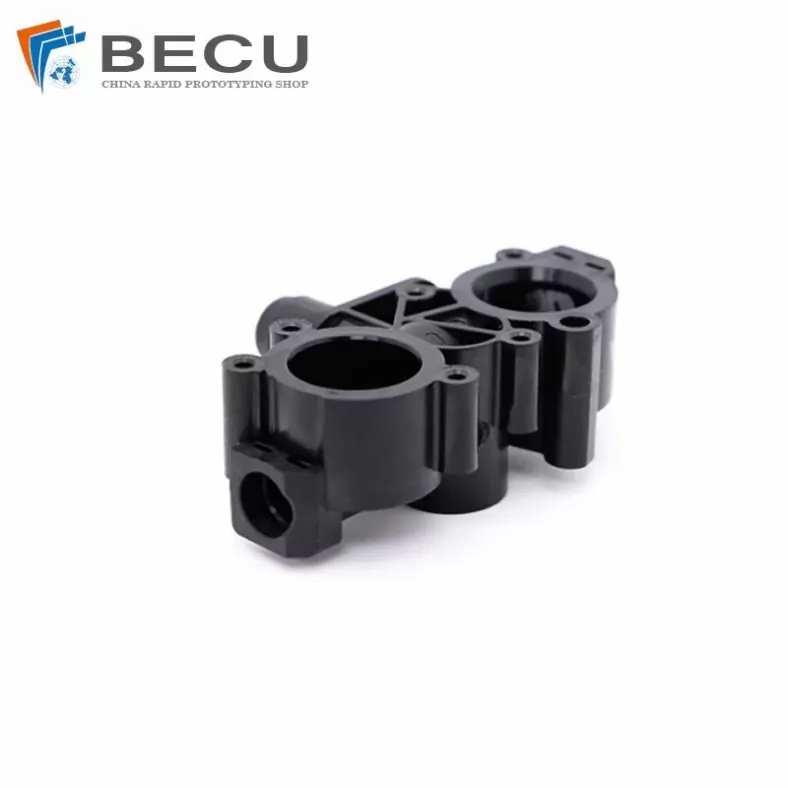
3D Printing And CNC Machining Custom Black PPS Valve
-
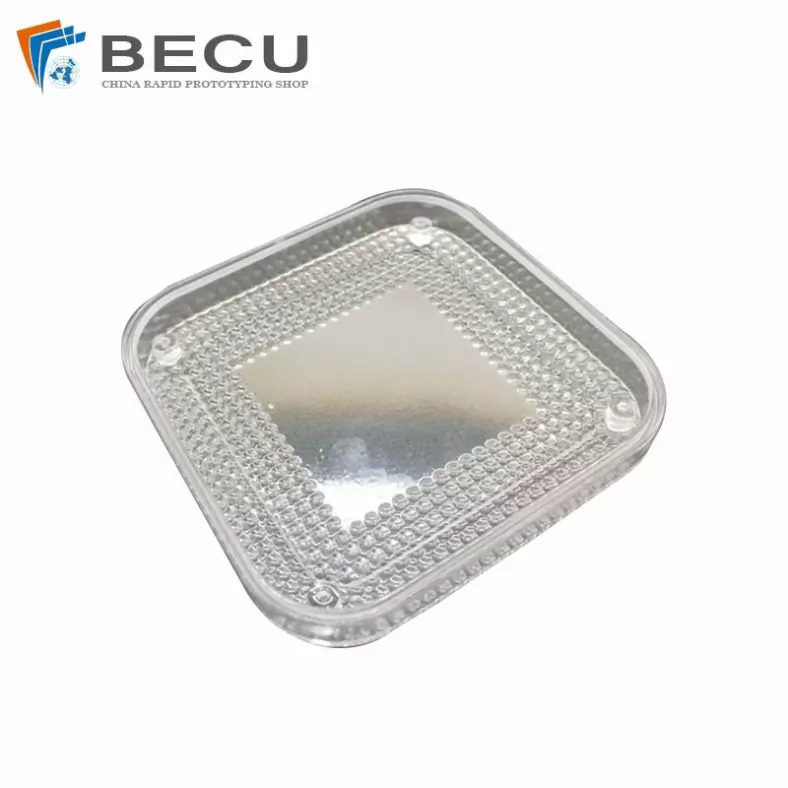
3D Printing Full Transparent Acrylic Lampshade Model
-
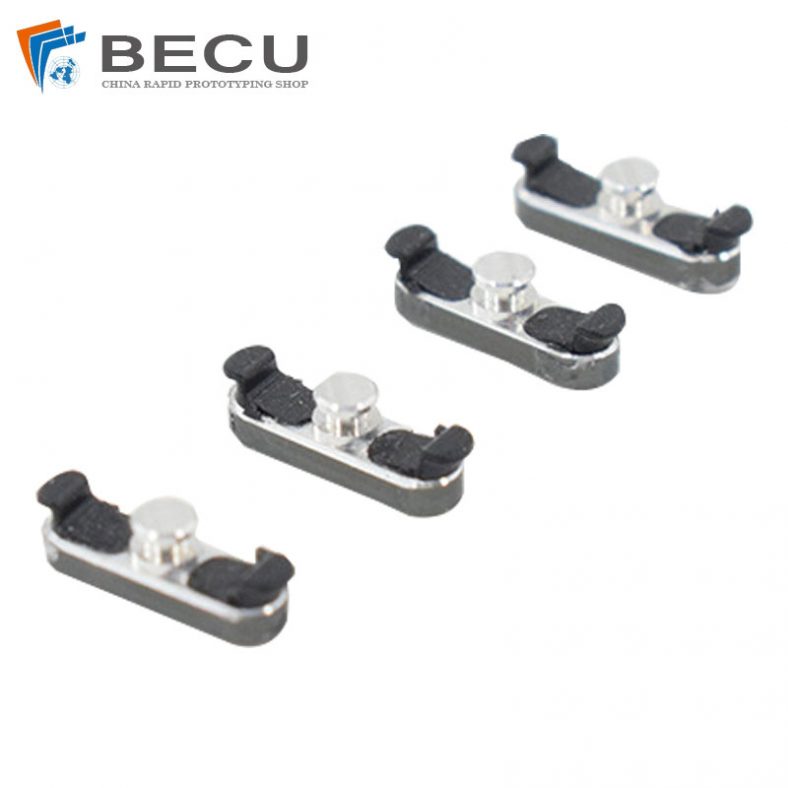
4 Axis CNC Machining Titanium Grade 5 Mobile Phone Buttons
-
4 Axis Machining Highly Transparent Acrylic LED Tunnel Light Lens