

Injection molding is a highly versatile and widely used manufacturing process, particularly in industries requiring high-volume production of plastic parts.
One of the most critical factors influencing the quality, cycle time, and cost-efficiency of injection molded parts is the temperature at which the mold is maintained during the process. Mold temperature directly affects the flow, solidification, and final properties of the plastic material, as well as the overall productivity of the injection molding operation.Mold temperature refers to the temperature of the mold cavity during the injection molding process.
This temperature is controlled and maintained throughout the cycle to achieve the desired part characteristics, including surface finish, dimensional accuracy, and mechanical properties. Both under-heating and over-heating of the mold can lead to defects, inefficiencies, or poor part quality.
The optimal mold temperature for injection molding varies depending on several factors, including the type of material being used, the geometry of the part, and the specific goals of the molding process. Achieving the right mold temperature is crucial for ensuring optimal cycle times, reducing scrap rates, and maintaining consistent product quality.Other articles about mold temperature:
- The Mold Temperature Influence On Molded Plastic Products Quality
- Three Elements Of Carbon Fiber High Temperature Compression Molding
Factors Influencing Mold Temperature in Injection Molding
Several factors influence the determination of the optimal mold temperature for a given injection molding operation. These factors include:
- Material Type: Different materials have different thermal characteristics that dictate the mold temperature. For example, thermoplastics such as ABS, polystyrene, and polypropylene generally require lower mold temperatures compared to high-performance engineering resins like polyetheretherketone (PEEK) or liquid crystal polymers (LCPs). The molecular structure and crystallinity of the material play significant roles in determining the ideal temperature range.
- Part Design: The geometry of the part being produced is another key factor. Complex geometries with thin walls, deep cavities, or intricate details may require different mold temperatures compared to simple, uniform shapes. Thin-walled parts may require higher mold temperatures to ensure proper flow and prevent premature solidification.
- Injection Speed and Pressure: The speed and pressure of the injection process also affect mold temperature. High injection pressures and fast injection speeds can lead to increased heat generation in the mold cavity, requiring precise temperature control to avoid overheating or uneven cooling.
- Cooling System Design: The design and efficiency of the mold cooling system are critical in maintaining the optimal mold temperature. Effective cooling channels and the ability to adjust the flow of coolant are essential for controlling mold temperature throughout the cycle.
The Role of Mold Temperature in Injection Molding
Mold temperature plays a critical role in a variety of aspects of the injection molding process, including:
- Plastic Flow: Mold temperature affects the viscosity and flow behavior of the plastic. At higher mold temperatures, the material is more fluid, which can improve flow into complex mold cavities and reduce the likelihood of flow-related defects such as short shots or weld lines. On the other hand, too high a mold temperature can lead to excessive flash or warping due to over-expansion of the material.
- Part Surface Quality: The surface quality of the molded part is heavily influenced by mold temperature. A consistent and optimal temperature helps produce smooth, glossy finishes on the part surface, while a mold that is too cold can result in surface defects such as burn marks, streaking, or poor aesthetics.
- Cycle Time: The mold temperature has a direct impact on the cooling time, which in turn affects the overall cycle time of the injection molding process. Higher mold temperatures typically reduce the rate at which the plastic solidifies, increasing the cooling time. Conversely, lower mold temperatures promote faster cooling but may increase the risk of incomplete filling or other defects.
- Dimensional Stability: Mold temperature also affects the dimensional stability of the finished part. If the mold is too cold, the material may cool and contract too quickly, leading to warping or shrinkage. If the mold is too hot, the material may not solidify properly, resulting in excessive shrinkage or distortion during ejection.
- Crystallization and Amorphous Behavior: The crystallization behavior of certain thermoplastic materials, such as polypropylene and polyethylene, is also influenced by mold temperature. Crystalline materials tend to crystallize at a certain temperature range, while amorphous materials remain in a non-crystalline state. Adjusting mold temperature allows for control over the crystallization process, affecting part strength and appearance.
Ideal Mold Temperature Ranges for Different Materials
Different injection molding materials require different mold temperature settings to achieve optimal results. Below are general temperature ranges for some common thermoplastics:
General Purpose Thermoplastics:
- Acrylonitrile Butadiene Styrene (ABS): 60°C to 90°C (140°F to 194°F)
- Polypropylene (PP): 20°C to 60°C (68°F to 140°F)
- Polystyrene (PS): 30°C to 70°C (86°F to 158°F)
- Polyethylene (PE): 30°C to 80°C (86°F to 176°F)
Engineering Plastics:
- Polycarbonate (PC): 90°C to 120°C (194°F to 248°F)
- Polybutylene Terephthalate (PBT): 80°C to 120°C (176°F to 248°F)
- Nylon (PA): 80°C to 120°C (176°F to 248°F)
- Polyoxymethylene (POM): 80°C to 120°C (176°F to 248°F)
High-Performance Materials:
- Polyetheretherketone (PEEK): 180°C to 250°C (356°F to 482°F)
- Liquid Crystal Polymers (LCPs): 200°C to 300°C (392°F to 572°F)
- Polyphenylene Sulfide (PPS): 200°C to 300°C (392°F to 572°F)
The above ranges are typical, but it is essential to consult specific material data sheets from the manufacturer to determine the exact mold temperature for each material.
Benefits of Maintaining Optimal Mold Temperature
Maintaining an optimal mold temperature during injection molding offers several benefits:
- Improved Part Quality: Achieving the ideal mold temperature helps to ensure that the material flows properly into the mold cavity, leading to better surface finishes, fewer defects, and consistent part dimensions.
- Reduced Cycle Times: Proper mold temperature can help optimize cooling times, reducing overall cycle times and increasing production efficiency. By finding the right balance between cooling speed and material solidification, manufacturers can reduce the time required for each cycle.
- Reduced Scrap Rates: Parts that are molded at optimal temperatures are less likely to have defects such as warping, excessive flash, or incomplete filling, reducing scrap rates and material waste.
- Cost Efficiency: Maintaining optimal mold temperatures improves the overall efficiency of the injection molding process. With fewer defects, reduced cycle times, and consistent part quality, manufacturers can achieve higher output with lower production costs.
Challenges in Controlling Mold Temperature
Despite the importance of maintaining optimal mold temperatures, achieving this goal can present several challenges:
- Temperature Variations: Mold temperatures can vary across different sections of the mold, especially in complex molds with multiple cavities or intricate features. Uneven cooling can lead to part defects such as warping or inconsistent surface finishes. Advanced temperature control systems, such as multi-zone heating and cooling systems, are often employed to ensure even temperature distribution.
- Tooling Limitations: The design of the mold itself can impact the ability to control and maintain the desired temperature. Poorly designed cooling channels, inadequate material selection, or insufficient insulation can hinder the efficient transfer of heat, leading to temperature variations and longer cycle times.
- Heat Transfer Issues: The ability to effectively transfer heat between the mold and the plastic material is a key consideration in temperature control. Factors such as mold material properties, mold surface finish, and coolant type can influence the efficiency of heat transfer.
- Energy Consumption: Maintaining precise mold temperatures can require significant energy input, particularly when working with high-performance materials that require high mold temperatures. Manufacturers must balance energy consumption with the benefits of optimal temperature control to ensure cost-effectiveness.
Technologies for Mold Temperature Control
To maintain the optimal mold temperature, various technologies are used in the injection molding process:
- Temperature Control Units (TCUs): These are devices used to regulate the temperature of the mold by circulating heated or cooled fluid through channels in the mold. They can be adjusted to provide precise temperature control for different mold sections.
- Heaters and Cooling Channels: Molds often feature integrated heaters and cooling channels that can be adjusted based on the requirements of the material and part design. Electric heaters are commonly used to maintain high mold temperatures, while water or other cooling fluids are used to lower mold temperatures.
- Thermocouples and Sensors: Thermocouples and other temperature sensors are embedded in the mold to monitor the temperature at various points within the cavity. These sensors provide real-time data that can be used to adjust the mold temperature during the injection molding cycle.
- Smart Mold Systems: Emerging technologies in smart manufacturing are bringing more advanced mold temperature control systems, including automated systems that adjust mold temperatures in real-time based on process data. These systems can optimize mold temperature dynamically throughout the cycle to improve part quality and cycle time.
Conclusion
Optimizing mold temperatures in injection molding is essential for producing high-quality parts with consistent dimensions and excellent surface finishes. By understanding the various factors that influence mold temperature, such as material type, part design, and cooling system efficiency, manufacturers can achieve better process control, higher production rates, and improved part quality. Advanced technologies in mold temperature control are continually improving, helping manufacturers overcome challenges and further enhance the efficiency and effectiveness of the injection molding process.
The Detail Of BE-CU Plastic Injection Company
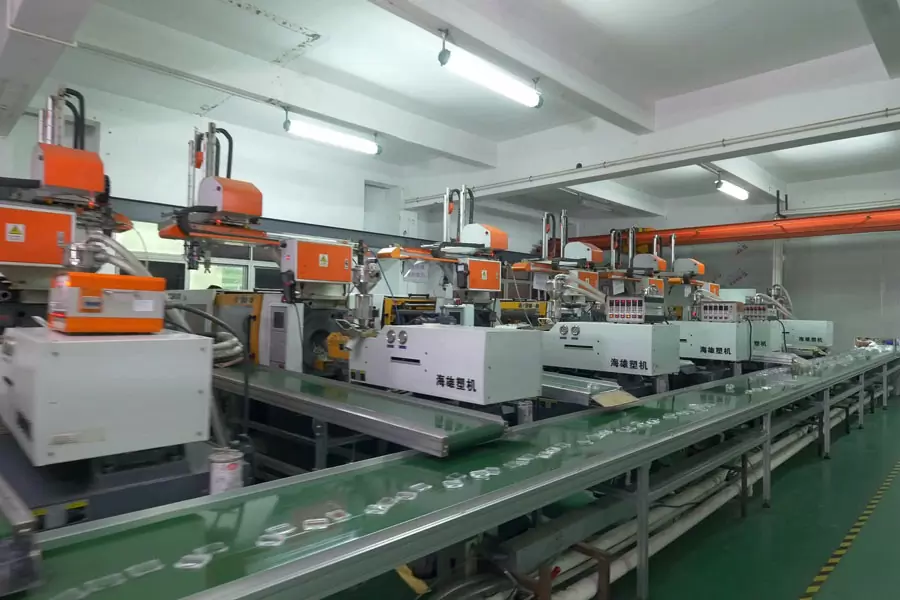
The core cooperative injection molding supplier has twelve 50T-200T injection molding machines, all of which are equipped with manipulators, mold temperature controllers, automatic assembly lines, and dust-free purification workshops. There are 4 automatic production lines in the oil spraying department: one 10,000-level automatic spraying production line (two sprays and two baking), 1 production line (one spray and one baking); 1 manual spraying production line, with a daily output of 150,000 pieces above. With brand-new professional technology, with an environmentally friendly anti-static, fully air-conditioned, dust-free workshop, the working environment is superior, the production equipment is complete, and the product testing equipment is perfect. Need mold making supplies for large quantities of production parts? Looking for a more cost effective and time efficient way of manufacturing parts? Don’t miss our injection molding services! At be-cu.com, we provide high quality and affordable injection molding for prototypes and production parts with quick turnaround times.
-

5 Axis CNC Machining Spiral Bevel Gear Mold
-
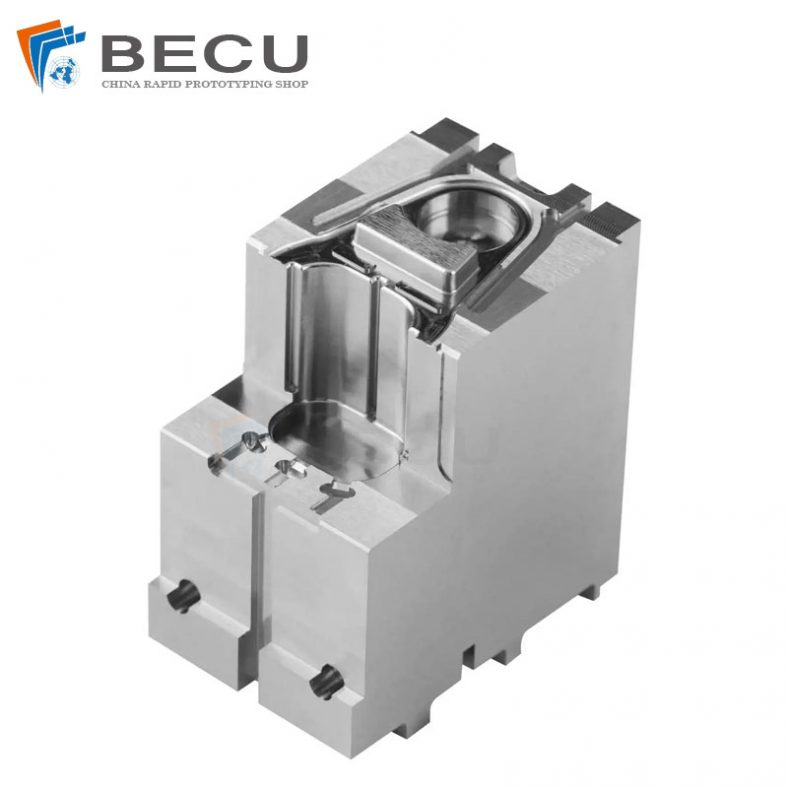
Small Precision Injection Molding Inserts
-
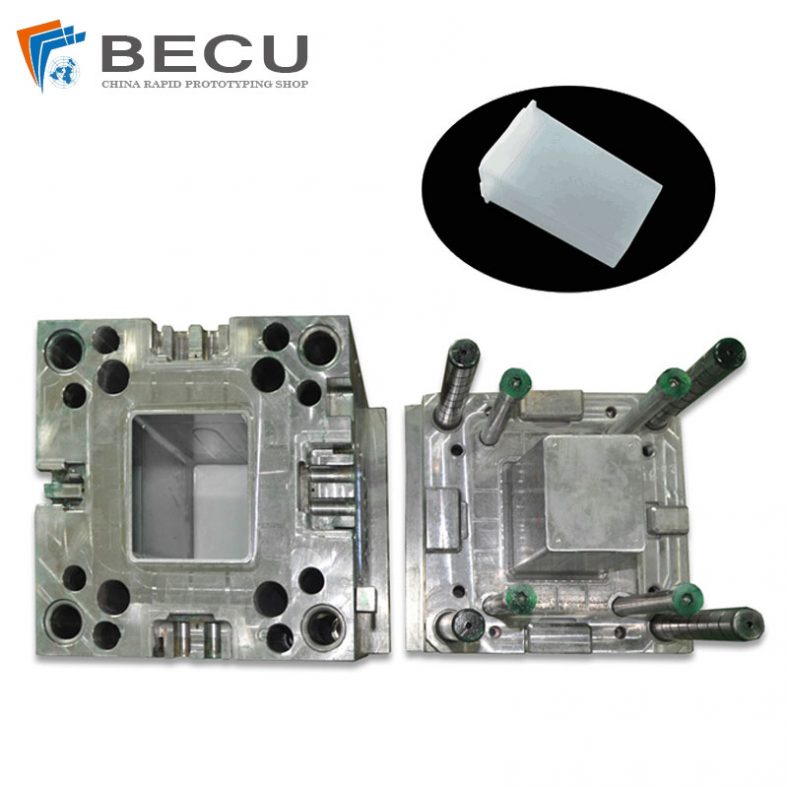
Plastic Storage Box Plastic Injection Mold
-
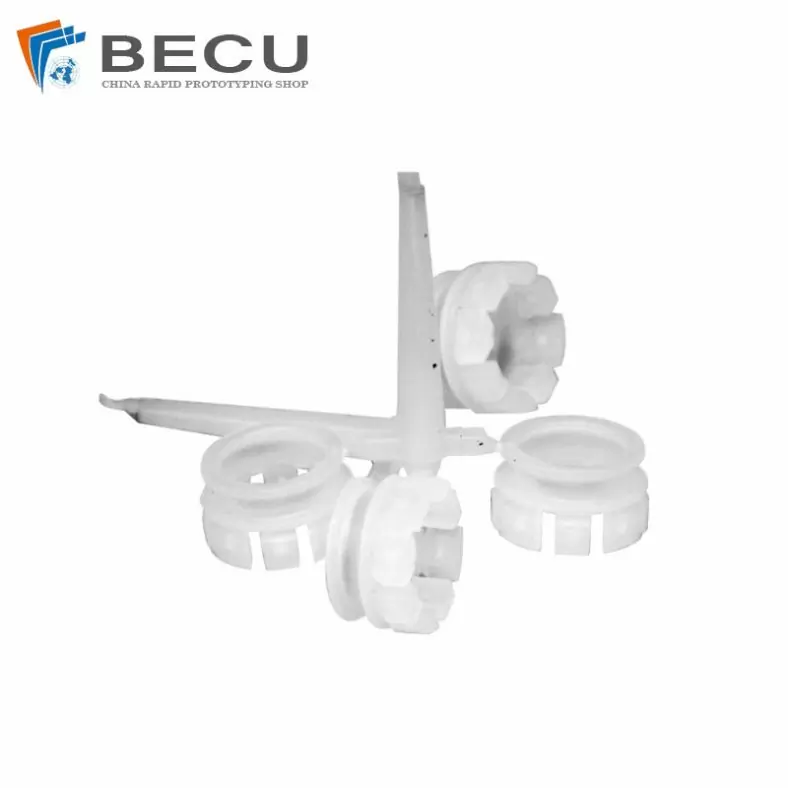
Injection Molding PE-UHMW Retaining Buckle And Ring
-
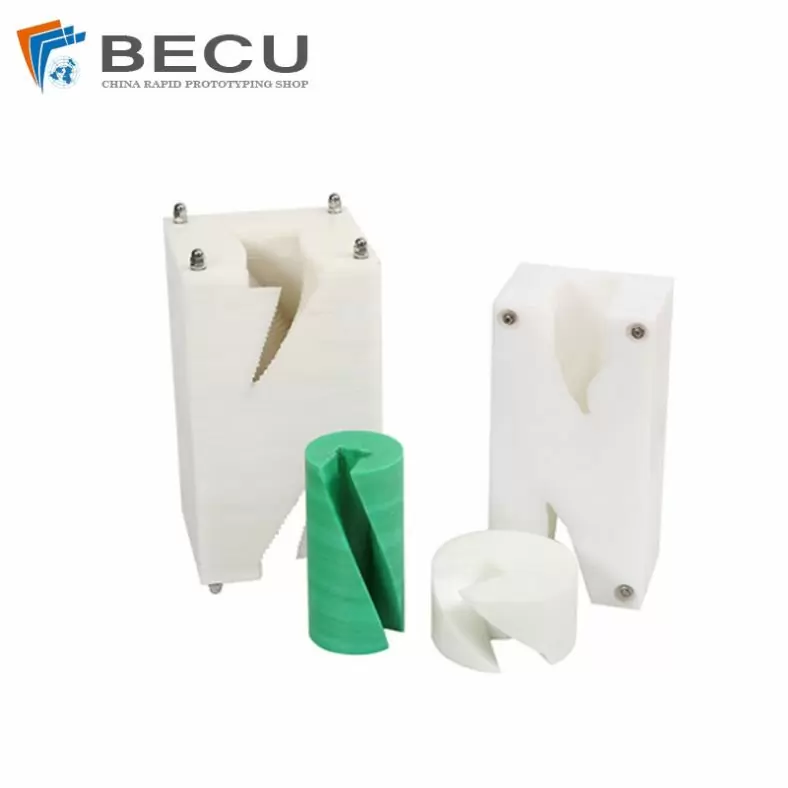
Cnc Machined UHMW-PE Bottle Turner
-
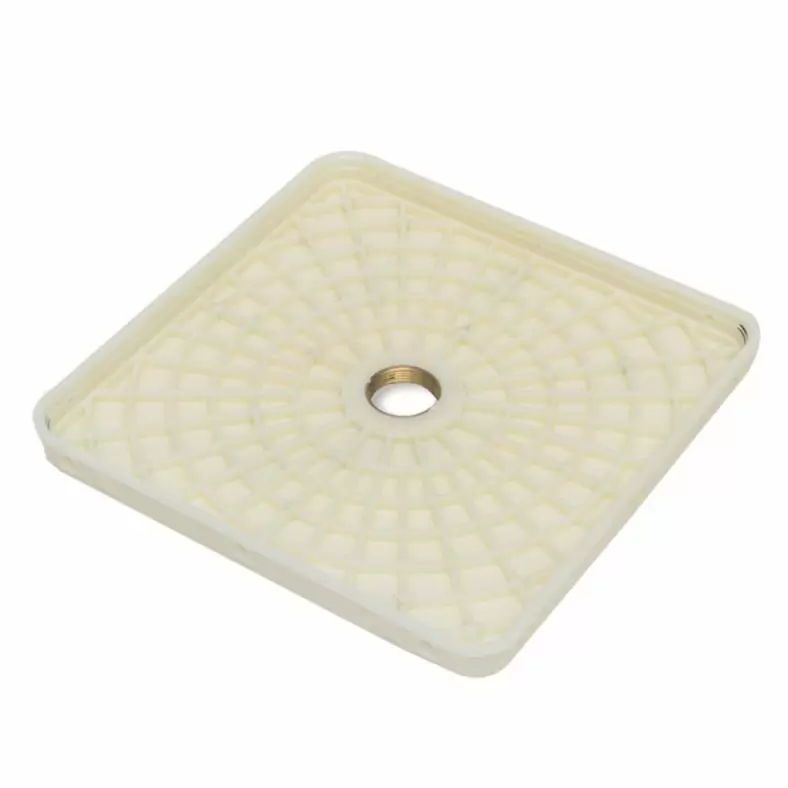
Shower Inclosure Sleeve By Plastic Injection
-
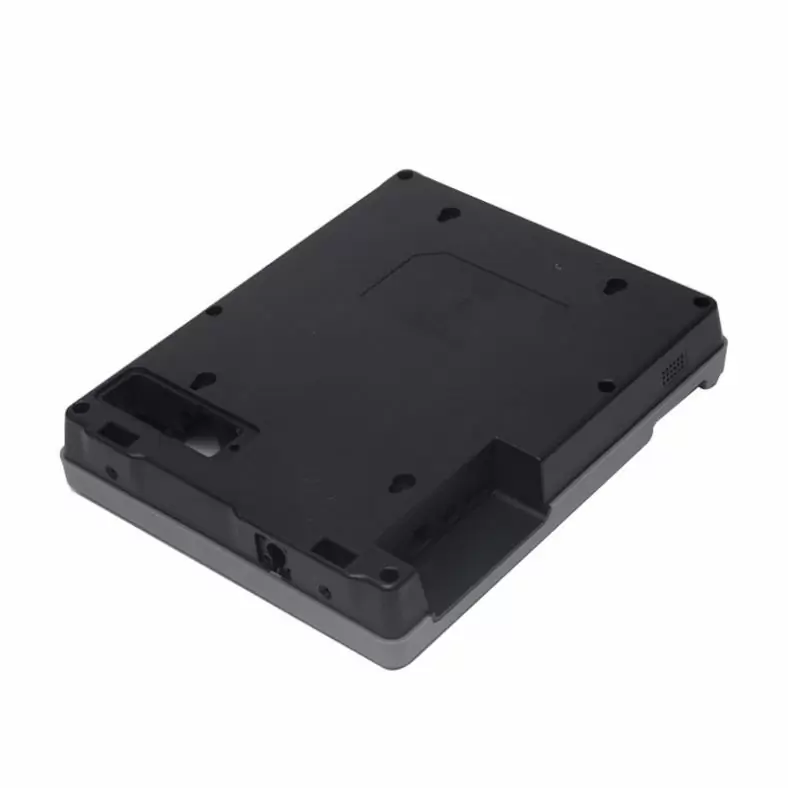
Injection Secret Security Machine Control Shell
-
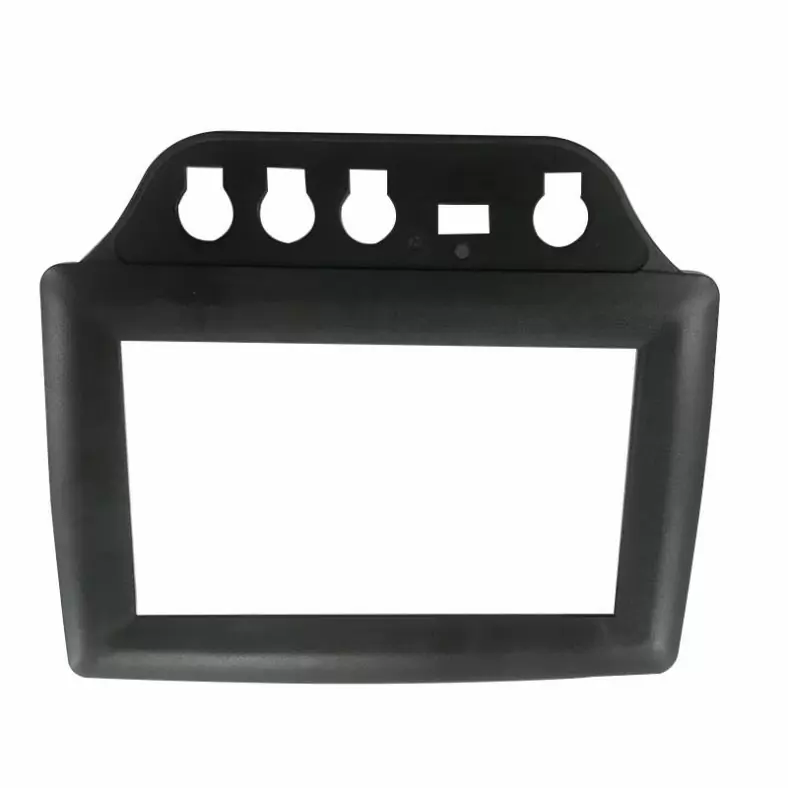
Sewing Machine Industrial Control Shell By Plastic Injection