
Swiss CNC machining is a precision manufacturing process that utilizes specialized lathes known for their ability to produce intricate and precise components with high accuracy. The process is commonly used in industries such as medical, aerospace, automotive, and electronics, where precision and reliability are paramount. Understanding how to calculate the price and time associated with Swiss CNC machining is essential for manufacturers, engineers, and procurement specialists to ensure cost-effectiveness and efficiency in production.
Calculating the price and time required for Swiss CNC machining involves several factors, including material selection, part complexity, machine setup, tool wear, and operational costs. This article will provide a comprehensive guide on how to assess these variables systematically, allowing stakeholders to make informed decisions regarding production planning and budgeting.
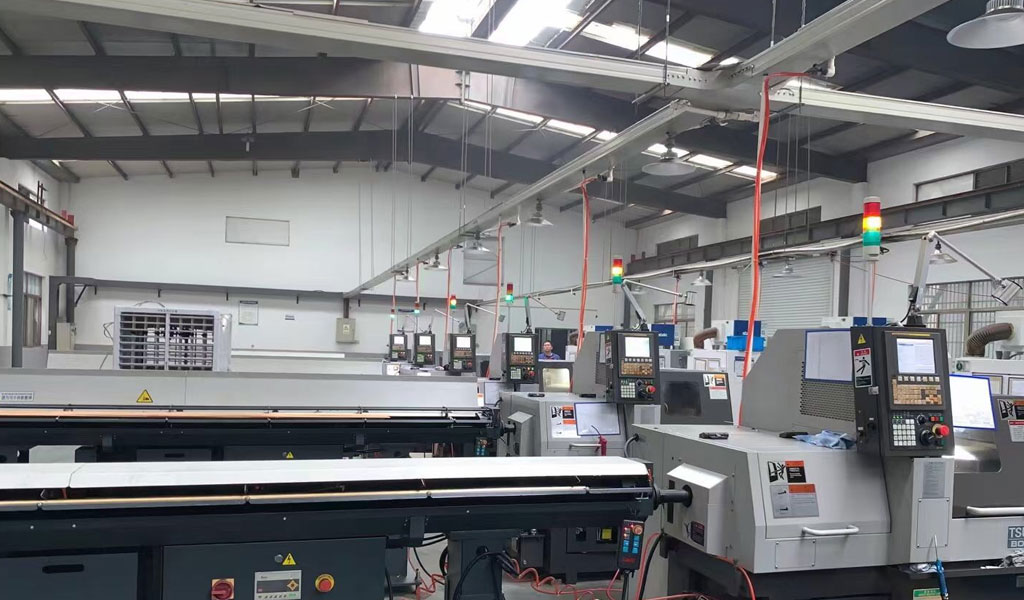
Overview of Swiss CNC Machining
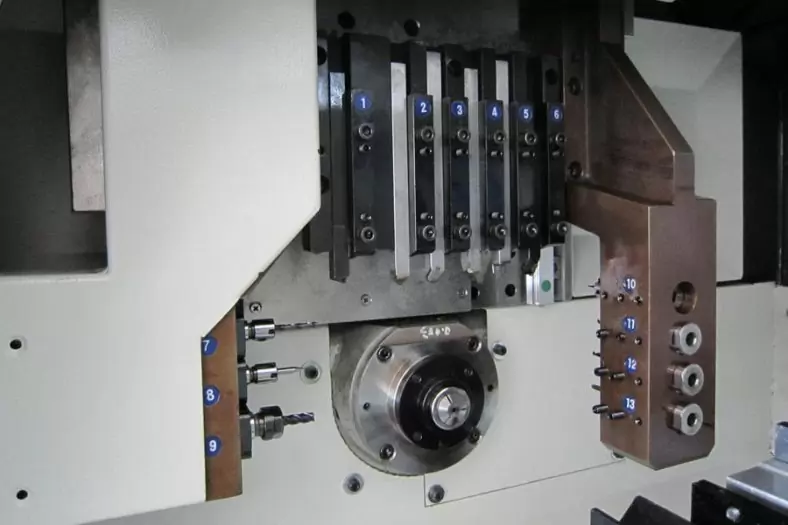
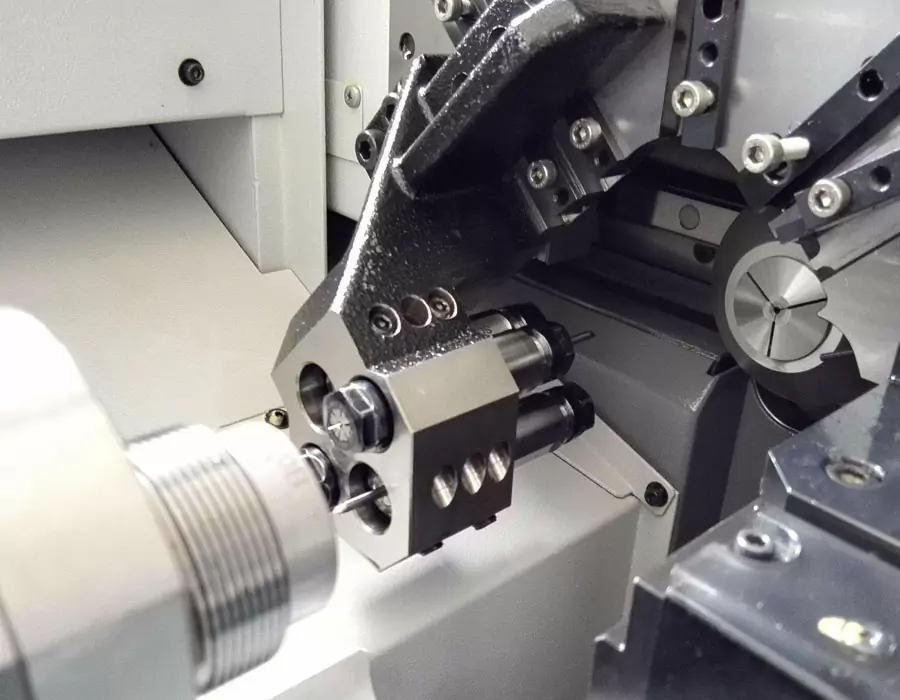
Swiss CNC machining, often referred to simply as Swiss machining, is a specialized form of computer numerical control (CNC) machining that utilizes Swiss-type lathes. These lathes are designed to produce high-precision parts with complex geometries and tight tolerances. The Swiss machining process is characterized by its ability to turn and mill components in a single setup, which enhances efficiency and reduces production time.
Historical Development
Swiss machining has its origins in the late 19th century in Switzerland, where the need for precision watch components led to the development of specialized lathes. These lathes were designed to produce small, intricate parts that were essential for the watchmaking industry. Over time, the technology evolved, incorporating CNC capabilities in the late 20th century, which allowed for automated and programmable control of machining processes. Today, Swiss CNC machining is widely used across various industries beyond watchmaking, including medical devices, aerospace, automotive, and electronics.
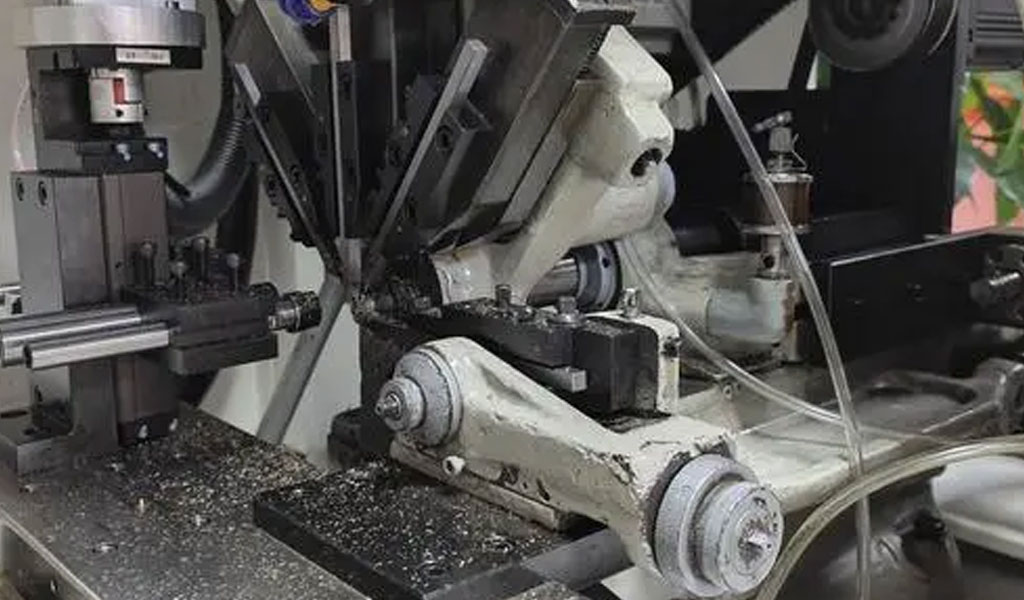
Key Features and Advantages
Swiss CNC machining offers several key features and advantages that make it an attractive choice for manufacturers:
- High Precision: Swiss lathes are capable of achieving tight tolerances, often within ±0.001 inches (±0.025 mm). This precision is crucial for industries where component accuracy is critical.
- Complex Geometries: The design of Swiss-type lathes allows for the production of complex shapes and features, such as threaded holes, contours, and intricate profiles, in a single setup.
- Efficient Material Utilization: The Swiss machining process minimizes material waste by allowing for precise cuts and optimally arranged tooling, resulting in more efficient use of raw materials.
- Reduced Setup Times: Swiss CNC machines often require less setup time compared to traditional machining processes, leading to faster production cycles and reduced lead times.
- Versatility: Swiss CNC machining is adaptable to a wide range of materials, including metals such as stainless steel, titanium, brass, and plastics, making it suitable for diverse applications.
Applications in Various Industries
Swiss CNC machining is employed in a multitude of industries, including:
- Medical: The medical device industry utilizes Swiss machining for producing components such as surgical instruments, implants, and connectors, where precision and biocompatibility are essential.
- Aerospace: Swiss machining is critical for manufacturing aerospace components, including fasteners, brackets, and valves, where high strength and reliability are mandatory.
- Automotive: The automotive sector relies on Swiss CNC machining for producing precision parts like fuel injectors, transmission components, and sensor housings, which require strict quality control.
- Electronics: Swiss machining is used to manufacture components such as connectors, housings, and other small parts that are integral to electronic devices.
In summary, Swiss CNC machining is a highly specialized and precise manufacturing process that has evolved significantly since its inception. Its unique capabilities make it indispensable across a wide range of industries, where quality, precision, and efficiency are paramount.
Factors Influencing Swiss CNC Machining Prices
Swiss CNC machining prices are influenced by various factors that contribute to the overall cost structure of the manufacturing process. Understanding these factors is essential for accurate pricing and budgeting. The key elements that affect the prices include:
Material Costs
Material selection is one of the most significant factors affecting the cost of Swiss CNC machining. The following aspects are important to consider:
- Types of Materials: Different materials come with varying costs. Common materials used in Swiss machining include stainless steel, aluminum, brass, titanium, and plastics. Each material has its unique properties, machining characteristics, and price points.
- Material Thickness and Density: Thicker and denser materials typically require more time and effort to machine, leading to higher costs. The choice of material thickness can significantly impact both the machining time and the complexity of the machining operations.
- Material Availability: The availability of specific materials can also influence pricing. Materials that are readily available in the market are often less expensive, while those that are rare or require special sourcing may incur additional costs.
Labor Costs
Labor costs are another crucial factor in determining the price of Swiss CNC machining. Key considerations include:
- Skilled Labor vs. Unskilled Labor: Swiss CNC machining requires skilled operators who can program and set up the machines effectively. The wages for skilled labor are generally higher than for unskilled labor, impacting overall production costs.
- Labor Rates in Different Regions: Labor costs can vary significantly depending on the geographic location of the manufacturing facility. Areas with a higher cost of living tend to have higher labor rates.
- Overhead Costs: In addition to direct labor costs, overhead costs related to employee benefits, training, and facility maintenance also contribute to overall labor expenses.
Machine Setup Costs
The setup process for Swiss CNC machines can be time-consuming and complex, which directly affects pricing:
- Setup Time and Complexity: Each new job requires a machine setup, which involves configuring tools, adjusting settings, and conducting test runs. More complex parts require longer setup times, leading to increased costs.
- Tooling Requirements: Different parts may necessitate specific tooling, which can add to setup costs. Custom tooling or specialized fixtures can also significantly affect pricing.
- Calibration and Maintenance: Regular maintenance and calibration of machines are essential to ensure precision and reliability. These activities incur costs that are factored into the pricing of Swiss CNC machining.
Tooling Costs
Tooling is a critical component of the machining process, and its costs can vary widely based on several factors:
- Types of Tools Used: The selection of tools, such as inserts, drills, and milling tools, impacts the overall cost. Specialty tools designed for specific materials or geometries tend to be more expensive.
- Tool Wear and Replacement: Tools wear out over time, especially in high-volume production scenarios. The cost of tool wear and the need for replacements must be accounted for in pricing.
- Cost of Tooling Fixtures: Fixtures and jigs that hold the workpiece in place during machining can also add to the overall tooling costs, especially if they require customization.
Production Volume
Production volume plays a significant role in determining the pricing of Swiss CNC machining:
- Economies of Scale: Higher production volumes often lead to lower per-unit costs due to economies of scale. As the volume increases, the fixed costs associated with setup and tooling are spread across more units, reducing the cost per part.
- Batch Production vs. Mass Production: Batch production may have higher per-unit costs compared to mass production due to increased setup times and tooling adjustments. Understanding the expected production volume is essential for accurate pricing.
Additional Costs
Beyond the primary factors listed above, several additional costs can influence Swiss CNC machining pricing:
- Quality Control Measures: Ensuring the quality and precision of parts may require additional inspection and testing processes, which can increase costs.
- Shipping and Handling: The logistics of transporting raw materials and finished products can add to the overall cost structure, especially for international shipping.
- Packaging: Proper packaging to protect components during transit is essential, and this cost should be factored into the overall pricing.
The pricing of Swiss CNC machining is influenced by a myriad of factors, including material costs, labor expenses, machine setup intricacies, tooling requirements, production volume, and additional costs. By understanding and analyzing these elements, manufacturers can develop accurate pricing strategies that reflect the true cost of production while remaining competitive in the market.
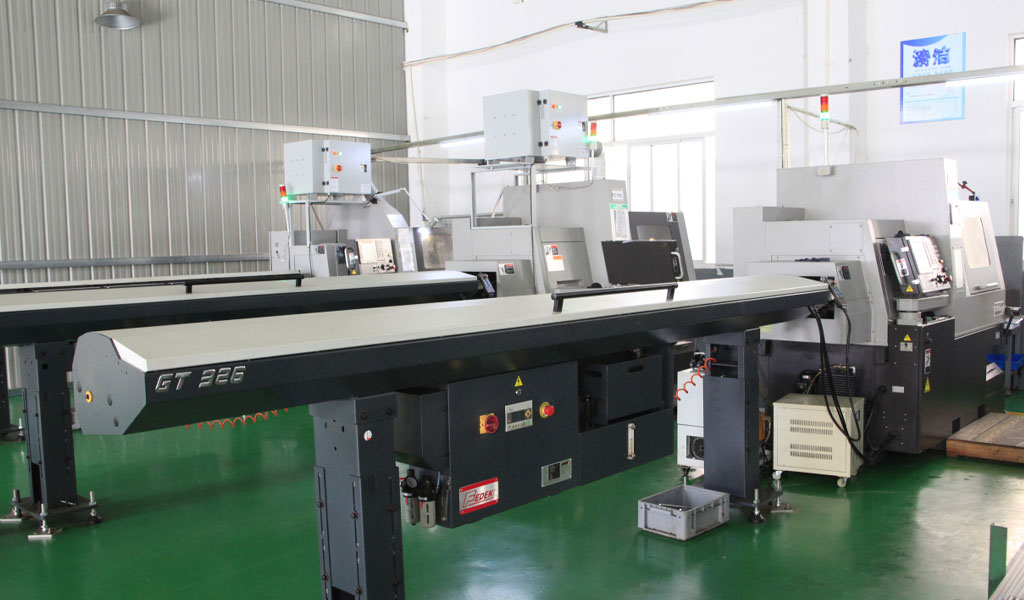
Estimating Time for Swiss CNC Machining
Estimating the time required for Swiss CNC machining is crucial for effective project management and scheduling. Time estimates help manufacturers plan production runs, allocate resources, and ensure timely delivery of products.
The time required for machining is influenced by several components, including setup time, cycle time, and machine efficiency. Below are the key factors to consider when estimating time for Swiss CNC machining.
Time Components
Understanding the various components of time in Swiss CNC machining is essential for accurate estimation:
- Setup Time: This is the time taken to prepare the machine for a new job. It includes the installation of tools, programming the CNC machine, calibrating settings, and performing test runs. Setup time can vary significantly depending on part complexity and the experience of the operator.
- Cycle Time: Cycle time refers to the duration it takes to complete one machining operation on a part. It encompasses the actual cutting time, as well as any additional time required for the machine to reposition itself or execute secondary operations (e.g., milling, drilling, or threading). Cycle time is influenced by the complexity of the part geometry, the type of material being machined, and the chosen machining parameters.
- Load and Unload Time: This is the time spent loading raw materials into the machine and unloading finished parts. Efficient load and unload processes are essential for minimizing idle machine time and maximizing production efficiency.
Cycle Time Calculation
Cycle time is a critical factor in estimating overall machining time, and it can be calculated using several methods:
- Factors Affecting Cycle Time: Several variables influence cycle time, including:Part geometry and size/Material hardness and machinability/Tooling type and configuration/Machining speed and feed rate
- Use of Software for Time Estimation: Advanced software tools can assist in estimating cycle time by simulating the machining process. These programs consider various factors such as tool paths, material properties, and machine capabilities, providing accurate time estimates for specific parts.
Machine Efficiency
Machine efficiency plays a vital role in determining the overall time required for Swiss CNC machining:
- Utilization Rates: The utilization rate measures how effectively a machine is being used compared to its available operating time. Higher utilization rates indicate better machine efficiency and can lead to reduced overall machining time.
- Downtime Considerations: Downtime can significantly affect production schedules. Factors contributing to downtime include maintenance, tool changes, operator breaks, and machine malfunctions. Minimizing downtime through effective planning and maintenance strategies is crucial for optimizing machining time.
Continuous Improvement Strategies
To enhance time estimation accuracy and reduce overall machining time, manufacturers can adopt continuous improvement strategies:
- Lean Manufacturing Principles: Implementing lean manufacturing practices helps identify and eliminate waste in the machining process. This approach focuses on streamlining operations, optimizing workflows, and improving efficiency.
- Process Optimization Techniques: Regularly reviewing and optimizing machining processes can lead to significant time savings. Techniques such as Six Sigma and Kaizen promote systematic improvements that enhance productivity and reduce cycle times.
- Training and Skill Development: Investing in operator training and skill development can lead to more efficient setups, improved machine handling, and reduced errors, all of which contribute to faster machining times.
Estimating time for Swiss CNC machining involves a comprehensive understanding of the components that contribute to overall machining time, including setup time, cycle time, and machine efficiency. By accurately estimating these factors and implementing continuous improvement strategies, manufacturers can optimize their production processes, enhance efficiency, and ensure timely delivery of high-quality components.
Price Calculation Methodology for Swiss CNC Machining
Determining the price for Swiss CNC machining requires a systematic approach that takes into account various cost components, including direct and indirect costs, pricing models, and cost-benefit analysis.
A clear understanding of these elements ensures that manufacturers can provide accurate quotes while maintaining profitability. The following sections outline the key aspects of price calculation methodology.
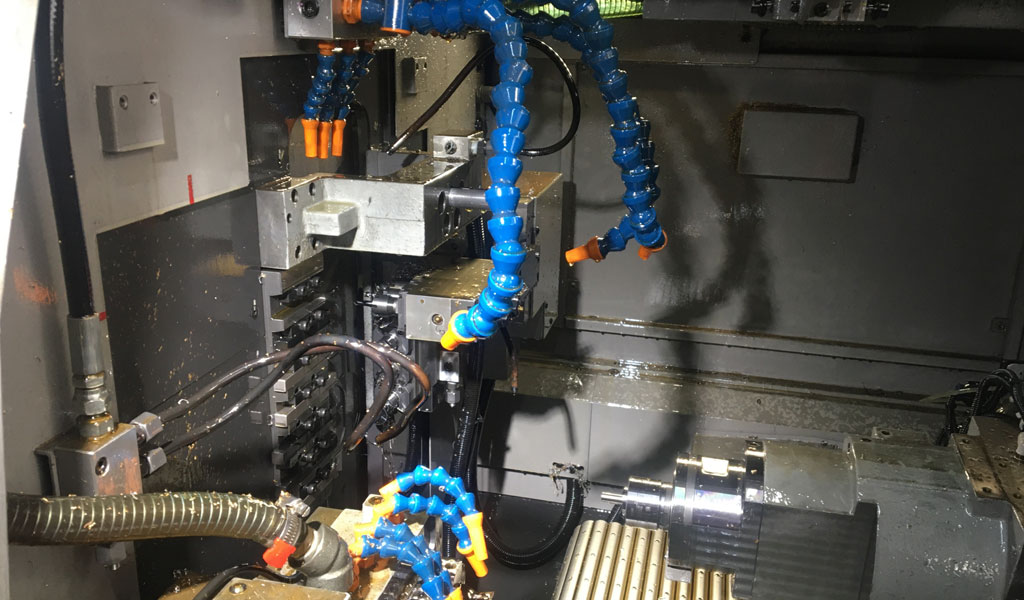
Direct vs. Indirect Costs
Understanding the distinction between direct and indirect costs is crucial for accurate pricing:
Direct Costs: These costs can be directly attributed to the production of a specific part or component. They typically include:
Material costs: The expense associated with raw materials used in manufacturing.
Labor costs: Wages paid to operators and machinists who work directly on the machining process.
Tooling costs: The cost of tools and fixtures specifically used for producing the parts.
Indirect Costs: These costs are not directly tied to a specific part but are necessary for overall production. They include:
Overhead costs: Expenses related to utilities, rent, equipment depreciation, and administrative support.
Maintenance and repair costs: Regular maintenance and repairs for machines that ensure operational efficiency.
Quality control costs: Expenses related to inspection and testing to ensure parts meet specifications.
To arrive at a comprehensive pricing strategy, manufacturers must allocate indirect costs to each product based on an appropriate overhead rate.
Pricing Models
Several pricing models can be utilized in Swiss CNC machining, each with its advantages and considerations:
- Cost-Plus Pricing: This method involves calculating the total production cost (direct and indirect) and adding a markup percentage for profit. This approach is straightforward and ensures that all costs are covered while providing a predictable profit margin.
- Competitive Pricing Strategies: In a competitive market, manufacturers may adopt pricing based on competitors’ rates. This method involves analyzing competitors’ pricing for similar services and adjusting quotes accordingly to remain competitive. It may require manufacturers to justify their pricing based on quality, speed, or unique capabilities.
- Value-Based Pricing: This approach focuses on the perceived value of the product or service to the customer rather than solely on costs. Manufacturers assess the benefits that their Swiss CNC machining provides, such as quality, precision, and reliability, and set prices based on the value delivered to the customer. This method can often lead to higher margins if customers recognize the added value.
Cost-Benefit Analysis
Conducting a cost-benefit analysis allows manufacturers to evaluate the trade-offs associated with pricing decisions:
- Evaluating Trade-offs: Manufacturers should consider the balance between pricing, production volume, and quality. For example, lowering prices to attract more customers may lead to reduced margins or quality compromises, which can harm the business in the long run.
- Long-term vs. Short-term Costs: It is essential to evaluate not only the immediate costs associated with a project but also the long-term implications. Investments in better materials, advanced machinery, or skilled labor may increase initial costs but can result in higher quality and reduced rework, ultimately benefiting profitability.
The price calculation methodology for Swiss CNC machining involves a comprehensive analysis of direct and indirect costs, the application of appropriate pricing models, and a thorough cost-benefit analysis. By carefully evaluating these factors, manufacturers can develop competitive pricing strategies that reflect the true value of their services, ensuring profitability while meeting customer needs.
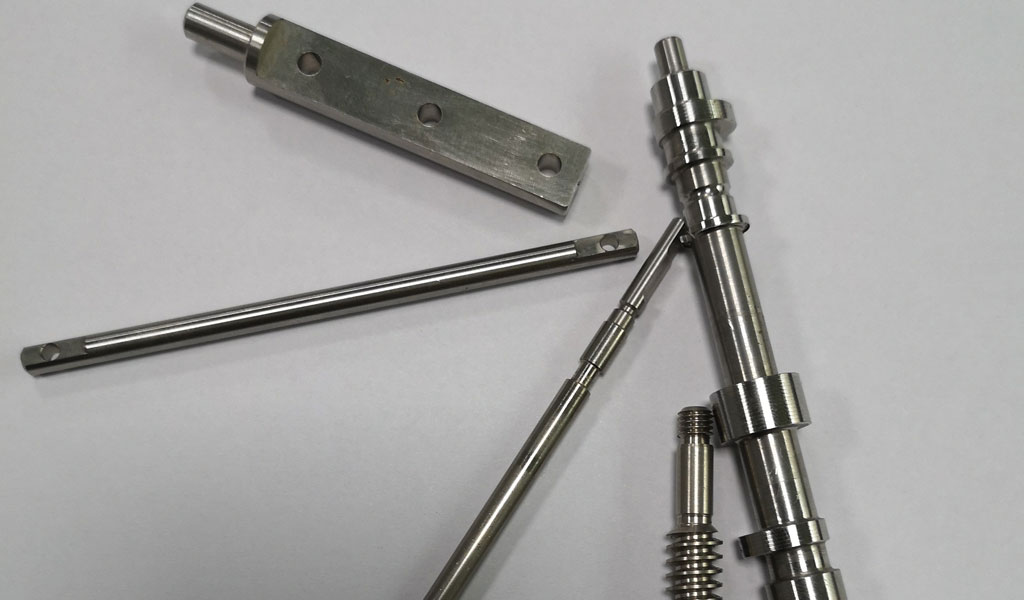
Conclusion
In the ever-evolving landscape of manufacturing, Swiss CNC machining stands out as a critical technology for producing high-precision components across various industries, including medical, aerospace, automotive, and electronics.
The complexity and uniqueness of Swiss machining processes necessitate a thorough understanding of the factors influencing both pricing and time estimation.
Effective pricing requires a comprehensive methodology that incorporates direct and indirect costs, employs suitable pricing models, and conducts rigorous cost-benefit analyses. By recognizing the interplay between these components, manufacturers can create competitive quotes that reflect the true costs associated with production while ensuring profitability.
Estimating machining time accurately is equally essential, as it impacts project management, resource allocation, and delivery schedules. A detailed understanding of time components—setup time, cycle time, and load/unload time—enables manufacturers to optimize their production processes and enhance efficiency. Continuous improvement strategies, such as lean manufacturing and operator training, further contribute to reducing machining times and increasing overall productivity.
Ultimately, the ability to accurately calculate prices and estimate machining times is vital for maintaining competitiveness in the Swiss CNC machining market. As industries demand ever-greater precision and reliability, manufacturers equipped with robust methodologies for pricing and time estimation will be better positioned to meet these challenges. By focusing on quality, efficiency, and customer value, manufacturers can achieve sustained success in the dynamic world of Swiss CNC machining.

The Detail Of BE-CU Prototype Company
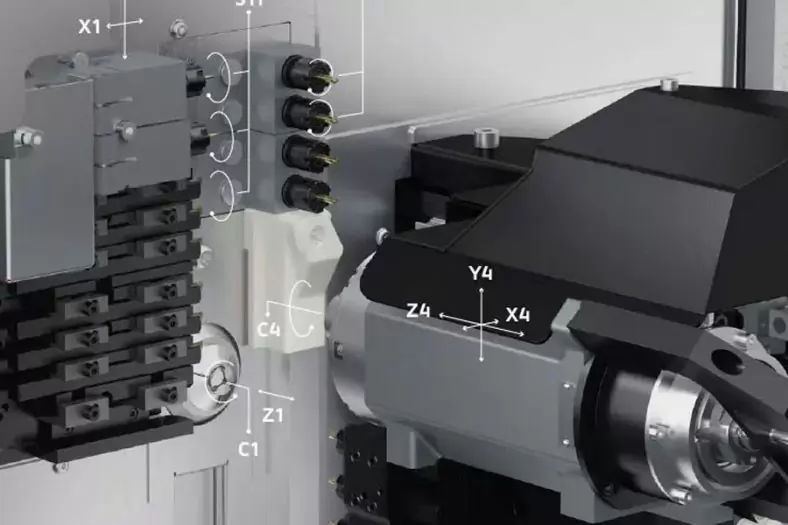
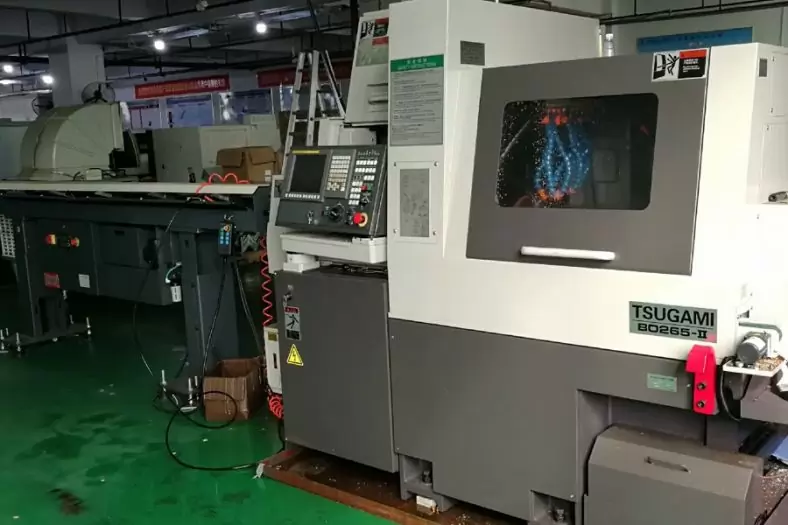
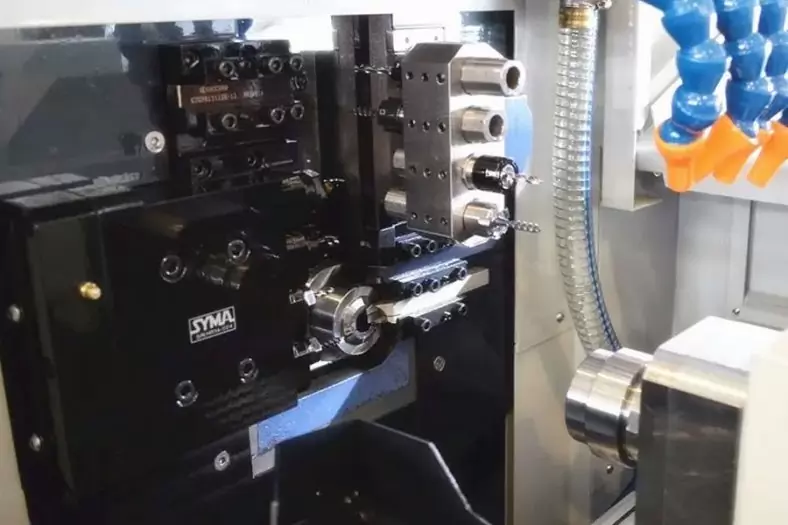
If you need intricate components fabricated by a reliable precision CNC parts manufacturer, you can trust with CNC Swiss machining services offered at be-cu prototype, which is a China top cnc machining company that is specialized in CNC services and precision hardware production for decades of years, and have the capability to provide Swiss CNC machining services with the latest Swiss turning and machining technology for the manufacturing needs of various industries all over the world. With advanced Swiss lathe and Swiss machines, as well as other manufacturing facilities, our seasoned experts and technicians can give you the most cost-effective solutions and produce the highest quality Swiss machined parts based on the industry standards and customer requirements. From 5 axis milling service to CNC Swiss machining services, from Swiss CNC turning to wire EDM, no matter what type of CNC components you call for, our team will help you to approach the standard. Welcome to contact us to get a free quote fast.
-
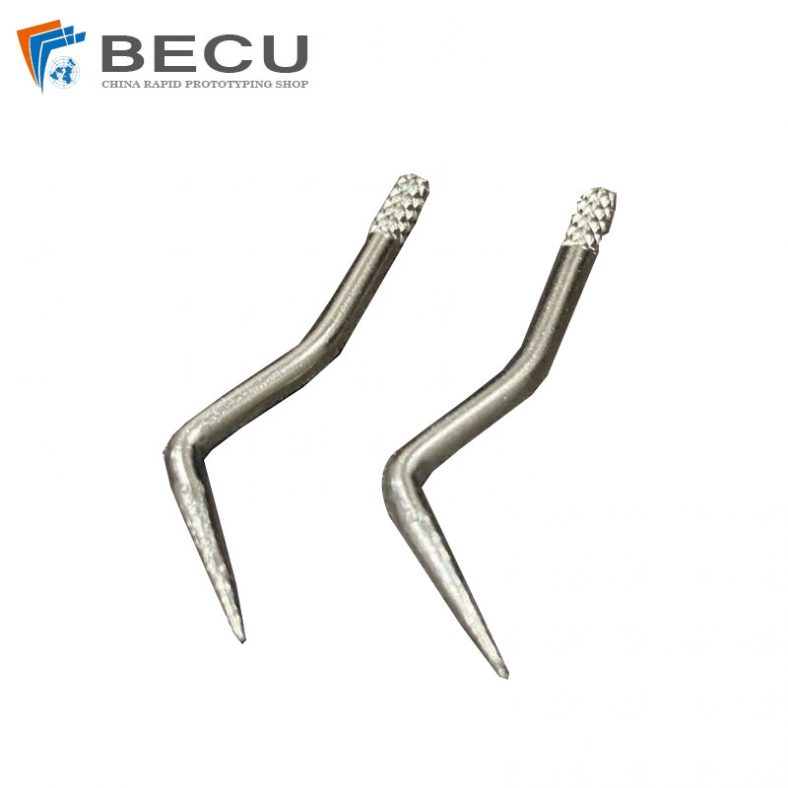
Swiss Machining And Bending 304 Hand Sewing Needle For Textile Machinery
-
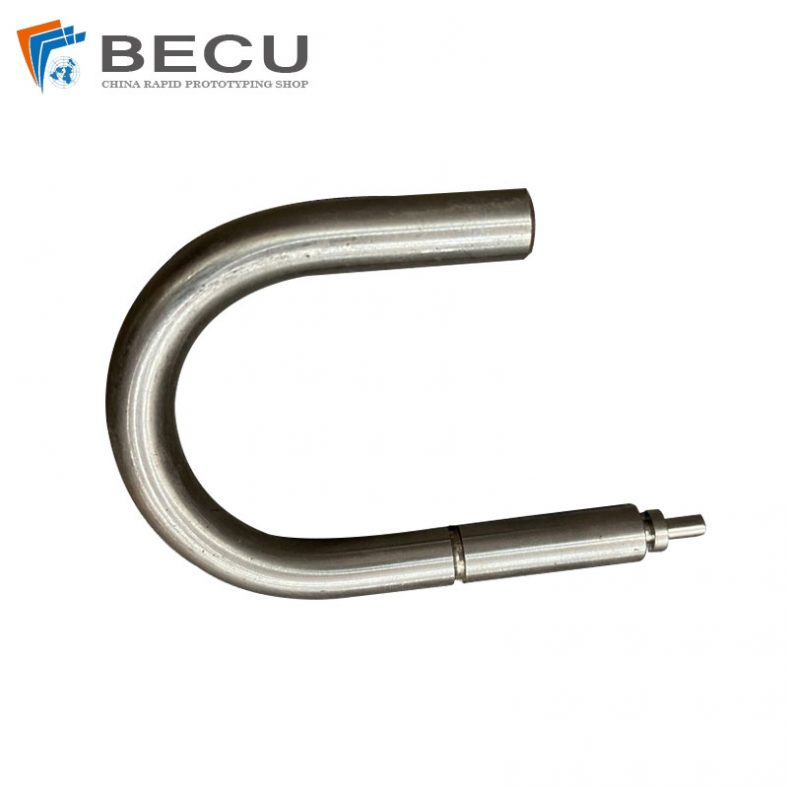
Automatic Swiss Turning Stainless Steel 316L U-bolt
-
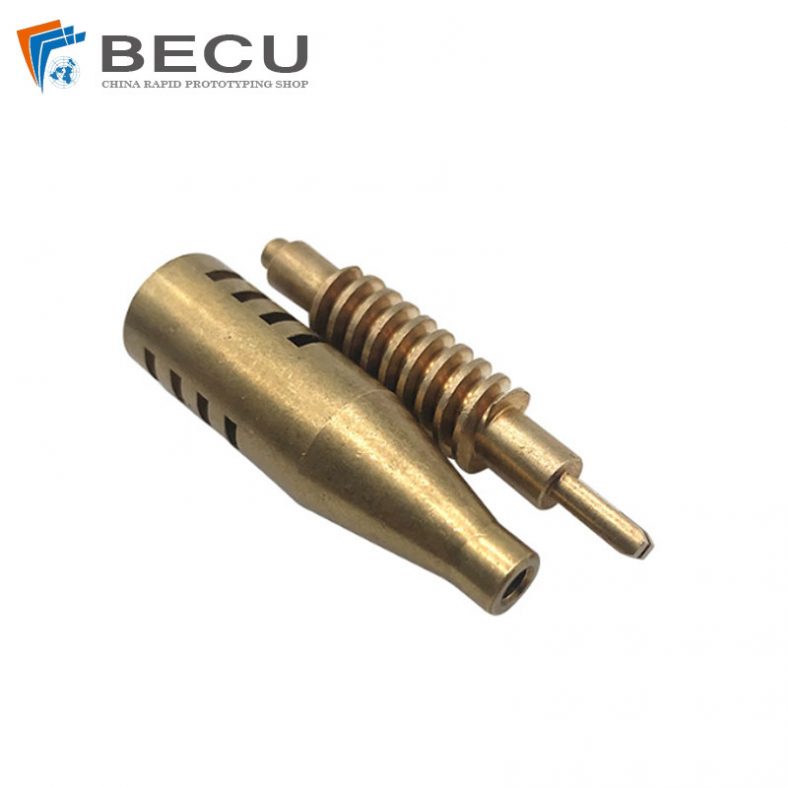
CNC Turning-Milling Machining Copper Facial Massage Roller
-
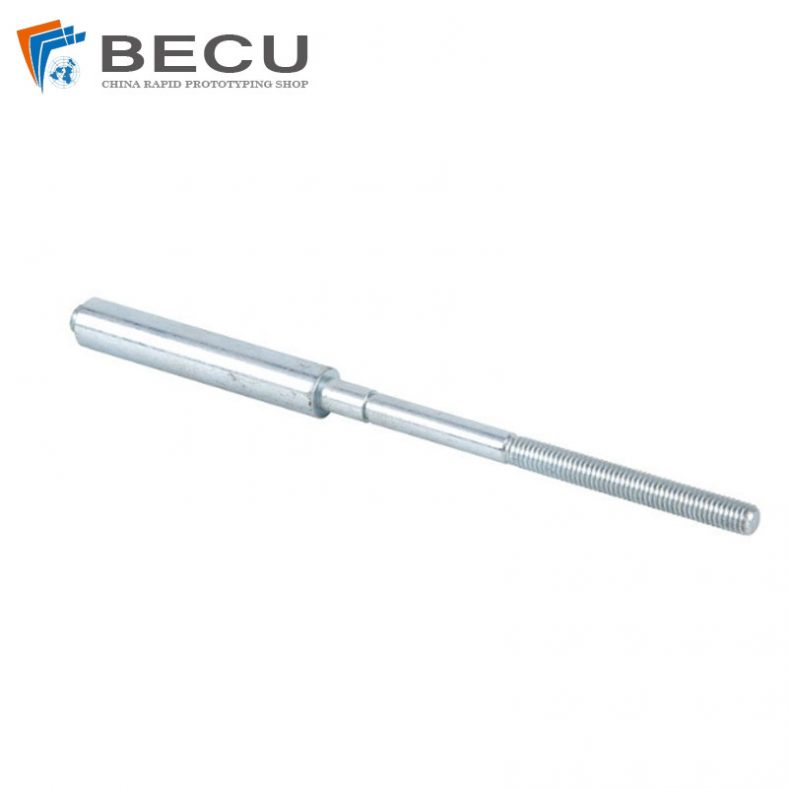
Swiss Turning Stainless Steel 17-4 PH Positioning Bushing
-
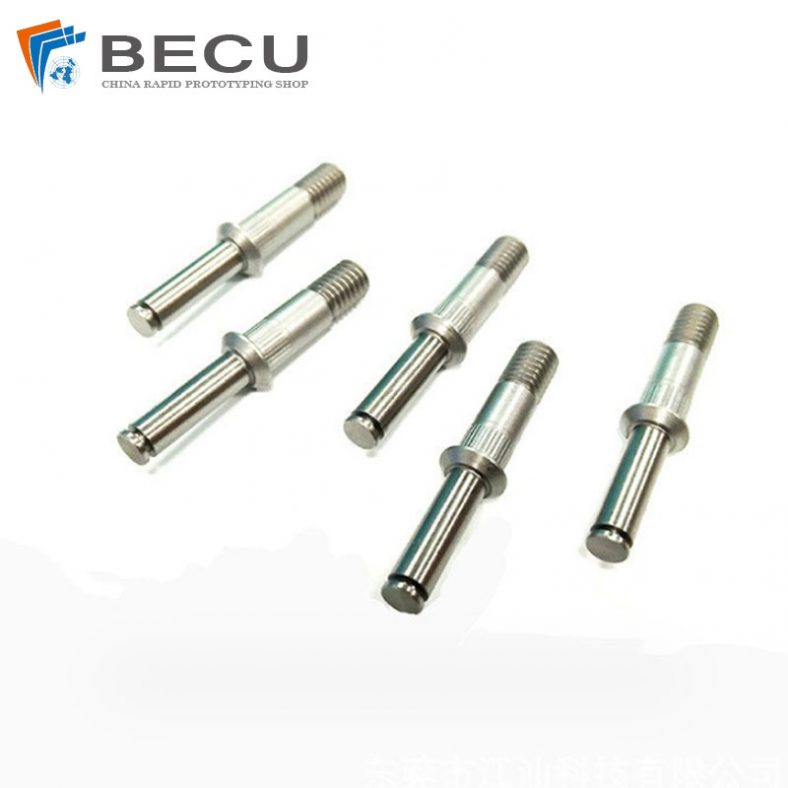
Precision Swiss Turning Titanium Alloy Medical Shaft
-
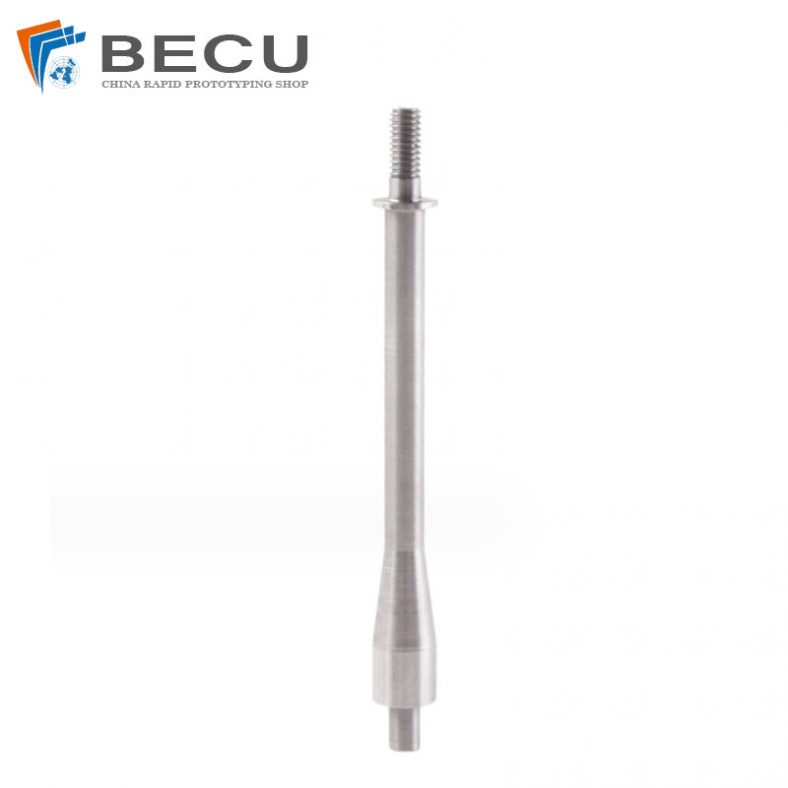
Swiss Turning 304 Stainless Steel Medical Threaded Rod
-
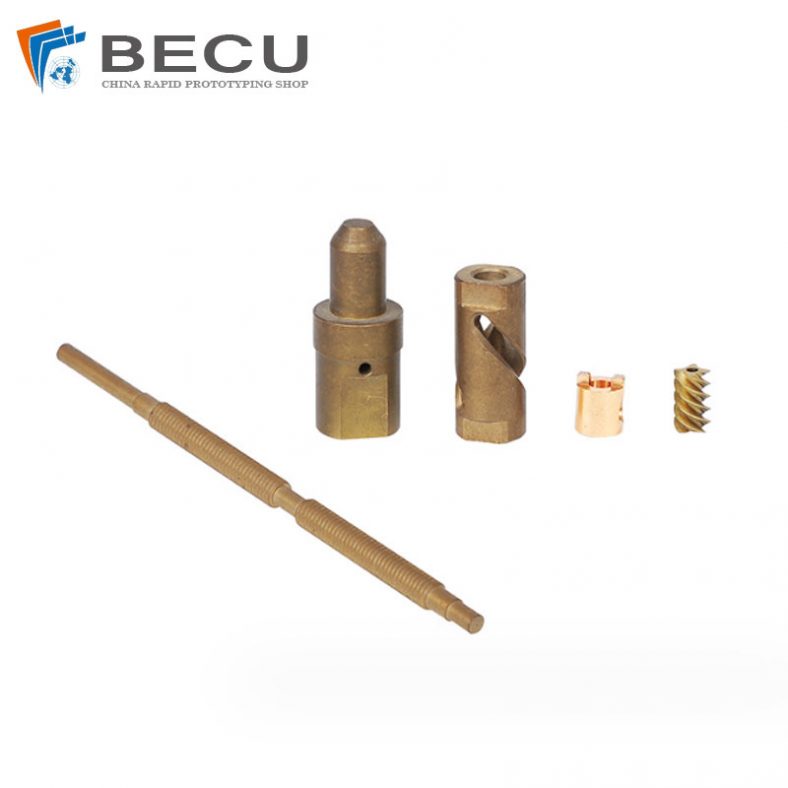
Screw CNC Machining Non-Standard Mandrel Tube Shaft
-
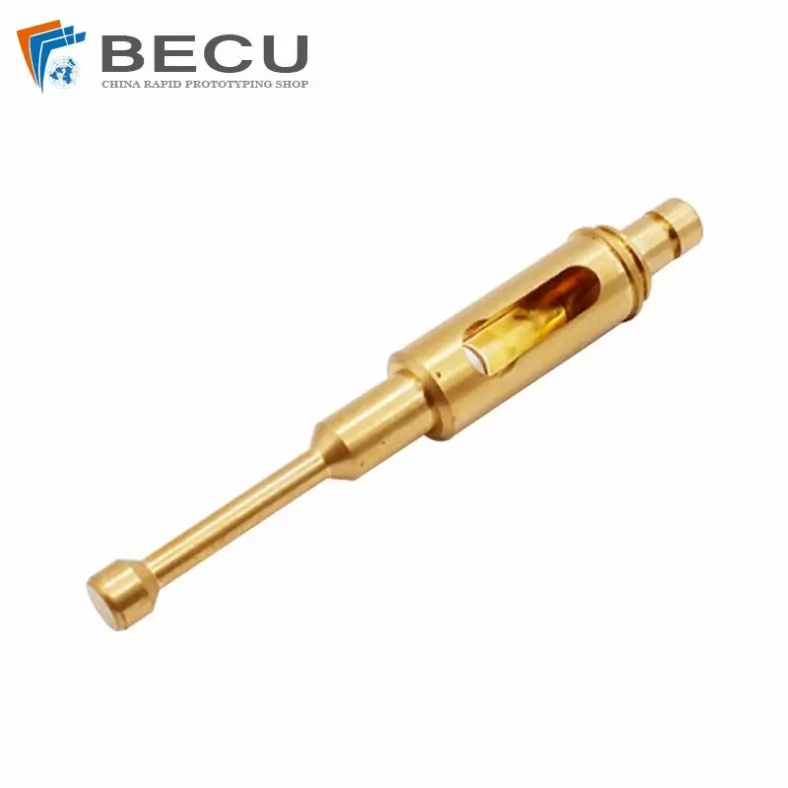
Swiss CNC Machining And Turning Brass 360 Shaft