
A blind flange is a critical component in piping systems, designed to seal the end of a pipe, valve, or vessel opening, effectively isolating or terminating a section of the pipeline. Unlike other types of flanges, such as weld neck or slip-on flanges, a blind flange lacks a central bore, making it a solid disk that prevents the flow of fluids or gases. This characteristic renders blind flanges indispensable in applications requiring the closure of pipelines, whether for maintenance, testing, or future expansion. Blind flanges are manufactured to meet various industrial standards, most notably the ASME B16.5 and ASME B16.47, which specify dimensions, materials, and pressure ratings for flanges used in piping systems. These standards cover blind flanges in pressure classes ranging from Class 150 to Class 2500, with dimensions provided in both millimeters (mm) and inches to accommodate global engineering practices.
The importance of blind flanges extends across numerous industries, including oil and gas, petrochemical, power generation, water treatment, and marine applications. Their ability to withstand high pressures and temperatures, combined with their versatility in material selection, ensures their widespread use in both low- and high-demand environments. This article provides a comprehensive exploration of blind flanges, detailing their definition, types, applications, materials, manufacturing processes, and standards. Additionally, it includes detailed dimensional charts in both metric and imperial units for blind flanges across Class 150 to Class 2500, offering a valuable reference for engineers, technicians, and industry professionals.

Definition and Purpose of Blind Flanges
A blind flange is a circular, solid plate used to close the end of a piping system or vessel nozzle. It is bolted to a companion flange or flanged fitting, creating a secure seal that prevents the passage of fluids or gases. The absence of a central bore distinguishes blind flanges from other flange types, which typically facilitate the connection of pipes or components. Blind flanges are designed to withstand internal pressures and external forces, ensuring the integrity of the piping system under various operating conditions.
The primary purpose of a blind flange is to isolate or terminate a section of a pipeline. This isolation can serve multiple objectives, including:
- Maintenance and Inspection: Blind flanges allow sections of a pipeline to be sealed off, enabling safe access for maintenance, cleaning, or inspection without disrupting the entire system.
- Testing: During hydrostatic or pneumatic testing, blind flanges are used to cap pipe ends, creating a closed system to verify the pipeline’s pressure integrity.
- Future Expansion: By installing a blind flange, engineers can cap a pipeline with the option to reopen it later for system expansion or modification.
- Safety: Blind flanges prevent unintended leaks or releases of hazardous substances, enhancing the safety of industrial operations.
- Flow Control: In certain applications, blind flanges are used to permanently or temporarily block flow, redirecting fluids or gases through alternative routes.
Blind flanges are versatile components that cater to both temporary and permanent sealing needs, making them essential in dynamic industrial environments.
The development of blind flanges is closely tied to the evolution of piping systems and industrial engineering. In the early 19th century, as steam power and industrial processes advanced, the need for reliable piping connections grew. Early flanges were rudimentary, often forged or cast with minimal standardization. The introduction of standardized flange designs in the 20th century, particularly through organizations like the American National Standards Institute (ANSI) and the American Society of Mechanical Engineers (ASME), revolutionized the industry. The ASME B16.5 standard, first published in 1973 and subsequently updated, established precise specifications for pipe flanges, including blind flanges, across various pressure classes. Similarly, ASME B16.47 extended these standards to larger-diameter flanges, ensuring compatibility and reliability in modern piping systems.
The adoption of standardized blind flanges facilitated global trade and industrial collaboration, as manufacturers and engineers could rely on consistent dimensions and performance criteria. Over time, advancements in materials science and manufacturing techniques further enhanced the durability and versatility of blind flanges, enabling their use in increasingly demanding applications.
Types of Blind Flanges
Blind flanges are available in several designs, each tailored to specific applications and operational requirements. The most common types include:
Standard Blind Flange
The standard blind flange is a solid disk with a flat or raised face, designed to bolt directly to a companion flange. It is the most widely used type, suitable for general-purpose sealing in piping systems. Standard blind flanges are manufactured in accordance with ASME B16.5 for sizes ranging from Nominal Pipe Size (NPS) 1/2 inch to 24 inches and ASME B16.47 for larger sizes (NPS 26 inches to 60 inches).
Spectacle Blind Flange
A spectacle blind flange, also known as a figure-8 blind, consists of two metal disks connected by a central tie bar, resembling a pair of spectacles. One disk is solid (the blind), while the other has a central hole (the spacer). This design allows operators to rotate the flange to either block or allow flow without disassembling the piping system. Spectacle blinds are commonly used in applications requiring frequent isolation, such as during maintenance or shutdowns. They are specified under ASME B16.48 for line blanks.
Paddle Blind Flange
A paddle blind flange is a single, solid disk that can be inserted between two flanges to block flow. Unlike spectacle blinds, paddle blinds are not permanently attached to a spacer, making them easier to install and remove. They are often used in temporary isolation scenarios, such as during testing or repairs.
Line Blind Flange
A line blind flange combines a solid blind with a spacer ring, allowing for quick insertion or removal without disassembling the piping system. The spacer maintains alignment when the blind is removed, ensuring operational efficiency. Line blinds are ideal for applications requiring rapid flow control.
Each type of blind flange serves a unique purpose, and selection depends on factors such as operational frequency, pressure requirements, and installation constraints.
Applications of Blind Flanges
Blind flanges find applications across a wide range of industries due to their versatility and reliability. Key applications include:
Oil and Gas Industry
In the oil and gas sector, blind flanges are used to cap pipelines during exploration, drilling, refining, and transportation. They ensure safe isolation during maintenance and allow for the expansion of pipeline networks. Blind flanges in this industry are often made from corrosion-resistant materials to withstand harsh environments.
Petrochemical Plants
Petrochemical facilities rely on blind flanges to isolate reactors, storage tanks, and processing units. Their ability to handle high pressures and temperatures makes them suitable for sealing systems containing volatile chemicals.
Power Generation
In power plants, blind flanges are used in boiler systems, turbine piping, and cooling circuits. They facilitate maintenance and ensure the safe operation of high-pressure steam and water lines.
Water Treatment
Water treatment plants use blind flanges to isolate sections of pipelines for cleaning, repair, or system upgrades. Their compatibility with various materials ensures durability in corrosive water environments.
Marine Applications
In shipbuilding and offshore platforms, blind flanges seal piping systems exposed to seawater and extreme conditions. Stainless steel and duplex steel blind flanges are commonly used for their corrosion resistance.
Pharmaceutical Industry
The pharmaceutical industry employs blind flanges in sanitary piping systems to maintain sterile conditions during production. These flanges are typically made from stainless steel and polished to meet hygiene standards.
Construction and Infrastructure
In large-scale construction projects, such as bridges and tunnels, blind flanges are used in temporary piping systems for dewatering or ventilation, ensuring safe and efficient operations.
The adaptability of blind flanges to diverse applications underscores their importance in modern engineering.
Materials Used in Blind Flanges
The choice of material for a blind flange depends on the application’s requirements, including pressure, temperature, and environmental conditions. Common materials include:
Carbon Steel
Carbon steel blind flanges, such as those conforming to ASTM A105, offer high strength and affordability, making them suitable for general-purpose applications in oil and gas, power generation, and construction.
Stainless Steel
Stainless steel blind flanges, including grades like 304, 316, and 316L (ASTM A182), provide excellent corrosion resistance, ideal for chemical processing, marine, and pharmaceutical applications.
Alloy Steel
Alloy steel blind flanges, such as ASTM A182 F11 or F22, are designed for high-temperature and high-pressure environments, commonly used in power plants and refineries.
Duplex and Super Duplex Stainless Steel
Duplex (e.g., UNS S31803) and super duplex (e.g., UNS S32750) stainless steel blind flanges offer superior corrosion resistance and strength, suitable for offshore and subsea applications.
Nickel Alloys
Nickel alloy blind flanges, such as Inconel (ASTM B564) or Monel, are used in extreme environments, including high-temperature chemical processing and aerospace applications.
Copper Alloys
Copper alloy blind flanges, such as those made from 90-10 or 70-30 cupronickel, are used in marine and cooling systems due to their resistance to seawater corrosion.
Titanium
Titanium blind flanges provide exceptional corrosion resistance and lightweight properties, used in aerospace, chemical, and medical applications.
Non-Metallic Materials
In specialized applications, non-metallic blind flanges made from materials like PVC, CPVC, or polypropylene are used for low-pressure, corrosive environments, such as water treatment.
Material selection is guided by standards like ASME B16.5, which specify acceptable grades for each pressure class and application.
Manufacturing Processes
The production of blind flanges involves several manufacturing techniques to ensure precision, durability, and compliance with standards. Common processes include:
Forging
Forging is the most common method for producing blind flanges. A metal billet is heated and shaped under high pressure to form a solid disk. Forged blind flanges offer superior strength and are widely used in high-pressure applications.
Casting
Casting involves pouring molten metal into a mold to create a blind flange. While less expensive than forging, cast flanges may have lower strength and are typically used in low-pressure applications.
Plate Cutting
For large-diameter or non-standard blind flanges, manufacturers cut solid plates of metal to the desired shape. This method is cost-effective for custom sizes but may require additional machining to meet tolerances.
Machining
Machining processes, such as turning, drilling, and milling, are used to refine the flange’s dimensions, bolt holes, and facing (e.g., raised face or flat face). Precision machining ensures compliance with ASME standards.
Heat Treatment
Heat treatment, including annealing or quenching, enhances the mechanical properties of blind flanges, improving their resistance to stress and corrosion.
Surface Finishing
Surface finishing, such as grinding or polishing, improves the flange’s appearance and performance. For raised face blind flanges, a specific surface finish is required to ensure proper gasket sealing.
Manufacturers adhere to strict quality control measures, including dimensional inspections and material testing, to ensure the reliability of blind flanges.
Standards and Specifications
Blind flanges are governed by several international standards to ensure compatibility and safety. The most prominent standards include:
ASME B16.5
ASME B16.5, titled “Pipe Flanges and Flanged Fittings,” covers blind flanges for NPS 1/2 inch to 24 inches in pressure classes 150, 300, 400, 600, 900, 1500, and 2500. It specifies dimensions, materials, pressure-temperature ratings, and tolerances.
ASME B16.47
ASME B16.47, titled “Large Diameter Steel Flanges,” applies to blind flanges for NPS 26 inches to 60 inches in Series A and Series B configurations. It addresses pressure classes 150 to 900.
ASME B16.48
ASME B16.48 covers line blanks, including spectacle blinds and paddle blinds, specifying dimensions and materials for use with ASME B16.5 and B16.47 flanges.
MSS SP-44
The Manufacturers Standardization Society (MSS) SP-44 standard aligns with ASME B16.47 Series A, providing specifications for large-diameter blind flanges.
API 605
API 605, now incorporated into ASME B16.47 Series B, defines dimensions for large-diameter blind flanges used in oil and gas applications.
EN 1092-1
In Europe, EN 1092-1 specifies blind flange dimensions for PN (Pressure Nominal) ratings, equivalent to ASME classes, used in industries like water treatment and chemical processing.
DIN Standards
German DIN standards, such as DIN 2527, provide alternative specifications for blind flanges, particularly in European markets.
These standards ensure that blind flanges meet rigorous criteria for interchangeability, safety, and performance.
Dimensional Specifications
Blind flange dimensions are critical to their functionality, ensuring proper fitment, sealing, and pressure containment. Dimensions are specified in both millimeters and inches, adhering to ASME B16.5 for smaller sizes and ASME B16.47 for larger sizes. Key dimensional parameters include:
- Nominal Pipe Size (NPS): The nominal diameter of the pipe or flange, ranging from 1/2 inch to 60 inches.
- Outside Diameter (OD): The total diameter of the flange.
- Thickness (T): The thickness of the flange, which increases with higher pressure classes.
- Raised Face Diameter (R): The diameter of the raised face, if applicable, which contacts the gasket.
- Bolt Circle Diameter (C): The diameter of the circle formed by the centers of the bolt holes.
- Number of Bolt Holes: The quantity of bolt holes, which varies with flange size and class.
- Bolt Hole Diameter: The diameter of each bolt hole, designed to accommodate stud bolts.
- Approximate Weight: The weight of the flange, typically in kilograms or pounds, which impacts handling and installation.
Dimensional Charts
The following tables provide detailed dimensions for blind flanges across Class 150 to Class 2500, based on ASME B16.5 and ASME B16.47 standards. Dimensions are presented in both millimeters and inches for clarity.
Class 150 Blind Flange Dimensions
| NPS (in) | OD (mm) | OD (in) | T (mm) | T (in) | R (mm) | R (in) | C (mm) | C (in) | Bolt Holes | Bolt Hole Dia (mm) | Bolt Hole Dia (in) | Weight (kg) | Weight (lb) |
|---|---|---|---|---|---|---|---|---|---|---|---|---|---|
| 1/2 | 88.9 | 3.50 | 11.1 | 0.44 | 34.9 | 1.38 | 60.3 | 2.38 | 4 | 15.9 | 0.63 | 0.4 | 0.9 |
| 3/4 | 98.4 | 3.88 | 12.7 | 0.50 | 42.9 | 1.69 | 69.9 | 2.75 | 4 | 15.9 | 0.63 | 0.7 | 1.5 |
| 1 | 108.0 | 4.25 | 14.3 | 0.56 | 50.8 | 2.00 | 79.4 | 3.12 | 4 | 15.9 | 0.63 | 0.9 | 2.0 |
| 1-1/2 | 127.0 | 5.00 | 17.5 | 0.69 | 73.0 | 2.88 | 98.4 | 3.88 | 4 | 15.9 | 0.63 | 1.6 | 3.5 |
| 2 | 152.4 | 6.00 | 19.1 | 0.75 | 92.1 | 3.62 | 120.7 | 4.75 | 4 | 19.1 | 0.75 | 2.3 | 5.0 |
| 3 | 190.5 | 7.50 | 23.8 | 0.94 | 127.0 | 5.00 | 152.4 | 6.00 | 4 | 19.1 | 0.75 | 4.1 | 9.0 |
| 4 | 228.6 | 9.00 | 23.8 | 0.94 | 157.2 | 6.19 | 190.5 | 7.50 | 8 | 19.1 | 0.75 | 6.4 | 14.0 |
| 6 | 279.4 | 11.00 | 25.4 | 1.00 | 215.9 | 8.50 | 241.3 | 9.50 | 8 | 22.2 | 0.88 | 9.1 | 20.0 |
| 8 | 342.9 | 13.50 | 28.6 | 1.12 | 269.9 | 10.62 | 298.5 | 11.75 | 8 | 22.2 | 0.88 | 14.5 | 32.0 |
| 10 | 406.4 | 16.00 | 30.2 | 1.19 | 323.9 | 12.75 | 362.0 | 14.25 | 12 | 25.4 | 1.00 | 20.0 | 44.0 |
| 12 | 482.6 | 19.00 | 31.8 | 1.25 | 381.0 | 15.00 | 431.8 | 17.00 | 12 | 25.4 | 1.00 | 29.5 | 65.0 |
| 14 | 533.4 | 21.00 | 35.0 | 1.38 | 412.8 | 16.25 | 476.3 | 18.75 | 12 | 28.6 | 1.12 | 39.0 | 86.0 |
| 16 | 596.9 | 23.50 | 36.5 | 1.44 | 469.9 | 18.50 | 539.8 | 21.25 | 16 | 28.6 | 1.12 | 49.0 | 108.0 |
| 18 | 635.0 | 25.00 | 39.7 | 1.56 | 533.4 | 21.00 | 577.9 | 22.75 | 16 | 31.8 | 1.25 | 60.0 | 132.0 |
| 20 | 698.5 | 27.50 | 42.9 | 1.69 | 584.2 | 23.00 | 635.0 | 25.00 | 20 | 31.8 | 1.25 | 75.0 | 165.0 |
| 24 | 812.8 | 32.00 | 47.6 | 1.88 | 692.2 | 27.25 | 749.3 | 29.50 | 20 | 34.9 | 1.38 | 105.0 | 231.0 |
Class 300 Blind Flange Dimensions
| NPS (in) | OD (mm) | OD (in) | T (mm) | T (in) | R (mm) | R (in) | C (mm) | C (in) | Bolt Holes | Bolt Hole Dia (mm) | Bolt Hole Dia (in) | Weight (kg) | Weight (lb) |
|---|---|---|---|---|---|---|---|---|---|---|---|---|---|
| 1/2 | 95.3 | 3.75 | 14.3 | 0.56 | 34.9 | 1.38 | 66.7 | 2.62 | 4 | 15.9 | 0.63 | 0.6 | 1.3 |
| 3/4 | 117.5 | 4.62 | 15.9 | 0.62 | 42.9 | 1.69 | 82.6 | 3.25 | 4 | 19.1 | 0.75 | 1.0 | 2.2 |
| 1 | 124.0 | 4.88 | 17.5 | 0.69 | 50.8 | 2.00 | 88.9 | 3.50 | 4 | 19.1 | 0.75 | 1.3 | 2.9 |
| 1-1/2 | 155.6 | 6.12 | 20.6 | 0.81 | 73.0 | 2.88 | 114.3 | 4.50 | 4 | 22.2 | 0.88 | 2.4 | 5.3 |
| 2 | 165.1 | 6.50 | 22.2 | 0.88 | 92.1 | 3.62 | 127.0 | 5.00 | 8 | 19.1 | 0.75 | 3.2 | 7.0 |
| 3 | 209.6 | 8.25 | 28.6 | 1.12 | 127.0 | 5.00 | 168.3 | 6.62 | 8 | 22.2 | 0.88 | 6.4 | 14.0 |
| 4 | 254.0 | 10.00 | 31.8 | 1.25 | 157.2 | 6.19 | 200.0 | 7.88 | 8 | 22.2 | 0.88 | 10.0 | 22.0 |
| 6 | 317.5 | 12.50 | 36.5 | 1.44 | 215.9 | 8.50 | 269.9 | 10.62 | 12 | 22.2 | 0.88 | 18.0 | 40.0 |
| 8 | 381.0 | 15.00 | 41.3 | 1.62 | 269.9 | 10.62 | 330.2 | 13.00 | 12 | 25.4 | 1.00 | 29.0 | 64.0 |
| 10 | 444.5 | 17.50 | 47.6 | 1.88 | 323.9 | 12.75 | 387.4 | 15.25 | 16 | 28.6 | 1.12 | 43.0 | 95.0 |
| 12 | 520.7 | 20.50 | 50.8 | 2.00 | 381.0 | 15.00 | 450.9 | 17.75 | 16 | 31.8 | 1.25 | 64.0 | 141.0 |
| 14 | 584.2 | 23.00 | 54.0 | 2.12 | 412.8 | 16.25 | 514.4 | 20.25 | 20 | 31.8 | 1.25 | 86.0 | 190.0 |
| 16 | 647.7 | 25.50 | 57.2 | 2.25 | 469.9 | 18.50 | 571.5 | 22.50 | 20 | 34.9 | 1.38 | 110.0 | 242.0 |
| 18 | 711.2 | 28.00 | 60.3 | 2.38 | 533.4 | 21.00 | 628.7 | 24.75 | 24 | 34.9 | 1.38 | 140.0 | 308.0 |
| 20 | 774.7 | 30.50 | 63.5 | 2.50 | 584.2 | 23.00 | 685.8 | 27.00 | 24 | 34.9 | 1.38 | 175.0 | 385.0 |
| 24 | 914.4 | 36.00 | 69.9 | 2.75 | 692.2 | 27.25 | 812.8 | 32.00 | 24 | 41.3 | 1.62 | 245.0 | 540.0 |
Class 600 Blind Flange Dimensions
| NPS (in) | OD (mm) | OD (in) | T (mm) | T (in) | R (mm) | R (in) | C (mm) | C (in) | Bolt Holes | Bolt Hole Dia (mm) | Bolt Hole Dia (in) | Weight (kg) | Weight (lb) |
|---|---|---|---|---|---|---|---|---|---|---|---|---|---|
| 1/2 | 95.3 | 3.75 | 14.3 | 0.56 | 34.9 | 1.38 | 66.7 | 2.62 | 4 | 15.9 | 0.63 | 0.7 | 1.5 |
| 3/4 | 117.5 | 4.62 | 15.9 | 0.62 | 42.9 | 1.69 | 82.6 | 3.25 | 4 | 19.1 | 0.75 | 1.2 | 2.6 |
| 1 | 124.0 | 4.88 | 17.5 | 0.69 | 50.8 | 2.00 | 88.9 | 3.50 | 4 | 19.1 | 0.75 | 1.5 | 3.3 |
| 1-1/2 | 155.6 | 6.12 | 22.2 | 0.88 | 73.0 | 2.88 | 114.3 | 4.50 | 4 | 22.2 | 0.88 | 3.0 | 6.6 |
| 2 | 165.1 | 6.50 | 25.4 | 1.00 | 92.1 | 3.62 | 127.0 | 5.00 | 8 | 19.1 | 0.75 | 4.1 | 9.0 |
| 3 | 209.6 | 8.25 | 31.8 | 1.25 | 127.0 | 5.00 | 168.3 | 6.62 | 8 | 22.2 | 0.88 | 8.2 | 18.0 |
| 4 | 273.1 | 10.75 | 38.1 | 1.50 | 157.2 | 6.19 | 215.9 | 8.50 | 8 | 25.4 | 1.00 | 15.0 | 33.0 |
| 6 | 355.6 | 14.00 | 47.6 | 1.88 | 215.9 | 8.50 | 292.1 | 11.50 | 12 | 28.6 | 1.12 | 30.0 | 66.0 |
| 8 | 419.1 | 16.50 | 55.6 | 2.19 | 269.9 | 10.62 | 349.3 | 13.75 | 12 | 31.8 | 1.25 | 48.0 | 106.0 |
| 10 | 508.0 | 20.00 | 63.5 | 2.50 | 323.9 | 12.75 | 431.8 | 17.00 | 16 | 34.9 | 1.38 | 80.0 | 176.0 |
| 12 | 558.8 | 22.00 | 69.9 | 2.75 | 381.0 | 15.00 | 489.0 | 19.25 | 20 | 34.9 | 1.38 | 105.0 | 231.0 |
| 14 | 603.3 | 23.75 | 73.0 | 2.88 | 412.8 | 16.25 | 527.1 | 20.75 | 20 | 38.1 | 1.50 | 130.0 | 286.0 |
| 16 | 685.8 | 27.00 | 79.4 | 3.12 | 469.9 | 18.50 | 603.3 | 23.75 | 20 | 41.3 | 1.62 | 180.0 | 396.0 |
| 18 | 742.9 | 29.25 | 85.7 | 3.38 | 533.4 | 21.00 | 654.1 | 25.75 | 24 | 41.3 | 1.62 | 225.0 | 496.0 |
| 20 | 812.8 | 32.00 | 92.1 | 3.62 | 584.2 | 23.00 | 723.9 | 28.50 | 24 | 44.5 | 1.75 | 290.0 | 638.0 |
| 24 | 939.8 | 37.00 | 104.8 | 4.12 | 692.2 | 27.25 | 838.2 | 33.00 | 24 | 50.8 | 2.00 | 415.0 | 914.0 |
Class 900 Blind Flange Dimensions
| NPS (in) | OD (mm) | OD (in) | T (mm) | T (in) | R (mm) | R (in) | C (mm) | C (in) | Bolt Holes | Bolt Hole Dia (mm) | Bolt Hole Dia (in) | Weight (kg) | Weight (lb) |
|---|---|---|---|---|---|---|---|---|---|---|---|---|---|
| 1/2 | 120.7 | 4.75 | 22.2 | 0.88 | 34.9 | 1.38 | 82.6 | 3.25 | 4 | 22.2 | 0.88 | 1.4 | 3.1 |
| 3/4 | 130.2 | 5.12 | 25.4 | 1.00 | 42.9 | 1.69 | 88.9 | 3.50 | 4 | 22.2 | 0.88 | 2.0 | 4.4 |
| 1 | 149.2 | 5.88 | 28.6 | 1.12 | 50.8 | 2.00 | 101.6 | 4.00 | 4 | 25.4 | 1.00 | 3.0 | 6.6 |
| 1-1/2 | 177.8 | 7.00 | 31.8 | 1.25 | 73.0 | 2.88 | 123.8 | 4.88 | 4 | 28.6 | 1.12 | 5.0 | 11.0 |
| 2 | 215.9 | 8.50 | 38.1 | 1.50 | 92.1 | 3.62 | 165.1 | 6.50 | 8 | 25.4 | 1.00 | 9.0 | 20.0 |
| 3 | 241.3 | 9.50 | 41.3 | 1.62 | 127.0 | 5.00 | 190.5 | 7.50 | 8 | 28.6 | 1.12 | 13.0 | 29.0 |
| 4 | 292.1 | 11.50 | 47.6 | 1.88 | 157.2 | 6.19 | 235.0 | 9.25 | 8 | 31.8 | 1.25 | 22.0 | 48.0 |
| 6 | 381.0 | 15.00 | 57.2 | 2.25 | 215.9 | 8.50 | 317.5 | 12.50 | 12 | 34.9 | 1.38 | 45.0 | 99.0 |
| 8 | 469.9 | 18.50 | 66.7 | 2.62 | 269.9 | 10.62 | 393.7 | 15.50 | 12 | 41.3 | 1.62 | 80.0 | 176.0 |
| 10 | 546.1 | 21.50 | 76.2 | 3.00 | 323.9 | 12.75 | 469.9 | 18.50 | 16 | 41.3 | 1.62 | 120.0 | 264.0 |
| 12 | 609.6 | 24.00 | 85.7 | 3.38 | 381.0 | 15.00 | 533.4 | 21.00 | 20 | 41.3 | 1.62 | 165.0 | 363.0 |
| 14 | 641.4 | 25.25 | 92.1 | 3.62 | 412.8 | 16.25 | 571.5 | 22.50 | 20 | 44.5 | 1.75 | 200.0 | 440.0 |
| 16 | 704.9 | 27.75 | 98.4 | 3.88 | 469.9 | 18.50 | 628.7 | 24.75 | 20 | 47.6 | 1.88 | 260.0 | 573.0 |
| 18 | 787.4 | 31.00 | 108.0 | 4.25 | 533.4 | 21.00 | 692.2 | 27.25 | 20 | 50.8 | 2.00 | 340.0 | 750.0 |
| 20 | 857.3 | 33.75 | 117.5 | 4.62 | 584.2 | 23.00 | 749.3 | 29.50 | 24 | 50.8 | 2.00 | 430.0 | 947.0 |
| 24 | 1041.4 | 41.00 | 139.7 | 5.50 | 692.2 | 27.25 | 901.7 | 35.50 | 24 | 57.2 | 2.25 | 670.0 | 1477.0 |
Class 1500 Blind Flange Dimensions
| NPS (in) | OD (mm) | OD (in) | T (mm) | T (in) | R (mm) | R (in) | C (mm) | C (in) | Bolt Holes | Bolt Hole Dia (mm) | Bolt Hole Dia (in) | Weight (kg) | Weight (lb) |
|---|---|---|---|---|---|---|---|---|---|---|---|---|---|
| 1/2 | 120.7 | 4.75 | 22.2 | 0.88 | 34.9 | 1.38 | 82.6 | 3.25 | 4 | 22.2 | 0.88 | 1.5 | 3.3 |
| 3/4 | 130.2 | 5.12 | 25.4 | 1.00 | 42.9 | 1.69 | 88.9 | 3.50 | 4 | 22.2 | 0.88 | 2.2 | 4.8 |
| 1 | 149.2 | 5.88 | 28.6 | 1.12 | 50.8 | 2.00 | 101.6 | 4.00 | 4 | 25.4 | 1.00 | 3.3 | 7.3 |
| 1-1/2 | 177.8 | 7.00 | 34.9 | 1.38 | 73.0 | 2.88 | 123.8 | 4.88 | 4 | 28.6 | 1.12 | 6.0 | 13.2 |
| 2 | 215.9 | 8.50 | 41.3 | 1.62 | 92.1 | 3.62 | 165.1 | 6.50 | 8 | 25.4 | 1.00 | 10.0 | 22.0 |
| 3 | 266.7 | 10.50 | 47.6 | 1.88 | 127.0 | 5.00 | 203.2 | 8.00 | 8 | 31.8 | 1.25 | 18.0 | 40.0 |
| 4 | 311.2 | 12.25 | 57.2 | 2.25 | 157.2 | 6.19 | 241.3 | 9.50 | 8 | 34.9 | 1.38 | 30.0 | 66.0 |
| 6 | 393.7 | 15.50 | 73.0 | 2.88 | 215.9 | 8.50 | 317.5 | 12.50 | 12 | 38.1 | 1.50 | 65.0 | 143.0 |
| 8 | 482.6 | 19.00 | 88.9 | 3.50 | 269.9 | 10.62 | 393.7 | 15.50 | 12 | 44.5 | 1.75 | 120.0 | 264.0 |
| 10 | 584.2 | 23.00 | 104.8 | 4.12 | 323.9 | 12.75 | 482.6 | 19.00 | 12 | 50.8 | 2.00 | 200.0 | 440.0 |
| 12 | 673.1 | 26.50 | 123.8 | 4.88 | 381.0 | 15.00 | 571.5 | 22.50 | 16 | 50.8 | 2.00 | 300.0 | 661.0 |
| 14 | 749.3 | 29.50 | 133.4 | 5.25 | 412.8 | 16.25 | 635.0 | 25.00 | 16 | 57.2 | 2.25 | 400.0 | 882.0 |
| 16 | 825.5 | 32.50 | 146.1 | 5.75 | 469.9 | 18.50 | 704.9 | 27.75 | 16 | 60.3 | 2.38 | 520.0 | 1146.0 |
| 18 | 914.4 | 36.00 | 162.0 | 6.38 | 533.4 | 21.00 | 774.7 | 30.50 | 16 | 66.7 | 2.62 | 680.0 | 1499.0 |
| 20 | 984.3 | 38.75 | 177.8 | 7.00 | 584.2 | 23.00 | 838.2 | 33.00 | 16 | 69.9 | 2.75 | 850.0 | 1874.0 |
| 24 | 1168.4 | 46.00 | 203.2 | 8.00 | 692.2 | 27.25 | 990.6 | 39.00 | 16 | 76.2 | 3.00 | 1250.0 | 2756.0 |
Class 2500 Blind Flange Dimensions
| NPS (in) | OD (mm) | OD (in) | T (mm) | T (in) | R (mm) | R (in) | C (mm) | C (in) | Bolt Holes | Bolt Hole Dia (mm) | Bolt Hole Dia (in) | Weight (kg) | Weight (lb) |
|---|---|---|---|---|---|---|---|---|---|---|---|---|---|
| 1/2 | 133.4 | 5.25 | 30.2 | 1.19 | 34.9 | 1.38 | 88.9 | 3.50 | 4 | 22.2 | 0.88 | 2.5 | 5.5 |
| 3/4 | 139.7 | 5.50 | 31.8 | 1.25 | 42.9 | 1.69 | 95.3 | 3.75 | 4 | 22.2 | 0.88 | 3.0 | 6.6 |
| 1 | 158.8 | 6.25 | 34.9 | 1.38 | 50.8 | 2.00 | 108.0 | 4.25 | 4 | 25.4 | 1.00 | 4.5 | 9.9 |
| 1-1/2 | 203.2 | 8.00 | 44.5 | 1.75 | 73.0 | 2.88 | 139.7 | 5.50 | 4 | 31.8 | 1.25 | 9.0 | 19.8 |
| 2 | 235.0 | 9.25 | 50.8 | 2.00 | 92.1 | 3.62 | 165.1 | 6.50 | 8 | 28.6 | 1.12 | 14.0 | 30.8 |
| 3 | 304.8 | 12.00 | 66.7 | 2.62 | 127.0 | 5.00 | 219.1 | 8.62 | 8 | 34.9 | 1.38 | 30.0 | 66.0 |
| 4 | 355.6 | 14.00 | 76.2 | 3.00 | 157.2 | 6.19 | 260.4 | 10.25 | 8 | 41.3 | 1.62 | 50.0 | 110.0 |
| 6 | 482.6 | 19.00 | 108.0 | 4.25 | 215.9 | 8.50 | 368.3 | 14.50 | 12 | 50.8 | 2.00 | 130.0 | 286.0 |
| 8 | 552.5 | 21.75 | 127.0 | 5.00 | 269.9 | 10.62 | 438.2 | 17.25 | 12 | 57.2 | 2.25 | 210.0 | 463.0 |
| 10 | 673.1 | 26.50 | 165.1 | 6.50 | 323.9 | 12.75 | 539.8 | 21.25 | 12 | 66.7 | 2.62 | 390.0 | 860.0 |
| 12 | 762.0 | 30.00 | 184.2 | 7.25 | 381.0 | 15.00 | 619.3 | 24.38 | 16 | 69.9 | 2.75 | 550.0 | 1213.0 |
Notes on Dimensions
- All dimensions are based on ASME B16.5 for NPS 1/2 inch to 24 inches and ASME B16.47 for larger sizes (Series A and B where applicable).
- Weights are approximate and may vary slightly depending on material and manufacturing tolerances.
- Raised face height is typically 1.6 mm (1/16 inch) for Class 150 and 300, and 6.4 mm (1/4 inch) for Class 600 and above, unless otherwise specified.
- Bolt hole diameters are designed to accommodate standard stud bolts, with tolerances as per ASME B16.5.
- For NPS 26 inches and above, refer to ASME B16.47 Series A or B for detailed dimensions, as weights and bolt patterns vary significantly.
These tables serve as a comprehensive reference for engineers and designers, ensuring accurate specification and selection of blind flanges.
Pressure-Temperature Ratings
Blind flanges are rated for specific pressure-temperature combinations, as defined by ASME B16.5 and B16.47. These ratings determine the maximum allowable pressure a flange can withstand at a given temperature, based on the material’s mechanical properties.
Class 150
- Pressure Rating: Up to 285 psi at ambient temperatures, decreasing with increasing temperature.
- Applications: Low-pressure systems, such as water distribution and HVAC.
Class 300
- Pressure Rating: Up to 740 psi at ambient temperatures.
- Applications: Moderate-pressure systems, including oil and gas pipelines.
Class 600
- Pressure Rating: Up to 1480 psi at ambient temperatures.
- Applications: High-pressure systems, such as steam lines and chemical processing.
Class 900
- Pressure Rating: Up to 2220 psi at ambient temperatures.
- Applications: High-pressure oil and gas applications.
Class 1500
- Pressure Rating: Up to 3705 psi at ambient temperatures.
- Applications: Ultra-high-pressure systems, including refineries and power plants.
Class 2500
- Pressure Rating: Up to 6170 psi at ambient temperatures.
- Applications: Extreme-pressure environments, such as deep-sea oil exploration.
The pressure-temperature ratings vary by material group, as specified in ASME B16.5. For example, carbon steel (ASTM A105) has different ratings than stainless steel (ASTM A182 F316). Engineers must consult the appropriate tables in ASME B16.5 or B16.47 to ensure compliance.
Installation and Maintenance
Installation
Proper installation of blind flanges is critical to ensuring a leak-free seal and system integrity. Key steps include:
- Inspection: Verify the flange’s dimensions, material, and pressure class match the system requirements. Check for surface defects or damage.
- Gasket Selection: Choose a gasket compatible with the fluid, pressure, and temperature. Common gasket materials include spiral wound, PTFE, and graphite.
- Alignment: Align the blind flange with the companion flange, ensuring bolt holes are centered and the raised face (if applicable) is properly positioned.
- Bolting: Insert stud bolts through the bolt holes and tighten nuts in a star pattern to evenly distribute pressure. Follow ASME PCC-1 guidelines for bolt torque values.
- Testing: After installation, perform a pressure test (e.g., hydrostatic or pneumatic) to verify the seal’s integrity.
Maintenance
Blind flanges require minimal maintenance but should be periodically inspected for:
- Corrosion: Check for signs of rust or pitting, especially in corrosive environments.
- Gasket Wear: Inspect gaskets for compression set or degradation, replacing them as needed.
- Bolt Tension: Verify that bolts remain properly torqued, as thermal cycling can cause loosening.
- Surface Damage: Ensure the flange face is free of scratches or dents that could compromise the seal.
Regular maintenance extends the service life of blind flanges and prevents costly leaks or failures.
Advantages and Limitations
Advantages
- Versatility: Suitable for a wide range of applications, from low-pressure water systems to high-pressure oil pipelines.
- Ease of Installation: Requires only bolting, with no welding or threading needed.
- Safety: Provides a secure seal, reducing the risk of leaks in hazardous systems.
- Future Expansion: Allows pipelines to be capped for later modification or extension.
- Standardization: Conforms to global standards, ensuring compatibility and availability.
Limitations
- Weight: Large-diameter or high-pressure blind flanges can be heavy, complicating handling and installation.
- Cost: High-performance materials, such as duplex stainless steel or nickel alloys, increase costs.
- Limited Functionality: Unlike other flanges, blind flanges do not facilitate flow, limiting their use to sealing applications.
- Maintenance: Requires periodic inspection to ensure gasket and bolt integrity, particularly in corrosive environments.
Understanding these advantages and limitations helps engineers make informed decisions when selecting blind flanges.
Comparison with Other Flange Types
Blind flanges differ significantly from other flange types, each designed for specific purposes. A comparison highlights their unique role:
Weld Neck Flange
- Purpose: Connects pipes with a long neck for stress distribution.
- Advantages: High strength, ideal for high-pressure and high-temperature systems.
- Limitations: Requires welding, increasing installation time and cost.
- Comparison: Unlike blind flanges, weld neck flanges facilitate flow but cannot seal pipe ends.
Slip-On Flange
- Purpose: Slides over the pipe end for easy alignment and welding.
- Advantages: Cost-effective and simple to install.
- Limitations: Lower strength than weld neck flanges, not suitable for extreme pressures.
- Comparison: Slip-on flanges connect pipes, while blind flanges block flow.
Socket Weld Flange
- Purpose: Used for small-diameter, high-pressure pipes, with a socket for welding.
- Advantages: Strong joint for small pipes, no internal welding needed.
- Limitations: Limited to smaller sizes, requires skilled welding.
- Comparison: Socket weld flanges are for pipe connections, not sealing like blind flanges.
Lap Joint Flange
- Purpose: Used with a stub end, allowing easy disassembly.
- Advantages: Facilitates alignment and maintenance in systems requiring frequent dismantling.
- Limitations: Not suitable for high-pressure systems.
- Comparison: Lap joint flanges support flow and disassembly, unlike blind flanges.
Threaded Flange
- Purpose: Screws onto threaded pipes, avoiding welding.
- Advantages: Ideal for systems where welding is impractical, such as explosive environments.
- Limitations: Limited to low-pressure applications, prone to leakage under thermal cycling.
- Comparison: Threaded flanges connect pipes, while blind flanges seal them.
Blind flanges are unique in their sealing function, complementing other flange types in comprehensive piping systems.
Global Standards and Regional Variations
While ASME B16.5 and B16.47 are dominant in North America and many global markets, other regions use different standards for blind flanges:
European Standards (EN 1092-1)
- Pressure Ratings: PN 6, PN 10, PN 16, PN 25, PN 40, etc., roughly equivalent to ASME classes.
- Dimensions: Similar to ASME but with metric-focused tolerances and bolt patterns.
- Applications: Widely used in water, gas, and chemical industries in Europe.
German DIN Standards
- Standards: DIN 2527 for blind flanges, with variations like DIN 2631 to 2638 for specific ratings.
- Characteristics: Emphasizes metric dimensions and materials like carbon and stainless steel.
- Applications: Common in German engineering, including automotive and industrial piping.
Japanese JIS Standards
- Standard: JIS B2220 for flanges, including blind types.
- Pressure Ratings: 5K, 10K, 16K, 20K, etc., with unique pressure-temperature curves.
- Applications: Used in Japanese industries like shipbuilding and electronics.
ISO Standards
- Standard: ISO 7005-1 aligns with ASME, EN, and DIN for global compatibility.
- Focus: Ensures interchangeability across international projects.
- Applications: Common in multinational oil and gas projects.
Engineers working on international projects must account for these variations to ensure compatibility and compliance.
Case Studies
Case Study 1: Offshore Oil Platform
An offshore oil platform in the North Sea required blind flanges to cap unused pipeline sections during a maintenance overhaul. The platform operated at pressures up to 1500 psi and temperatures ranging from -20°C to 150°C. Duplex stainless steel blind flanges (Class 900, NPS 12 inches) were selected for their corrosion resistance and strength. The installation was completed without incident, and the flanges withstood subsequent hydrostatic testing, ensuring the platform’s safety and operational continuity.
Case Study 2: Petrochemical Plant Expansion
A petrochemical plant in Texas planned to expand its processing capacity, requiring temporary sealing of new pipeline branches. Class 300 carbon steel blind flanges (NPS 8 inches) were installed to cap the branches, allowing phased integration of new equipment. The flanges were later removed and replaced with weld neck flanges, demonstrating the flexibility of blind flanges in dynamic projects.
Case Study 3: Water Treatment Facility
A municipal water treatment facility in India needed to isolate a filtration unit for upgrades. Class 150 PVC blind flanges (NPS 6 inches) were used due to their corrosion resistance and low cost. The flanges maintained a leak-free seal during the upgrade, minimizing downtime and ensuring compliance with local regulations.
These case studies illustrate the practical applications and benefits of blind flanges across diverse industries.
Conclusion
The blind flange industry is evolving with advancements in materials, manufacturing, and design. Emerging trends include:
Smart Flanges
Integration of sensors into blind flanges to monitor pressure, temperature, and corrosion in real-time, enhancing predictive maintenance and safety.
Advanced Materials
Development of composite and nano-enhanced materials to improve corrosion resistance and reduce weight, particularly for aerospace and offshore applications.
3D Printing
Additive manufacturing techniques for rapid prototyping and production of custom blind flanges, reducing lead times and costs.
Sustainability
Increased focus on recyclable materials and energy-efficient manufacturing processes to minimize the environmental impact of blind flange production.
Digital Twins
Use of digital twin technology to simulate blind flange performance under various conditions, optimizing design and installation.
These innovations promise to enhance the performance, efficiency, and sustainability of blind flanges in future applications.
Blind flanges are indispensable components in piping systems, offering a reliable means to seal pipelines for maintenance, testing, or expansion. Their versatility, standardized dimensions, and compatibility with various materials and pressure classes make them essential across industries like oil and gas, petrochemicals, power generation, and water treatment. By adhering to standards like ASME B16.5 and B16.47, blind flanges ensure safety, interchangeability, and performance in demanding environments.
This article has provided an exhaustive exploration of blind flanges, covering their definition, types, applications, materials, manufacturing processes, and standards. The detailed dimensional charts in both millimeters and inches serve as a valuable resource for engineers and technicians, facilitating accurate specification and selection. As industries evolve, blind flanges will continue to play a critical role, supported by innovations in materials, manufacturing, and digital technologies.







The Detail Of BE-CU Cnc Machining Shop
BE-CU.COM – As an accomplished CNC machining Service Manufacturer and CNC shop, BE-CU Prototype has been specialized in OEM CNC lathing, custom CNC machining parts production and rapid CNC machining services China for over 35 years and always maintaining the highest standard in delivery speed and reliable quality of precision CNC manufacturing components. With the help of high-level technology and efficient equipment, as well as rigorous attitude, BE-CU passed the ISO9001:2015 quality certification, which supports the long-term development of CNC milling services, CNC turning services, CNC milling-turning, CNC drilling services, 3/4/5 axis machining, gear machining services, CNC machining China custom parts and service, small parts machining, etc.Our CNC machining products can be utilized in a broad range of industries. Contact us for email: [email protected]

-
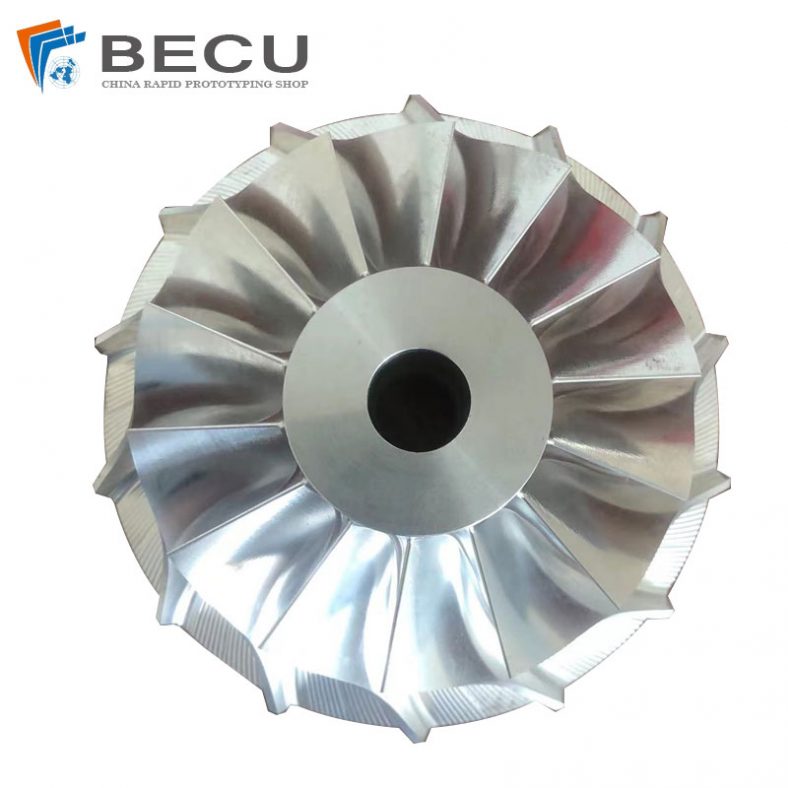
3-Way Centrifugal Compressor Closed Impeller By 5 Axis Machining
-

3/4/5 Axis Precision Milling Custom Vehicle Parts
-
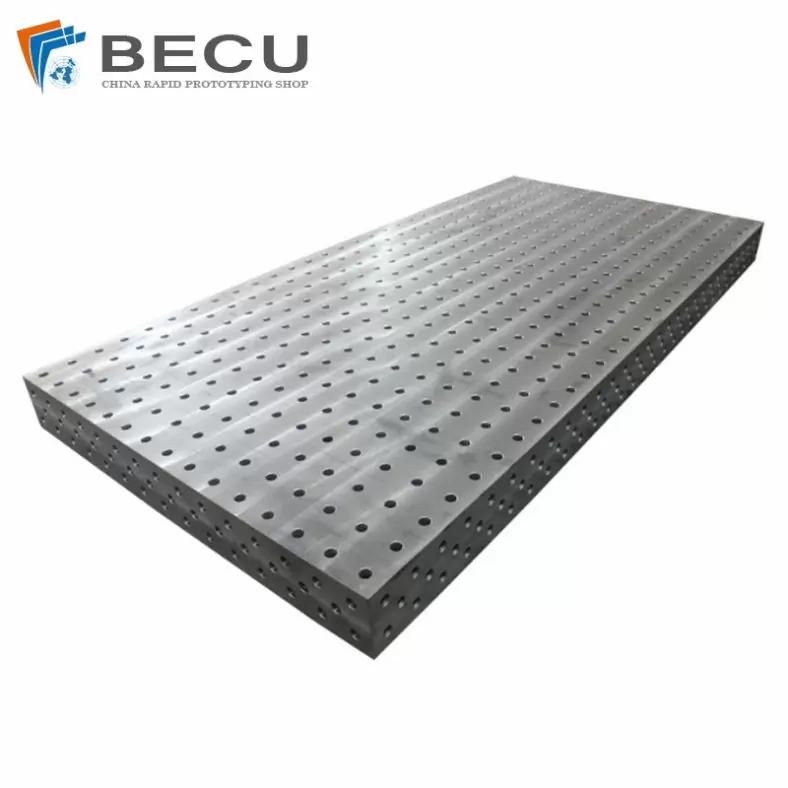
3D Flexible Welding Platform By Large Machining
-
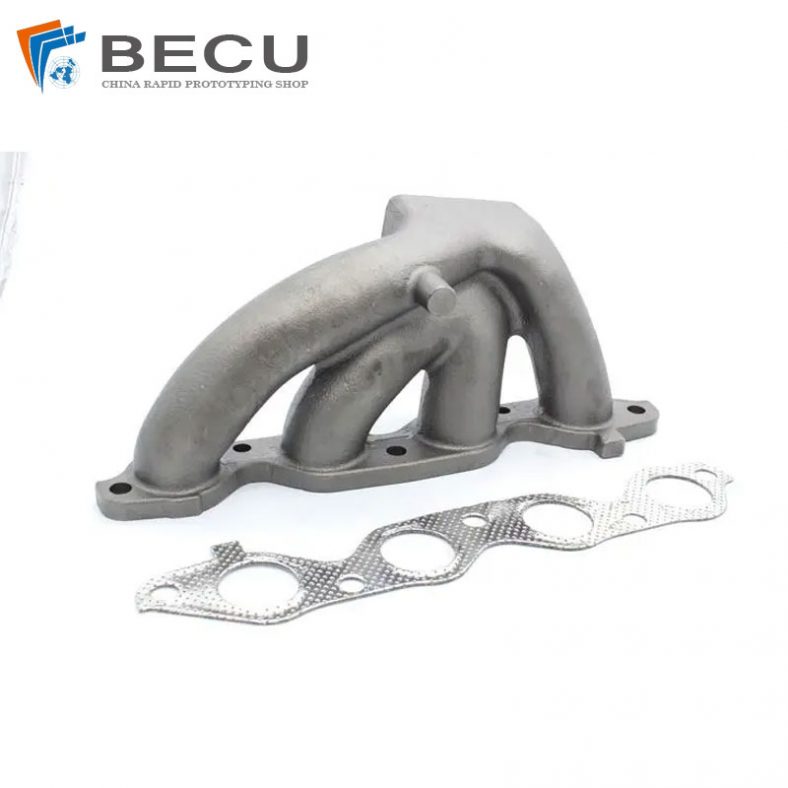
3D Printed Inconel Exhaust Manifold
-
3D Printing And CNC Machining Custom Black PPS Valve
-

3D Printing Full Transparent Acrylic Lampshade Model
-
4 Axis CNC Machining Titanium Grade 5 Mobile Phone Buttons
-
4 Axis Machining Highly Transparent Acrylic LED Tunnel Light Lens