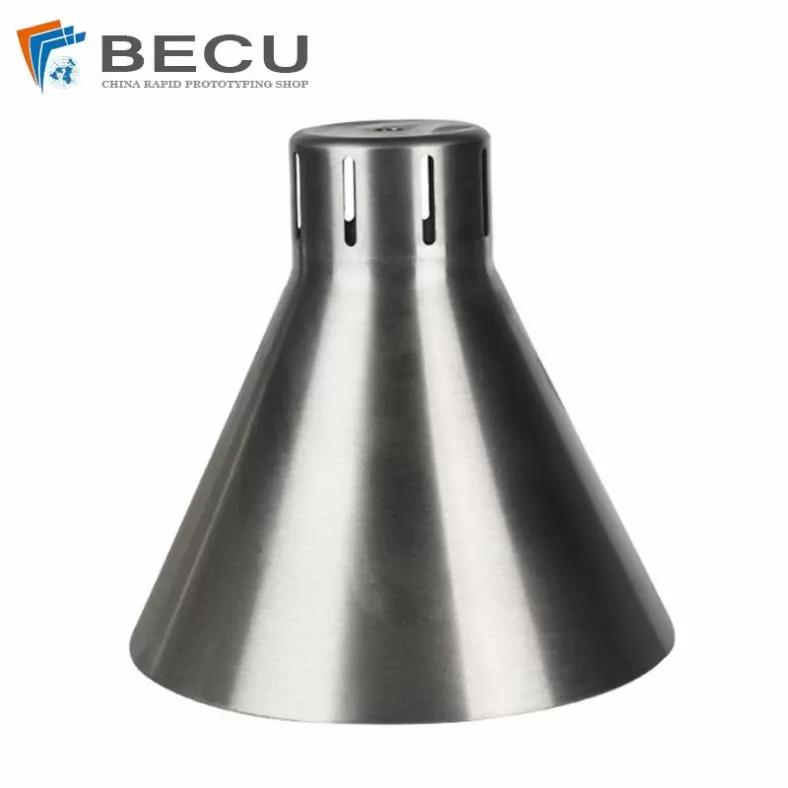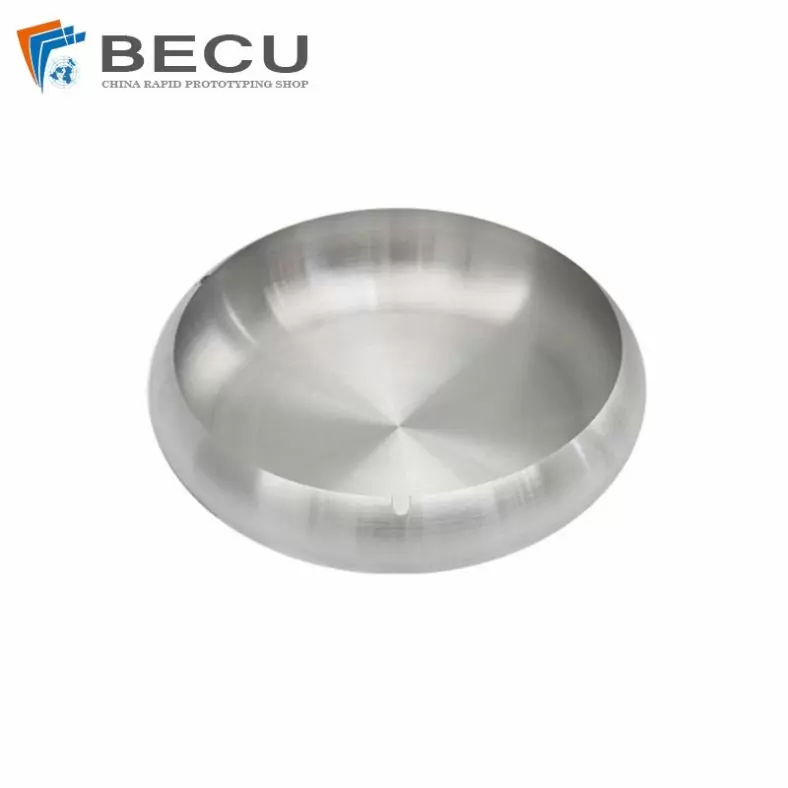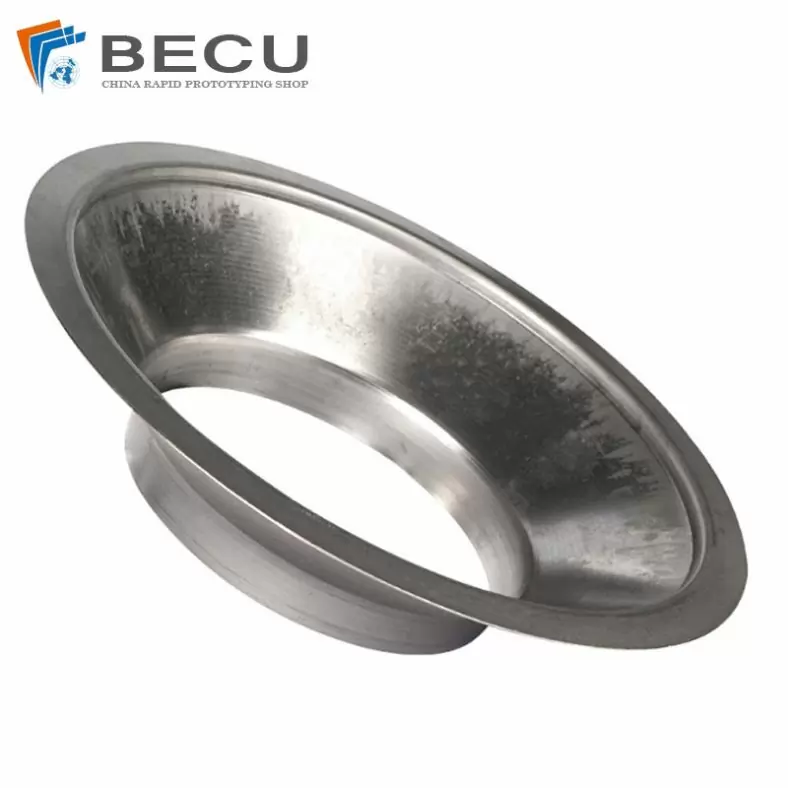
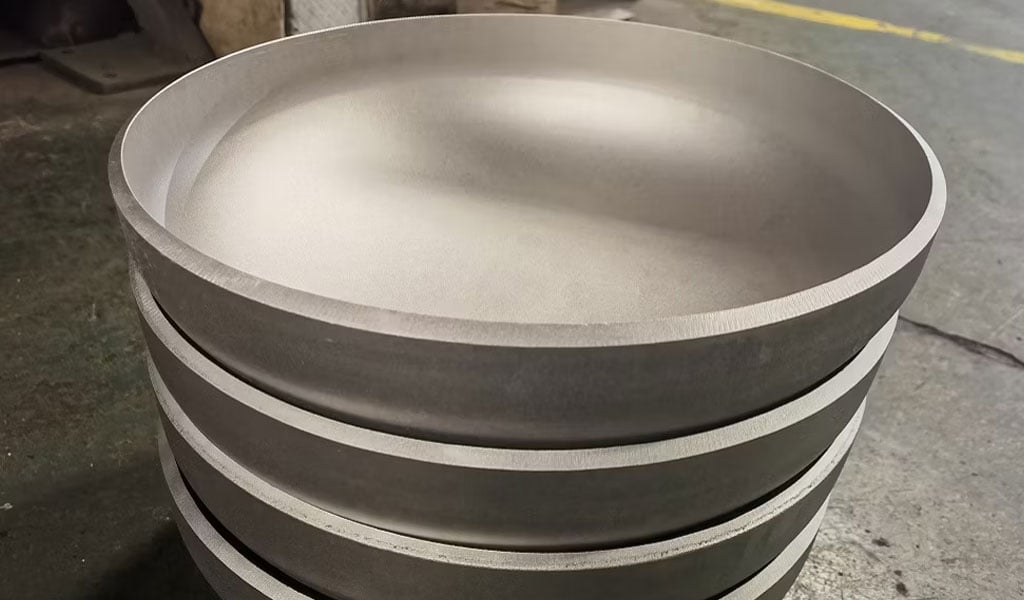
Tank head manufacturing is a specialized industrial process involving the fabrication of end caps, or “heads,” used to seal the ends of cylindrical or spherical pressure vessels, storage tanks, and other containment systems.
These components are critical to the structural integrity, safety, and functionality of tanks used across a wide range of industries, including oil and gas, chemical processing, pharmaceuticals, food and beverage, water treatment, and cryogenics. Tank heads are designed to withstand high internal or external pressures, resist corrosion, and meet stringent industry standards, such as those set by the American Society of Mechanical Engineers (ASME), American Petroleum Institute (API), and other regulatory bodies.
The manufacturing process encompasses material selection, forming techniques, machining, welding, surface treatment, and rigorous quality control to ensure compliance with safety and performance requirements.
This article provides a comprehensive exploration of tank head manufacturing, detailing its historical development, materials, forming processes, types of tank heads, quality control measures, and applications across industries. It also examines advanced manufacturing technologies, challenges,Tank Head Manufacturers & Companies list and future trends, supported by comparative tables to illustrate key specifications and considerations.
Tank Head Manufacturing
The development of tank head manufacturing is closely tied to the evolution of pressure vessels and storage tanks, which became critical during the Industrial Revolution in the 18th and 19th centuries. Early pressure vessels, such as those used in steam boilers, required robust end caps to contain high-pressure steam. These early heads were often forged or cast, with limited precision and consistency due to the rudimentary metalworking technologies of the time. The advent of steel production in the mid-19th century, particularly the Bessemer process, enabled the creation of stronger and more reliable materials for tank heads.
By the early 20th century, standardization efforts led to the establishment of codes like the ASME Boiler and Pressure Vessel Code (BPVC), first published in 1914. These standards formalized the design and fabrication of tank heads, ensuring safety for high-pressure applications. The introduction of metal forming techniques, such as spinning and pressing, in the early 20th century revolutionized tank head manufacturing, allowing for more complex shapes and larger diameters. World War II further accelerated advancements, as industries demanded tanks for fuel storage, chemical processing, and military applications.
In the post-war era, the rise of industries like petrochemicals, pharmaceuticals, and food processing spurred innovations in tank head manufacturing. The development of stainless steel and exotic alloys, such as Hastelloy and Inconel, expanded the range of materials available for corrosive or high-temperature environments. Modern advancements, including computer numerical control (CNC) machining, automated welding, and non-destructive testing (NDT), have further enhanced precision, repeatability, and quality in tank head production.
Importance of Tank Heads in Industrial Applications
Tank heads serve as critical structural components in pressure vessels and storage tanks, ensuring containment of liquids, gases, or other materials under varying conditions. Their primary functions include:
- Structural Integrity: Tank heads distribute internal or external pressures evenly across their surface, preventing deformation or failure.
- Safety: Properly designed and manufactured heads prevent leaks or ruptures, protecting personnel and the environment from hazardous substances.
- Versatility: Tank heads are tailored to specific applications, accommodating diverse materials, pressures, and environmental conditions.
- Regulatory Compliance: Most tank heads must meet standards like ASME Section VIII, API 650, or European Pressure Equipment Directive (PED) to ensure safety and performance.
The choice of tank head shape, material, and manufacturing process depends on factors such as pressure requirements, tank size, material properties, and cost considerations. Improperly manufactured tank heads can lead to catastrophic failures, underscoring the importance of precision and quality control in the fabrication process.
Materials Used in Tank Head Manufacturing
The selection of materials for tank heads is a critical step, as it directly impacts the head’s performance, durability, and suitability for specific applications. Materials must withstand internal pressures, external environmental factors, and chemical interactions with the stored substances. Common materials include:
Carbon Steel
Carbon steel is widely used due to its strength, affordability, and versatility. It is suitable for non-corrosive applications, such as water or oil storage tanks. However, carbon steel is prone to rust and requires coatings or linings for corrosive environments.
Stainless Steel
Stainless steel, particularly grades like 304 and 316, is preferred for applications requiring corrosion resistance, such as in food processing, pharmaceuticals, and chemical industries. Its durability and aesthetic appeal make it ideal for sanitary applications.
Aluminum
Aluminum is lightweight and corrosion-resistant, making it suitable for applications like scuba tanks and cryogenic vessels. Its lower strength compared to steel limits its use in high-pressure applications.
Exotic Alloys
High-performance alloys, such as Hastelloy, Inconel, Monel, and Duplex stainless steels, are used in extreme environments, such as high-temperature or highly corrosive conditions in the oil and gas or chemical industries. These materials are expensive but offer superior performance.
Titanium
Titanium is used in specialized applications requiring high strength-to-weight ratios and corrosion resistance, such as aerospace and marine environments. Its high cost limits its use to niche applications.
Clad Materials
Clad materials combine a base metal (e.g., carbon steel) with a thin layer of corrosion-resistant material (e.g., stainless steel or nickel alloy). This approach balances cost and performance for demanding applications.
The following table compares key material properties for tank head manufacturing:
| Material | Strength (MPa) | Corrosion Resistance | Cost | Common Applications |
|---|---|---|---|---|
| Carbon Steel | 400–600 | Low | Low | Water tanks, oil storage |
| Stainless Steel (304) | 515–690 | High | Medium | Food processing, pharmaceuticals |
| Stainless Steel (316) | 515–690 | Very High | High | Chemical processing, marine |
| Aluminum | 200–300 | High | Medium | Scuba tanks, cryogenic vessels |
| Hastelloy | 690–1000 | Excellent | Very High | Oil and gas, chemical processing |
| Inconel | 700–1100 | Excellent | Very High | High-temperature applications |
| Titanium | 900–1200 | Excellent | Very High | Aerospace, marine |
| Clad (Steel + SS) | Varies | High | High | Petrochemical, chemical industries |
Table 1: Comparison of Materials Used in Tank Head Manufacturing
Tank Head Manufacturing Processes
Tank head manufacturing involves several processes, each tailored to achieve specific shapes, sizes, and material properties. The primary methods include cold forming, hot forming, spinning, flanging, and dishing, with additional steps like machining, welding, and surface treatment to ensure quality and compliance.
Cold Forming
Cold forming involves shaping metal at room temperature using presses or dies. It is suitable for thinner materials and smaller diameters, offering high precision and minimal material distortion. Cold forming is cost-effective and widely used for standard tank heads, such as elliptical or torispherical shapes. The process typically involves:
- Cutting: A circular blank is cut from a metal sheet using CNC plasma, laser, or waterjet cutting.
- Pressing: The blank is placed in a press with a die to form the desired shape.
- Trimming: Excess material is trimmed to achieve precise dimensions.
Cold forming is limited by material thickness, as thicker metals require higher forces that may necessitate hot forming.
Hot Forming
Hot forming involves heating the metal to a high temperature (typically 800–1200°C) to make it more malleable, allowing for the formation of thicker or larger heads. This process is used for materials like stainless steel or exotic alloys and for complex shapes like hemispherical heads. Steps include:
- Heating: The metal blank is heated in a furnace to reduce its yield strength.
- Pressing: The heated blank is pressed into shape using a hydraulic press and die.
- Heat Treatment: Post-forming heat treatment, such as annealing or normalizing, relieves stresses and enhances material properties.
Hot forming allows for greater material thickness (up to 6 inches) and larger diameters (up to 220 inches), but it is more expensive due to energy costs and equipment requirements.
Metal Spinning
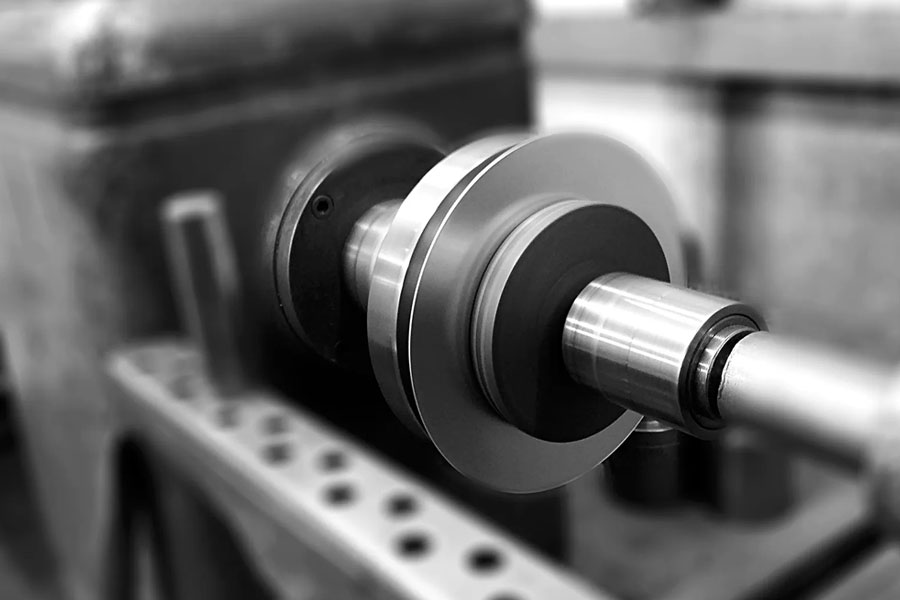
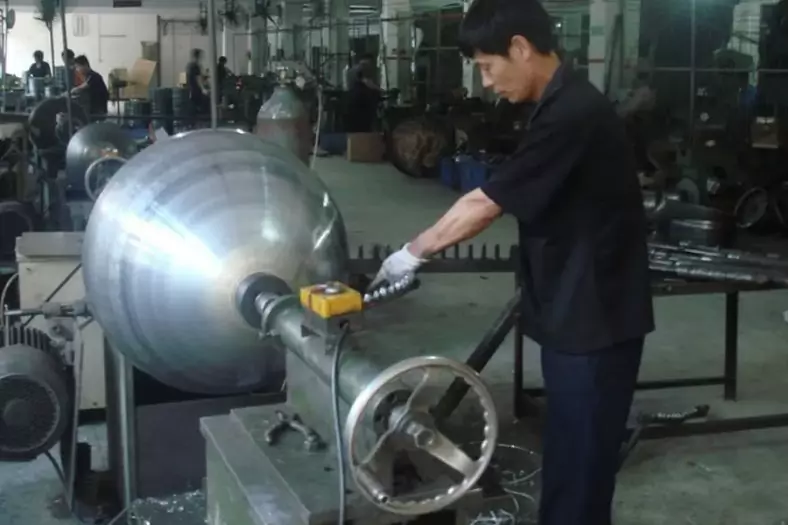
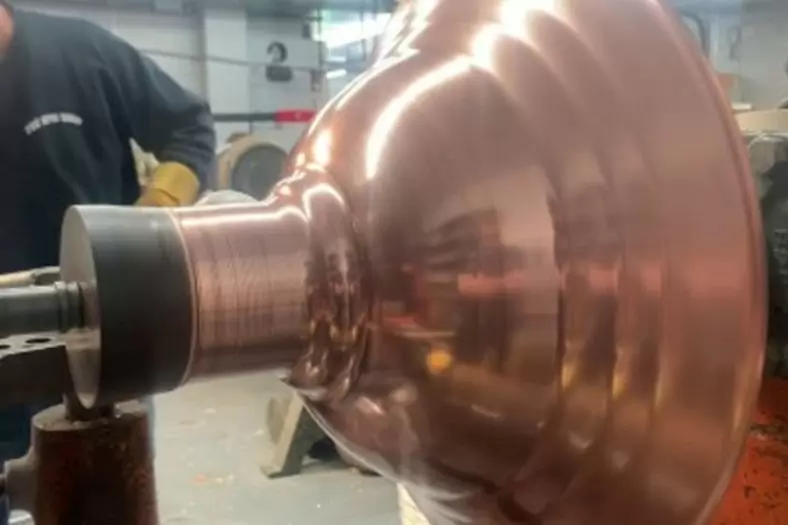
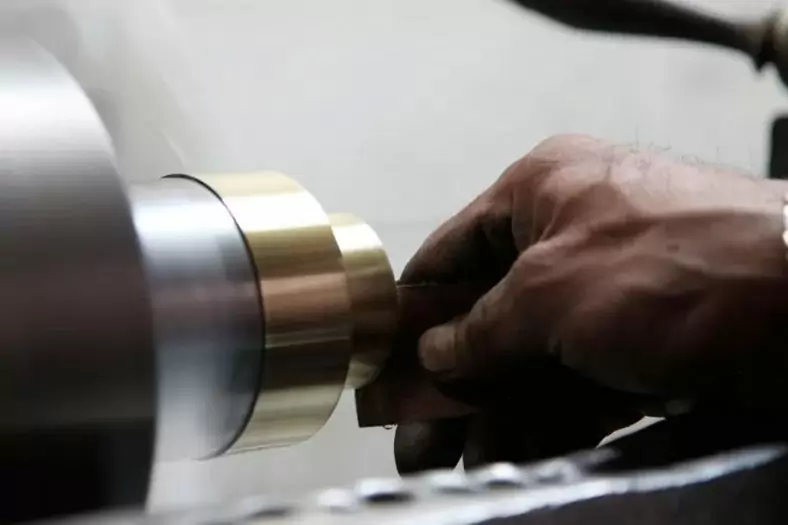
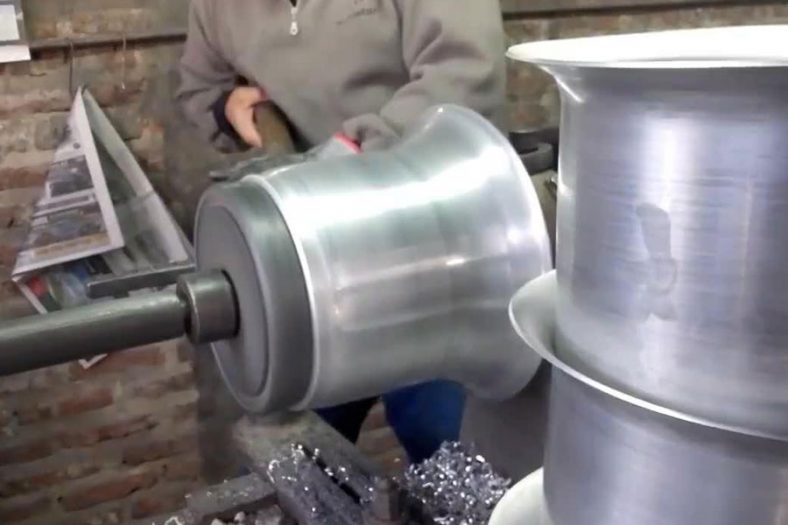
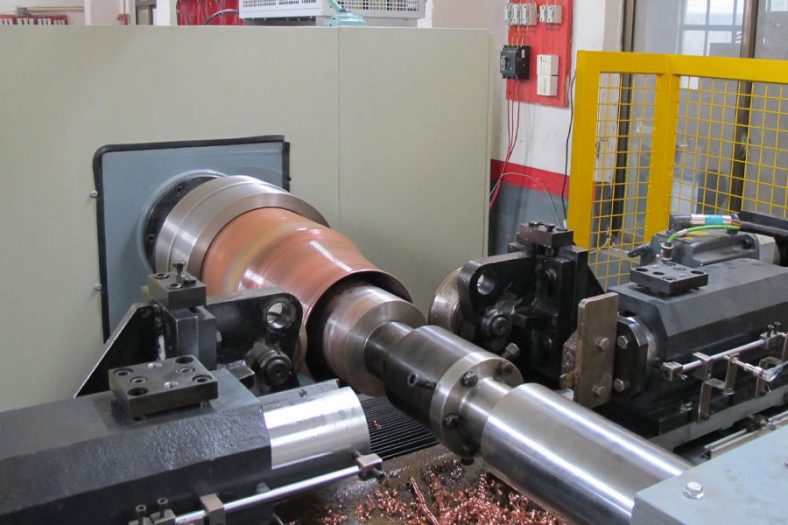
Metal spinning is a process where a flat metal blank is rotated on a lathe and shaped against a mandrel or tool to form an axially symmetrical head. It is used for smaller diameters (up to 1500 mm) and thinner materials (up to 6 mm). Spinning can be performed manually or using CNC machines for higher precision. The process is ideal for custom or low-volume production but is limited by tool availability and cost.
Flanging and Dishing
Flanging and dishing involve two distinct steps:
- Dishing: The metal blank is pressed into a dish shape, forming the curved portion of the head.
- Flanging: The edges are bent to create a flange for attachment to the tank body.
This method is versatile, allowing for a wide range of dimensions and shapes without the need for specific tools, unlike spinning. It is commonly used for torispherical and flanged-and-dished heads.
Machining
After forming, tank heads undergo machining to achieve precise dimensions, smooth surfaces, and weld preparations (e.g., bevels, tapers, or lands). CNC machining ensures tight tolerances, especially for ASME-compliant heads.
Welding
Welding is used to join multiple plates for large-diameter heads or to attach fittings, such as nozzles or valves. Common welding techniques include:
- MIG (Metal Inert Gas): Suitable for high-speed production.
- TIG (Tungsten Inert Gas): Offers high precision for stainless steel and exotic alloys.
- Submerged Arc Welding: Used for thick materials and large welds.
Welds are inspected using non-destructive testing to ensure integrity.
Surface Treatment
Surface treatments enhance durability and corrosion resistance. Common treatments include:
- Sandblasting: Removes surface impurities and prepares the head for coating.
- Polishing: Achieves a smooth, sanitary finish for food and pharmaceutical applications.
- Coating: Applies protective layers like epoxy, polyurethane, or rubber linings.
- Passivation: Removes contaminants from stainless steel to enhance corrosion resistance.
Comparison of Manufacturing Processes
| Process | Material Thickness | Diameter Range | Precision | Cost | Applications |
|---|---|---|---|---|---|
| Cold Forming | Up to 1.75 in | Up to 120 in | High | Low | Standard heads, smaller diameters |
| Hot Forming | Up to 6 in | Up to 220 in | Medium | High | Thick materials, large diameters |
| Metal Spinning | Up to 6 mm | Up to 1500 mm | High | Medium | Custom heads, small-scale production |
| Flanging & Dishing | Up to 22 mm | Up to 4500 mm | Medium | Medium | Versatile shapes, large diameters |
Table 2: Comparison of Tank Head Manufacturing Processes
Types of Tank Heads
Tank heads are designed in various shapes to meet specific pressure, volume, and application requirements. The most common types include:
Hemispherical Heads
Hemispherical heads have a radius equal to the tank’s cylindrical body, distributing pressure evenly across their surface. They are ideal for high-pressure applications, such as gas storage tanks and reactors, but require more material and are more expensive to manufacture.
Elliptical Heads (2:1)
Elliptical heads, also known as 2:1 semi-elliptical heads, have a major-to-minor axis ratio of 2:1. They are economical, requiring less material than hemispherical heads, and are widely used in pressure vessels due to their balance of strength and cost.
Torispherical Heads
Torispherical heads consist of a dish with a fixed radius and a knuckle (transitional) region. Two main subtypes exist:
- Klopper Heads (DIN-28011): Dish radius equals the cylinder diameter; knuckle radius is 10% of the diameter.
- Korbbogen Heads (DIN-28013): Dish radius is 80% of the cylinder diameter; knuckle radius is smaller.
Torispherical heads are easier to fabricate than elliptical heads but have less uniform stress distribution, making them suitable for lower-pressure applications.
Flat Heads
Flat heads are simple, consisting of a flat plate with a toroidal knuckle. They are used in non-pressure or low-pressure applications, such as storage tanks, due to their low cost and ease of fabrication.
Conical Heads
Conical heads are tapered, resembling a cone, and are used in applications requiring sediment collection or flow direction, such as in chemical reactors. They are less common but critical for specific processes.
Other Specialized Heads
- Flanged and Dished (F&D): Combine a dish with a flange for easy attachment.
- Flanged Only: Consist of a flange without a dish, used in specific configurations.
- Dished Only: Lack a flange, used in non-standard applications.
- Diffuser Heads: Inverted torispherical heads used in aerosol cans or similar applications.
The following table compares key characteristics of tank head types:
| Head Type | Pressure Resistance | Cost | Fabrication Complexity | Applications |
|---|---|---|---|---|
| Hemispherical | Excellent | High | High | High-pressure vessels, reactors |
| Elliptical (2:1) | High | Medium | Medium | Pressure vessels, storage tanks |
| Torispherical (Klopper) | Moderate | Low | Low | Low-pressure tanks, mixing tanks |
| Torispherical (Korbbogen) | Moderate | Low | Low | Large-diameter storage tanks |
| Flat | Low | Low | Low | Non-pressure storage tanks |
| Conical | Moderate | Medium | Medium | Chemical reactors, sedimentation tanks |
Table 3: Comparison of Tank Head Types
Quality Control and Testing
Quality control is paramount in tank head manufacturing to ensure safety and compliance with industry standards. Common quality control measures include:
Non-Destructive Testing (NDT)
- Radiographic Testing (RT): Detects internal weld imperfections using X-rays.
- Ultrasonic Testing (UT): Identifies internal flaws using high-frequency sound waves.
- Magnetic Particle Testing (MT): Detects surface and near-surface defects in ferromagnetic materials.
- Dye Penetrant Testing (PT): Reveals surface cracks using a colored dye.
Pressure Testing
Pressure testing verifies the head’s ability to withstand operational pressures. Hydrostatic testing (using water) or pneumatic testing (using air) subjects the head to pressures higher than its rated capacity to ensure safety.
Dimensional Inspection
Dimensional checks ensure the head meets specified tolerances for diameter, thickness, and shape. Laser scanning and CMM (Coordinate Measuring Machine) technologies enhance accuracy.
Material Certification
Material certificates verify the composition and properties of raw materials, ensuring compliance with standards like ASME SA240 or EN10028.
Documentation
Comprehensive documentation, including welding procedure specifications (WPS), inspection reports, and quality control records, ensures traceability and regulatory compliance.
Applications of Tank Heads
Tank heads are used in diverse industries, each with unique requirements:
Oil and Gas
Tank heads in oil and gas applications, such as storage tanks and separators, must withstand high pressures and corrosive substances. Materials like stainless steel and clad alloys are common.
Chemical and Petrochemical
Chemical reactors and processing vessels require heads resistant to aggressive chemicals and high temperatures. Exotic alloys like Hastelloy and Inconel are often used.
Food and Beverage
Sanitary tank heads, typically made of stainless steel with polished finishes, are used in food processing and brewing to meet hygiene standards like 3-A.
Pharmaceuticals
Pharmaceutical tanks require heads with smooth, crevice-free surfaces to prevent contamination. Stainless steel grades like 316L are standard.
Water Treatment
Water storage and treatment tanks use heads made of carbon steel or stainless steel, often coated to prevent corrosion.
Cryogenics
Cryogenic tanks for storing liquid gases (e.g., LNG, nitrogen) use aluminum or stainless steel heads to withstand low temperatures.
Aerospace and Marine
Titanium and aluminum heads are used in aerospace fuel tanks and marine vessels due to their strength-to-weight ratio and corrosion resistance.
Advanced Technologies in Tank Head Manufacturing
Recent advancements have transformed tank head manufacturing, improving efficiency, precision, and customization:
CNC and Automation
CNC machines enable precise cutting, forming, and machining, reducing human error and ensuring repeatability. Automated welding systems enhance weld quality and speed.
3D Laser Scanning
3D laser scanning verifies dimensional accuracy by comparing the manufactured head to CAD models, ensuring compliance with specifications.
Plasma Cutting
Advanced plasma cutting, such as Brighton Tru-Edge’s Tru-Cut 3D technology, allows precise nozzle hole cutting, accommodating variations in head shape.
Additive Manufacturing
While still emerging, additive manufacturing (3D printing) is being explored for prototyping complex head shapes or producing small-scale components.
Simulation Software
Finite element analysis (FEA) and 3D modeling software simulate stress distribution and forming processes, optimizing head design before production.
Top 10 Tank Head Manufacturers and Companies List
Tank heads, also known as dished ends or end caps, are critical components used to seal the ends of cylindrical tanks and pressure vessels. These concave metal discs are engineered to withstand significant internal pressures, weight loads, and environmental conditions, ensuring the safety and integrity of storage systems across various industries. Tank heads are essential in sectors such as oil and gas, chemical processing, pharmaceuticals, food and beverage, cryogenics, and water treatment. They are manufactured using processes like stamping, spinning, and welding, and are typically made from materials such as stainless steel, carbon steel, aluminum, and exotic alloys like Hastelloy® or Inconel®. The choice of material and manufacturing process depends on the tank’s intended use, the substances it will contain, and the operating environment.
This article provides a comprehensive overview of the top 10 tank head manufacturers and companies globally, focusing on their history, product offerings, manufacturing capabilities, certifications, and contributions to the industry. Each company is analyzed in detail, with a focus on their expertise, innovation, and market presence. The article also includes comparative tables to highlight key specifications, capabilities, and applications, offering a scientific and structured approach to understanding the tank head manufacturing landscape.
1. Brighton Tru-Edge

Brighton Tru-Edge, headquartered in Cincinnati, Ohio, is one of the largest cold-form tank head fabricators in North America, with over 110 years of experience in the industry. Founded in 1914, the company has built a reputation for high-quality craftsmanship and innovation in tank head manufacturing. Brighton Tru-Edge serves a wide range of industries, including pharmaceutical, chemical processing, food and beverage, and water storage, providing custom and stock tank heads to meet diverse project requirements.
Brighton Tru-Edge offers a comprehensive range of tank heads, including:
- 2:1 Elliptical Heads: Designed for medium-pressure vessels, with a depth one-quarter of the vessel’s internal diameter.
- ASME 80/10 Heads: Featuring an inside dish radius of 80% of the diameter and a knuckle radius of 10% of the diameter, meeting ASME pressure vessel code requirements.
- ASME Flanged and Dished (F&D): Used for mild pressure applications, with an inside dish radius of 100% of the diameter and a knuckle radius of at least 6% of the diameter.
- Conical Heads: Employed in process equipment like evaporators and crystallizers, enabling solids accumulation and removal.
- Dished Only, Flanged Only, and Flared & Dished Heads: Suitable for pressure vessels, vacuum chambers, and domed roofs.
- Segmented Tank Heads: For large-scale projects requiring unique solutions.
- Cylinders & Plates and Half-Pipe: Additional components for tank fabrication.
The company also provides value-added services such as nozzle hole cutting, beveling, pressing, flanging, polishing, pickling, and heat treatment, enhancing the functionality and durability of their products.
Brighton Tru-Edge operates a state-of-the-art facility with advanced machinery for cold-forming, rolling, and precision machining. Their capabilities include:
- Diameter Range: 4 inches to 120 inches.
- Thickness: Up to 3/4 inch for large heads and 3/8 inch for standard heads.
- Materials: Carbon steel, stainless steel, aluminum, and exotic alloys like Hastelloy® and Inconel®.
- Certifications: ASME Section VIII, ensuring compliance with stringent industry standards.
- Innovative Processes: Pre-cut nozzle holes to reduce manual labor and improve project profitability.
The company’s 110 years of fabrication excellence and focus on customer service make it a preferred partner for custom tank head solutions.
Brighton Tru-Edge’s tank heads are used in:
- Pharmaceuticals: For sterile storage and processing tanks.
- Chemical Processing: For reactors and storage vessels handling corrosive substances.
- Food and Beverage: For fermentation and storage tanks ensuring hygiene and safety.
- Water Storage: For municipal and industrial water treatment systems.
Brighton Tru-Edge’s long-standing presence in the industry is bolstered by its commitment to innovation. The introduction of pre-cut nozzle holes demonstrates their focus on reducing costs and improving efficiency for clients. Their ability to fabricate segmented heads for large-scale projects further underscores their versatility and technical expertise.
2. Tank Components Industries
Tank Components Industries (TCI), based in Springfield, Missouri, is a leading manufacturer of ASME-certified tank heads, known for its high-quality products and competitive pricing. Established over 20 years ago, TCI has grown into a trusted supplier for industries such as pharmaceuticals, chemicals, biotech, cryogenics, and food and beverage. The company emphasizes precision engineering and customer-centric solutions.
TCI specializes in a variety of tank head configurations, including:
- ASME Flanged and Dished (F&D): For pressure vessels with moderate pressure requirements.
- 80:10 and 80:6 Heads: Designed for specific pressure vessel applications.
- 2:1 Elliptical Heads: Economical for medium-pressure tanks.
- Hemispherical Heads: Ideal for high-pressure environments.
- Toriconical Heads: For process equipment requiring conical shapes.
- Non-ASME Heads: Including standard F&D, shallow F&D, reversed F&D, flanged only, dished only, and dished and flared heads.
TCI also offers value-added services such as waterjet cutting, custom edge preparation, and mechanical polishing, ensuring a high-quality finish.
TCI’s state-of-the-art facility supports:
- Diameter Range: 9 inches to 130 inches.
- Thickness: 14 gauge to 1/2 inch.
- Materials: Stainless steel, aluminum, copper, Hastelloy®, AL6XN, Duplex 2205, and Inconel®.
- Certifications: ASME-certified, with rigorous quality control processes.
- Special Processes: Polishing, waterjet cutting, and custom weld preps (tapers, bevels, and lands).
TCI’s tank heads are utilized in:
- Pharmaceuticals: For sterile and high-purity storage systems.
- Chemical Industry: For reactors and chemical storage tanks.
- Biotech: For bioreactors and cryogenic vessels.
- Food and Beverage: For processing and storage tanks.
- Municipal Waste Treatment: For durable storage solutions.
TCI’s focus on customization and value-added services sets it apart in the industry. Their ability to produce tank heads in a wide range of diameters and materials, combined with their ASME certification, makes them a reliable partner for complex projects. Their commitment to on-time delivery and quality control further enhances their reputation.
3. Conrex Steel Ltd.
Conrex Steel Ltd., based in Toronto, Canada, is a world leader in the fabrication of conventional and segmental tank heads. With over 60 years of experience, Conrex Steel serves industries such as oil and gas, water treatment, cryogenics, pulp and paper, and plastics. The company is part of the Conrex Group, which includes Prescor and Aberfoyle Metal Treaters, providing complementary services like heat treating and grit blasting.
Conrex Steel offers a wide range of tank heads, including:
- Conventional Tank Heads: ASME 2:1 semi-elliptical, flanged and dished, dished only, toriconical, flanged only, and hemispherical heads.
- Segmental Tank Heads: Multi-piece heads for large-diameter applications.
- Joggled Heads and Formed Elbows: For specialized applications.
- Spheres: For storage spheres with minimal size restrictions.
Conrex Steel’s capabilities include:
- Diameter Range: 6-5/8 inches to 220 inches for conventional heads; 20 feet to 120 feet for segmental heads.
- Thickness: 3/16 inch to 6 inches for conventional heads; 1/4 inch to 5-1/2 inches for segmental heads.
- Materials: Carbon steel, stainless steel, alloy, titanium, low alloy steels, HY-80, HY-100, and clad materials.
- Certifications: ASME, CSA, and TSSA standards.
- Special Processes: Robotic trimming, stress relieving, grit blasting, and heat treatment.
Conrex Steel’s tank heads are used in:
- Oil and Gas: For storage tanks and pressure vessels.
- Water Treatment: For municipal and industrial systems.
- Cryogenics: For low-temperature storage.
- Pulp and Paper: For processing equipment.
- Military and Transportation: For specialized vessels.
Conrex Steel’s ability to produce large-diameter segmental heads with robotic trimming and welding sets it apart. Their innovative processes and partnerships with Aberfoyle Metal Treaters for heat treatment and blasting enhance their ability to deliver high-quality products efficiently.
4. Prescor Inc.
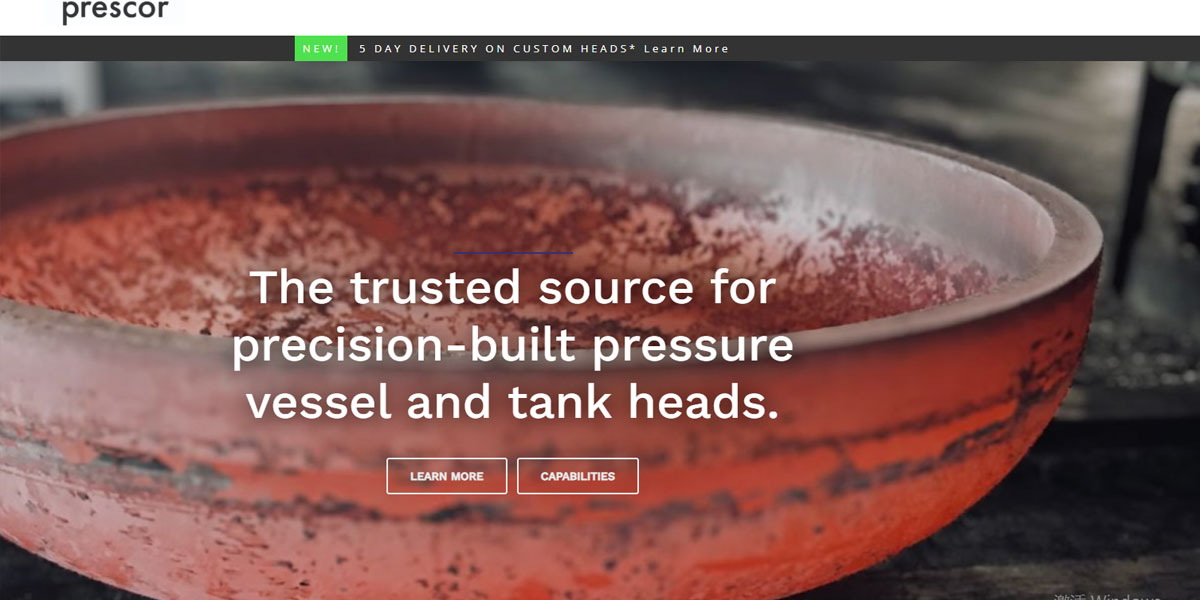
Prescor Inc., a member of the Conrex Group, specializes in ASME 2:1 elliptical and hemispherical tank heads, with over 50 years of expertise. Based in Houston, Texas, Prescor serves industries requiring high-pressure and medium-pressure tank heads, including oil and gas, cryogenics, and chemical processing.
Prescor’s product range includes:
- ASME 2:1 Elliptical Heads: Economical for medium-pressure tanks.
- Hemispherical Heads: For high-pressure vessels.
- Flanged and Dished, Flanged Only, and Dished Only Heads: For various applications.
Prescor’s capabilities include:
- Diameter Range: Up to 120 inches.
- Thickness: Up to 3/4 inch.
- Materials: Carbon steel, stainless steel, high-nickel alloys, and exotic plates.
- Certifications: ASME standards.
- Special Processes: Hot forming, normalizing, solution annealing, quenching, and shot/sand blasting.
Prescor’s tank heads are used in:
- Oil and Gas: For high-pressure storage tanks.
- Cryogenics: For LNG and CNG vessels.
- Chemical Processing: For reactors and storage systems.
Prescor’s expertise in hot forming and high-pressure head fabrication, combined with its integration into the Conrex Group, ensures high-quality products and reliable delivery. Their focus on heat treatment and surface finishing enhances the durability of their tank heads.
5. Baker Tankhead, Incorporated
Baker Tankhead, Inc., founded in 1977 by Austin Baker III, is a Fort Worth, Texas-based manufacturer of ASME and non-code tank heads. With a 17-acre facility and over 150 years of combined leadership experience, Baker Tankhead is known for its versatility and commitment to quality.
Baker Tankhead’s products include:
- ASME and Non-Code Tank Heads: Flanged and dished, elliptical, hemispherical, and conical heads.
- Cones and Rolled Shells: For custom applications.
- Custom Parts: Including manways and specialty weldments.
Baker Tankhead’s capabilities include:
- Diameter Range: 8-5/8 inches to over 16 feet.
- Thickness: Up to 1 inch.
- Materials: Carbon steel, stainless steel, aluminum, and copper.
- Certifications: ASME standards.
- Special Processes: Hot forming, burning, machining, stress relieving, and normalizing.
Baker Tankhead’s products are used in:
- Petrochemicals: For storage and processing tanks.
- Food and Beverage: For sanitary storage systems.
- Cryogenics: For low-temperature vessels.
- Transportation: For tank cars and rail applications.
Baker Tankhead’s investment in automation, such as the Yellow Jacket orbital stretch wrapper, has improved shipping efficiency and workplace safety. Their focus on custom fabrication and rapid delivery makes them a key player in the industry.
6. Trinity Heads, Inc.
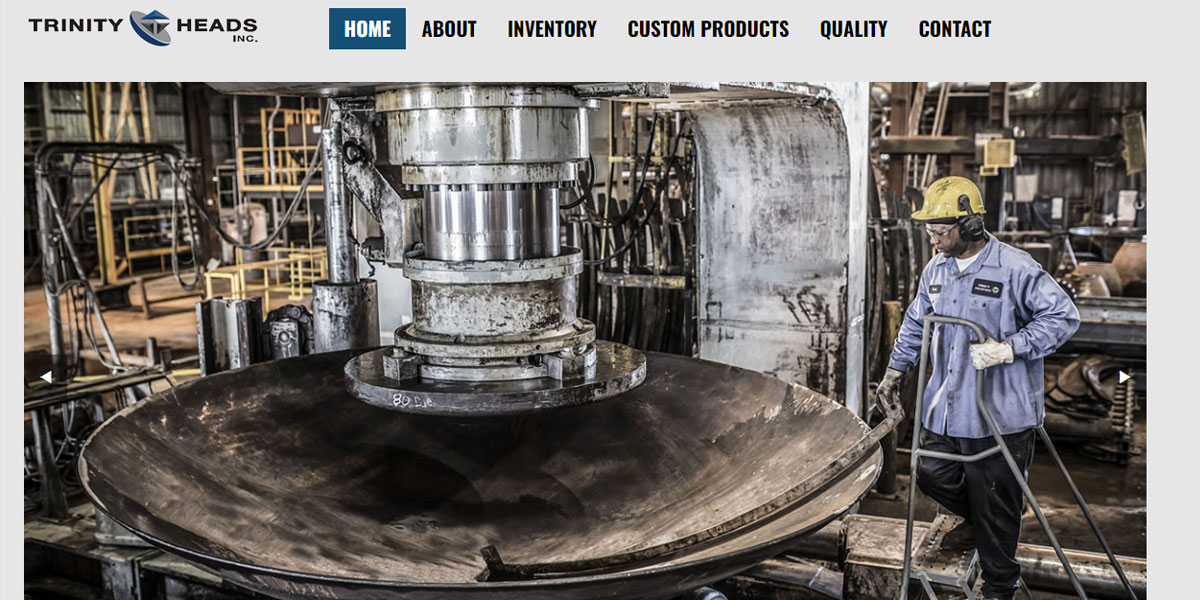
Trinity Heads, Inc., located in Navasota, Texas, is a leading manufacturer of pressure vessel heads with broad capabilities. The company serves industries such as refining, petrochemicals, cryogenics, LNG, CNG, rail transportation, military, agriculture, and pharmaceuticals. Trinity Heads is known for its craftsmanship and strategic location for efficient shipping.
Trinity Heads offers:
- Pressure Vessel Heads: Elliptical, hemispherical, and toriconical heads.
- Other Pressed Shapes: Moldboards, truck boards, mining equipment, and kettle bottoms.
Trinity Heads’ capabilities include:
- Diameter Range: Up to 120 inches.
- Thickness: Up to 3/4 inch.
- Materials: Carbon steel, stainless steel, duplex stainless steel, nickel alloys, aluminum, clad materials, and titanium.
- Certifications: ASME and DOT standards.
- Equipment: Seven hot forming presses (500 to 3,000 tons), one hot spinning machine, 16 furnaces, water quench facilities, and plasma burning tables.
Trinity Heads’ products are used in:
- Refining and Petrochemicals: For high-pressure vessels.
- Cryogenics and LNG/CNG: For low-temperature storage.
- Rail Transportation: For tank cars.
- Military and Agriculture: For specialized equipment.
Trinity Heads’ extensive equipment and focus on craftsmanship ensure high-quality products and rapid turnaround times. Their strategic location near Houston enhances their ability to serve global markets efficiently.
7. Compco
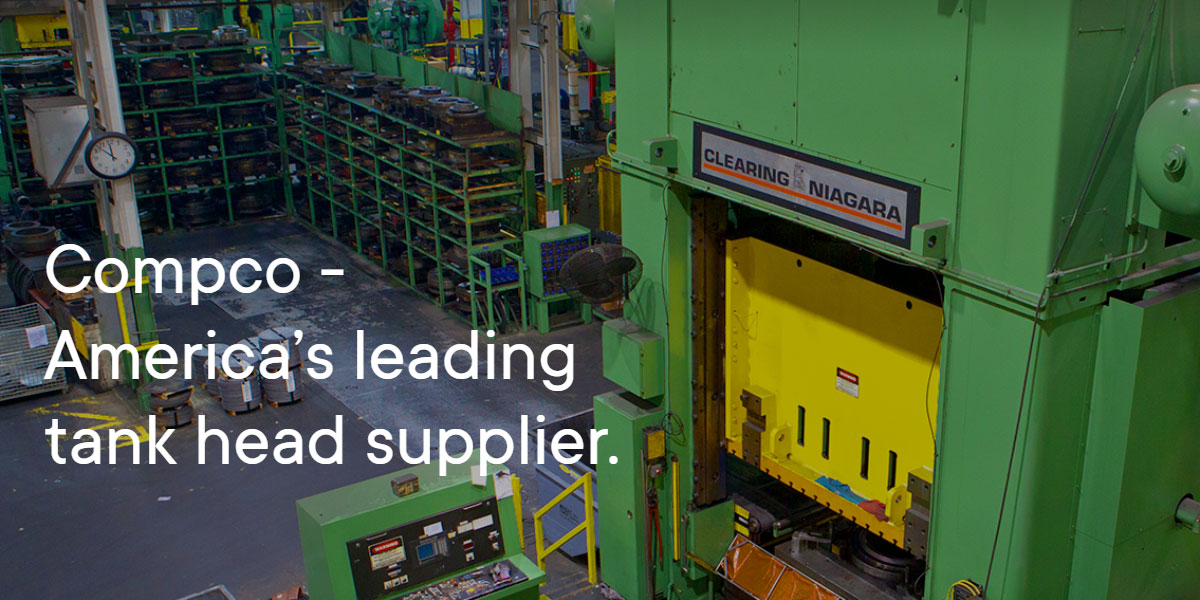
Compco, founded in 1952 by Clarence Smith Sr., is a Youngstown, Ohio-based tank head manufacturer with a strong family-led legacy. Now in its third generation of leadership, Compco serves industries such as pressure vessels, water heaters, propane, cryogenics, and artistic applications like musical instruments.
Compco’s product range includes:
- Standard Tank Heads: 4 inches to 72 inches in diameter, up to 3/8 inch thick.
- Large Tank Heads: 48 inches to 120 inches, up to 3/4 inch thick.
- ASME Code Heads: F&D, high-crown F&D, 2:1 elliptical, and hemispherical.
- Non-Code Heads: Standard F&D, dished only, and flanged only.
- Custom Metal Stamping and Fabrication: Including domes and manways.
Compco’s capabilities include:
- Diameter Range: 4 inches to 120 inches.
- Thickness: Up to 3/4 inch.
- Materials: Carbon steel, stainless steel, and aluminum.
- Certifications: ASME standards.
- Special Processes: Custom stamping, welding, and finishing.
Compco’s tank heads are used in:
- Pressure Vessels: For industrial storage.
- Water Heaters and Propane: For residential and commercial applications.
- Cryogenics: For low-temperature systems.
- Artistic Creations: For unique applications like musical instruments.
Compco’s focus on customer and employee satisfaction drives its success. Their ability to produce both standard and large tank heads, combined with custom fabrication, makes them a versatile supplier.
8. BE-CU Spinning Company
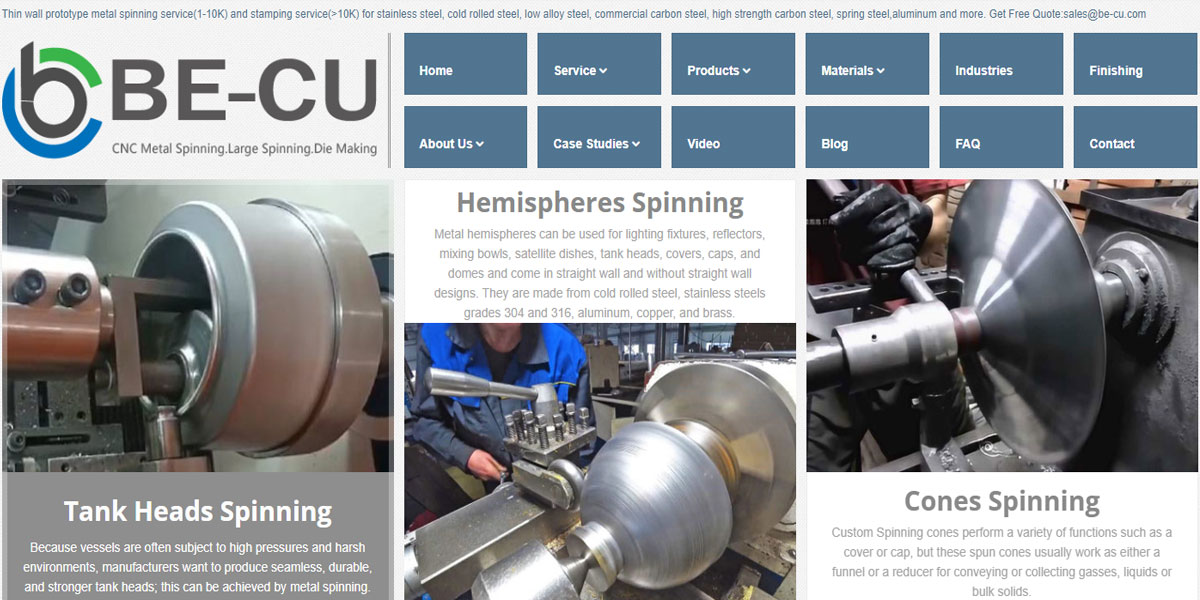
BE-CU , based in Jiangmen, Guangdong, has been providing custom tank heads for over 30 years. Known for its advanced hydroforming and metal spinning processes, BE-CU serves industries such as pharmaceuticals, biotech, chemical, food and beverage, and cryogenics.We offers:
- Custom Tank Heads: Up to 72 inches in diameter and 10 inches in depth.
- Flanged, Elliptical, and Dished Heads: For various applications.
Our’s capabilities include:
- Diameter Range: Up to 72 inches.
- Thickness: Varies by material (up to 0.060 inch for tight tolerances).
- Materials: Stainless steel, aluminum, Inconel®, Hastelloy®, and titanium.
- Certifications: ASME standards.
- Special Processes: Hydroforming, metal spinning, and heat treatment.
Our tank heads are used in:
- Pharmaceuticals and Biotech: For sterile and high-purity systems.
- Chemical and Food Processing: For reactors and storage tanks.
- Cryogenics: For low-temperature vessels.
Our expertise in hydroforming and metal spinning allows it to produce complex shapes with high precision. Their focus on meeting strict industry standards ensures reliable performance in demanding applications.
9. Komax Systems

Komax Systems, based in Huntington Beach, California, is a manufacturer of tank heads and mixing equipment for the chemical and petrochemical industries. The company emphasizes ASME-compliant tank heads designed for high-pressure and vacuum applications.
Komax Systems offers:
- ASME Tank Heads: Elliptical, flanged and dished, conical, and toriconical heads.
- Custom Heads: Tailored to specific project requirements.
Komax’s capabilities include:
- Diameter Range: Customizable based on project needs.
- Materials: Stainless steel, Inconel®, Hastelloy®, and other special materials.
- Certifications: ASME codes and regulations.
- Special Processes: Precision machining and testing (pressure and stress testing).
Komax’s tank heads are used in:
- Chemical and Petrochemical: For reactors and storage vessels.
- Distillation Towers: For processing applications.
- Storage Tanks: For various industrial uses.
Market Presence and Innovation
Komax Systems’ focus on custom engineering and ASME compliance makes it a reliable choice for high-pressure applications. Their integration of tank head manufacturing with mixing equipment enhances their value proposition.
10. Hanson Tank
Hanson Tank, based in Los Angeles, California, is a manufacturer of ASME code pressure vessels and tank heads, with a focus on rapid delivery and competitive pricing. With over 2,600 tank heads in stock, Hanson Tank serves a wide range of industries, including chemical, pharmaceutical, and food processing.Product Offerings:
Hanson Tank specializes in:
- 2:1 Semi-Elliptical Tank Heads: For pressure vessels.
- Custom Tank Heads: Tailored to specific requirements.
Hanson Tank’s capabilities include:
- Diameter Range: 12 inches to 120 inches.
- Materials: Carbon steel and stainless steel.
- Certifications: ASME standards.
- Special Processes: Bulk purchasing of materials for cost efficiency and rapid delivery.
Hanson Tank’s products are used in:
- Chemical Processing: For storage and reactor vessels.
- Pharmaceuticals: For high-purity systems.
- Food Processing: For sanitary storage tanks.
Hanson Tank’s large inventory and partnerships with major truck lines ensure fast deliveries at competitive prices. Their focus on stock heads makes them a go-to supplier for urgent projects.
Comparative Analysis
The following tables provide a detailed comparison of the top 10 tank head manufacturers based on key parameters such as diameter range, thickness, materials, certifications, and industry applications.
| Company | Diameter Range | Thickness Range | Materials | Certifications | Special Processes |
|---|---|---|---|---|---|
| Brighton Tru-Edge | 4″–120″ | Up to 3/4″ | Carbon steel, stainless steel, aluminum, Hastelloy®, Inconel® | ASME Section VIII | Nozzle hole cutting, beveling, polishing, heat treatment |
| Tank Components Industries | 9″–130″ | 14 gauge–1/2″ | Stainless steel, aluminum, copper, Hastelloy®, AL6XN, Duplex 2205, Inconel® | ASME | Waterjet cutting, polishing, custom weld preps |
| Conrex Steel Ltd. | 6-5/8″–220″ (conventional); 20’–120′ (segmental) | 3/16″–6″ (conventional); 1/4″–5-1/2″ (segmental) | Carbon steel, stainless steel, alloy, titanium, HY-80, HY-100, clad materials | ASME, CSA, TSSA | Robotic trimming, stress relieving, grit blasting |
| Prescor Inc. | Up to 120″ | Up to 3/4″ | Carbon steel, stainless steel, high-nickel alloys, exotic plates | ASME | Hot forming, normalizing, solution annealing |
| Baker Tankhead, Inc. | 8-5/8″–16’+ | Up to 1″ | Carbon steel, stainless steel, aluminum, copper | ASME | Hot forming, burning, machining, stress relieving |
| Trinity Heads, Inc. | Up to 120″ | Up to 3/4″ | Carbon steel, stainless steel, duplex stainless steel, nickel alloys, aluminum, titanium | ASME, DOT | Hot forming, spinning, plasma burning, quenching |
| Compco | 4″–120″ | Up to 3/4″ | Carbon steel, stainless steel, aluminum | ASME | Custom stamping, welding, finishing |
| BE-CU | Up to 72″ | Up to 0.060″ (tight tolerances) | Stainless steel, aluminum, Inconel®, Hastelloy®, titanium | ASME | Hydroforming, metal spinning, heat treatment |
| Komax Systems | Customizable | Customizable | Stainless steel, Inconel®, Hastelloy®, special materials | ASME | Precision machining, pressure/stress testing |
| Hanson Tank | 12″–120″ | Customizable | Carbon steel, stainless steel | ASME | Bulk material purchasing, rapid delivery |
| Company | Oil and Gas | Chemical Processing | Pharmaceuticals | Food and Beverage | Cryogenics | Water Treatment | Other |
|---|---|---|---|---|---|---|---|
| Brighton Tru-Edge | Yes | Yes | Yes | Yes | Yes | Yes | Municipal waste, artistic |
| Tank Components Industries | Yes | Yes | Yes | Yes | Yes | Yes | Biotech, municipal waste |
| Conrex Steel Ltd. | Yes | Yes | Yes | Yes | Yes | Yes | Pulp and paper, military |
| Prescor Inc. | Yes | Yes | Yes | Yes | Yes | Yes | LNG/CNG |
| Baker Tankhead, Inc. | Yes | Yes | Yes | Yes | Yes | Yes | Transportation, rail |
| Trinity Heads, Inc. | Yes | Yes | Yes | Yes | Yes | Yes | Rail, military, agriculture |
| Compco | Yes | Yes | Yes | Yes | Yes | Yes | Artistic (musical instruments) |
| BE-CU | Yes | Yes | Yes | Yes | Yes | Yes | Biotech |
| Komax Systems | Yes | Yes | Yes | Yes | Yes | Yes | Distillation towers |
| Hanson Tank | Yes | Yes | Yes | Yes | Yes | Yes | General industrial |
Trends
- Automation and Robotics: Companies like Conrex Steel and Baker Tankhead are adopting robotic trimming and stretch wrapping to improve efficiency and safety.
- Customization: Increasing demand for custom tank heads tailored to specific applications, as seen with Brighton Tru-Edge’s pre-cut nozzle holes and Komax Systems’ bespoke designs.
- Sustainability: Use of corrosion-resistant materials like stainless steel and eco-friendly manufacturing processes to reduce environmental impact.
- Global Supply Chains: Strategic locations, such as Trinity Heads’ proximity to Houston, enhance shipping efficiency and global market access.
Challenges
- Material Costs: Fluctuations in the prices of stainless steel, titanium, and exotic alloys can impact production costs.
- Lead Times: Custom orders and large segmental heads require longer lead times, necessitating robust supply chain management.
- Regulatory Compliance: Meeting stringent ASME and DOT standards requires extensive testing and documentation, increasing operational complexity.
- Competition: The tank head market is highly competitive, with companies vying for contracts based on quality, price, and delivery speed.
The tank head manufacturing industry is poised for growth, driven by increasing demand for storage solutions in energy, chemical, and pharmaceutical sectors. Advances in automation, material science, and manufacturing processes will continue to enhance efficiency and product quality. Companies that invest in innovation, such as Brighton Tru-Edge’s pre-cut nozzle technology and Conrex Steel’s robotic trimming, are likely to maintain a competitive edge. Additionally, the shift toward sustainable materials and processes will align with global environmental goals, further shaping the industry’s future.
The top 10 tank head manufacturers—Brighton Tru-Edge, Tank Components Industries, Conrex Steel Ltd., Prescor Inc., Baker Tankhead, Inc., Trinity Heads, Inc., Compco, Helander, Komax Systems, and Hanson Tank—represent the pinnacle of expertise and innovation in the industry. Each company offers unique strengths, from Brighton Tru-Edge’s century-long legacy to Conrex Steel’s segmental head capabilities. Their products serve critical roles in ensuring the safety and efficiency of storage systems across diverse industries. By leveraging advanced manufacturing techniques, adhering to strict quality standards, and addressing industry challenges, these companies continue to drive progress in tank head manufacturing.
Conclusion: Challenges in Tank Head Manufacturing
Tank head manufacturing faces several challenges:
- Material Variability: Variations in material properties can affect forming consistency, requiring strict quality control.
- Complex Geometries: Custom shapes demand specialized tooling, increasing costs and lead times.
- Regulatory Compliance: Meeting ASME, API, or PED standards requires rigorous testing and documentation.
- Cost vs. Quality: Balancing cost with performance is challenging, especially for exotic alloys or large-diameter heads.
- Skilled Labor: The need for experienced operators for manual spinning or welding remains a bottleneck.
The future of tank head manufacturing is shaped by technological advancements and industry demands:
- Sustainability: Manufacturers are adopting eco-friendly processes, such as energy-efficient forming and recyclable materials.
- Smart Manufacturing: Industry 4.0 technologies, like IoT and AI, enable real-time monitoring and predictive maintenance.
- Customization: Demand for bespoke heads for niche applications is driving advancements in flexible manufacturing systems.
- Lightweight Materials: Increased use of composites and advanced alloys for aerospace and marine applications.
- Global Standards: Harmonization of international standards (e.g., ASME, PED, ISO) to streamline global supply chains.
Tank head manufacturing is a highly specialized field that combines material science, engineering, and advanced manufacturing techniques to produce critical components for pressure vessels and storage tanks. From material selection to forming, machining, and testing, each step is meticulously controlled to ensure safety, performance, and compliance with industry standards. The diversity of tank head types, materials, and applications underscores their importance across industries, from oil and gas to pharmaceuticals. As technology advances, the industry continues to evolve, embracing automation, smart manufacturing, and sustainable practices to meet the demands of a dynamic global market.
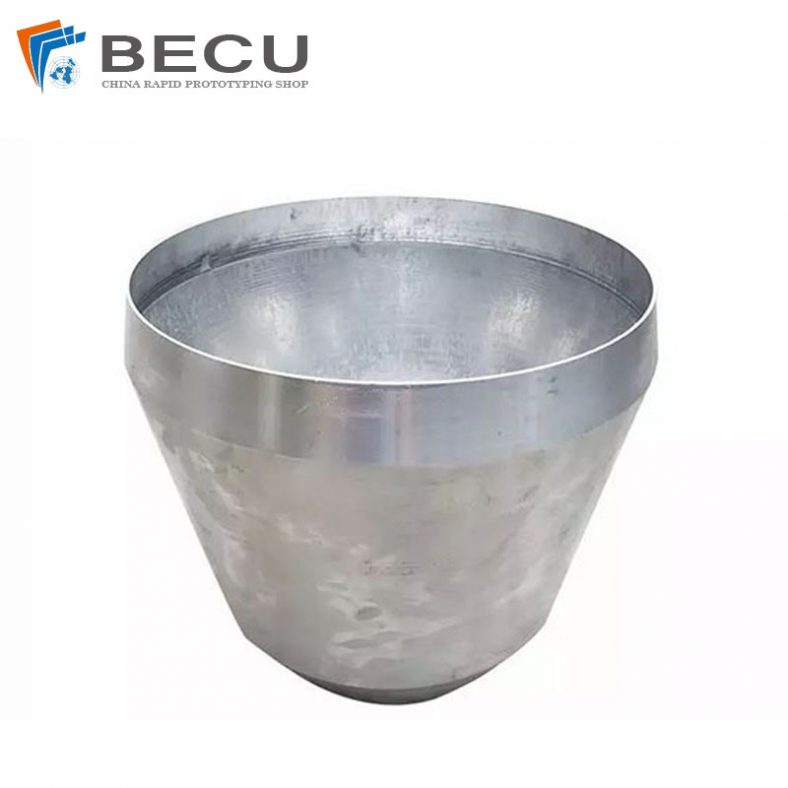
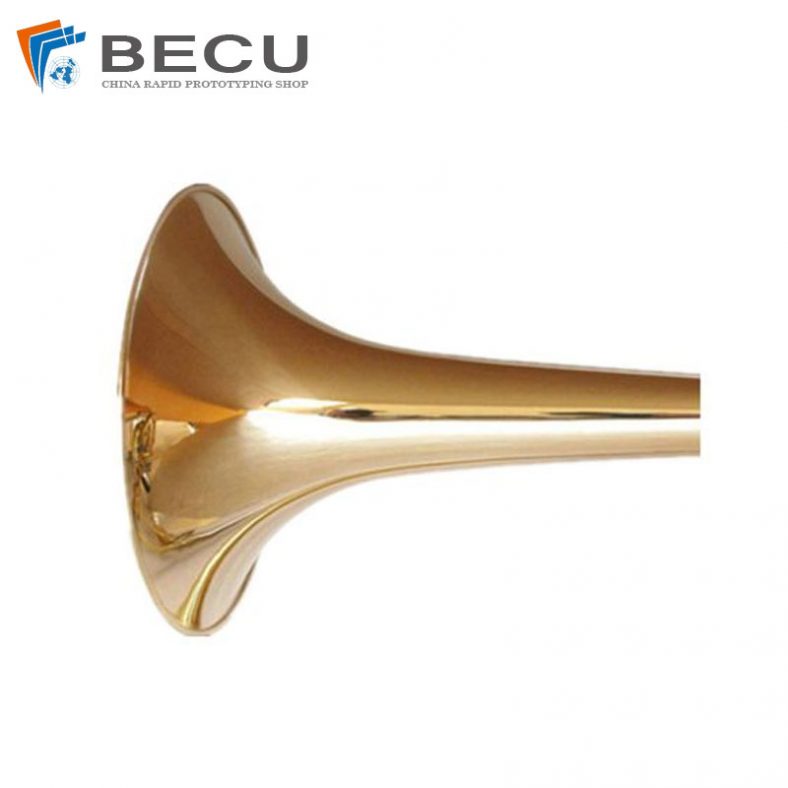
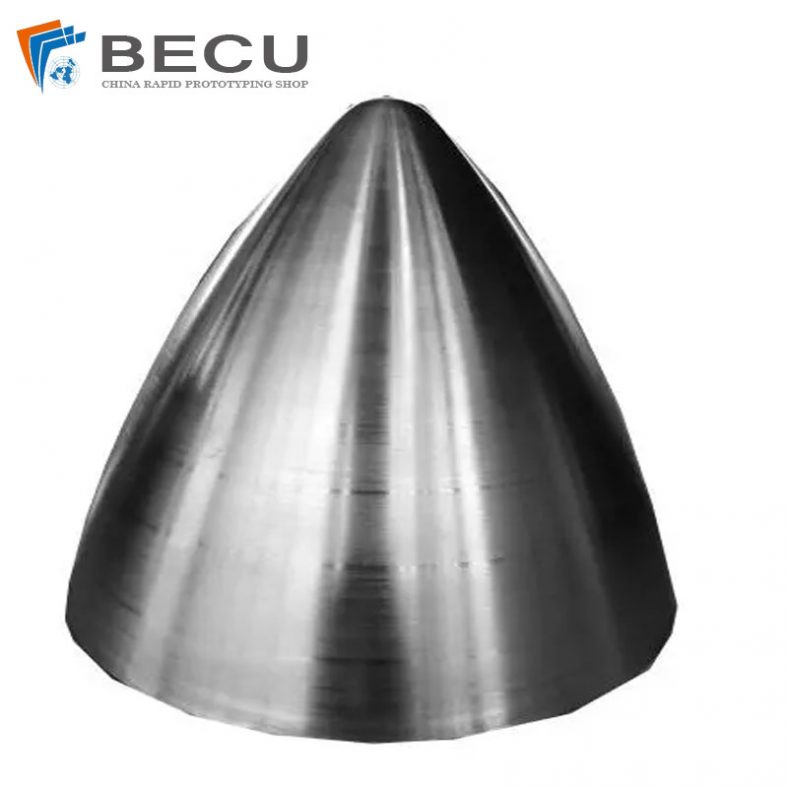
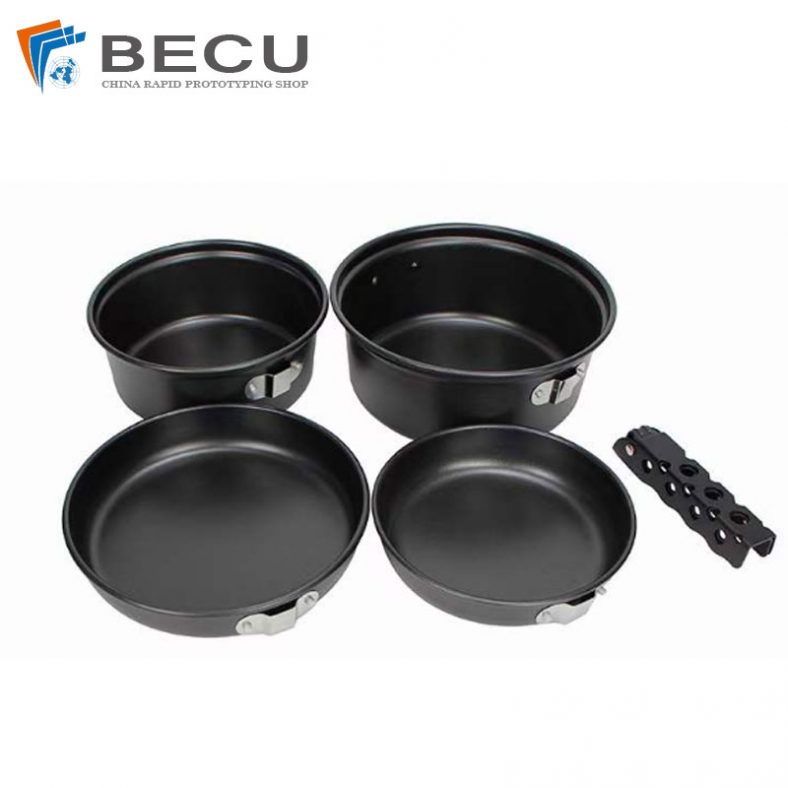
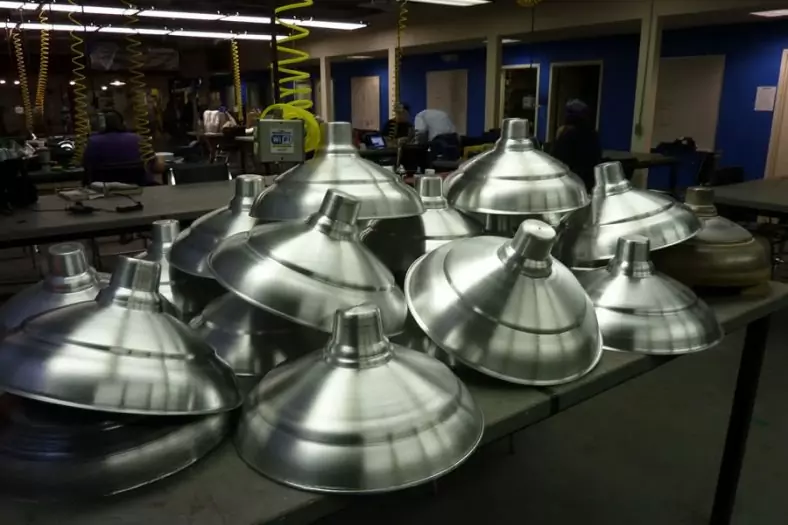
The Shapes Achieved Of Metal Spinning Parts
Simple shapes are easy to make in less time. But for complex shapes, it requires more time because it increases steps as per the block shape.
In addition to metal spinning, Be-cu.com also offers in-house tooling, welding, abrasive polishing and hydroforming, helping to drive down your costs and streamline production. Quicker turnaround times and lower costs are two of the most attractive advantages of metal spinning. The ability to form very thick components and large diameters with uniformity and high quality at low and high quantities, are more appealing reasons to consider metal spinning.To find out if metal spinning would be beneficial for your application or end product, contact us today.
- Domed
- Flanged
- Domed with flange
- Dished
- Semi elliptical
- Hemisphere
- Flanged, dished and flued
- Trumpet
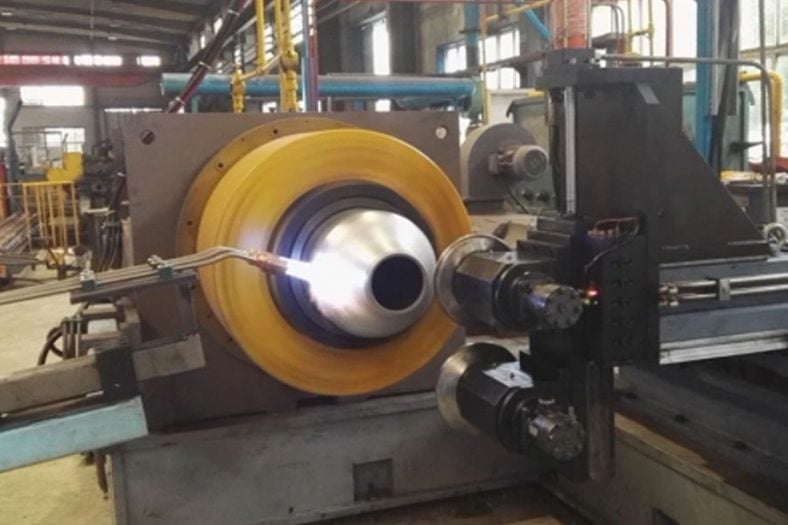
The Detail Of BE-CU Metal Spinning Company
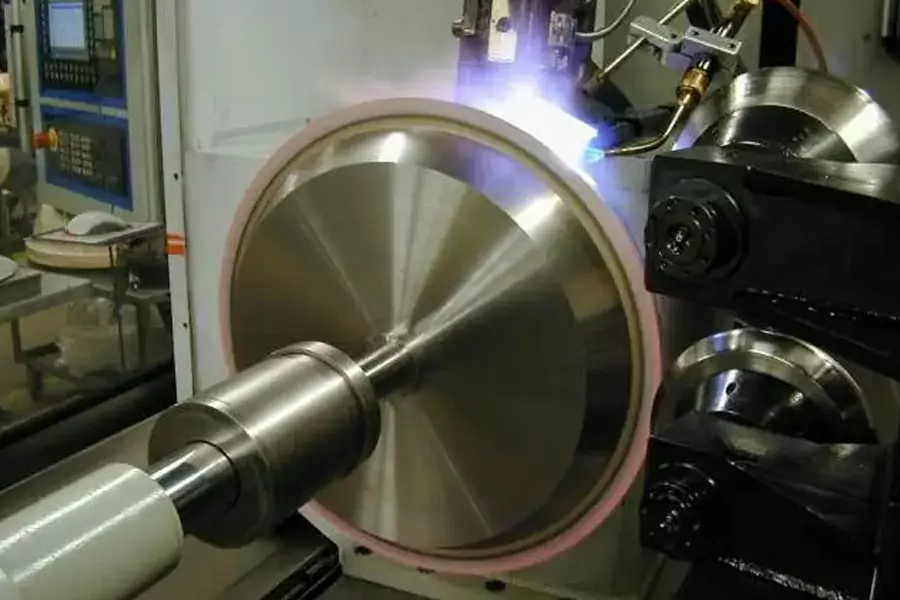
At Be-cu.com, we use a variety of materials for metal spinning such as cold rolled steel, hot rolled steel, aluminum spinning, stainless steel spinning, brass, copper spinning and exotic metals such as titanium and inconel. Be-cu Metal Spinning Section specializes in the forming of stainless steel. With our automated metal spinning lathes and the capabilities of our deep drawing, stamping and welding equipment, our ability to form your part to your specifications and within your budget are realistic. Be-cu Metal Spun Company has over 30 years of metal forming experience and has used the large metal spinning technology for a variety of industries such as aerospace, automotive, military, ordnance, plastics, lighting, pharmaceuticals, dairy, etc…
We have engineers on staff with metal spinning expertise to help guide you on designing a custom part and choose the optimal process to produce high quality spun parts at a competitive and affordable price. Tooling is custom made to form parts to your configuration.