
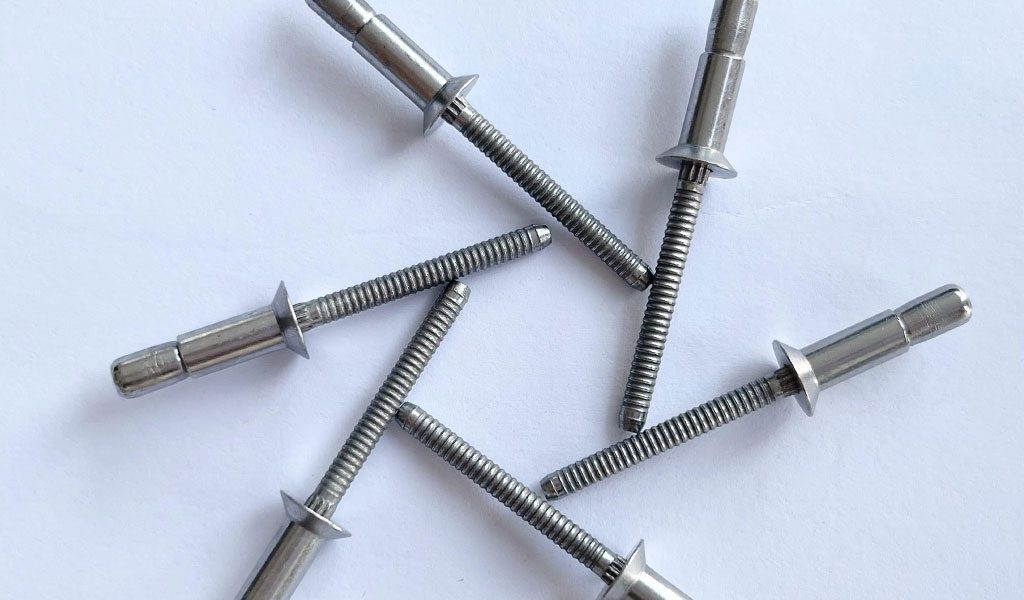
Blind pop rivets, commonly referred to as pop rivets, are essential mechanical fasteners widely used across industries for their ability to create strong, permanent joints with access to only one side of the material. Named after the brand “POP®” that popularized them, these rivets are integral in applications ranging from aerospace and automotive manufacturing to construction, electronics, and even DIY projects. Their versatility stems from a variety of types, materials, head styles, and sizes, each tailored to specific mechanical and environmental requirements. Understanding the intricacies of pop rivets—including their structure, functionality, material properties, and sizing conventions—is critical for engineers, designers, fabricators, and hobbyists to ensure optimal performance in fastening applications.
This article provides a comprehensive exploration of blind pop rivets, detailing their types, uses, sizing parameters, and selection criteria, supported by detailed metric and imperial size charts for aluminum, stainless steel, and steel rivets. By examining the technical specifications, material considerations, and practical applications, this guide aims to serve as a definitive resource for professionals and enthusiasts alike.
What is a Pop Rivet?
A blind pop rivet, commonly referred to as a pop rivet, is a type of mechanical fastener used to join two or more materials together by creating a permanent, secure bond. The term “pop rivet” is derived from the brand name “POP,” introduced by the George Tucker Eyelet Company in the 1930s, which became synonymous with blind rivets due to its widespread use. Unlike traditional rivets that require access to both sides of the materials being joined, blind pop rivets are designed for applications where only one side of the workpiece is accessible, making them a versatile and efficient fastening solution in various industries.
Blind pop rivets are particularly valued for their ability to create strong, reliable joints in situations where welding, bolting, or other fastening methods are impractical or impossible. They are widely used in industries such as automotive, aerospace, construction, electronics, and manufacturing, as well as in DIY projects. Pop rivets are prized for their ease of installation, requiring only a simple hand tool or pneumatic rivet gun, and their ability to join dissimilar materials, such as metals, plastics, and composites. The fastener consists of two primary components: a tubular body (the rivet) and a mandrel (a stem that facilitates the riveting process). The rivet is inserted into a pre-drilled hole, and the mandrel is pulled to deform the rivet, creating a secure joint.
The significance of pop rivets lies in their adaptability to a wide range of applications, from lightweight assemblies in electronics to heavy-duty structural connections in aerospace. Their design allows for consistent performance across different material thicknesses and types, and they are available in various sizes, materials, and head styles to meet specific project requirements. Furthermore, pop rivets are cost-effective, durable, and resistant to vibration, making them a preferred choice for both temporary and permanent fastening solutions.
Pop Rivet Structure & How To Make?
Structure of a Pop Rivet
The structure of a pop rivet is both simple and ingenious, consisting of two primary components: the rivet body and the mandrel. These components work together to create a secure, permanent joint when installed. Below is a detailed breakdown of each part:
- Rivet Body (Sleeve or Shank): The rivet body is a hollow, cylindrical component typically made from materials such as aluminum, steel, stainless steel, copper, or plastic. The body has a head at one end, which remains visible after installation and provides a bearing surface against the material being fastened. The opposite end, known as the blind end, is designed to deform during installation to form a secondary head that secures the joint. The rivet body is engineered to expand and fill the drilled hole when the mandrel is pulled, ensuring a tight, vibration-resistant connection. The choice of material for the rivet body significantly affects the rivet’s strength, corrosion resistance, and suitability for specific applications.
- Mandrel: The mandrel is a solid or semi-solid stem that runs through the center of the rivet body. It has a head at the blind end, which is larger than the rivet body’s diameter, and a tail that extends beyond the head of the rivet body. During installation, the mandrel is pulled by a rivet gun, causing the head to deform the blind end of the rivet body, creating a bulge or secondary head that clamps the materials together. The mandrel is designed to break off at a predetermined point, known as the break point, once the rivet is fully set. The material of the mandrel (e.g., steel, aluminum, or stainless steel) also influences the rivet’s overall strength and performance.
- Head Styles: The head of the rivet body comes in various styles, such as dome, countersunk, or large flange, each designed for specific applications. The head style affects the rivet’s appearance, bearing surface, and load distribution. For example, dome heads provide a low-profile, general-purpose solution, while large flange heads offer a broader bearing surface for softer materials.
The combination of these components allows pop rivets to be installed quickly and efficiently, even in confined spaces or with limited access. The materials and dimensions of the rivet body and mandrel can be customized to meet specific requirements, such as corrosion resistance for outdoor applications or high tensile strength for heavy-duty assemblies.
Manufacturing Process of Pop Rivets
The production of pop rivets involves precision manufacturing techniques to ensure consistency, reliability, and performance. The process typically includes the following steps:
- Material Selection: The first step in manufacturing pop rivets is selecting the appropriate materials for the rivet body and mandrel. Common materials include aluminum alloys (e.g., 5052, 6061), steel, stainless steel (e.g., 304, 316), copper, brass, and high-strength plastics. The choice of material depends on the intended application, with considerations for strength, corrosion resistance, and weight.
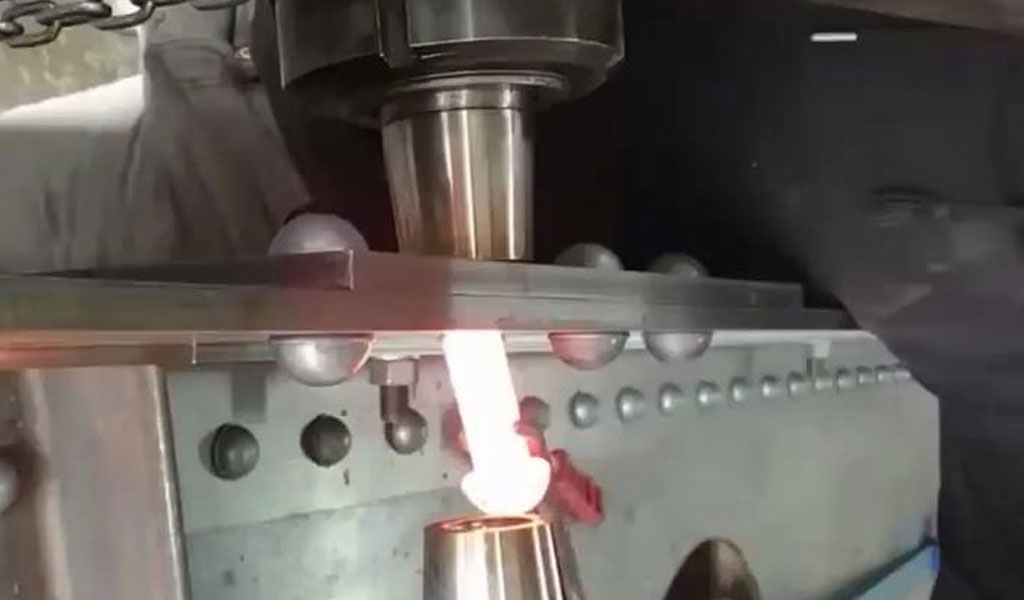
- Forming the Rivet Body: The rivet body is typically formed through a cold-heading process, where a metal wire or rod is cut to length and shaped into a cylindrical tube with a head. Cold heading involves pressing the material into a die to form the desired shape without heating, which maintains the material’s strength and integrity. The head is formed to the specified style (e.g., dome, countersunk, or large flange), and the body is drilled or pierced to create a hollow center for the mandrel.
- Mandrel Production: The mandrel is produced separately, often through a similar cold-heading process or extrusion. The mandrel is designed with a head at one end and a break point, which is a weakened section that allows it to snap off during installation. The mandrel’s material is chosen to complement the rivet body, ensuring compatibility and optimal performance during setting.
- Assembly of Rivet and Mandrel: Once the rivet body and mandrel are formed, they are assembled by inserting the mandrel through the hollow center of the rivet body. The mandrel’s head is positioned at the blind end of the rivet body, while the tail extends beyond the head of the rivet body for engagement with the rivet gun. This assembly process requires precision to ensure proper alignment and fit.
- Surface Treatment and Finishing: Depending on the application, pop rivets may undergo surface treatments to enhance their properties. For example, steel rivets may be zinc-plated to improve corrosion resistance, while aluminum rivets may be anodized for added durability and aesthetic appeal. Stainless steel rivets are often left untreated due to their inherent corrosion resistance.
- Quality Control and Testing: Before packaging, pop rivets undergo rigorous quality control checks to ensure they meet industry standards, such as those set by the Industrial Fasteners Institute (IFI) or DIN (Deutsches Institut für Normung). Tests may include dimensional inspections, tensile and shear strength testing, and corrosion resistance evaluations. The break point of the mandrel is also tested to ensure it snaps cleanly and consistently during installation.
- Packaging and Distribution: Once manufactured and tested, pop rivets are sorted by size, material, and head style, then packaged for distribution. They are typically sold in bulk or in kits that include a range of sizes and types to suit various applications.
The manufacturing process is highly automated to ensure precision and efficiency, with advanced machinery controlling the forming, assembly, and finishing stages. This allows manufacturers to produce pop rivets in large quantities while maintaining consistent quality. The choice of materials and manufacturing techniques can be tailored to produce specialized rivets, such as those for high-strength structural applications or lightweight assemblies in electronics.
Standards and Specifications
Pop rivets are manufactured to meet specific standards, such as DIN 7337 for blind rivets or IFI-114 for break-mandrel blind rivets. These standards define the dimensions, materials, and performance characteristics of pop rivets, ensuring compatibility and reliability across applications. Manufacturers also provide detailed specifications for each rivet type, including diameter, length, grip range, and strength values, which are critical for engineers and fabricators when selecting rivets for a project.
The combination of a simple yet effective design and a precise manufacturing process makes pop rivets a reliable and versatile fastening solution. Their structure allows for easy installation, while the variety of materials and configurations ensures they can meet the demands of diverse applications, from lightweight consumer products to heavy-duty industrial assemblies.

How Does a Pop Rivet Work?
The working principle of a pop rivet is based on its ability to create a permanent, secure joint by deforming the rivet body through the action of pulling the mandrel. This process allows the rivet to clamp materials together without requiring access to the blind side of the assembly, making it a highly efficient and versatile fastening method.
Below is a detailed explanation of how a pop rivet works, including the installation process and the mechanics of joint formation.
Installation Process
The installation of a pop rivet involves a series of straightforward steps that can be performed using a manual, pneumatic, or battery-powered rivet gun. The process is as follows:
- Preparation of Materials: The materials to be joined (e.g., metal sheets, plastic panels, or composite materials) are aligned and clamped together. A hole is drilled through the materials, with the diameter of the hole slightly larger than the rivet body to allow for easy insertion and proper expansion. The hole size is critical, as it must match the rivet’s diameter to ensure a secure fit.
- Insertion of the Rivet: The pop rivet is inserted into the pre-drilled hole, with the head of the rivet body resting against the surface of the top material. The mandrel’s tail extends outward, ready to be engaged by the rivet gun.
- Engagement with the Rivet Gun: The tail of the mandrel is inserted into the nose of the rivet gun, which grips the mandrel securely. The rivet gun is designed to apply a controlled pulling force to the mandrel while holding the rivet body in place.
- Pulling the Mandrel: When the rivet gun is activated, it pulls the mandrel toward the gun, causing the mandrel’s head to compress the blind end of the rivet body. This compression deforms the rivet body, creating a bulge or secondary head on the blind side of the materials. The deformation process clamps the materials together, forming a tight, permanent joint.
- Mandrel Breakage: As the pulling force increases, the mandrel reaches its predetermined break point, where it snaps off cleanly. The broken portion of the mandrel is ejected from the rivet gun, while the remaining portion (the mandrel head) remains inside the rivet body, contributing to the joint’s strength.
- Inspection of the Joint: After installation, the joint is inspected to ensure the rivet is properly set. The head of the rivet should be flush with the material surface, and the blind-side bulge should securely clamp the materials together. A correctly installed rivet is vibration-resistant and tamper-proof, with no visible damage to the materials.
Mechanics of Joint Formation
The mechanics of a pop rivet’s operation rely on the interaction between the rivet body and the mandrel. When the mandrel is pulled, the head of the mandrel exerts a compressive force on the blind end of the rivet body, causing it to buckle and expand radially. This expansion fills the drilled hole and creates a secondary head that presses against the blind side of the materials, effectively clamping them together. The resulting joint is capable of withstanding both shear and tensile forces, depending on the rivet’s material, diameter, and grip range.
The grip range of a pop rivet refers to the range of material thicknesses that the rivet can effectively join. It is determined by the length of the rivet body and the extent to which it can deform. For example, a rivet with a grip range of 3–6 mm can join materials with a combined thickness within that range. The rivet’s length must be sufficient to extend beyond the materials and allow for proper deformation on the blind side.
Advantages of Pop Rivet Installation
The pop rivet’s working mechanism offers several advantages:
- Blind Installation: The ability to install the rivet from one side makes it ideal for applications where access to the back of the workpiece is restricted.
- Speed and Efficiency: The installation process is quick, requiring only a few seconds per rivet, which is beneficial for high-volume assembly lines.
- Vibration and Tamper Resistance: Once set, the rivet forms a permanent joint that resists loosening under vibration or tampering.
- No Surface Damage: The installation process does not mar the surface of the materials, preserving their appearance and integrity.
- Versatility: Pop rivets can join dissimilar materials, such as metal to plastic, without requiring specialized preparation.
Limitations
While pop rivets are highly effective, they have some limitations:
- Permanent Fastening: Pop rivets are not designed for easy removal, requiring drilling to disassemble the joint.
- Strength Constraints: While strong, pop rivets may not match the shear or tensile strength of solid rivets or bolted connections in heavy-duty applications.
- Hole Size Sensitivity: Incorrect hole sizing can lead to weak joints or installation difficulties, emphasizing the need for precise drilling.
The pop rivet’s working principle has made it a staple in industries where speed, reliability, and accessibility are critical. Its ability to create strong, permanent joints with minimal equipment and training has solidified its place as a go-to fastening solution in modern manufacturing.
Pop Rivet Types in Materials
The material composition of pop rivets is a critical factor in determining their suitability for specific applications, as it directly influences their mechanical properties, corrosion resistance, weight, and cost. Pop rivets are manufactured from a variety of materials, including metals like aluminum, steel, stainless steel, copper, and brass, as well as non-metallic options like plastics. The rivet body and mandrel may be made from the same or different materials, depending on the desired balance of strength, corrosion resistance, and installation characteristics. This section expands on the properties, applications, and considerations for each material, providing additional insights into their manufacturing, performance in specialized environments, and compatibility with various workpieces.
Aluminum Pop Rivets
Expanded Properties: Aluminum pop rivets, typically crafted from alloys such as 5052, 5056, or 6061, are prized for their lightweight nature and inherent resistance to corrosion, particularly in non-saline environments. The 5052 alloy, for instance, offers excellent formability and corrosion resistance, making it a standard choice for general-purpose rivets, while 6061 provides higher strength for more demanding applications. The mandrel in aluminum rivets is often steel for added tensile strength or aluminum for weight savings and uniform corrosion resistance. Aluminum’s low density (approximately 2.7 g/cm³) makes it significantly lighter than steel (7.8 g/cm³) or stainless steel (8.0 g/cm³), which is a key advantage in weight-sensitive industries.
Additional Applications:
- Renewable Energy: Aluminum pop rivets are used in solar panel frames and wind turbine components, where their corrosion resistance and lightweight properties ensure long-term durability in outdoor conditions.
- Transportation: Beyond automotive, aluminum rivets are employed in railcar manufacturing and lightweight trailer assemblies, reducing fuel consumption.
- Consumer Products: Used in aluminum-framed bicycles, camping equipment, and portable electronics housings for their aesthetic finish and durability.
Manufacturing Considerations: Aluminum rivets are produced through cold-heading and extrusion processes, with anodizing often applied to enhance surface hardness and corrosion resistance. The anodized layer can be dyed for color-coding or aesthetic purposes, which is common in consumer goods. However, aluminum’s relatively low melting point (~660°C) limits its use in high-temperature environments compared to steel or stainless steel.
Compatibility Notes: When joining aluminum workpieces, aluminum rivets minimize galvanic corrosion, a phenomenon where dissimilar metals in contact accelerate corrosion in the presence of an electrolyte like water. However, when used with steel or copper workpieces, protective coatings or insulating washers may be required to prevent galvanic effects.
Limitations: Aluminum rivets have lower shear strength (typically 100–200 MPa, depending on the alloy) compared to steel (300–500 MPa) or stainless steel (400–700 MPa). In applications requiring high load-bearing capacity, such as heavy machinery, aluminum rivets may need to be paired with a steel mandrel or replaced with a stronger material.
Steel Pop Rivets
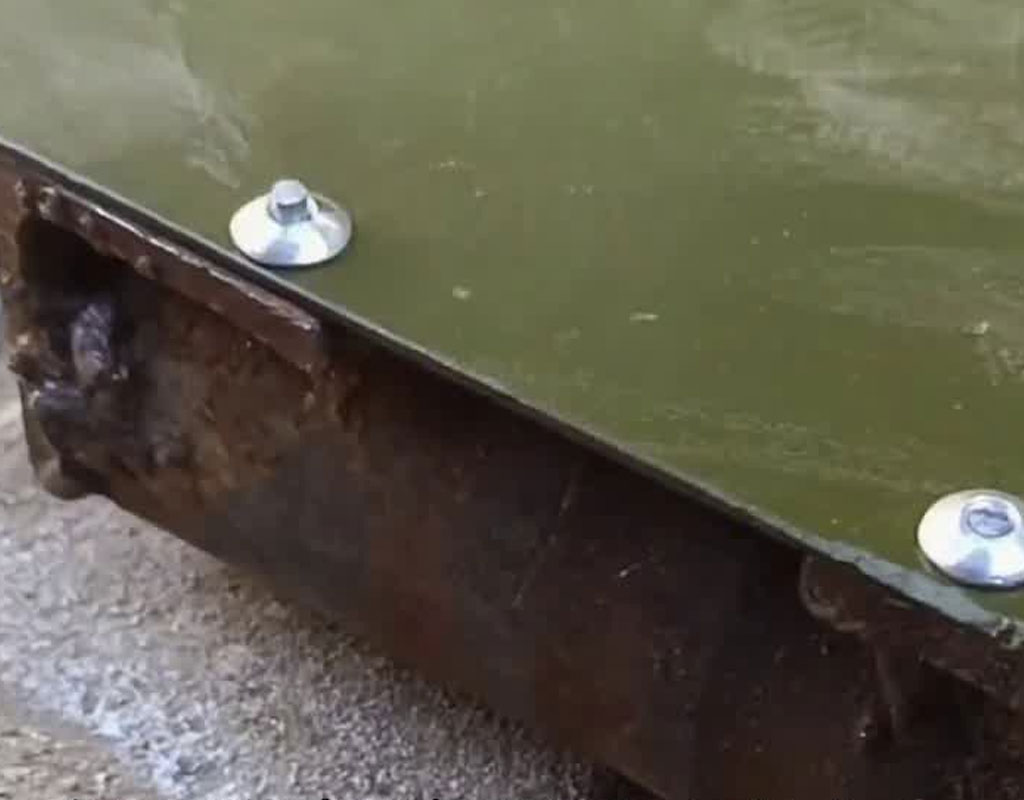
Expanded Properties: Steel pop rivets, often made from low-carbon steel (e.g., C1010 or C1020), provide robust mechanical strength, with shear strengths ranging from 300 to 500 MPa and tensile strengths up to 600 MPa, depending on the grade. The mandrel is typically steel to ensure consistent deformation during installation. Zinc plating is commonly applied via electroplating to form a sacrificial layer that protects the steel from rust, extending its lifespan in moderately corrosive environments. Advanced coatings, such as zinc-nickel or organic polymers, are sometimes used for enhanced protection.
Additional Applications:
- Agricultural Equipment: Steel pop rivets are used in tractors, plows, and irrigation systems, where high strength and moderate corrosion resistance are needed.
- Heavy-Duty Furniture: Employed in metal office furniture and shelving units for their durability and load-bearing capacity.
- Infrastructure: Used in bridge railings, guardrails, and temporary structures where strength is prioritized over long-term corrosion resistance.
Manufacturing Considerations: Steel rivets are formed through cold-heading or hot-forging, depending on the size and complexity. The zinc-plating process involves immersing the rivets in a zinc electrolyte solution, followed by passivation to improve the coating’s durability. Quality control tests, such as salt spray testing per ASTM B117, ensure the coating withstands corrosion for a specified duration (e.g., 96–240 hours).
Compatibility Notes: Steel rivets are ideal for steel workpieces but require caution when used with aluminum or copper to avoid galvanic corrosion. In such cases, zinc-plated steel rivets are preferred over uncoated steel, as the zinc layer reduces the corrosion potential.
Limitations: The primary drawback of steel rivets is their susceptibility to rust in humid or saline environments, even with zinc plating. For long-term outdoor use, stainless steel or aluminum rivets are often more suitable. Additionally, steel’s higher density increases the weight of assemblies, which may be a concern in aerospace or automotive applications.
Stainless Steel Pop Rivets
Expanded Properties: Stainless steel pop rivets, typically made from 304 (austenitic) or 316 (marine-grade) stainless steel, offer exceptional corrosion resistance due to their chromium content (18–20% in 304, 16–18% in 316) and, in 316, molybdenum (2–3%), which enhances resistance to pitting in chloride-rich environments. These rivets provide shear strengths of 400–700 MPa and tensile strengths of 500–800 MPa, making them suitable for high-load applications. The mandrel is often stainless steel for maximum corrosion resistance or steel for cost savings in less demanding environments.
Additional Applications:
- Chemical Processing: Used in reactors, pipelines, and storage tanks exposed to corrosive chemicals, where 316 stainless steel excels.
- Medical Devices: Employed in surgical equipment and diagnostic machines for their hygiene and resistance to sterilization processes.
- Coastal Infrastructure: Used in piers, docks, and seawalls, where 316 stainless steel withstands saltwater exposure.
Manufacturing Considerations: Stainless steel rivets are produced through precision cold-heading, followed by passivation to remove surface impurities and enhance corrosion resistance. The manufacturing process is more complex than for aluminum or steel due to stainless steel’s higher hardness, requiring specialized tooling. Polishing or electropolishing may be applied for aesthetic or hygienic purposes.
Compatibility Notes: Stainless steel rivets are highly compatible with stainless steel, aluminum, and most plastics, minimizing galvanic corrosion risks. However, when used with carbon steel, a potential difference may accelerate corrosion of the steel workpiece, necessitating insulating barriers.
Limitations: The higher cost of stainless steel (2–3 times that of aluminum) limits its use to applications where corrosion resistance or strength is critical. Its higher density also adds weight, which may be a drawback in lightweight assemblies.
Copper and Brass Pop Rivets
Expanded Properties: Copper pop rivets, made from pure copper or copper alloys (e.g., C11000), offer moderate strength (shear strength ~150 MPa) and excellent corrosion resistance, particularly in non-saline environments. Brass rivets, typically made from alloys like C26000 (70% copper, 30% zinc), provide slightly higher strength (~200 MPa shear) and a polished, golden appearance. Both materials are conductive, making them suitable for electrical applications. The mandrel is often steel for strength or brass/copper for uniformity.
Additional Applications:
- Historical Restoration: Copper rivets are used in restoring antique buildings or ships, matching the original materials.
- Jewelry and Art: Brass rivets are used in decorative metalwork, sculptures, and custom jewelry for their aesthetic appeal.
- Plumbing: Copper rivets secure copper pipes or fittings in non-pressurized systems.
Manufacturing Considerations: Copper and brass rivets are formed through cold-heading or stamping, with annealing applied to improve ductility. Polishing or lacquering may be used to maintain their appearance. These materials are softer than steel, requiring careful handling to avoid deformation during manufacturing.
Compatibility Notes: Copper and brass rivets are compatible with copper or brass workpieces but may cause galvanic corrosion when paired with aluminum or steel. Protective coatings or insulating layers can mitigate this risk.
Limitations: The lower strength of copper and brass limits their use to decorative or low-load applications. Their higher cost and limited availability compared to aluminum or steel also restrict widespread use.
Plastic Pop Rivets
Expanded Properties: Plastic pop rivets, made from materials like nylon 6/6, polycarbonate, or acetal, are lightweight (density ~1.1–1.4 g/cm³) and non-conductive, with shear strengths ranging from 20–50 MPa. They are highly resistant to corrosion and chemicals, making them suitable for specific niche applications. The mandrel is typically plastic or aluminum to maintain lightweight properties.
Additional Applications:
- Medical Equipment: Used in non-metallic assemblies like MRI machine covers or prosthetic devices for their non-conductive properties.
- Aerospace Interiors: Employed in cabin fittings and panels to reduce weight and avoid electrical interference.
- Packaging: Used in plastic crates or containers for their ease of installation and corrosion resistance.
Manufacturing Considerations: Plastic rivets are produced through injection molding, ensuring high precision and uniformity. UV stabilizers or flame-retardant additives may be incorporated for specific applications. The mandrel’s break point is carefully engineered to ensure clean snapping without damaging the rivet body.
Compatibility Notes: Plastic rivets are compatible with plastics, rubber, and soft metals, avoiding galvanic corrosion entirely. However, their low strength limits their use to non-structural applications.
Limitations: Plastic rivets are unsuitable for high-load or high-temperature environments (typically limited to ~80–120°C). Prolonged UV exposure may degrade certain plastics unless stabilized.
Material Selection Guidelines
To select the appropriate pop rivet material, consider:
- Load Requirements: Stainless steel or steel for high shear/tensile loads; aluminum or plastic for lighter loads.
- Environment: Stainless steel (316) for marine; aluminum or zinc-plated steel for outdoor; plastic for chemical exposure.
- Weight: Aluminum or plastic for weight-sensitive applications; stainless steel or steel for less critical scenarios.
- Cost: Aluminum and zinc-plated steel are cost-effective; stainless steel, copper, and brass are more expensive.
- Aesthetics: Copper or brass for decorative applications; aluminum or stainless steel for clean, professional finishes.
Standards and Testing
Materials for pop rivets adhere to standards like ASTM B209 (aluminum), ASTM A510 (steel), ASTM A240 (stainless steel), and ISO 14589 (blind rivets). Testing includes:
- Corrosion Testing: Salt spray (ASTM B117) for steel and stainless steel; humidity tests for aluminum.
- Mechanical Testing: Shear and tensile strength per IFI-114 or DIN 7337.
- Material Analysis: Chemical composition verification to ensure alloy purity and performance.
Pop Rivet Types in Head & Body Structure Styles
Pop rivets are distinguished not only by their material composition but also by their head and body structure styles, which are tailored to meet specific functional, aesthetic, and mechanical requirements. The head style determines the rivet’s appearance, bearing surface, and interaction with the workpiece surface, while the body structure influences the rivet’s performance in terms of grip range, sealing capability, and load distribution. This section explores the primary head and body structure styles of pop rivets, detailing their design, applications, advantages, and limitations. The following subsections address the most common types: Dome Pop Rivets (Standard), Open-End Pop Rivets, Countersunk Pop Rivets (Flush Pop Rivets), Closed End Pop Rivets (Sealed Pop Rivets), Large Flange Pop Rivets, Multi Grip Pop Rivets, Interlock Grooved Pop Rivets (Heavy Duty Blind Rivet), Peel Pop Rivets, and Tri-Fold Exploding Pop Rivets.
6.1 Dome Pop Rivets (Standard)
Design and Structure: Dome pop rivets, often referred to as standard pop rivets, feature a rounded, dome-shaped head that protrudes slightly above the surface of the workpiece after installation. The head has a moderate diameter, typically 1.5–2 times the rivet body diameter, providing a balanced bearing surface. The body is a hollow cylindrical tube, and the mandrel passes through the center, breaking off at a predetermined point during installation. Dome rivets are available in materials such as aluminum, steel, stainless steel, and occasionally copper or brass, with the mandrel often matching or complementing the body material.
Applications: Dome pop rivets are the most versatile and widely used type due to their general-purpose design. They are employed in:
- Sheet Metal Fabrication: Joining thin metal sheets in HVAC ducting, appliance manufacturing, and automotive body panels.
- Aerospace: Fastening lightweight aluminum components in aircraft interiors and non-critical structural assemblies.
- Consumer Products: Assembling metal or plastic components in furniture, electronics enclosures, and sporting equipment.
- Construction: Securing metal cladding, roofing, and siding in residential and commercial buildings.
Advantages:
- Versatility: Suitable for a wide range of materials and thicknesses, with grip ranges typically from 1 mm to 25 mm.
- Ease of Installation: Requires standard rivet guns and minimal training, making them accessible for DIY and industrial use.
- Aesthetic Balance: The dome head provides a clean, professional appearance without excessive protrusion.
- Cost-Effective: Widely available and less expensive than specialized rivets like sealed or multi-grip types.
Limitations:
- Non-Flush Finish: The protruding head may not be suitable for applications requiring a smooth, flush surface.
- Moderate Load Capacity: While strong, dome rivets may not match the shear or tensile strength of heavy-duty options like interlock grooved rivets.
- Not Watertight: Open-end dome rivets do not provide a sealed joint, limiting their use in moisture-sensitive applications.
Performance Characteristics: Dome pop rivets typically offer shear strengths of 100–700 MPa and tensile strengths of 150–800 MPa, depending on the material (e.g., aluminum vs. stainless steel). Their performance is governed by standards like DIN 7337 or IFI-114, ensuring consistent quality across manufacturers.
6.2 Open-End Pop Rivets
Design and Structure: Open-end pop rivets have a hollow rivet body that remains open at the blind end after installation, allowing the mandrel to pass completely through. The head style is typically dome, though countersunk variants exist. The open-end design is the simplest and most cost-effective type of pop rivet, with the mandrel breaking off flush with or slightly below the head. These rivets are available in aluminum, steel, and stainless steel, with steel mandrels common for added strength.
Applications:
- General Fabrication: Used in metalwork, such as joining steel or aluminum sheets in manufacturing or repair.
- Automotive: Fastening interior trim, brackets, and non-structural components where sealing is not required.
- Electronics: Securing lightweight components like circuit board mounts or small enclosures.
- DIY Projects: Popular in home repairs, such as assembling metal shelving or fixing garden tools.
Advantages:
- Cost-Effective: Among the least expensive pop rivets due to their simple design and widespread production.
- Wide Availability: Offered in a broad range of sizes and materials, making them easy to source.
- Ease of Use: Compatible with standard rivet guns, requiring no specialized tools.
Limitations:
- No Sealing Capability: The open blind end allows moisture or air to pass through, making them unsuitable for watertight or airtight applications.
- Lower Strength in Soft Materials: The open-end design may not distribute load as effectively in soft or brittle materials compared to large flange or peel rivets.
- Aesthetic Concerns: The broken mandrel may leave a slightly uneven appearance in precision applications.
Performance Characteristics: Open-end pop rivets have similar strength profiles to dome rivets, with shear strengths ranging from 100–700 MPa depending on material and diameter. They are best suited for applications where cost and ease of installation are prioritized over sealing or high load resistance.
6.3 Countersunk Pop Rivets (Flush Pop Rivets)
Design and Structure: Countersunk pop rivets, also known as flush pop rivets, feature a flat, conical head that sits flush with the surface of the workpiece after installation, provided the material is countersunk with a matching angle (typically 120°). The rivet body is similar to that of standard pop rivets, but the head design minimizes protrusion, creating a smooth, aerodynamic, or aesthetically pleasing finish. These rivets are commonly made from aluminum, steel, or stainless steel, with mandrels matching the body material or using steel for added strength.
Applications:
- Aerospace: Used in aircraft skin panels and structural components where a flush finish reduces drag and improves aerodynamics.
- Automotive: Employed in body panels and exterior trim for a seamless appearance.
- Architectural Applications: Fastening metal or composite panels in building facades where a smooth surface is desired.
- Electronics and Appliances: Securing components in high-end consumer products, such as stainless steel appliance housings.
Advantages:
- Flush Finish: Provides a smooth, professional appearance, ideal for visible or aerodynamic surfaces.
- High Aesthetic Appeal: Preferred in applications where the rivet head should blend seamlessly with the workpiece.
- Good Strength: Offers comparable shear and tensile strength to dome rivets, depending on material and size.
Limitations:
- Requires Countersinking: The workpiece must be pre-drilled with a countersunk hole, adding a step to the preparation process.
- Reduced Bearing Surface: The smaller head size compared to dome or large flange rivets may limit load distribution in soft materials.
- Higher Cost: Slightly more expensive than standard dome rivets due to the specialized head design.
Performance Characteristics: Countersunk pop rivets require precise hole preparation to ensure proper seating. Their strength is similar to dome rivets, with shear strengths of 100–700 MPa and tensile strengths of 150–800 MPa, depending on the material. They are governed by standards like IFI-126 for flush blind rivets.
6.4 Closed End Pop Rivets (Sealed Pop Rivets)
Design and Structure: Closed end pop rivets, also known as sealed pop rivets, feature a sealed blind end that prevents the passage of air, water, or contaminants through the rivet body after installation. The rivet body is capped at the blind end, and the mandrel is contained within, breaking off inside the sealed body. The head is typically dome or countersunk, with materials including aluminum, stainless steel, and occasionally steel for less corrosive environments. The sealed design ensures a watertight or airtight joint, making these rivets ideal for harsh conditions.
Applications:
- Marine: Used in boat hulls, deck fittings, and enclosures exposed to saltwater or high humidity.
- HVAC Systems: Fastening ducting and ventilation components to prevent air leaks.
- Automotive and Transportation: Securing components in vehicle underbodies or trailers exposed to road spray and weather.
- Sealed Enclosures: Used in waterproof electronics housings, outdoor signage, and chemical storage containers.
Advantages:
- Watertight/Airtight Seal: Prevents moisture, air, or contaminants from passing through the joint, enhancing durability in harsh environments.
- Corrosion Resistance: Often made from stainless steel or aluminum, ideal for marine or outdoor applications.
- Reliable Performance: Maintains joint integrity under vibration and environmental stress.
Limitations:
- Higher Cost: More expensive than open-end rivets due to the sealed design and specialized manufacturing.
- Limited Grip Range: Typically has a narrower grip range compared to multi-grip rivets, requiring precise sizing.
- Mandrel Retention: The broken mandrel remains inside the rivet, which may slightly increase weight.
Performance Characteristics: Closed end pop rivets offer shear strengths of 150–800 MPa and tensile strengths of 200–900 MPa, depending on material and diameter. Their sealing capability is tested to standards like MIL-R-7885, ensuring performance in demanding conditions.
6.5 Large Flange Pop Rivets
Design and Structure: Large flange pop rivets feature an oversized head, typically 2–3 times the diameter of the rivet body, providing a broader bearing surface. The body is a standard hollow cylinder, similar to dome rivets, with the mandrel breaking off at or near the head. These rivets are available in aluminum, steel, and stainless steel, with the large head designed to distribute load over a wider area, making them ideal for soft or brittle materials.
Applications:
- Construction: Fastening soft materials like fiberglass, plastic, or thin plywood in roofing, siding, or cladding.
- Automotive and RV Manufacturing: Joining composite panels, plastic trim, or lightweight insulation materials.
- Signage and Displays: Securing acrylic, polycarbonate, or aluminum panels in signs and retail displays.
- Furniture Assembly: Fastening metal frames to wood or plastic components in furniture manufacturing.
Advantages:
- Enhanced Load Distribution: The large head prevents pull-through or damage to soft or brittle materials.
- Versatility: Suitable for a wide range of material thicknesses and types, including composites and plastics.
- Improved Stability: The larger bearing surface enhances joint stability under shear or tensile loads.
Limitations:
- Protruding Head: The large flange is not flush, which may affect aesthetics in applications requiring a smooth finish.
- Higher Material Use: The larger head increases material costs compared to standard dome rivets.
- Not Sealed: Typically open-end, limiting use in watertight applications unless specifically designed as sealed.
Performance Characteristics: Large flange pop rivets offer shear strengths of 100–700 MPa and tensile strengths of 150–800 MPa, similar to dome rivets, but their larger head enhances performance in soft materials. They are widely used in applications requiring high stability without specialized sealing.
6.6 Multi Grip Pop Rivets
Design and Structure: Multi-grip pop rivets are designed with a body that can accommodate a wider range of material thicknesses, typically 2–3 times the grip range of standard rivets. The rivet body features a notched or collapsible structure that expands variably during installation, allowing it to adapt to misaligned holes or varying thicknesses. The head is usually dome or large flange, and materials include aluminum, steel, and stainless steel.
Applications:
- Construction and Repair: Used in applications with variable material thicknesses, such as retrofitting or repairing metal structures.
- Automotive Assembly: Fastening components with inconsistent thicknesses, like layered panels or brackets.
- HVAC and Ducting: Joining duct sections with uneven surfaces or misaligned holes.
- General Fabrication: Ideal for field repairs where precise grip range measurements are impractical.
Advantages:
- Flexible Grip Range: Can handle a broader range of material thicknesses, reducing the need for multiple rivet sizes.
- Tolerance for Misalignment: Accommodates slightly oversized or misaligned holes, simplifying installation.
- Cost Savings: Reduces inventory needs by covering multiple grip ranges with a single rivet type.
Limitations:
- Moderate Strength: May have slightly lower shear and tensile strength compared to specialized heavy-duty rivets.
- Not Always Sealed: Most multi-grip rivets are open-end, limiting use in watertight applications unless specified.
- Complex Installation: May require slightly higher force to set due to the variable expansion mechanism.
Performance Characteristics: Multi-grip rivets offer shear strengths of 100–600 MPa and tensile strengths of 150–700 MPa, depending on material. Their flexibility makes them a practical choice for applications with variable conditions.
6.7 Interlock Grooved Pop Rivets (Heavy Duty Blind Rivet)
Design and Structure: Interlock grooved pop rivets, also known as heavy-duty blind rivets, feature a rivet body with internal grooves or locking features that enhance grip strength and joint integrity. The mandrel locks into these grooves during installation, creating a mechanically interlocked joint that resists vibration and high loads. The head is typically dome or large flange, and materials are usually steel or stainless steel for maximum strength.
Applications:
- Structural Assemblies: Used in bridges, railway cars, and heavy machinery where high shear and tensile strength are required.
- Construction: Fastening steel beams, columns, or structural supports in buildings and infrastructure.
- Heavy Equipment: Joining components in mining, agricultural, or construction equipment.
- Automotive Frames: Securing chassis components or load-bearing structures in trucks and trailers.
Advantages:
- High Strength: Offers superior shear (400–900 MPa) and tensile (500–1000 MPa) strengths compared to standard rivets.
- Vibration Resistance: The interlock mechanism prevents loosening in high-vibration environments.
- Durability: Ideal for long-term structural applications due to robust construction.
Limitations:
- Higher Cost: More expensive due to complex design and high-strength materials.
- Specialized Tools: May require heavy-duty rivet guns for installation, increasing equipment costs.
- Limited Grip Range: Typically designed for specific thicknesses, reducing versatility compared to multi-grip rivets.
Performance Characteristics: Interlock grooved rivets are tested to standards like NAS1921 for structural blind rivets, ensuring reliability in critical applications. Their locking mechanism enhances performance in dynamic load conditions.
6.8 Peel Pop Rivets
Design and Structure: Peel pop rivets are designed for soft or brittle materials, featuring a body that splits into multiple “petals” (typically four) during installation. These petals spread out on the blind side, creating a large bearing surface that distributes load evenly. The head is usually dome or large flange, and materials include aluminum or steel, with aluminum being more common due to its formability.
Applications:
- Furniture Manufacturing: Joining wood, particleboard, or plastic panels in furniture assembly.
- Automotive Interiors: Fastening soft materials like foam-backed upholstery or plastic trim.
- Packaging and Crating: Securing lightweight materials like corrugated plastic or thin wood in shipping crates.
- Leather and Fabric: Used in decorative or functional assemblies like belts, bags, or upholstery.
Advantages:
- Gentle on Soft Materials: The petal design prevents pull-through or cracking in delicate materials.
- Large Bearing Surface: Distributes load over a wider area, enhancing joint stability.
- Versatile: Suitable for a variety of soft or low-density materials.
Limitations:
- Low Strength: Shear strengths (50–200 MPa) and tensile strengths (100–300 MPa) are lower than standard metal rivets.
- Not Sealed: Typically open-end, limiting use in watertight applications.
- Specialized Use: Less common in heavy-duty or structural applications.
Performance Characteristics: Peel pop rivets are ideal for applications prioritizing material preservation over high strength. Their unique deformation mechanism makes them a niche but valuable option.
6.9 Tri-Fold Exploding Pop Rivets
Design and Structure: Tri-fold exploding pop rivets, also known as exploding rivets, feature a body that splits into three or four legs on the blind side during installation, forming a tripod or quadruped shape. This creates a large bearing surface, similar to peel rivets, but with a more pronounced spread. The head is typically large flange or dome, and materials are usually aluminum or steel for flexibility and strength.
Applications:
- Trailer Manufacturing: Joining aluminum or composite panels in truck trailers or RVs.
- Construction: Fastening soft materials like fiberglass, plastic, or thin plywood in roofing or cladding.
- Marine: Securing lightweight components in boat interiors or non-critical structural parts.
- Signage and Displays: Assembling acrylic or plastic panels in outdoor signs or displays.
Advantages:
- Large Bearing Surface: The tri-fold design distributes load effectively, preventing damage to soft materials.
- High Stability: The leg formation enhances joint stability in low-density materials.
- Ease of Installation: Compatible with standard rivet guns, requiring no specialized tools.
Limitations:
- Low Strength: Similar to peel rivets, with shear strengths of 50–200 MPa and tensile strengths of 100–300 MPa.
- Not Watertight: Typically open-end, unsuitable for sealed applications.
Pop Rivet Sizes (Diameters, Grip Range & Length, Drill Hole, Strength)
The size of a pop rivet is a critical factor in determining its suitability for a specific application, as it directly influences the rivet’s ability to create a secure, durable joint. Pop rivet sizes are defined by several key parameters: diameter, grip range, length, drill hole size, and strength (shear and tensile). These parameters are standardized to ensure compatibility across industries and applications, with measurements available in both metric and imperial units. This section explores each of these parameters in detail, providing insights into their significance, measurement, and impact on rivet performance.
7.1 Diameter
The diameter of a pop rivet refers to the outer diameter of the rivet body, which determines the size of the hole required and the rivet’s load-bearing capacity. Common diameters range from 2.4 mm (3/32 inch) to 6.4 mm (1/4 inch) for standard applications, with larger diameters (up to 8 mm or 5/16 inch) available for heavy-duty or structural rivets. The diameter is typically measured at the rivet body’s shank, excluding the head.
- Significance: A larger diameter increases the rivet’s shear and tensile strength, making it suitable for high-load applications. Smaller diameters are used for lightweight or thin materials to minimize material damage.
- Common Sizes:
- Metric: 2.4 mm, 3.2 mm, 4.0 mm, 4.8 mm, 6.4 mm.
- Imperial: 3/32 inch, 1/8 inch, 5/32 inch, 3/16 inch, 1/4 inch.
- Applications: Smaller diameters (e.g., 2.4 mm or 3/32 inch) are used in electronics or thin sheet metal, while larger diameters (e.g., 6.4 mm or 1/4 inch) are used in construction or automotive assemblies.
7.2 Grip Range
The grip range is the range of combined material thicknesses that a pop rivet can effectively join. It is determined by the length of the rivet body and its ability to deform and form a secondary head on the blind side. The grip range is typically specified as a minimum and maximum thickness (e.g., 1.0–3.0 mm or 0.040–0.125 inch).
- Significance: The grip range ensures the rivet can clamp materials securely without being too short (causing a weak joint) or too long (resulting in incomplete deformation). Multi-grip rivets offer a wider grip range for versatility.
- Measurement: The grip range is measured from the underside of the rivet head to the point where the blind-side head forms after installation. Manufacturers provide grip range tables to guide selection.
- Applications: Narrow grip ranges are suitable for precise applications, while multi-grip rivets are ideal for variable thicknesses or field repairs.
7.3 Length
The length of a pop rivet is the total length of the rivet body, including the head, before installation. It must be sufficient to accommodate the grip range plus additional length for deformation on the blind side. The length is typically measured from the top of the head to the blind end of the rivet body.
- Significance: Proper length ensures the rivet can form a strong secondary head without excessive mandrel protrusion or incomplete setting. Incorrect length can lead to joint failure or installation difficulties.
- Calculation: Rivet length = Grip range + Allowance for deformation (typically 1.5–2 times the rivet diameter, depending on the rivet type).
- Applications: Short rivets (e.g., 6–10 mm) are used for thin materials, while longer rivets (e.g., 15–25 mm) are used for thicker assemblies or multi-layer joints.
7.4 Drill Hole Size
The drill hole size is the diameter of the hole drilled into the materials to accommodate the rivet body. It must be slightly larger than the rivet body diameter to allow for easy insertion and proper expansion during installation.
- Significance: The correct drill hole size ensures a tight fit, maximizing joint strength and preventing rivet spinning or pull-through. Too large a hole reduces strength, while too small a hole can hinder installation.
- Standard Sizes: Drill hole sizes are typically 0.1–0.2 mm (0.004–0.008 inch) larger than the rivet body diameter. For example, a 4.8 mm rivet requires a 4.9–5.0 mm drill bit.
- Applications: Precise drill hole sizing is critical in aerospace and electronics, where tight tolerances are required, while construction may allow slight variations.
7.5 Strength
The strength of a pop rivet is measured in terms of shear strength (resistance to lateral forces) and tensile strength (resistance to pulling forces). These values depend on the rivet’s material, diameter, and body structure.
- Shear Strength: The force required to shear the rivet body across its diameter. Typical values:
- Aluminum: 100–200 MPa
- Steel: 300–500 MPa
- Stainless Steel: 400–700 MPa
- Tensile Strength: The force required to pull the rivet apart along its axis. Typical values:
- Aluminum: 150–300 MPa
- Steel: 400–600 MPa
- Stainless Steel: 500–800 MPa
- Significance: Strength determines the rivet’s ability to withstand loads in specific applications. High-strength rivets (e.g., interlock grooved) are used in structural assemblies, while lower-strength rivets (e.g., aluminum or plastic) are used in lightweight applications.
- Testing Standards: Strength is tested per standards like IFI-114 or DIN 7337, using controlled shear and tensile tests to ensure reliability.
Factors Affecting Size Selection
Selecting the appropriate rivet size involves balancing diameter, grip range, length, and drill hole size with the application’s requirements:
- Material Thickness: The combined thickness of the materials must fall within the rivet’s grip range.
- Load Requirements: Higher shear or tensile loads require larger diameters and stronger materials (e.g., stainless steel).
- Environmental Conditions: Corrosion-resistant materials like stainless steel require specific sizes to maintain performance in harsh environments.
- Installation Tools: The rivet size must be compatible with the rivet gun’s capacity, particularly for larger diameters or heavy-duty rivets.
Pop rivet sizes are defined by diameter, grip range, length, drill hole size, and strength, each of which plays a critical role in ensuring a secure, durable joint. By understanding these parameters, engineers and fabricators can select the appropriate rivet for their application, balancing strength, compatibility, and ease of installation. The following sections provide detailed size charts for metric and imperial units, covering aluminum, stainless steel, and steel rivets.
Metric Standard Pop Rivet Size Chart in MM (Aluminium/Stainless Steel/Steel)
The metric standard pop rivet size chart provides detailed specifications for pop rivets in millimeter measurements, covering aluminum, stainless steel, and steel materials. These charts are essential for engineers, fabricators, and manufacturers to select the correct rivet size for specific applications, ensuring compatibility with material thickness, drill hole size, and load requirements. The table below includes common diameters, grip ranges, lengths, drill hole sizes, and approximate shear and tensile strengths for dome head pop rivets, which are the most widely used type.
Metric Pop Rivet Size Chart
| Diameter (mm) | Grip Range (mm) | Length (mm) | Drill Hole Size (mm) | Shear Strength (N) – Aluminum | Tensile Strength (N) – Aluminum | Shear Strength (N) – Steel | Tensile Strength (N) – Steel | Shear Strength (N) – Stainless Steel | Tensile Strength (N) – Stainless Steel |
|---|---|---|---|---|---|---|---|---|---|
| 2.4 | 0.5–3.0 | 6–8 | 2.5–2.6 | 600–800 | 800–1000 | 1000–1400 | 1200–1600 | 1200–1600 | 1400–1800 |
| 2.4 | 3.0–5.0 | 8–10 | 2.5–2.6 | 600–800 | 800–1000 | 1000–1400 | 1200–1600 | 1200–1600 | 1400–1800 |
| 3.2 | 1.0–4.0 | 6–10 | 3.3–3.4 | 1000–1400 | 1200–1600 | 1800–2400 | 2200–2800 | 2200–2800 | 2600–3200 |
| 3.2 | 4.0–6.0 | 10–12 | 3.3–3.4 | 1000–1400 | 1200–1600 | 1800–2400 | 2200–2800 | 2200–2800 | 2600–3200 |
| 4.0 | 1.0–4.0 | 8–12 | 4.1–4.2 | 1600–2000 | 2000–2400 | 2800–3400 | 3200–3800 | 3400–4000 | 3800–4400 |
| 4.0 | 4.0–8.0 | 12–16 | 4.1–4.2 | 1600–2000 | 2000–2400 | 2800–3400 | 3200–3800 | 3400–4000 | 3800–4400 |
| 4.8 | 1.0–6.0 | 10–14 | 4.9–5.0 | 2400–3000 | 2800–3400 | 4000–4800 | 4600–5400 | 4800–5600 | 5400–6200 |
| 4.8 | 6.0–10.0 | 14–18 | 4.9–5.0 | 2400–3000 | 2800–3400 | 4000–4800 | 4600–5400 | 4800–5600 | 5400–6200 |
| 6.4 | 2.0–8.0 | 12–18 | 6.5–6.6 | 4000–4800 | 4600–5400 | 6000–7200 | 6800–8000 | 7200–8400 | 8000–9200 |
| 6.4 | 8.0–12.0 | 18–24 | 6.5–6.6 | 4000–4800 | 4600–5400 | 6000–7200 | 6800–8000 | 7200–8400 | 8000–9200 |
Notes:
- Diameter: Measured as the rivet body’s outer diameter, excluding the head.
- Grip Range: The range of combined material thicknesses the rivet can join. Multi-grip rivets may cover broader ranges (e.g., 1.0–12.0 mm for 4.8 mm diameter).
- Length: Total rivet body length, including the head, before installation. Add 1.5–2 times the diameter for deformation allowance.
- Drill Hole Size: Slightly larger than the rivet diameter to ensure proper fit and expansion. Use the recommended drill bit size to avoid weak joints.
- Strength Values: Approximate values based on standard dome head rivets. Strengths vary slightly by head style (e.g., countersunk may be slightly lower) and body structure (e.g., interlock grooved is higher).
- Materials: Aluminum (5052 or 6061 alloys), Steel (carbon steel, often zinc-plated), Stainless Steel (304 or 316 grades). Strengths increase from aluminum to steel to stainless steel.
- Standards: Conforms to DIN 7337 or IFI-114 for blind rivets, ensuring consistency across manufacturers.
Applications by Size:
- 2.4 mm and 3.2 mm: Used in electronics, thin sheet metal, and lightweight assemblies (e.g., circuit board mounts, small enclosures).
- 4.0 mm and 4.8 mm: Common in automotive, construction, and HVAC applications for medium-thickness materials.
- 6.4 mm: Used in heavy-duty applications like structural steel, trailer manufacturing, and marine assemblies.
This chart serves as a reference for selecting metric pop rivets, ensuring compatibility with material thickness and load requirements. Always consult manufacturer specifications for precise strength values and grip ranges.
Imperial Standard Pop Rivet Size Chart in Inches (Aluminium/Stainless Steel/Steel)
The imperial standard pop rivet size chart provides specifications in inch measurements, widely used in regions like the United States and industries like aerospace and automotive. The chart below covers common diameters, grip ranges, lengths, drill hole sizes, and approximate shear and tensile strengths for dome head pop rivets in aluminum, stainless steel, and steel.
Imperial Pop Rivet Size Chart
| Diameter (inch) | Grip Range (inch) | Length (inch) | Drill Hole Size (inch) | Shear Strength (lbf) – Aluminum | Tensile Strength (lbf) – Aluminum | Shear Strength (lbf) – Steel | Tensile Strength (lbf) – Steel | Shear Strength (lbf) – Stainless Steel | Tensile Strength (lbf) – Stainless Steel |
|---|---|---|---|---|---|---|---|---|---|
| 3/32 (0.094) | 0.020–0.125 | 0.236–0.315 | 0.098–0.102 | 135–180 | 180–225 | 225–315 | 270–360 | 270–360 | 315–405 |
| 3/32 (0.094) | 0.125–0.197 | 0.315–0.394 | 0.098–0.102 | 135–180 | 180–225 | 225–315 | 270–360 | 270–360 | 315–405 |
| 1/8 (0.125) | 0.040–0.157 | 0.236–0.394 | 0.129–0.133 | 225–315 | 270–360 | 405–540 | 495–630 | 495–630 | 585–720 |
| 1/8 (0.125) | 0.157–0.236 | 0.394–0.472 | 0.129–0.133 | 225–315 | 270–360 | 405–540 | 495–630 | 495–630 | 585–720 |
| 5/32 (0.156) | 0.040–0.157 | 0.315–0.472 | 0.161–0.165 | 360–450 | 450–540 | 630–765 | 720–855 | 765–900 | 855–990 |
| 5/32 (0.156) | 0.157–0.315 | 0.472–0.630 | 0.161–0.165 | 360–450 | 450–540 | 630–765 | 720–855 | 765–900 | 855–990 |
| 3/16 (0.188) | 0.040–0.236 | 0.394–0.551 | 0.192–0.196 | 540–675 | 630–765 | 900–1080 | 1035–1215 | 1080–1260 | 1215–1395 |
| 3/16 (0.188) | 0.236–0.394 | 0.551–0.709 | 0.192–0.196 | 540–675 | 630–765 | 900–1080 | 1035–1215 | 1080–1260 | 1215–1395 |
| 1/4 (0.250) | 0.079–0.315 | 0.472–0.709 | 0.257–0.261 | 900–1080 | 1035–1215 | 1350–1620 | 1530–1800 | 1620–1890 | 1800–2070 |
| 1/4 (0.250) | 0.315–0.472 | 0.709–0.945 | 0.257–0.261 | 900–1080 | 1035–1215 | 1350–1620 | 1530–1800 | 1620–1890 | 1800–2070 |
Notes:
- Diameter: Measured as the rivet body’s outer diameter, excluding the head. Common imperial sizes align with fractional inch measurements.
- Grip Range: The range of material thicknesses the rivet can join. Multi-grip rivets may cover broader ranges (e.g., 0.040–0.472 inch for 3/16 inch diameter).
- Length: Total rivet body length, including the head, before installation. Add 1.5–2 times the diameter for deformation allowance.
- Drill Hole Size: Slightly larger than the rivet diameter, typically using standard fractional drill bits (e.g., #30 for 1/8 inch rivets).
- Strength Values: Approximate values for dome head rivets. Strengths vary by head style and body structure (e.g., interlock grooved rivets are stronger).
- Materials: Aluminum (5052 or 6061), Steel (carbon steel, zinc-plated), Stainless Steel (304 or 316). Strengths increase from aluminum to steel to stainless steel.
- Standards: Conforms to IFI-114 or MIL-R-7885 for blind rivets, ensuring consistency.
Applications by Size:
- 3/32 and 1/8 inch: Used in lightweight applications like electronics, thin metal sheets, and small enclosures.
- 5/32 and 3/16 inch: Common in automotive, construction, and HVAC for medium-duty applications.
- 1/4 inch: Used in heavy-duty applications like structural assemblies, marine components, and trailer manufacturing.
This chart provides a reference for selecting imperial pop rivets, ensuring proper sizing for material thickness and load requirements. Always verify with manufacturer data for precise specifications.
How To Choose the Right Pop Rivet Size for Your Project?
To choose the appropriate pop rivet for your project, follow these key steps to ensure a secure and effective connection.
Step 1: Determine the Rivet Length
The length of the pop rivet is critical and depends on the combined thickness of the materials being joined. When the materials are stacked, the rivet should extend slightly beyond both pieces to allow proper expansion on the blind side. A general guideline is to select a rivet length approximately 1.5 times the total thickness of the materials.
Step 2: Check the Grip Range
The grip range indicates the minimum and maximum material thickness a rivet can effectively fasten, based on its diameter and length. Ensure the total thickness of your materials falls within the rivet’s specified grip range. For instance, a rivet with a grip range of 0.020″ to 0.125″ is suitable for materials with a combined thickness within this range.
Step 3: Drill the Correct Hole Size
The hole drilled for the rivet must match its diameter to ensure a snug fit. A hole too large may result in a weak connection, while one too small can prevent the rivet from fitting properly. The hole diameter should be slightly larger than the rivet’s body. For example, a 1/8″ (3.2 mm) diameter rivet requires a hole of approximately 0.129″ to 0.133″.
Step 4: Install the Rivet
If you’re working with pre-drilled materials, select a rivet with a body diameter that fits the existing hole. Insert the rivet into the hole, then use a rivet gun to compress it, securing the materials together. The rivet’s shaft will snap off, completing the fastening process.
By carefully selecting the rivet length, verifying the grip range, and ensuring the correct hole size, you can achieve a strong and reliable connection for your project.

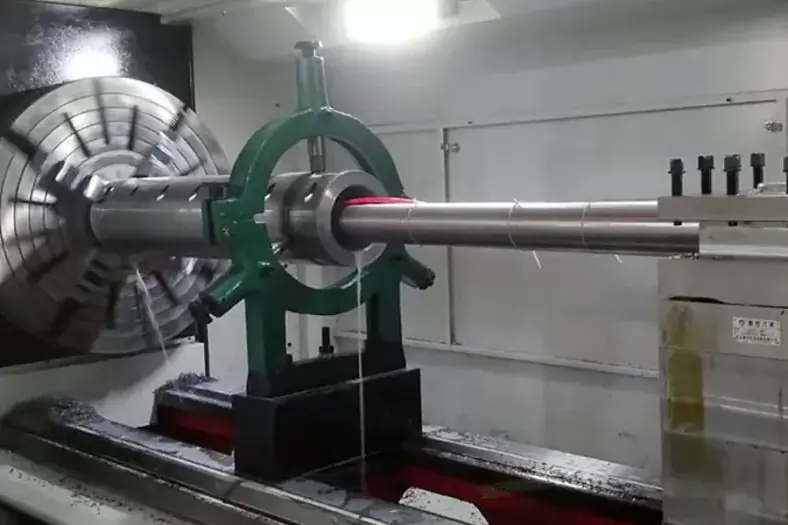
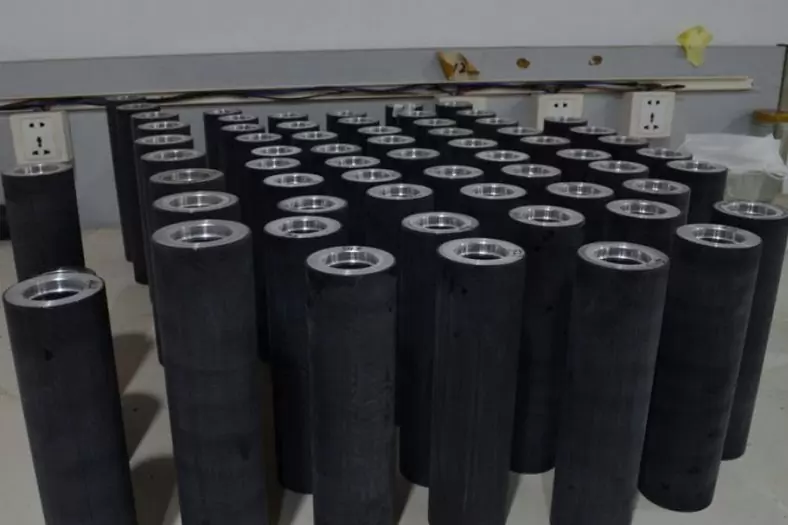
The Detail Of BE-CU Cnc Turning Company
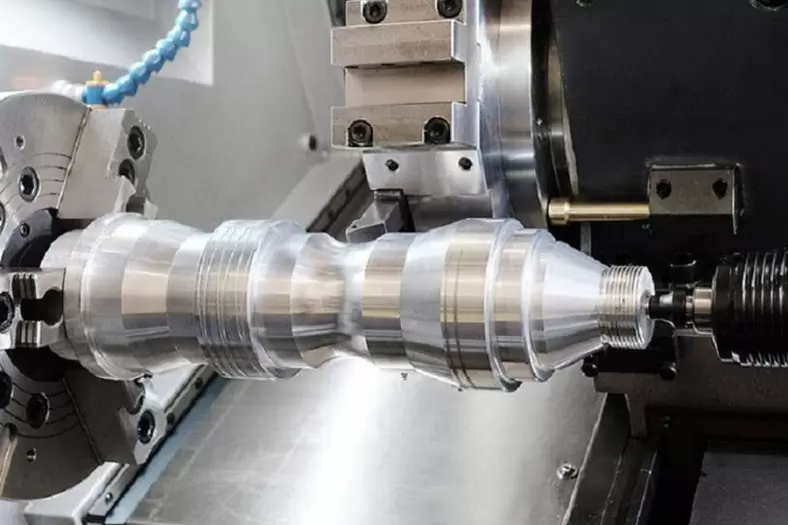
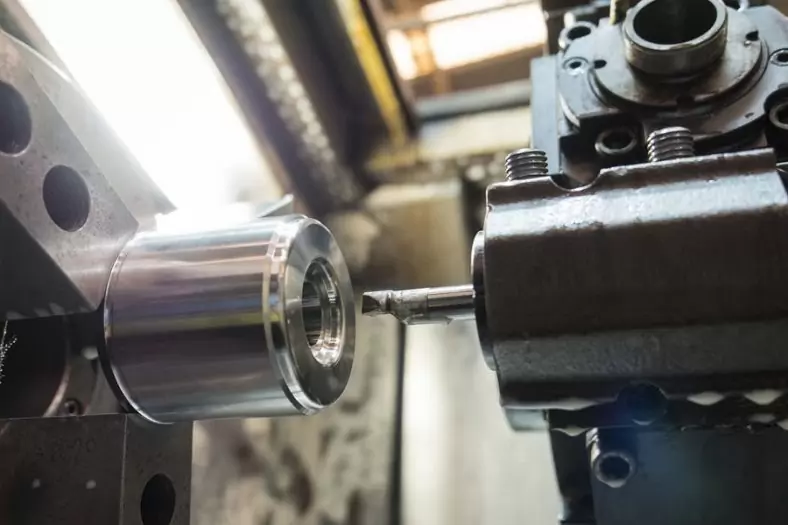
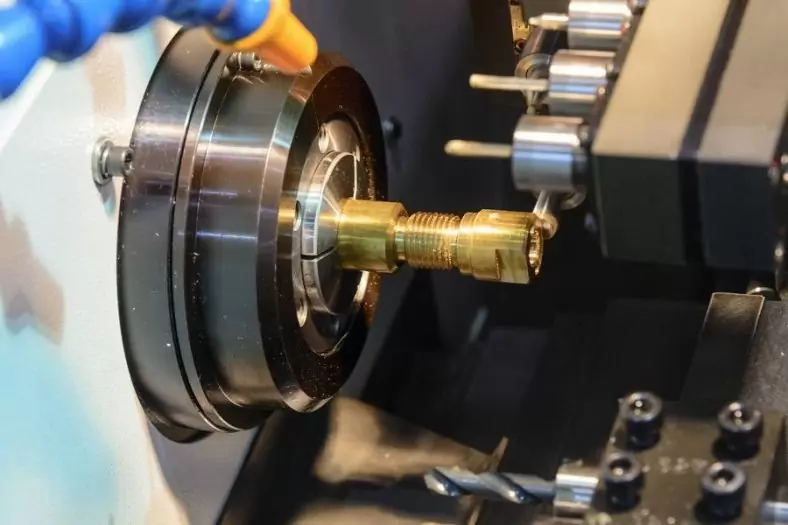
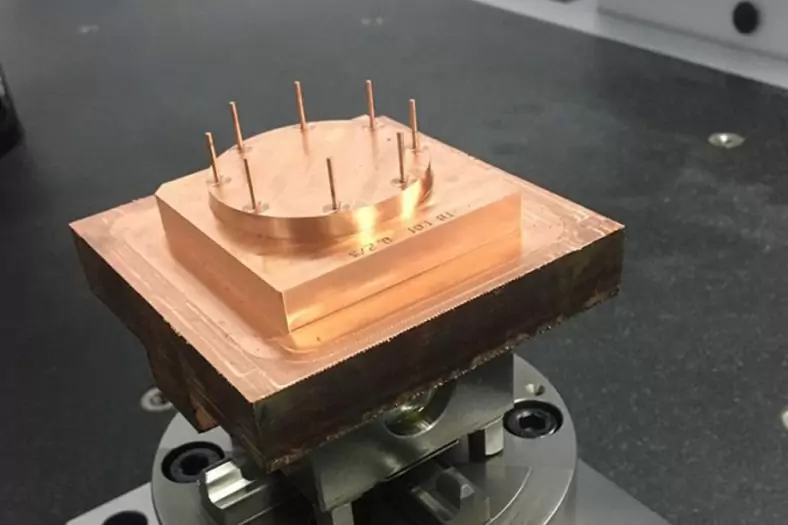
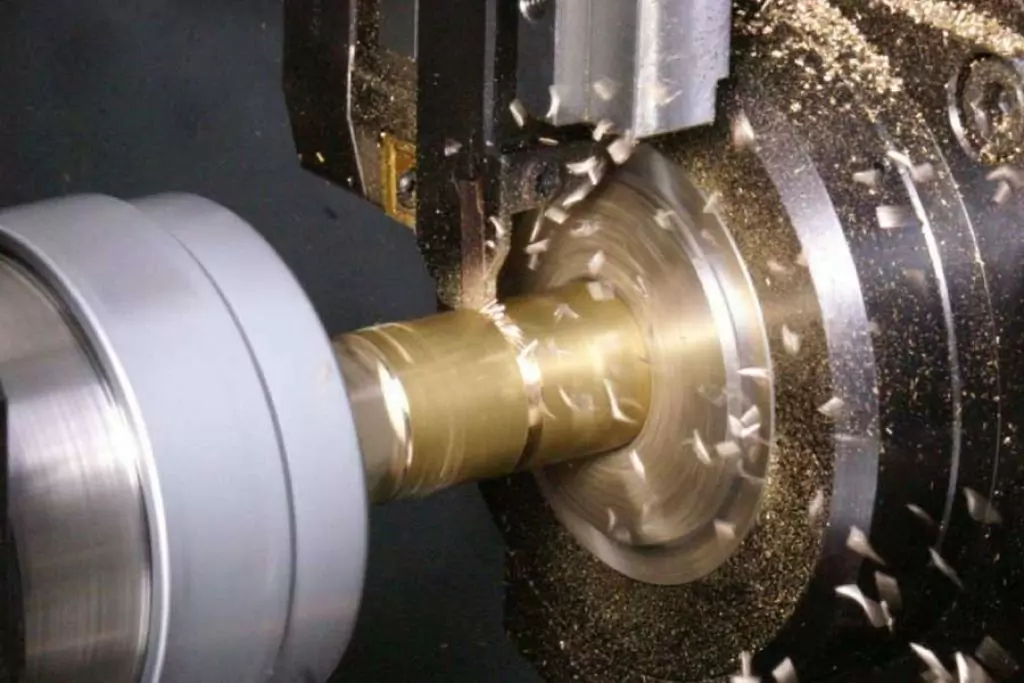
Be-cu.com is an experienced precision CNC turning services supplier, manufacturer, exporter in China, has been specialized in offering best OEM CNC lathe services for superior quality low cost CNC turning parts, CNC lathe parts or high precision machined components with the operation of an impressive range of state-of-the-art turning machines, such as washers, bolts, shafts, rivets, spacers, sleeves, nipples, stainless steel fittings, pipe fittings, light fittings, wheel studs, etc. Our advanced CNC turning center routinely works with a wide variety of materials, ranging from copper, brass, stainless steel, carbon steel, aluminum, and titanium. We can always choose a suitable precision turning process to reach your requirements. Our custom cnc machining services ensure that our customers receive the highest quality CNC turned parts.
-
Restoration of Petroleum Splined Shafts through Supersonic Thermal Spray Coating
-

Large CNC Turning Inconel 625 Automobile Engine Camshafts
-
Precision Turning Solid Wood Dice
-

Custom Wood Chess Board, Sets And Pieces
-
Swiss Machining And Bending 304 Hand Sewing Needle For Textile Machinery
-
Automatic Swiss Turning Stainless Steel 316L U-bolt
-
4 Axis CNC Machining Titanium Grade 5 Mobile Phone Buttons
-
Precision Turning 20° Acrylic Downlight Reflector