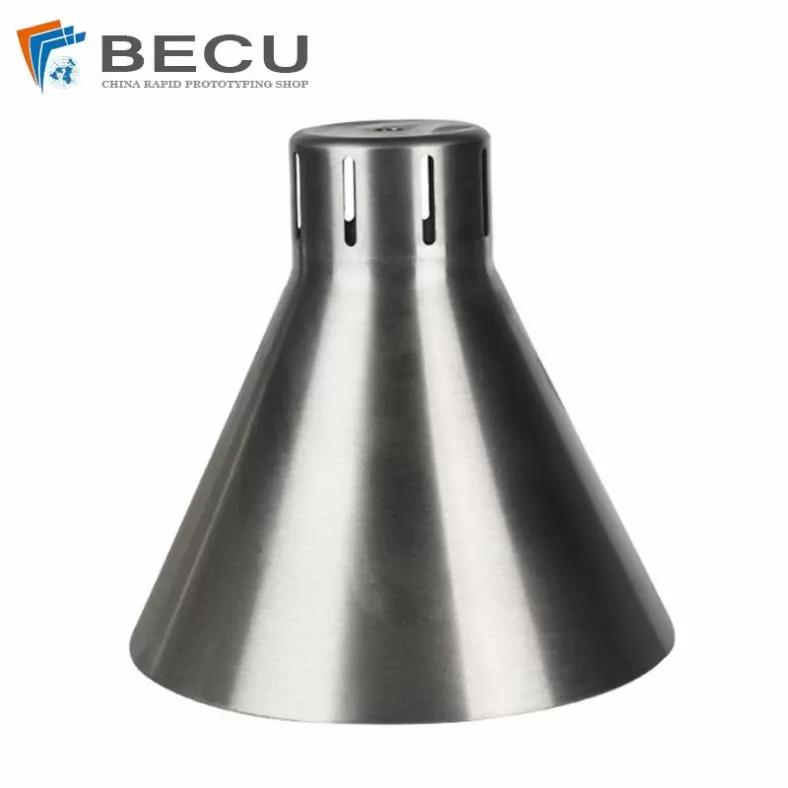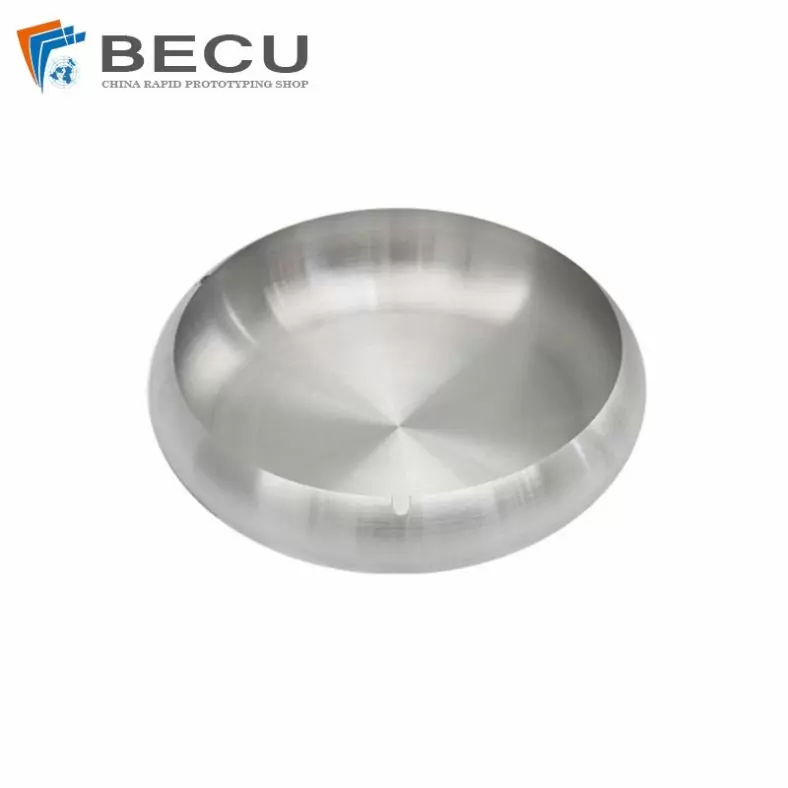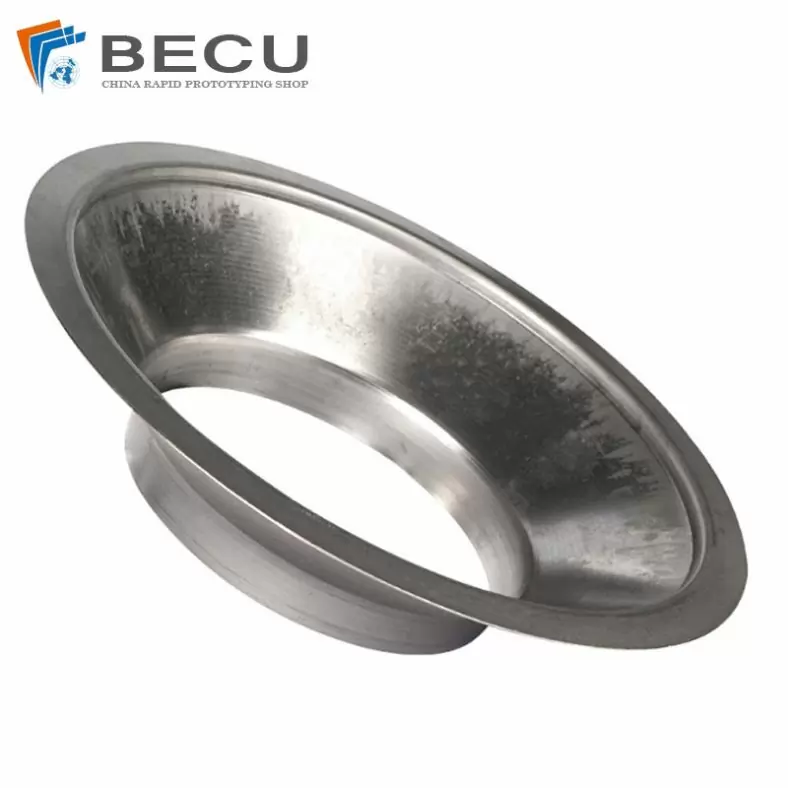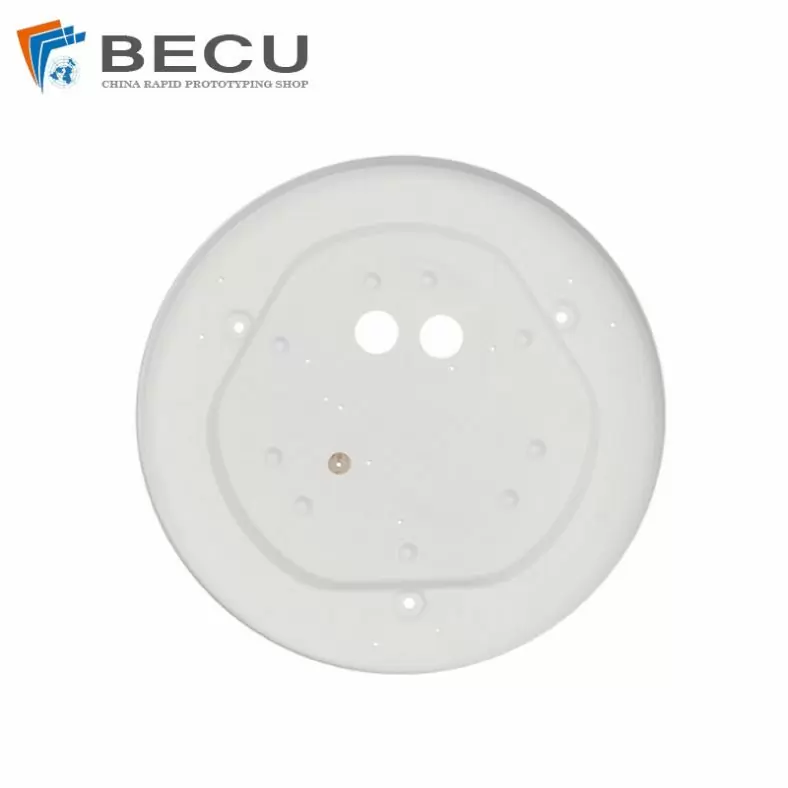
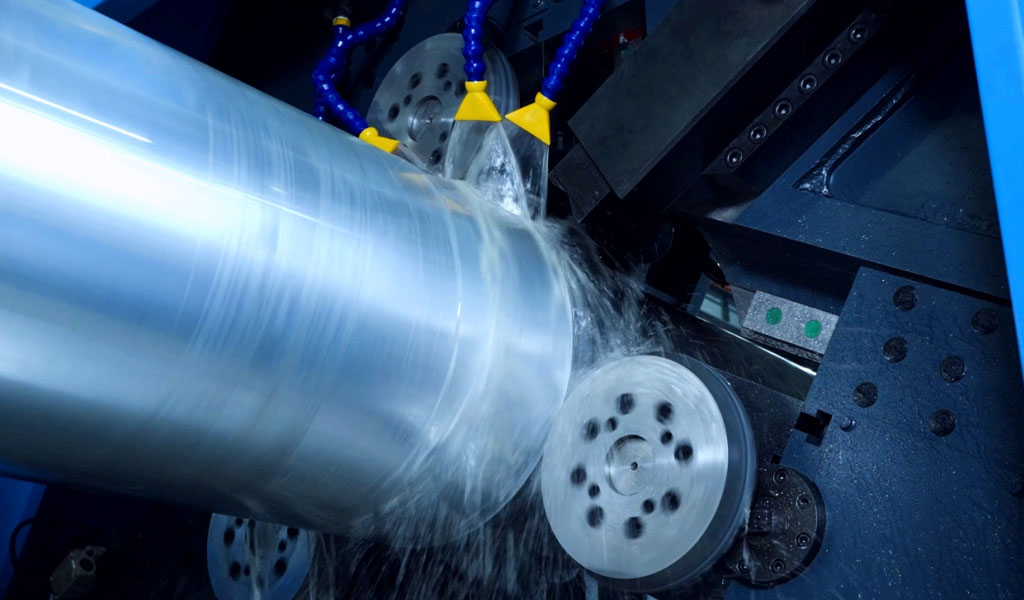
Metal spinning, also known as spin forming or metal turning, is a metalworking process that involves rotating a metal disc or tube at high speed to form axially symmetric parts. This technique, which can be performed manually or using computer numerical control (CNC) machines, is widely utilized across industries such as aerospace, automotive, lighting, and kitchenware manufacturing. The cost of metal spinning is influenced by numerous factors, including labor rates, material prices, equipment costs, energy expenses, and market dynamics. This article explores and compares the pricing of metal spinning in two major global manufacturing hubs: China and Japan. Both countries have established reputations in precision manufacturing, but their economic structures, industrial capabilities, and cost drivers differ significantly, leading to distinct pricing landscapes.
China, the world’s largest manufacturing economy, is renowned for its cost-competitive production, driven by a vast labor pool, extensive supply chains, and government support for industrial growth. Japan, conversely, is recognized for its high-quality engineering, advanced technology, and stringent quality standards, often at a premium cost. This comparative analysis delves into the historical context, current pricing trends, influencing factors, and future outlook of metal spinning costs in these two nations, providing a detailed resource for researchers, manufacturers, and industry stakeholders.
Historical Context of Metal Spinning in China and Japan
Early Development in China
Metal spinning in China traces its roots to traditional metalworking techniques that emerged during the Bronze Age, around 2000 BCE. Artisans used rudimentary tools to shape metals for tools, weapons, and decorative items. However, industrial-scale metal spinning began in the 20th century, particularly after the establishment of the People’s Republic of China in 1949. The government’s push for industrialization during the mid-20th century, including the Great Leap Forward (1958–1962), laid the groundwork for modern manufacturing, though early efforts were hampered by technological limitations and resource scarcity.
The economic reforms of the late 1970s, initiated by Deng Xiaoping, marked a turning point. China opened its markets to foreign investment, fostering the growth of manufacturing industries, including metal spinning. By the 1990s, the adoption of CNC technology and the proliferation of small-to-medium enterprises (SMEs) in regions like Guangdong and Jiangsu transformed China into a global leader in cost-effective metal forming. Today, China’s metal spinning industry benefits from economies of scale, a robust supply chain, and a focus on export-oriented production.
Early Development in Japan
Japan’s metal spinning history is similarly ancient, with evidence of metalworking dating to the Yayoi period (300 BCE–300 CE), when bronze and iron were shaped for ceremonial and practical purposes. The craft evolved over centuries, with samurai armor and tea ceremony utensils showcasing early precision techniques. The Meiji Restoration (1868) catalyzed Japan’s industrialization, introducing Western machinery and engineering practices. Metal spinning became a key process in Japan’s burgeoning industrial sector, particularly during the post-World War II economic miracle (1950s–1970s).
Japan’s focus on quality and innovation led to the integration of advanced machinery, such as hydraulic and CNC spinning lathes, by the late 20th century. Companies like TMT Machinery and Oerlikon Barmag emerged as leaders in spinning technology, catering to high-precision industries like aerospace and electronics. Unlike China’s mass-production model, Japan emphasized craftsmanship, automation, and technological superiority, shaping its metal spinning industry into a premium-priced, niche market.
Economic and Industrial Frameworks
China’s Manufacturing Ecosystem
China’s dominance in global manufacturing is underpinned by its economic policies and industrial infrastructure. As of 2025, China accounts for approximately 30% of global manufacturing output, according to the World Bank. The metal spinning sector benefits from low labor costs, with average hourly wages in manufacturing hovering around $3–$5 USD, compared to significantly higher rates in developed economies. The country’s vast network of suppliers, particularly in industrial hubs like Dongguan and Shanghai, ensures affordable access to raw materials such as aluminum, stainless steel, and copper.
Government subsidies, tax incentives, and special economic zones (SEZs) further reduce production costs. The Belt and Road Initiative (BRI), launched in 2013, has enhanced China’s export capabilities, allowing metal spinning firms to reach international markets efficiently. However, challenges such as rising labor costs, environmental regulations, and trade tensions (e.g., U.S. tariffs imposed in 2025) have begun to influence pricing dynamics.
Japan’s Manufacturing Ecosystem
Japan’s manufacturing sector, while smaller in scale than China’s, is characterized by high value-added production. In 2025, Japan remains the world’s third-largest economy, with a strong emphasis on precision engineering. The metal spinning industry thrives in regions like Osaka and Nagoya, where firms leverage cutting-edge technology and a skilled workforce. Average manufacturing wages in Japan are around $25–$30 USD per hour, reflecting the country’s high living standards and labor market conditions.
Japan’s industrial strategy prioritizes quality over cost, supported by investments in research and development (R&D). The government’s “Society 5.0” initiative, launched in 2016, integrates automation and artificial intelligence into manufacturing, enhancing efficiency but increasing upfront costs. Unlike China, Japan faces a shrinking labor pool due to an aging population, driving reliance on automation and elevating production expenses.
Factors Influencing Metal Spinning Prices
Raw Material Costs
Raw material prices are a primary determinant of metal spinning costs. In China, the abundance of domestic steel production—over 1 billion tons annually as of 2024—keeps material costs low. For instance, cold-rolled steel averages $600–$700 per ton, while aluminum is priced at $2,000–$2,200 per ton, according to market data from early 2025. Proximity to suppliers reduces transportation costs, further lowering expenses.
Japan, lacking significant domestic raw material resources, relies on imports, particularly from Australia and Brazil. Steel prices in Japan range from $800–$900 per ton, and aluminum costs $2,300–$2,500 per ton, reflecting import duties and logistics. Volatility in global commodity markets, exacerbated by events like the 2024 Chinese steel oversupply, impacts Japan more acutely than China.
Labor Costs
Labor is a stark differentiator between the two countries. China’s low wage structure allows manual and semi-automated spinning processes to remain cost-competitive. A typical metal spinning worker earns $500–$800 per month, enabling firms to scale production without significant labor overheads. In contrast, Japan’s skilled technicians command monthly salaries of $3,000–$4,000, reflecting their expertise in operating advanced CNC systems and ensuring precision.
Equipment and Technology
China’s metal spinning industry employs a mix of manual, hydraulic, and CNC machines. Basic manual lathes cost $5,000–$10,000, while CNC spinning machines range from $20,000–$50,000, sourced from domestic manufacturers like LETIPTOP and KDM Metal. Mass production amortizes these costs over large volumes, keeping per-unit prices low.
Japan favors high-end CNC and electromechanical spinning machines, often priced between $50,000 and $150,000 from suppliers like TMT Machinery. These machines offer superior precision and automation, reducing labor dependency but increasing capital expenditure. Maintenance and energy costs in Japan are also higher due to stricter regulatory standards.
Energy and Overhead Costs
China’s energy costs are subsidized, with industrial electricity rates averaging $0.08–$0.10 per kWh in 2025. Coal-powered plants, despite environmental scrutiny, keep expenses down. Japan, reliant on imported liquefied natural gas (LNG) and renewables, faces rates of $0.15–$0.20 per kWh, elevating operational costs. Overhead expenses, including factory rents and compliance with environmental regulations, are also higher in Japan.
Market Demand and Competition
China’s metal spinning market is driven by high domestic and export demand, particularly for low-cost consumer goods like cookware and lighting fixtures. Intense competition among thousands of SMEs pushes prices down, often at the expense of profit margins. Japan caters to specialized markets—e.g., aerospace components and medical devices—where customers prioritize quality over cost, allowing firms to maintain premium pricing.
Current Pricing Trends (March 2025)
Metal Spinning Prices in China
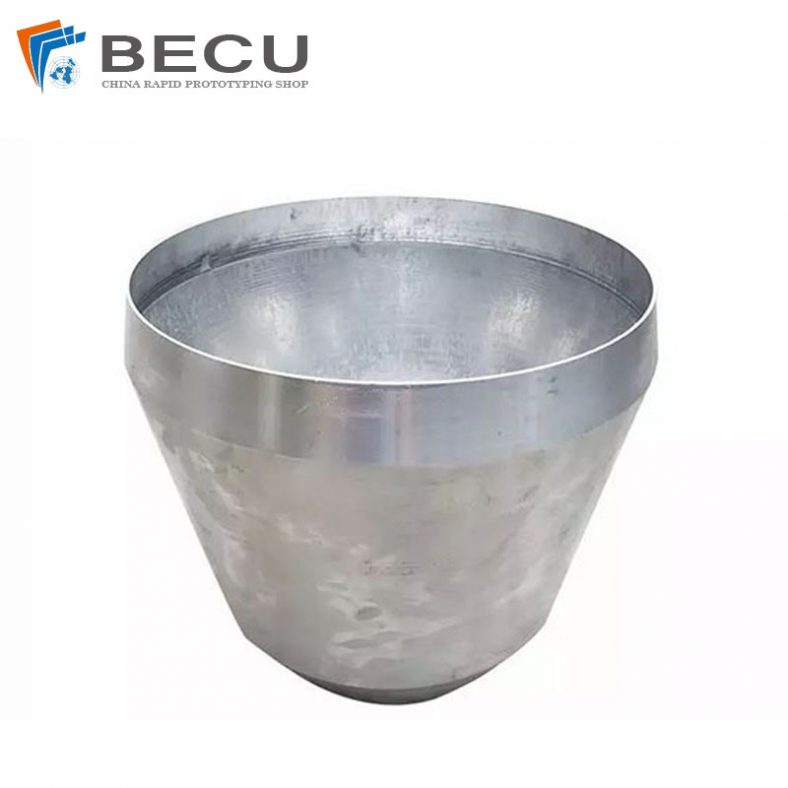
As of March 2025, metal spinning prices in China vary by complexity, material, and production volume. For standard parts (e.g., aluminum cones or stainless steel bowls), costs range from $0.50 to $5 per piece for high-volume orders (10,000+ units). Complex components, such as aerospace diffusers, range from $10 to $50 per unit, reflecting CNC usage and tighter tolerances. These prices include material, labor, and overhead, with shipping adding $0.10–$0.50 per unit for exports.
Metal Spinning Prices in Japan
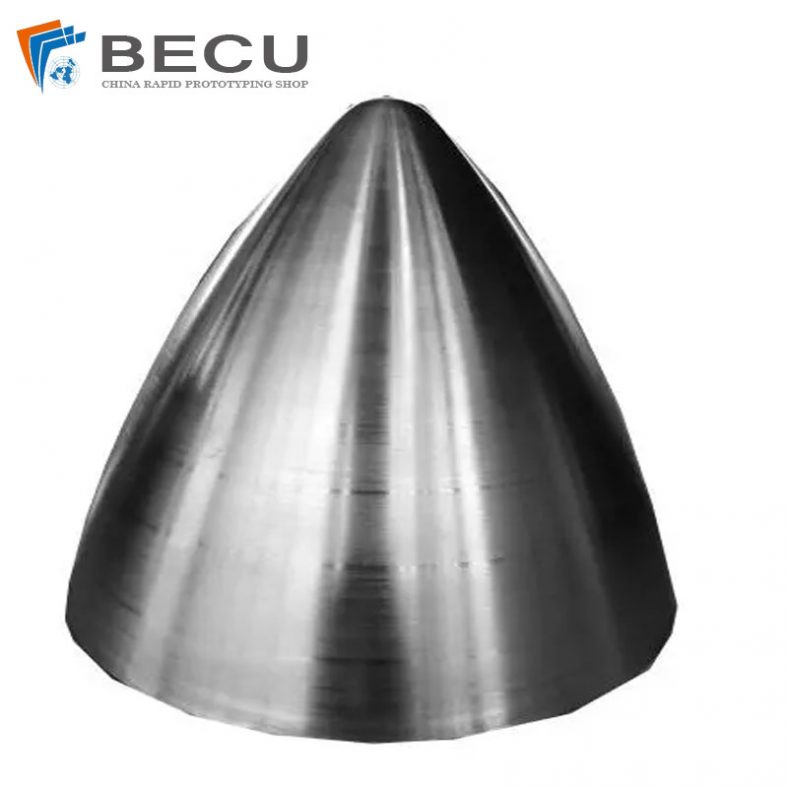
In Japan, prices are significantly higher due to quality standards and technological inputs. Simple spun parts, such as copper lamp shades, cost $5–$15 per piece, even in moderate volumes (1,000+ units). Precision components, like titanium missile cones, range from $50 to $200 per unit, driven by advanced machinery and rigorous quality control. Shipping costs are comparable to China’s, but domestic logistics within Japan add a premium.
| Component | China Price (USD) | Japan Price (USD) | Notes |
|---|---|---|---|
| Aluminum Cone (Simple) | 0.50–2.00 | 5.00–10.00 | China: High volume; Japan: Precision focus |
| Stainless Steel Bowl | 1.00–5.00 | 10.00–15.00 | China: Mass production; Japan: Automated CNC |
| Copper Lamp Shade | 2.00–8.00 | 8.00–20.00 | China: Manual/semi-auto; Japan: High finish quality |
| Aerospace Diffuser (CNC) | 10.00–50.00 | 50.00–150.00 | China: Competitive pricing; Japan: Superior tolerances |
| Titanium Missile Cone | 20.00–80.00 | 100.00–200.00 | China: Emerging capability; Japan: Established expertise |
Case Studies: Industry Applications
China: Kitchenware Manufacturing
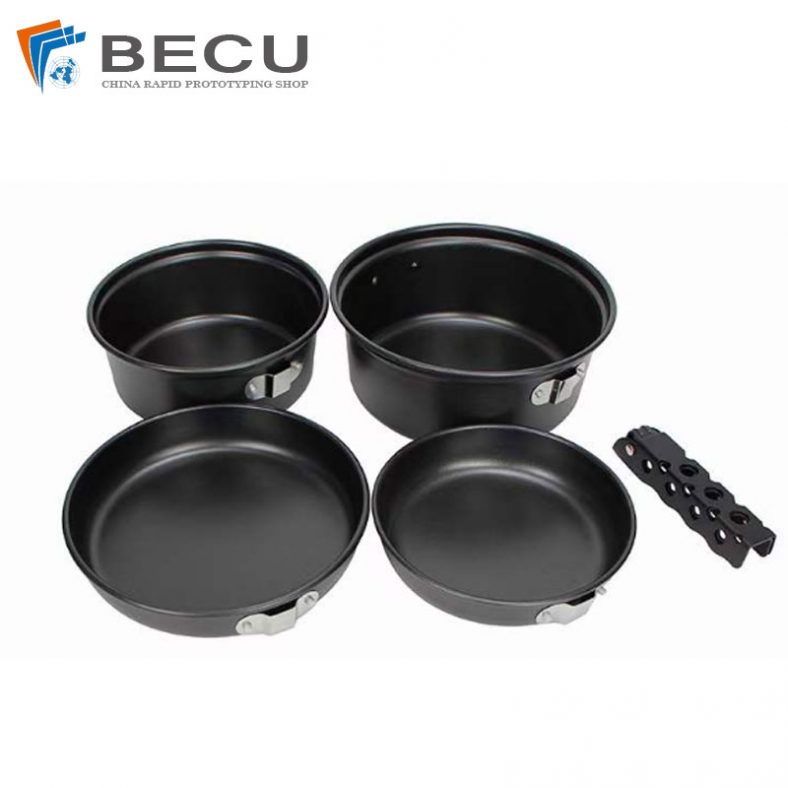
China’s metal spinning industry excels in producing kitchenware, such as stainless steel pots and aluminum pans. A typical SME in Guangdong can manufacture 50,000 stainless steel bowls monthly at $1.50 per unit, leveraging low-cost labor and materials. The process uses hydraulic spinning machines costing $15,000, with a lifespan of 10 years, and electricity at $0.09 per kWh. Export tariffs and shipping to the U.S. add $0.20 per unit, keeping total costs competitive at $1.70 FOB (Free on Board).
Japan: Aerospace Components
Japan’s metal spinning shines in aerospace, where precision is paramount. A Nagoya-based firm produces 500 titanium diffusers monthly at $120 per unit. The process employs a $100,000 CNC machine, operated by technicians earning $35/hour, with electricity at $0.18 per kWh. Japan’s stringent quality checks and material certification add $20 per unit, justifying the premium price of $140 FOB.
Conclusion
The pricing of metal spinning in China and Japan reflects their divergent industrial philosophies: China’s cost-driven, high-volume approach versus Japan’s quality-centric, technology-driven model. As of March 2025, China offers unmatched affordability ($0.50–$80 per unit), while Japan commands a premium for precision ($5–$200 per unit). These trends are shaped by raw material costs, labor, technology, and market dynamics, with each country poised to evolve distinctly in the coming years. This comparison underscores the trade-offs between cost and quality, guiding stakeholders in sourcing decisions.
China’s Trajectory
China’s metal spinning prices may rise modestly by 2030 due to increasing labor costs (projected at $6–$8/hour) and stricter environmental regulations. However, continued investment in automation and renewable energy could offset these pressures, maintaining competitiveness. Trade policies, such as the 2025 U.S. tariffs (10% increase under Trump’s administration), may shift export focus to Southeast Asia and Africa.
Japan’s Trajectory
Japan’s prices are likely to remain high, driven by demographic challenges and a focus on high-value markets. Advances in AI-driven spinning machines could enhance efficiency, potentially reducing costs by 10–15% over the next decade. Japan may deepen its niche in luxury and precision sectors, distancing itself from China’s mass-market dominance.
The Shapes Achieved Of Metal Spinning Parts
Simple shapes are easy to make in less time. But for complex shapes, it requires more time because it increases steps as per the block shape.
In addition to metal spinning, Be-cu.com also offers in-house tooling, welding, abrasive polishing and hydroforming, helping to drive down your costs and streamline production. Quicker turnaround times and lower costs are two of the most attractive advantages of metal spinning. The ability to form very thick components and large diameters with uniformity and high quality at low and high quantities, are more appealing reasons to consider metal spinning.To find out if metal spinning would be beneficial for your application or end product, contact us today.
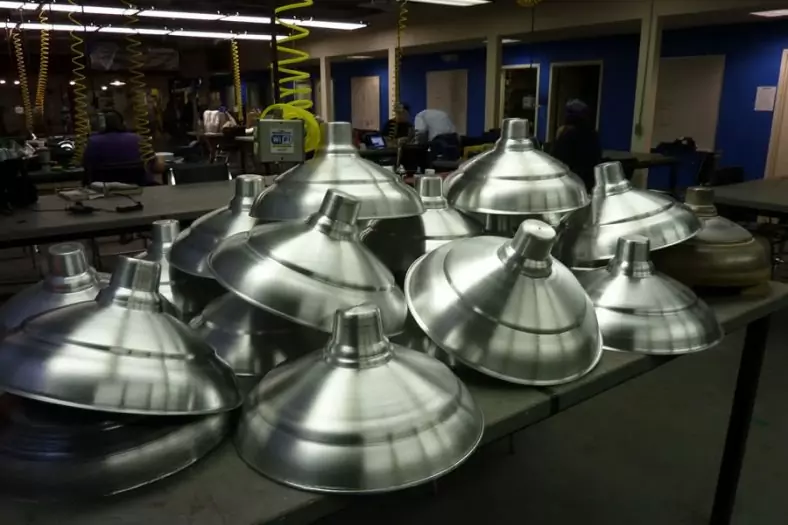
- Domed
- Flanged
- Domed with flange
- Dished
- Semi elliptical
- Hemisphere
- Flanged, dished and flued
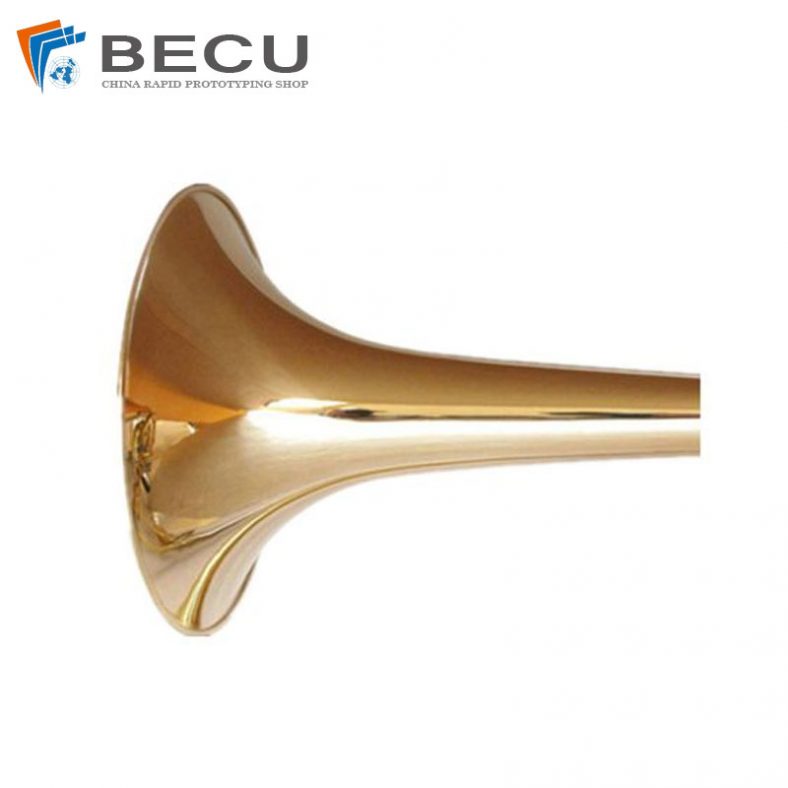
- Trumpet
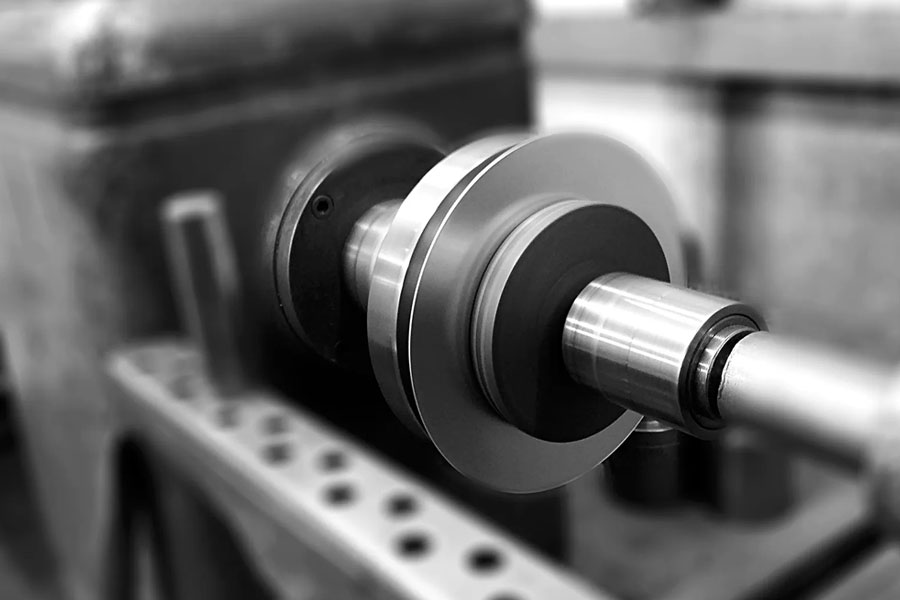
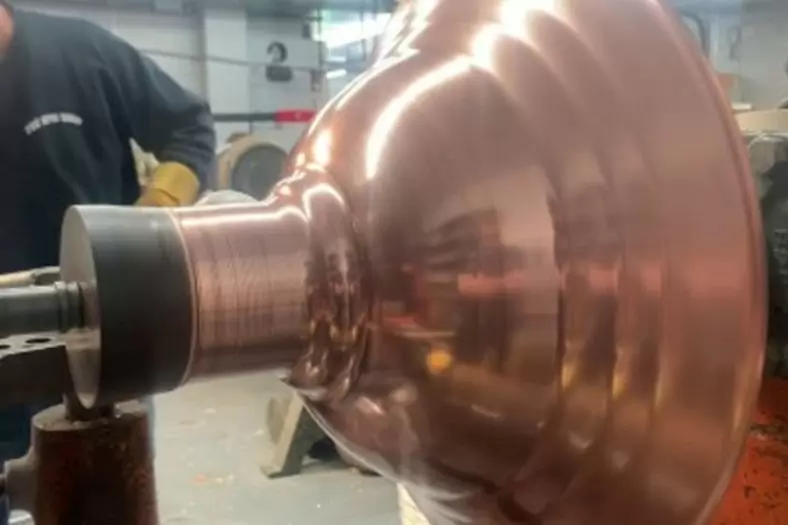
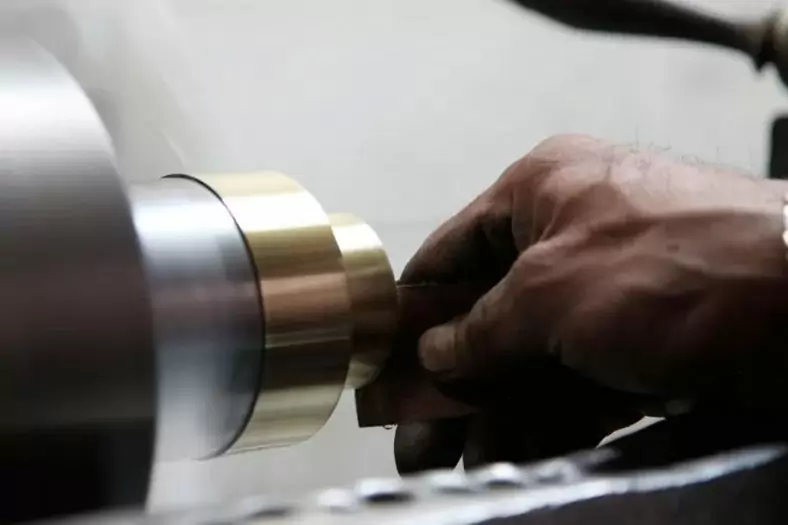
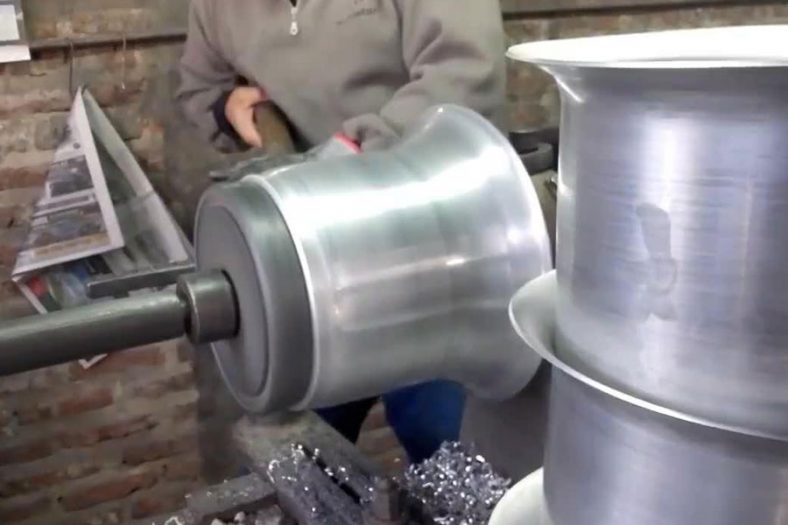
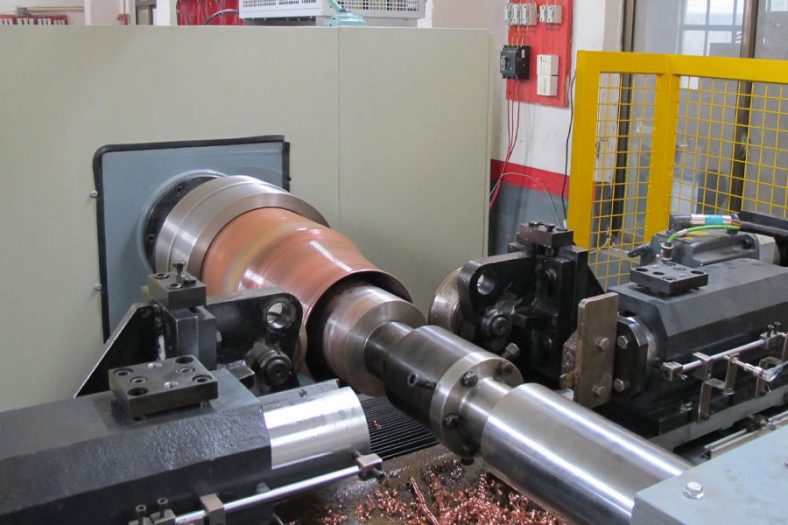
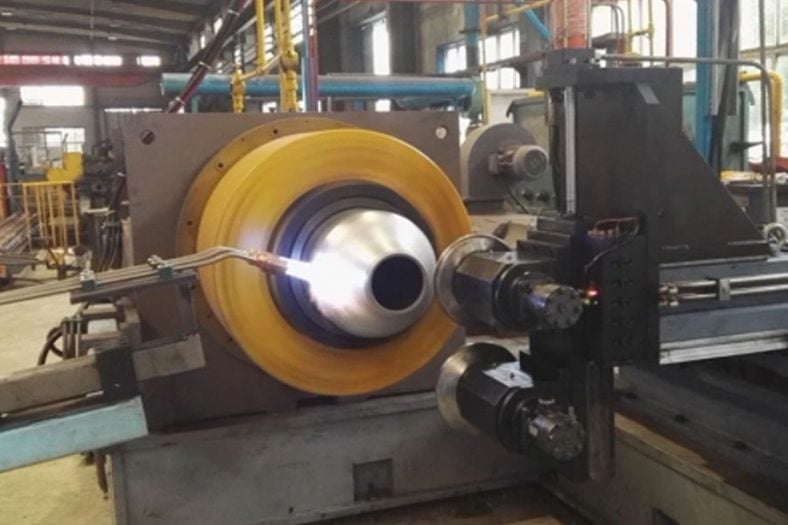
The Detail Of BE-CU Metal Spinning Company
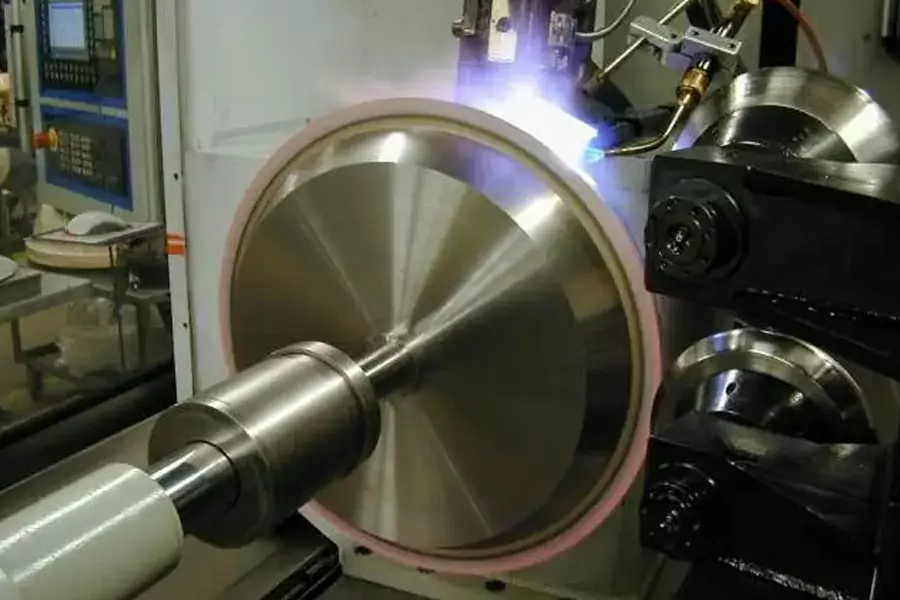
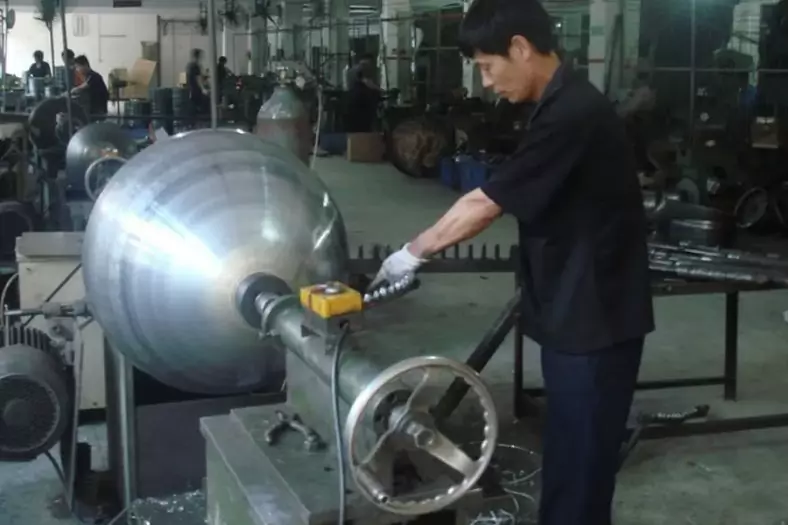
At Be-cu.com, we use a variety of materials for metal spinning such as cold rolled steel, hot rolled steel, aluminum spinning, stainless steel spinning, brass, copper spinning and exotic metals such as titanium and inconel. Be-cu Metal Spinning Section specializes in the forming of stainless steel. With our automated metal spinning lathes and the capabilities of our deep drawing, stamping and welding equipment, our ability to form your part to your specifications and within your budget are realistic. Be-cu Metal Spun Company has over 30 years of metal forming experience and has used the large metal spinning technology for a variety of industries such as aerospace, automotive, military, ordnance, plastics, lighting, pharmaceuticals, dairy, etc…
We have engineers on staff with metal spinning expertise to help guide you on designing a custom part and choose the optimal process to produce high quality spun parts at a competitive and affordable price. Tooling is custom made to form parts to your configuration.