
Rivets are one of the oldest and most reliable methods of fastening materials together, with roots dating back to ancient civilizations. Over the centuries, rivets have evolved to suit a variety of industrial, automotive, aerospace, and construction applications. Two of the most common types of rivets in modern usage are pop rivets and blind rivets. While these terms are often used interchangeably, they each have distinct features and applications, and understanding the differences between them can lead to more efficient use of fasteners in different industries.
Definition and General Function Of Rivets
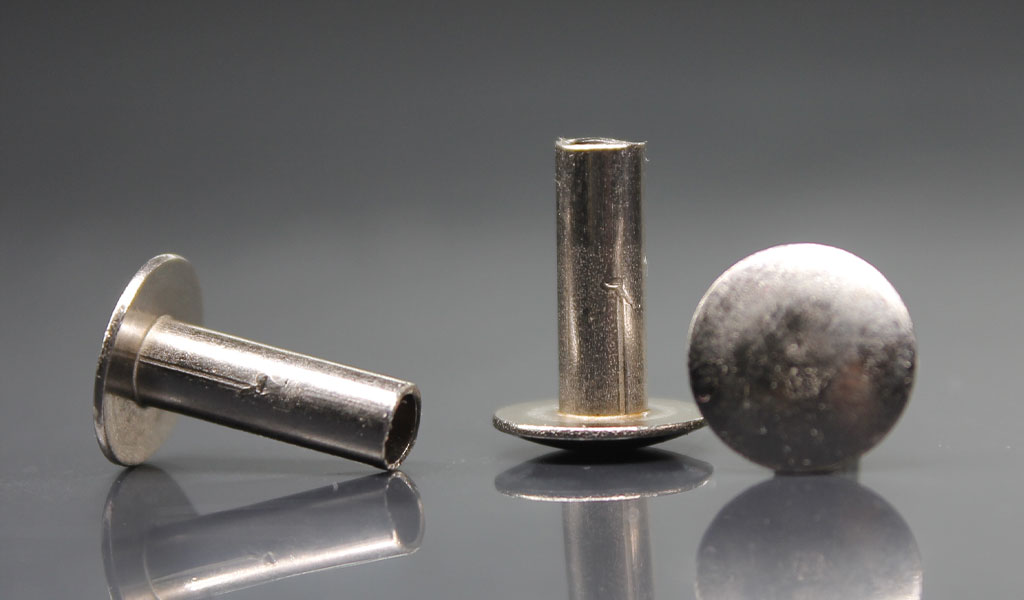
Rivets, in general, are mechanical fasteners consisting of a smooth cylindrical shaft and a head. They are used to permanently join two or more pieces of material together, typically through a process known as “rivetting” in which the shaft is deformed (or “set”) to create a second head, which secures the components in place.
In a pop rivet, the shaft is typically made from aluminum, steel, or stainless steel, and it is designed to be inserted into a pre-drilled hole in the materials being fastened.
A specialized tool is then used to pull on the mandrel (the central pin of the rivet), causing the rivet to expand and form a second head, securing the two materials together.
Blind rivets are a broader category of rivets where the tool used to set the rivet can access only one side of the materials being joined. This contrasts with traditional rivets, which require access to both sides of the materials to form both heads of the rivet. The term “blind” refers to the fact that these rivets can be installed in locations where only one side of the joint is accessible, making them ideal for situations where the back side of the materials is difficult to reach.
History and Development of Pop Rivets
Pop rivets have their origins in the early 20th century and were developed to offer an easier and faster method of fastening materials than traditional solid rivets, which required extensive tools and considerable time to install. The “pop” in pop rivet refers to the sound produced when the mandrel breaks off during installation. Pop rivets became especially popular in applications where it was difficult or impossible to access both sides of the material, such as in the construction of airplanes and automobiles.
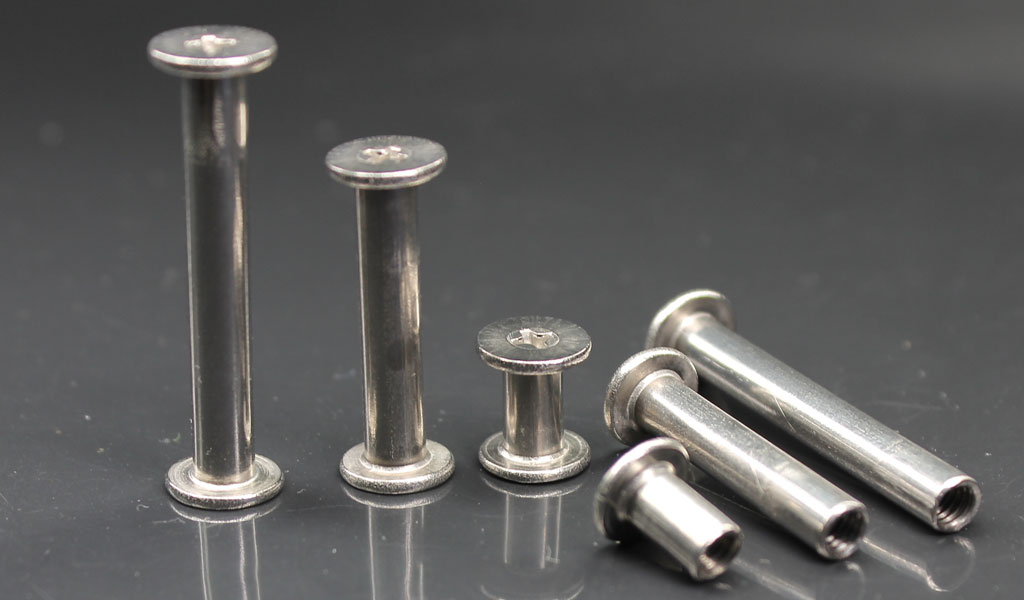
As the aviation industry began to expand in the early 1900s, there was a clear need for a fast, effective way of attaching metal parts, especially in tight spaces. The traditional rivet, which required access to both sides of the material being fastened, was not always practical in these situations. The invention of the pop rivet provided a solution to this problem, and the technology quickly spread to other industries such as construction, electronics, and consumer goods manufacturing.
Design and Construction of Pop Rivets
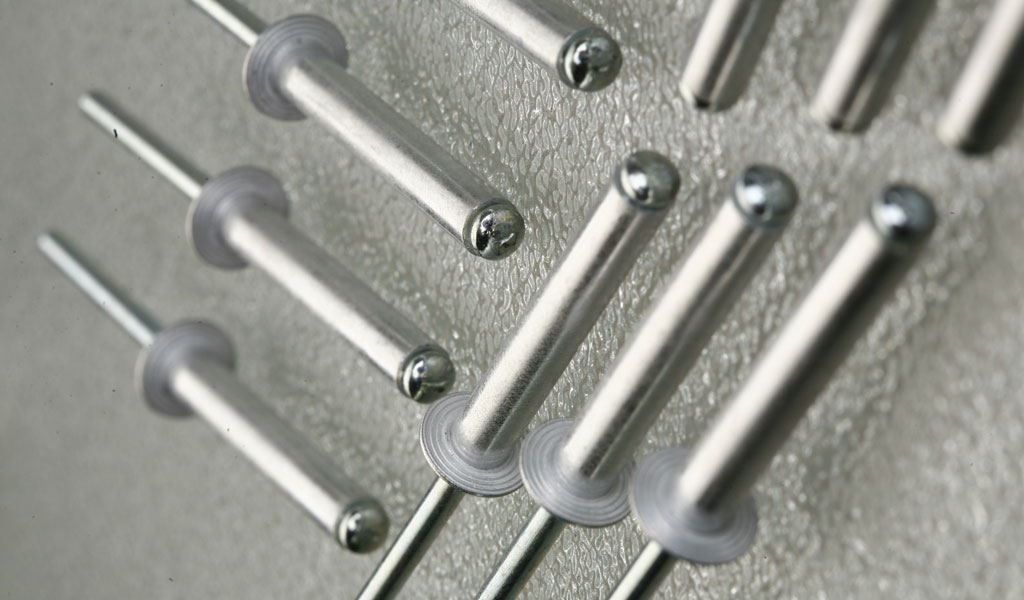
A typical pop rivet consists of three main components: the body (or shell), the mandrel, and the head. The body is the hollow cylindrical part of the rivet that holds the material being fastened.
The mandrel is a pin that passes through the body, and it is used to pull and expand the rivet during installation. The head is the larger portion of the rivet that is created when the mandrel is pulled, forming a second head on the opposite side of the material being fastened.
Pop rivets are available in a range of materials, including aluminum, steel, and stainless steel, which offer varying levels of strength and corrosion resistance. The most commonly used material for pop rivets is aluminum due to its low cost, ease of use, and corrosion resistance. However, for applications requiring greater strength, such as in the automotive or aerospace industries, stainless steel or steel pop rivets may be used.
Pop rivets are available in a variety of sizes, typically ranging from 1/8 inch to 1/4 inch in diameter, and lengths ranging from 1/4 inch to 1 inch. The size of the rivet is chosen based on the thickness of the material being fastened and the required strength of the joint. Pop rivets are typically installed using a hand-held or pneumatic rivet gun, which pulls on the mandrel and causes the rivet to expand.
Blind Rivets: Definition and Function
Blind rivets, sometimes referred to as “closed-end rivets,” are similar to pop rivets in that they are used to fasten materials together from only one side. The main distinguishing feature of blind rivets is that they are designed to be installed in applications where access to the rear side of the joint is impossible or impractical.
Unlike pop rivets, which typically feature an open-ended design, blind rivets have a closed end, which provides a seal against liquids and gases. This makes them particularly useful in applications where the rivet needs to form a leak-proof seal, such as in plumbing, fuel tanks, or electronic enclosures.
The installation of a blind rivet is similar to that of a pop rivet, but the tool used to install a blind rivet is often more complex, as it needs to pull the mandrel in such a way that it expands the rivet and secures it without causing the rivet to leak. Blind rivets are available in both aluminum and steel variants, and like pop rivets, they come in various sizes and lengths, depending on the thickness of the materials being fastened and the required strength.
Key Differences Between Pop Rivets and Blind Rivets
Applications of Pop Rivets
Pop rivets are widely used across various industries. The automotive sector uses pop rivets for body panel assembly, door and window framing, and various other components. In the aerospace industry, pop rivets are often used for aircraft bodywork and wing assemblies, where weight reduction and ease of installation are crucial. They are also used in construction, where they can fasten sheet metal or other materials to structural components.
The electronics industry also relies heavily on pop rivets for assembling enclosures and cases, and in the manufacturing of consumer products such as appliances, furniture, and electronics. Additionally, pop rivets are used in DIY projects and repair work due to their ease of use and availability.
Applications of Blind Rivets
Blind rivets are primarily used in applications where access to both sides of the materials is restricted. One of the most common uses for blind rivets is in plumbing systems, where the rivet must form a tight, leak-proof seal to prevent water or gas from escaping. In automotive and aerospace applications, blind rivets are often used for fuel tanks, hydraulic systems, and other components that must be sealed against leaks.
Blind rivets are also commonly found in electrical enclosures, where the fastener must prevent moisture or other environmental factors from compromising the integrity of the equipment. In manufacturing, blind rivets are used in the assembly of certain machinery, ensuring that parts are securely fastened and sealed in place.
Conclusion
While both pop rivets and blind rivets serve similar functions in fastening materials together, they differ in design, applications, and performance characteristics. Pop rivets are typically used for quick, efficient fastening, while blind rivets are used in situations that demand a secure, leak-proof bond. The choice between the two depends on the specific needs of the application, including access to the rivet site, sealing requirements, strength, and cost considerations. Understanding the differences between these two types of rivets can help engineers and manufacturers select the appropriate fastener for their projects, ensuring long-lasting and reliable results.

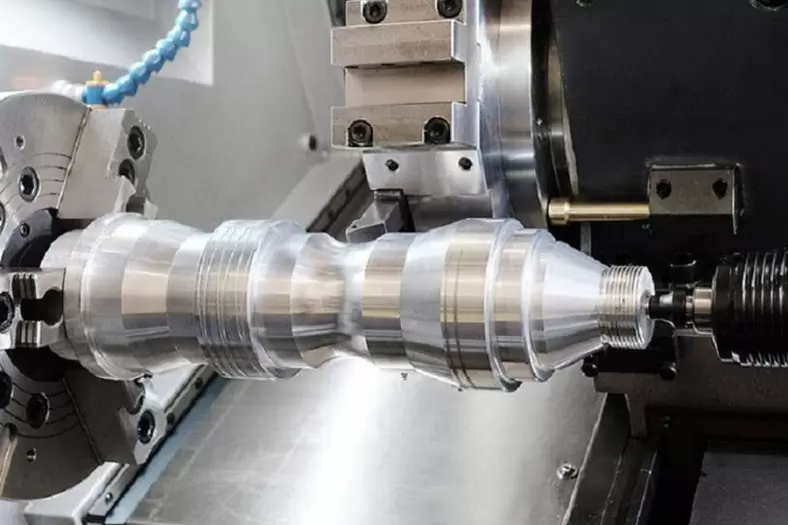
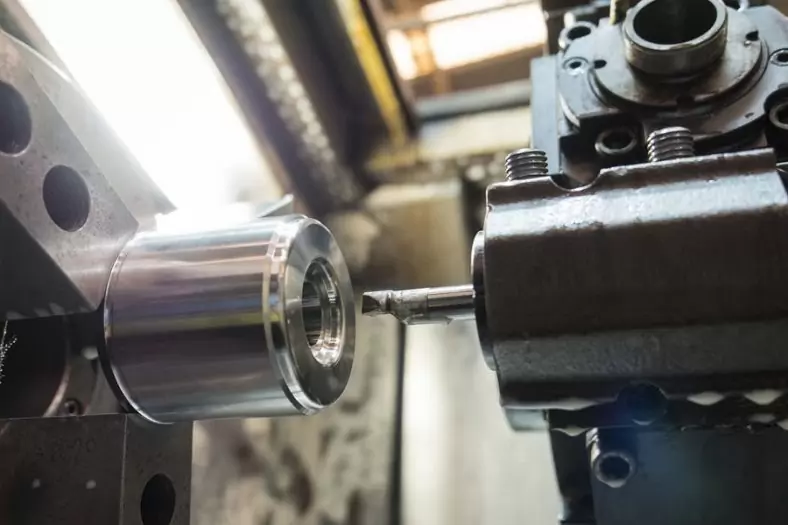
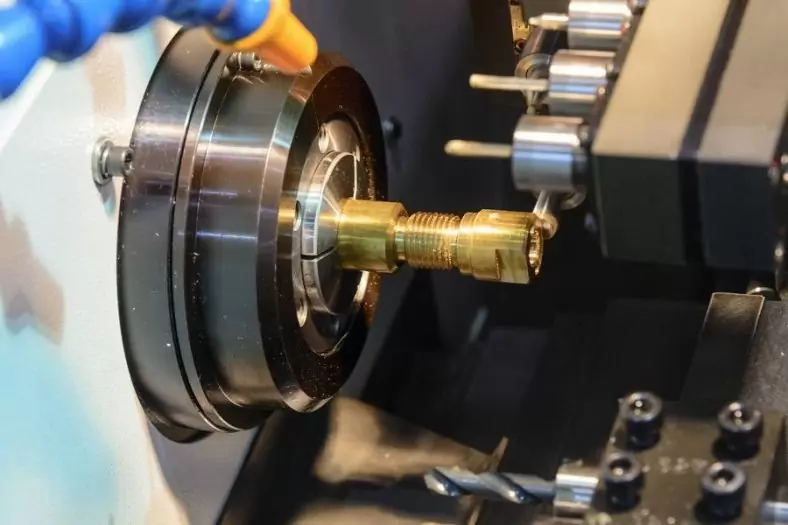
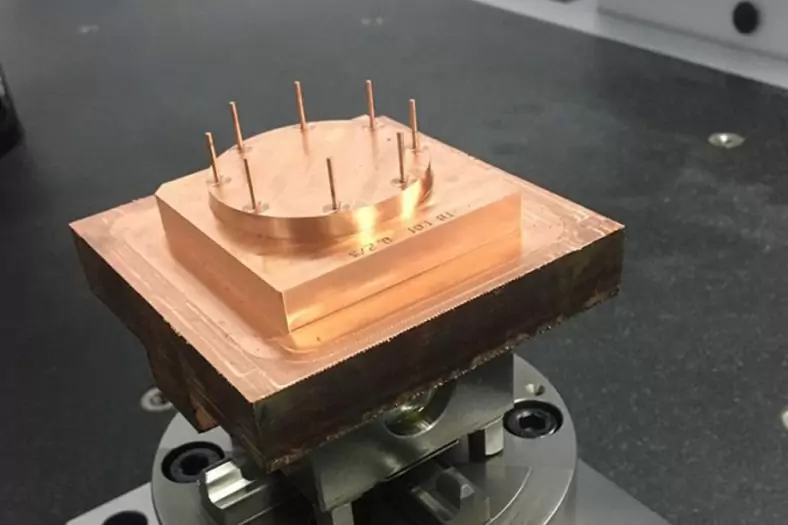
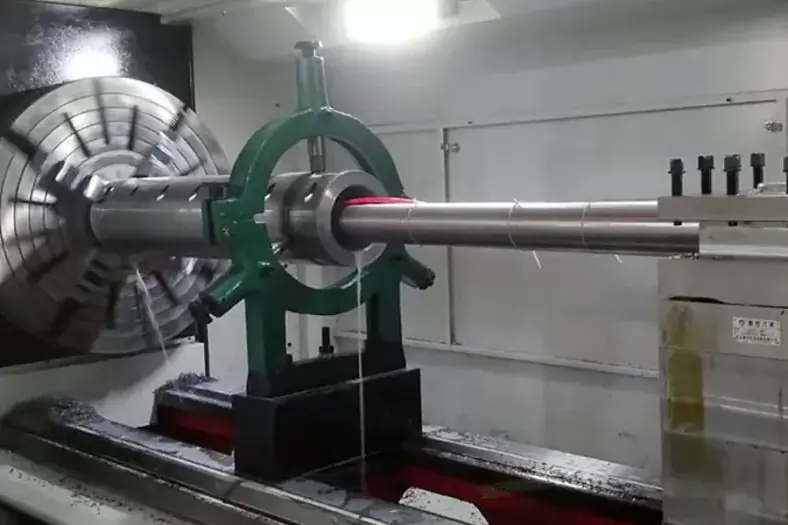
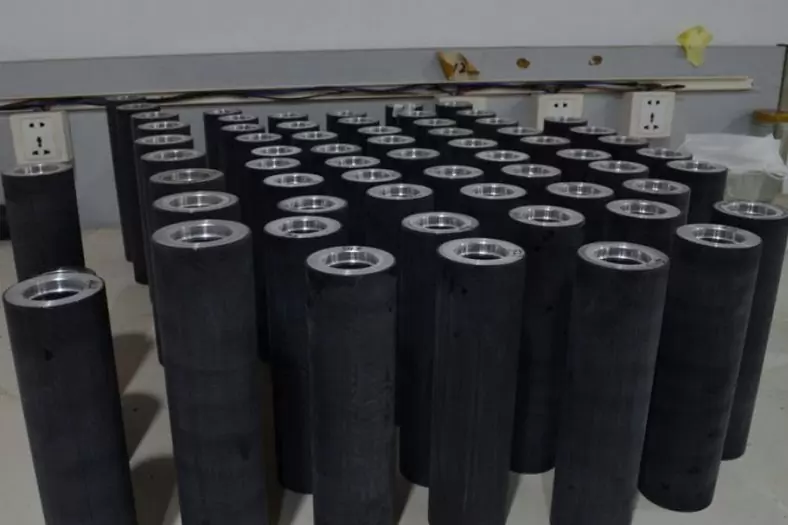
The Detail Of BE-CU Cnc Turning Company
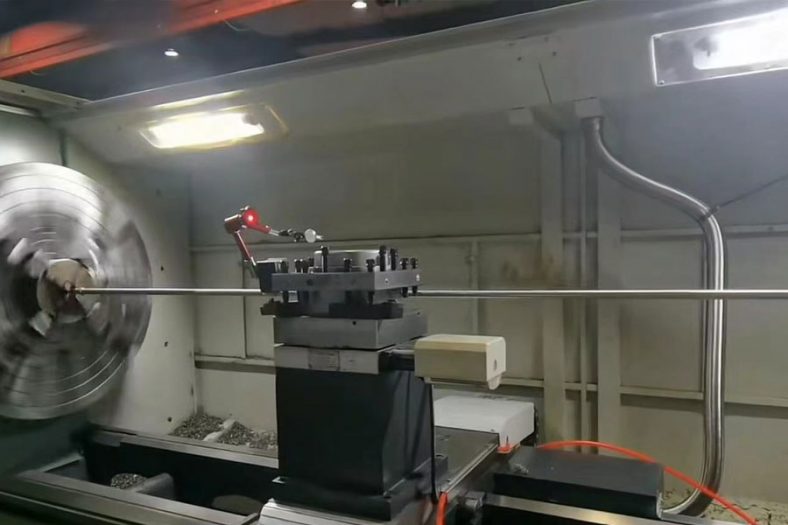
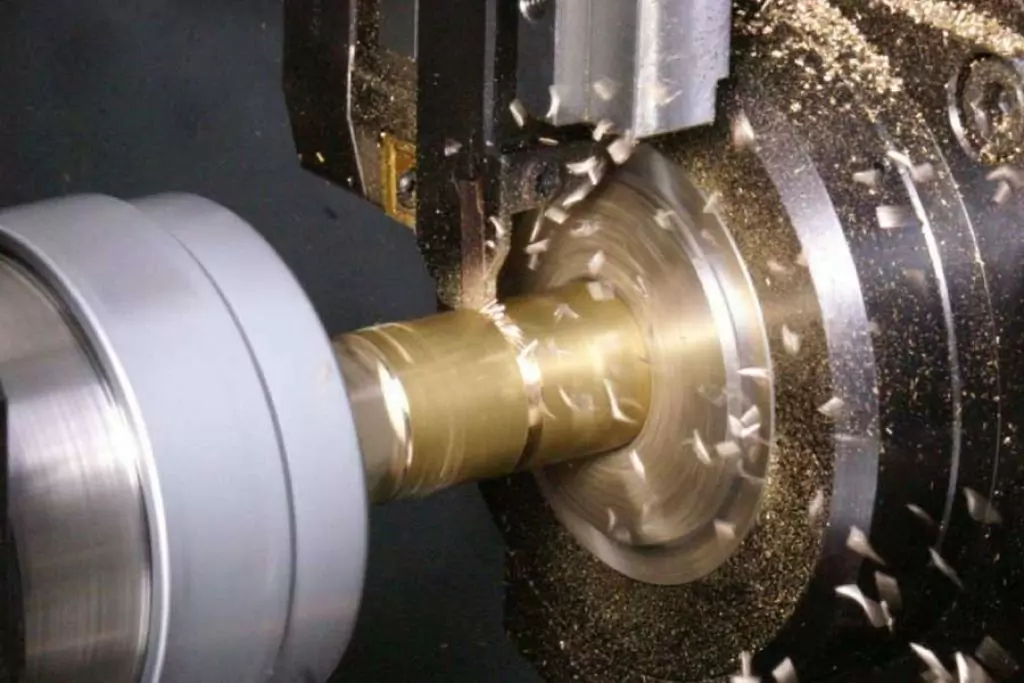
Be-cu.com is an experienced precision CNC turning services supplier, manufacturer, exporter in China, has been specialized in offering best OEM CNC lathe services for superior quality low cost CNC turning parts, CNC lathe parts or high precision machined components with the operation of an impressive range of state-of-the-art turning machines, such as washers, bolts, shafts, rivets, spacers, sleeves, nipples, stainless steel fittings, pipe fittings, light fittings, wheel studs, etc. Our advanced CNC turning center routinely works with a wide variety of materials, ranging from copper, brass, stainless steel, carbon steel, aluminum, and titanium. We can always choose a suitable precision turning process to reach your requirements. Our custom cnc machining services ensure that our customers receive the highest quality CNC turned parts.
-
Restoration of Petroleum Splined Shafts through Supersonic Thermal Spray Coating
-

Large CNC Turning Inconel 625 Automobile Engine Camshafts
-
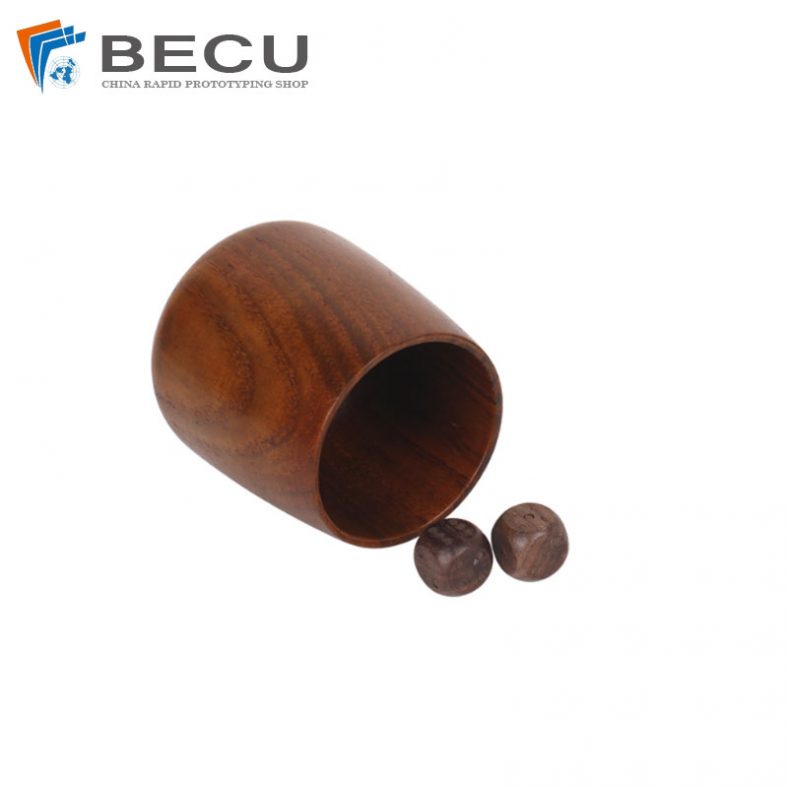
Precision Turning Solid Wood Dice
-

Custom Wood Chess Board, Sets And Pieces
-
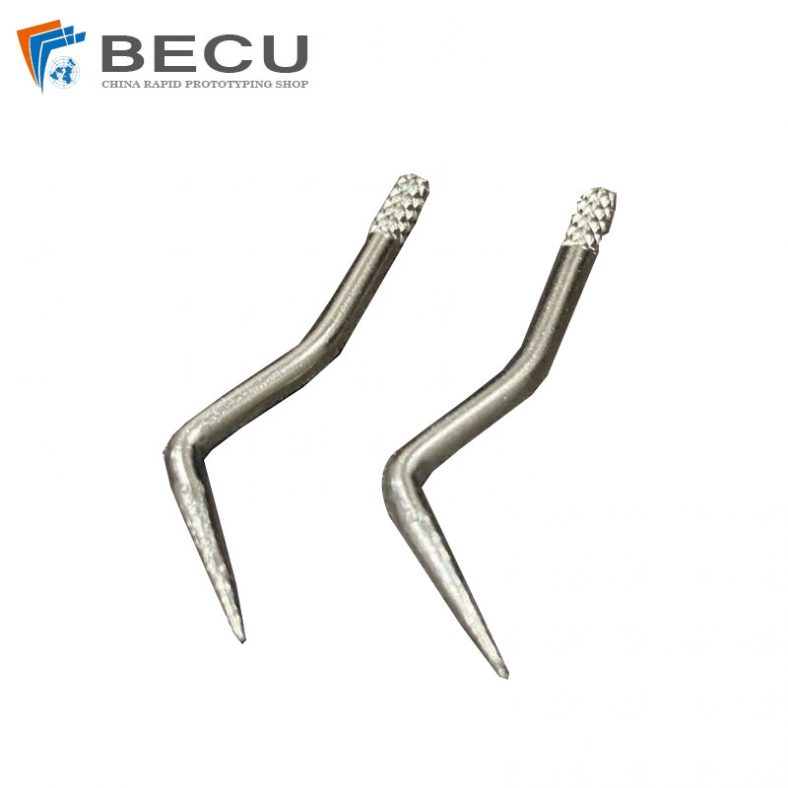
Swiss Machining And Bending 304 Hand Sewing Needle For Textile Machinery
-
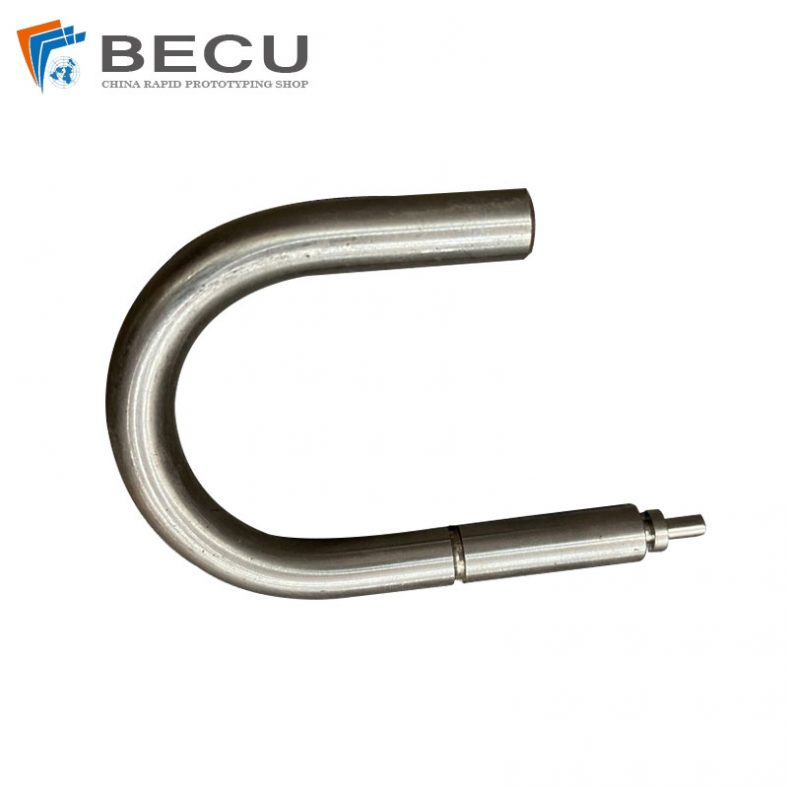
Automatic Swiss Turning Stainless Steel 316L U-bolt
-
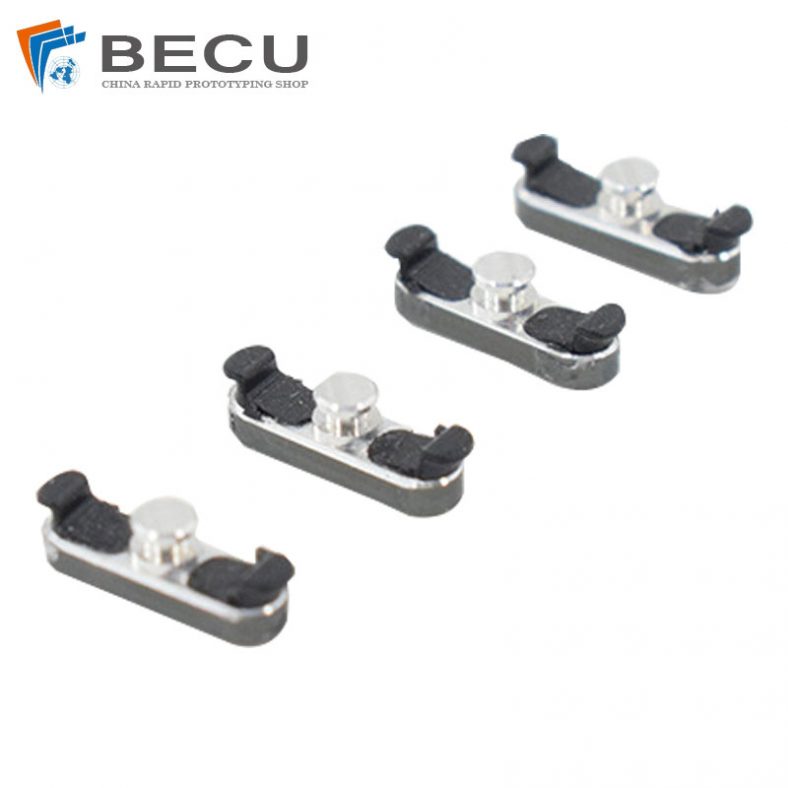
4 Axis CNC Machining Titanium Grade 5 Mobile Phone Buttons
-
Precision Turning 20° Acrylic Downlight Reflector