
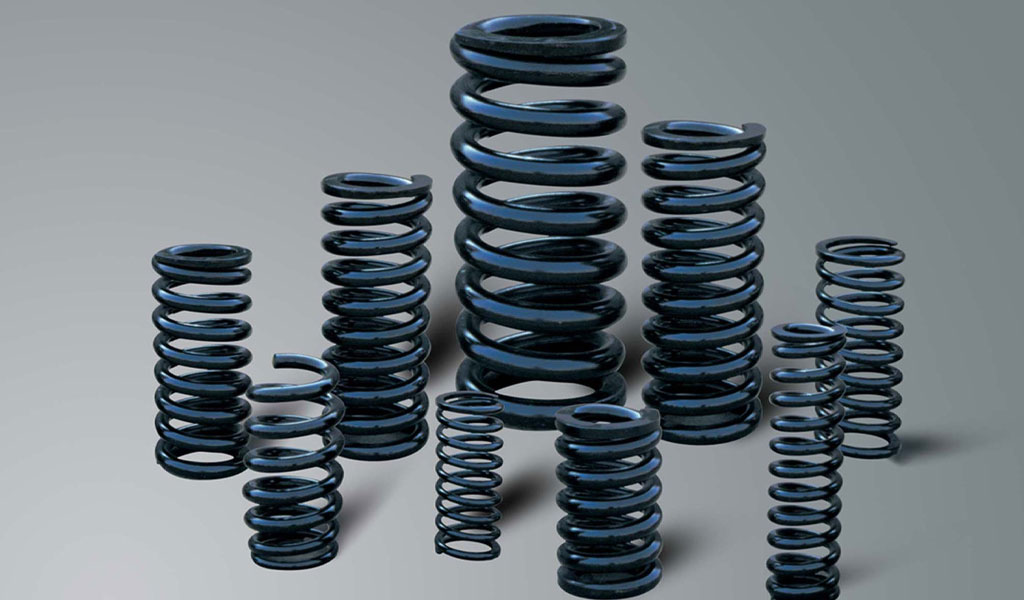
Springs are mechanical devices that store and release energy, absorb shock, and maintain force between contacting surfaces. The material selection for springs is crucial in determining their performance, lifespan, and suitability for various applications.
Spring materials are chosen based on several factors, including the spring’s application, the operating environment, the required lifespan, and the stress levels the spring will endure. The ideal spring material should exhibit high elasticity, excellent fatigue resistance, and appropriate tensile strength. Common spring materials include various steels, stainless steels, and non-ferrous alloys.
This article provides a comprehensive overview of spring material types, their properties, grades, uses, and guidance on selecting the best material for specific projects.
2. Carbon Steels
Carbon steels are among the most commonly used materials for spring manufacturing due to their high tensile strength, excellent formability, and cost-effectiveness. The properties of carbon steels can be enhanced through various heat treatments, making them suitable for a wide range of applications.
Properties of Carbon Steels
Carbon steels used in spring manufacturing typically contain 0.5% to 1.0% carbon, with the remainder being iron and small amounts of other elements. Increasing the carbon content enhances the steel’s hardness and strength but reduces its ductility and toughness. Key properties of carbon steels include:
- High tensile strength: Carbon steels exhibit high tensile strength, making them suitable for applications requiring significant load-bearing capabilities.
- Good formability: Carbon steels can be easily formed into various shapes, making them ideal for manufacturing different types of springs.
- Excellent fatigue resistance: Carbon steels possess good fatigue resistance, ensuring a long lifespan for springs subjected to cyclic loading.
- Cost-effectiveness: Carbon steels are relatively inexpensive compared to other spring materials, making them an economical choice for large-scale production.
Grades of Carbon Steels
Several grades of carbon steels are used in spring manufacturing, with the most common being:
- SAE 1065: This grade contains 0.60% to 0.70% carbon and is widely used for manufacturing extension, compression, and torsion springs.
- SAE 1074: With a carbon content of 0.70% to 0.79%, this grade offers higher strength and hardness than SAE 1065 but has lower ductility.
- SAE 1085: This high-carbon steel grade contains 0.80% to 0.88% carbon and is used for applications requiring high strength and wear resistance.
Uses of Carbon Steels
Carbon steels are used in various industries for manufacturing different types of springs, such as:
- Automotive industry: Carbon steels are used to manufacture suspension springs, valve springs, and clutch springs.
- Aerospace industry: Carbon steel springs are used in aircraft landing gear, control systems, and engines.
- Consumer goods: Carbon steels are used to manufacture springs for mattresses, furniture, and toys.
3. Alloy Steels
Alloy steels are carbon steels with additional elements, such as chromium, nickel, molybdenum, and vanadium, added to enhance their mechanical properties, corrosion resistance, and heat treatability. Alloy steels are suitable for applications requiring high strength, toughness, and wear resistance.
Properties of Alloy Steels
The properties of alloy steels vary depending on their composition and heat treatment. However, some common properties include:
- High strength and toughness: Alloy steels exhibit high strength and toughness, making them suitable for applications requiring significant load-bearing capabilities and impact resistance.
- Improved fatigue resistance: Alloy steels possess better fatigue resistance than carbon steels, ensuring a longer lifespan for springs subjected to cyclic loading.
- Enhanced corrosion resistance: The addition of chromium and other elements improves the corrosion resistance of alloy steels, making them suitable for applications in harsh environments.
- Good heat treatability: Alloy steels can be heat-treated to achieve desired mechanical properties, such as high hardness and wear resistance.
Grades of Alloy Steels
Several grades of alloy steels are used in spring manufacturing, with the most common being:
- SAE 4140: This chromium-molybdenum steel grade is widely used for manufacturing high-strength springs, such as those used in aircraft landing gear and heavy-duty machinery.
- SAE 5160: This chromium steel grade is used for manufacturing springs requiring high strength, toughness, and wear resistance, such as those used in automotive suspensions and agricultural machinery.
- SAE 8650: This nickel-chromium-molybdenum steel grade is used for manufacturing springs requiring high strength, toughness, and fatigue resistance, such as those used in aerospace and defense applications.
Uses of Alloy Steels
Alloy steels are used in various industries for manufacturing different types of springs, such as:
- Aerospace industry: Alloy steel springs are used in aircraft engines, control systems, and landing gear.
- Automotive industry: Alloy steels are used to manufacture suspension springs, valve springs, and clutch springs for high-performance vehicles.
- Industrial machinery: Alloy steel springs are used in heavy-duty machinery, such as construction equipment, agricultural machinery, and mining equipment.
4. Stainless Steels
Stainless steels are alloy steels containing at least 10.5% chromium, which provides excellent corrosion resistance. Stainless steels are suitable for applications in harsh environments, where resistance to corrosion, oxidation, and staining is essential.
Properties of Stainless Steels
The properties of stainless steels vary depending on their composition and microstructure. However, some common properties include:
- Excellent corrosion resistance: The high chromium content in stainless steels provides excellent resistance to corrosion, oxidation, and staining.
- Good strength and toughness: Stainless steels exhibit good strength and toughness, making them suitable for applications requiring significant load-bearing capabilities and impact resistance.
- High fatigue resistance: Stainless steels possess good fatigue resistance, ensuring a long lifespan for springs subjected to cyclic loading.
- Non-magnetic properties: Some stainless steel grades, such as austenitic stainless steels, are non-magnetic, making them suitable for applications where magnetic properties are undesirable.
Grades of Stainless Steels
Several grades of stainless steels are used in spring manufacturing, with the most common being:
- AISI 302: This austenitic stainless steel grade is widely used for manufacturing springs requiring excellent corrosion resistance and non-magnetic properties, such as those used in food processing equipment and medical devices.
- AISI 316: This austenitic stainless steel grade contains molybdenum, which enhances its corrosion resistance in chloride environments. It is used for manufacturing springs for marine applications and chemical processing equipment.
- AISI 410: This martensitic stainless steel grade is used for manufacturing springs requiring high strength, wear resistance, and corrosion resistance, such as those used in aerospace and defense applications.
- AISI 430: This ferritic stainless steel grade is used for manufacturing springs requiring good corrosion resistance and magnetic properties, such as those used in electrical and electronic components.
Uses of Stainless Steels
Stainless steels are used in various industries for manufacturing different types of springs, such as:
- Food processing industry: Stainless steel springs are used in food processing equipment, where corrosion resistance and hygiene are essential.
- Medical industry: Stainless steel springs are used in medical devices, such as surgical instruments and implants, where biocompatibility and corrosion resistance are crucial.
- Marine industry: Stainless steel springs are used in marine applications, such as boat trailers, dock hardware, and marine engines, where resistance to corrosion in saltwater environments is essential.
- Chemical processing industry: Stainless steel springs are used in chemical processing equipment, where resistance to corrosive chemicals is necessary.
5. Non-Ferrous Alloys
Non-ferrous alloys are metals that do not contain iron as their primary constituent. These alloys are used in spring manufacturing for applications requiring specific properties, such as low density, high electrical conductivity, or excellent corrosion resistance.
Properties of Non-Ferrous Alloys
The properties of non-ferrous alloys vary depending on their composition and microstructure. However, some common properties include:
- Low density: Non-ferrous alloys, such as aluminum and titanium alloys, have a lower density than ferrous alloys, making them suitable for applications where weight savings are essential.
- High electrical conductivity: Non-ferrous alloys, such as copper and brass, have high electrical conductivity, making them suitable for electrical and electronic applications.
- Excellent corrosion resistance: Non-ferrous alloys, such as titanium and nickel-based alloys, possess excellent corrosion resistance, making them suitable for applications in harsh environments.
- Good strength-to-weight ratio: Non-ferrous alloys, such as aluminum and titanium alloys, have a good strength-to-weight ratio, making them suitable for applications where weight savings and high strength are essential.
Types of Non-Ferrous Alloys
Several types of non-ferrous alloys are used in spring manufacturing, with the most common being:
- Aluminum alloys: Aluminum alloys are lightweight, have good strength-to-weight ratios, and excellent corrosion resistance. They are used for manufacturing springs for aerospace, automotive, and consumer goods applications.
- Copper alloys: Copper alloys, such as brass and bronze, have high electrical conductivity, good corrosion resistance, and excellent formability. They are used for manufacturing springs for electrical, electronic, and marine applications.
- Titanium alloys: Titanium alloys have a low density, high strength-to-weight ratio, and excellent corrosion resistance. They are used for manufacturing springs for aerospace, defense, and medical applications.
- Nickel-based alloys: Nickel-based alloys, such as Inconel and Monel, have excellent corrosion resistance, high strength, and good fatigue resistance. They are used for manufacturing springs for chemical processing, marine, and aerospace applications.
Uses of Non-Ferrous Alloys
Non-ferrous alloys are used in various industries for manufacturing different types of springs, such as:
- Aerospace industry: Non-ferrous alloy springs, such as those made from titanium and aluminum alloys, are used in aircraft engines, control systems, and landing gear, where weight savings and high strength are essential.
- Automotive industry: Non-ferrous alloy springs, such as those made from aluminum alloys, are used in suspension systems, valve springs, and clutch springs for high-performance vehicles.
- Electrical and electronic industry: Non-ferrous alloy springs, such as those made from copper alloys, are used in electrical contacts, switches, and relays, where high electrical conductivity is essential.
- Marine industry: Non-ferrous alloy springs, such as those made from copper alloys and nickel-based alloys, are used in marine applications, where resistance to corrosion in saltwater environments is essential.
6. Selection of Spring Materials for Specific Projects
Selecting the appropriate spring material for a specific project involves considering several factors, including the spring’s application, the operating environment, the required lifespan, and the stress levels the spring will endure. The following guidelines can help in selecting the best spring material for a given project:
Application and Operating Environment
- For applications in harsh environments, such as those involving exposure to corrosive chemicals, saltwater, or high temperatures, stainless steels or non-ferrous alloys with excellent corrosion resistance are suitable.
- For applications requiring high strength and wear resistance, such as those in aerospace, defense, or heavy-duty machinery, alloy steels or titanium alloys are appropriate.
- For applications where weight savings are essential, such as those in aerospace or automotive industries, aluminum or titanium alloys are suitable.
- For applications requiring high electrical conductivity, such as those in electrical and electronic industries, copper alloys are appropriate.
Required Lifespan and Fatigue Resistance
- For applications requiring a long lifespan and high fatigue resistance, such as those in aerospace, defense, or heavy-duty machinery, alloy steels, stainless steels, or titanium alloys are suitable.
- For applications with moderate lifespan requirements, such as those in consumer goods or automotive industries, carbon steels or lower-grade alloy steels are appropriate.
Stress Levels and Load-Bearing Capabilities
- For applications involving high stress levels and significant load-bearing capabilities, such as those in aerospace, defense, or heavy-duty machinery, high-strength alloy steels, stainless steels, or titanium alloys are suitable.
- For applications involving moderate stress levels, such as those in consumer goods or automotive industries, carbon steels or lower-grade alloy steels are appropriate.
Cost Considerations
- For applications where cost is a primary concern, such as those in consumer goods or large-scale production, carbon steels or lower-grade alloy steels are suitable.
- For applications where performance and reliability are critical, and cost is a secondary concern, such as those in aerospace, defense, or medical industries, high-performance alloy steels, stainless steels, or non-ferrous alloys are appropriate.
7. Conclusion
The selection of spring materials plays a crucial role in determining the performance, lifespan, and suitability of springs for various applications. Carbon steels, alloy steels, stainless steels, and non-ferrous alloys are commonly used spring materials, each with unique properties, grades, and uses. By considering factors such as the spring’s application, operating environment, required lifespan, and stress levels, engineers and designers can select the best spring material for their specific projects.
To ensure the accuracy and reliability of the information presented in this article, various sources were consulted, including:
- American Society for Testing and Materials (ASTM) standards for spring materials
- Society of Automotive Engineers (SAE) standards for steel grades
- American Iron and Steel Institute (AISI) standards for stainless steel grades
- Technical data sheets and product information from spring material manufacturers
- Research papers and articles on spring material properties, uses, and selection criteria
By adhering to these guidelines and considering the relevant factors, engineers and designers can make informed decisions when selecting spring materials for their projects, ensuring optimal performance, reliability, and cost-effectiveness.

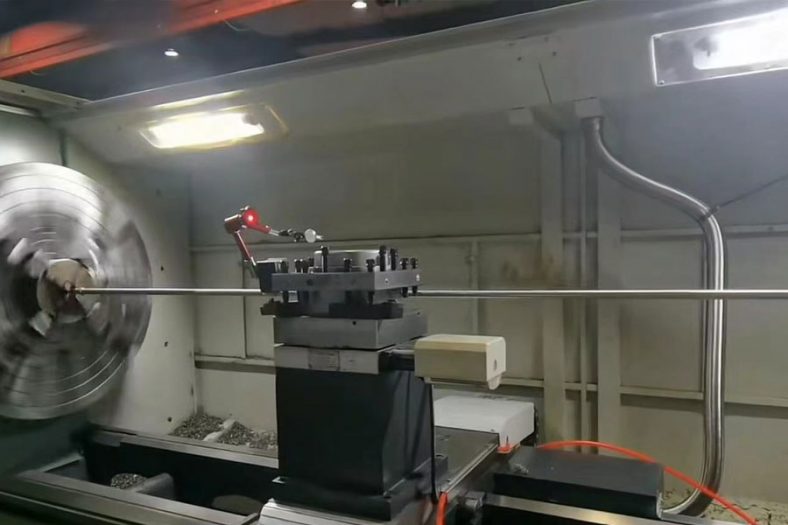
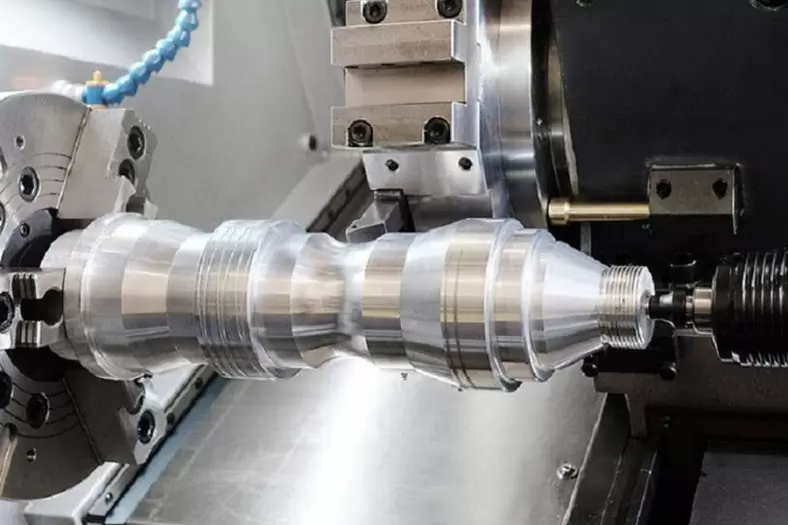
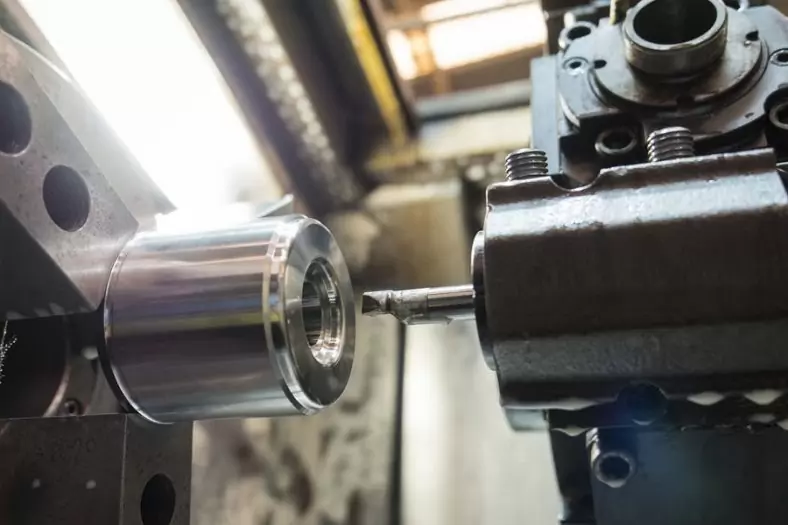
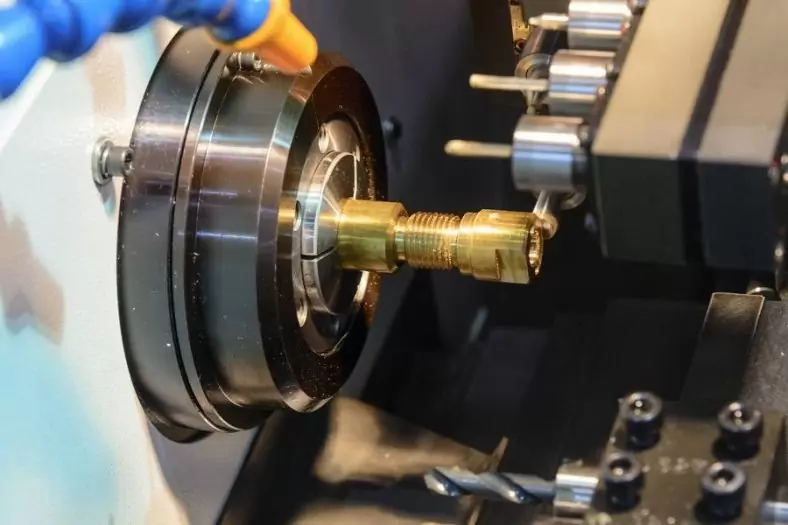

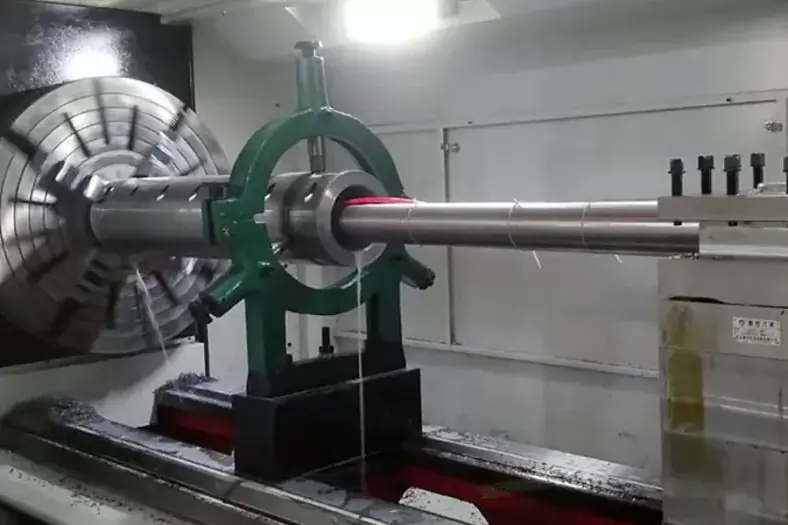
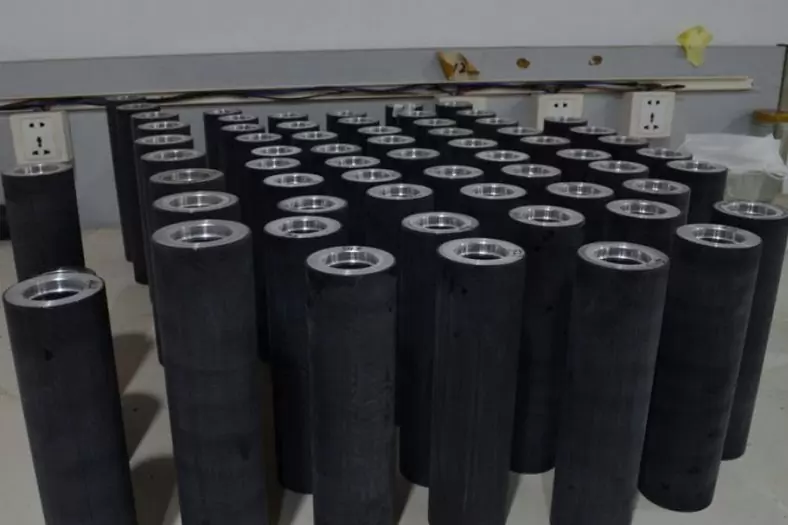
The Detail Of BE-CU Cnc Turning Company
Be-cu.com is an experienced precision CNC turning services supplier, manufacturer, exporter in China, has been specialized in offering best OEM CNC lathe services for superior quality low cost CNC turning parts, CNC lathe parts or high precision machined components with the operation of an impressive range of state-of-the-art turning machines, such as washers, bolts, shafts, rivets, spacers, sleeves, nipples, stainless steel fittings, pipe fittings, light fittings, wheel studs, etc. Our advanced CNC turning center routinely works with a wide variety of materials, ranging from copper, brass, stainless steel, carbon steel, aluminum, and titanium. We can always choose a suitable precision turning process to reach your requirements. Our custom cnc machining services ensure that our customers receive the highest quality CNC turned parts.
-
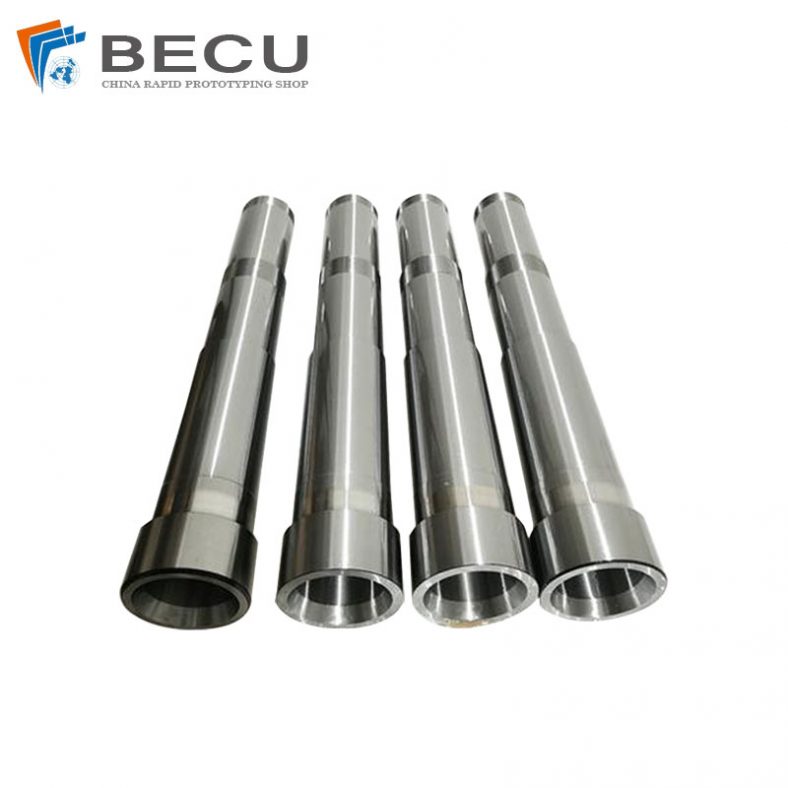
Restoration of Petroleum Splined Shafts through Supersonic Thermal Spray Coating
-

Large CNC Turning Inconel 625 Automobile Engine Camshafts
-
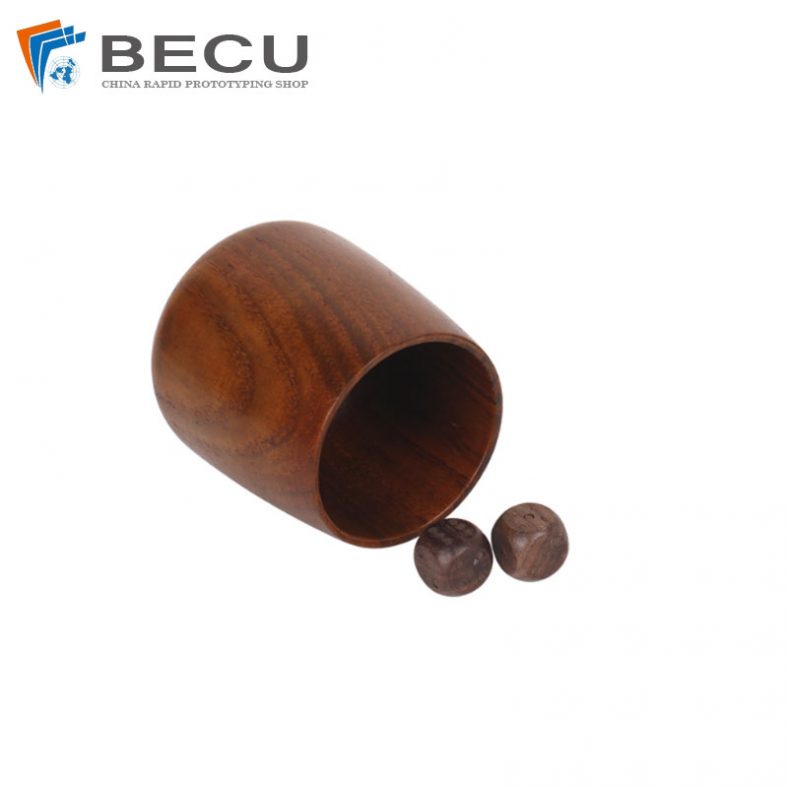
Precision Turning Solid Wood Dice
-

Custom Wood Chess Board, Sets And Pieces
-
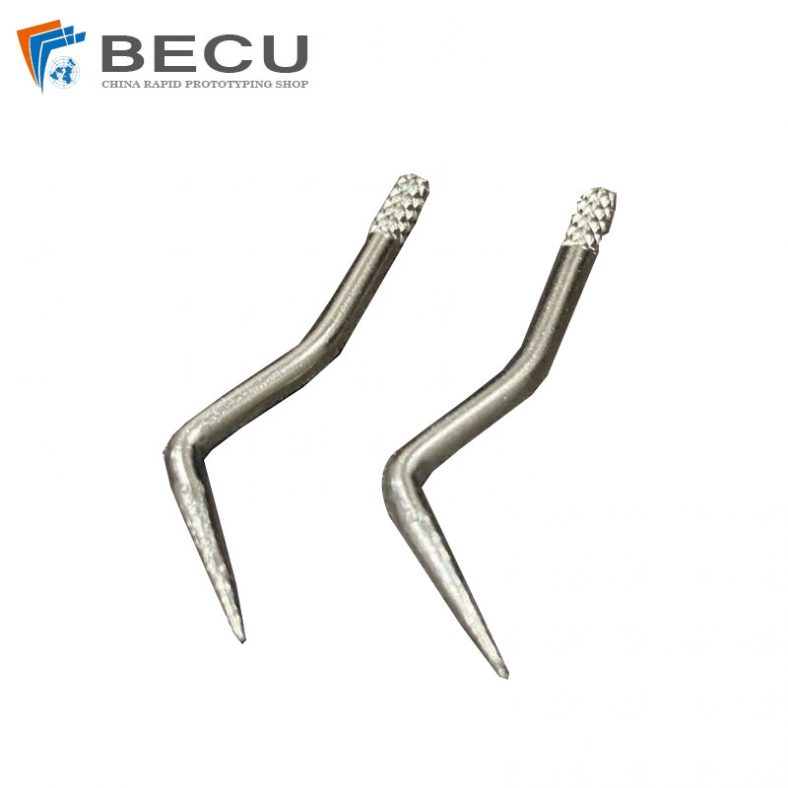
Swiss Machining And Bending 304 Hand Sewing Needle For Textile Machinery
-
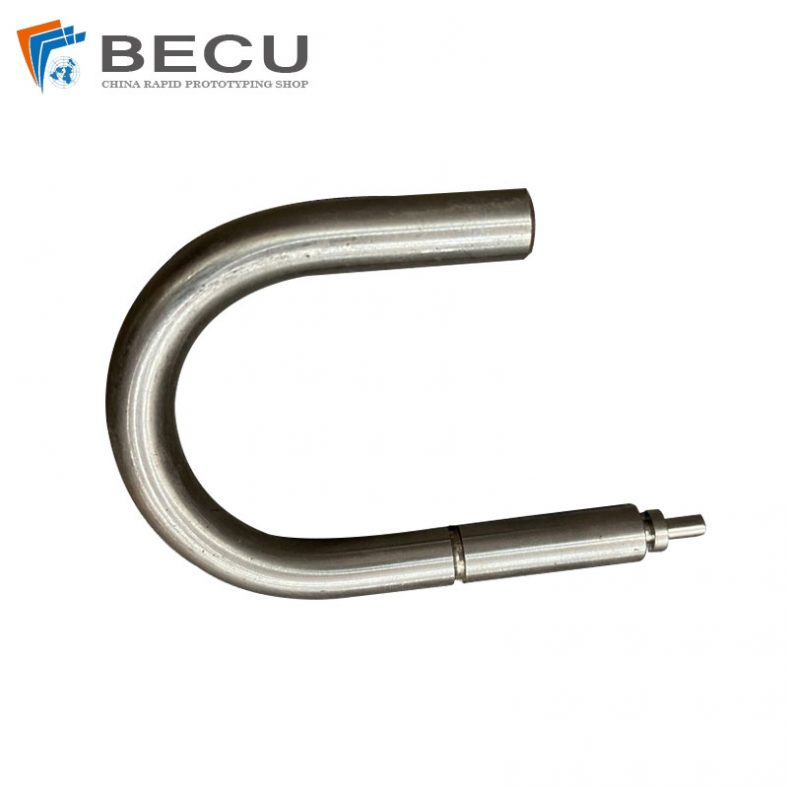
Automatic Swiss Turning Stainless Steel 316L U-bolt
-
4 Axis CNC Machining Titanium Grade 5 Mobile Phone Buttons
-
Precision Turning 20° Acrylic Downlight Reflector