
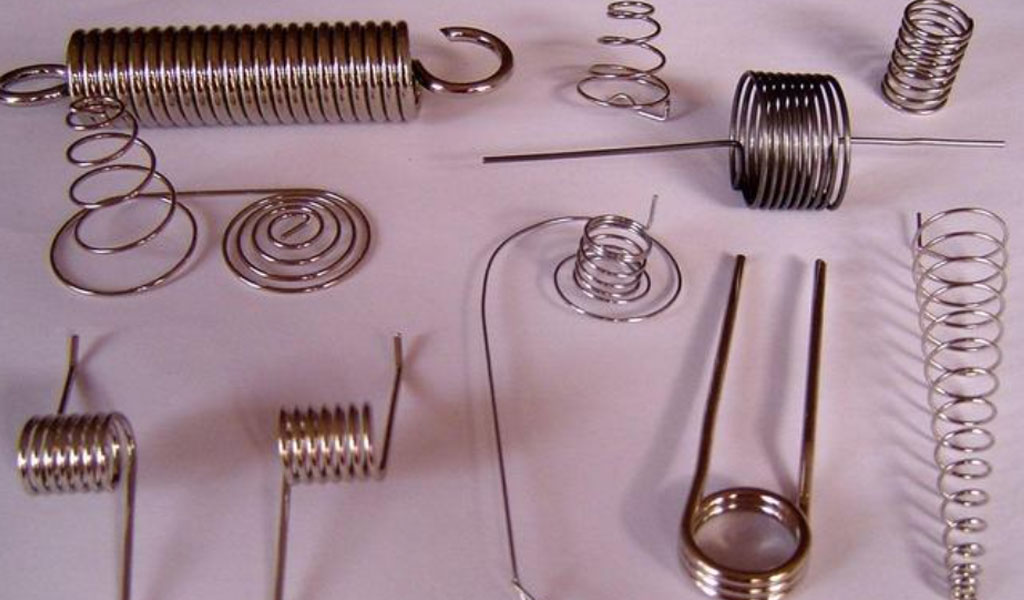
Spring stiffness, often denoted by the variable k, is a measure of the resistance offered by a spring to deflection or deformation. It is an essential parameter in the design and analysis of mechanical systems, particularly those involving elastic members such as springs.
The concept of spring stiffness is fundamental in various engineering disciplines, including mechanical engineering, civil engineering, and aerospace engineering. This article provides an in-depth exploration of the spring stiffness formula and the calculation of the spring constant, delving into the theoretical foundations, practical applications, and mathematical derivations.
The study of spring stiffness dates back to the early developments in mechanics and material science. Robert Hooke, a 17th-century English physicist, is often credited with the formulation of Hooke’s Law, which states that the force exerted by a spring is directly proportional to the displacement or deformation of the spring from its equilibrium position. This law laid the groundwork for understanding the behavior of elastic materials and is pivotal in the calculation of spring stiffness.
Theoretical Foundations
Hooke’s Law is the cornerstone of spring stiffness calculations. Mathematically, it is expressed as:
F=−kx
F is the force exerted by the spring,
k is the spring constant or stiffness,
x is the displacement from the equilibrium position.
The negative sign indicates that the force exerted by the spring is in the opposite direction to the displacement, ensuring that the spring returns to its equilibrium position when the external force is removed.
Spring Constant (k)
The spring constant k is a measure of the stiffness of the spring. It is defined as the ratio of the force applied to the spring to the resulting displacement:
k=F/x
The units of k are typically given in newtons per meter (N/m) in the International System of Units (SI). The spring constant is a material property that depends on the geometry and material of the spring.
Types of Springs
Springs come in various forms, each with its unique stiffness characteristics. The most common types include:
- Helical Springs: These are coiled springs that can be either compression or extension types. The stiffness of a helical spring is influenced by factors such as the wire diameter, coil diameter, and the number of active coils.
- Leaf Springs: These are flat, arc-shaped springs commonly used in automotive suspensions. Their stiffness is determined by the material properties, thickness, and length of the leaf.
- Torsion Springs: These springs exert a torque or rotational force and are used in applications requiring angular movement. The stiffness of a torsion spring is influenced by the wire diameter, coil diameter, and the number of active coils.
Mathematical Derivations
Helical Springs
For a helical spring, the spring constant �k can be derived using the following formula:
k=Gd4/8D3N
G is the shear modulus of the material,
d is the wire diameter,
D is the mean coil diameter,
N is the number of active coils.
The shear modulus G is a material property that describes the material’s resistance to shear deformation. It is related to Young’s modulus E and Poisson’s ratio ν by the equation:
G=E/{2(1+ν)}
Leaf Springs
For a leaf spring, the spring constant �k can be approximated using the formula:
k=3EI/L3
E is Young’s modulus of the material,
I is the area moment of inertia of the cross-section,
L is the length of the leaf.
The area moment of inertia I for a rectangular cross-section is given by:
I=bh3/12
b is the width of the leaf,
ℎ is the thickness of the leaf.
Torsion Springs
For a torsion spring, the spring constant k is given by:
k=Ed4/64DN
where the variables are the same as defined for helical springs.
Practical Applications
Automotive Suspensions
In automotive engineering, springs are crucial components of the suspension system. They absorb and dissipate the energy from road irregularities, providing a smooth ride and maintaining vehicle stability. The stiffness of the springs is carefully designed to balance comfort and handling. Leaf springs and helical springs are commonly used in automotive suspensions, with their stiffness tailored to the specific requirements of the vehicle.
Aerospace Engineering
In aerospace engineering, springs are used in landing gear, control surfaces, and other critical systems. The stiffness of these springs is designed to withstand the extreme conditions of flight, including high loads, vibrations, and temperature variations. The calculation of the spring constant in these applications requires precise material selection and geometric design.
Mechanical Systems
Springs are integral to various mechanical systems, including machinery, tools, and consumer products. Their stiffness is optimized to ensure reliable operation and longevity. For example, in mechanical watches, the stiffness of the mainspring determines the watch’s power reserve and accuracy.
Civil Engineering
In civil engineering, springs are used in structural systems to absorb and dissipate energy from dynamic loads, such as earthquakes and wind. The stiffness of these springs is designed to enhance the structural integrity and safety of buildings and infrastructure.
Experimental Methods
Static Testing
Static testing involves applying a known force to a spring and measuring the resulting displacement. The spring constant k can then be calculated using Hooke’s Law. This method is straightforward and provides accurate results for linear springs. However, it may not capture the nonlinear behavior of some springs under large deformations.
Dynamic Testing
Dynamic testing involves subjecting the spring to oscillatory motion and measuring the natural frequency of vibration. The spring constant k can be determined from the natural frequency f using the formula:
k=4π2mf2
where m is the mass attached to the spring. This method is particularly useful for springs that exhibit nonlinear behavior or are used in dynamic applications.
Finite Element Analysis (FEA)
Finite Element Analysis (FEA) is a computational method used to simulate the behavior of springs under various loading conditions. FEA software can model the geometry and material properties of the spring, allowing for the calculation of the spring constant and the analysis of stress distributions. This method is valuable for complex spring designs and nonlinear materials.
Material Considerations
The material properties of the spring significantly influence its stiffness. Common materials used for springs include:
- Steel: High-carbon and alloy steels are widely used for their high strength and elasticity. The shear modulus G and Young’s modulus E of steel are well-documented, making it a reliable material for spring design.
- Titanium: Titanium alloys are used in applications requiring high strength-to-weight ratios and corrosion resistance. Their material properties make them suitable for aerospace and medical applications.
- Plastics: Engineering plastics are used in applications where weight reduction and cost-effectiveness are priorities. Their material properties, including shear modulus and Young’s modulus, vary widely depending on the specific polymer and additives.
Design Considerations
Fatigue Life
The fatigue life of a spring is a critical design consideration, especially in applications involving cyclic loading. Fatigue failure occurs when the spring experiences repeated stress cycles, leading to crack initiation and propagation. The stiffness of the spring can degrade over time due to fatigue, affecting its performance and reliability.
Stress Concentrations
Stress concentrations occur at points of geometric discontinuity, such as sharp corners or notches. These concentrations can lead to localized stresses that exceed the material’s yield strength, resulting in plastic deformation or failure. Designing springs with smooth transitions and avoiding sharp corners can mitigate stress concentrations and enhance durability.
Temperature Effects
Temperature variations can affect the material properties of the spring, including its stiffness. High temperatures can cause thermal expansion and softening of the material, reducing the spring’s stiffness. Conversely, low temperatures can cause contraction and embrittlement, increasing the stiffness but also the risk of brittle fracture.
Corrosion Resistance
Corrosion can degrade the material properties of the spring, reducing its stiffness and longevity. Selecting corrosion-resistant materials or applying protective coatings can enhance the spring’s performance in corrosive environments.
Manufacturing Processes
The manufacturing process of springs significantly influences their stiffness and overall performance. Common manufacturing processes include:
- Cold Forming: This process involves shaping the spring at room temperature, preserving the material’s elastic properties. Cold forming is suitable for high-volume production and ensures consistent spring stiffness.
- Hot Forming: This process involves heating the material to facilitate forming. Hot forming is used for complex geometries and materials that are difficult to cold form. However, it may alter the material’s microstructure, affecting its stiffness.
- Machining: Machining involves removing material to achieve the desired spring geometry. This process is precise but can introduce stress concentrations and surface defects that affect the spring’s stiffness and fatigue life.
Quality Control
Quality control is essential in ensuring the consistency and reliability of spring stiffness. Common quality control measures include:
- Dimensional Inspection: Ensuring that the spring’s dimensions, such as wire diameter, coil diameter, and length, conform to the design specifications.
- Material Testing: Verifying the material properties, including shear modulus and Young’s modulus, through destructive and non-destructive testing methods.
- Performance Testing: Conducting static and dynamic tests to measure the spring’s stiffness and ensure it meets the required performance criteria.
Case Studies
Automotive Suspension Spring Design
In the design of an automotive suspension spring, the stiffness is optimized to balance ride comfort and handling. The spring constant k is calculated based on the vehicle’s weight, desired natural frequency, and suspension travel. Material selection focuses on high-strength steels with excellent fatigue resistance. Finite Element Analysis (FEA) is used to simulate the spring’s behavior under various loading conditions, ensuring it meets performance and durability requirements.
Aerospace Landing Gear Spring
In the design of an aerospace landing gear spring, the stiffness is tailored to absorb the impact of landing and dissipate energy effectively. The spring constant k is calculated considering the aircraft’s weight, landing speed, and runway conditions. Titanium alloys are often used for their high strength-to-weight ratio and corrosion resistance. Dynamic testing and FEA are employed to validate the spring’s performance and ensure it withstands the extreme conditions of flight.
Civil Engineering Seismic Isolation Spring
In the design of a seismic isolation spring for civil engineering applications, the stiffness is optimized to absorb and dissipate energy from earthquakes, enhancing structural integrity and safety. The spring constant k is calculated based on the building’s weight, natural frequency, and seismic design criteria. Material selection focuses on high-strength steels with excellent fatigue resistance and corrosion protection. Static and dynamic testing are conducted to ensure the spring’s performance and reliability under seismic loading.
Conclusion
Spring stiffness is a fundamental parameter in the design and analysis of mechanical systems. The calculation of the spring constant k involves a deep understanding of material properties, geometric design, and loading conditions. Hooke’s Law provides the theoretical foundation for spring stiffness, while practical applications and experimental methods offer insights into the behavior of springs in real-world scenarios.
The future of spring design lies in the integration of advanced materials, additive manufacturing, simulation tools, and sustainability considerations. These developments promise to enhance the performance, functionality, and environmental impact of springs, driving innovation in various engineering disciplines.
As research and technology continue to advance, the understanding and application of spring stiffness will evolve, paving the way for new possibilities in mechanical engineering, civil engineering, aerospace engineering, and beyond. The interdisciplinary nature of spring design and analysis underscores the importance of collaboration and innovation in addressing the challenges and opportunities of the future. Future Trends :
- Advanced Materials:The development of advanced materials, such as composites and smart materials, offers new possibilities for spring design. Composites provide high strength-to-weight ratios and tailored material properties, enhancing spring stiffness and performance. Smart materials, such as shape memory alloys and piezoelectric materials, offer adaptive stiffness and active control capabilities, expanding the applications of springs in dynamic systems.
- Additive Manufacturing : Additive manufacturing, or 3D printing, enables the production of complex spring geometries that are difficult or impossible to achieve with traditional manufacturing methods. This technology allows for the optimization of spring stiffness through intricate designs and the integration of multiple materials, enhancing performance and functionality.
- Simulation and Optimization : Advances in computational methods, such as Finite Element Analysis (FEA) and topology optimization, enable the simulation and optimization of spring designs with unprecedented accuracy. These tools allow engineers to explore a wide range of design parameters, including stiffness, and identify optimal solutions that meet performance and cost requirements.
- Sustainability : The growing emphasis on sustainability is driving the development of eco-friendly spring materials and manufacturing processes. Recycled and biodegradable materials, as well as energy-efficient manufacturing methods, are being explored to reduce the environmental impact of spring production and disposal.

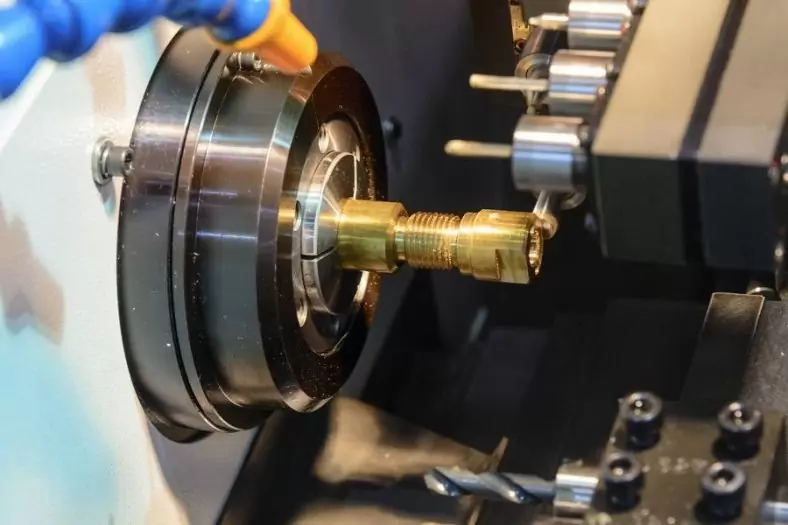
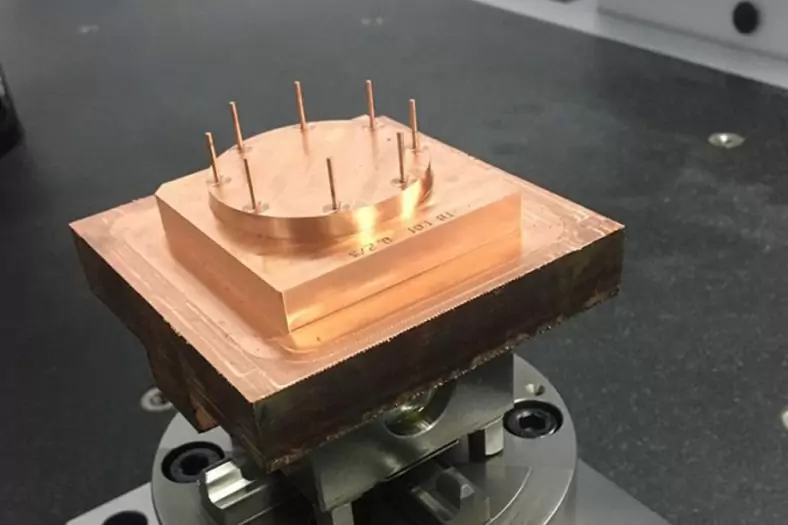
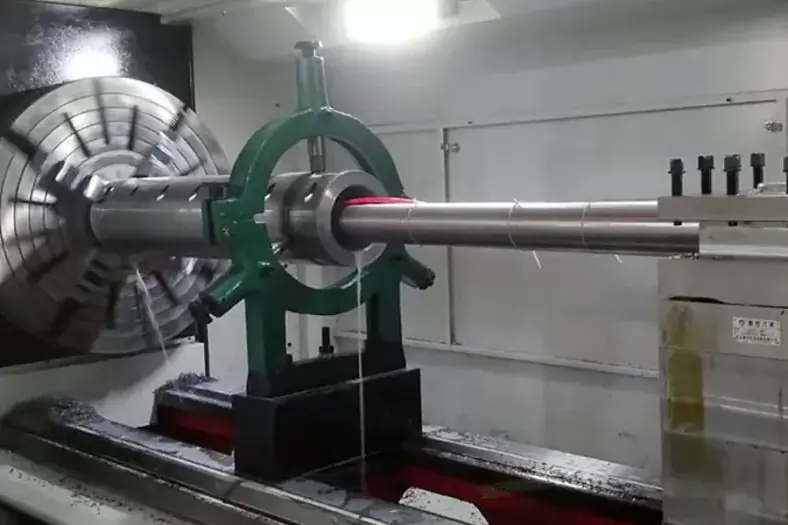
The Detail Of BE-CU Cnc Turning Company
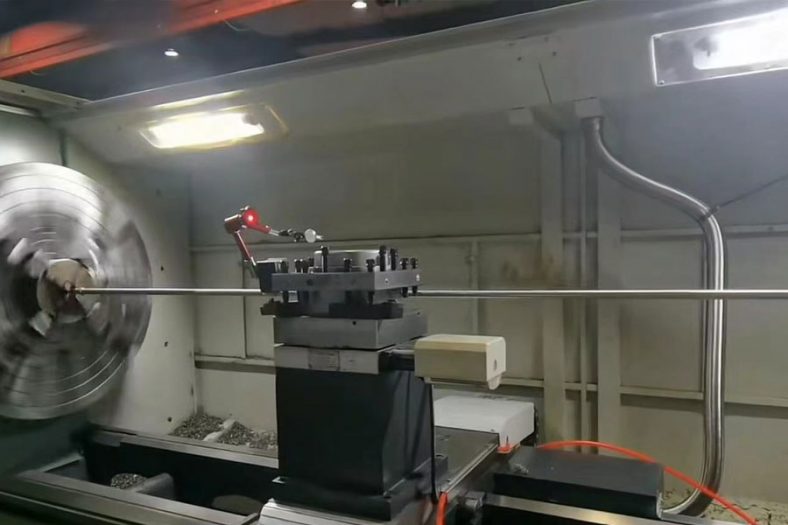
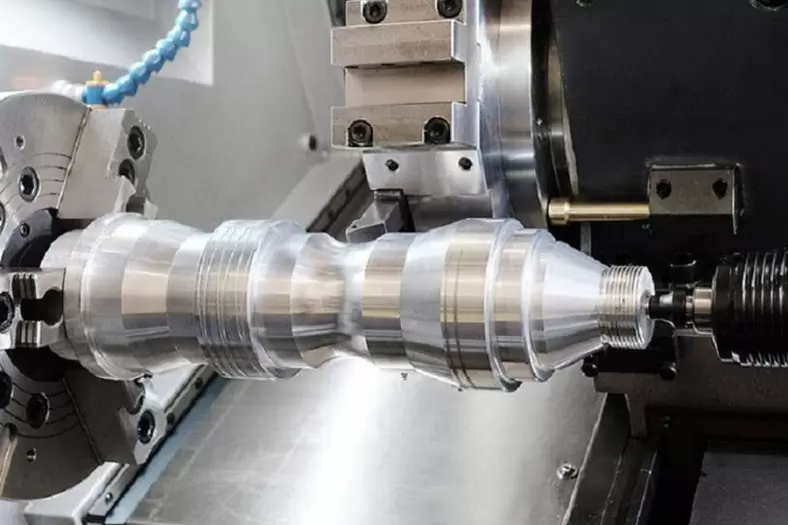
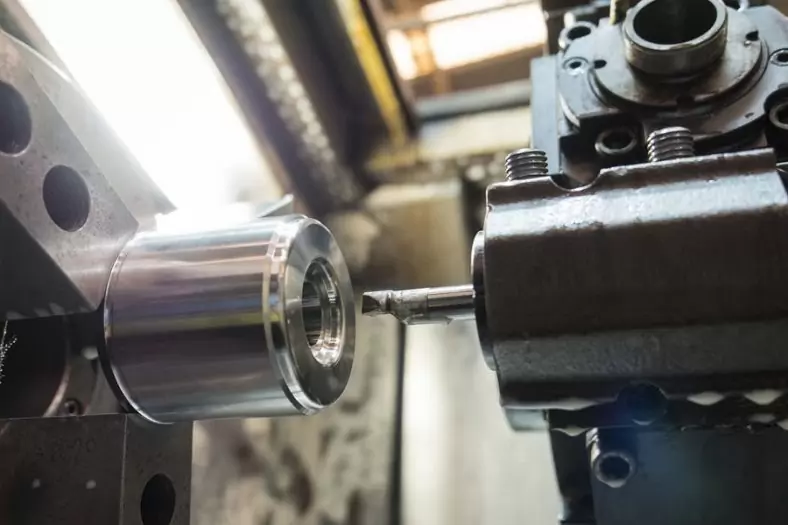
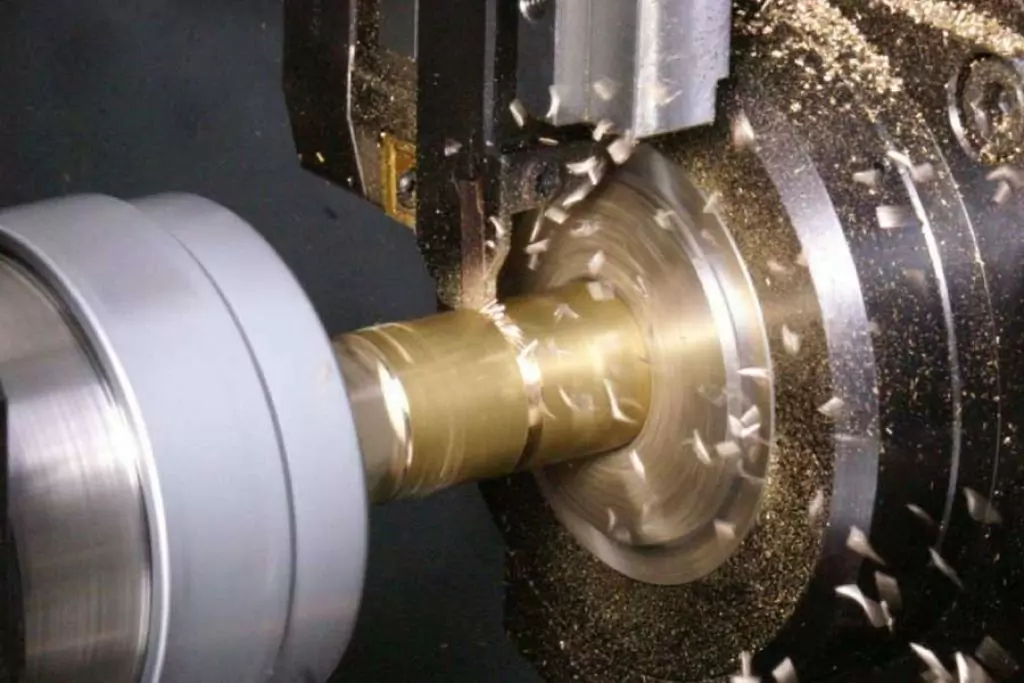
Be-cu.com is an experienced precision CNC turning services supplier, manufacturer, exporter in China, has been specialized in offering best OEM CNC lathe services for superior quality low cost CNC turning parts, CNC lathe parts or high precision machined components with the operation of an impressive range of state-of-the-art turning machines, such as washers, bolts, shafts, rivets, spacers, sleeves, nipples, stainless steel fittings, pipe fittings, light fittings, wheel studs, etc. Our advanced CNC turning center routinely works with a wide variety of materials, ranging from copper, brass, stainless steel, carbon steel, aluminum, and titanium. We can always choose a suitable precision turning process to reach your requirements. Our custom cnc machining services ensure that our customers receive the highest quality CNC turned parts.
-
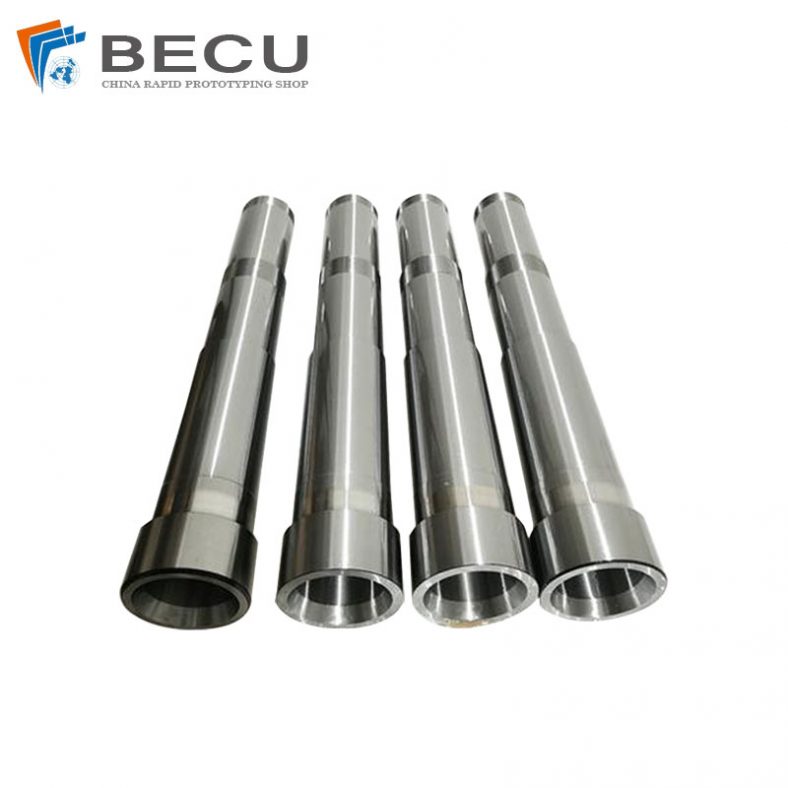
Restoration of Petroleum Splined Shafts through Supersonic Thermal Spray Coating
-

Large CNC Turning Inconel 625 Automobile Engine Camshafts
-
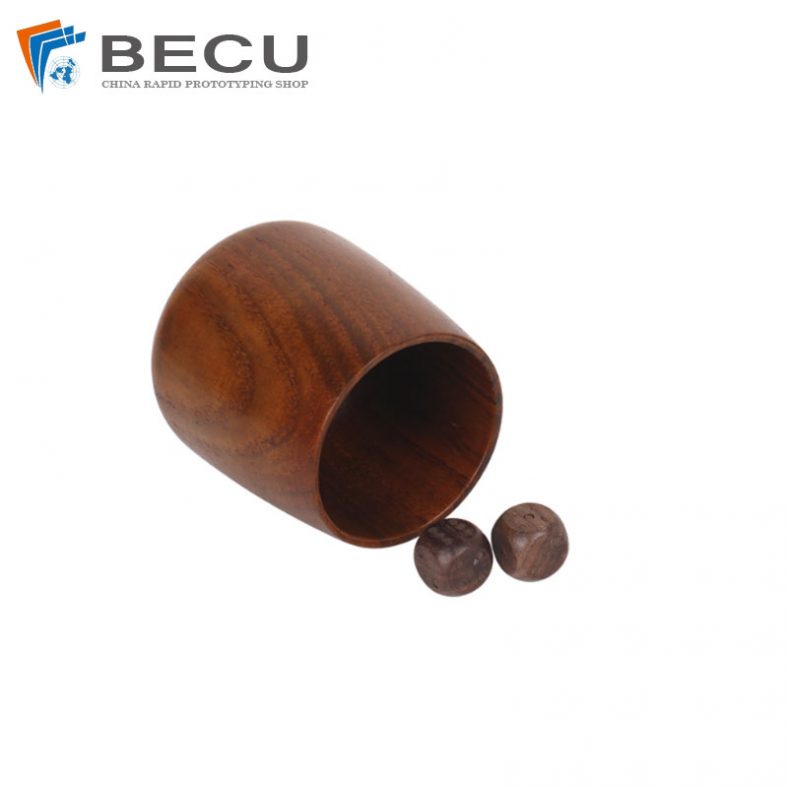
Precision Turning Solid Wood Dice
-

Custom Wood Chess Board, Sets And Pieces
-
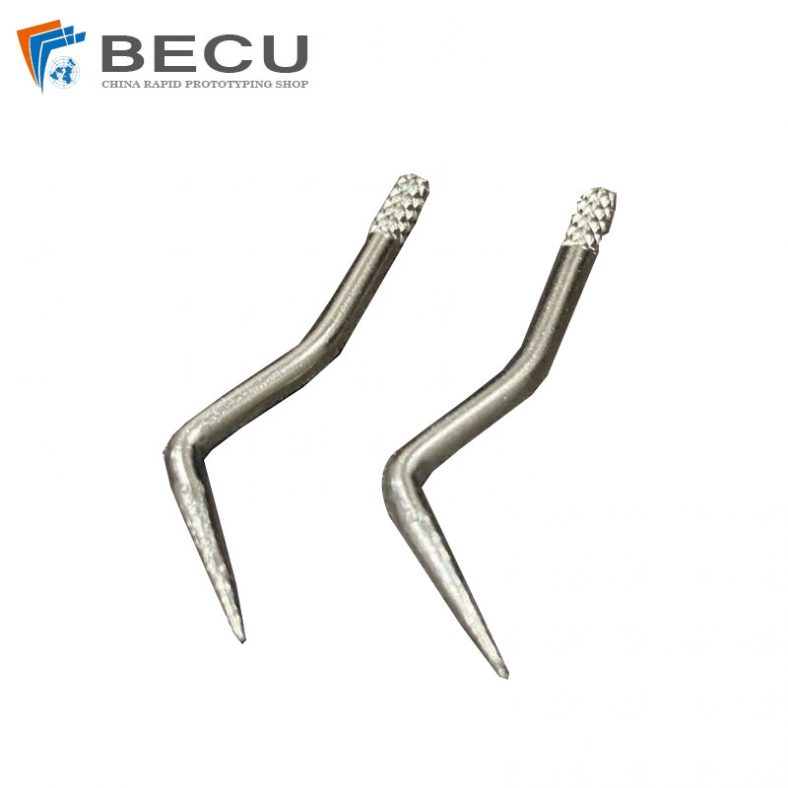
Swiss Machining And Bending 304 Hand Sewing Needle For Textile Machinery
-
Automatic Swiss Turning Stainless Steel 316L U-bolt
-
4 Axis CNC Machining Titanium Grade 5 Mobile Phone Buttons
-
Precision Turning 20° Acrylic Downlight Reflector