Wheel forming, a critical process in manufacturing, involves shaping materials into circular components used in vehicles, machinery, and various industrial applications. The wheel, one of humanity’s most transformative inventions, has evolved from simple wooden disks to complex assemblies incorporating advanced materials and precision engineering. This article explores the history, techniques, materials, mechanics, and modern advancements in wheel forming, providing a comprehensive overview of its scientific and industrial significance. Detailed comparisons of methods, materials, and performance metrics are presented to elucidate the complexities of this field.
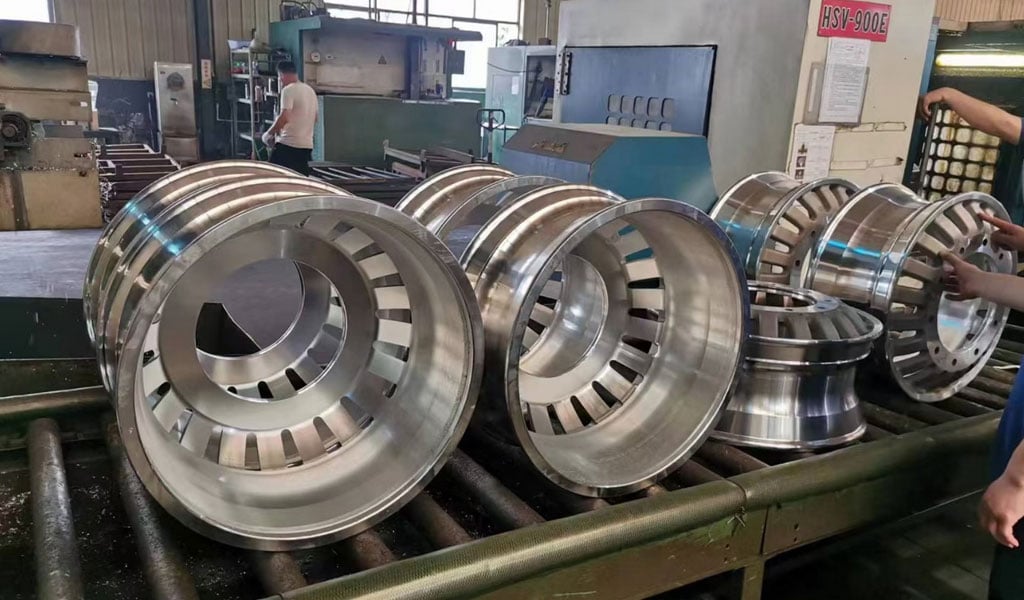
What Is Wheel Forming
The invention of the wheel, dating back to approximately 3500 BCE in Mesopotamia, marked a pivotal moment in human history. Early wheels were solid wooden disks, often carved from tree trunks or assembled from planks. Archaeological evidence, such as the Ljubljana Marshes Wheel from Slovenia (circa 3150 BCE), suggests that early wheels were used for carts and pottery. These rudimentary designs laid the foundation for wheel forming as a craft, with artisans refining techniques over millennia to improve durability and functionality.
By the Bronze Age, spoked wheels emerged, reducing weight and improving efficiency. The chariots of ancient Egypt and Mesopotamia utilized spoked wheels, which required precise forming techniques to balance strength and lightness. The Industrial Revolution introduced mechanized wheel production, with iron and steel replacing wood in many applications. Today, wheel forming encompasses a range of sophisticated processes, from forging and casting to advanced composite molding, driven by the demands of automotive, aerospace, and industrial sectors.
The evolution of wheel forming reflects broader technological advancements. While early wheels were shaped by hand tools, modern methods employ computer-aided design (CAD), finite element analysis (FEA), and automated machinery. This progression underscores the interplay between material science, engineering, and manufacturing innovation, which continues to shape the field.
Fundamental Principles of Wheel Forming
Wheel forming involves transforming raw materials into circular components with specific mechanical properties, such as strength, stiffness, and fatigue resistance.
The process must account for the wheel’s role as a load-bearing element subjected to dynamic forces, including radial, axial, and torsional loads. The primary goals of wheel forming are to achieve dimensional accuracy, optimize material properties, and ensure reliability under operational conditions.
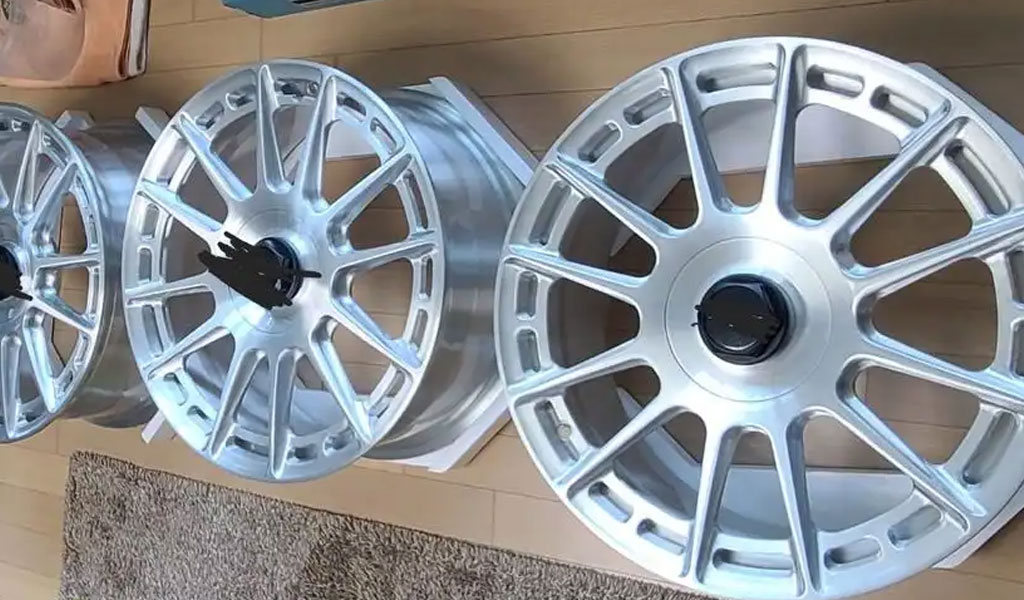
Mechanics of Wheel Forming
The mechanics of wheel forming are governed by principles of material deformation, stress distribution, and structural integrity. Wheels are subjected to complex loading conditions, including static weight, dynamic impacts, and cyclic stresses from rotation. The forming process must produce a component that can withstand these forces without excessive deformation or failure.
Key mechanical considerations include:
- Stress and Strain: During forming, materials undergo plastic deformation, where stress exceeds the yield strength, causing permanent shape change. The stress distribution within the wheel must be uniform to prevent localized weaknesses.
- Fatigue Resistance: Wheels experience cyclic loading, making fatigue a critical concern. Forming processes must minimize defects, such as micro-cracks or inclusions, that could initiate fatigue failure.
- Material Anisotropy: Many materials, such as rolled steel or forged aluminum, exhibit anisotropic properties, where mechanical behavior varies with direction. Forming processes must align material grains to optimize strength in critical areas.
Finite element analysis is widely used to model wheel forming, simulating stress fields and predicting failure modes. For example, a study on lightweight wheel design using alloy materials employed FEA to optimize rim geometry, reducing weight while maintaining structural integrity.
Types of Wheel Forming Processes
Wheel forming encompasses a variety of techniques, each suited to specific materials, applications, and performance requirements. The choice of process depends on factors such as production volume, cost, material properties, and desired mechanical characteristics. Below, we explore the primary methods of wheel forming, their principles, and their applications.
Forging
Forging involves shaping metal by applying compressive forces, typically using a hammer or press. In wheel forming, forging is used to produce high-strength components, such as automotive wheel rims and hubs, due to its ability to refine grain structure and enhance mechanical properties.
- Process Description: A heated metal billet (typically aluminum, steel, or titanium) is placed in a die and subjected to high-pressure deformation. The die shapes the material into a wheel blank, which is then machined to final dimensions. Forging can be hot (above recrystallization temperature) or cold (below recrystallization temperature), with hot forging being more common for wheels due to lower forming forces.
- Advantages:
- Superior strength and fatigue resistance due to grain refinement.
- Ability to produce complex geometries with high precision.
- Reduced material waste compared to casting.
- Disadvantages:
- High initial tooling costs, making it less economical for low-volume production.
- Limited to metals with good forgeability, such as aluminum and steel.
- Applications: Forged wheels are widely used in high-performance vehicles (e.g., sports cars, racing vehicles) and aerospace components, where strength-to-weight ratio is critical.
A notable example is the use of forged aluminum wheels in Formula 1 racing, where weight reduction and durability are paramount. Forging aligns the grain structure to follow the wheel’s contours, enhancing resistance to crack propagation under high-speed conditions.
Casting
Casting involves pouring molten metal into a mold, allowing it to solidify into the desired shape. It is one of the most common methods for producing wheels, particularly for mass-market vehicles, due to its cost-effectiveness and versatility.
- Process Description: Molten metal (typically aluminum or magnesium) is poured into a mold, which may be made of sand, metal, or ceramic. Common casting methods for wheels include gravity casting, low-pressure die casting, and high-pressure die casting. After solidification, the wheel is removed from the mold and machined to achieve final dimensions and surface finish.
- Advantages:
- Cost-effective for high-volume production.
- Ability to produce intricate designs, such as spoked wheels with aesthetic patterns.
- Suitable for a wide range of alloys, including lightweight magnesium.
- Disadvantages:
- Potential for porosity and inclusions, which can reduce strength.
- Lower fatigue resistance compared to forged wheels due to less refined grain structure.
- Applications: Cast aluminum wheels are standard in passenger vehicles, offering a balance of cost, weight, and performance. Magnesium cast wheels are used in premium vehicles for further weight reduction.
Low-pressure die casting is particularly popular for automotive wheels, as it minimizes porosity by filling the mold under controlled pressure, improving mechanical properties.
Flow Forming
Flow forming, also known as spin forming or rotary forging, is a hybrid process combining forging and spinning to produce lightweight, high-strength wheels. It is increasingly used in the automotive industry for premium and performance vehicles.
- Process Description: A pre-formed metal blank (typically a cast or forged disk) is mounted on a rotating mandrel. Rollers apply localized pressure to the blank, stretching and thinning the material while shaping it into a rim. The process refines the grain structure, enhancing strength in the rim area, which experiences the highest stresses.
- Advantages:
- Combines the strength of forging with the cost-effectiveness of casting.
- Produces lightweight wheels with excellent fatigue resistance.
- Allows for precise control of rim thickness and geometry.
- Disadvantages:
- Limited to rotationally symmetric components, such as wheel rims.
- Requires specialized equipment and skilled operators.
- Applications: Flow-formed wheels are used in performance vehicles, such as BMW M series and Porsche 911, where weight savings and durability are critical.
Flow forming has gained popularity due to its ability to produce wheels with forged-like properties at a lower cost. For example, a flow-formed aluminum wheel can achieve a 20% weight reduction compared to a cast wheel of similar strength.
Rolling
Rolling involves passing metal through a series of rollers to form a continuous strip, which is then cut and shaped into a wheel rim. This process is commonly used for steel wheels, which are prevalent in heavy-duty vehicles and budget passenger cars.
- Process Description: A steel sheet is heated and passed through rollers to achieve the desired thickness and width. The strip is then coiled, cut into circular blanks, and formed into a rim using a series of bending and welding operations. The rim is typically welded to a central disk to complete the wheel.
- Advantages:
- Highly automated and cost-effective for mass production.
- Produces durable wheels suitable for heavy loads and harsh conditions.
- Minimal material waste due to continuous processing.
- Disadvantages:
- Limited design flexibility compared to casting or forging.
- Heavier than aluminum or magnesium wheels, reducing fuel efficiency.
- Applications: Steel rolled wheels are used in trucks, buses, and economy vehicles, where cost and durability outweigh weight considerations.
Steel wheels dominate the commercial vehicle market due to their robustness and low cost. However, their weight makes them less suitable for applications prioritizing fuel efficiency.
Additive Manufacturing
Additive manufacturing (AM), or 3D printing, is an emerging technique for wheel forming, particularly for prototypes and high-performance applications. It involves building a wheel layer by layer from a digital model, using materials such as titanium, aluminum, or composites.
- Process Description: A 3D printer deposits material (e.g., metal powder or resin) in precise patterns, guided by a CAD model. For metal wheels, processes like selective laser melting (SLM) or electron beam melting (EBM) are used to fuse powder particles. The resulting wheel may require post-processing, such as machining or heat treatment, to achieve final properties.
- Advantages:
- Unmatched design freedom, enabling complex geometries and lattice structures.
- Rapid prototyping and customization for low-volume production.
- Potential for material optimization, reducing weight without compromising strength.
- Disadvantages:
- High cost and slow production rates, limiting scalability.
- Limited material options compared to traditional methods.
- Mechanical properties may vary due to layer-by-layer construction.
- Applications: Additive manufacturing is used for concept wheels, aerospace components, and high-end automotive prototypes. For example, Bugatti’s Chiron hypercar features 3D-printed titanium wheels for weight reduction and aesthetics.
Additive manufacturing is still in its infancy for wheel production but holds promise for future innovations, particularly in lightweighting and customization.
Comparison of Wheel Forming Processes
To aid in understanding the trade-offs between wheel forming methods, the following table compares key attributes, including cost, strength, weight, and applications.
| Process | Material | Cost | Strength | Weight | Production Volume | Applications | Key Advantage | Key Disadvantage |
|---|---|---|---|---|---|---|---|---|
| Forging | Aluminum, Steel, Titanium | High | Very High | Low | Low to Medium | High-performance cars, aerospace | Superior strength and fatigue resistance | High tooling costs |
| Casting | Aluminum, Magnesium | Low to Medium | Medium | Medium | High | Passenger vehicles, motorcycles | Cost-effective for mass production | Potential for porosity |
| Flow Forming | Aluminum | Medium | High | Low | Medium | Performance vehicles | Lightweight with forged-like strength | Limited to symmetric rims |
| Rolling | Steel | Low | High | High | High | Trucks, economy vehicles | Durable and cost-effective | Heavy, limited design flexibility |
| Additive Manufacturing | Titanium, Aluminum, Composites | Very High | Variable | Very Low | Low | Prototypes, aerospace, hypercars | Design freedom and customization | High cost, slow production |
This table highlights the diversity of wheel forming techniques, each tailored to specific needs. For instance, forging is ideal for high-performance applications but impractical for mass-market vehicles due to cost, while casting strikes a balance for widespread use.
Materials in Wheel Forming
The choice of material is a critical factor in wheel forming, influencing strength, weight, cost, and performance. Advances in material science have expanded the range of options, from traditional metals to lightweight alloys and composites. Below, we discuss the primary materials used in wheel forming, their properties, and their applications.
Steel
Steel, an iron-carbon alloy, is a staple in wheel production due to its strength, durability, and affordability. It is primarily used for rolled wheels in heavy-duty and budget applications.
- Properties:
- Yield Strength: 235–540 MPa (e.g., Q235, Q355, 540CL grades).
- Density: 7.85 g/cm³, making it heavier than aluminum or magnesium.
- Fatigue Resistance: High, suitable for cyclic loading in trucks and buses.
- Corrosion Resistance: Moderate, often requiring coatings (e.g., zinc phosphate) to prevent rust.
- Applications: Steel wheels are used in commercial vehicles, agricultural machinery, and entry-level passenger cars.
- Forming Processes: Rolling, stamping, and welding are common, with steel’s ductility allowing for extensive deformation without cracking.
Steel’s high density limits its use in fuel-efficient vehicles, but its robustness makes it ideal for applications where durability is paramount. For example, a study on loader rims optimized steel wheel designs using Q235, Q355, and 540CL grades, achieving up to 10% weight reduction through thickness optimization.
Aluminum Alloys
Aluminum alloys, such as 6061 and 7075, are widely used for lightweight wheels in automotive and aerospace applications. Their low density and good strength-to-weight ratio make them a popular choice for forged, cast, and flow-formed wheels.
- Properties:
- Yield Strength: 200–500 MPa, depending on alloy and heat treatment.
- Density: 2.7 g/cm³, approximately one-third that of steel.
- Fatigue Resistance: Moderate to high, improved by forging or flow forming.
- Corrosion Resistance: Excellent, with natural oxide layer; anodizing enhances durability.
- Applications: Aluminum wheels are standard in passenger cars, sports vehicles, and aircraft landing gear.
- Forming Processes: Casting (gravity, low-pressure, high-pressure), forging, flow forming, and additive manufacturing.
Aluminum’s versatility has driven its dominance in the automotive industry. For instance, low-pressure die casting of aluminum 6061 produces wheels with a good balance of strength and cost, while forged 7075 aluminum is used in racing wheels for superior performance.
Magnesium Alloys
Magnesium alloys, such as AZ91 and WE43, offer the lowest density among metallic wheel materials, making them ideal for weight-sensitive applications. However, their use is limited by cost and corrosion concerns.
- Properties:
- Yield Strength: 150–300 MPa, lower than aluminum or steel.
- Density: 1.8 g/cm³, the lightest structural metal.
- Fatigue Resistance: Moderate, requiring careful design to avoid crack initiation.
- Corrosion Resistance: Poor, necessitating protective coatings or alloying with rare earth elements.
- Applications: Magnesium wheels are used in premium vehicles (e.g., Porsche, Ferrari) and racing applications.
- Forming Processes: Casting (primarily low-pressure die casting) and forging; additive manufacturing is emerging for prototypes.
Magnesium wheels offer significant weight savings, with a study reporting a 15% reduction in unsprung mass compared to aluminum, improving fuel economy and handling. However, their susceptibility to galvanic corrosion requires robust surface treatments.
Composites and Advanced Materials
Composite materials, such as carbon fiber-reinforced polymers (CFRP) and glass fiber-reinforced polymers (GFRP), are gaining traction for high-performance wheels. These materials offer exceptional strength-to-weight ratios but are costly and complex to manufacture.
- Properties:
- Tensile Strength: Up to 2000 MPa for CFRP, significantly higher than metals.
- Density: 1.5–2.0 g/cm³, comparable to magnesium.
- Fatigue Resistance: Excellent, with fibers distributing stress evenly.
- Corrosion Resistance: Outstanding, immune to rust and chemical degradation.
- Applications: Composite wheels are used in hypercars (e.g., Koenigsegg Regera) and aerospace components.
- Forming Processes: Resin transfer molding (RTM), compression molding, and additive manufacturing for hybrid metal-composite wheels.
Carbon fiber wheels, such as those developed by Carbon Revolution, can reduce weight by 40% compared to aluminum while maintaining equivalent strength. However, their high cost restricts them to niche markets.
Comparison of Wheel Materials
The following table compares the properties and applications of common wheel materials, highlighting their trade-offs.
| Material | Density (g/cm³) | Yield Strength (MPa) | Fatigue Resistance | Corrosion Resistance | Cost | Applications | Key Advantage | Key Disadvantage |
|---|---|---|---|---|---|---|---|---|
| Steel | 7.85 | 235–540 | High | Moderate | Low | Trucks, economy vehicles | Durable and cost-effective | Heavy, poor fuel efficiency |
| Aluminum Alloy | 2.7 | 200–500 | Moderate to High | Excellent | Medium | Passenger cars, aerospace | Lightweight, good strength | Higher cost than steel |
| Magnesium Alloy | 1.8 | 150–300 | Moderate | Poor | High | Premium vehicles, racing | Lightest metal, fuel-efficient | Corrosion-prone, expensive |
| Carbon Fiber (CFRP) | 1.5–2.0 | Up to 2000 | Excellent | Outstanding | Very High | Hypercars, aerospace | Exceptional strength-to-weight | Very expensive, complex manufacturing |
Table 2: Comparison of Wheel Materials
This table underscores the importance of material selection in balancing performance, cost, and application requirements. For example, steel is cost-effective for heavy-duty vehicles, while carbon fiber is reserved for high-end applications due to its premium properties.
Structural Analysis and Optimization in Wheel Forming
Wheel forming is not solely a manufacturing process; it requires rigorous structural analysis to ensure performance under operational conditions. Modern wheels are designed using computational tools to optimize geometry, material distribution, and mechanical properties. This section explores the role of structural analysis and optimization in wheel forming, focusing on finite element methods, topology optimization, and multi-objective design.
Finite Element Analysis (FEA)
FEA is a computational technique used to simulate the behavior of wheels under various loading conditions, such as radial loads, cornering forces, and impact events. By discretizing the wheel into a mesh of elements, FEA calculates stress, strain, and deformation, identifying potential failure points.
- Applications in Wheel Forming:
- Stress Analysis: FEA identifies high-stress regions, such as rim-spoke junctions, guiding design modifications to reduce stress concentrations.
- Fatigue Analysis: Cyclic loading simulations predict fatigue life, ensuring wheels withstand millions of rotations without failure.
- Impact Analysis: FEA models impact events, such as pothole strikes, to assess damage tolerance.
- Example: A study on lightweight loader rims used FEA to compare Q235, Q355, and 540CL steel grades, finding that 540CL with a 7 mm thickness offered the best balance of weight and strength.
FEA is integral to modern wheel design, enabling engineers to iterate designs virtually before physical prototyping. Software like ANSYS, Abaqus, and SolidWorks Simulation are commonly used for these analyses.
Topology Optimization
Topology optimization is an advanced design technique that determines the optimal material distribution within a wheel to minimize weight while meeting strength and stiffness requirements. It is particularly useful for lightweighting, a key trend in automotive and aerospace industries.
- Process Description: A design space (e.g., a wheel blank) is defined, and an algorithm iteratively removes material from low-stress areas while reinforcing high-stress regions. Constraints, such as maximum deflection or minimum safety factor, guide the optimization.
- Applications: Topology optimization is used to design spoked wheels, rim profiles, and hub structures, reducing weight by up to 20% without compromising performance.
- Example: A study on wheelset design used topology optimization to minimize the force required to move a cart, achieving a 15% reduction in material usage while maintaining structural compliance.
Topology optimization is often coupled with additive manufacturing, as it enables the production of complex, organic geometries that traditional methods cannot achieve.
Multi-Objective Optimization
Wheel design involves balancing multiple objectives, such as weight, strength, cost, and manufacturability. Multi-objective optimization uses algorithms, such as genetic algorithms or response surface methods, to find trade-off solutions.
- Key Objectives:
- Weight Reduction: Minimizing unsprung mass to improve fuel efficiency and handling.
- Strength and Stiffness: Ensuring the wheel withstands operational loads without deformation.
- Cost: Balancing material and manufacturing expenses with performance benefits.
- Fatigue Life: Maximizing durability under cyclic loading.
- Example: A multi-objective optimization study on loader rims evaluated three steel grades (Q235, Q355, 540CL) and varying thicknesses, selecting 540CL at 7 mm as the optimal solution for weight reduction and structural performance.
Multi-objective optimization is critical for modern wheel forming, as it aligns design decisions with industry demands for sustainability and efficiency.
Advanced Wheel Forming Technologies
The wheel forming industry is undergoing rapid transformation, driven by advancements in automation, materials, and digital technologies. This section explores cutting-edge developments, including robotic forming, smart materials, and Industry 4.
Robotic Forming
Robotic forming, such as automated English wheel processes, enhances flexibility and repeatability in wheel production. The English wheel, traditionally a manual tool for shaping sheet metal, has been adapted for robotic automation, enabling precise control over complex geometries.
- Process Description: A robotic arm (e.g., UR5e) follows simulation-based toolpaths or camera-tracked trajectories to shape metal sheets into wheel components. The system computes end-effector trajectories to avoid workspace constraints, ensuring efficient motion planning.
- Advantages:
- High accuracy and repeatability, reducing human error.
- Compatibility with various trajectory data, enabling customization.
- Increased productivity for low- to medium-volume production.
- Disadvantages:
- High initial investment in robotic systems and software.
- Limited to sheet metal forming, less suitable for solid components.
- Applications: Robotic forming is used for custom wheel designs, prototype development, and aerospace components requiring complex curves.
A study comparing robotic and manual English wheel forming found that the automated system improved toolpath accuracy by 30%, highlighting its potential for precision manufacturing.
Smart Materials and Variable-Stiffness Wheels
Smart materials, such as shape-memory alloys and variable-stiffness composites, are being explored for next-generation wheels that adapt to changing conditions. Variable-stiffness wheels, inspired by the surface tension of liquid droplets, adjust their shape and rigidity to optimize performance.
- Process Description: A variable-stiffness wheel uses tensioned wire spokes or smart chain blocks to control stiffness. By increasing tension, the wheel transitions from a flexible, obstacle-navigating state to a rigid, high-speed configuration.
- Advantages:
- Enhanced obstacle negotiation, improving mobility on rough terrain.
- Potential for energy efficiency by adapting to load conditions.
- Applications in robotics and planetary exploration vehicles.
- Disadvantages:
- Complex control systems required to adjust stiffness dynamically.
- High development costs and unproven long-term durability.
- Applications: Variable-stiffness wheels are being developed for lunar rovers and off-road robots, where adaptability is critical.
These wheels represent a paradigm shift, moving beyond static designs to dynamic, responsive systems.
Industry 4.0 and Digital Twins
Industry 4.0, characterized by interconnected manufacturing systems, is transforming wheel forming through digital twins, IoT (Internet of Things), and data analytics. A digital twin is a virtual model of a wheel or production line, updated in real-time with sensor data to optimize performance.
- Applications in Wheel Forming:
- Process Monitoring: Sensors track temperature, pressure, and deformation during forming, feeding data to the digital twin for real-time adjustments.
- Predictive Maintenance: Machine learning algorithms predict equipment failures, reducing downtime.
- Design Optimization: Digital twins simulate wheel performance under various conditions, guiding design iterations.
- Example: A digital twin of a flow-forming line could optimize roller pressure and rotation speed, reducing defects by 15% and improving yield.
Industry 4.0 technologies are still being adopted in wheel forming, but their potential to enhance efficiency and quality is significant.
Performance Metrics and Testing
Wheels must meet stringent performance standards to ensure safety and reliability. This section discusses key performance metrics, testing methods, and standards governing wheel production.
Key Performance Metrics
- Load Capacity: The maximum static and dynamic load a wheel can support without deformation. Measured in kN or tons, it varies by application (e.g., 13 tons for loader rims).
- Fatigue Life: The number of load cycles a wheel can endure before failure. Typically measured in millions of cycles for automotive wheels.
- Weight: A critical factor for fuel efficiency and handling, measured in kg. Lightweight wheels (e.g., magnesium or carbon fiber) reduce unsprung mass.
- Aerodynamic Drag: Relevant for high-speed vehicles, measured as drag coefficient (Cd). Rotating wheels can reduce drag by up to 7.1% comparedoharacterized by interconnected manufacturing systems, is transforming wheel forming through digital twins, IoT (Internet of Things), and data analytics. A digital twin is a virtual model of a wheel or production line, updated in real-time with sensor data to optimize performance.
- Applications in Wheel Forming:
- Process Monitoring: Sensors track temperature, pressure, and deformation during forming, feeding data to the digital twin for real-time adjustments.
- Predictive Maintenance: Machine learning algorithms predict equipment failures, reducing downtime.
- Design Optimization: Digital twins simulate wheel performance under various conditions, guiding design iterations.
- Example: A digital twin of a flow-forming line could optimize roller pressure and rotation speed, reducing defects by 15% and improving yield.
Industry 4.0 technologies are still being adopted in wheel forming, but their potential to enhance efficiency and quality is significant.
Performance Metrics and Testing
Wheels must meet stringent performance standards to ensure safety and reliability. This section discusses key performance metrics, testing methods, and standards governing wheel production.
Key Performance Metrics
- Load Capacity: The maximum static and dynamic load a wheel can support without deformation. Measured in kN or tons, it varies by application (e.g., 13 tons for loader rims).
- Fatigue Life: The number of load cycles a wheel can endure before failure. Typically measured in millions of cycles for automotive wheels.
- Weight: A critical factor for fuel efficiency and handling, measured in kg. Lightweight wheels (e.g., magnesium or carbon fiber) reduce unsprung mass.
- Aerodynamic Drag: Relevant for high-speed vehicles, measured as drag coefficient (Cd). Rotating wheels can reduce drag by up to 7.1% compared to static wheels.
- Rolling Resistance: The force opposing wheel motion, measured in N. Lower rolling resistance improves fuel efficiency.
- Impact Resistance: The ability to withstand sudden loads, such as pothole impacts, measured by energy absorption (J).
Testing Methods
Wheel performance is evaluated through a combination of laboratory and field tests, ensuring compliance with industry standards.
- Radial Fatigue Test: Simulates cyclic loading by applying a rotating load to the wheel, assessing fatigue life. The SAE J328 standard specifies test conditions for automotive wheels.
- Cornering Fatigue Test: Evaluates wheel durability under lateral loads, mimicking cornering forces. Conducted per SAE J328 or ISO 7141.
- Impact Test: Drops a striker onto the wheel to simulate pothole impacts, measuring deformation and crack formation. The SAE J175 standard outlines test procedures.
- Rolling Resistance Test: Measures energy loss during wheel rotation, often using a drum tester. ISO 28580 provides guidelines.
- Aerodynamic Testing: Conducted in wind tunnels or via computational fluid dynamics (CFD) to assess drag. A study found that rotating spoked wheels reduce drag by 2.2–7.1% compared to static wheels.
Industry Standards
Wheel production is governed by international standards to ensure safety and interoperability:
- SAE J328: Performance requirements and test procedures for passenger car wheels.
- ISO 7141: Cornering fatigue testing for road vehicle wheels.
- ISO 28580: Measurement of rolling resistance for tires and wheels.
- TUV Standards: European standards for wheel safety and performance, widely adopted in the automotive industry.
These standards ensure that wheels meet minimum requirements for load capacity, fatigue life, and safety, protecting consumers and manufacturers.
Environmental and Economic Considerations
Wheel forming has significant environmental and economic implications, driven by material choices, energy consumption, and production scale. This section examines the sustainability and cost factors influencing the industry.
Environmental Impact
Wheel production consumes substantial energy and resources, contributing to greenhouse gas emissions and waste. Key environmental considerations include:
- Material Sourcing: Mining and refining metals (e.g., aluminum, steel) generate significant emissions. Recycling aluminum reduces energy use by up to 95% compared to primary production.
- Energy Consumption: Forging and casting are energy-intensive, with forging requiring high temperatures (up to 1200°C for steel). Flow forming and additive manufacturing offer energy savings by reducing material waste.
- End-of-Life Recycling: Steel and aluminum wheels are highly recyclable, with recovery rates exceeding 90%. Composite wheels, however, pose recycling challenges due to their heterogeneous structure.
- Lightweighting: Reducing wheel weight improves vehicle fuel efficiency, lowering CO2 emissions. A 10% reduction in wheel weight can improve fuel economy by 1–2%.
The industry is adopting sustainable practices, such as using recycled materials and renewable energy in production. For example, some manufacturers produce aluminum wheels using 100% recycled scrap, significantly reducing their carbon footprint.
Economic Factors
The economics of wheel forming are influenced by material costs, production scale, and market demand.
- Material Costs: Steel is the cheapest material, followed by aluminum, magnesium, and composites. Carbon fiber wheels can cost 10–20 times more than steel wheels.
- Production Scale: Casting and rolling are cost-effective for high-volume production, while forging and additive manufacturing are suited to low-volume, high-value applications.
- Market Trends: The global wheel market, valued at approximately $100 billion in 2025, is driven by automotive demand, particularly for lightweight wheels in electric vehicles (EVs). EVs require low-weight wheels to maximize range, boosting demand for aluminum and composite wheels.
Economic pressures are pushing manufacturers to optimize processes, with flow forming emerging as a cost-effective alternative to forging for performance wheels.
Case Studies in Wheel Forming
To illustrate the practical applications of wheel forming, this section presents case studies from automotive, aerospace, and industrial sectors, highlighting specific challenges and solutions.
Case Study 1: Lightweight Automotive Wheels
Context: A major automaker sought to reduce the weight of wheels for a new electric vehicle (EV) to extend battery range. The target was a 15% weight reduction compared to standard cast aluminum wheels without compromising strength.
Solution:
- Material: Aluminum 6061 alloy, selected for its balance of strength and cost.
- Process: Flow forming was chosen to produce a lightweight rim with forged-like properties. The process involved casting a disk, followed by flow forming to shape the rim, reducing thickness by 20%.
- Optimization: FEA and topology optimization were used to redesign the spoke pattern, minimizing material in low-stress areas.
- Testing: Radial and cornering fatigue tests (per SAE J328) confirmed the wheel’s durability, while impact tests verified resistance to pothole strikes.
Outcome: The flow-formed wheels achieved a 17% weight reduction, improving the EV’s range by 2%. Production costs were 30% lower than forged wheels, making the solution viable for mass production.
Case Study 2: Aerospace Wheel Design
Context: An aerospace manufacturer needed wheels for a commercial aircraft’s landing gear, requiring high strength, low weight, and resistance to extreme loads during takeoff and landing.
Solution:
- Material: Forged 7075 aluminum, heat-treated for maximum strength (yield strength: 500 MPa).
- Process: Hot forging was used to shape the wheel, followed by CNC machining for precision. The forging process aligned the grain structure to enhance fatigue resistance.
- Optimization: Multi-objective optimization balanced weight, stiffness, and fatigue life, using FEA to simulate landing loads up to 200 kN.
- Testing: The wheels underwent rigorous testing per FAA standards, including dynamic load tests and thermal cycling to simulate runway conditions.
Outcome: The forged aluminum wheels reduced weight by 10% compared to previous designs, improving fuel efficiency. The wheels met all FAA requirements, with a fatigue life exceeding 10 million cycles.
Case Study 3: Heavy-Duty Loader Rims
Context: A construction equipment manufacturer aimed to optimize steel rims for a loader, reducing weight to improve fuel efficiency while maintaining a 13-ton load capacity.
Solution:
- Material: 540CL steel, selected for its high yield strength (540 MPa) and cost-effectiveness.
- Process: Rolling and welding were used to form the rim, with a reduced thickness of 7 mm based on optimization results.
- Optimization: Multi-objective genetic algorithms evaluated thickness, material, and geometry, achieving a 10% weight reduction without compromising strength.
- Testing: Finite element simulations and physical tests confirmed the rim’s ability to withstand 13-ton loads, with stress concentrations minimized at the rim fillet.
Outcome: The optimized rims reduced weight by 12%, improving the loader’s fuel efficiency by 1.5%. The use of 540CL steel maintained cost parity with traditional Q235 rims, ensuring economic viability.
Conclusion:Future Trends in Wheel Forming
Wheel forming is a multifaceted discipline that combines material science, mechanical engineering, and advanced manufacturing to produce one of humanity’s most essential components. From the solid wooden wheels of antiquity to the carbon fiber and titanium wheels of today, the field has evolved dramatically, driven by technological innovation and societal needs. Forging, casting, flow forming, rolling, and additive manufacturing each offer unique advantages, tailored to specific applications and performance requirements. Materials like steel, aluminum, magnesium, and composites provide a spectrum of options, balancing strength, weight, and cost.
The wheel forming industry is poised for significant advancements, driven by technological innovation, sustainability goals, and evolving market demands. This section explores emerging trends and their potential impact.
Electrification and Lightweighting
The rise of electric vehicles (EVs) is accelerating demand for lightweight wheels to maximize battery range. Aluminum, magnesium, and composite wheels are increasingly favored, with flow forming and additive manufacturing enabling further weight reductions. For example, a 20% reduction in wheel weight can extend an EV’s range by 3–5%, making lightweighting a priority.
Autonomous Vehicles and Smart Wheels
Autonomous vehicles require wheels with integrated sensors and adaptive features to enhance safety and performance. Smart wheels, equipped with pressure, temperature, and load sensors, can provide real-time data to vehicle control systems. Variable-stiffness wheels, as discussed earlier, may also play a role in autonomous off-road vehicles.
Sustainable Manufacturing
Sustainability is reshaping wheel forming, with manufacturers adopting recycled materials, renewable energy, and closed-loop production systems. For instance, using recycled aluminum reduces energy consumption by 95%, while additive manufacturing minimizes material waste. The industry is also exploring biodegradable composites for niche applications, such as urban mobility devices.
Advanced Simulation and AI
Artificial intelligence (AI) and machine learning are enhancing wheel design and production. AI-driven FEA can predict failure modes with greater accuracy, while generative design algorithms propose novel wheel geometries. Digital twins, integrated with AI, enable predictive maintenance and process optimization, reducing defects and downtime.
Space Exploration and Extreme Environments
Wheel forming is critical for space exploration, where wheels must operate in extreme conditions, such as lunar regolith or Martian terrain. Variable-stiffness wheels and titanium-based additive manufacturing are being developed for rovers, with NASA and ESA investing in durable, lightweight designs.
Structural analysis, including FEA and topology optimization, ensures that wheels meet rigorous performance standards, while emerging technologies like robotic forming, smart materials, and Industry 4.0 are pushing the boundaries of what’s possible. Environmental and economic considerations are shaping the industry, with lightweighting and recycling addressing sustainability goals. Case studies from automotive, aerospace, and industrial sectors illustrate the practical challenges and solutions in wheel forming, while future trends point to a dynamic, innovative landscape driven by electrification, autonomy, and space exploration.
This article has provided a comprehensive overview of wheel forming, supported by detailed comparisons and scientific insights. As the industry continues to evolve, wheel forming will remain a cornerstone of engineering, enabling mobility and progress across diverse domains.
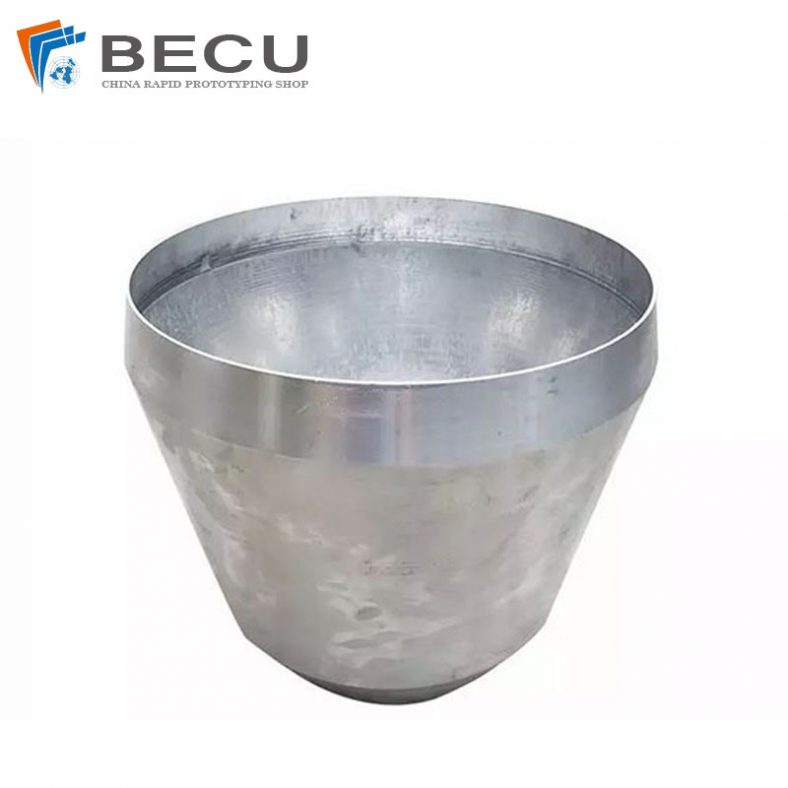
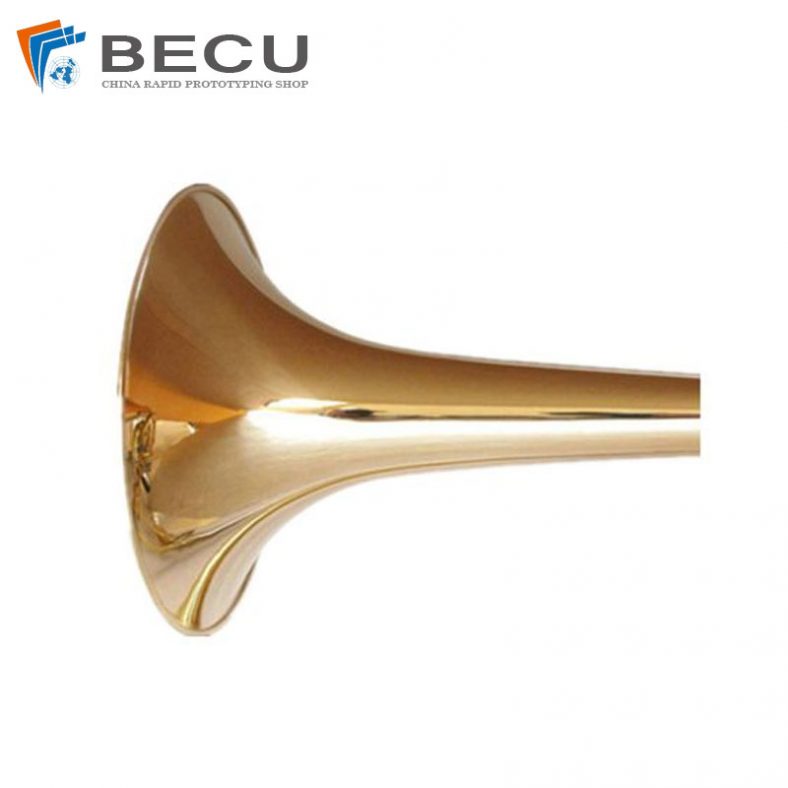
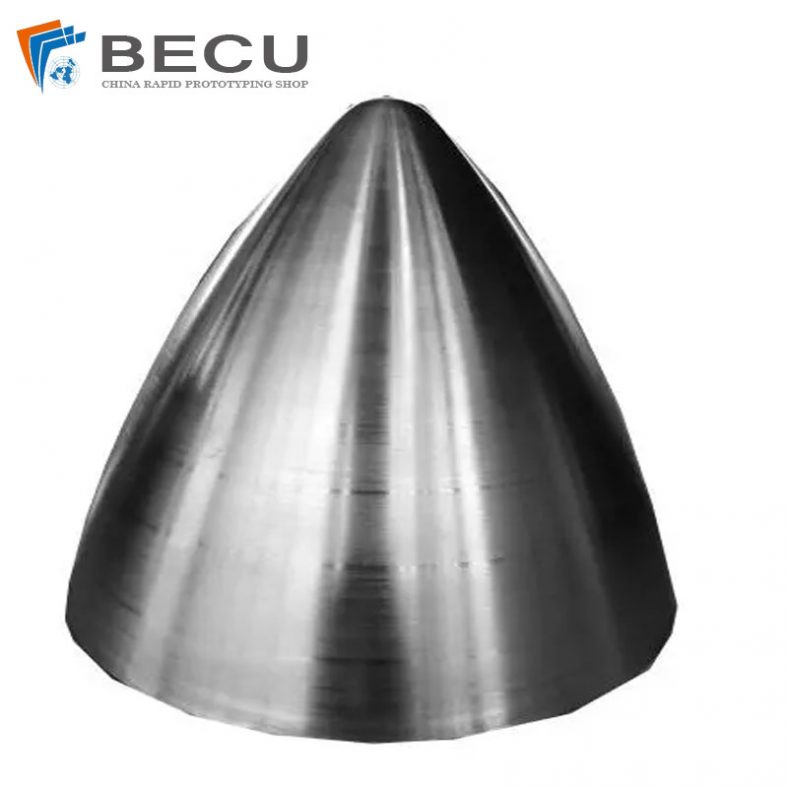
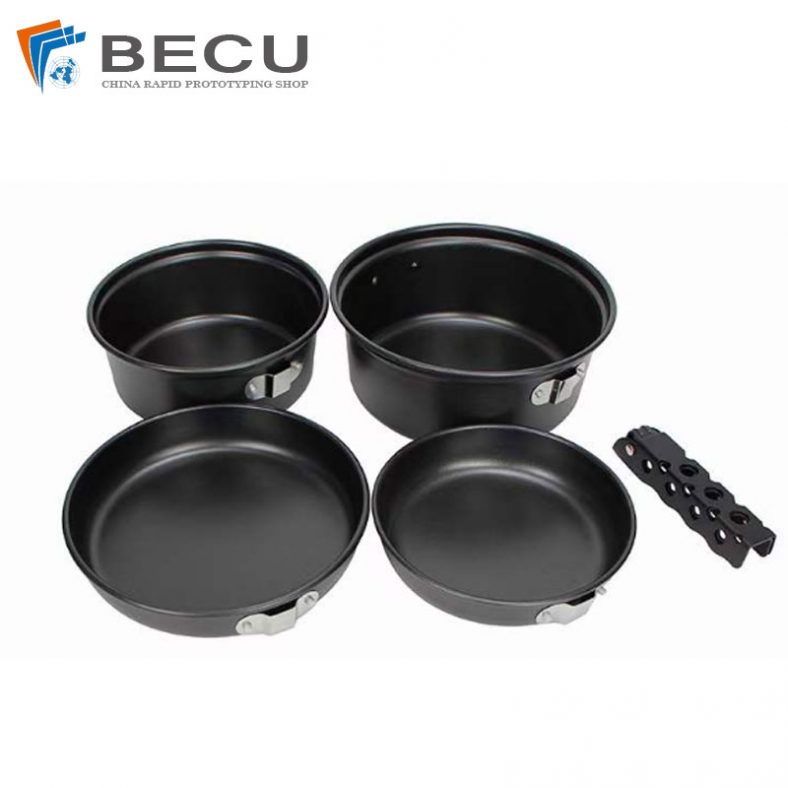
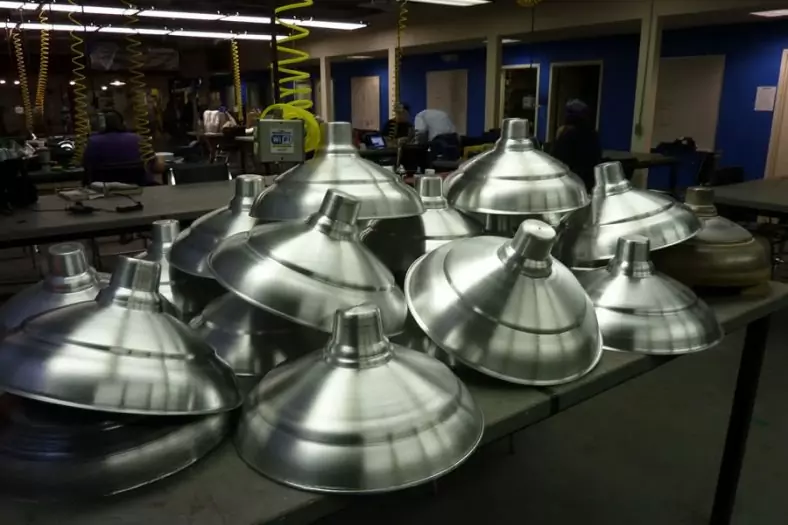
The Shapes Achieved Of Metal Spinning Parts
Simple shapes are easy to make in less time. But for complex shapes, it requires more time because it increases steps as per the block shape.
In addition to metal spinning, Be-cu.com also offers in-house tooling, welding, abrasive polishing and hydroforming, helping to drive down your costs and streamline production. Quicker turnaround times and lower costs are two of the most attractive advantages of metal spinning. The ability to form very thick components and large diameters with uniformity and high quality at low and high quantities, are more appealing reasons to consider metal spinning.To find out if metal spinning would be beneficial for your application or end product, contact us today.
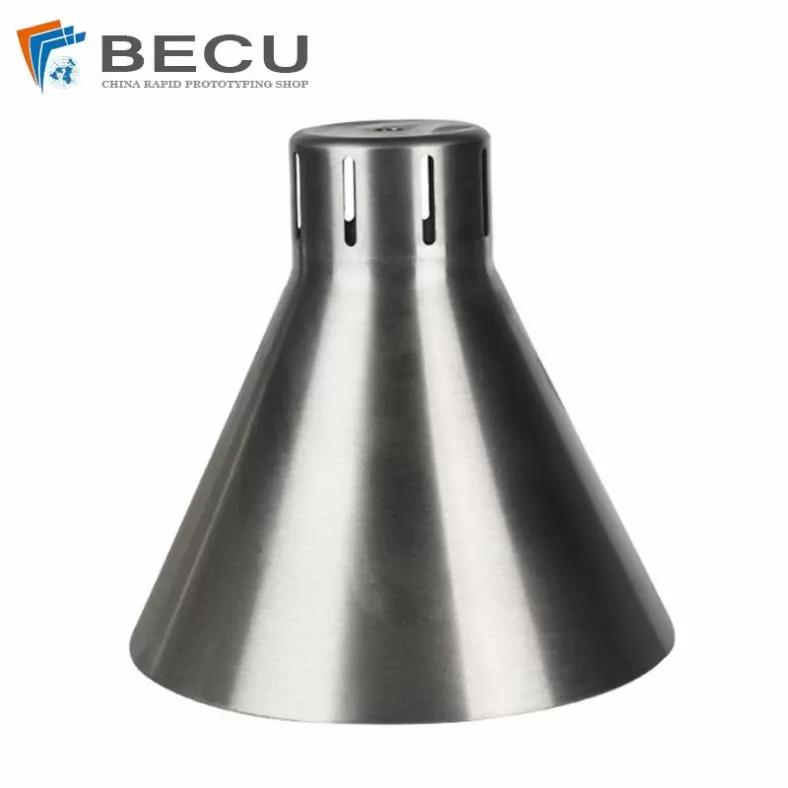
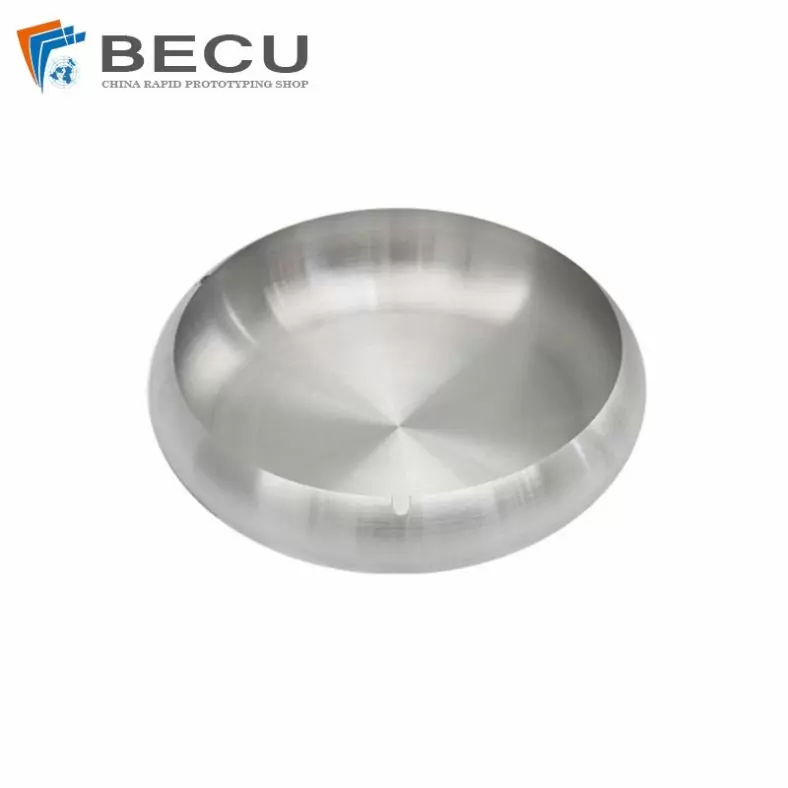
- Domed
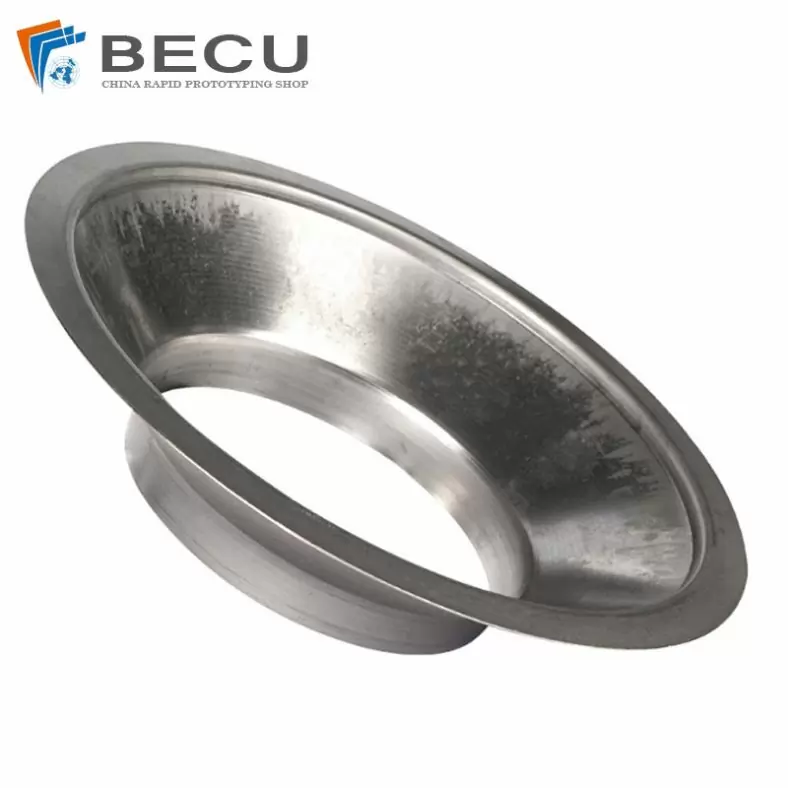
- Flanged
- Domed with flange
- Dished
- Semi elliptical
- Hemisphere
- Flanged, dished and flued
- Trumpet
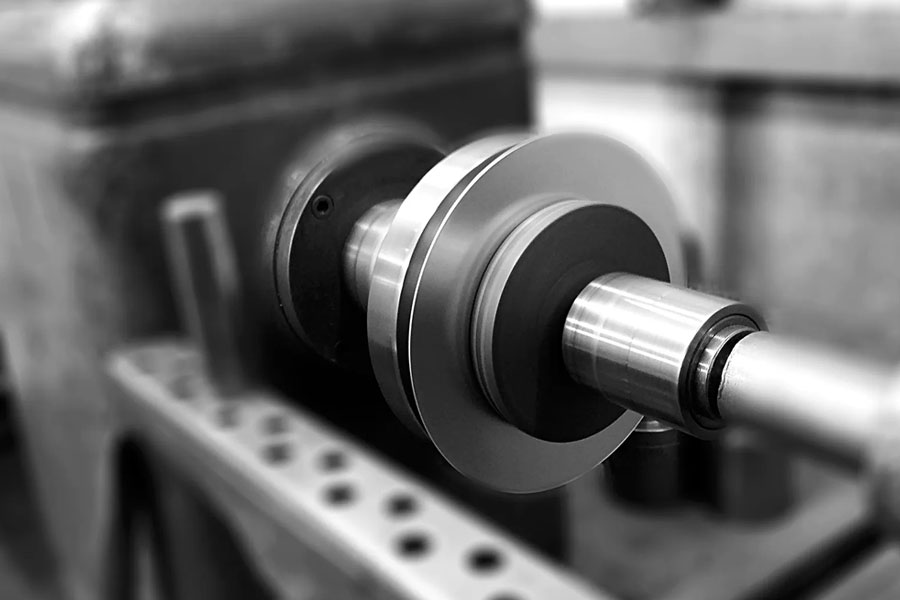
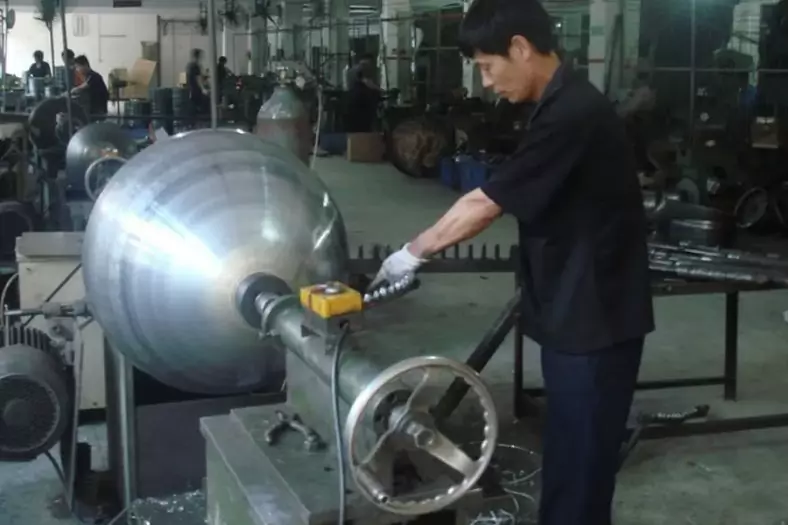
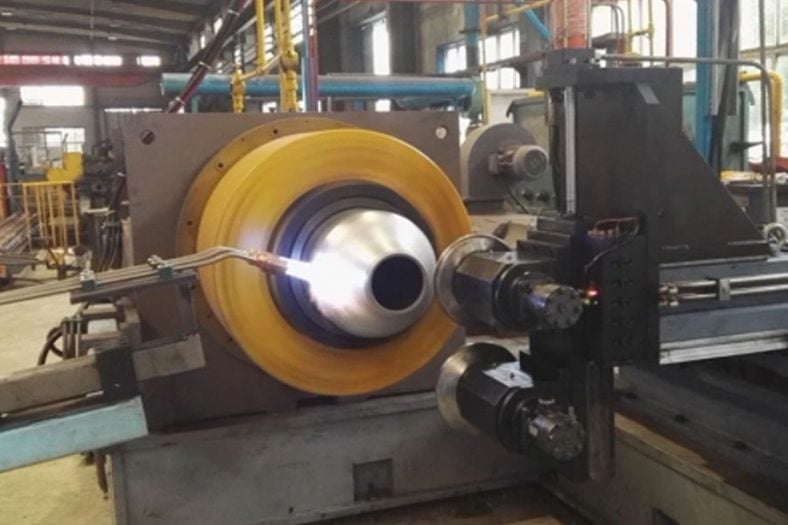
The Detail Of BE-CU Metal Spinning Company
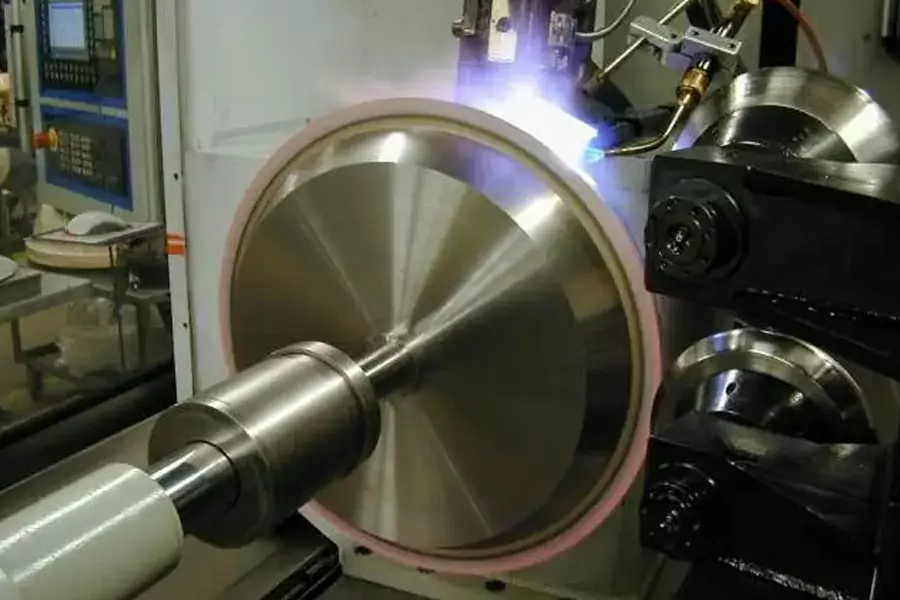
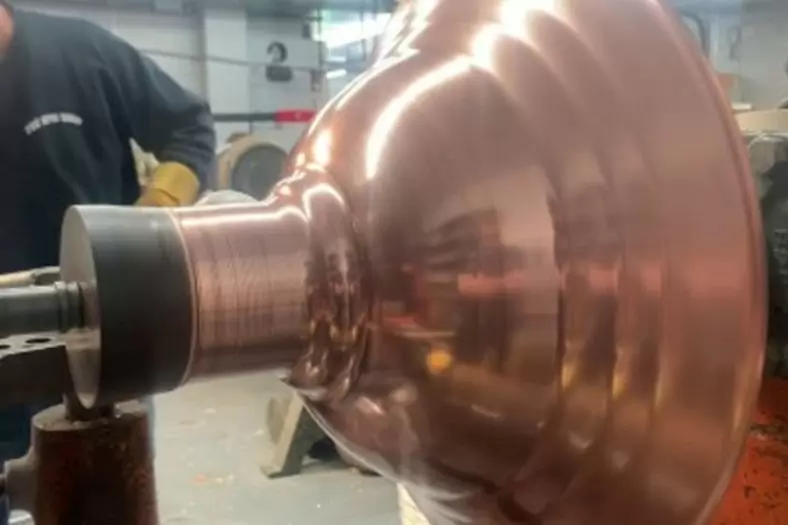
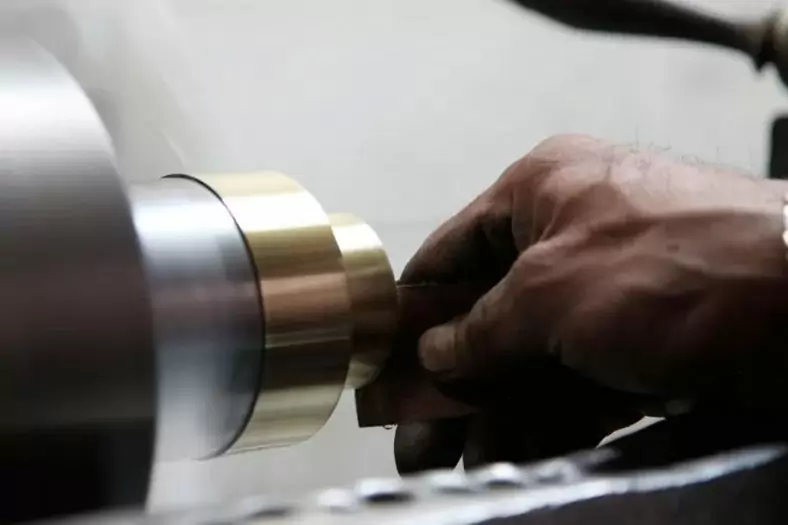
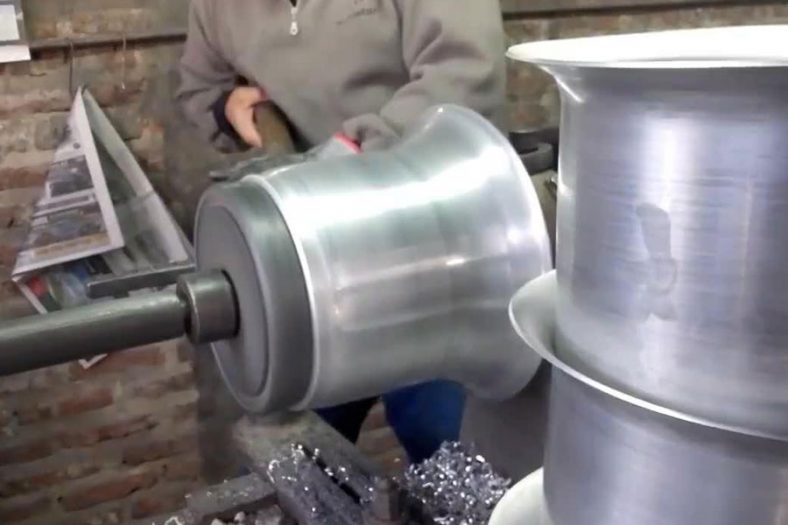
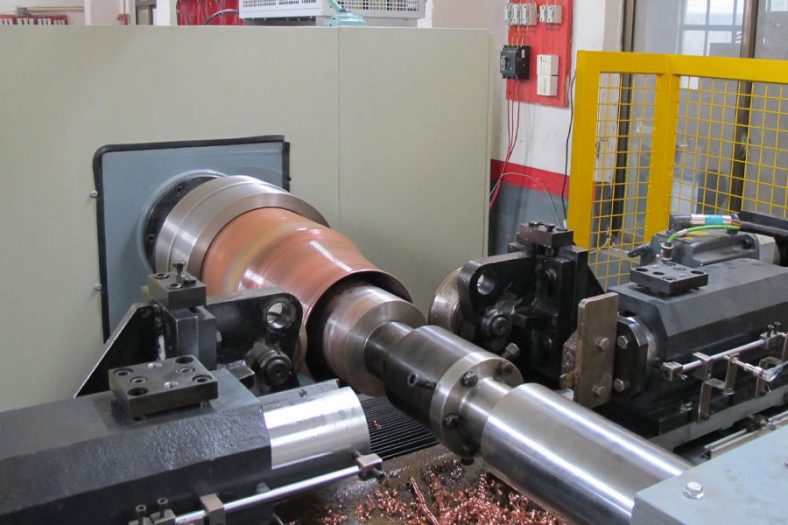
At Be-cu.com, we use a variety of materials for metal spinning such as cold rolled steel, hot rolled steel, aluminum spinning, stainless steel spinning, brass, copper spinning and exotic metals such as titanium and inconel. Be-cu Metal Spinning Section specializes in the forming of stainless steel. With our automated metal spinning lathes and the capabilities of our deep drawing, stamping and welding equipment, our ability to form your part to your specifications and within your budget are realistic. Be-cu Metal Spun Company has over 30 years of metal forming experience and has used the large metal spinning technology for a variety of industries such as aerospace, automotive, military, ordnance, plastics, lighting, pharmaceuticals, dairy, etc…
We have engineers on staff with metal spinning expertise to help guide you on designing a custom part and choose the optimal process to produce high quality spun parts at a competitive and affordable price. Tooling is custom made to form parts to your configuration.