A wide range of materials can be used for metal spinning. Broadly speaking, any metal that can be shaped through pressure-based methods like stamping, deep drawing, extrusion, or rolling is suitable for spinning. In other words, any metal with plasticity in either cold or hot conditions can be processed via metal spinning. The commonly used metal cnc spinning materials include aluminum, copper and their alloys, carbon steel, alloy steel, and stainless steel. In specific cases, high-strength steels and refractory metals and alloys may be used. Bimetallic composite materials can also be applied in certain instances. As the technology of metal spinning advances and its application expands, the variety of materials used continues to grow.
Metal Spinning for Aluminum and Its Alloys
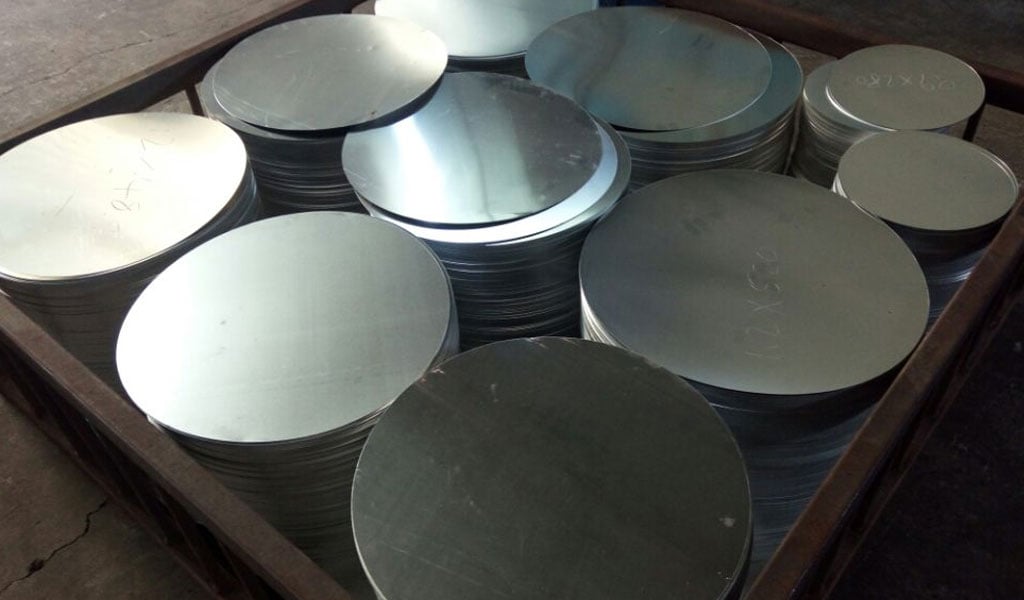
Aluminum and its alloys are highly suitable for spinning due to their excellent plasticity. Most aluminum alloys are spun at room temperature, with an allowable thinning rate ranging from 60% to 90%. Some aluminum alloys are even more amenable to spinning when heated. More than a dozen types of aluminum and aluminum alloys are used in spinning, such as pure aluminum, rust-proof aluminum, hard aluminum, super-hard aluminum, and forged aluminum, which can be made into hundreds of products.
Pure aluminum has low strength but excellent plastic deformation properties, with work hardening being its only method of strengthening. High-purity aluminum large-diameter seamless tubes are typically produced by centrifugal casting, followed by mechanical processing and hot forging spinning, which improves its casting structure before cold spinning. These products are often used in the chemical industry for corrosion-resistant reactors in acid and alkali processing. Due to aluminum’s excellent workability, corrosion resistance, luster, and weldability, it is also widely used in spinning processes for lighting fixtures, household items, and antenna reflectors.
Rust-proof aluminum alloys used for spinning include 5A02, 5A06, and 5A21. 5A02 and 5A06 are Al-Mg-Si series aluminum alloys that do not strengthen through heat treatment. When magnesium content is higher, the alloy tends to form the Mg5Al phase, which reduces its plasticity and leads to stress corrosion. In high-temperature conditions, however, the β phase dissolves, improving the alloy’s plasticity. 5A06, a high-magnesium alloy, is typically spun after heating, and both the heating temperature and thinning rate must be strictly controlled to transform the cast structure into a workable hot-processing structure. Room-temperature spinning can then follow. For 5A02, its room-temperature spinning properties exceed those of 5A06, with a cumulative thinning rate of about 65%.
5A21 is an Al-Mn rust-proof aluminum alloy where the addition of manganese forms the MnAl6 phase, maintaining the processing and corrosion resistance properties of pure aluminum while enhancing strength. It offers better spinning performance than both 5A02 and 5A06, with a thinning rate of around 65% after annealing. It is used to manufacture various containers, utensils, and wide plates.
2A12, an AI-Cu-Mg series heat-treatable strengthening alloy, is a typical hard aluminum alloy with good overall performance. This alloy is prone to work hardening and is suited for low thinning rates over multiple passes, with a cumulative thinning rate of less than 40%.
7A04 is a heat-treatable, ultra-hard aluminum alloy belonging to the Al-Zn-Mg-Cu series. It has a high-strengthening effect due to the formation of MgZn2 at elevated temperatures. Spinning after solution treatment or high-temperature heating can be challenging due to rapid hardening and low plasticity from natural aging. However, preheating to 300°C before spinning or flame-heated spinning can improve the forming process, making it suitable for spinning aerospace parts and sporting goods like javelins and baseball bats.
6A02 is an Al-Mg-Si-Cu series forged aluminum alloy with moderate strength and good plasticity. It can be formed at both room temperature and high temperatures, with a cumulative thinning rate of about 75%. It is ideal for high-precision spinning of tubes and hot-spinning closures of gas cylinder liners. When spinning aluminum products, various factors such as strength, corrosion resistance, aesthetics, and formability must be considered. If all properties cannot be met, a priority order based on the intended use should guide material selection.
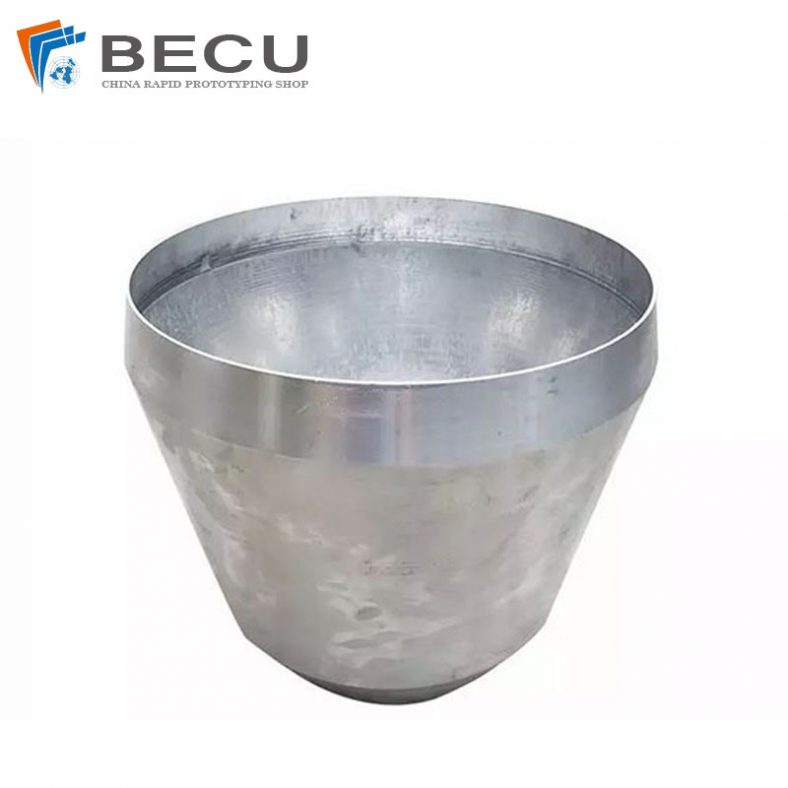
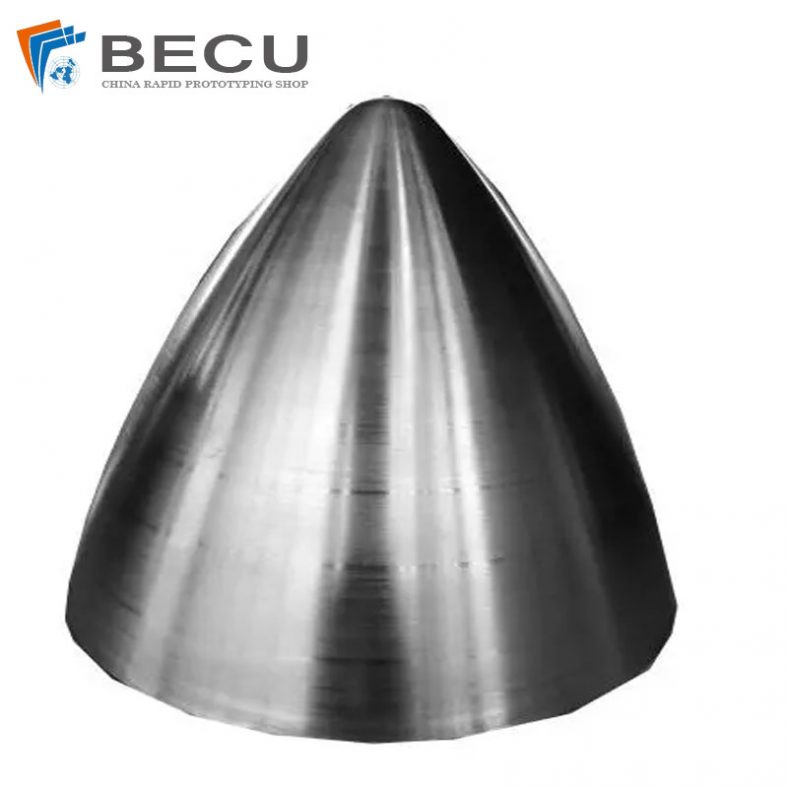
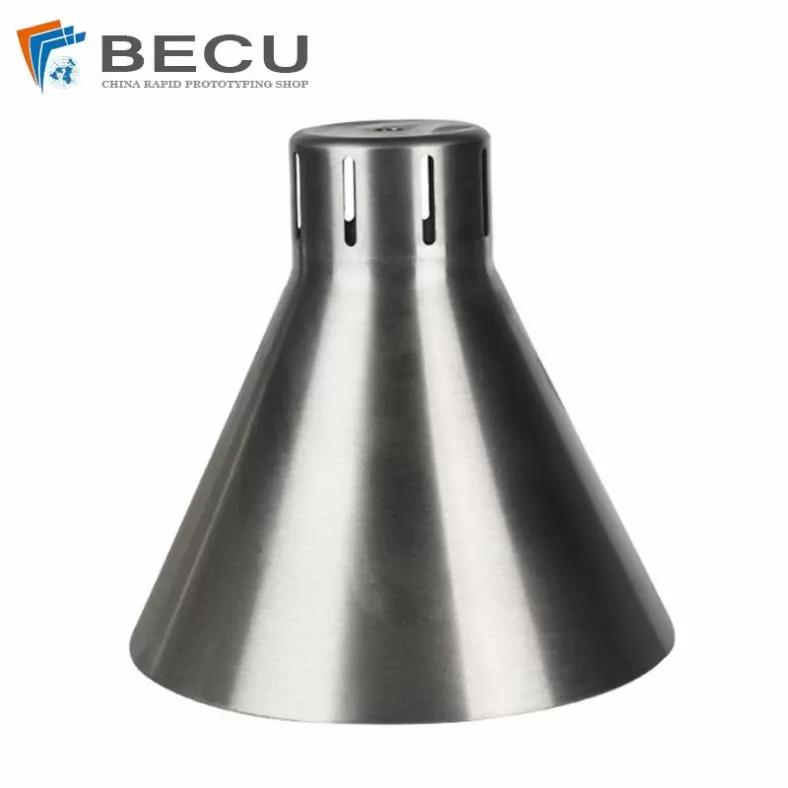
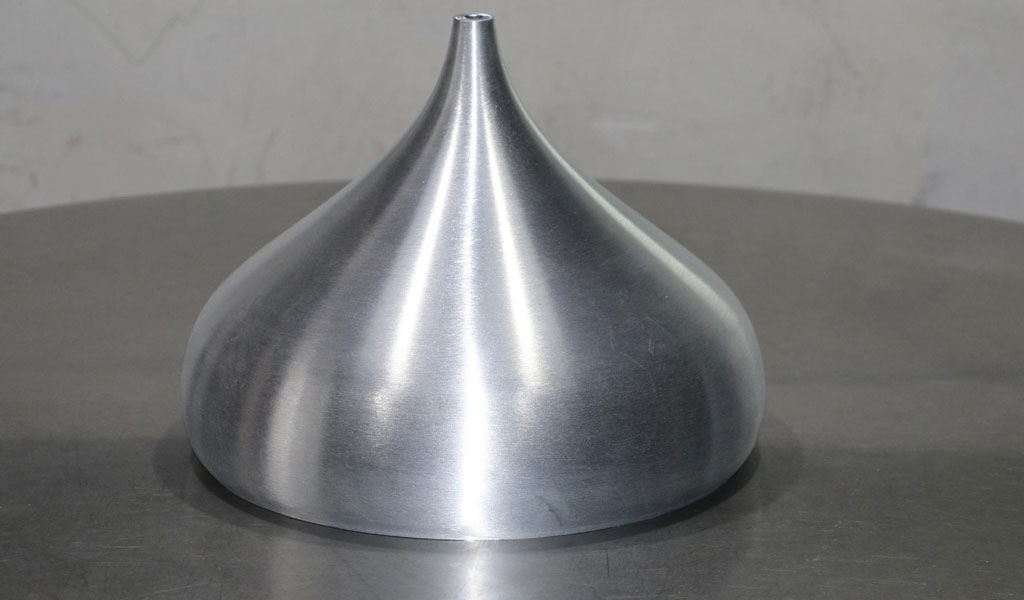
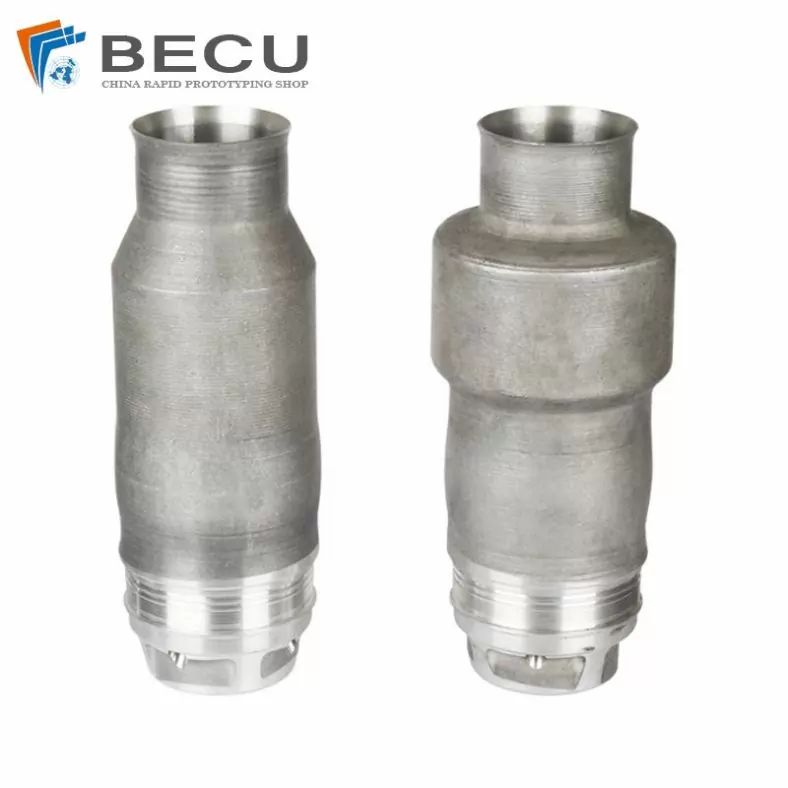
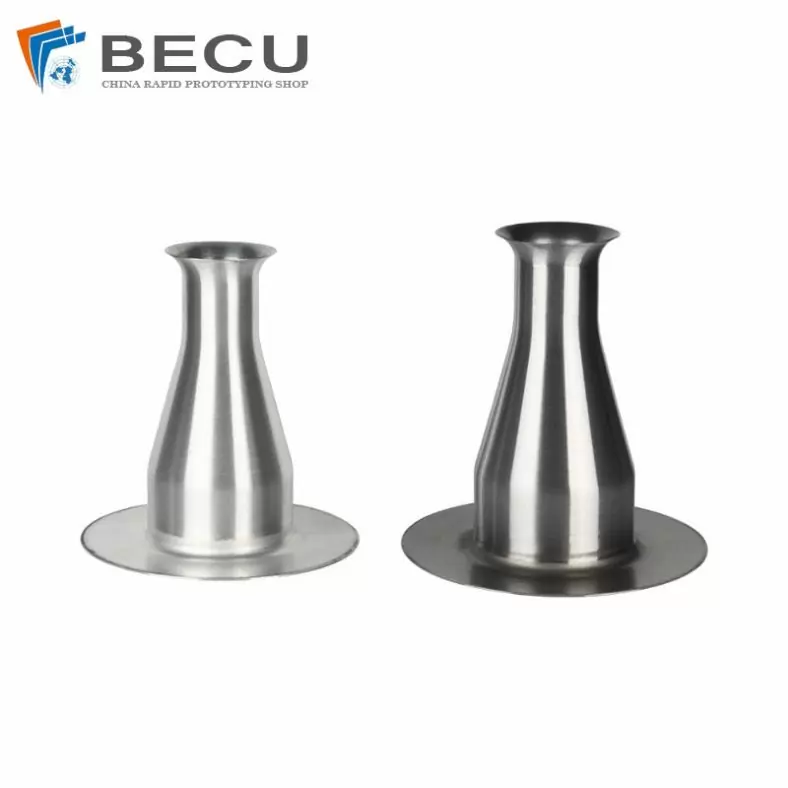
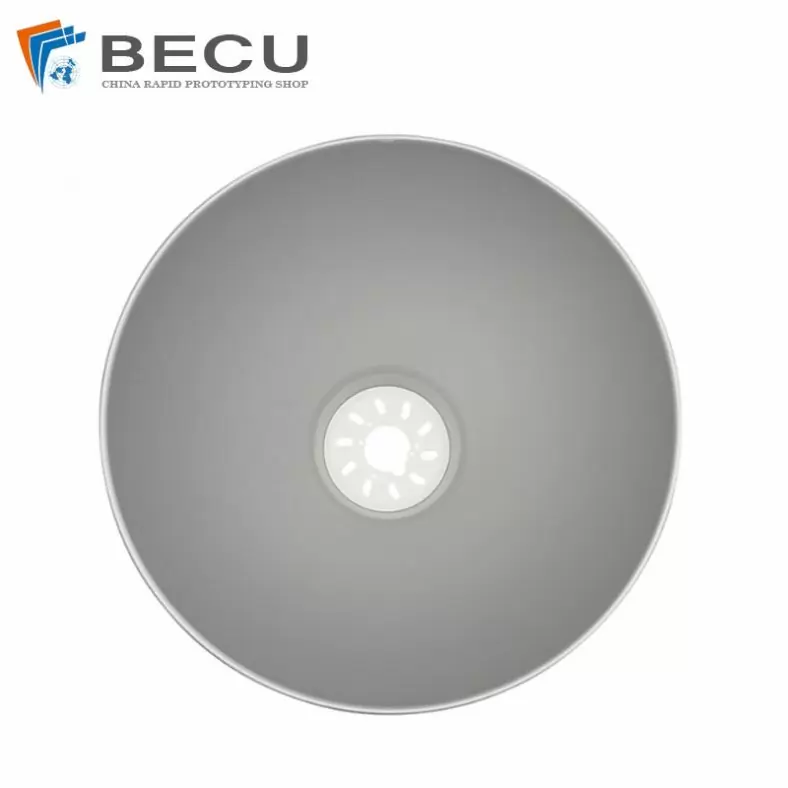
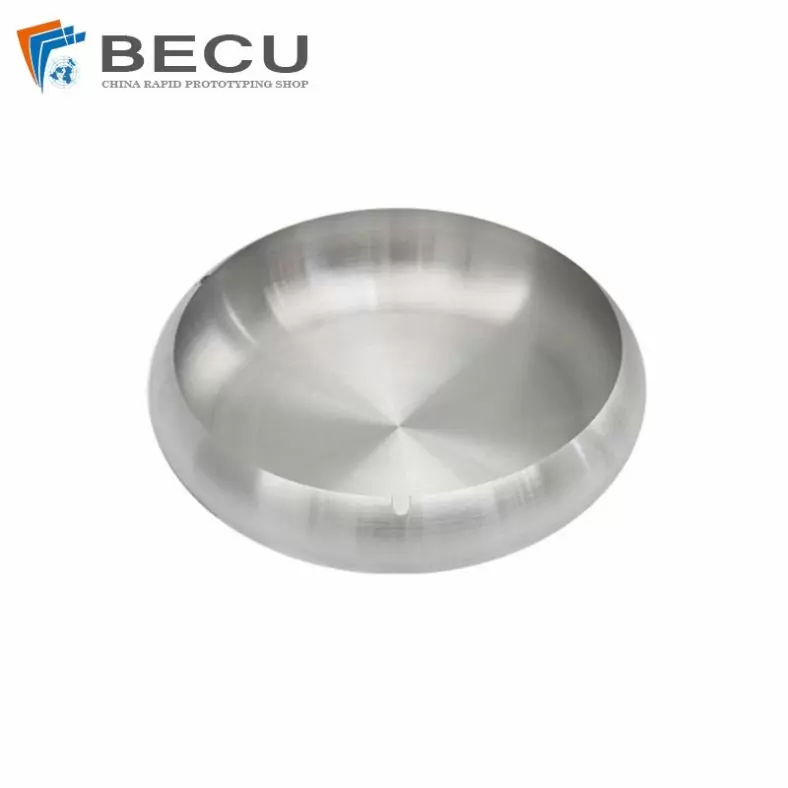
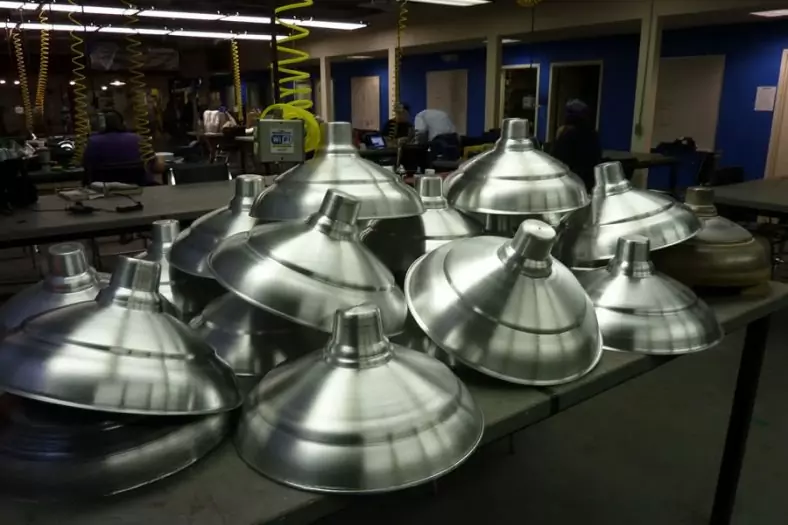
BE-CU Spinning has more experience in spinning aluminum parts than any other manufacturer in our industry. Many widely used aluminum alloys and hardnesses are particularly suitable for aluminum spinning. Our aluminum spinning examples include:
Metal Spinning for Copper and Its Alloys
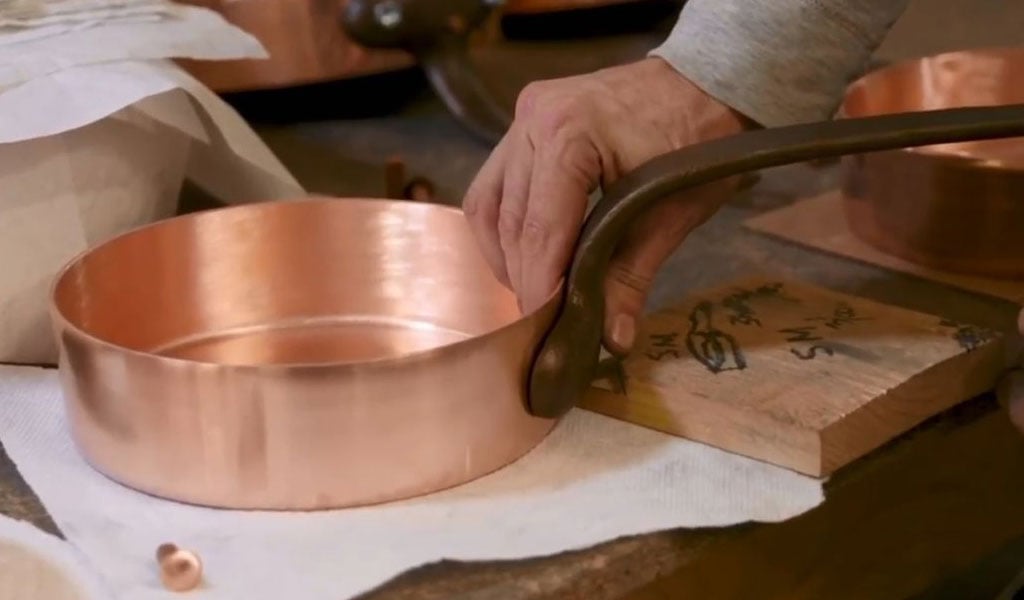
Copper and its alloys used for spinning include cathode copper, brass, and cupronickel. Cathode copper is pure copper, which performs well in spinning, with a cumulative thinning rate of over 80% after annealing. Spun seam-welded tubes made from cathode copper achieve thinning rates of about 65% without cracking. When thinning large-diameter thick-walled tubes from centrifugal castings, the material’s large grain size and low plasticity make it unsuitable for cold spinning, but annealing at 650°C before spinning or heating to 450°C during spinning improves formability.
Brass tends to harden during spinning, which reduces its plasticity compared to cathode copper, while cupronickel exhibits similar cold-spinning properties to brass. When nickel, iron, and manganese are the main alloying elements, centrifugal castings can achieve cumulative thinning rates of up to 90% after homogenization at 950°C. Upon annealing at 650-700°C, the material demonstrates excellent overall properties.
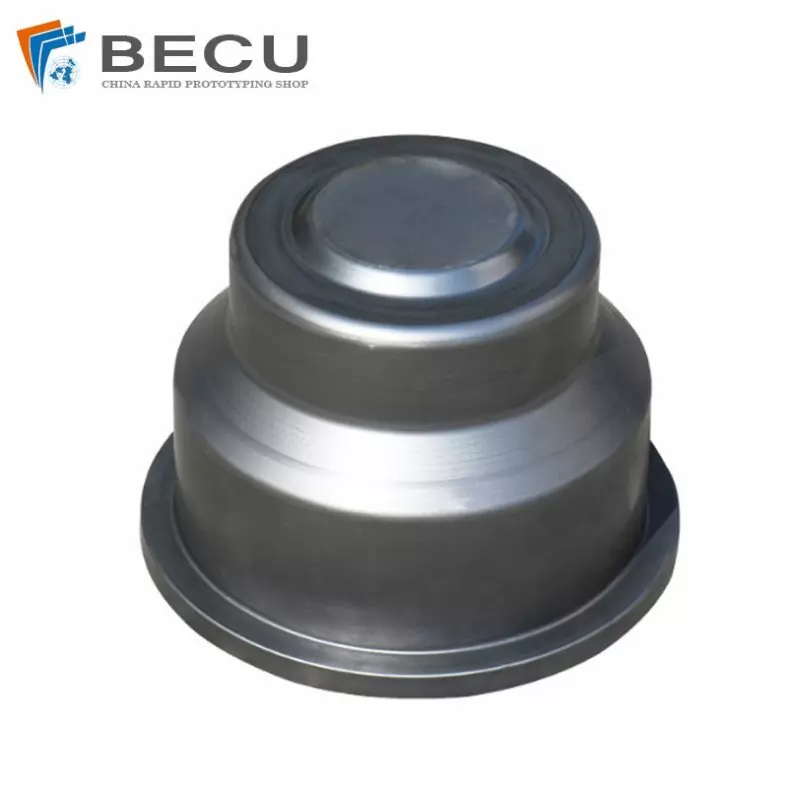
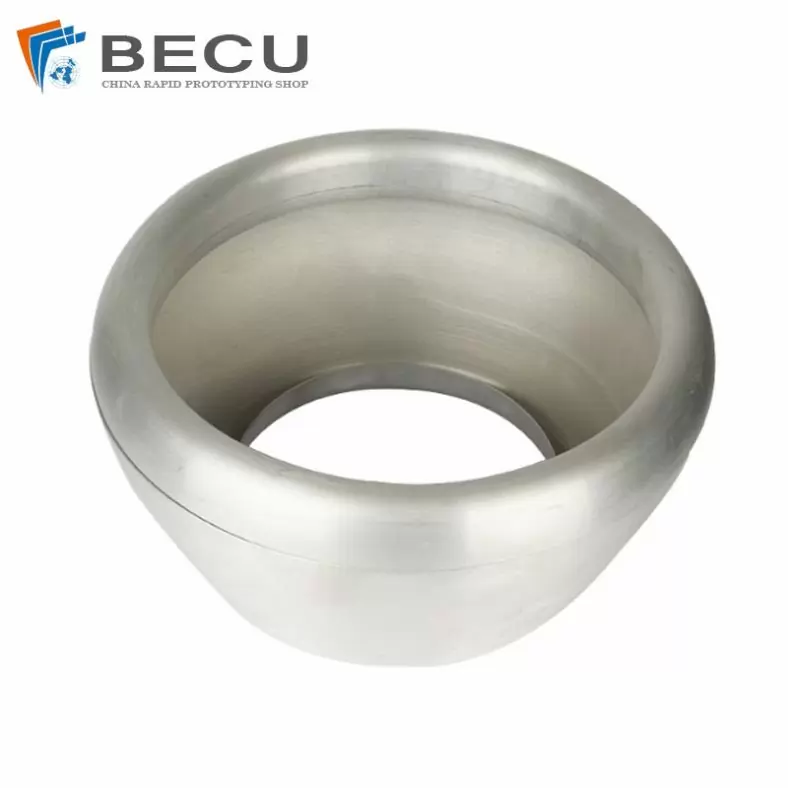
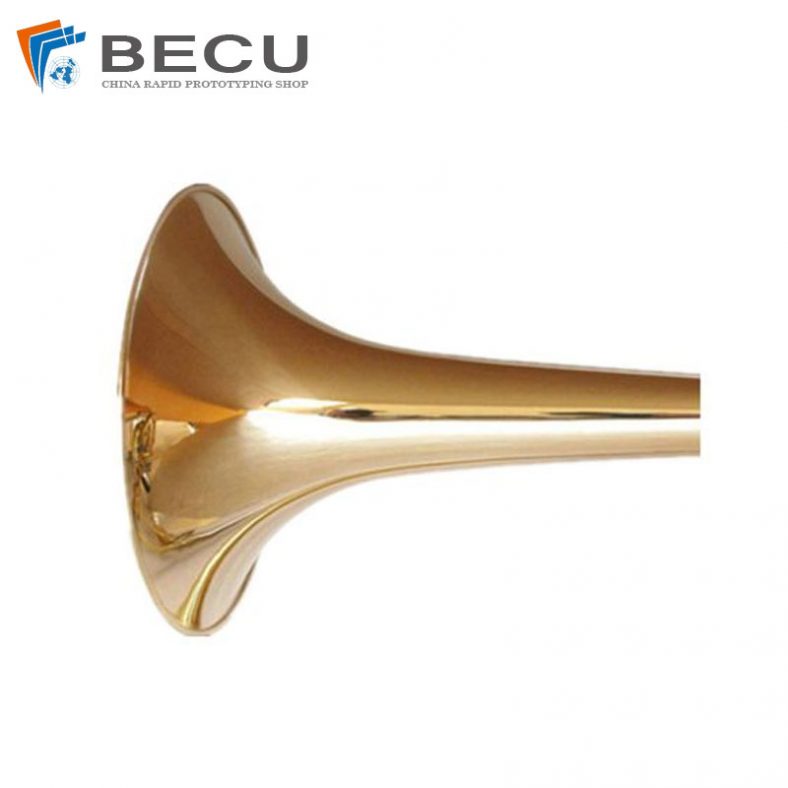
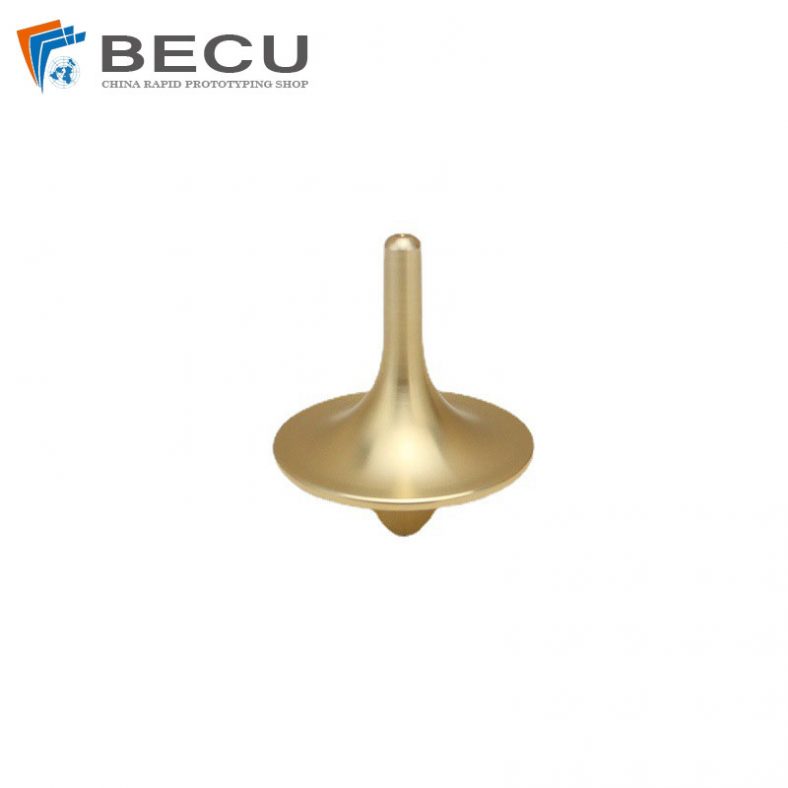
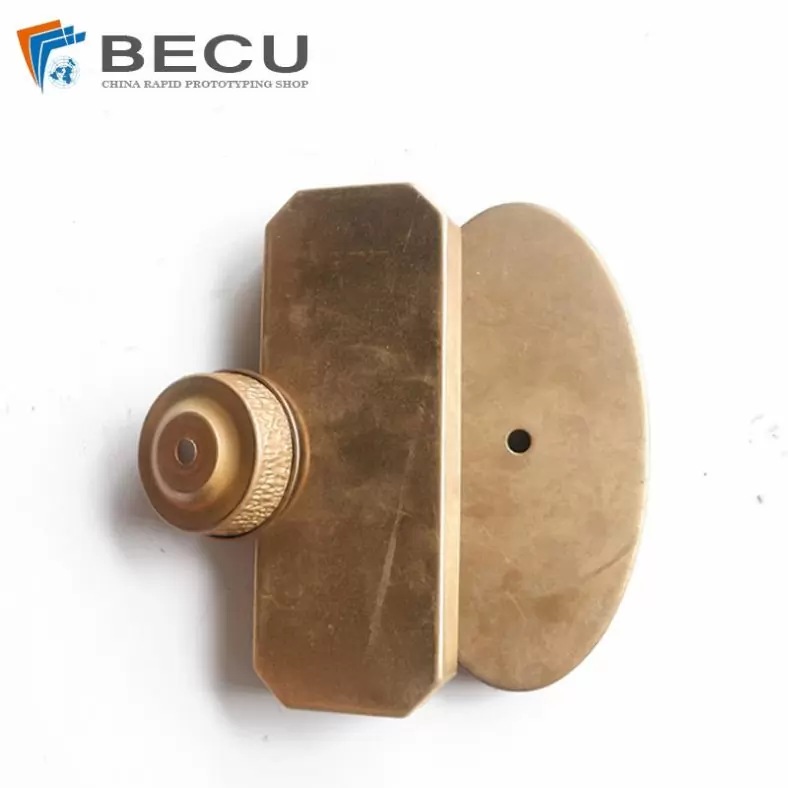
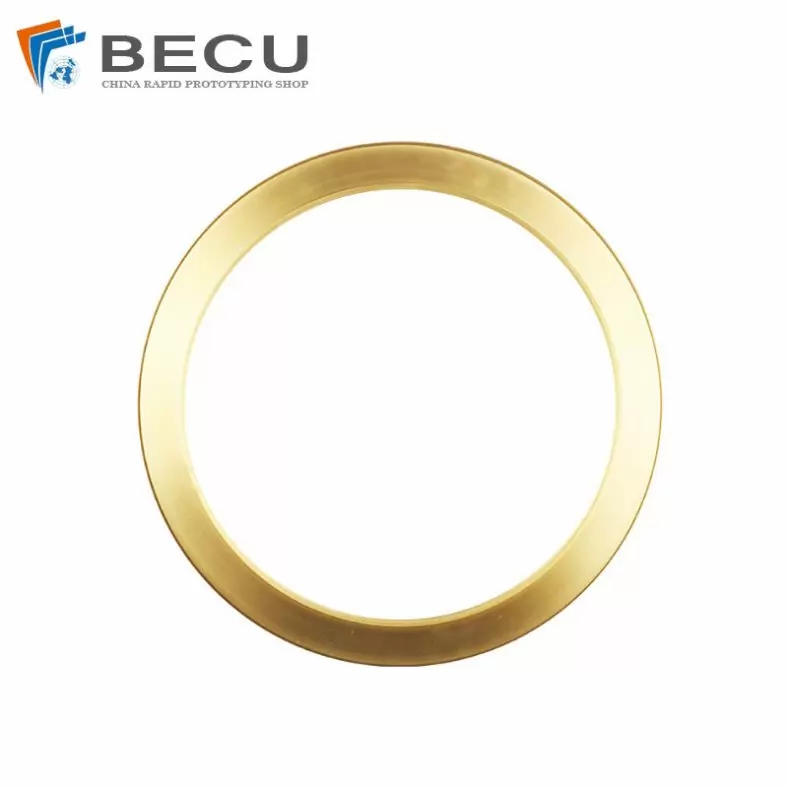
BE-CU Spinning has more experience in spun copper parts than any other manufacturer in our industry. Our spun copper cases include:
Metal Spinning for Carbon Steel and Low-Alloy Steel
(1) Steel Plates Commonly Used in Spinning
Steel plates are typically classified by thickness into three categories: thin plates (less than 3 mm), medium-thick plates (3–6 mm), and thick plates (greater than 6 mm). In spinning processes, with the exception of specific applications such as specialized heads, low-carbon steel (soft steel) and stainless steel plates—whether hot-rolled or cold-rolled and annealed or tempered—are commonly used. Common carbon structural steels include Q235A, 08#, 10#, 20#, 30#, 35#, 45#, and 60#. Deep-drawing steels include S15A and S20A, while low-alloy steels such as 14MnNi, 16Mn, 15MnCrMov, 40Mn, 30CrMnSiA, 38CrMnAl, 30CrMnSiNi2, 40Cr, and 15MnPV are also used.
(2) Metallurgical Properties of Steel Plates
Based on the deoxidation process used during steel production, low-carbon steel can be broadly divided into rimmed steel and killed steel. The key difference between these two types lies in their carbon, oxygen, and aluminum content. Rimmed steel contains higher amounts of carbon and oxygen, along with more non-metallic impurities, resulting in lower formability. Killed steel, on the other hand, offers better formability. For applications requiring high workability, killed steel is recommended. Based on years of practical experience, when selecting steel plates for deep-drawing spinning, Q235A plates produced by Baosteel in Shanghai are preferable due to their superior formability, followed by those from Wugang Steel.
(3) Mechanical Properties of Steel Plates
Table 1-10 compares the deep-drawing test results and mechanical properties of typical hot-rolled and cold-rolled steel plates with those of aluminum plates. Steel plates are 2 to 4 times stronger than aluminum, but their total elongation is higher, a characteristic that favors spinning. Additionally, the table highlights differences in r-values (Lankford values) and n-values (strain hardening index) between steel and aluminum, with steel generally having lower n-values, except for hard aluminum (H-grade). This makes steel more suitable for spinning.
| Plate | (MPa) | (MPa) | r-value | *value | F value (MPa) | E (MPa) | ||
| Hot rolled steel plate | Q235A | 256 | 343 | 43.1 | 0.9 | 0.18 | 570 | 21×10* |
| Cold rolled plate | Q23510 | 239 | 329 | 47.0 | 1.2 | 0. 21 | 560 | |
| 2508F | 163 | 309 | 46.8 | 1.7 | 0.21 | 540 | ||
| 35 | 153 | 288 | 50.2 | 1.8 | 0. 24 | 500 | ||
| Aluminum Plate | 1050A | 28 | 85 | 39.6 | 0.7 | 0.24 | 170 | 7×10 |
When comparing steel plates, hot-rolled plates tend to be slightly harder and have lower elongation compared to cold-rolled plates. Among cold-rolled plates, the more advanced grades are softer, with lower yield points, higher n-values, and r-values, and greater total elongation. Besides these deformation properties, steel plates also have a higher elastic modulus (E) than aluminum—about three times greater—which reduces springback during spinning and enhances the rigidity of spun parts, a notable advantage.
(4) Spinability of Low-Carbon Steel Plates
Deep-drawing spinning tests on various low-carbon steel plates with differing mechanical and phase properties have yielded the following conclusions regarding spinability:
- Killed steel plates of general purity exhibit a maximum elongation of over 250% during deep-drawing spinning.
- The ultimate elongation of rimmed steel plates decreases as oxygen content increases, resulting in lower purity.
- Coarser grain structures in steel plates reduce their forming limits.
- The total elongation, n-value, and r-value of steel plates do not have a direct impact on the forming limit during spinning.
Metal Spinning for Stainless Steel
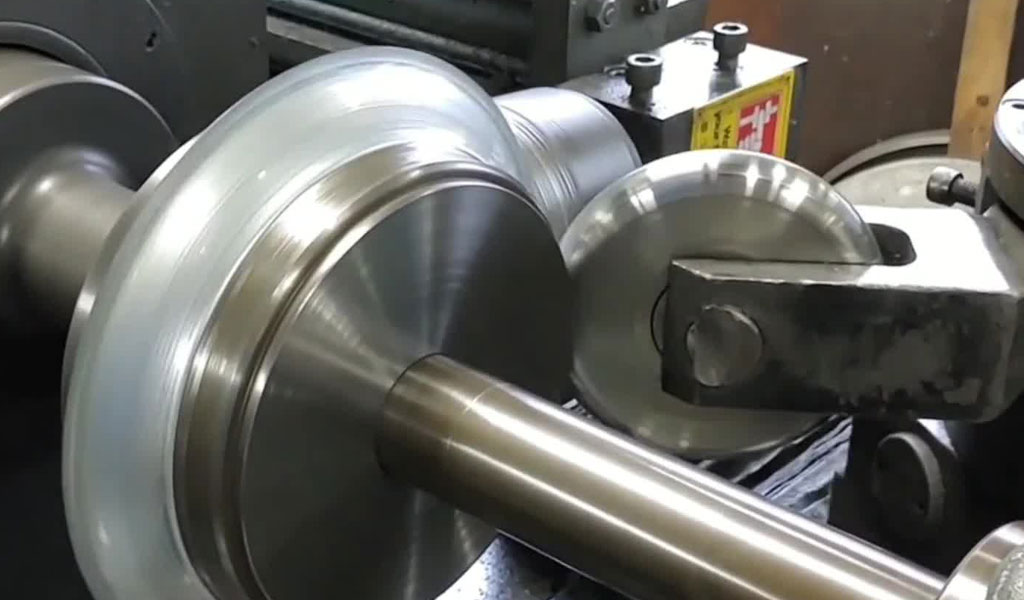
Stainless steel plates and tubes are steel materials that have been alloyed with chromium (Cr) or chromium and nickel (Ni) and then rolled to enhance their corrosion resistance, particularly against acidic environments. Common stainless steels used in spinning include 1Cr13, Cr17Ni2, 1Cr18Ni9, 1Cr18Ni9Ti, 1Cr18Mn8Ni5N, and 1Cr21Ni5Ti.From a metallurgical perspective, stainless steel can be categorized into three types based on its crystal structure: martensitic (body-centered cubic lattice), ferritic (body-centered cubic lattice), and austenitic (face-centered cubic lattice).
(1) Metallurgical Properties
- Martensitic Stainless Steel: This type of steel has poor corrosion resistance but high strength, making it unsuitable for spinning processes.
- Ferritic Stainless Steel: Due to its lack of nickel, ferritic stainless steel is less expensive and has good corrosion resistance, which makes it widely used. It is an alloy steel with added chromium and higher levels of carbon and nitrogen, resulting in a harder material. Its other physical properties are similar to those of low-carbon steel.
- Austenitic Stainless Steel: The most commonly used austenitic stainless steel is 1Cr18Ni9 (known as SUS304 in Japan). Its crystal structure differs from that of other commonly used steel plates, resulting in higher strength and toughness at both high and low temperatures. It also offers better corrosion resistance than ferritic stainless steel, with excellent rust resistance in atmospheric conditions. Typically, these steel plates and tubes are used in a rapidly cooled state from high temperatures, where the material retains an austenitic structure. However, if subjected to severe cold working, it can transform into a martensitic structure, leading to a sharp increase in strength and a change from non-magnetic austenitic properties to the magnetic behavior seen in regular steel. This complex physical property allows for many variations of the material, which can be fully utilized.
(2) Mechanical Properties of Stainless Steel
As shown in Table 1-11, the mechanical properties of two typical stainless steels—1Cr17 (SUS430) and 0Cr18Ni9 (SUS304)—are compared. The former behaves similarly to softer low-carbon steel, with a tensile strength close to that of high-strength cold-rolled steel plates rated at 500 MPa. In contrast, the latter has a lower yield point relative to its overall strength but has a higher n-value and an impressive total elongation of up to 70%. The reason for this work hardening in 0Cr18Ni9 is due to the transformation into martensite during processing.
| Plate | (MPa) | 3 (5%) | r-value | =Value | F value (MPa) | B (MPa) |
|---|---|---|---|---|---|---|
| 1Cr17 | 557 | 30.9 | 1.1 | 0.19 | 870 | 21×104 |
| 0Cr18Ni9 | 665 | 70.0 | 1.0 | 0.43 | 1280 | 20×10* |
(3) Spinability of Stainless Steel Plates and Tubes
As previously mentioned, ferritic stainless steel plates and tubes can be considered similar to high-strength low-carbon steel in terms of their spinability, making them suitable for spinning processes. On the other hand, austenitic stainless steel often experiences severe work hardening early in the forming process, which can prevent further forming. This is due to differences in crystal structure and the formation of martensite during processing, leading to significant work hardening. To overcome this, multiple intermediate annealing steps are required when spinning austenitic stainless steel plates and tubes.
Similar to regular steel plates, stainless steel blanks also exhibit considerable springback during the spinning process, which should be taken into account when designing the process.
The elongation rates for various types of stainless steel during deep-drawing and spinning processes are shown in Table 1-12.
| Elongation (%) | Steel Type |
| 45 | ICrl8Mn8NiS |
| 40 | 1Cr18N9 0Cr18Ni9 |
| 35 | 1CrlSNOTi |
| 30 | 3Cr18N25S2 |
| 25 | Cr17Ni7 0Cr13 |
| 20 | 2Cr13 1Cr13 |
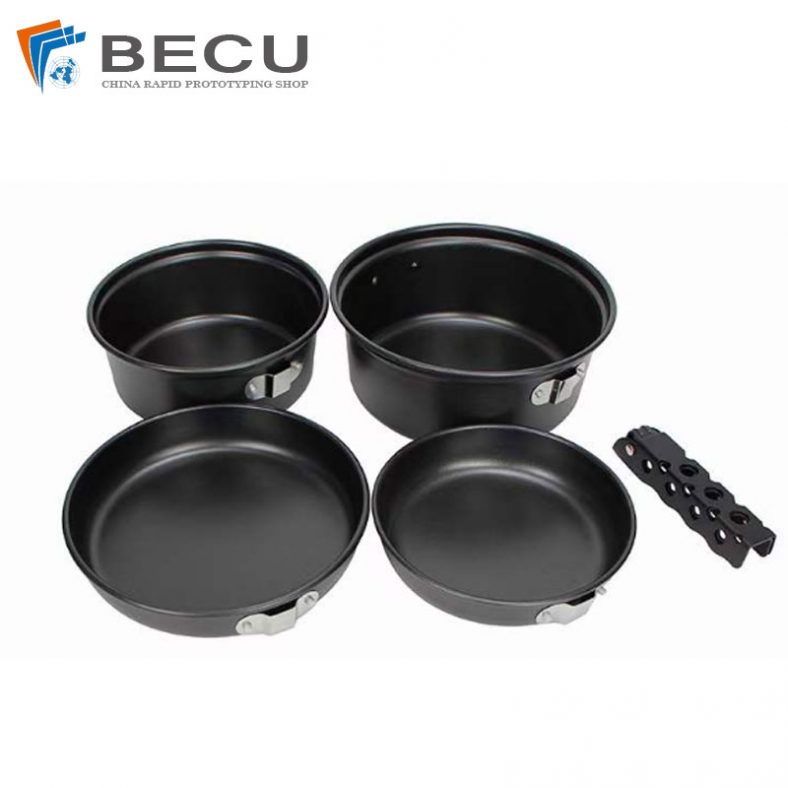
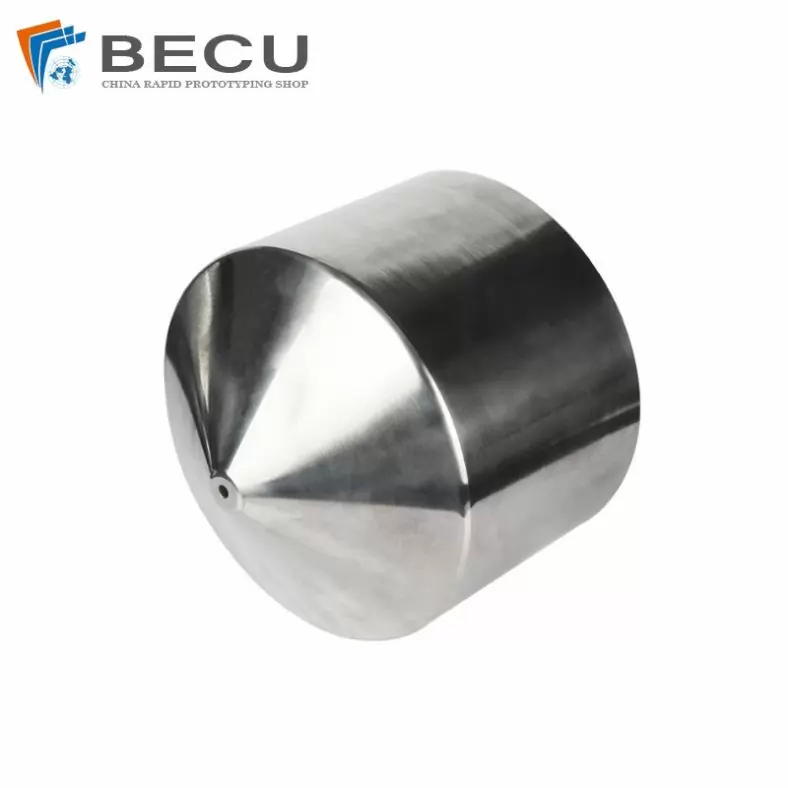
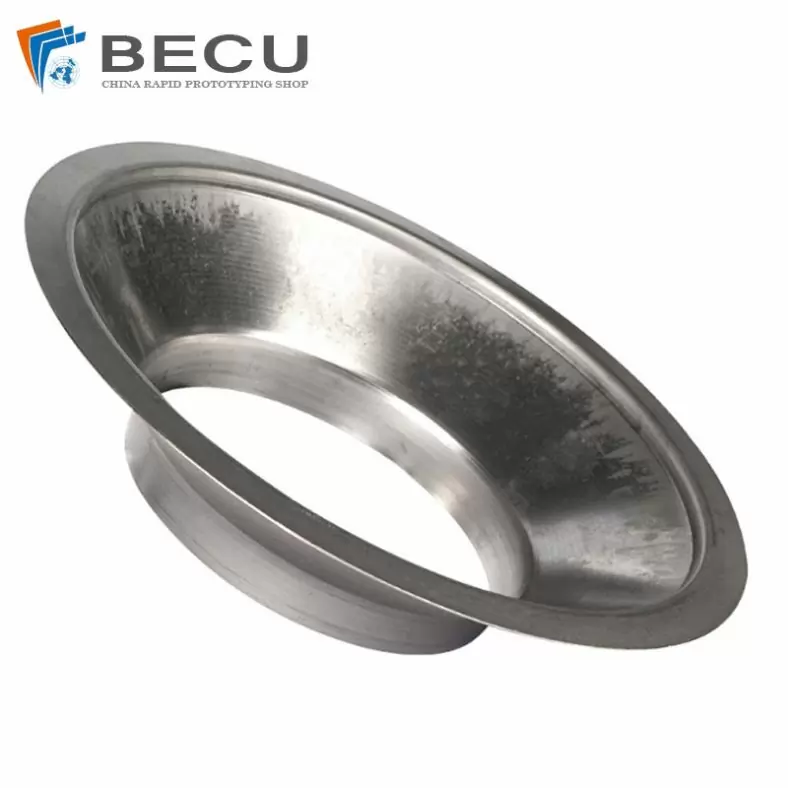
BE-CU Spinning has more experience in spinning stainless steel parts than any other manufacturer in our industry. Our spun stainless steel examples include:
Metal Spinning for High-Strength Steel
Many high-strength steels and refractory metals can be successfully subjected to high-strength spinning. It is also quite common to use ultra-high-strength steels to spin the shells of rockets and missiles. Table 1-13 lists several ultra-high-strength steels that have been used in the spinning process.
| Name | Brand | e. (MPa) | Pressed parts |
|---|---|---|---|
| Low alloy ultra-high strength steel | D6AC,D6AE,D6A | 1550~~1650 | Missile booster shell |
| Low alloy ultra-high strength steel | 28Cr3SiNiMaWVA | 21450 | Missile engine casing |
| Low alloy ultra-high strength steel | 45CrNiMaVA | Missile engine casing | |
| Low alloy ultra-high strength steel | 40SiMnCrMoV | 1600~1700 | Ellipsoidal head, gas cylinder |
| Maraging steel | 18%Ni-350 grade | 2450~~2500 | High precision thin nozzle |
It should be pointed out here that D6a and D6ac are high-strength steels that are currently widely used in rockets and missiles. Their mechanical properties are shown in Table 1-14. As can be seen from the table, the ultimate tensile strength and yield strength values of these two steels are similar, while the elongation and cross-sectional shrinkage of the former are lower than those of the latter, and their structural processing technology and difficulty are also similar.
| Material | Ultimate tensile strength (MPa) | 0.2% yield strength (MPa) | Shrinkage (%) | Elongation (%) |
|---|---|---|---|---|
| Rocket Technical Requirements | 1582~2039 | Minimum 1406 | Minimum 35 | Minimum 10 |
| D6a | 1631 | 1474 | 24.7 | 8.2 |
| D6ac | 1659 | 1414 | S1.0 | 13.1 |
In addition to using forgings, spinning blanks for these two materials can also be manufactured through electroslag remelting (ESR) followed by machining. For the spinning blanks of D6a and D6ac steel, spheroidizing annealing is applied before spinning, and high-temperature annealing is recommended during intermediate deformation stages. Annealing at 500°C effectively eliminates residual internal stresses, and to minimize workpiece deformation during annealing, a lower annealing temperature around 400°C can be chosen.
Another ultra-high-strength alloy steel is D406. The presence of manganese, chromium, and molybdenum in the alloy enhances its hardenability, ensuring a martensitic structure throughout the cross-section. Vanadium refines the grain size, improving the steel’s strength and toughness. In its annealed state, D406 steel exhibits a cross-sectional shrinkage rate of 58%, making it suitable for high-strength spinning at room temperature. To reduce deformation resistance, hot spinning can be used, with a working temperature of 650–700°C, avoiding temperatures below 580°C, which fall within the hot brittleness zone. D406 steel’s spinning performance is comparable to that of D6ac steel. For large-diameter cylindrical blanks, both ring rolling and electron beam welded rolling can be employed.
Another notable material is 18Ni maraging steel. After solution treatment, it exhibits a cross-sectional shrinkage rate of 72%, offering excellent spinning plasticity. It performs well in room temperature spinning, with a low cold work hardening rate, resulting in only about a 10% increase in hardness. The strengthening effect of the alloy is achieved through the precipitation of molybdenum and titanium.
Metal Spinning for Refractory Metals
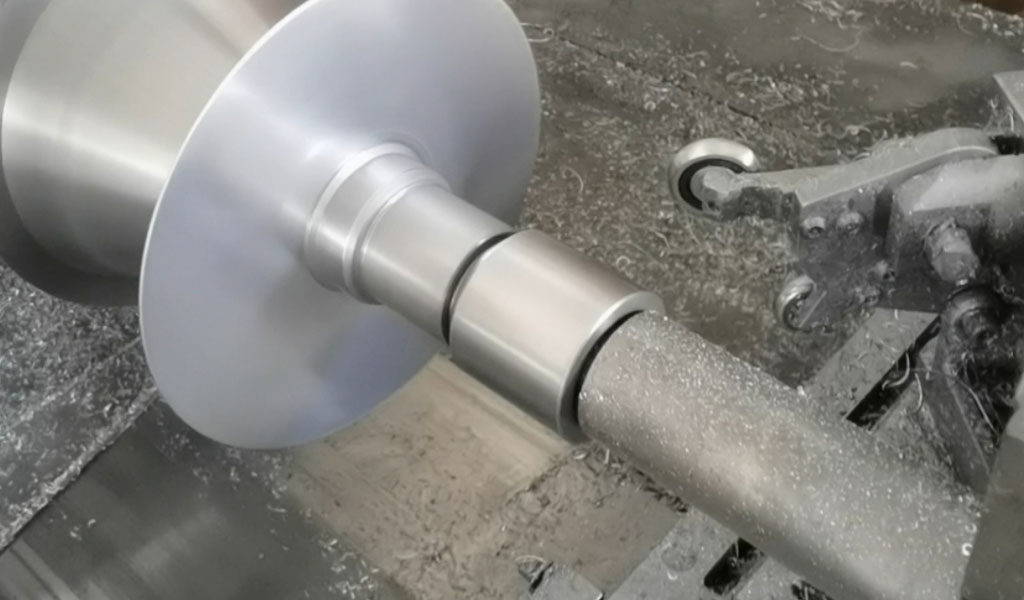
Refractory metals, such as tungsten, molybdenum, rhenium, and niobium, as well as their alloys, and even titanium and its alloys, are characterized by high melting points and are generally known as refractory metals. At room temperature, these materials are brittle and hard with poor plasticity, necessitating heated spinning. When spun at high temperatures, their performance becomes comparable to that of low-carbon steel. As the degree of deformation increases, the overall properties of refractory metals improve. Powder-pressed blanks of refractory metals can also undergo heated spinning for shaping.
Tungsten, with the highest melting point among metals, possesses several advantages such as heat shock resistance, non-magnetic properties, low thermal expansion coefficient, and high electrical resistivity. Tungsten spinning blanks are formed by sintering high-purity tungsten powder at 2350–2400°C. Tungsten tubes can undergo thinning spinning at around 1000°C. When spun below its recrystallization temperature, tungsten experiences severe strain hardening. After achieving a thinning rate of 60%, the workpiece must be annealed at 1100°C to relieve internal stresses, allowing for further spinning. Tests have shown that when the density of tungsten blanks and spinning temperature are too low, cracks are likely to appear in the spun part. A thinning rate greater than 10% per pass helps eliminate sintering voids in the blank, and the resulting spun structure becomes fibrous, significantly increasing its strength.
Molybdenum is known for its high-temperature resistance and excellent electrical and thermal conductivity. It is feasible to spin molybdenum tubes from molybdenum plates via deep drawing and spinning. Molybdenum plates are made by sintering molybdenum powder and rolling it, although their spinning plasticity is not as good as plates made from arc furnace cast ingots. The hot spinning temperature for molybdenum tubes is around 800°C. As the thinning rate increases, the strength of the spun parts increases, while the elongation decreases accordingly. Intermediate annealing at 900°C can restore the plasticity of spun molybdenum parts.
After preforming blanks through deep drawing, tantalum plates can be thinned via room-temperature spinning into cylinders. The tantalum alloy C-103 can be spun at 400°C using a combination of strong and conventional spinning methods, which are suitable for forming curved rocket missile nozzle components.
Niobium can be spun at 700°C using conventional spinning methods to form hemispherical heads, replacing the original stamping or welding process and improving the efficiency of the forming process.
Metal Spinning for Titanium and its Alloys
Titanium is classified as a rare lightweight metal, and China is rich in titanium resources. Its alloys are characterized by light weight, high strength, excellent corrosion resistance, and good plasticity, making them valuable materials for industries such as aerospace, aviation, and chemical engineering.Pure titanium has low strength but good plasticity, which allows for thinning spinning at room temperature. When TA2 sheet material is thinned through spinning after being welded into tube blanks, it was found that the base material achieved a cumulative thinning rate of 60%, showing good formability.
However, when the longitudinal seam reached a thinning rate of 10%, cracks began to appear, indicating low plasticity in the as-cast TA2 microstructure. When thinning spinning was performed at a heated temperature of 450°C, the cumulative thinning rate reached 50%, significantly refining the cast structure of the longitudinal weld seam to be comparable to the base material. When the cumulative thinning rate was 70%, the weld seam still demonstrated good spinnability. Controlling the thermal stability and high-temperature strength of titanium alloys is key to their hot spinning.
Titanium alloys are stronger than aluminum alloys, and their advantages become more evident at high temperatures. Although steel has higher strength than titanium, it falls short of titanium alloys in terms of corrosion resistance. Overall, titanium alloys outperform aluminum alloys and alloy steels in comprehensive properties. For example, the tensile strength of TB2 elliptical heads during shear spinning at 700–800°C is only one-tenth of its strength at room temperature, with performance similar to that of copper and aluminum during room temperature spinning. TB2 titanium alloy tubes have greater deformation resistance during room temperature spinning, and hot spinning is more effective than cold spinning. Cold spinning provides more significant grain refinement, improving overall performance, while hot spinning does not easily achieve this refinement. Combining spinning deformation with heat treatment yields good comprehensive properties. TC3 has a hot spinning temperature similar to TB2, with a hot spinning temperature of 750–850°C for diffusing cylinders spun from flat sheets. The hot spinning temperature for TC4 reaches 1050°C, close to the temperatures used for spinning refractory metals.
In addition to the above, other metal materials such as heat-resistant alloys (e.g., GH30, GH128, GH140, and SFG-5), nickel and its alloys (HNi65-5), magnesium and its alloys, have also been successfully spun into shape.
Moreover, bimetallic composite materials, such as steel-clad niobium alloys, steel-clad tantalum alloys, steel-clad copper alloys, steel-clad titanium alloys, and stainless steel-clad silver, can also be spun into shape.
Comprehensive Spinning Performance Of These Materials
Based on the comprehensive spinning performance of these materials, the following conclusions can be drawn:
- Aluminum and its alloys have relatively low mechanical strength and hardness, making them prone to wrinkling and instability during spinning. Adding magnesium to pure aluminum and aluminum-manganese alloys reduces their spinnability by increasing deformation resistance, strain stiffness, and brittleness. For instance, 5A02 (LF2) with 2–2.8% magnesium content has good spinnability, while 5A06 (LF6) with 5.8–6.8% magnesium content has poorer spinnability. In age-hardenable aluminum alloys, aluminum-copper-magnesium alloys (formerly LY series) and aluminum-zinc-magnesium alloys (formerly LC series) have strength and strain stiffness comparable to low-carbon steel, offering good spinnability. However, the spinnability of aluminum-magnesium-silicon alloys (formerly LD series) is lower.
- Low-carbon steels such as Q235A, 08#, and 10# steels exhibit excellent spinnability. However, if the carbon content is below 0.06%, coarse grains may appear, resulting in reduced plasticity. Medium-carbon steel is spinnable but has high strength and poor plasticity. Open-hearth steel has better spinnability than converter steel.
- Many alloy steels exhibit good spinnability and can be spun into shape under different heat treatment conditions. The deformation resistance of alloy steels varies depending on the alloying elements and is generally higher than that of carbon steels with similar carbon content. Some materials develop hot brittleness within a specific temperature range, reducing their spinnability, so these temperatures should be avoided during hot spinning.
- Stainless steel and heat-resistant alloys tend to undergo significant strain hardening during spinning, leading to high deformation resistance and a tendency for surface adhesion. Austenitic stainless steels and nickel-based heat-resistant alloys have good spinnability in their solution-treated state. For example, in 18-8 type stainless steels, 1Cr18Ni9 steel with higher nickel content and lower carbon content is easier to form. When its carbon content is controlled below 0.03%, its spinnability improves further. Martensitic stainless steels like 2Cr13, as well as ferritic-martensitic stainless steels such as 1Cr13 and 1Cr17Ni2, have poorer spinnability. Therefore, it is essential to strictly control the composition, heat treatment, and spinning process parameters for these materials to avoid cracking during spinning. Among ferritic-martensitic steels, 1Cr17Ni2 has worse spinnability than 1Cr13.
- Pure copper has excellent spinnability, while brass (copper-zinc alloys) exhibits some tendency toward strain hardening. The higher the copper content, the less this tendency, making it more suitable for spinning. Brass with zinc content exceeding 7% tends to crack during spinning due to cold working and media corrosion. To prevent such cracking, low-temperature annealing at 250–500°C should be performed before spinning.
- Magnesium, titanium, and their alloys have poor plasticity at room temperature due to their hexagonal crystal structure, requiring hot spinning. Pure titanium can undergo high-strength spinning at room temperature, but the workpiece experiences significant springback. In their hot state, the spinning performance of titanium and its alloys is comparable to aluminum alloys at room temperature.
- Some ultra-high-strength steels, such as maraging steels (250, 300), exhibit ultra-high strength and low plasticity after quenching and aging, but still have good spinnability in their solution-treated state. Several steels listed in Table 1-14 have high strength, fracture toughness, and resistance to stress corrosion, with good comprehensive performance and spinnability.
- Tungsten, molybdenum, niobium, rhenium, and their alloys are hard and brittle at room temperature, requiring hot spinning. At high temperatures, the spinning performance of these refractory metals is comparable to low-carbon steel. As deformation increases, their overall properties improve. Powder-pressed blanks of these materials can also undergo high-strength spinning deformation at elevated temperatures.
In conclusion, the general requirements for materials suitable for spinning are as follows: (1) The material should possess good plasticity (high cross-sectional shrinkage and elongation), a uniform equiaxed fine-grained microstructure, and few metallurgical defects; (2) The material’s hardness should be moderate—materials that are too hard or too soft do not spin well; (3) To achieve significant deformation, the material should have a low yield-to-tensile strength ratio (σy/σu); (4) The performance of these materials varies greatly—some can undergo large deformation spinning at room temperature, while others require hot spinning.
In summary, based on their widespread application, aluminum, copper, their alloys, and most carbon and alloy steels are spinnable. The formability of carbon steels decreases with increasing carbon content, and austenitic stainless steels exhibit excellent spinnability.
The Shapes Achieved Of Metal Spinning Parts
Simple shapes are easy to make in less time. But for complex shapes, it requires more time because it increases steps as per the block shape.
In addition to metal spinning, Be-cu.com also offers in-house tooling, welding, abrasive polishing and hydroforming, helping to drive down your costs and streamline production. Quicker turnaround times and lower costs are two of the most attractive advantages of metal spinning. The ability to form very thick components and large diameters with uniformity and high quality at low and high quantities, are more appealing reasons to consider metal spinning.To find out if metal spinning would be beneficial for your application or end product, contact us today.
- Domed
- Flanged
- Domed with flange
- Dished
- Semi elliptical
- Hemisphere
- Flanged, dished and flued
- Trumpet
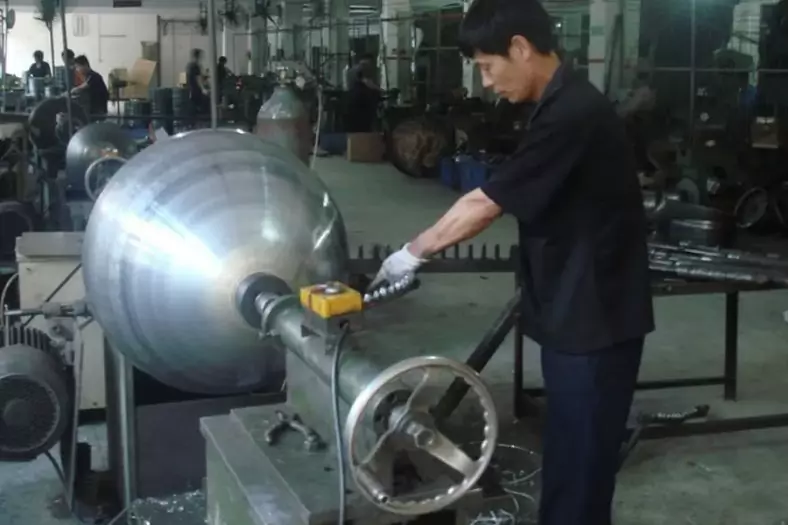
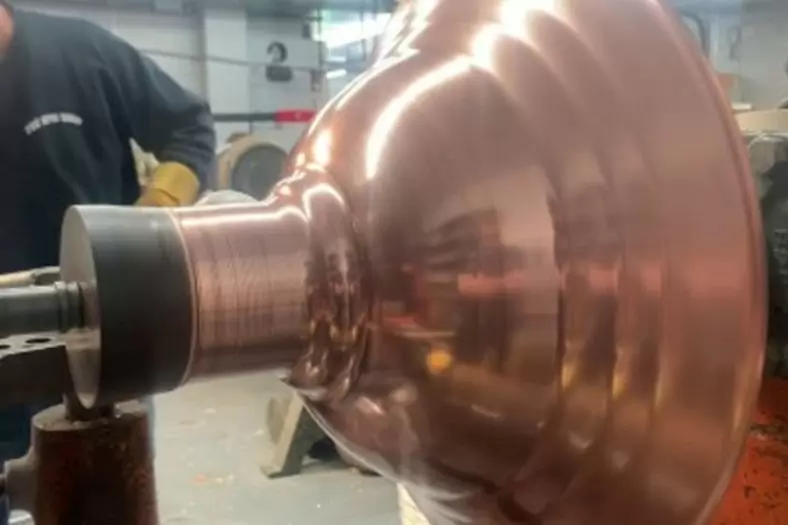
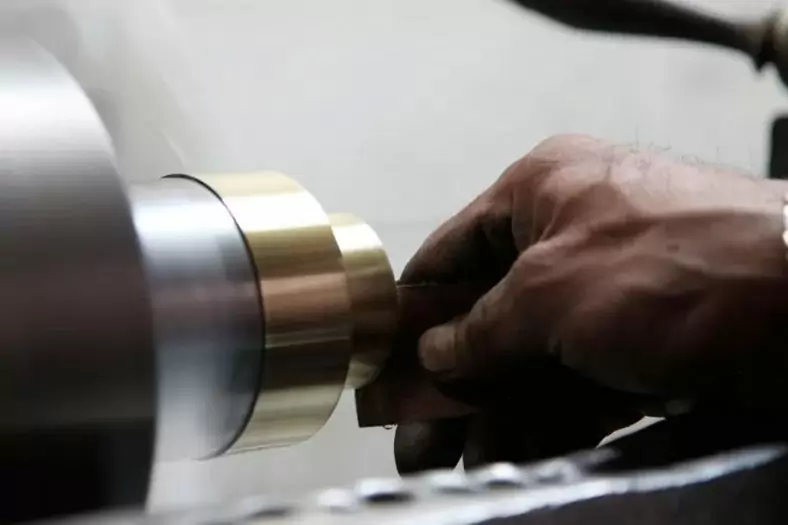
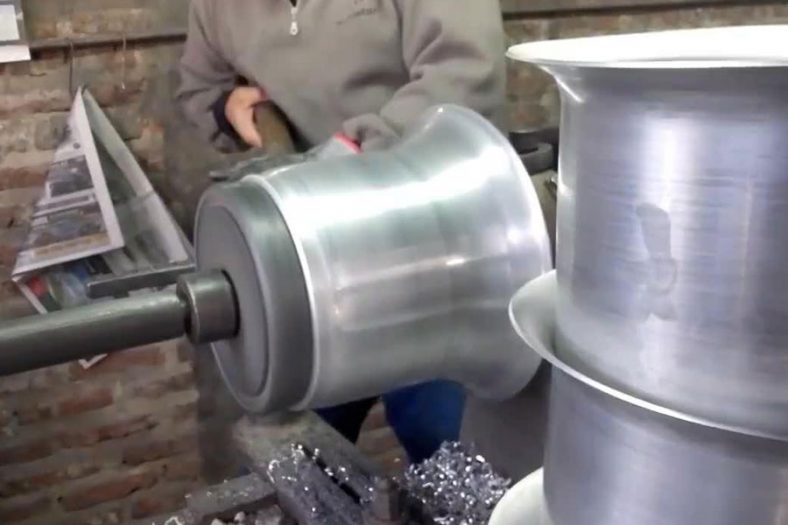
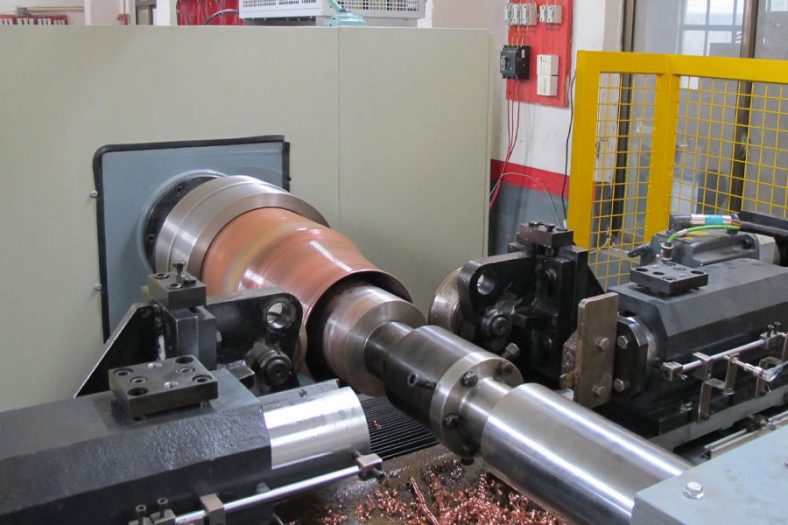
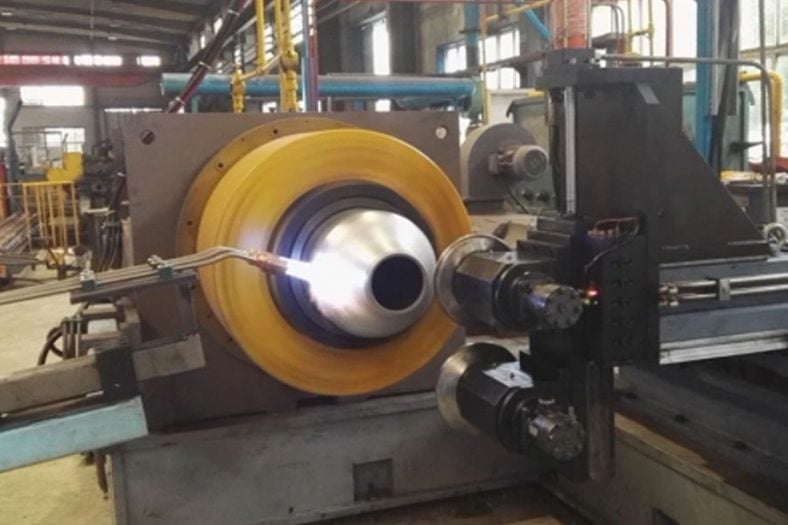
The Detail Of BE-CU Metal Spinning Company
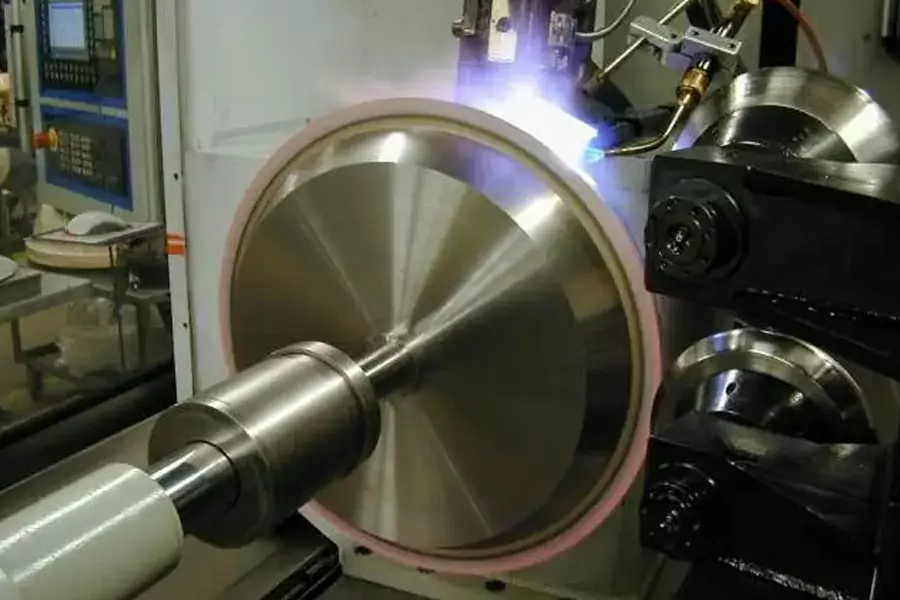
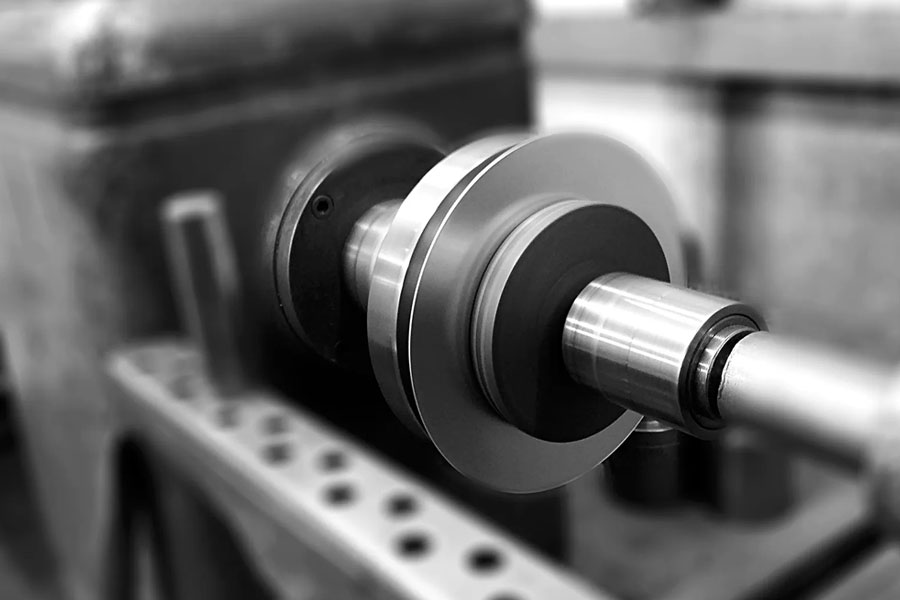
At Be-cu.com, we use a variety of materials for metal spinning such as cold rolled steel, hot rolled steel, aluminum spinning, stainless steel spinning, brass, copper spinning and exotic metals such as titanium and inconel. Be-cu Metal Spinning Section specializes in the forming of stainless steel. With our automated metal spinning lathes and the capabilities of our deep drawing, stamping and welding equipment, our ability to form your part to your specifications and within your budget are realistic. Be-cu Metal Spun Company has over 30 years of metal forming experience and has used the large metal spinning technology for a variety of industries such as aerospace, automotive, military, ordnance, plastics, lighting, pharmaceuticals, dairy, etc…
We have engineers on staff with metal spinning expertise to help guide you on designing a custom part and choose the optimal process to produce high quality spun parts at a competitive and affordable price. Tooling is custom made to form parts to your configuration.