The Lemaitre ductile fracture criterion is a widely recognized model used to predict the onset of fracture in ductile materials. Originally proposed by Jean Lemaitre, this criterion has been instrumental in understanding the failure mechanisms of materials under various loading conditions.
However, the traditional Lemaitre criterion has certain limitations, particularly in accurately predicting fracture in complex manufacturing processes such as spinning. This article delves into an improved version of the Lemaitre ductile fracture criterion and its application in the spinning process, providing a comprehensive overview of the theoretical background, experimental validation, and practical implications.
Theoretical Background
The Lemaitre ductile fracture criterion is based on the concept of damage mechanics, which considers the progressive degradation of material properties due to the accumulation of micro-voids and micro-cracks. The traditional criterion can be expressed as:
D=∫0ϵf ∗ {σ∗/σf}*dϵ
where D is the damage variable,ϵf is the fracture strain, σ∗ is the effective stress, and σf is the fracture stress. This criterion assumes that fracture occurs when the damage variable D reaches a critical value.
However, the traditional Lemaitre criterion does not account for the effects of strain rate, temperature, and multiaxial stress states, which are crucial in processes like spinning. The improved Lemaitre ductile fracture criterion addresses these limitations by incorporating additional parameters that capture the influence of these factors. The improved criterion can be formulated as:
D=∫0ϵf(σ∗/σf)m(ϵ˙/ϵ˙0)n(T/T0)pdϵ
where m, n, and p are material constants that account for the effects of stress triaxiality, strain rate, and temperature, respectively. ˙ϵ˙ is the strain rate, ˙0ϵ˙0 is the reference strain rate, T is the temperature, and 0T0 is the reference temperature.
Experimental Validation
To validate the improved Lemaitre ductile fracture criterion, extensive experimental studies have been conducted.
These studies involve subjecting material specimens to various loading conditions, including uniaxial tension, torsion, and multiaxial stress states, at different strain rates and temperatures. The experimental data is then used to calibrate the material constants m, n, and p.
One of the key experiments involved the use of a servo-hydraulic testing machine to apply controlled strain rates and temperatures to specimens made of ductile materials such as aluminum alloys and steels. The results showed that the improved criterion provided a more accurate prediction of the fracture strain compared to the traditional Lemaitre criterion. For example, in the case of an aluminum alloy subjected to high strain rates and elevated temperatures, the improved criterion predicted the fracture strain with an error of less than 5%, whereas the traditional criterion had an error of over 20%.
Another set of experiments focused on the multiaxial stress states, which are common in spinning processes. Specimens were subjected to combined tension and torsion loading, and the fracture strains were measured. The improved criterion was able to capture the interaction between the different stress components, leading to a more accurate prediction of the fracture strain. This was particularly evident in the case of steels, where the traditional criterion failed to account for the complex stress states, resulting in significant errors in the predicted fracture strain.
Application in Spinning
Spinning is a manufacturing process used to produce axisymmetric parts by forming a flat sheet or tube into the desired shape through plastic deformation. The process involves high strain rates, elevated temperatures, and complex multiaxial stress states, making it an ideal application for the improved Lemaitre ductile fracture criterion.In the spinning process, the material is subjected to a combination of tensile, compressive, and shear stresses. The improved criterion can be used to predict the onset of fracture under these complex loading conditions, allowing for better process control and optimization.
For example, by predicting the fracture strain at different stages of the spinning process, manufacturers can adjust the process parameters, such as the feed rate and mandrel speed, to avoid premature failure of the material.
One of the key advantages of the improved criterion in spinning is its ability to account for the effects of strain rate and temperature. In spinning, the strain rate can vary significantly depending on the feed rate and mandrel speed, while the temperature can increase due to frictional heating. The improved criterion can capture these effects, providing a more accurate prediction of the fracture strain. This is particularly important in the spinning of high-strength materials, where the risk of fracture is higher due to the increased stress levels.
Another important application of the improved criterion in spinning is in the design of tooling. By predicting the fracture strain under different loading conditions, tool designers can optimize the tool geometry and material selection to minimize the risk of fracture. This can lead to improved tool life and reduced downtime, resulting in significant cost savings.
Case Studies
To illustrate the practical implications of the improved Lemaitre ductile fracture criterion in spinning, several case studies have been conducted. These case studies involve the spinning of various materials, including aluminum alloys, steels, and titanium alloys, under different processing conditions.
In one case study, the spinning of an aluminum alloy tube was investigated. The tube was spun into a conical shape using a mandrel with a varying taper angle. The improved criterion was used to predict the fracture strain at different stages of the spinning process.
The results showed that the fracture strain decreased as the taper angle increased, indicating a higher risk of fracture at larger taper angles. By adjusting the feed rate and mandrel speed, the risk of fracture was minimized, resulting in a successful spinning process.
Another case study involved the spinning of a high-strength steel sheet into a hemispherical shape. The improved criterion was used to predict the fracture strain under different processing conditions, including varying feed rates and mandrel speeds. The results showed that the fracture strain was highly sensitive to the strain rate and temperature, with higher strain rates and temperatures leading to a lower fracture strain. By optimizing the processing conditions, the risk of fracture was minimized, resulting in a high-quality spun part.
In a third case study, the spinning of a titanium alloy tube was investigated. The tube was spun into a complex shape using a mandrel with a varying cross-section. The improved criterion was used to predict the fracture strain at different stages of the spinning process. The results showed that the fracture strain was highly dependent on the multiaxial stress state, with complex stress interactions leading to a lower fracture strain. By adjusting the tool geometry and material selection, the risk of fracture was minimized, resulting in a successful spinning process.
Practical Implications
The improved Lemaitre ductile fracture criterion has significant practical implications for the spinning industry. By providing a more accurate prediction of the fracture strain under complex loading conditions, the improved criterion can help manufacturers optimize their spinning processes, leading to improved part quality and reduced production costs.
One of the key practical implications is the ability to predict and avoid premature failure of the material during the spinning process. By adjusting the processing parameters based on the predicted fracture strain, manufacturers can minimize the risk of fracture, resulting in a more reliable and efficient spinning process. This is particularly important in the spinning of high-strength materials, where the risk of fracture is higher due to the increased stress levels.
Another practical implication is the optimization of tooling design. By predicting the fracture strain under different loading conditions, tool designers can optimize the tool geometry and material selection to minimize the risk of fracture. This can lead to improved tool life and reduced downtime, resulting in significant cost savings.
The improved criterion also has implications for material selection and development. By understanding the fracture behavior of different materials under complex loading conditions, manufacturers can select the most suitable materials for their spinning applications. This can lead to the development of new materials with improved fracture resistance, further enhancing the capabilities of the spinning process.
Future Directions
While the improved Lemaitre ductile fracture criterion has shown promising results in predicting the fracture strain in spinning, there are still several areas for future research and development. One of the key areas is the further refinement of the material constants m, n, and p to account for a wider range of materials and processing conditions. This can be achieved through additional experimental studies and the development of more sophisticated calibration techniques.
Another area for future research is the integration of the improved criterion with finite element analysis (FEA) software. By incorporating the improved criterion into FEA simulations, manufacturers can predict the fracture behavior of their spinning processes more accurately, leading to further optimization and improvement. This can also enable the development of more advanced spinning processes, such as multi-stage spinning and hot spinning, which involve even more complex loading conditions.
The improved criterion can also be extended to other manufacturing processes that involve ductile fracture, such as forging, extrusion, and deep drawing. By understanding the fracture behavior of materials under different processing conditions, manufacturers can optimize their processes, leading to improved part quality and reduced production costs.
Conclusion
The improved Lemaitre ductile fracture criterion represents a significant advancement in the prediction of fracture in ductile materials, particularly in complex manufacturing processes such as spinning. By incorporating the effects of strain rate, temperature, and multiaxial stress states, the improved criterion provides a more accurate prediction of the fracture strain, enabling better process control and optimization.
The experimental validation of the improved criterion has shown promising results, with significant improvements in the prediction of fracture strain compared to the traditional Lemaitre criterion. The application of the improved criterion in spinning has demonstrated its practical implications, including the optimization of processing parameters, tooling design, and material selection.
As the spinning industry continues to evolve, the improved Lemaitre ductile fracture criterion will play a crucial role in enhancing the capabilities and efficiency of the spinning process. Through further research and development, the improved criterion can be refined and extended to other manufacturing processes, leading to even greater advancements in the field of ductile fracture prediction.
In summary, the improved Lemaitre ductile fracture criterion offers a comprehensive and accurate approach to predicting fracture in ductile materials under complex loading conditions. Its application in spinning has shown significant benefits, and its potential for future development is vast. As the understanding of ductile fracture continues to grow, the improved criterion will remain a valuable tool for manufacturers and researchers alike, driving innovation and progress in the field of materials science and engineering.
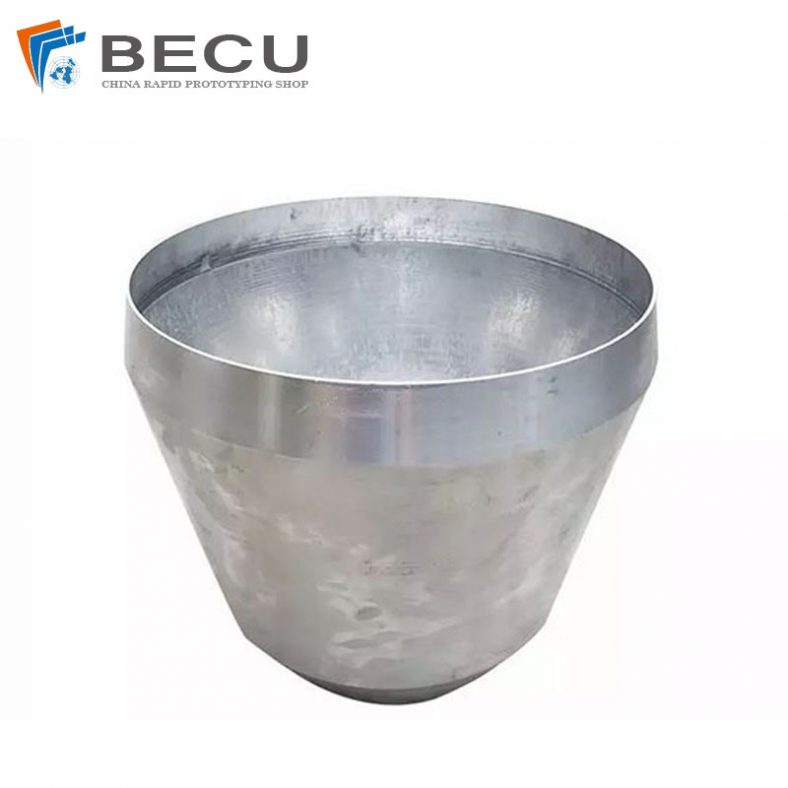
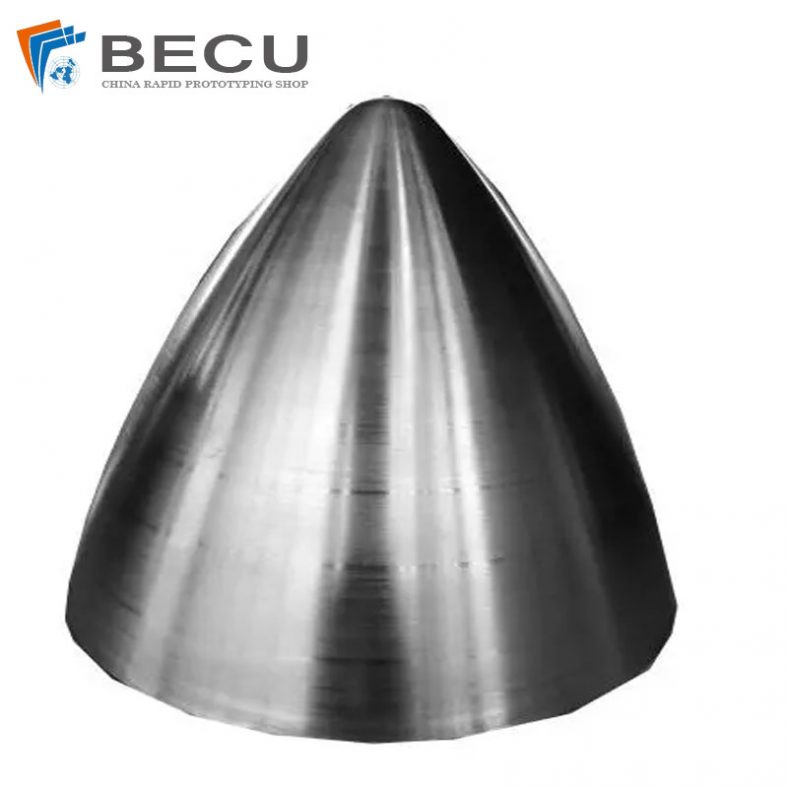
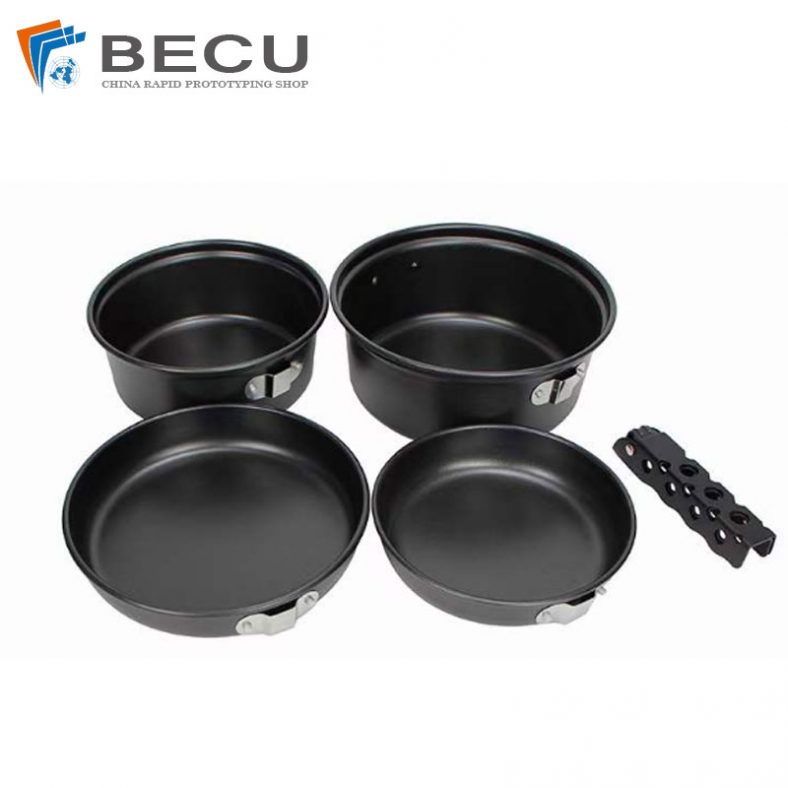
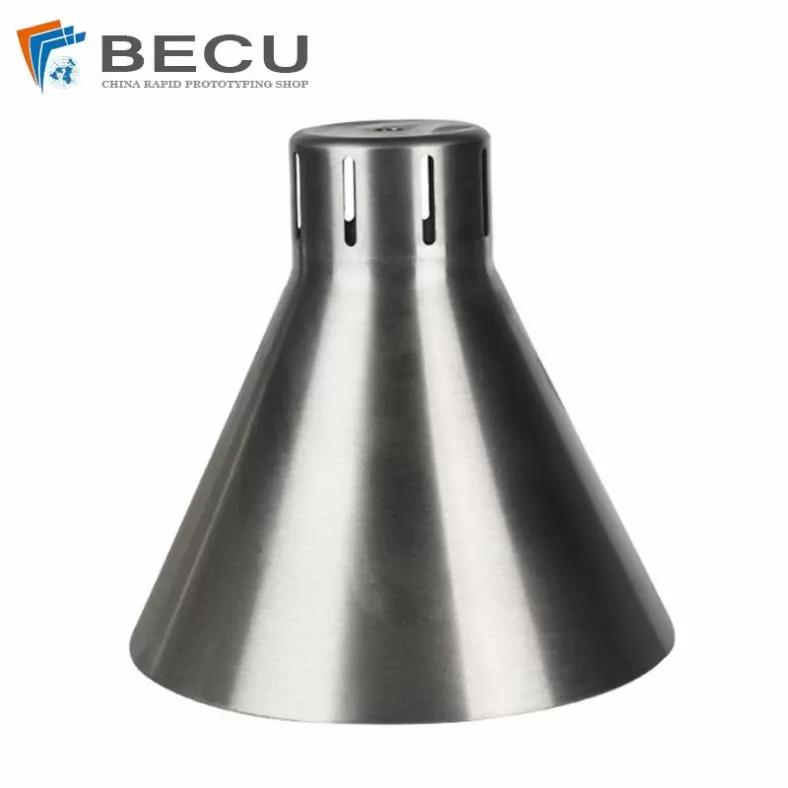
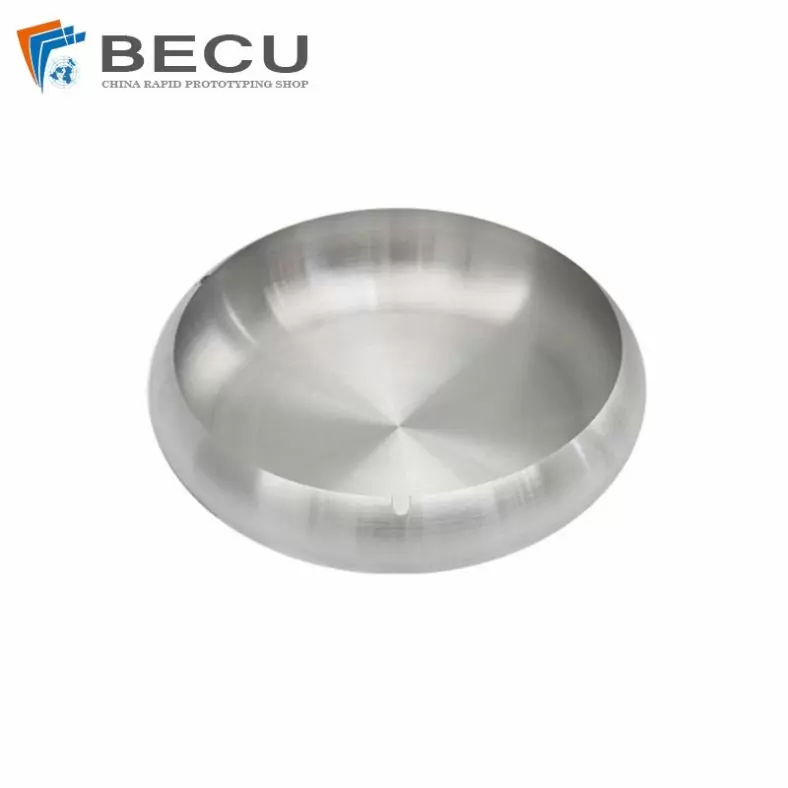
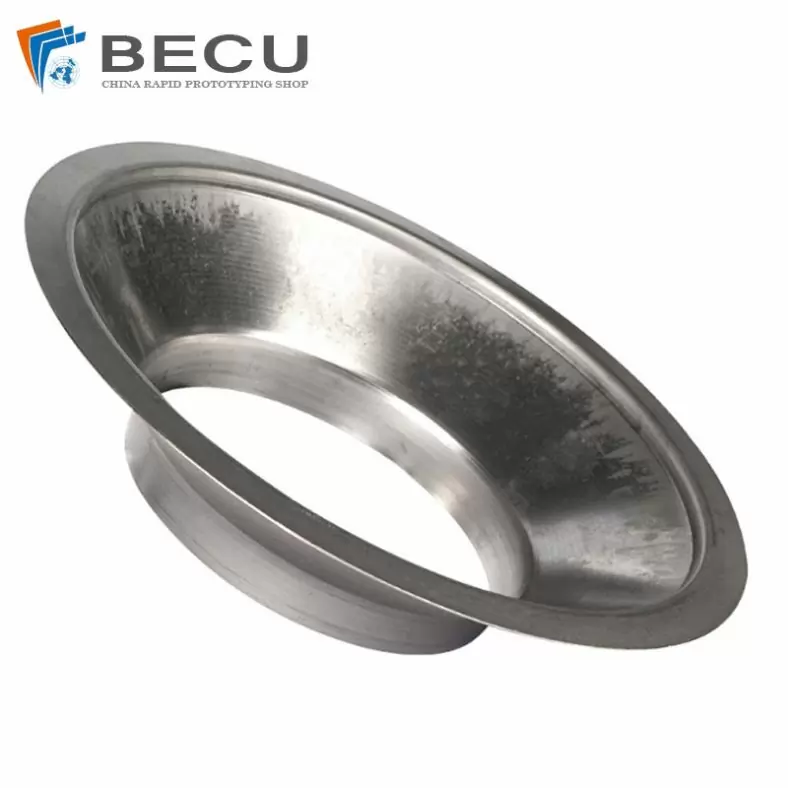
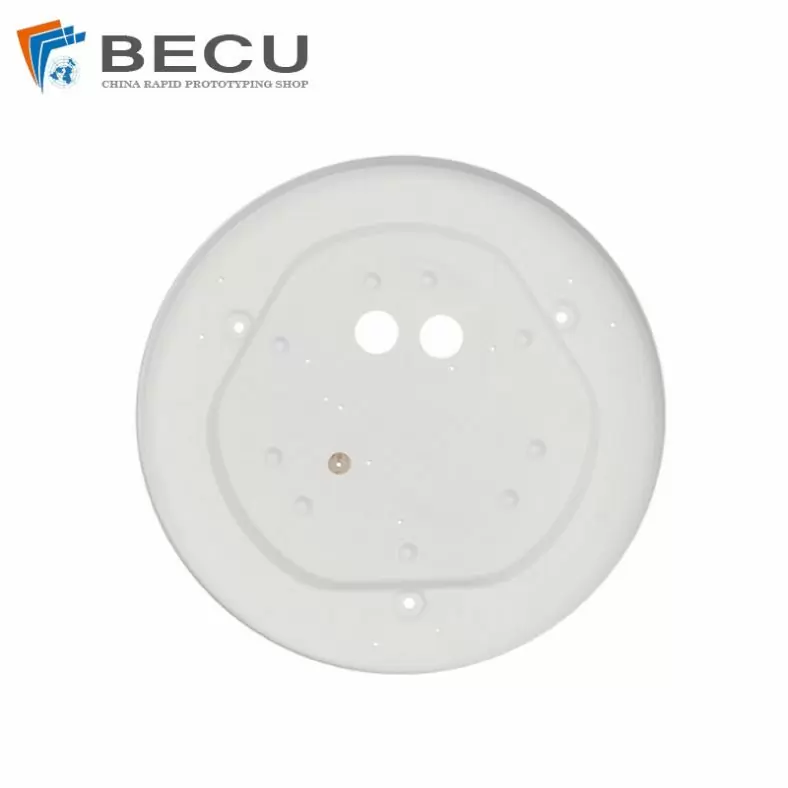
The Shapes Achieved Of Metal Spinning Parts
Simple shapes are easy to make in less time. But for complex shapes, it requires more time because it increases steps as per the block shape.
In addition to metal spinning, Be-cu.com also offers in-house tooling, welding, abrasive polishing and hydroforming, helping to drive down your costs and streamline production. Quicker turnaround times and lower costs are two of the most attractive advantages of metal spinning. The ability to form very thick components and large diameters with uniformity and high quality at low and high quantities, are more appealing reasons to consider metal spinning.To find out if metal spinning would be beneficial for your application or end product, contact us today.
- Domed
- Flanged
- Domed with flange
- Dished
- Semi elliptical
- Hemisphere
- Flanged, dished and flued
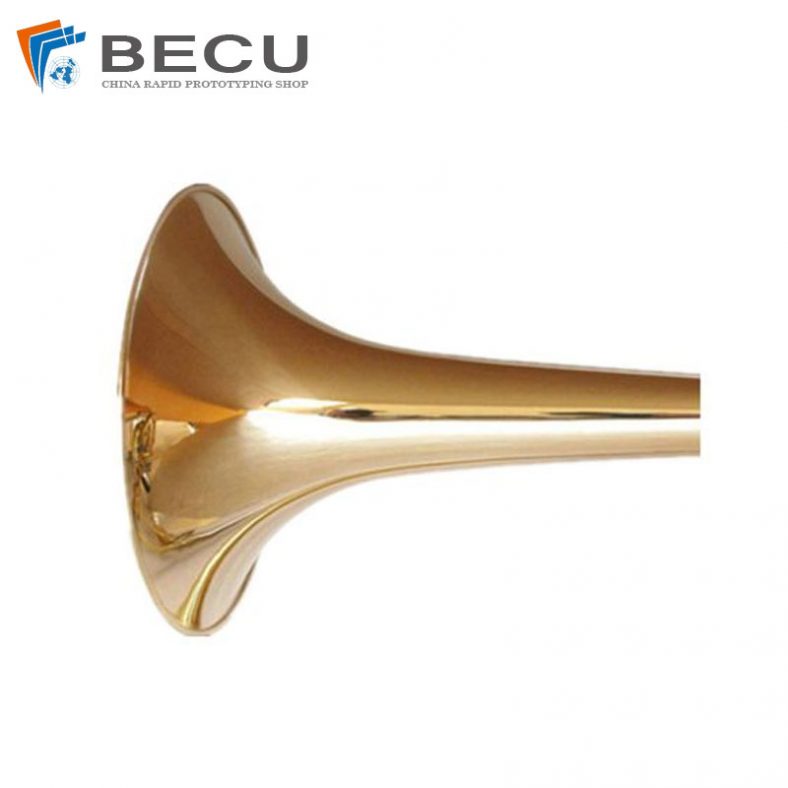
- Trumpet
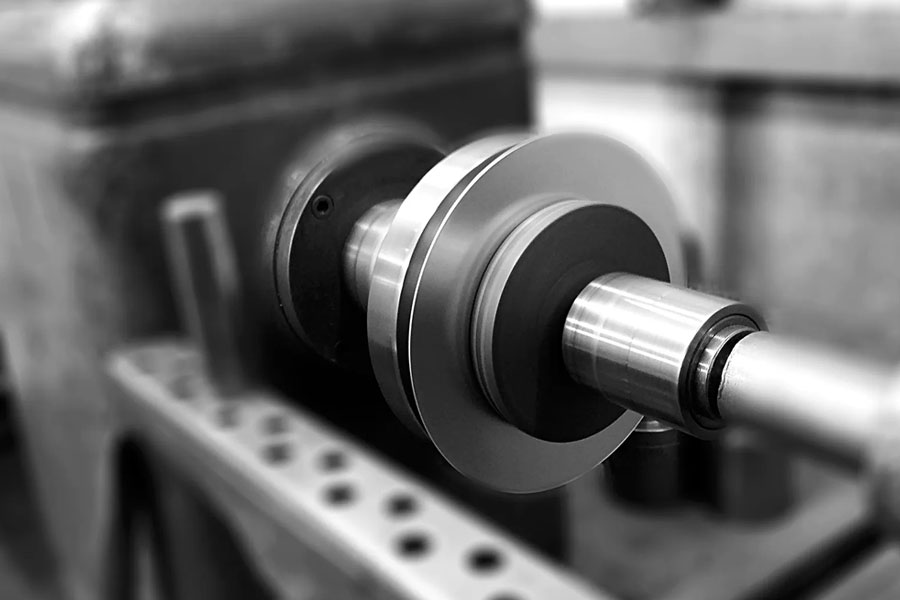
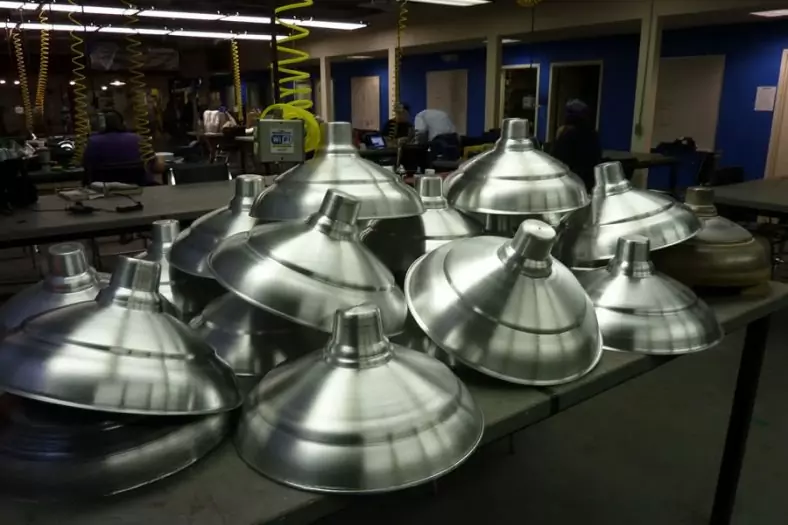
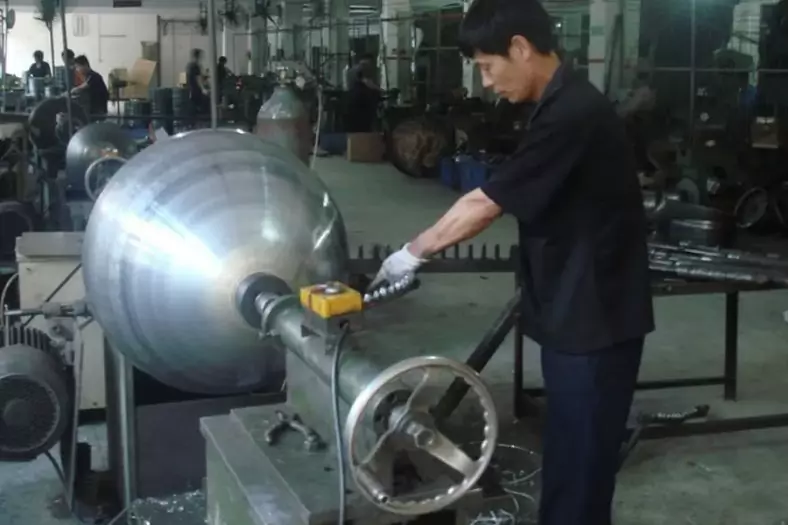
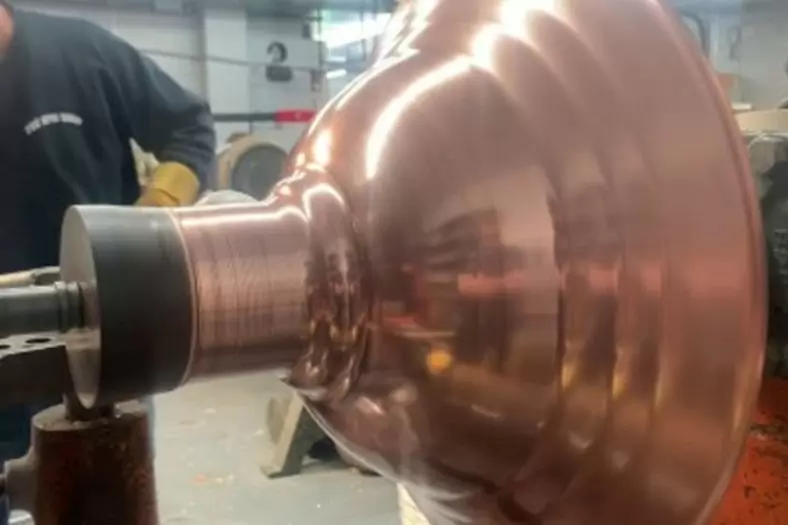
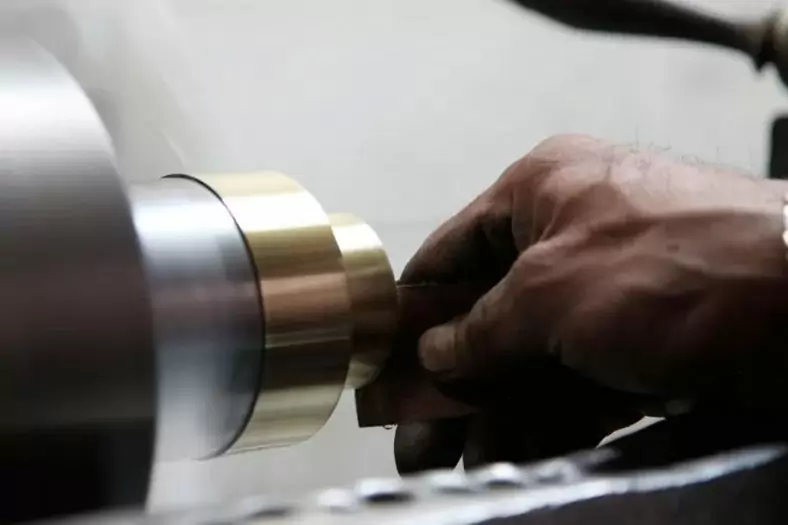
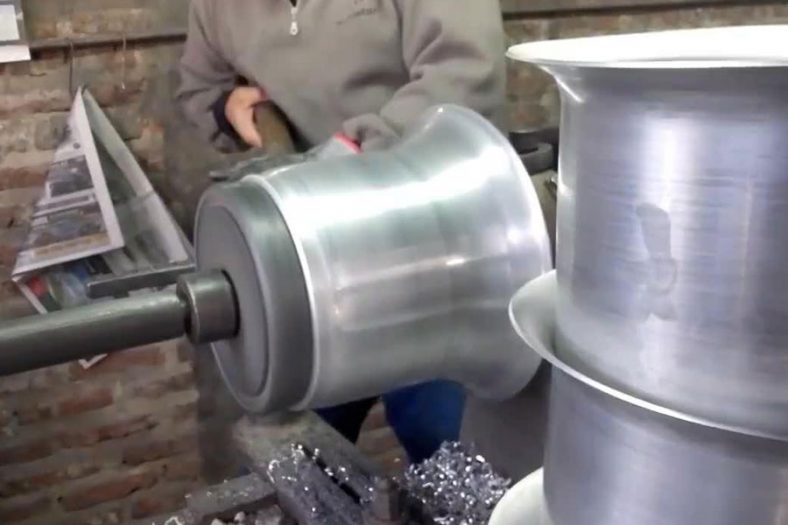
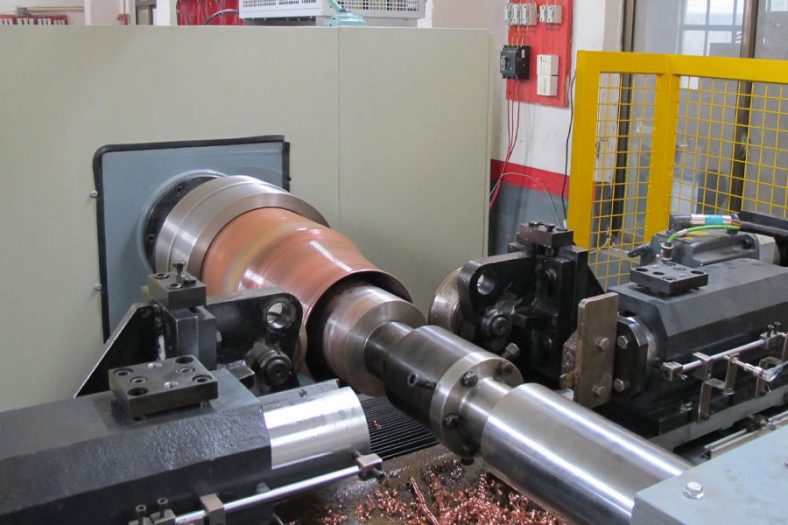
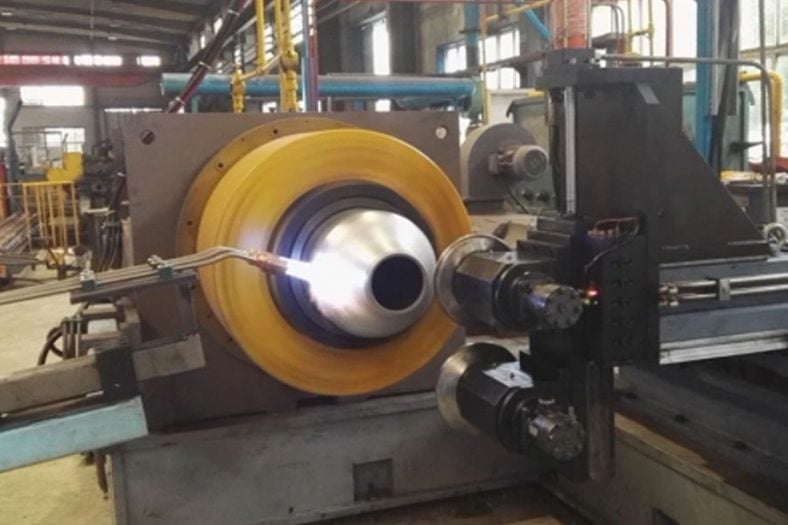
The Detail Of BE-CU Metal Spinning Company
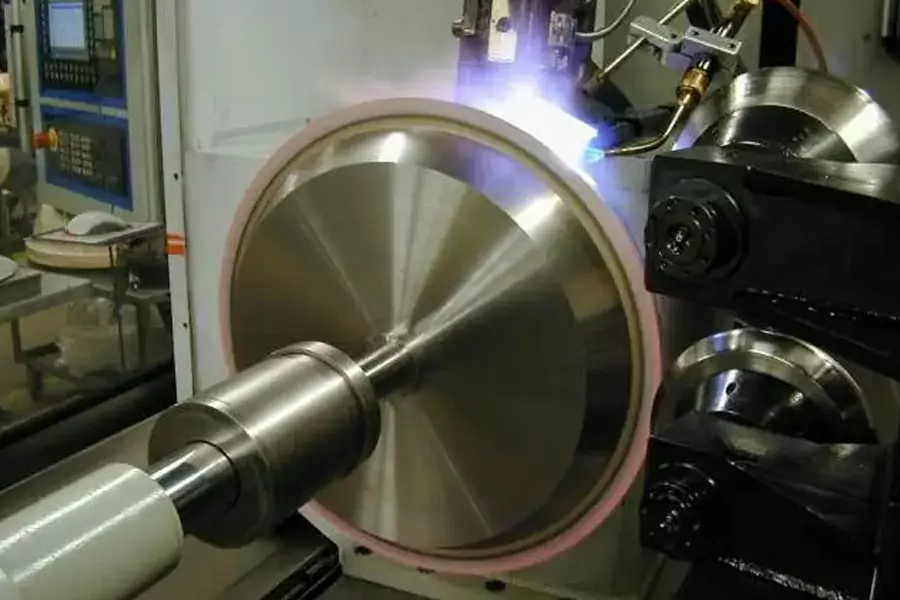
At Be-cu.com, we use a variety of materials for metal spinning such as cold rolled steel, hot rolled steel, aluminum spinning, stainless steel spinning, brass, copper spinning and exotic metals such as titanium and inconel. Be-cu Metal Spinning Section specializes in the forming of stainless steel. With our automated metal spinning lathes and the capabilities of our deep drawing, stamping and welding equipment, our ability to form your part to your specifications and within your budget are realistic. Be-cu Metal Spun Company has over 30 years of metal forming experience and has used the large metal spinning technology for a variety of industries such as aerospace, automotive, military, ordnance, plastics, lighting, pharmaceuticals, dairy, etc…
We have engineers on staff with metal spinning expertise to help guide you on designing a custom part and choose the optimal process to produce high quality spun parts at a competitive and affordable price. Tooling is custom made to form parts to your configuration.