
Steel angles, often referred to as angle iron, L-bars, or L-brackets, are among the most versatile and widely utilized structural steel components in engineering, construction, manufacturing, and various industrial applications. Their characteristic L-shaped cross-section, typically formed at a 90-degree angle, provides exceptional strength and rigidity, making them indispensable in frameworks, reinforcements, and supports. This article delves deeply into the types, dimensions, properties, and measurement techniques of steel angles, culminating in a comprehensive discussion of steel angle size charts and their practical utility in PDF format.
Understanding Steel Angles: A Foundational Overview
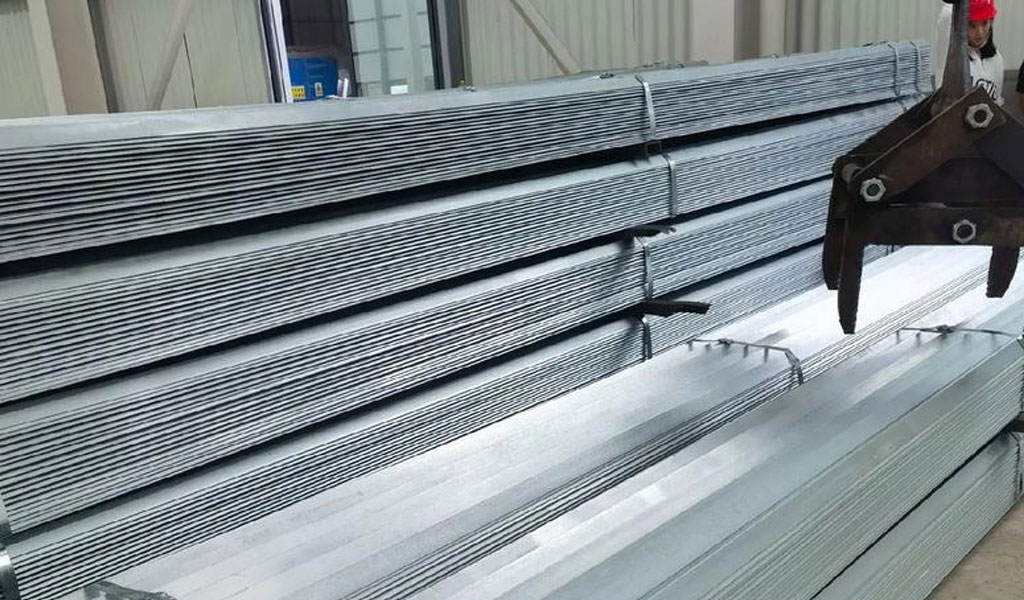
Steel angles are produced primarily through hot rolling, a process where steel billets are heated to a malleable temperature and passed through rollers to form the desired L-shape. This method ensures uniformity in the cross-section and enhances the material’s mechanical properties. The two perpendicular segments of the angle, known as legs, can either be of equal length (equal angles) or unequal length (unequal angles), with variations in thickness depending on the intended application. The versatility of steel angles stems from their ability to resist bending and torsion while providing structural support in a compact, lightweight form.
The primary material for steel angles is carbon steel, often conforming to standards such as ASTM A36, which offers a balance of strength, ductility, and weldability. However, stainless steel (e.g., grades 304 and 316) and weathering steel (e.g., ASTM A588) are also common, especially in environments requiring corrosion resistance. Aluminum angles, though less common, cater to applications needing reduced weight and enhanced corrosion resistance. Each material choice influences the angle’s properties, dimensions, and suitability for specific tasks, a topic we will explore in detail.
Types of Steel Angles
Steel angles are categorized based on the geometry of their legs and additional structural features.
The Indian Statistical Institute (ISI), American Institute of Steel Construction (AISC), and other standards bodies classify them into three primary types: equal angles, unequal angles, and bulb angles. Below, we examine each type comprehensively, considering their design, applications, and mechanical implications.
1. Equal Angles
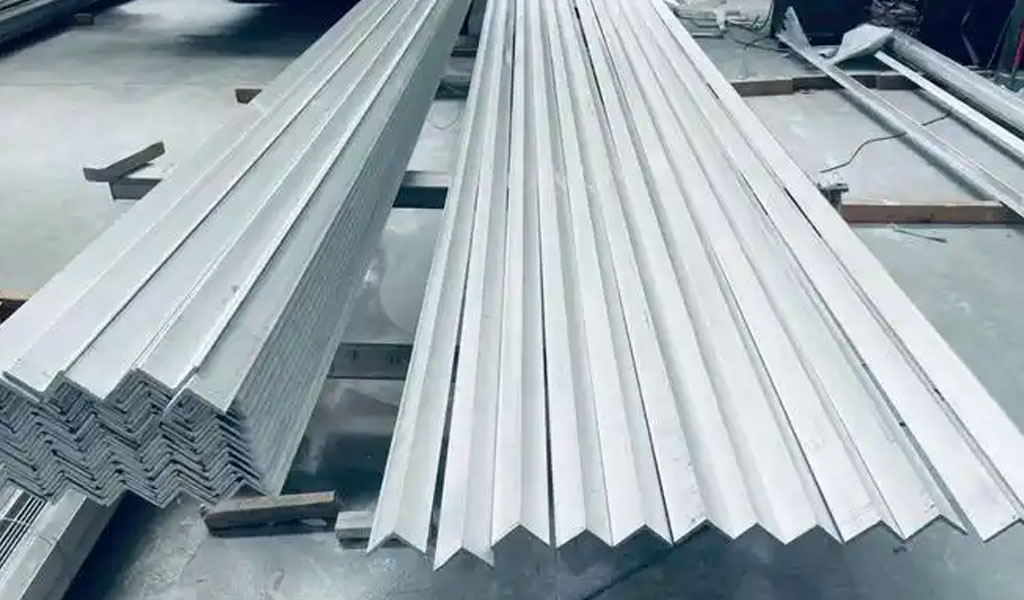
Equal angles feature legs of identical length and thickness, forming a symmetrical L-shape. For instance, an angle designated as L 3 × 3 × 1/4 (in imperial units) indicates legs that are 3 inches long and 1/4 inch thick. In metric terms, this might be expressed as 75 × 75 × 6 mm, where 75 mm is the leg length and 6 mm is the thickness. This symmetry simplifies structural calculations and ensures uniform load distribution along both axes, making equal angles ideal for frameworks, brackets, and trusses.
The mechanical properties of equal angles are governed by their moment of inertia (I) and section modulus (Z), which dictate resistance to bending. For a given cross-section, the moment of inertia about the principal axes (x-x and y-y) can be calculated as:
- Ix=t(a3)/3
- Iy=t(b3)/3
where t is the thickness and a a a is the leg length. These values assume a simplified model neglecting the fillet radius at the angle’s root, which slightly reduces the actual moment of inertia in practice. Equal angles excel in applications requiring balanced strength, such as corner reinforcements in machinery or structural beams in buildings.
2. Unequal Angles
Unequal angles have legs of differing lengths but typically equal thickness, such as L 4 × 3 × 1/4 (imperial) or 100 × 75 × 6 mm (metric). This asymmetry allows engineers to optimize material usage by aligning the longer leg with the direction of greater load or span. For example, in a bridge girder, the longer leg might be oriented vertically to resist vertical shear forces, while the shorter leg provides lateral stability.
The moment of inertia for unequal angles is more complex due to the shift in the centroid. For an angle with legs a a a (longer) and b b b (shorter), and thickness t t t, the centroid’s position and principal moments of inertia require coordinate transformations. Approximate formulas include:
- Ix=t(a3+3ab2)/3
- Iy=t(b3+3ab2)/3
These values are adjusted based on the actual fillet radius and root geometry, often provided in standardized tables like those from AISC or EN standards. Unequal angles are prevalent in applications like shelving supports, where the longer leg bears the primary load, and in machinery frames requiring directional strength.
3. Bulb Angles
Bulb angles, less common but highly specialized, feature a bulb-like protrusion at the end of one leg, connected to a flat web and flange. This design enhances stiffness and load-bearing capacity, particularly in compression members like columns or shipbuilding stiffeners. The bulb increases the moment of inertia significantly, making these angles suitable for marine and heavy industrial applications.
The geometry of bulb angles complicates their analysis, as the bulb’s shape (often approximated as a semicircle or trapezoid) shifts the centroid further from the web. Detailed properties, including area (A), moment of inertia (I), and radius of gyration (r), are typically derived from manufacturer specifications or finite element analysis (FEA). For instance, the moment of inertia might be expressed as:
Ix=Iweb+Ibulb+Abulb⋅d2
where d d d is the distance from the bulb’s centroid to the reference axis. Bulb angles are critical in structures requiring high resistance to buckling, such as ship hulls or bridge arches.
Dimensions of Steel Angles
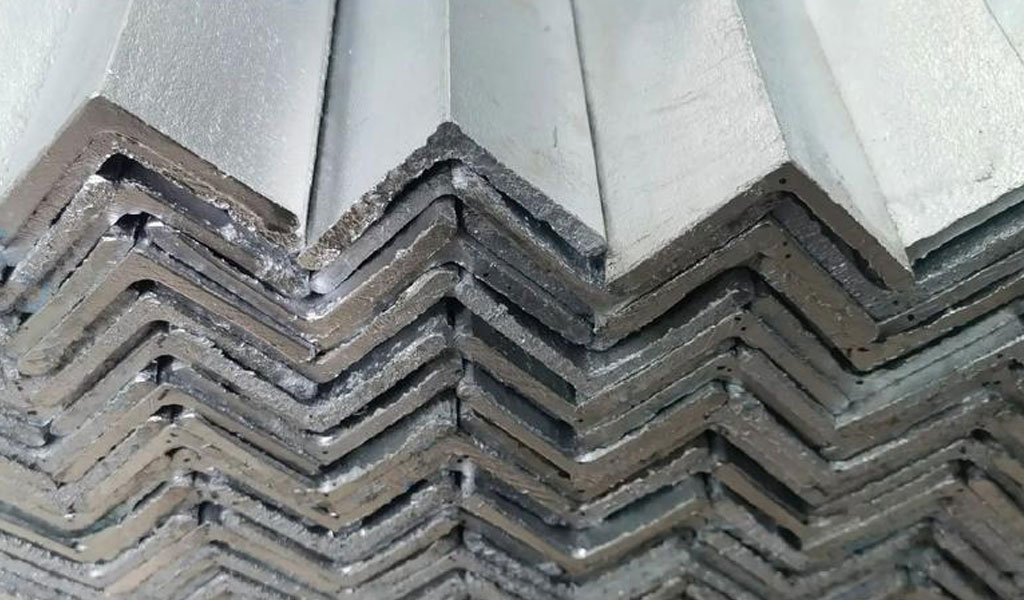
The dimensions of steel angles are standardized to ensure consistency across industries, with variations based on regional standards (e.g., AISC in the U.S., EN in Europe, ISI in India).
Dimensions are specified by leg length, thickness, and overall length, with tolerances defined by manufacturing processes.
Standard Sizing Conventions
- Imperial Units: In the U.S., steel angles are denoted as L a a a × b b b × t t t, where a a a and b b b are leg lengths in inches, and t t t is thickness in inches. For example, L 6 × 4 × 1/2 indicates a 6-inch by 4-inch angle with 1/2-inch thickness.
- Metric Units: In metric systems, dimensions are given in millimeters, e.g., 100 × 75 × 10 mm, where 100 mm and 75 mm are leg lengths, and 10 mm is thickness.
Stock lengths typically range from 20 feet (6 meters) to 40 feet (12 meters), though custom cuts are available. Small bar-size angles (e.g., 1/2 × 1/2 × 1/8 inch) cater to light-duty applications, while larger L-shapes (e.g., 8 × 8 × 1 inch) support heavy structural loads.
Dimensional Range
- Equal Angles: Leg lengths range from 1/2 inch (12.7 mm) to 8 inches (203 mm), with thicknesses from 1/8 inch (3 mm) to 1-1/8 inches (28 mm).
- Unequal Angles: Common combinations include 3 × 2 inches to 8 × 4 inches, with similar thickness ranges.
- Tolerances: ASTM A6/A6M specifies tolerances for leg length (±1/16 inch for angles up to 3 inches), thickness (±0.03 inch), and straightness (1/8 inch per 5 feet).
These dimensions influence weight per unit length, a critical factor in material selection. For instance, an L 4 × 4 × 1/4 angle weighs approximately 6.6 pounds per foot (9.82 kg/m), while an L 8 × 8 × 1 weighs 44.9 pounds per foot (66.8 kg/m).
Properties of Steel Angles
The mechanical and physical properties of steel angles determine their performance under load. Key properties include yield strength, tensile strength, ductility, and resistance to environmental factors.
Mechanical Properties
- Yield Strength: For A36 steel, the minimum yield strength is 36 ksi (250 MPa), sufficient for most structural applications. Higher grades like A572 Gr 50 offer 50 ksi (345 MPa).
- Tensile Strength: A36 ranges from 58–80 ksi (400–550 MPa), ensuring durability under tension.
- Ductility: Measured by elongation (e.g., 20% for A36), ductility allows angles to deform without fracturing, critical for seismic design.
- Moment of Inertia and Section Modulus: These geometric properties govern bending resistance, varying with leg size and thickness.
Physical Properties
- Density: Carbon steel has a density of 7.85 g/cm³, influencing weight calculations.
- Thermal Conductivity: Approximately 50 W/m·K for carbon steel, relevant in heat transfer applications.
- Corrosion Resistance: Enhanced through galvanization or stainless steel grades (e.g., 304 with 18% chromium).
Load-Bearing Capacity
The load-bearing capacity depends on the angle’s orientation (e.g., vertical or horizontal leg) and loading type (axial, shear, bending). For example, an L 6 × 6 × 1/2 equal angle under uniform bending can support greater loads when the legs are symmetrically positioned, leveraging its balanced moment of inertia.
Measurement Techniques
Accurate measurement of steel angles ensures compliance with design specifications. Techniques vary from manual tools to advanced metrology.
Manual Measurement
- Calipers: Measure leg length and thickness with precision (±0.01 inch or 0.25 mm).
- Steel Rule: Assess overall length and straightness.
- Protractor: Verify the angle between legs, typically 90° (±1° tolerance).
Advanced Methods
- Laser Scanning: Provides 3D profiles for complex angles, detecting deviations in fillet radius or leg alignment.
- Coordinate Measuring Machines (CMM): Offer sub-millimeter accuracy for quality control in manufacturing.
Weight is calculated using the cross-sectional area and density:
W=A⋅ρ⋅L
where W W W is weight, A A A is area (in² or m²), ρ \rho ρ is density (lb/in³ or kg/m³), and L L L is length (ft or m).
Steel Angle Size Chart PDF: A Practical Tool
Steel angle size charts consolidate dimensional and property data into a concise format, often provided in PDF for accessibility. These charts, sourced from standards like AISC’s Steel Construction Manual or manufacturer catalogs, include:
- Dimensions: Leg lengths, thicknesses, and fillet radii.
- Weight: Per foot or meter.
- Section Properties: Area, moment of inertia, section modulus, and radius of gyration.
- Material Grades: A36, A572, stainless steel, etc.
For example, a typical entry might read:
- L 4 × 4 × 1/4: Weight = 6.6 lb/ft, Area = 1.94 in², Ix=5.14 I_x = 5.14 Ix=5.14 in⁴, Zx=1.72 Z_x = 1.72 Zx=1.72 in³.
PDF charts are invaluable for engineers selecting angles for specific loads, allowing rapid comparison and integration into design software like AutoCAD or STAAD.Pro. They also include tolerances and notes on fabrication, such as weldability or galvanization options.
Applications and Case Studies
Steel angles find applications across industries, each leveraging their unique properties:
- Construction: Reinforcing concrete in bridges (e.g., 70% of U.S. bridges use steel angles).
- Machinery: Frames in forklifts and ovens, enhancing corner strength.
- Warehousing: Storage racks with L 6 × 4 × 3/8 angles supporting 5-ton loads.
A case study from a 2023 skyscraper project in Chicago utilized L 8 × 8 × 1 angles in wind bracing, achieving a 15% reduction in material weight compared to I-beams, validated through FEA.
Conclusion
Steel angles embody a blend of simplicity and sophistication, their types, dimensions, and properties tailored to diverse engineering challenges. From equal angles in symmetrical frames to bulb angles in marine stiffeners, their adaptability is unmatched. Size charts in PDF format distill this complexity into actionable data, bridging theory and practice.

China Sheet Metal Fabrication Company
Sheet fabrication services for mild steel, high strength low alloy (HSLA) steel, cold/hot rolled steel, galvanized steel, stainless steel, aluminum, copper and brass. Capable of fabricating parts up to 12 ft. length and +/-0.001 in. tolerance. Various capabilities include contract manufacturing,custom stamping,edge rolling, forming,top laser cutting, roll bending and welding. Finishing and secondary services such as hardware installation, tapping, deburring, cleaning, heat treating, plating, anodizing and painting available. Sheet Metal Prototype and low to high volume production runs offered.
Suitable for commercial/residential architectural, aluminum brake shape parts, wall panel systems, brackets, general flashings, rails, call button plates and ship building component parts.If you want a specific material to be used in the sheet metal fabrication process, don’t hesitate to contact us!
-
Stainless Steel Sheet Metal Fabrication
-
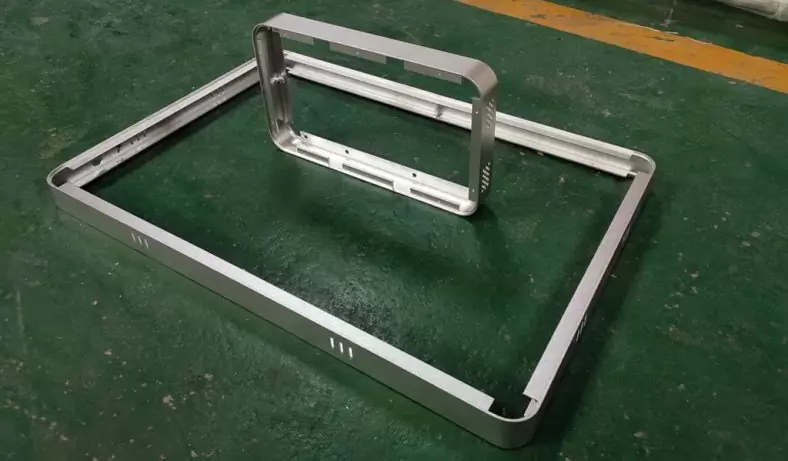
Aluminum Sheet Metal Fabrication
-
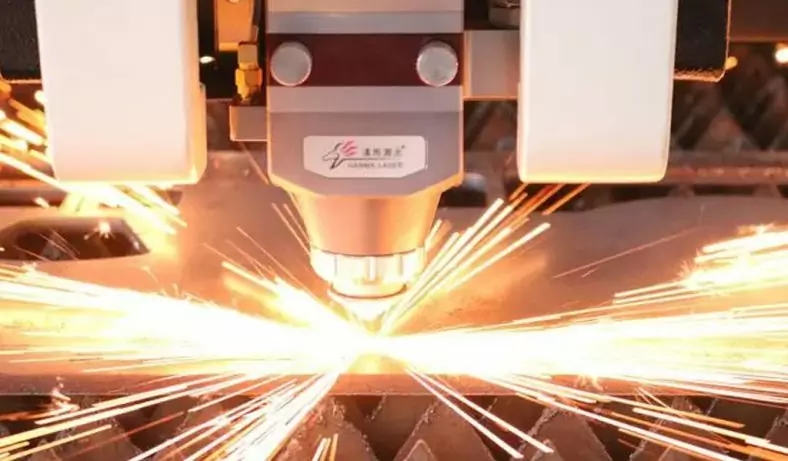
Copper Sheet Metal Fabrication
-
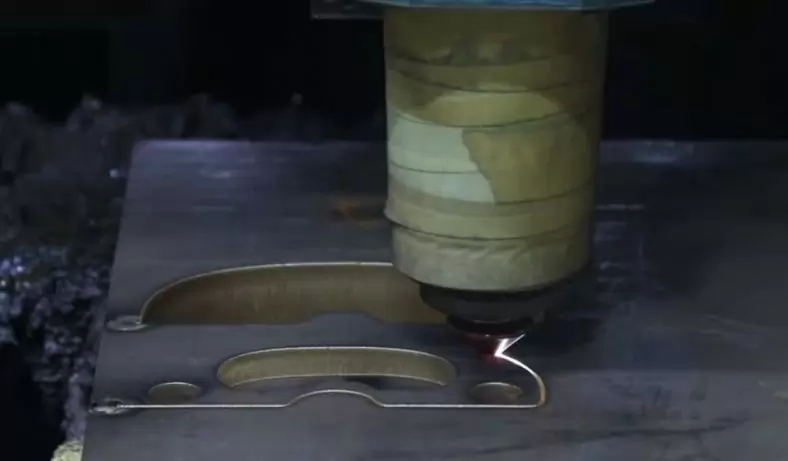
Brass Sheet Metal Fabrication
-
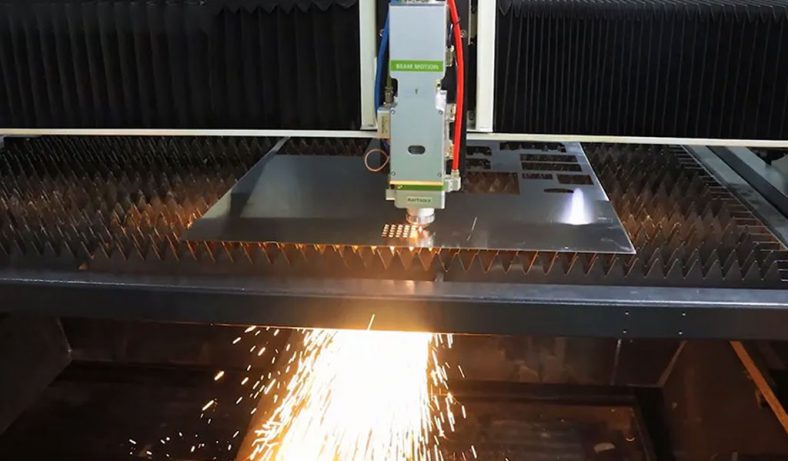
Steel Sheet Metal Fabrication
-
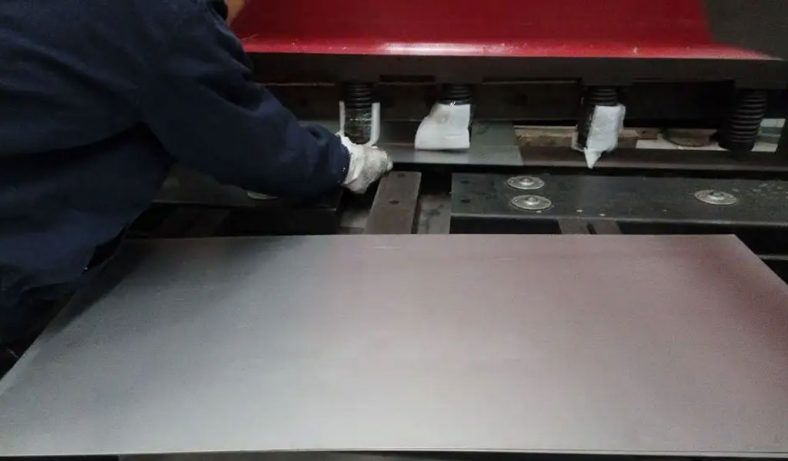
Titanium Sheet Metal Fabrication
-
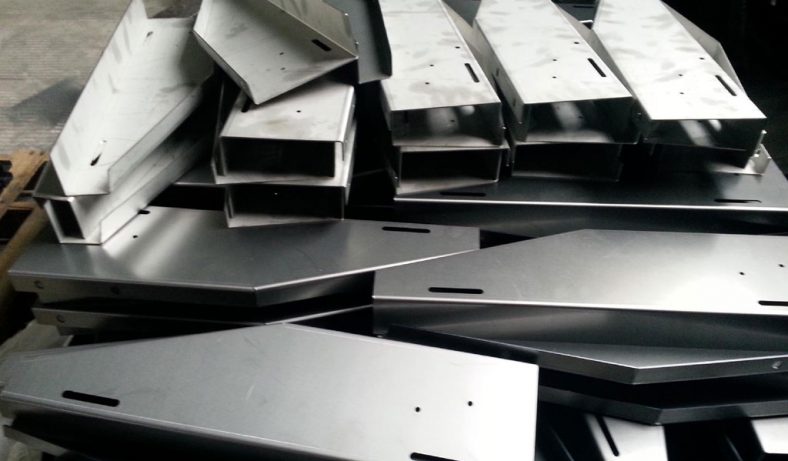
Galvanized Steel Sheet Metal Fabrication
-
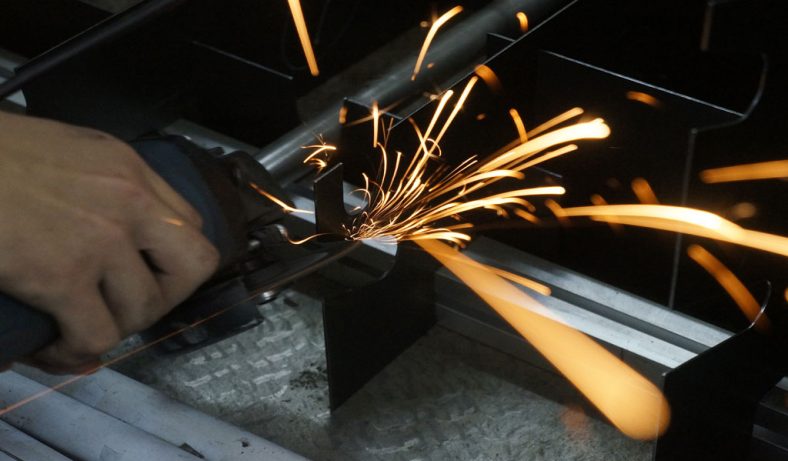
Mild Steel Sheet Metal Fabrication
-
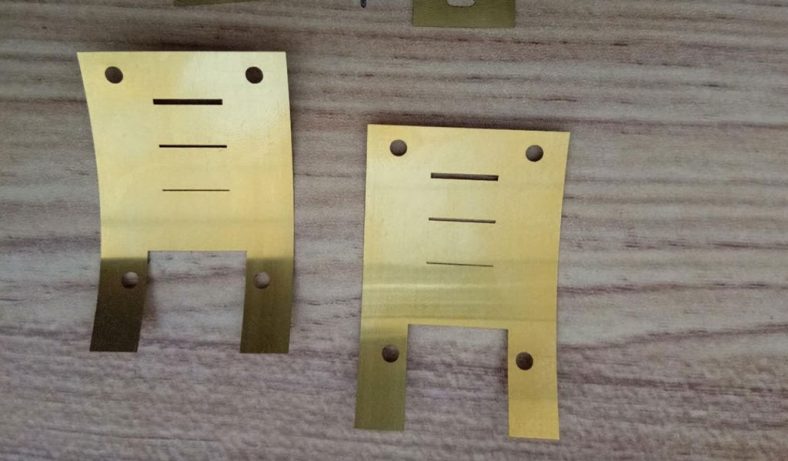
Bronze Sheet Metal Fabrication
Our Sheet Metal Fabrication Applications
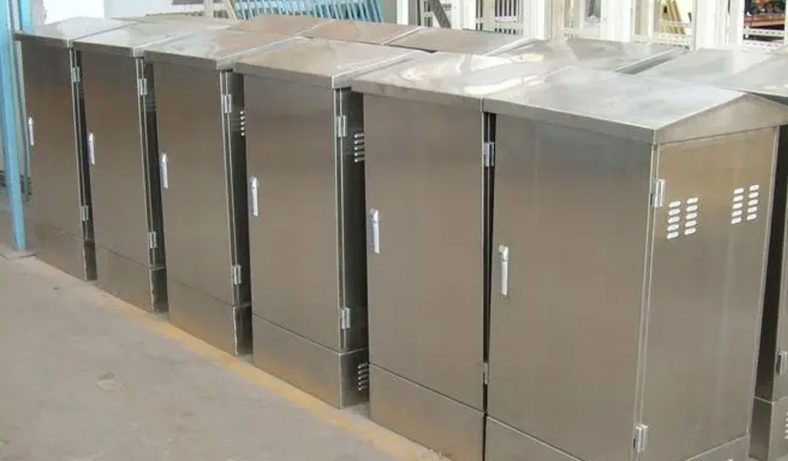
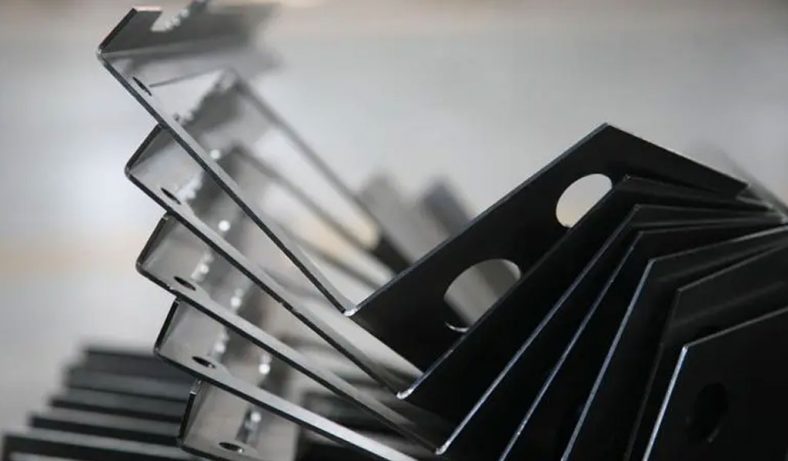
Be-Cu prototype offers custom sheet metal fabrication for creating structures, machines, and parts that includes:
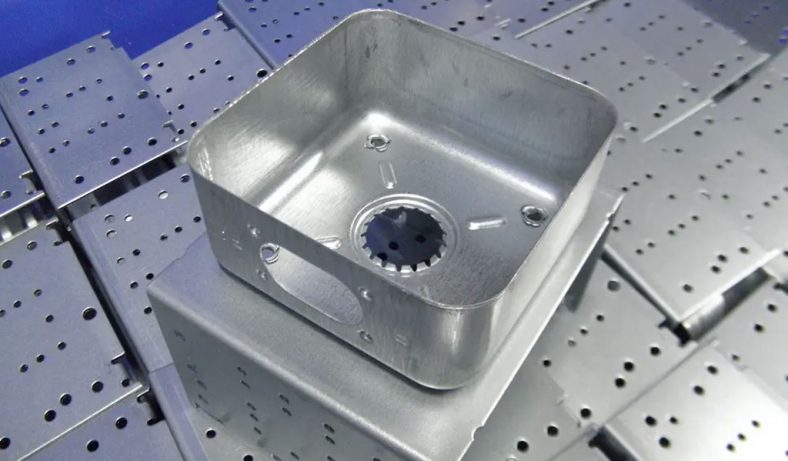
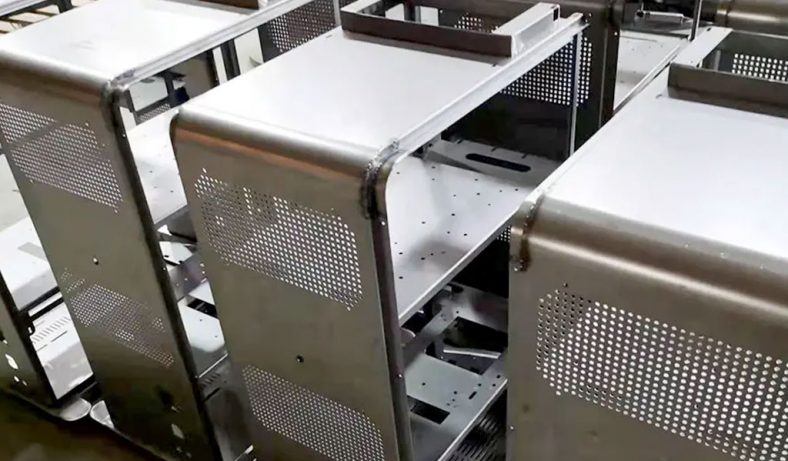
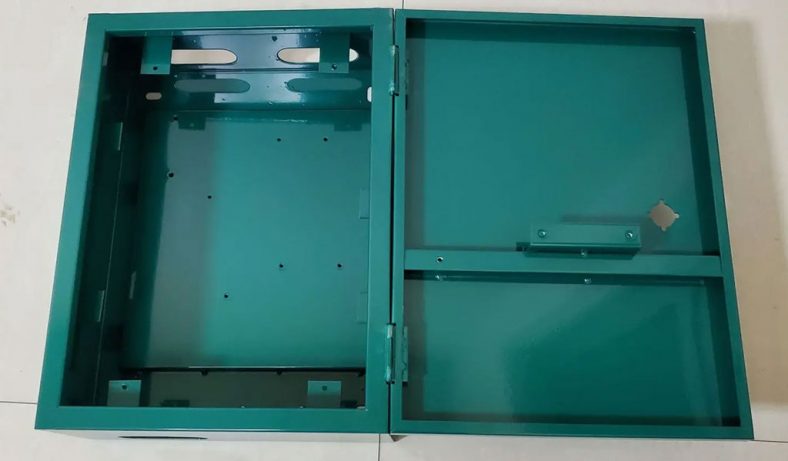
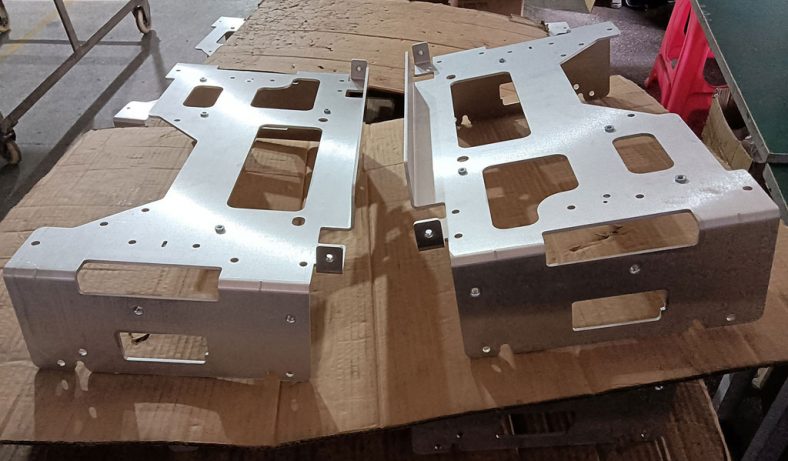
Our Case Studies Gallery Of Sheet Metal Fabrication Parts
If you need custom Sheet Metal Fabrication parts in China from a trusted supplier, look no further. Professional service from 10 to 100000+ parts,Whether you want a small series production or large quantities,Be-Cu Prototype scale precision Sheet Metal Fabrication services according to our customers needs, including pipe,plate and tube cutting. Contact us to see how we can help you! Get a quote today!
-
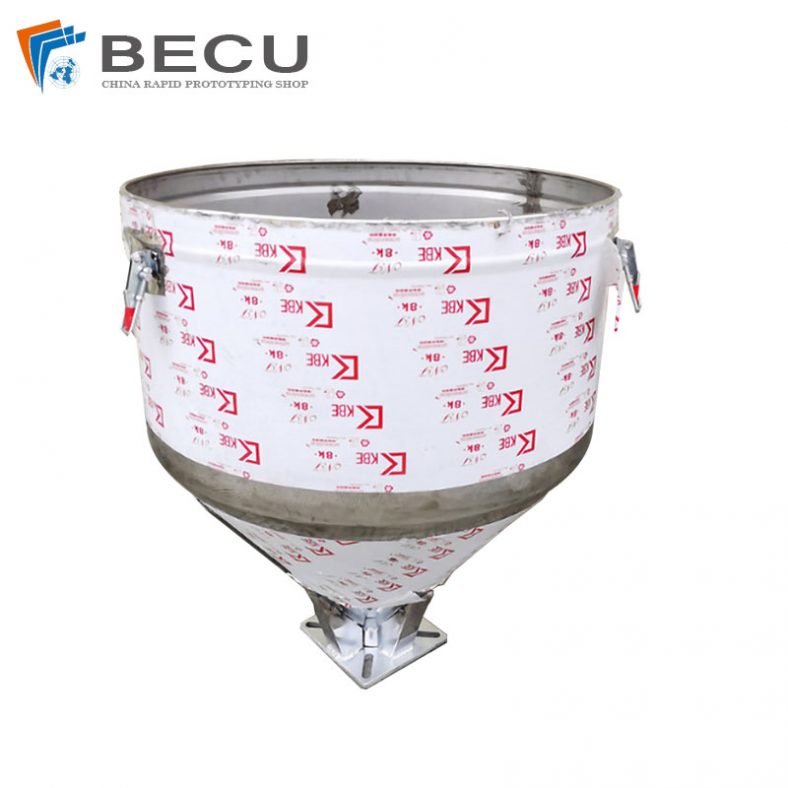
Sheet Metal Fabrication Injection Molding Machine Hopper
-
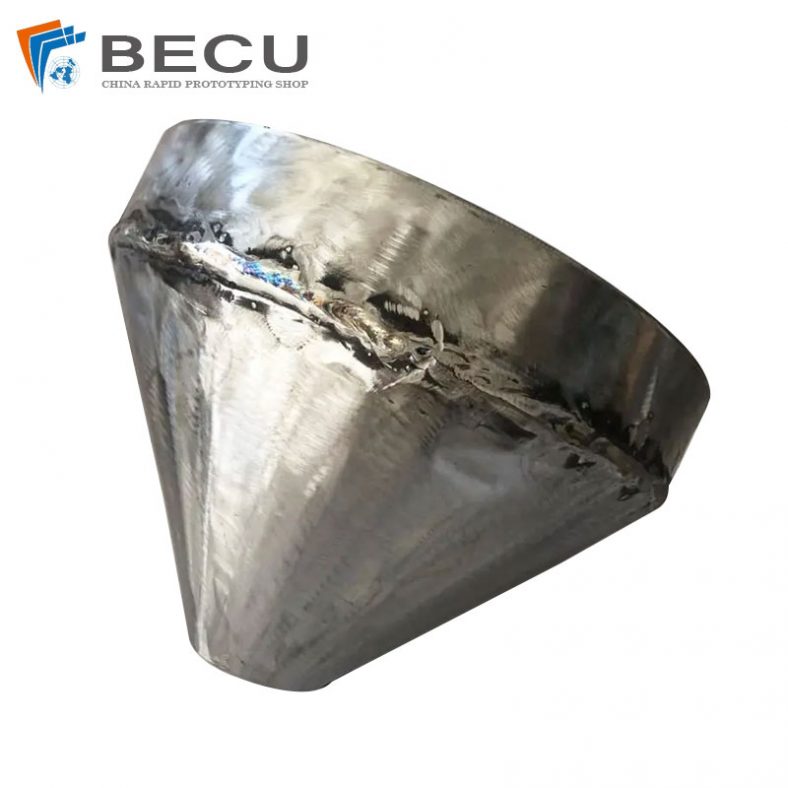
Sheet Metal Fabrication Funnel For Agricultural Machinery
-
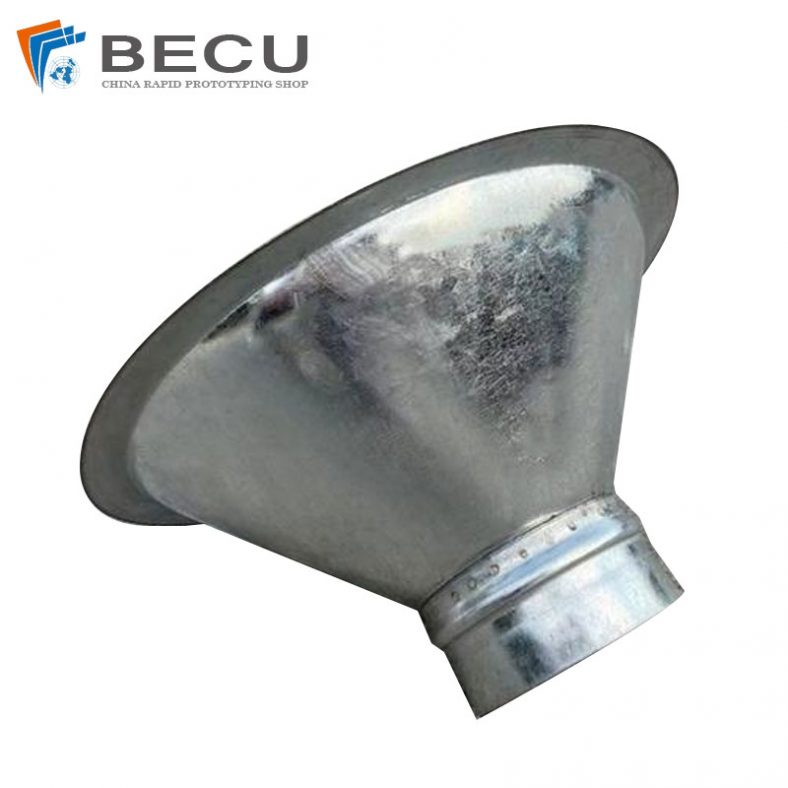
Sheet Metal Fabrication Galvanized Spiral Air Duct
-
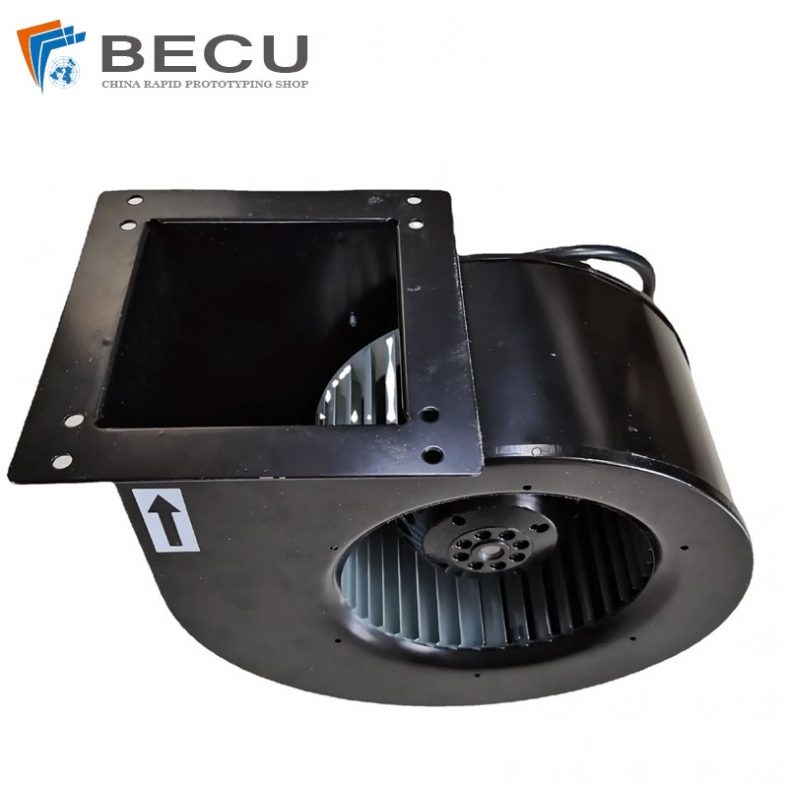
PCS Fan Ductwork Sheet Metal Housing
-
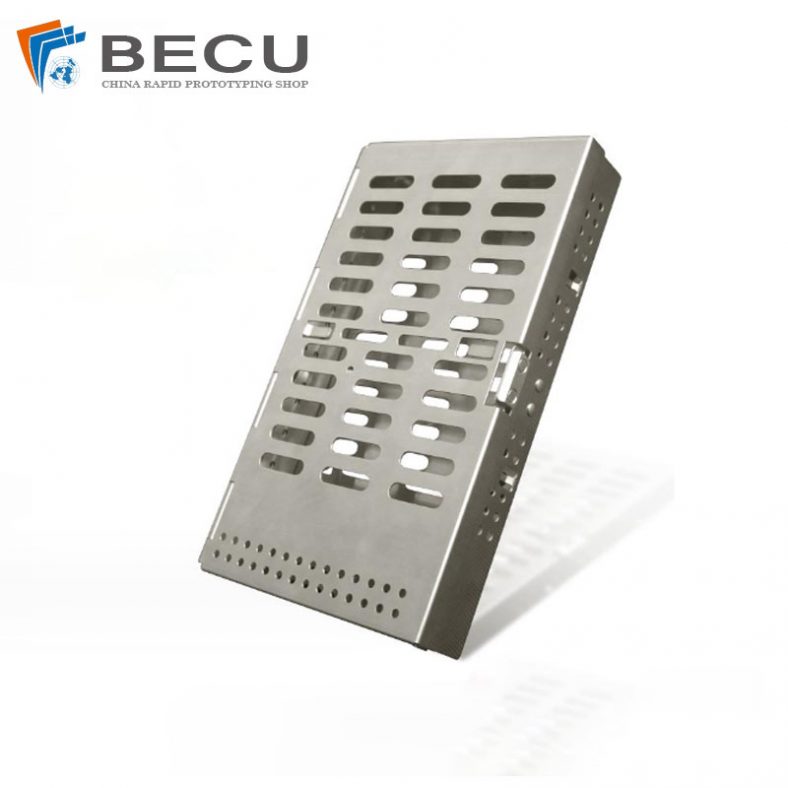
Custom Sheet Metal Surgical Instrument Sterilization Box For Beauty Salon
-
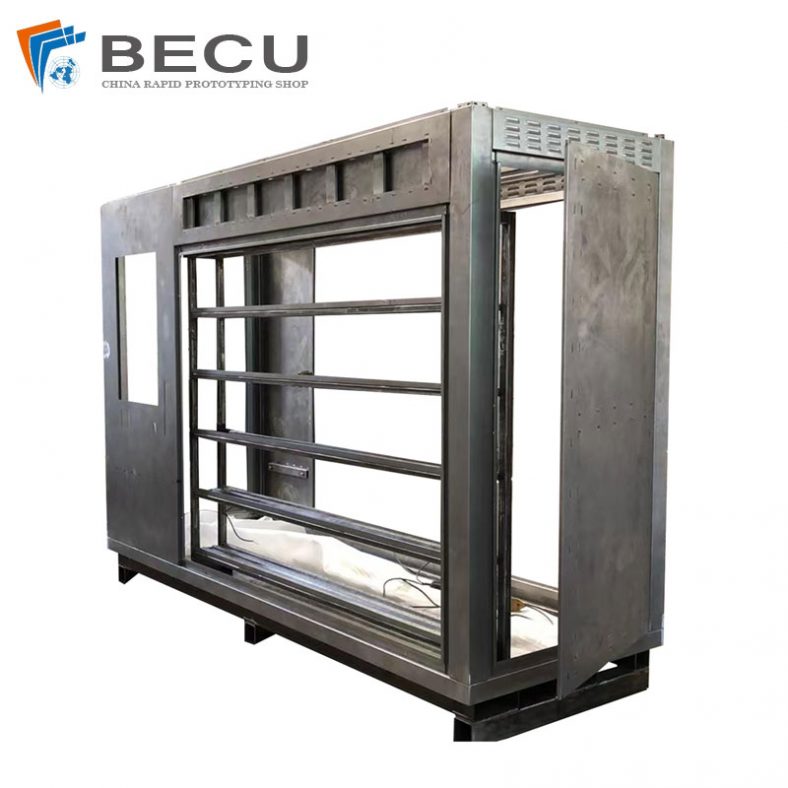
Precision Fabrication Green Energy EV Charging Station Cabinet
-
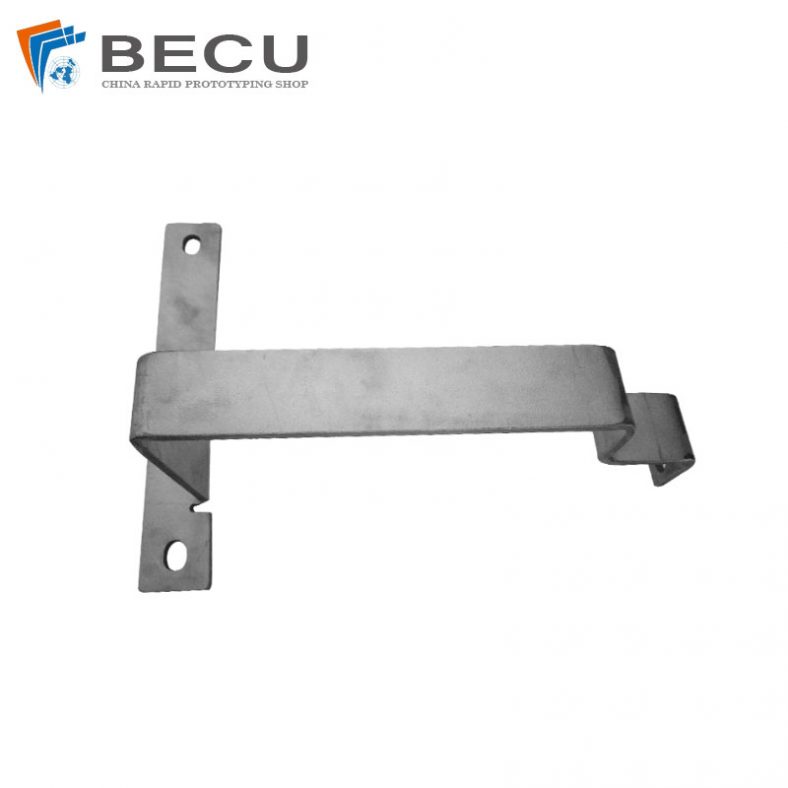
TA1TA2 Alloy Sheet Metal Manufacturing Machinery Support Parts
-
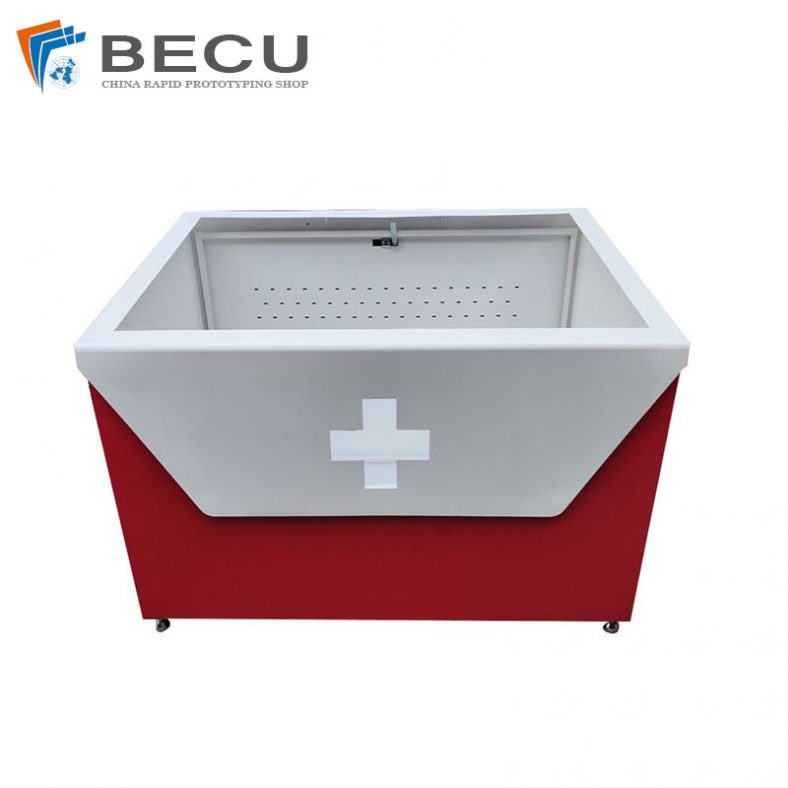
Sheet Metal Fabrication Aluminum 5052 Medical Box For Fire Fighting